We Visited Siem Reap – Cambodia 14 Oct to 16 Oct 2015


We had been planning to visit Vietnam and Cambodia for a really long time but it didn’t happen. This October we planned to visit Kaziranga National Park, which unfortunately got cancelled at the last minute. Not wanting to stay at home during the Dussehra holidays, I started planning a trip to V and C. The weather plays an extremely important part when deciding to visit these countries. October appeared to be reasonably ok – December being the best.
Jai’s colleague from School – Sushama with her daughter Anoushka very readily agreed to join us for the trip.
The history of Cambodia is too complicated to be understood by reading a short write up from a blog. It suffices to note that at various periods of its history – India, China, Vietnam, France and Thailand have played a major role in influencing the fabric of its society.  
The Indian influence reached Cambodia through the land route via Myanmar and Thailand and over the sea. Historically, India-Cambodia relations are a product of Hindu and Buddhist religious and cultural interaction. The interactions between India on the one hand and various parts of Southeast Asia can be traced back to 4th, 5th and 6th century AD.  At various periods of their religious calendar, Cambodians embraced Hinduism, worshiping Vishnu and Shiva and at a later period – Buddhism. Their temple architecture was greatly influenced by Dravidian style of architecture.  
Siem Reap – 14 Oct

Figure 1 – Siem Reap airport – Traditional Cambodian architecture.
After a very exhausting journey from Bangalore via Kuala Lampur, we landed in Siem Reap in the afternoon. The name, ‘Siem Reap’ can be translated to mean ‘Defeat of Siam‘, Cambodians call Thailand Siam or “Siem”. The presence of various ancient temple complexes has made Siem Reap a staging post of sorts. This temple town attracts thousands of visitors from all over the world. Over a period of time the town has developed into a friendly, warm and lively get away for tourists. The town offers a heady combo of ancient history, breathtaking temple architecture on one side and lively pubs, dance and music with exotic food at the other end.
We checked into the ‘Golden Banana Boutique Hotel – Rambutan’. As usual our very dear friend Kshama helped us to plan the trip to C and V – where to stay – what to eat – places to visit et al. Big thanks, Kshama! The hotel is located in the historical centre of Siem Reap – within 5 minutes walking distance of Phsar Cho the Old market, Pub Street and the River Siem. Rambutan is a very special kind of hotel, full of old world charm. The hotel is built around a small pool with lots of tropical plants and comfortable seating. The rooms are airy, clean and spacious. More importantly the staff are extremely friendly, courteous, helpful and polite – a very welcome sign for any weary traveler. The management missed sending us a car to the airport and was very apologetic all through – one hot afternoon they gave us beer on the house to make up for it – cheers.  Food served in the hotel is very good, especially Cambodian cuisine.

Figure 2 – Jai, Sushama and Anushka at the hotel reception with Rambutan fruit lamps hanging above.

Figure 3 – The pool and the tropical setting

Figure 4 – Rooms at various levels

Figure 5 – Another view
The weather is extremely muggy and warm. It is best to venture out early in the morning, rest by the pool in the afternoon – a bit of Zzzzzzz and then head out well after sun set. On must carry enough light cottons, as you will end up changing clothes at least twice daily. Carry sun shades without fail and pick up their traditional bamboo hats.

Figure 6 – Setting sun by the River Siem
After a good rest we headed out to the old market area. The market resembles Sarojini market of New Delhi in many ways. Apart from a few knick knacks and souvenirs there is not much of shopping.

Figure 7 – The market area – very clean in spite of the crowd
Pub Street
After a bit of window shopping we entered the famous ‘Pub Street’. Having gone through all the hype about the place on the net, we expected a great deal. We were not disappointed in any way. Pub Street comes alive around 2000 hrs and it rocks into the wee hours. The street is full of pubs – each clamoring to get the patronage of the travelers. Hundreds of international travelers dressed very casually end up here to unwind with chilled beer and exotic food. Music, dance and merry making fills the air and inspires one and all to celebrate and absorb this amazing atmosphere. The peppy mood of Pub Street is contagious – nobody minds.
We had an excellent time watching the crowds go by, listening to some really good loud music, dancing and eating some excellent food. We wondered what fun it would be if Church Street, for example, were turned into a similar place to attract tourists and local Bangaloreans alike over the weekends; a no traffic zone with open air cafes on either side and people walking on the road and lovely weather. 

Figure 8 – The unforgettable “Pub Street”

Figure 9 – Pubs on Pub street, Anoushka, Sushama and Jai

Figure 10 – Angkor What? –Promoting Irresponsible drinking since 1998 J

Figure 11 – Capturing the moment – behind them is the ‘Welcome to Pub Street’ banner
15 Oct – The Temples – Angkor Wat
Angkor Wat was built by king Suryavarman II roughly between A.D. 1113 and 1150. Encompassing an area of about 500 acres, Angkor Wat is one of the largest religious monuments ever constructed. Its name means “temple city.” Originally built as a Hindu temple dedicated to Lord Vishnu, it was converted into a Buddhist temple in the 14th century, and statues of Buddha were added to its already rich artwork. The complex consists of a huge moat,outer wall, walk way and finally the temple.The sheer size of the temple complex is mind boggling. The sandstone blocks from which Angkor Wat was built, were quarried more than 50km away (from the holy mountain of Phnom Kulen) and floated down the Siem Reap River on rafts.
The temple faces West, symbolically, it is the direction of death, which once led a large number of scholars to conclude that Angkor Wat must have existed primarily as a tomb. The debate continues to date. Angkor Wat is famous for having more than 3000 charming ‘apsaras’ (heavenly nymphs) carved into its walls. Each of them is unique, and there are 37 different hairstyles for budding stylists to check out.

It took 30 years to complete the construction. To get a better perspective of these great temples one should note that the temples of Hampi were built around AD 1336-1570.

Figure 12 – Angkor Wat from a distance with the moat 

Figure 13 – View from the inner wall – see the distance between the two

Figure 14 – The inner wall with a carving of Apsara and various other
Reliefwork

Figure 15 – Anoushka in a very pensive mood.

Figure 16 – An attempt to capture the enormity of the temple comlex from a height.

Figure 17 – The exact centre of Angkor Wat – along with our Tuk Tuk driver – Mr Saya

Figure 18 – Photo op for Sushama and Anoushka

Figure 19 – In the glory of Angkor Reflection

Figure 20 – The long walkway connecting the temple
Tuk Tuks in Cambodia
The best way to travel in Siem Reap is by Tuk Tuk – a cousin of our own ‘Auto’. Unlike our autos, a tuk-tuk is a motorcycle with an articulated passenger trailer. It is extremely convenient to hire them for short distances – generally 2USD for a short ride and 15USD for the whole day. Four of us could fit in comfortably with Mr Saya at the helm.He also doubled up as a guide with resonably good English. We used his services for two days to move around Siem Reap. A ride on a Tuk Tuk is very comfortable,convenient and a good experience too. 

Figure 21  On the Tuk Tuk with Mr Saya
Ta Phrom
In the afternoon we visited Ta Phrom – yet another temple complex built around the same time as Angkor Wat. Unlike most Angkorian temples, Ta Prohm has been left in much the same condition in which it was found – one can easily say the temple has been swallowed by the forest. Originally it was named ‘Rajavihara’. The Archeological Survey of India has restored most parts of the temple complex, some of which have been constructed from scratch. Large portions of the temple have been closed for public viewing due to reasons of safety.

Figure 22 – A distant View

Figure 23 – Massive trees enveloping the temple structure

Figure 24 – Some more of them
Tonle Sap
After a good lunch at the Rambutan and some much required rest we headed out to see ‘Tonle Sap’. The Lake is the largest fresh water lake in South East Asia. Its dimension changes depending on the monsoon and dry season. During rainy season from June to October, the lake is filled by water flowing from the Mekong and the surface area of the lake expands to 10,000 square Kilometres. The Lake is also an important commercial resource, providing more than half of the fish consumed in Cambodia. The lake is located about 15 km south of Siem Reap town. One can do a six hour ride in a speed boat to Phnom Penh, instead of road or by air. The lake supports a large number of houses on stilts. These houses and other structures constitute the floating village – a complex habitation system with hundreds of people living in these floating villages.
The vastness of the lake is to be seen to be believed. At one point it appears like an outing into the sea from all accounts. Whilst on the boat and waiting for the sunset we were badly hit by a storm and ended up having a totally different kind of adventure.

Figure 25 – The boat ride

Figure 26 _ The floating village

 Figure 27 – With the setting sun and the approaching storm

Figure 28 – Look and feel – being at sea
Angkor Thom – 16 Oct 
Angkor Thom, the last capital of the Khmer Empire, was a fortified city enclosing residences of priests, officials of the palace and military, as well as buildings for administering the kingdom. A drive through the inner perimeter of the city gives a glimpse of what the city may have been hundreds of years back.
The whole day was spent lazily driving down in the Tuk Tuk to Banteay Srei temple complex and Kabal Spein. Tourists have to buy only one ticket for the entire temple complex in Siem Reap. Banteay Srei is a 10th-century Cambodian temple dedicated to the Hindu god Shiva. It is located about 24 Km from Siem Reap. The architecture is closer to Indian style and carving is better than Angkor Wat. Kabal Spein is also known as the “The River of a Thousand Lingas”. One reaches the source of the river after a very tricky and arduous uphill trek.

Figure 29 – Gate way to Angkor Thom

Figure 30 – Some more temple structures

Figure 31 – typical landscape

Figure 31 A – At the reception of Banteay Srei


Figure 32 – Intricate carving at the entrance


Figure 33 – Square Lingas – unusual


Figure 34 – Temple entrace


Figure 35 – A group of temples


Figure 36 – On the way 


Figure 37 – End of trek

Last Night in Siem reap
We visited the Pub Street once again to indulge in some more Angkor and Tiger beer. Egged on by Anoushka I took to the street – literally and joined a pony tailed oldish South American and danced away – to be joined by others in merry making. Three day stay in Siem Reap came to a beautiful end. We will remember Siem Reap for a very long time.
Figure 38 – Their National Beer

We visited Ljubljana – Slovenia, 14 May 2015 – End of East Europe trip


The history of Slovenia is very similar to other East European countries – early Roman Influence – ravaged by WW I and WW II – thereafter under Communist Yugoslavian regime and eventually independence on 25 June 1991. Slovenia joined the European Union on 1 May 2004. Slovenia is blessed with a very well educated work force and an excellent infrastructure of road, rail and air connectivity. It boasts of a well developed economy – second only to the Czech. The prosperity is very evident as one travels through the capital city of Ljubljana.
Having come so far we toyed with the idea of visiting next door Ljubljana – Slovenia – even if it was for a short period. We took a train from Zagreb;the rail station’s conveniently located opposite our hotel at 0630 h and we reached Ljubljana around 1000 h. We returned by about 1900 h. The entire journey was smooth and effortless. The railway system is very modern, clean and efficient. It was indeed a pleasure to travel without any glitches. There are 101 inhabitants per every sq km as against 380 in India. As a result one does not see overcrowding anywhere. It is very difficult to spot any animal. The region around is mountainous and riddled with a number of rivers and streams – making the countryside a pleasure to watch.
Ljubljana is an ancient city, dating back to the Roman period. It is located on the banks of River Ljubljanica.  The city is located at an elevation of 968 ft. Bangalore is 5 times the size of Ljubljana – which is blessed with a very low population of 272,000 as against our 10.8 million that makes it a mind blogging 40 times. It is extremely invigorating to see very few people on the roads, rail stations, public places and elsewhere as against our chaotic setting. We strolled our way through the city and spent considerable time sitting in the market square and absorbing the essence of the city. We had a fabulous lunch in a restaurant by the river. 
East Europe
Over the last sixty years these countries have toiled hard to consolidate their economy and infrastructure which in turn has resulted in making their society vibrant and prosperous. Peace has prevailed in these parts during this period. A war free environment has been responsible for triggering growth and stability to a very large extent. Tourism is a big money spinner in these countries and all of them have taken an integrated approach to sustain it. Dwindling population poses a very big problem in this region. Looking back on this wonderful trip, I can say we were quite lucky there was no migrant problem on hand, whilst we were there. I am sure they will find a solution and life will continue – albeit a few changes.
Prague, Krakow, Budapest, Zagreb and Ljubljana represent the best of Europe – loads of history and culture, brilliant architecture, lively city life, clean and orderly, good food, excellent wine and much more. In short it is a traveller’s dream.
Every time we return from a trip abroad, I feel India is being left out of the race – be it China or South Africa or even Sri Lanka  – all of them have made great strides in building their nations. We, meaning the people, government, media and others continue to be preoccupied with petty issues, low level of politics, party squabbles and other such useless activities. There is hardly any concern or debate for nation building activities. Maximum time is spent on non issues such as Sheena – Indrani murder case, Hard Dick and his uprising, Meat ban, etc.
As far as we are concerned – “It’s a long long way to Tipperary”  and our only hope is the growing concern of the young, who are making constant efforts in small pockets to make life better, so we have traffic free Sundays, cycle marathons, cleaning crews like the Ugly Indians who anonymously work to better our streets, bit by bit.
From the train – lovely countryside
Lots of water bodies on the way
 

Some more water bodies


fairy tale setting


On the streets of  Ljubljana


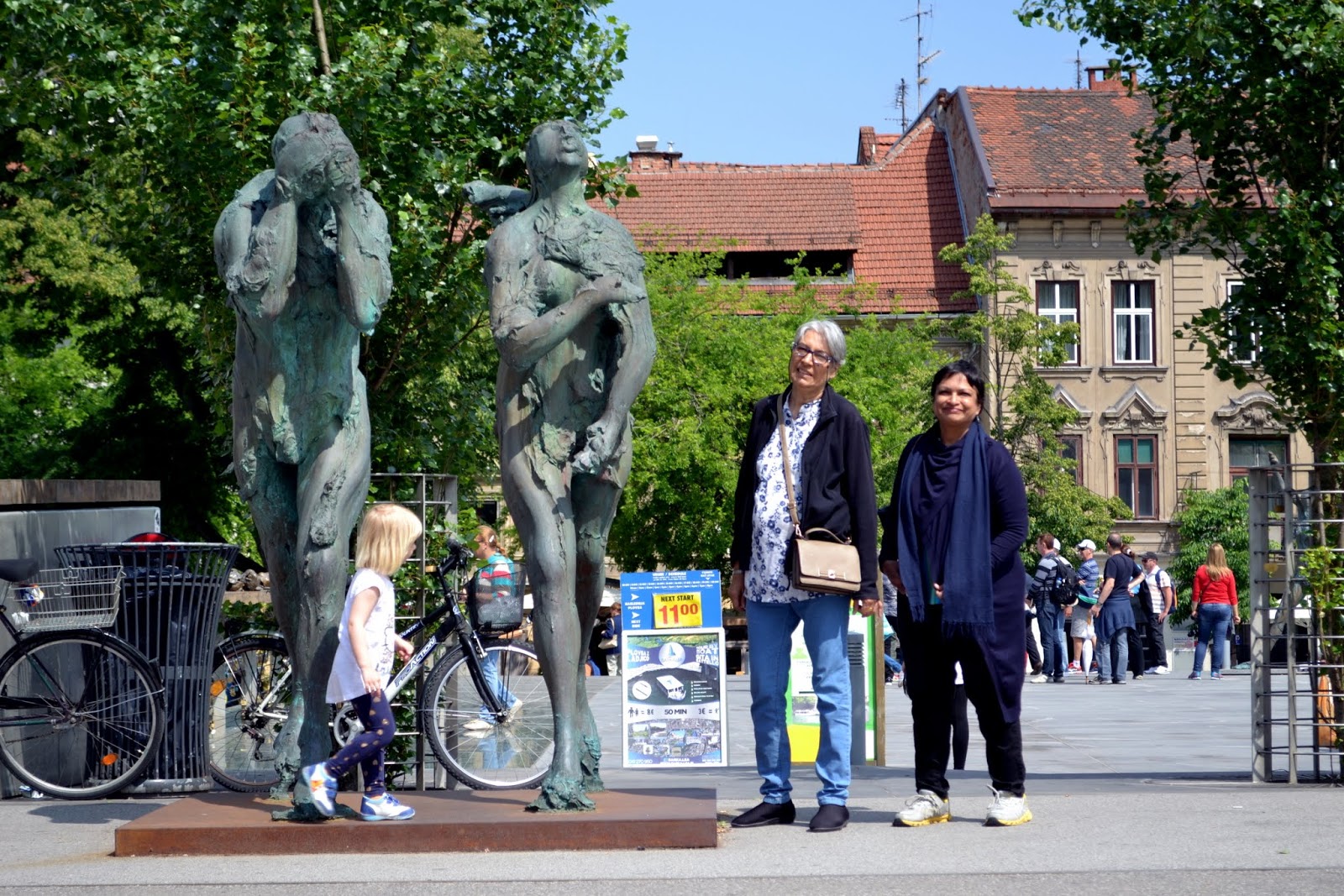
Adam and Eve.These thoroughly fascinating grotesques are the creations of Slovene sculptor Jakov rdar  


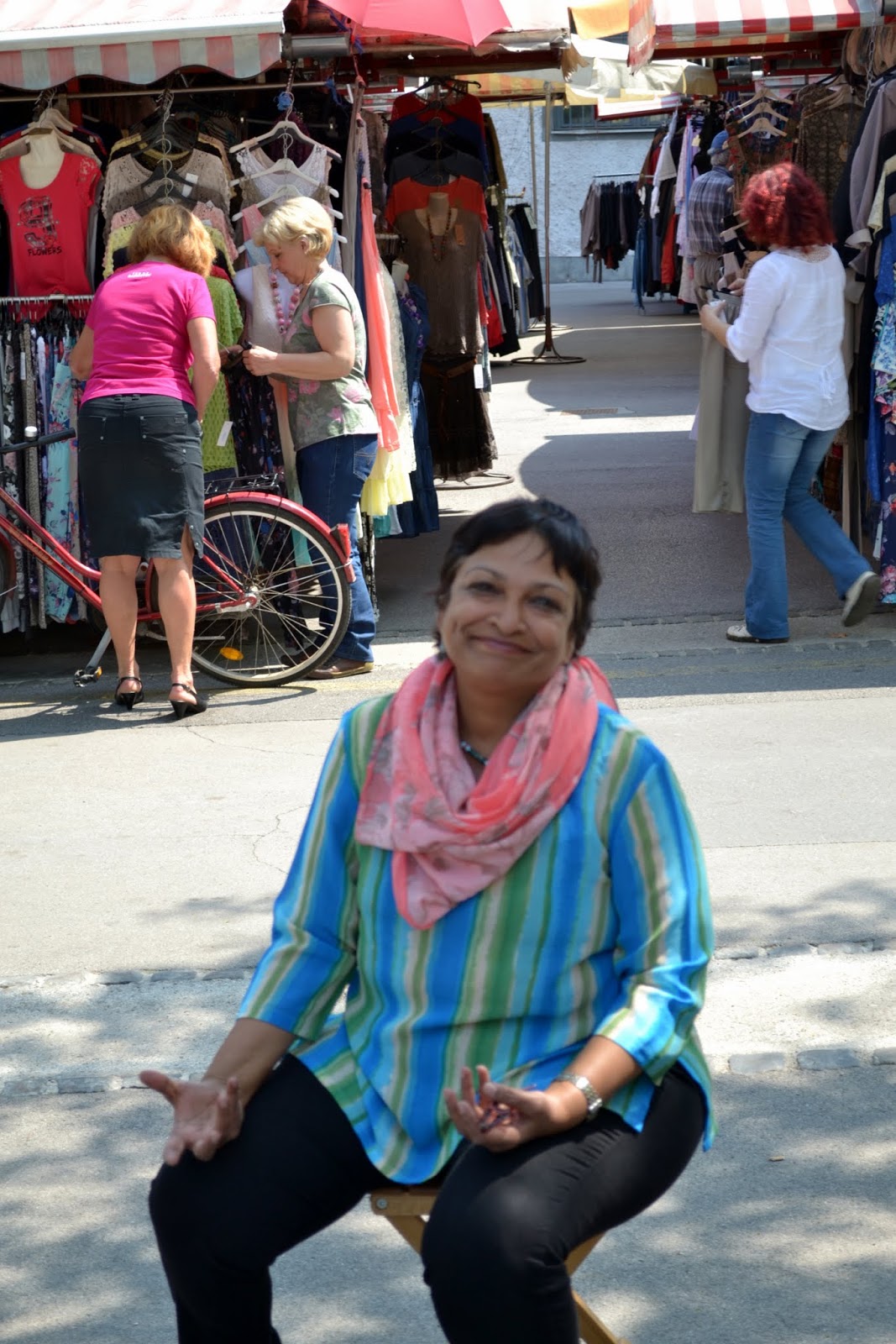
Sunday market scene – Fruits and vegetables galore


Jai enjoying the market scene


The satyr by Jakov Brdar 


A lovely lunch at Fany and Mary. The waitress readily agreed to pose for me.


Another interesting poster


Photo after lunch by the river


The river in the heart of the city.

Grand Hotel Union


A very orderly city

Fascinating flowers

  
Cobble stone street
Upper Carniola Region Franciscan Church of Annunciation
 

Love padlocks on Butcher’s Bridge. Couples lock them here to symbolise their eternal love.

A lovely country scene

We visited Zagreb – Croatia 12 May to 13 May 2105


Lake Balaton 12 May 

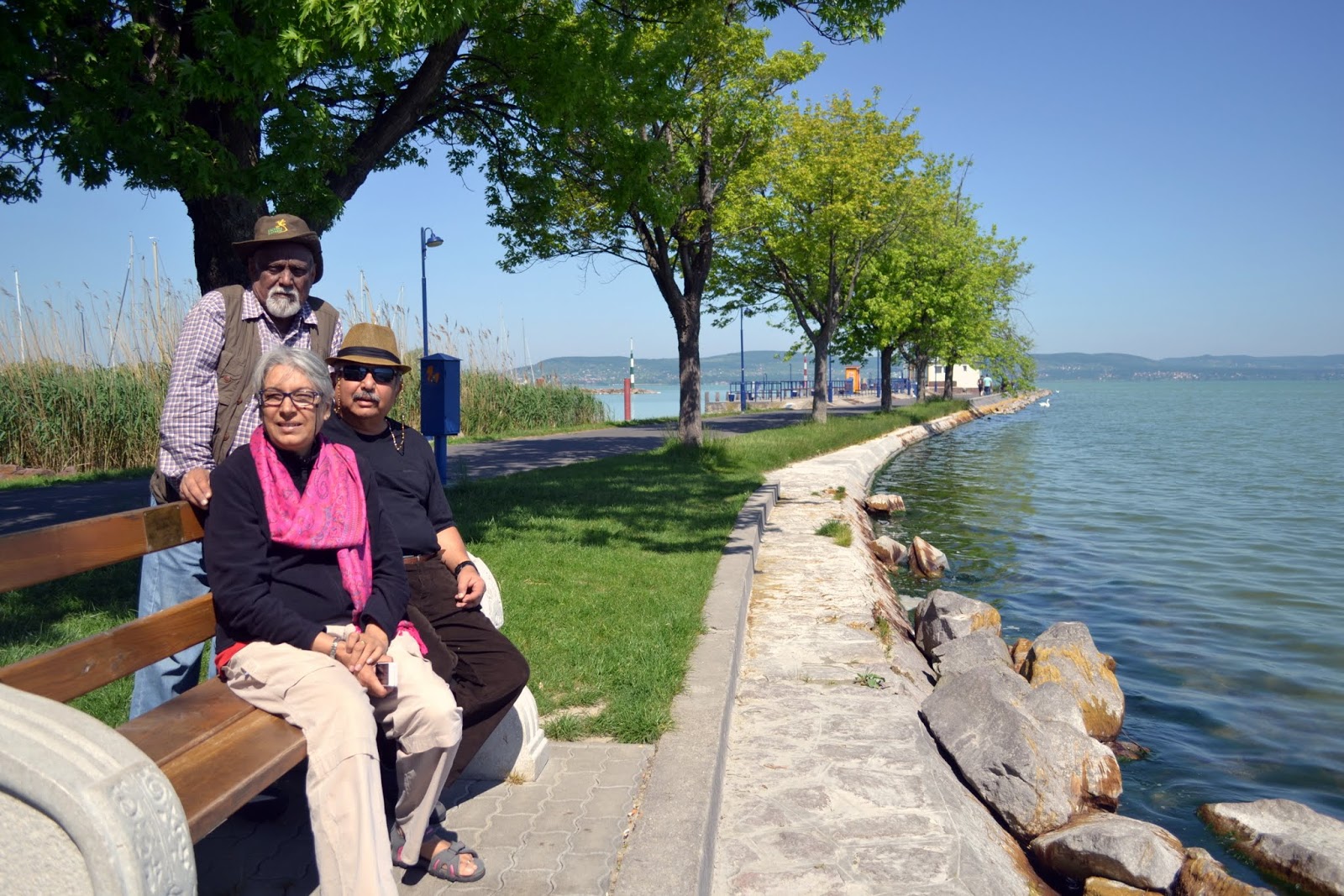
We left Budapest early in the morning with Mr. Aaron. On the way to Zagreb, lies the largest fresh water lake of Central Europe – Lake Balaton. When I saw it for the first time, I thought we were facing a sea front – not realizing we stood face to face with a lake which is 77 Km in length and 14 Km in width, covering an area of 592 Sq Km – Since Hungary is landlocked, Lake Balaton is often affectionately called the “Hungarian Sea”. This nickname isn’t far from the truth. Fresh water, beaches, swimming, luxury resorts, yachting and water sports makes Lake Balaton one of the most sought after tourist destinations in Central Europe.

We spent the whole morning appreciating the surroundings – had coffee and departed.

The size of the lake is amazing

Sailors paradise

The flotila
Photo op


Jai testing her luck


An array of birds

As if some one in entering harbour

The towmship
Immaculately clean

Varazdin 12 May  

Lake Balaton and the beautiful town of Varazdin are located enroute to Zagreb and we did not have to deviate much from the highway.These are some of the unbeatable advantages of traveling in a van. We just paid Mr. Aaron the extra 15 Euro per hour from the beaten track. A great way to travel.


Once upon a time Varazdin was Croatia’s capital (now Zagreb) and it retains an aura of stately dignity. The town is extremely well maintained and the baroque style architecture stands out – loud and clear. For any first time visitor, the city appears to have come out of a fairy tale – quiet, very few people on the road, lovely roundabouts where one can sit and watch as the day unfolds – very good food and much more. We spent our brief time walking aimlessly around the main thoroughfare, did some serious leather shopping followed by some elbow bending  and a lovely lunch. An afternoon delightfully spent.

Row houses – approaching the town


Beautiful roads – a pleasure to drive


Main road to city centre – National theater on the left


Winding our way on cobble stones


Finally lunch at Domenico

Effects of a good lunch


Market area


Varazdin’s Cathedral

Zagreb 12 to 13 May

Initially we had planned to visit Split and may be do a day trip to Montenegro. Due to air connectivity and distances we decided to just stick to Zagreb, the capital of Croatia. Situated on the banks of River Sava, Zagreb radiates old world charm from every nook and corner. By international standards it’s a small city with a population of less than a million people – 0.7 million. Their economy is very robust and vibrant, which is very evident as one travels around the city and the surrounding area. After WWII, Croatia became a single party socialist federal unit of the Yugoslavia, ruled by the Communists. Following the death of Yugoslav ruler Tito in 1980, the political situation in Yugoslavia deteriorated and culminated in Croatia seeking independence. Croatia declared independence in June 1991. Croatia became a member of NATO on 1 April 2009, and joined the European Union on 1 July 2013. Tourism dominates the Croatian service sector and accounts for up to 20% of the Croatian GDP.

Dividends of peace since 1945 and liberation from the communist grip since 1985 – 1991 can be seen everywhere. The people on the streets, shopkeepers, hotel staff, taxi drivers – all appear to be happy and contented. The city is full of life.

We had excellent weather throughout our stay with a bit of drizzle here and there. We stayed at Hotel Central – the name sums up the location – next to the transport hub and the railway station. The tram stop was right next to the hotel. The historic Upper Town and the vibrant Ilica Street with numerous shops was just 2 tram stops away. Walk and watch was the theme of our stay. Come lunch and dinner time, we would select a pavement restaurant and order some beer or wine and watch the world go by. We watched Zagreb in slow time – nothing fixed or planned – but we blended with the crowd and enjoyed ourselves thoroughly.

Group of houses
Market area
Platz vor der Kathedrale
 Wine and dinner on Tkalciceva street
I found the signs very amusing
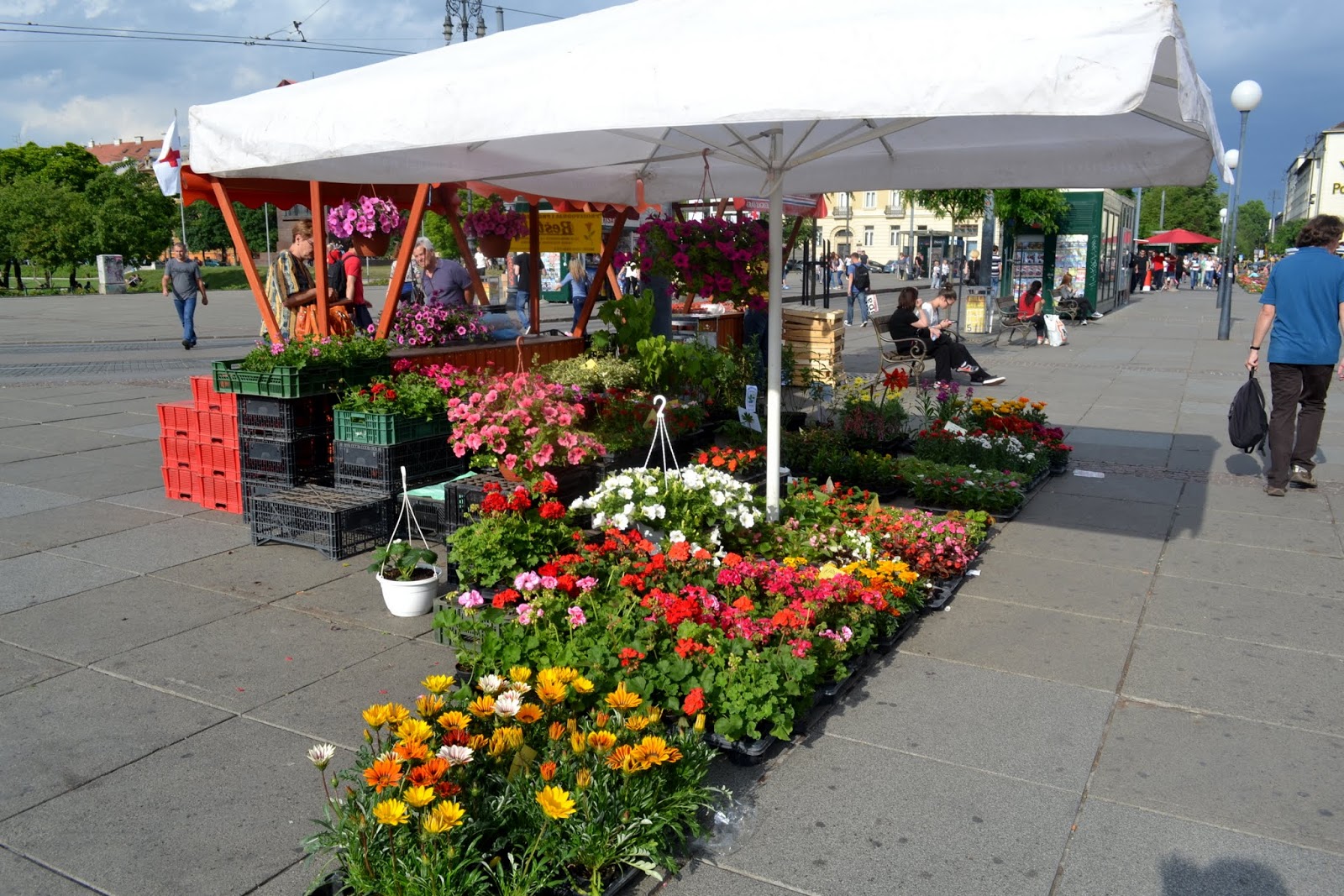
Flowers are hugely popular
At the city center
Zagreb’s main square – Trg ban Jelacic –
If you enjoy people-watching, sit in one of the cafes and watch the tram loads of people getting out, greeting each other and dispersing among the newspaper and flower sellers.
The yellow Art Pavilion presents changing exhibitions of contemporary art. Constructed in 1897 in stunning art-nouveau style, the pavilion is the only space in Zagreb that was specifically designed to host large exhibitions.
An excellent and convenient mode of transport – just opposite our hotel
King Tomislav Statue,
Band playing in the city center

We Visited Budapest 09 to 11 May 2015


Mr. Aaron our driver from Krakow to Budapest kept us busy with lots of tidbits about Budapest. He owns ‘Eurobusways’ – a mini bus company. The company owns a few cars, mini buses and vans and operates all over East Europe. Their service is excellent and very reliable. Being a small company, they are very flexible in their approach. On the whole we had an excellent experience with Mr. Aaron. In fact our van experience all through was very good. In retrospect, travelling by a van was the best option.
Schooling is practically free for all the children in Hungary. They pay 20 Euros per child for breakfast, lunch and dinner. Minimum wages in Budapest is 300 Euros. Hungarians love to eat and drink and according to Aaron – they do it in good measure. Russia and Germany play a very pivotal role in the Hungarian economy. Petrol costs Rs 80 to Rs 85 per liter – slightly more than ours. Hungary is not a very rich country but enjoys a moderate and stable economy.
The charming Hungarian capital is known as the ‘Queen of the Danube’. The city straddles both sides of the River Danube and comprises what were originally two distinct cities Buda and Pest. Buda is the older part with the old world charm and Pest having a commercial outlook. The city is undoubtedly the prettiest city in Europe. The history of the city can be traced back to the age of the Romans who laid the foundations of the city as early as 89 AD. Budapest, an extremely old city, played a crucial role in the history of Europe. It suffered very serious damage during WWII. After the war it came under the umbrella of the Soviet Block.
Budapest is extremely charming and instantly lovable. It reminds me of a beautiful woman who ages gracefully and with dignity, full of inner beauty. Its beauty and rich architecture is evident all over the city. The earliest city architecture has been influenced by the Romans. There are plenty of examples of Gothic and Renaissance styles too. The Turkish occupation led to examples of Ottoman architecture. Latter day Classical and Neoclassical architecture is also on display. Visitors are treated to a panoramic display of well maintained buildings, churches, castles, bridges, museums, parks and much more. Budapest is a delight!
What is most amazing is the fact that Hungarians have preserved the city in its pristine condition in spite of the age of the city, vagaries of weather and ravages of various wars; something that we, as Indians, could learn.

Budapest is best enjoyed on foot and that is exactly what we did. We did a combination of ‘Hop on Hop Off’ rides and a lot of walking. Like all other cities founded on rivers, Budapest also has a number of beautiful bridges connecting Buda and Pest –  – the new Elizabeth Bridge, Margret Bridge, Freedom Bridge and the Chain Bridge – one must cross from one side to the other on foot using any of the bridges. We stayed at the IBIS. The food is very tasty and the helpings are large. The cost of food is more or less the same all over the Schengen countries. We went on a boat ride on the Danube in the evening – and were able to watch both Buda and Past when there was adequate light before the sun set as well as when all the buildings were lit up after sunset. Sitting in a boat, cruising along the Danube and watching the ‘Queen of the Danube’ is truly a fascinating, romantic sight to be cherished for many, many years.
It was a great pity we had only three days to see Budapest.

Figure 1 –Flanked by the Museum of Fine Arts and the Palace of Art and situated at the entrance to the City Park, Budapest’s “Heroes’ Square” stands in honor and memory of the great leaders in Hungary’s history. In the background – The Millennium Monument honors Hungary’s heroes. It was created at the end of the 19th century for the thousand-year anniversary of the conquest of Hungary by Magyar tribes.

Figure 2 – The art gallery

Figure 3 – Palace of Art

Figure 4 – Buda Castle seen from Gellért Hill

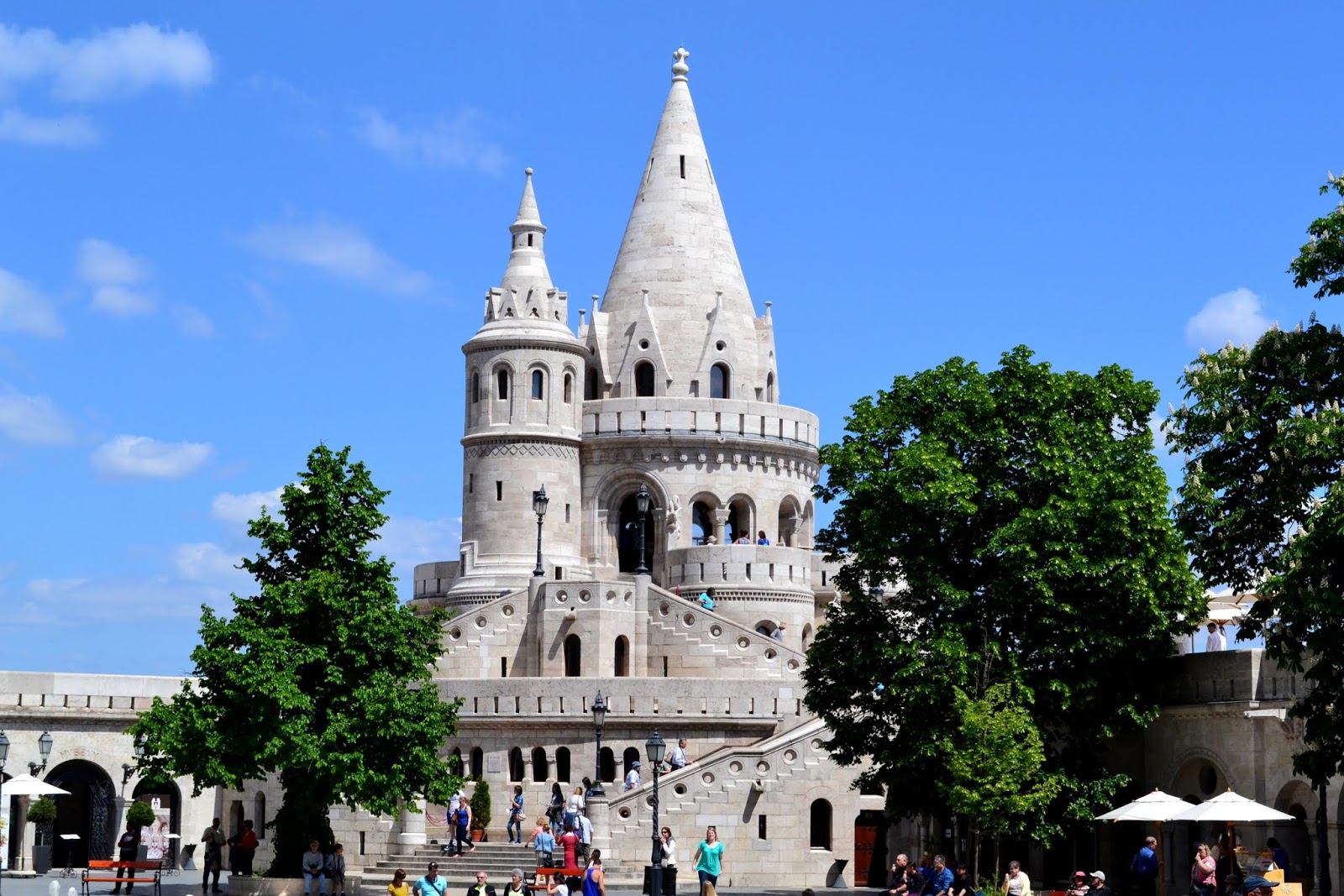
Figure 5 – The Fisherman’s Bastion, situated in the picturesque Castle District, is a romanticized version of a medieval bastion complete with beautiful turrets and ramparts.

Figure 6 A View of the Danube from Gellert’s Hill

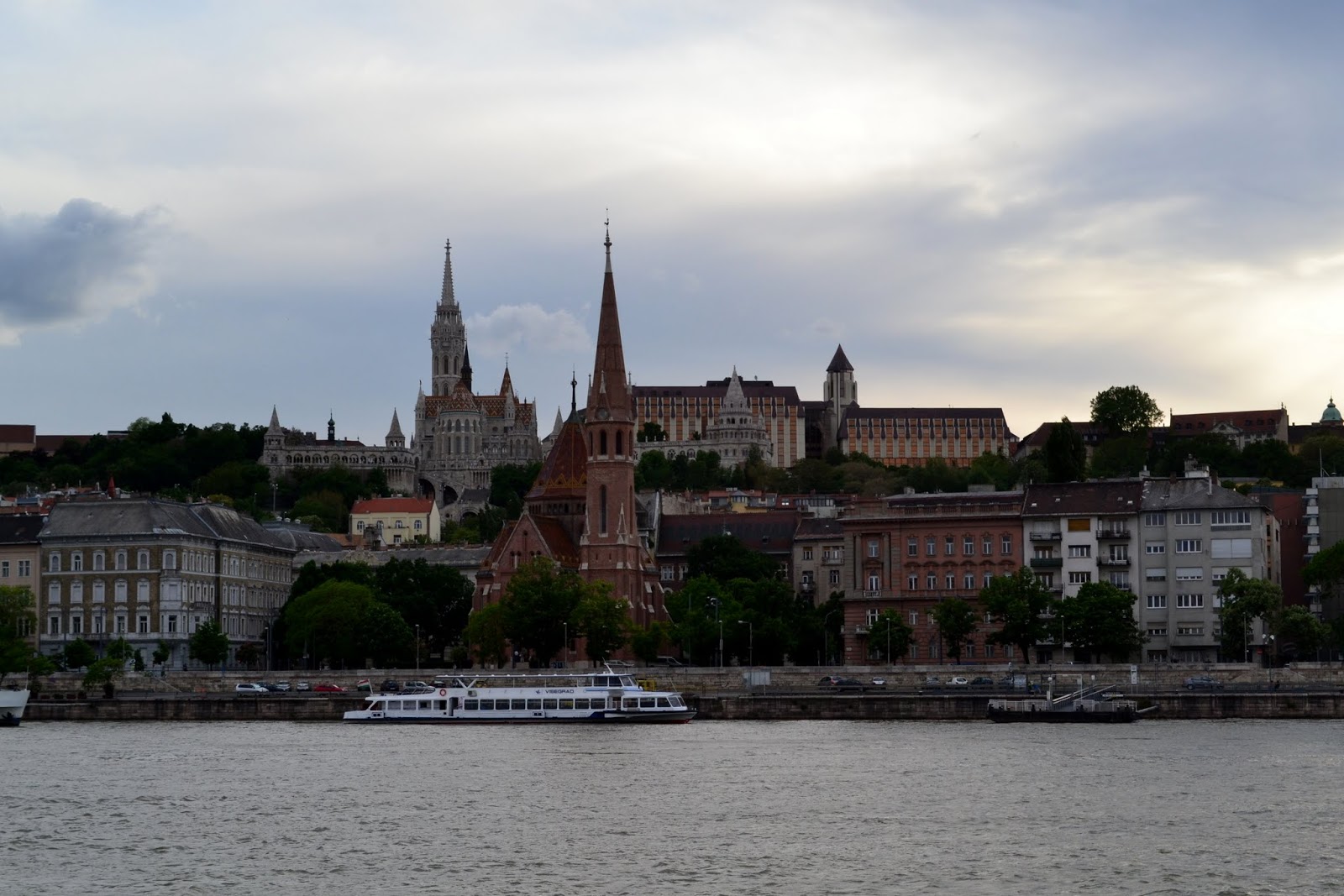
Figure 7 – View of the buildings in Buda

Figure 8 – A city park

Figure 9 – The city hall of Budapest is a monumental Baroque structure originally built in the eighteenth century as accommodation for war veterans. At the end of the following century it was remodeled to house the municipal government of Budapest.

Figure 10 – View of the castle from a distance

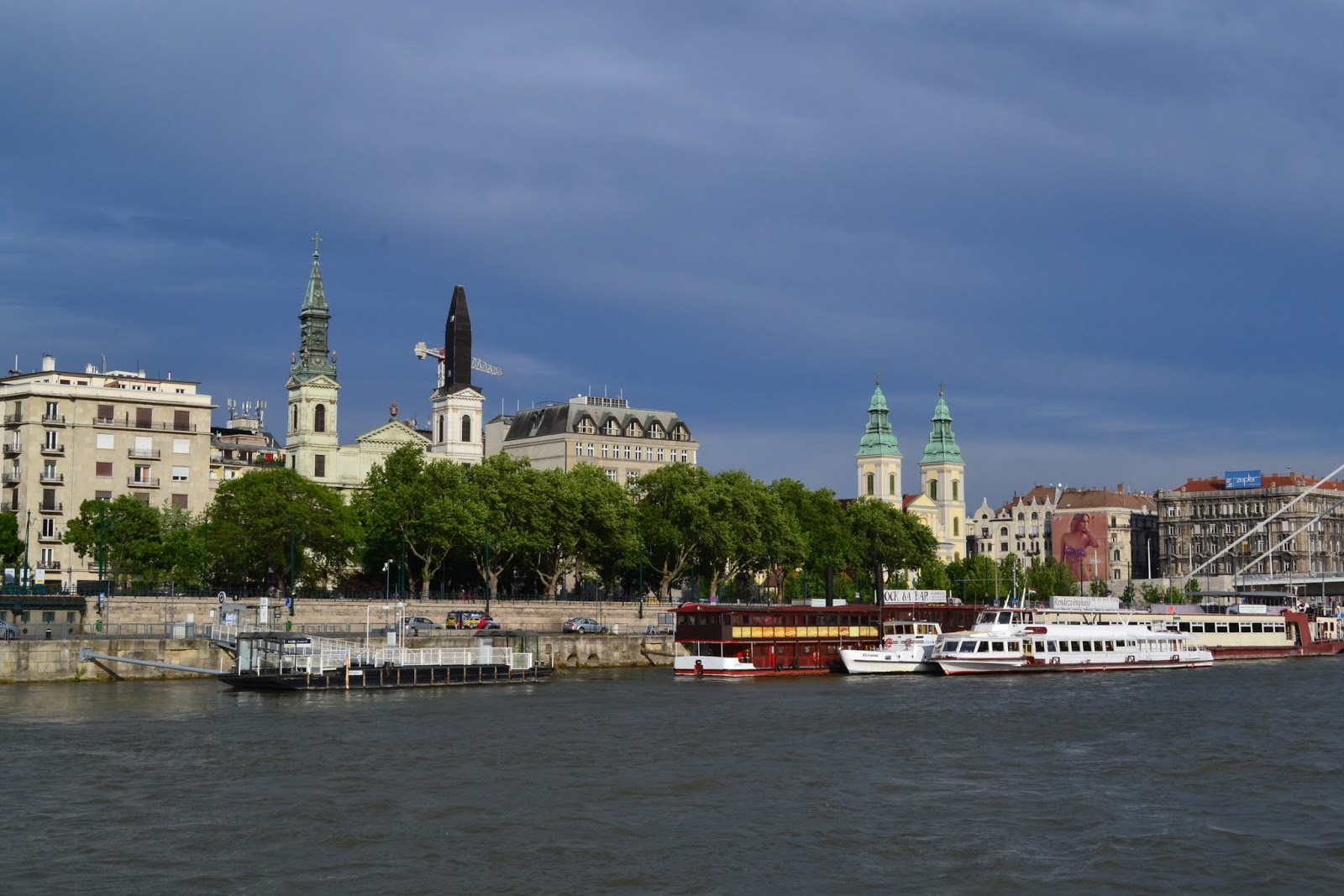
Figure 11 – View from Pest

Figure 12 – A giant wheel in Pest 

Figure 13 – City park ice rink – a mix of the old and new 

Figure 14 – Buda castle seen from Pest. The origins of the expansive Buda Castle go back to the 13th century. The imposing castle is home to two museums and is a must-see for anyone visiting Budapest.

Figure 15 – The Elisabeth Bridge is a sleek modern bridge that was built in the early 1960s to replace an older iron suspension bridge. Near the bridge is a monument of Queen Elisabeth, after whom the bridge is named

Figure 16 – Another part of Buda viewed from Pest

Figure 17 – Hungarian Parliament Building 

Figure 18 – View from the river

Figure 19 – Buda Castle, Liberty Statue, and Castle Hill on the bank ofDanube River

Figure 20 – Kats pretending to be Amitabh Bacchan as in ‘Jhoom Barabar Jhoom’

Figure 21 – Navin all relaxed

Figure 22 – Jai enjoying Budapest

Figure 22 A – KM standing tall – Hop on Hop off
 

Figure 23 – Fishersman’s bastion

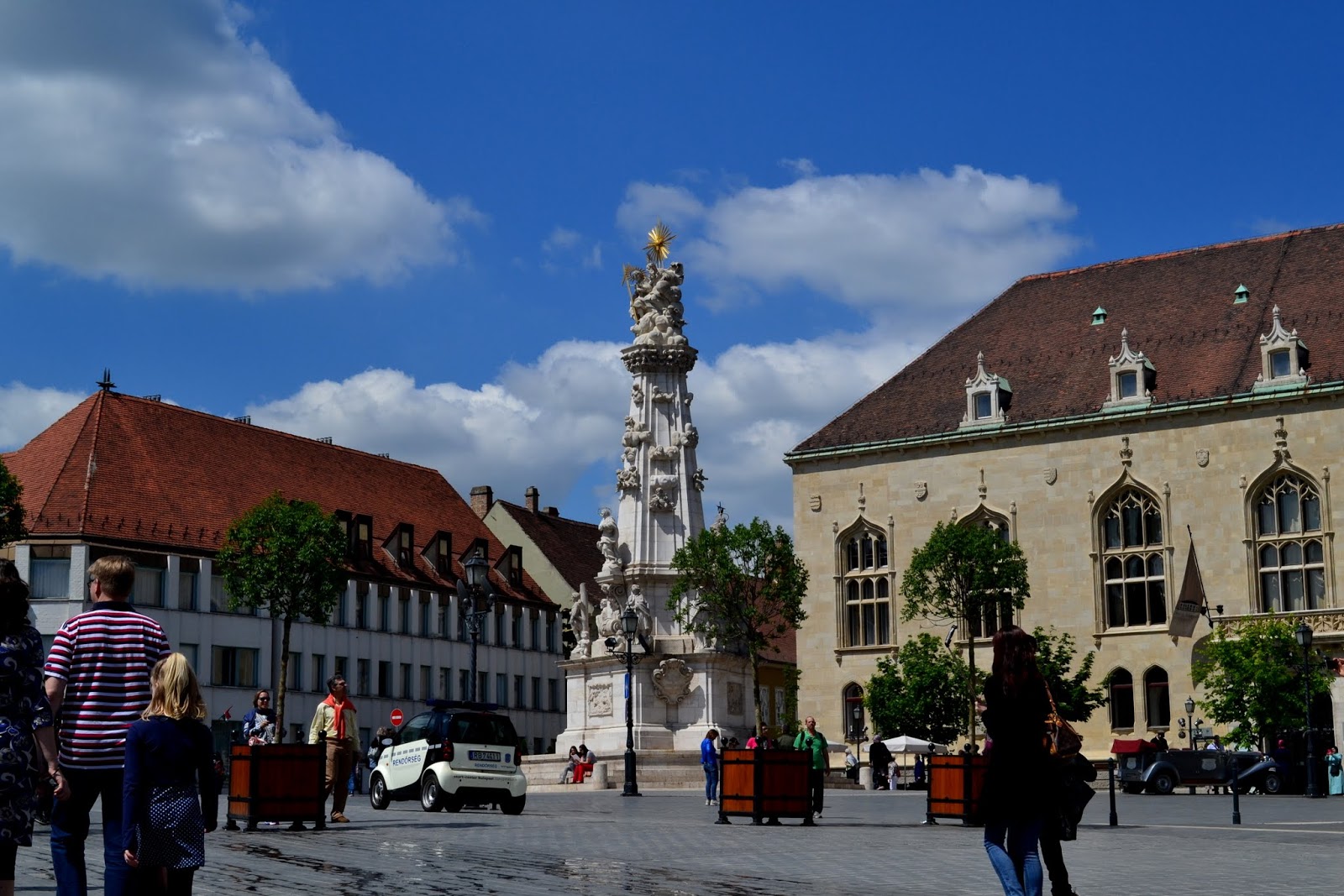
Figure 24 – Trinity column

Figure 25 – Gate to the entrance of Buda Castle in the old castle district of a crow with a ring in its beak.Bringing good luck to the city

Figure 26 – After a tiring day

Figure 27 –The Renaissance type of architecture places emphasis on symmetry, proportion and geometry. In this building some windows and ledges are false and placed there for the sake of architectural discipline.

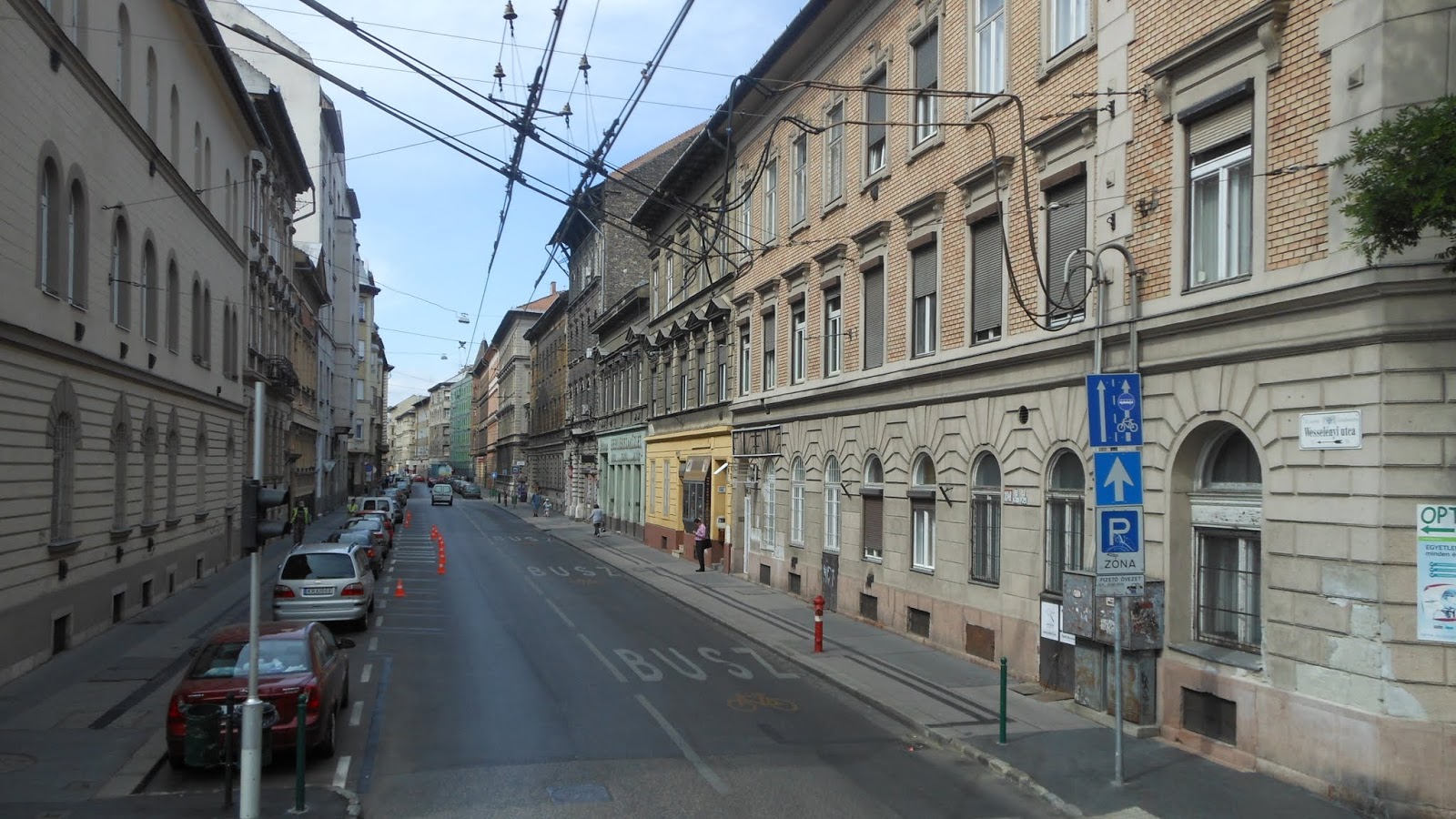
Figure 28 – A random street

Figure 29 – This monument on the namesake hill is built in 1904 in honor of the Bishop Gellért, who converted Magyars to Christianity but was killed here by opponents of the new religion

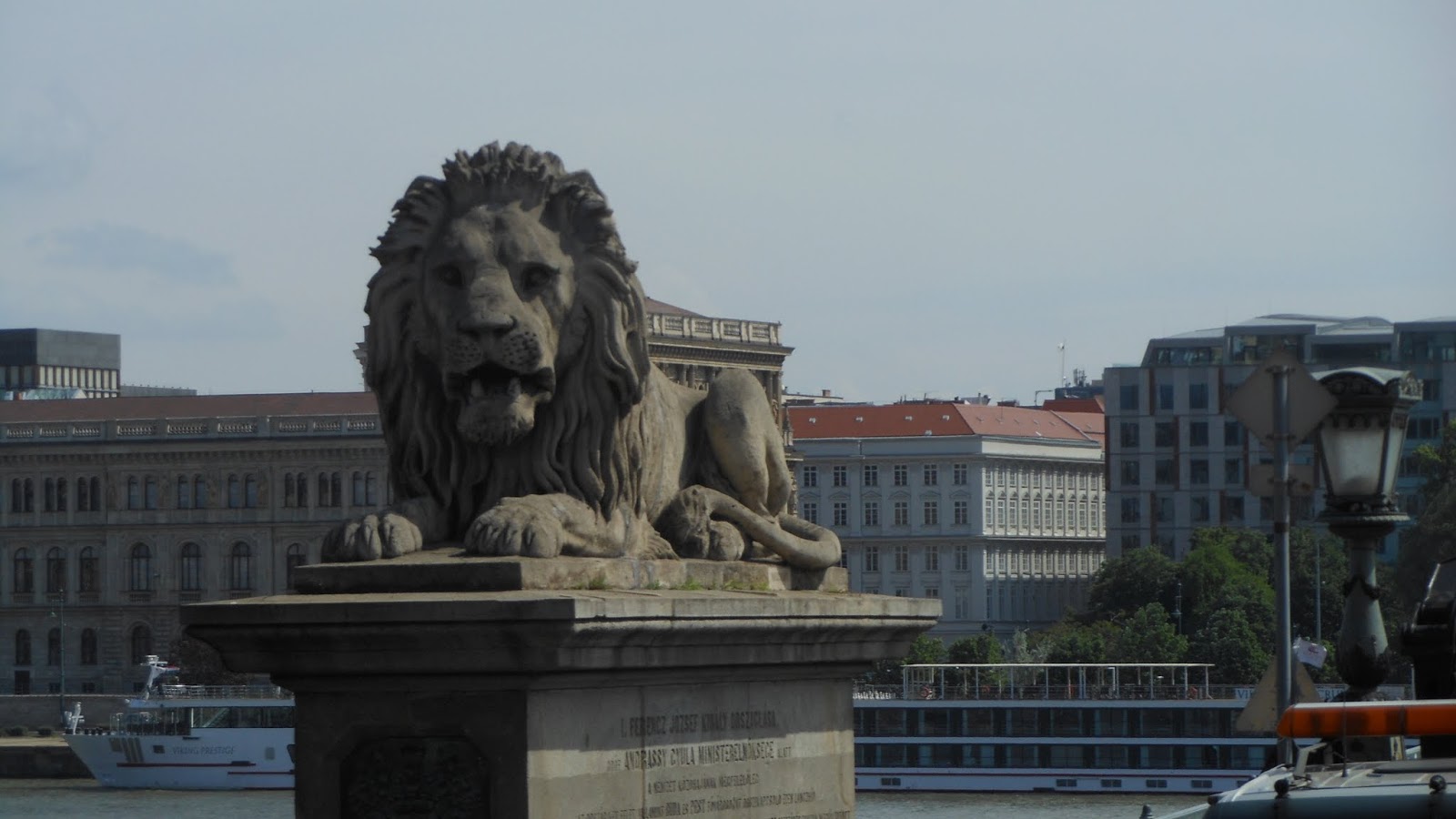
Figure 30 – Lion guarding the entrance of Chain bridge

Figure 31 – Railway terminal building. West (Nyugati) Station was built at the end of the 19th century. With its progressive glass and iron design by the French architectural firm of Gustave Eiffel, the station is a favorite with architecture buffs

Figure 32 – Beer Bike – Peddle and Beer cart
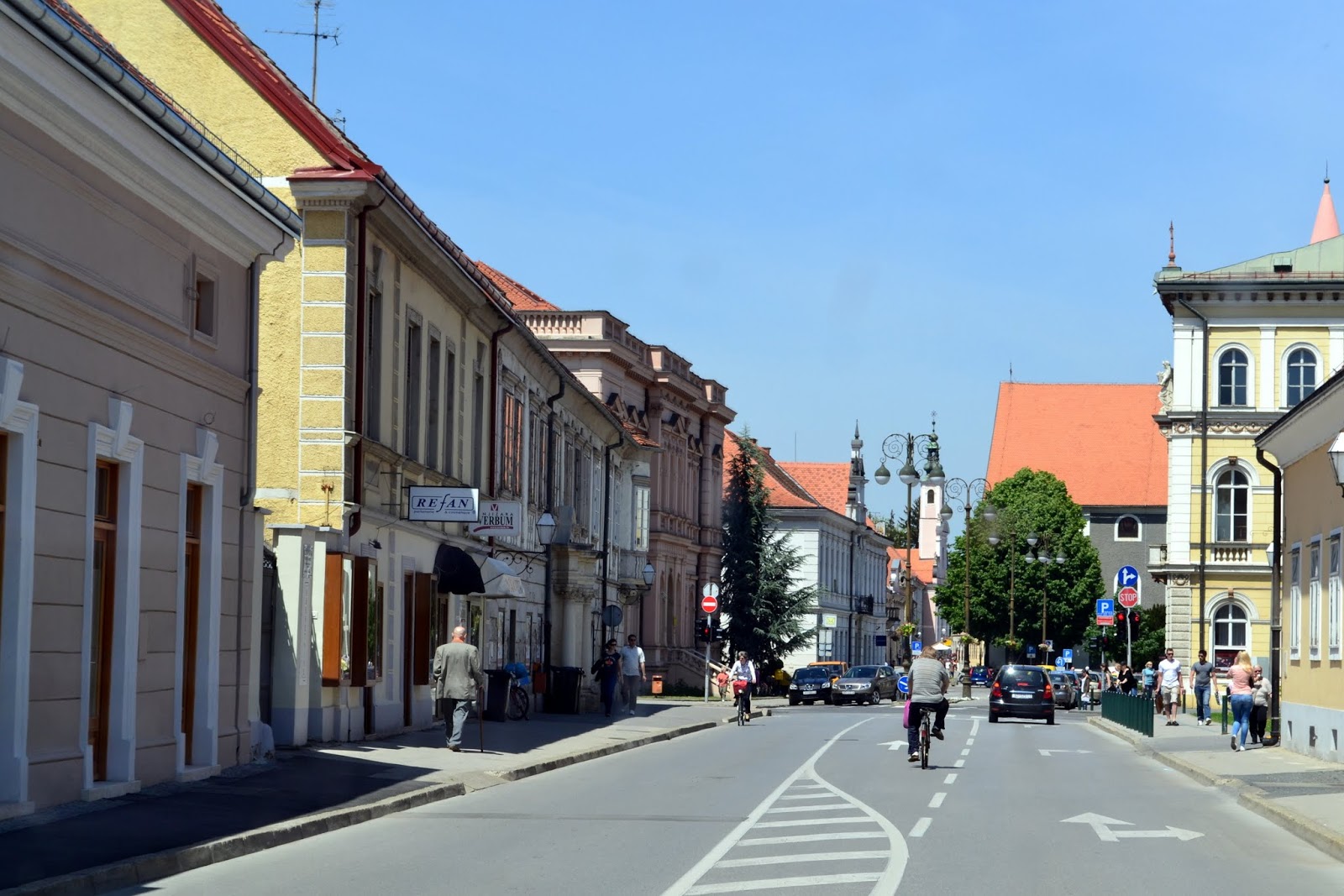
Figure 33 – View from the river – approaching sunset

Figure 34 – Kats and Self

We visited Poland – Krakow 06 to 08 May

We left Prague around 0730. Prague to Krakow was a very pleasant journey in an 8 seater Mercedes van. The roads, which are in an excellent state of maintenance, some good signage and a very picturesque countryside, made the journey a very comfortable and satisfying one. We noticed very little traffic on this route and the driver was able to maintain a constant 140 KMPH

I had visited Poland – Gadansk in 1978, courtesy the Indian Navy. It was then under the communists and a proxy of the Soviet Union. One can see a sea change between then and now. 

The cities now are energetic and supported by a very vibrant economy. Poland’s high-income economy is considered to be one of the healthiest of the post-Communist countries and is one of the fastest growing within the EU. They trade a lot with Russia and consequently the Ruble has a lot to do with the health of Polish economy.

We deliberately chose Krakow to be able to see Auschwitz and get a ring side view of what happened in these parts between 1940 and 1945 


Auschwitz – 06 May

A Very sad period for the entire humanity


We reached at about 1400 h and after a quick lunch embarked on a very distressing and mentally disturbing trip.  The Auschwitz concentration camp was a network of German Nazi concentration and extermination camps built and operated by the Third Reich in occupied Poland during World War II. It consisted of Auschwitz I (the original camp), Auschwitz I Birkenau (a combination of concentration / extermination camp), Auschwitz III (a labor camp), and 45 satellite camps.

Auschwitz represents the most decadent and bestial side of humanity, a story of unbelievable horror, murder and mayhem. According to the US Holocaust Memorial Museum, the German SS systematically killed at least 960,000 Jews deported to the camp. Other victims included approximately 74,000 Poles, 21,000 Roma, 15,000 Soviet prisoners of war and at least 10,000 from other nationalities. More people died at Auschwitz than at any other Nazi concentration camp and probably than at any death camp in history.
It is extremely difficult to imagine how a group of human beings could exterminate fellow human beings in a routine fashion without any regret or remorse.

Horror stories
Collected from the crippled and the disabled before execution
It cannot get any worse than this
Incarceration chamber


I still wonder – “Have we humans fully evolved as a species”?.

What happened in those concentration camps are acts so inhuman and so dark, one cannot understand how human beings could ever stoop to such levels; the scary part is that maybe they actually felt justified in killing those who were not of the so called superior race. To do it so clinically and so efficiently is beyond the realm of comprehension of a sane mind. What we saw left us without words to describe the depths of degradation, humiliation, torture and suffering that the inmates underwent.

Concentration camps


Public hanging posts

Entrance to Camp II
Open execution site


Finally some hope and redemption


We left the camp around 1900 h totally depressed and confused.

Thereafter we checked into IBIS Kraków Stare Miasto hotel located in the heart of the city.

Krakow  – 07 May – Wieliczka Salt Mine 

After an early breakfast we went to visit the famous Wieliczka Salt Mine, located in the outskirts of Krakow. The Wieliczka mine is often referred to as “the Underground Salt Cathedral of Poland.” The mine is nearly 900 years old. In 1978, it was placed on the original UNESCO list of World Heritage Sites The mine, built in the 13th century, produced table salt continuously until 2007, as one of the world’s oldest salt still in operation. Commercial mining was discontinued in 1996 due to low salt prices and mine flooding. The salt mine reaches a depth of 327 metres (1,073 ft) and is over 287 kilometres long. The rock salt is naturally grey in various shades, resembling unpolished granite rather than the white or crystalline look. The mine features an underground lake; and the new exhibits on the history of salt mining, as well as a 3.5 kilometres (2.2 mi) touring route (less than 2% of the length of the mine’s passages) that includes historic statues and mythical figures carved out of rock salt in the distant past. More recent sculptures have been fashioned by contemporary artists. The mine’s attractions include dozens of statues and four chapels that have been carved out of the rock salt by the miners.

The salt mine tunnels


Art in the mine – tribute to the horse


Miner operating the shaft


A place for Jesus


The main cathedral- unimaginably huge


Sanctum Sanctorum


As we walk down well lit narrow passages one is automatically captivated by the sheer size and the complex web of the mine. The mine represents the better side of the human race – our capacity to work under most inhospitable conditions, our engineering achievements, our artistic impulses and above all our tenacity to create a mine of monumental proportions. The cathedral in the salt mine is huge and full of the most beautiful and intricate carvings; a unique and unforgettable experience.

Last Supper


Yet another example of human ingenuity

Humans are complex indeed.

Krakow

Situated on the River Vistula, Krakow is the second largest city in Poland. Kraków has traditionally been one of the leading centers of Polish academic, cultural, and artistic life and is one of Poland’s most important economic hubs. It was known to be a busy trading center in 965AD. The city is clean and beautiful, especially the outskirts. It is a haven for meat eaters and the food is excellent. I came across some delectable pork ribs – it was so tasty, I had pork ribs for lunch and dinner, day in and day out.

A typical house


One more example


A typical village scene


A well preserved castle


08 May – Zakopane

Zakopane, Poland’s premier mountain resort is one of the country’s most popular holiday destinations situated in the foothills of the majestic Tatra Mountains. Visited both in the winter for skiing and in the summer for hiking and camping. Zakopane has long been a playground for Poles and travelers from Eastern Europe. 

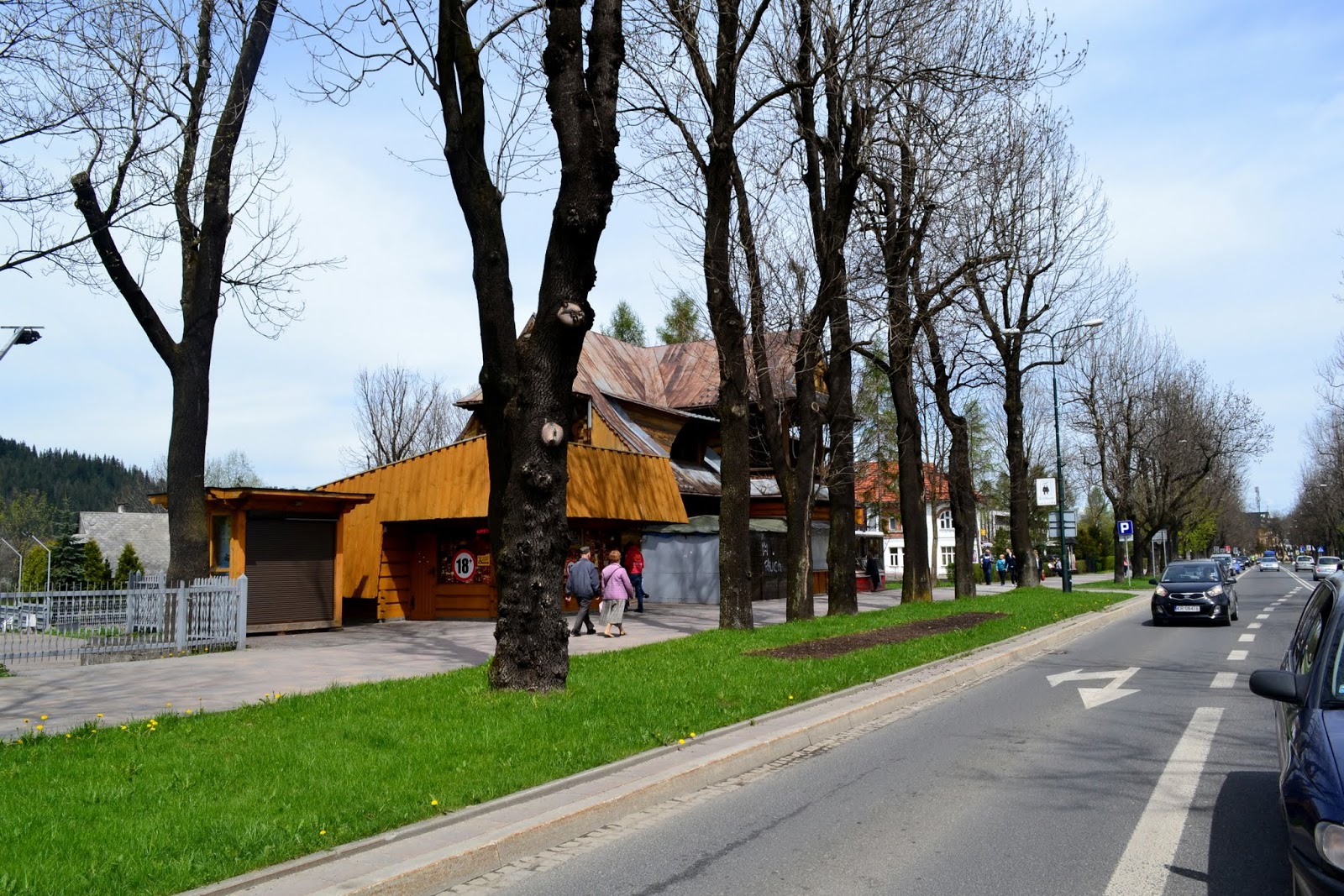
Zakopone main road


With the horse buggy master


Fr Bernardek footbridge- love locks

At first glance it is nothing special, just your ordinary pedestrian bridge. But as you are crossing you see all these locks attached to the bridge. Look closely and you will see ordinary padlocks are inscribed with the names of couples before they get married.


Jai on top of the world


KM and self in the rope way cabin


Tatra Mountains


Very happy couple


Lovely ladies


The mountain resort is very well connected by bus from Krakow. We did a one day trip. The weather, vivid scenery and the snow capped mountains – all add up to making the visit very memorable. Add to that a buggy ride and long transfers in cable cars; it was a day well spent.

The New Age Terminator – Forwards

Amongst many social communication illnesses of the 21st Century –A ’Forward’ is the  deadliest – it is more powerful than the Plague or watching the  ‘Times Now’ evening TV debate. It attacks the common man very early in the morning and continues relentlessly through the day and all through the year. There is no known antidote to this as yet. To understand this phenomenon we must start at the very beginning. The person who sends the ‘Forwards’ is the almighty ‘Forwarder’. Every communication group, be it – Face book, what’s up or E Mail has one or two ‘Forwarders’.

The Forwarder is essentially a jobless but imaginative person with lots of free time on hand and no hobbies or any form of leisure to pursue. Forwarders are burdened with an incurable disease – ‘Forwarding’. This malady is present in both male and female members. The malady appears in all age groups – however the chance of contracting this illness is more likely as one approaches retirement.

Once declared a ‘Forwarder’, they are governed by a very strict code of conduct and obey all the rules and regulations of the club. They must send at least 20 forwards every day, including holidays .When the forwarder goes on a holiday or out of station or is sick in bed – this rule is slightly relaxed and he is allowed to dispatch a mere 15 forwards. At the very outset the ‘Forwarder’ is secretly told that the rest of humanity is full of ignoramus and buffoons, incapable of reading and assimilating any information on their own. So, it becomes his moral responsibility to educate the entire community around him. A social cause, so to say.

Each ‘Forwarder’ comes with a ‘Unique ID’ – some deal with social causes, others with the environment.  A few specialize in humor, whilst others are busy sending tantalizing photographs on sex. Some resort to religion and pathos – the list is endless– as one climbs the ladder, the ‘Forwarder’ is promoted and becomes an – ‘All Rounder’ – one who has the right to send ‘Forwards’ on any and every subject under the sun. 


Wives…….Have a Good Laugh

9 reasons you should have curd with every meal

Caste Quotas in India Come Under Attack

Benefits of Sleeping on Your Left Side

17 Ways to Trick Your Body into Feeling Better

This new telescope might show us the beginning of the universe

Rules for a successful relationship with your mother in law
16 Facts about America’s Consumerism that’ll Blow Your Mind

Why does Ayurvedic Cooking recommend no onion and no garlic?

Did you know that some vitamins and herbs can cause a stroke?
The Hottest Lickers


You may have noticed how varied and diverse these topics are.

I have friend of mine who was once a victim of ‘Forwarder Abuse’. The blighter not only sent the ‘Forward” but rang up my friend in the middle of the night to check whether he had received it and followed it with another call to confirm if he had read it.

It’s even more severe on FB. One has to deal with news concerning people you have no clue about – their birthdays, travel details, illness – what they are up to and what they are not up to. As if all this not enough, there are enough adverts to strangle you further.

Thank the Almighty Lord – I am not on Twitter

Please read this blog and I will be happy – I will be happier if you do not forward this to anyone.

And, just BTW my niece tells me whatsapp and FB are now passé!!!


We visited East Europe – Czech Republic, Poland, Hungary, Croatia and Slovenia – 03 to 15 May

Stamp collection was a fascinating hobby of mine when we were young. My uncle worked for Deutsche Bank in Mumbai and was a constant source of stamp supply. The most interesting part of the collection was stamps from East European countries such as Czechoslovakia, Hungary and Romania. The stamps were extremely colorful and large, also issued in triangular and diamond shapes – in comparison Indian stamps were dull and ordinary. Since then these countries have fascinated me and I grew up wanting to visit them at least once.

Having decided to go to Istanbul, the thought of visiting these countries too was irresistible. 

Nair and Kats agreed to join us in our East European adventure.

This leg of our journey took us to Czech Republic, Poland, Hungary, Croatia and Slovenia.

We decided to stay all through in IBIS budget hotels. They are all located near the city centre and well connected. The hotel offers excellent basic accommodation at very reasonable prices – clean, efficient and value for money.

We considered many options for travel between countries and finally decided to opt for comfortable eight seater vans. There are a number of advantages in choosing a van over bus, train and plane. The cost is comparable with a bus and train – air travel is extremely expensive. The roads are in excellent shape and as a result the transit time between countries was under seven hours. We departed at our convenience – picked up from our door step and dropped at the hotel – enough space for luggage and very comfortable seating. We stopped whenever we wanted for coffee and other requirements. It is also possible to depart from the main route and visit other places of interest on the way and they charge 15 Euros per hour deviation – which I thought was extremely reasonable. The country side is so fascinating; one’s eyes can feast endlessly on the way.  All in all, travelling in a van worked out really well for us.

These countries are extremely well geared for tourism and present a very integrated picture. In addition, the internet is a very big help in finding out tourist information, booking hotels, vehicles, entry tickets and such like – Our entire trip was planned from Bangalore and was executed without a single flaw.

We decided to spend three days in each place and went about it in a very leisurely and relaxed fashion. We had no fixed itinerary but an overall programme. This worked well for us; we were not unduly tired in spite of all the walking one had to do each day. We selected places to visit, spent adequate time in each one, relaxed a bit and then ventured out when we felt like it.

Prague 03 to 05 May 2015

After a comfortable flight we reached Prague around 2PM. We had booked a minivan for our airport pickup and all the other activities in the city.


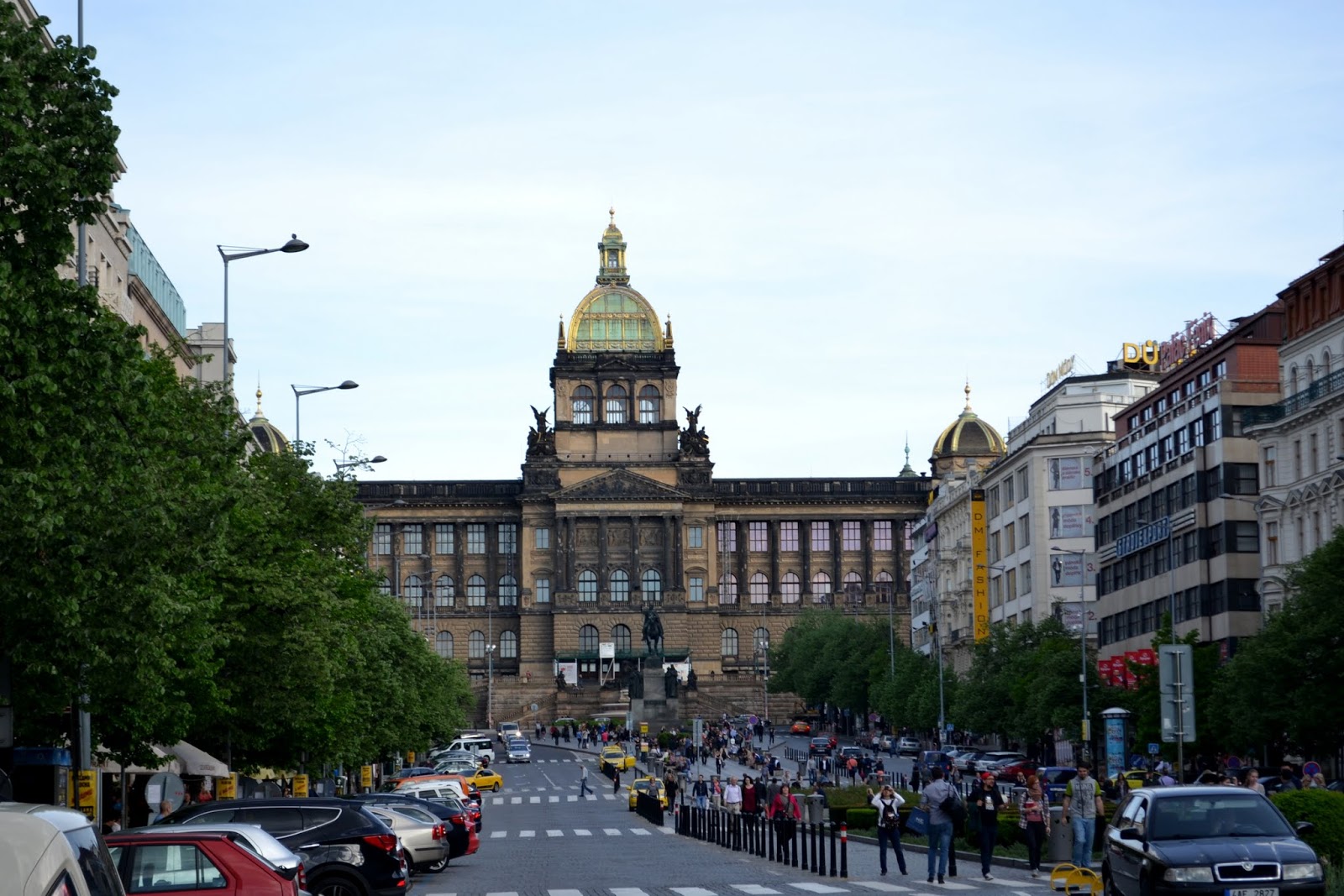
Figure <!–[if supportFields]> SEQ Figure \* ARABIC <![endif]–>1<!–[if supportFields]><![endif]–> – City of Prague -Wenceslas Square is one of the main city squares and the centre of the business and cultural communities in the New Town of Prague – from the southern end. Wenceslas Square in Prague is a vibrant area of hotels, apartments,restaurants,bars and nightclubs. There are also banks, local and international shops. It is the entertainment and nightlife centre of Prague, and the main shopping and commercial district begins here.

Praha has become one of the most preferred destinations for tourists especially after the 1989 ‘Velvet Revolution’, so named because it was non-violent. Popular demonstrations against communism resulted in the collapse of communist rule, and the country embraced parliamentary democracy. The city is extremely old, dating back to 550 BC. In 2004 Czech Republic joined EU. Anti communist feeling is very much alive, especially in their talk and references. It is advisable to convert Euros into the local currency ‘Koruna’ for ease of transaction.

Prague has a very tolerant attitude towards religion. Christianity is the main religion with a very large percentage of people claiming to be tagged as having no religion.45% preferred to stay out of the survey. The effect of communism on their religious outlook may take a very long time to change. A number of immigrants from Ukraine, Slovakia and Vietnam have made Prague their home. There is a sizeable Gypsy population. The population of Prague is around 1.3 million. Germany is the most important trading partner of Czech Republic.

There are both the famous and infamous connected to Prague. Albert Einstein came to Prague in 1911 when he was 31 with his family – the house where he lived was very close to our hotel. Ilich Ramírez Sánchez, the notorious international criminal, operating under the name of ‘Carlos the Chacal’, stayed at the ‘Inter Continental Hotel’ – Prague – prior to his arrest by the French Secret Service.

We saw an accident site on the highway marked by placing car tyres and flowers on the side of the road.

Cruise down Vltava River – 03 May

We spent a delightful evening, cruising along the Vltava River, watching a beautifully lit water front, amazing bridges and ancient buildings. The weather was a bit cold but tolerable. Inside the cruise boat, it was warm and comfortable. A solo singer with an accordion livened the atmosphere with numbers which included an old Mukesh/Rajkapoor song. The cruise included excellent Czech beer and a lovely spread of meat, salad, cheese and bread. Chilled local beer and sausages were in demand. After an enjoyable four hours we returned to IBIS for a well deserved sleep.
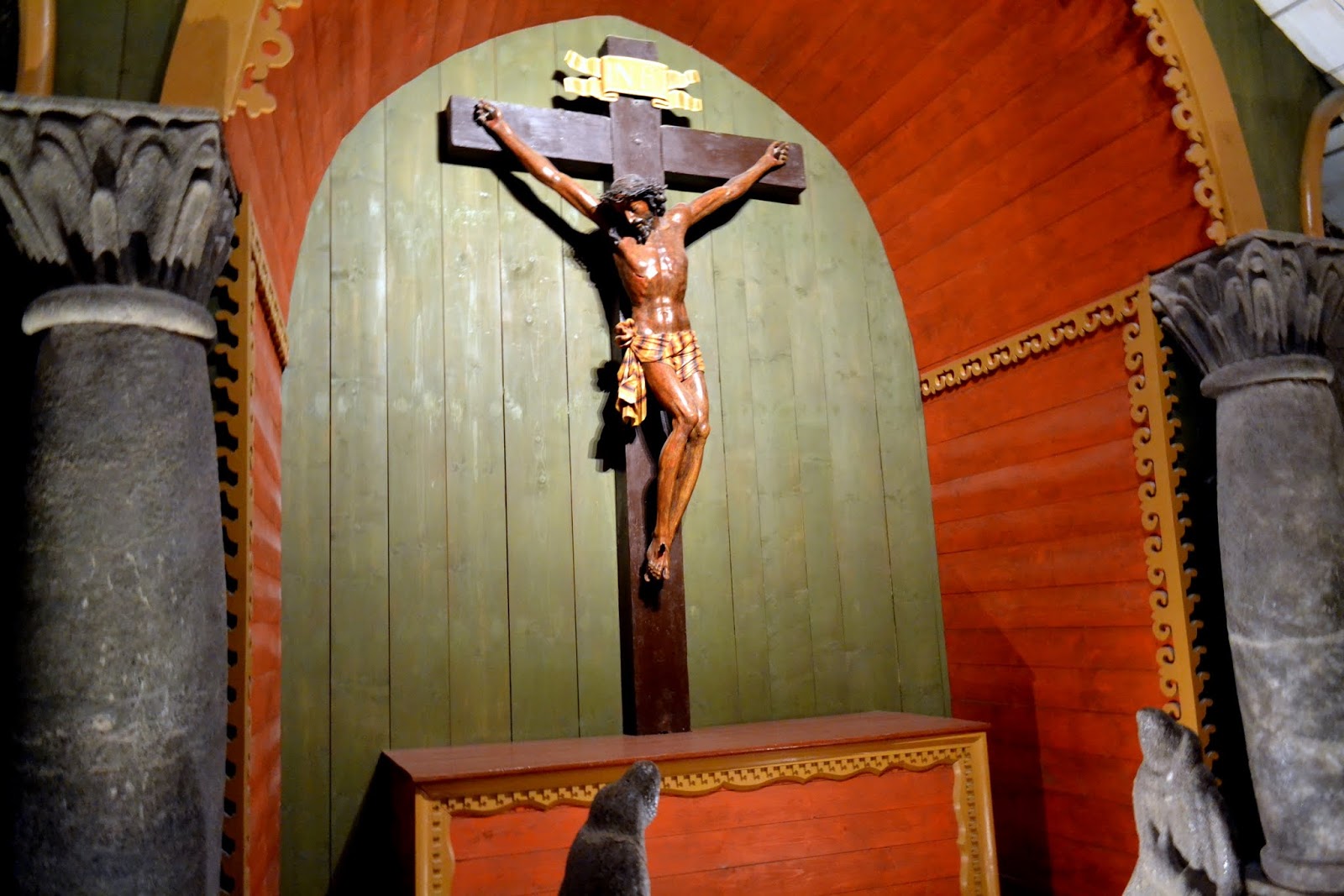

Figure <!–[if supportFields]> SEQ Figure \* ARABIC <![endif]–>2<!–[if supportFields]><![endif]–> – The ibis Prague Mala Strana is centrally located, close to the historic district of Mala Strana. Most attractions are within walking distance, e.g. Charles Bridge (20 mins away), Prague Castle and Old Town Square. Wenceslas Square is only 3 stops away by public transport, which is only 164 yds (150 m) from the hotel.


Figure <!–[if supportFields]> SEQ Figure \* ARABIC <![endif]–>3<!–[if supportFields]><![endif]–> – Prague castle from a distance


Figure <!–[if supportFields]> SEQ Figure \* ARABIC <![endif]–>4<!–[if supportFields]><![endif]–> – Photo op

Figure <!–[if supportFields]> SEQ Figure \* ARABIC <![endif]–>5<!–[if supportFields]><![endif]–> – The Charles Bridge is a famous historic bridge that crosses the Vltava River in Prague, Czech Republic. Its construction started in 1357 under the auspices of King Charles IV, and finished at the beginning of the 15th century.


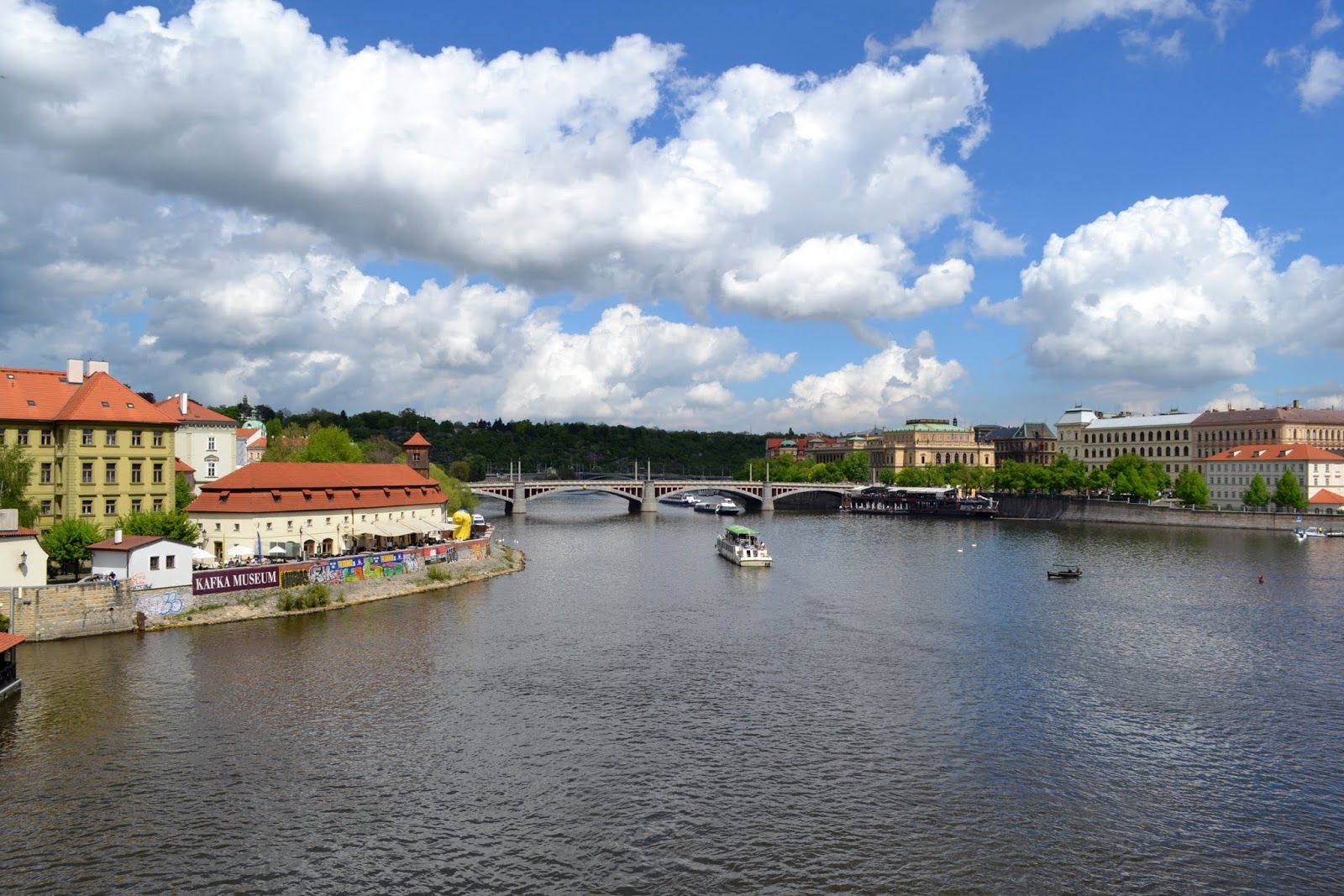
Figure <!–[if supportFields]> SEQ Figure \* ARABIC <![endif]–>6<!–[if supportFields]><![endif]–> – The famous water front with an overcast sky.


Figure <!–[if supportFields]> SEQ Figure \* ARABIC <![endif]–>7<!–[if supportFields]><![endif]–> – The water front by night

Hop on Hop off – 04 May

We did the best possible thing we could in an architectural paradise like Prague – took a drive in the ‘Hop on Hop Off’ and acquainted ourselves with the innumerable attractions Prague had to offer. Prague is an extremely picturesque city with an old world charm pouring from every nook and corner. River Vltava winds its way through the city, flowing majestically below numerous bridges, each one of them replete with history and fables associated with them. A popular saying says it all – ‘Prague wears its history on its sleeve’. The city buildings are a treat to any discerning visitor with its unique and different architecture types. The Romanesque period with St. George’s Basilica heading the list, the Gothic style with its signature soaring towers, spires and buttresses, the symmetry of the Renaissance,  “less is more “of the  Baroque and the later day Neoclassical – all of these can be seen in all their beauty in this charming city .


Figure <!–[if supportFields]> SEQ Figure \* ARABIC <![endif]–>8<!–[if supportFields]><![endif]–> – Old city architecture


Figure <!–[if supportFields]> SEQ Figure \* ARABIC <![endif]–>9<!–[if supportFields]><![endif]–>The Church of Mother of God before Týn, often translated as Church of Our Lady before Týn, is a dominant feature of the Old Town of Prague, Czech Republic, and has been the main church in this part of the city since the 14th century.

In the latter half of the day we visited places of interest, had beer and lunch by the road side, did a bit of souvenir shopping and mostly took in a lot of what Prague offered.


Figure <!–[if supportFields]> SEQ Figure \* ARABIC <![endif]–>10<!–[if supportFields]><![endif]–> – Photo op on Charles Bridge. Statues of Saints – John of Matha, Felix of Valois, and Ivan 


Figure <!–[if supportFields]> SEQ Figure \* ARABIC <![endif]–>11<!–[if supportFields]><![endif]–> – Statue of St. Cajetan. The bridge is decorated by 30 Statues, most of them in Baroque -style


Figure <!–[if supportFields]> SEQ Figure \* ARABIC <![endif]–>12<!–[if supportFields]><![endif]–> – The statue of John of Nepomuk. On 20 March 1393, he was thrown into the river Vlatava from the Charles Bridge at the behest of Wenceslaus,King of the Romans and King of Bohemia.


Figure <!–[if supportFields]> SEQ Figure \* ARABIC <![endif]–>13<!–[if supportFields]><![endif]–>The Mánes Bridge,the ninth bridge over the Vltava River in Prague is like a picture postcard. It was built at a place of a former ferry to a fishing village.


Figure <!–[if supportFields]> SEQ Figure \* ARABIC <![endif]–>14<!–[if supportFields]><![endif]–> – The castle from a distance – myriad types of architecture mingling to form a mosaic of beauty.


Figure <!–[if supportFields]> SEQ Figure \* ARABIC <![endif]–>15<!–[if supportFields]><![endif]–> – St Vitus Cathedral .Prague Castle is the largest castle complex in the world. This stunning architectural achievement, which took centuries to complete, reigns supreme from a hill above the rest of the city. It is also the seat of the city of Prague; the first buildings of the small settlement that grew into the capital of Bohemia were constructed here.


Figure <!–[if supportFields]> SEQ Figure \* ARABIC <![endif]–>16<!–[if supportFields]><![endif]–> – A view of Prague from the castle


Figure <!–[if supportFields]> SEQ Figure \* ARABIC <![endif]–>17<!–[if supportFields]><![endif]–> – The outer visage of the castle


Figure <!–[if supportFields]> SEQ Figure \* ARABIC <![endif]–>18<!–[if supportFields]><![endif]–> – Photo op at the castle square


Figure <!–[if supportFields]> SEQ Figure \* ARABIC <![endif]–>19<!–[if supportFields]><![endif]–> – Imposing old town square tower


Figure <!–[if supportFields]> SEQ Figure \* ARABIC <![endif]–>20<!–[if supportFields]><![endif]–> – The Prague astronomical clock, or Prague orloj. The clock was first installed in 1410, making it the third-oldest astronomical clock in the world and the oldest one still working. The Prague Astronomical Clock, which for 600 years has been one of the greatest treasures of the city, still amazes people with its procession of Apostles, moving statues and visualization of time like no other instrument in the world.


Figure <!–[if supportFields]> SEQ Figure \* ARABIC <![endif]–>21<!–[if supportFields]><![endif]–> – The National Museum stands majestically overlooking the main thoroughfare.
Visit to Budweiser Brewery and Cesky Krumlov – 05 May

On our way to Cesky Krumlov, which is a three hour drive from Prague, the van driver George kept us busy with lots of tit bits about Prague, making the journey very interesting. Our first stop was at the Budweiser Brewery in the town of Budweis. George told us that Budweiser was not actually born in America. The original Budweiser was first brewed in the city of ‘Budweis’ belonging to former Kingdom of Bohemia, which is today the Czech Republic. In the mid-1870s, Czech breweries began exporting to the States and in 1876, Anheuser-Busch began using the Budweiser brand for its lager. The combination of the exports and the American copycat led to a huge trademark dispute, which continues even to this date.

Saying ‘to hell with the dispute’, we bought some fresh beer and started our elbow bending earlier in the day.


Figure <!–[if supportFields]> SEQ Figure \* ARABIC <![endif]–>22<!–[if supportFields]><![endif]–> – Adolphus Busch   “The KING OF BEERS” 1839 – 1913, German-born co-founder of Anheuser – Busch . Busch became wealthy and financially independent due to the success of the Anheuser Brewery. In 1891 he bought from Carl Conard the trademark and name Budweiser. He envisioned a national beer with a universal appeal.


Figure <!–[if supportFields]> SEQ Figure \* ARABIC <![endif]–>23<!–[if supportFields]><![endif]–> – At the brewery


Figure <!–[if supportFields]> SEQ Figure \* ARABIC <![endif]–>24<!–[if supportFields]><![endif]–> – At a way side restaurant selling African curios amongst other artifacts.

The drive in the open is a visual treat – vast stretches of deep yellow Canola Oil plants brighten the country side. It is extremely soothing on the eye. The oil is also used in automobiles. Agriculture is totally mechanized and very large tracts are cultivated on a cooperative basis. It is very hard to find any human activity on the fields. The fields are totally covered with green vegetation and there are no mud patches to be seen anywhere.


Figure <!–[if supportFields]> SEQ Figure \* ARABIC <![endif]–>25<!–[if supportFields]><![endif]–> – Endless stretches of yellow Canola oil plant flowers in bloom

The roads as usual are in excellent shape and George maintained a steady 130 KMPH throughout. There is absolutely no difference between a city, small town or village, when it comes to restaurants, utility shops and other conveniences.

The southwestern castle city of Cesky Krumlov is one of the Czech Republic’s finest mediaeval sites. Its Old Town is a UNESCO-designated World Heritage Site, a maze of twisting alleys built around the castle. Situated on the banks of the Vltava river, the town was built around a 13th-century castle. It is an outstanding example of a small central European medieval town whose architectural heritage has remained intact thanks to its peaceful evolution over more than five centuries. The ancient city with its narrow and winding cobblestone streets provides an unforgettable walking experience.

It was a nine hour trip to Cesky Krumlov and back.

Viewing the town from any of the Vlatava River bridges is a ‘once in a life time’ experience. The red roof tops of meticulously maintained ancient houses and the river winding its way through the town is simply captivating. 

One gets a feeling of staring at a lovely picture post card when viewing Cesky Krumlov. No amount of words can truly bring out the inherent beauty of the town.


Figure <!–[if supportFields]> SEQ Figure \* ARABIC <![endif]–>26<!–[if supportFields]><![endif]–> – Entrance to the magical town of Cesky Krumlov


Figure <!–[if supportFields]> SEQ Figure \* ARABIC <![endif]–>27<!–[if supportFields]><![endif]–> – KM striking a pose


Figure <!–[if supportFields]> SEQ Figure \* ARABIC <![endif]–>28<!–[if supportFields]><![endif]–> – With Kats dear


Figure <!–[if supportFields]> SEQ Figure \* ARABIC <![endif]–>29<!–[if supportFields]><![endif]–> – Castle museum in Cesky Krumlov


Figure <!–[if supportFields]> SEQ Figure \* ARABIC <![endif]–>30<!–[if supportFields]><![endif]–> – Jai and Sudhi posing


Figure <!–[if supportFields]> SEQ Figure \* ARABIC <![endif]–>31<!–[if supportFields]><![endif]–> – An enchanting township


Figure <!–[if supportFields]> SEQ Figure \* ARABIC <![endif]–>32<!–[if supportFields]><![endif]–> – Yet another view of the delightful town and its red rooftops


Figure <!–[if supportFields]> SEQ Figure \* ARABIC <![endif]–>33<!–[if supportFields]><![endif]–> – Unbelievably exquisite


Figure <!–[if supportFields]> SEQ Figure \* ARABIC <![endif]–>34<!–[if supportFields]><![endif]–> –As if through a kaleidoscope


Figure <!–[if supportFields]> SEQ Figure \* ARABIC <![endif]–>35<!–[if supportFields]><![endif]–> – Tower in the background


Figure <!–[if supportFields]> SEQ Figure \* ARABIC <![endif]–>36<!–[if supportFields]><![endif]–> –A familiar sign

We visited Pamukale, Kusadasi and Ephesus – 01 and 02 May

Turkey Tit Bits

Good Morning is “günaydın” in Turkish meaning ‘May your morning be bright and enlightened’. Christianity and Western culture has influenced Turkish society to a large extent. This influence is evident in many aspects of their living. Housing is fairly expensive in Turkey. A dwelling in Cappadocia may cost anywhere up to 75,000 USD and five times that in Istanbul.

Turkish coffee is extremely strong. There is no filtering process as we know it – boiling water is poured into a cup containing coffee powder and allowed to settle and consumed thereafter. Turkish ice cream is thick and dense. Their salads are extremely fresh and delectable. This is one country where the taste buds of both the vegetarians and the non vegetarians were wonderfully pandered to. The Turks drink a lot of ‘Sherbet’ –  made with flower petals, herbs and spices mixed with fruit in summer and ‘Sahleb’ in winter – a drink made from tuber floor that keeps them warm.

Ten of us travelling in a 36 seater bus was sheer luxury – lots of space and privacy. The monotony of the journey and the forced closeness with others was totally mitigated. Central Turkey is more traditional and Islam is practised with more fervour. Konya was the first capital of Turkey followed by Bursa, Edirne, Istanbul and finally Ankara. The countryside is very pleasant to watch as one drives along – apple orchards are plentiful in the foreground with snow peaked mountains as a back drop. Whizzing by, we saw carpets of green grass,  beautiful tulips, cafes by the seaside, children’s parks and even exercise machines by the sea. Unlike the Indian road scene, there are no human beings to be seen on the highways. In some places the landscape is dotted with windmills. Turkey used to export large quantities of Marmara marble to China but this has now considerably reduced as China has reduced the use of luxury items (or so our guide told us). Individual taxes go up to 30% and an average middle class family spends up to 2000 USD per month. Public education is free up to university level. 23rd April is celebrated as Children’s Day the day on which their 1st National Assembly was established after the 1st World War. Petrol costs the same amount as in India.

On the last leg of Turkey journey we visited Pamukale and Hierapolis.

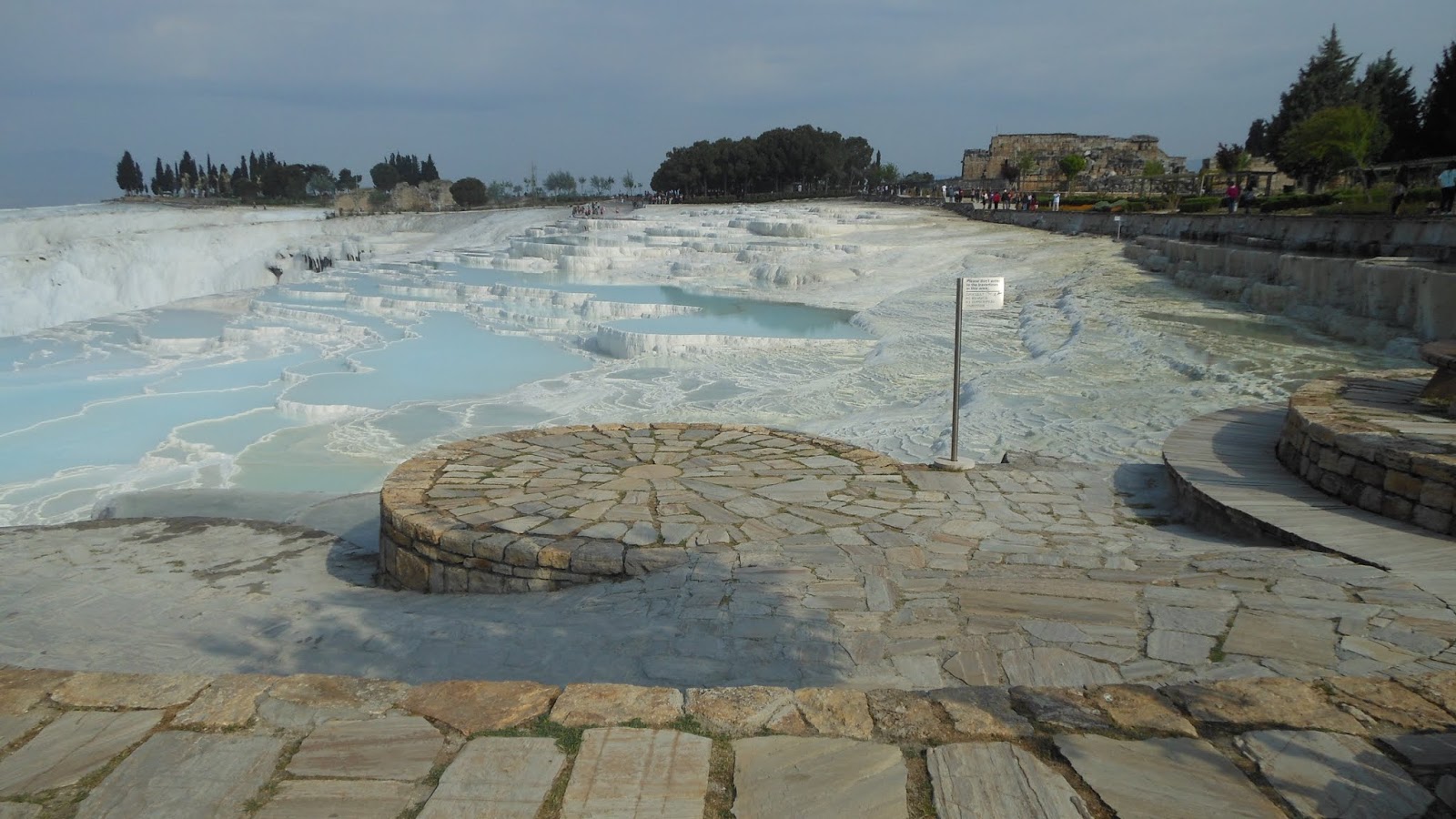
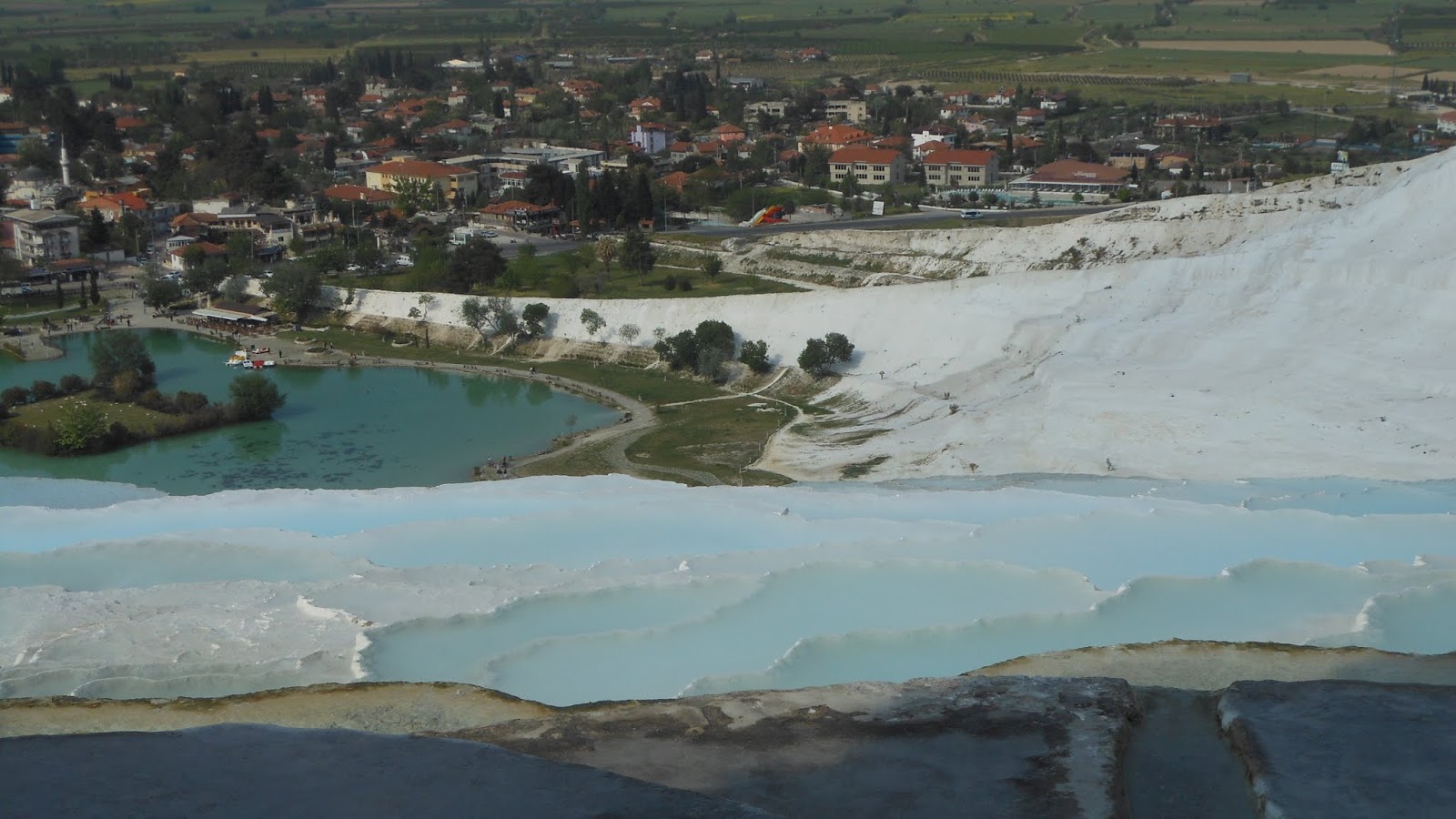
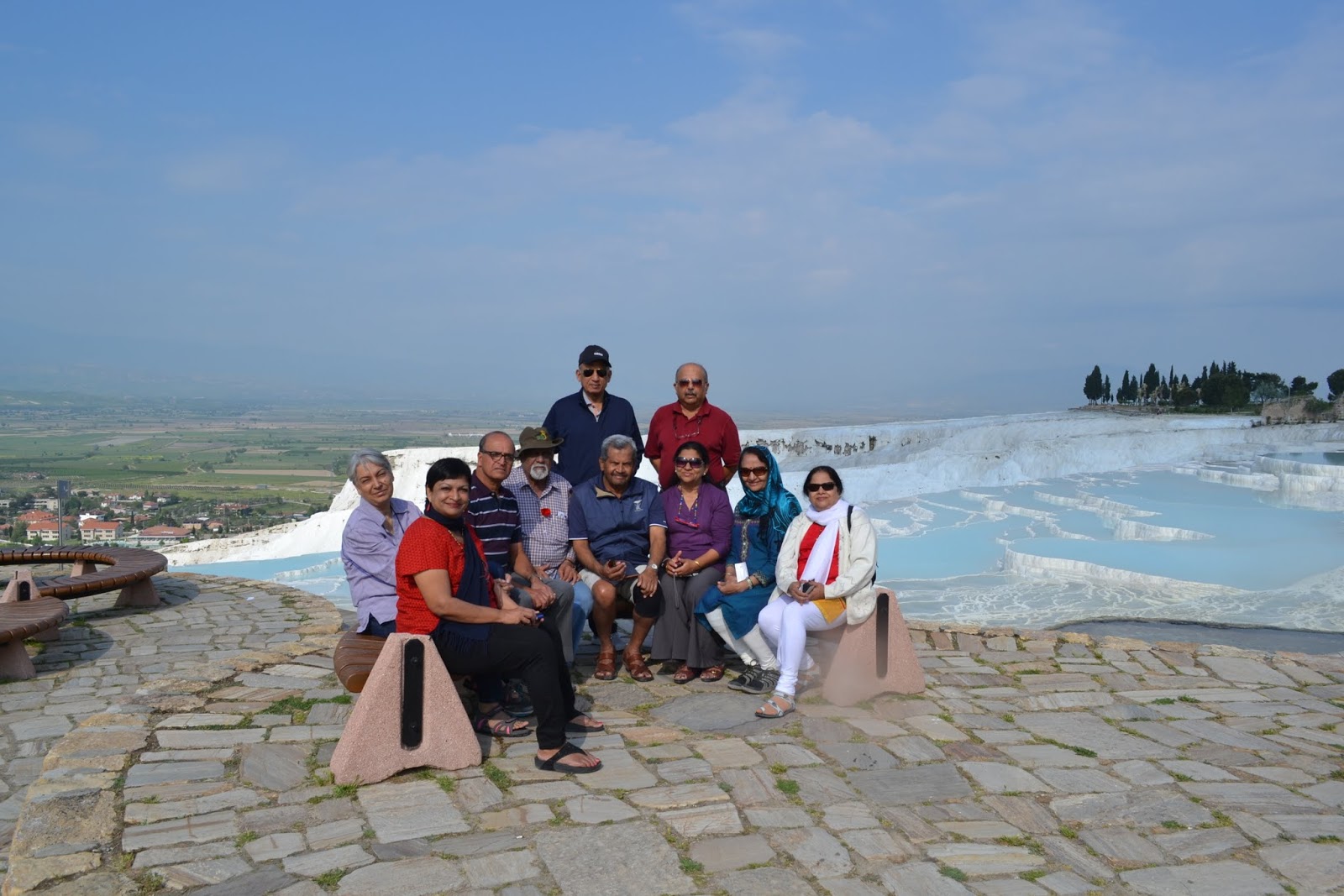
Pamukale meaning “cotton castle” in Turkish, is a hot spring site in Denzili province in Southwestern Turkey. Hot calcium-laden waters spring from the earth and cascade over a cliff. As they cool, they form dramatic Traventines of hard, brilliantly white calcium that form pools.  It is recognized as a World heritage site together with Hierapolis. Alongside is located the ancient Roman city of Hierapolis in a valley. Hierapolis was founded as a thermal spa early in the 2nd century BC. This ancient town became a healing centre where doctors used the thermal springs as a treatment for their patients. Some of the excavations are truly amazing in terms of architecture and sheer grandeur.

The hot springs at Pamukale have to be seen to be believed! The pools are crystal clear with a mesmerizing touch of white and a hint of celestial blue. The hills of calcium deposits glisten white in the sunlight, looking snow clad and wintery. It is only when one nears it does one see it for what it is; another one of those never ending wonders of nature.

An interesting legend associated with Pamukale was narrated by Mr Arjun our guide. “There was a young girl who was unmarried and ugly. As no one wanted to marry her, she decided to commit suicide and she threw herself off the travertine and fell into a natural pool but did not die. Because of the healing waters in the natural pool she turned into a very beautiful girl and caught the attraction of the lord of Denizli while he was passing by. The lord instantly fell in love with this young and beautiful girl and they soon got married.”


Figure <!–[if supportFields]> SEQ Figure \* ARABIC <![endif]–>1<!–[if supportFields]><![endif]–> – City of Pamukale


Figure <!–[if supportFields]> SEQ Figure \* ARABIC <![endif]–>2<!–[if supportFields]><![endif]–> – Fascinating limestone deposits


Figure <!–[if supportFields]> SEQ Figure \* ARABIC <![endif]–>3<!–[if supportFields]><![endif]–>Travertine terrace formations


Figure <!–[if supportFields]> SEQ Figure \* ARABIC <![endif]–>4<!–[if supportFields]><![endif]–>The pools of Pamukale


Figure <!–[if supportFields]> SEQ Figure \* ARABIC <![endif]–>5<!–[if supportFields]><![endif]–> – Photo op


Figure <!–[if supportFields]> SEQ Figure \* ARABIC <![endif]–>6<!–[if supportFields]><![endif]–> – KM in a mischievous mood


Figure <!–[if supportFields]> SEQ Figure \* ARABIC <![endif]–>7<!–[if supportFields]><![endif]–> – Some competition?


Figure <!–[if supportFields]> SEQ Figure \* ARABIC <![endif]–>8<!–[if supportFields]><![endif]–> – Jai looking good and relaxed


Figure <!–[if supportFields]> SEQ Figure \* ARABIC <![endif]–>9<!–[if supportFields]><![endif]–> –Ruins of the Amphitheatre of Hierapolis with a seating capacity of 15000. 60 AD
 

Figure <!–[if supportFields]> SEQ Figure \* ARABIC <![endif]–>11<!–[if supportFields]><![endif]–> A bath in Cleopatra’s Pool has always been known to possess healing properties. It is actually a thermal pool where the water temperature ranges from 36 to 57° Celsius.

Figure <!–[if supportFields]> SEQ Figure \* ARABIC <![endif]–>12<!–[if supportFields]><![endif]–> – Setting sun from the hotel balcony, Kusadasi and the vast expanse of the Aegean Sea

After a refreshing night’s stay in Kusadasi, the next morning we visited a few ancient historical sites.

The House of Virgin Mary is located on the top of “Bulbul” – (Nightingale) mountain, 9 km from Ephesus. The shrine of Virgin Mary is a humble house in the midst of a sprawling garden. According to legend, this is the place where Mary spent her last days. It is said that Jesus Christ in the last hours of His life asked John to take care of his mother.  Saint John, brought Virgin Mary to this house and looked after her. He then spent several years in the area to spread Christianity. During that period the entire area around Ephesus was ruled by the Romans.

A couple of days earlier I had lost the cap of my Nikon camera in Istanbul. As we were strolling in the garden, Kats saw a camera cap lying on a stone bench under a tree. On inspection, I found that it was exactly like the cap which I had lost. Without any hesitation I picked up the cap – to me it was a miracle of sorts – a gift from Mary herself.

The place generates a feeling of well being and the atmosphere is filled with a sense of peace, calmness and piety; a feeling one experiences in truly sacred places.


Figure <!–[if supportFields]> SEQ Figure \* ARABIC <![endif]–>13<!–[if supportFields]><![endif]–> – Statue of the Virgin Mary
.
Figure <!–[if supportFields]> SEQ Figure \* ARABIC <![endif]–>14<!–[if supportFields]><![endif]–> – House of Mary


Figure <!–[if supportFields]> SEQ Figure \* ARABIC <![endif]–>15<!–[if supportFields]><![endif]–> – Wishing wall, where people write their wish on a paper and hang it on the wall
Ephesus

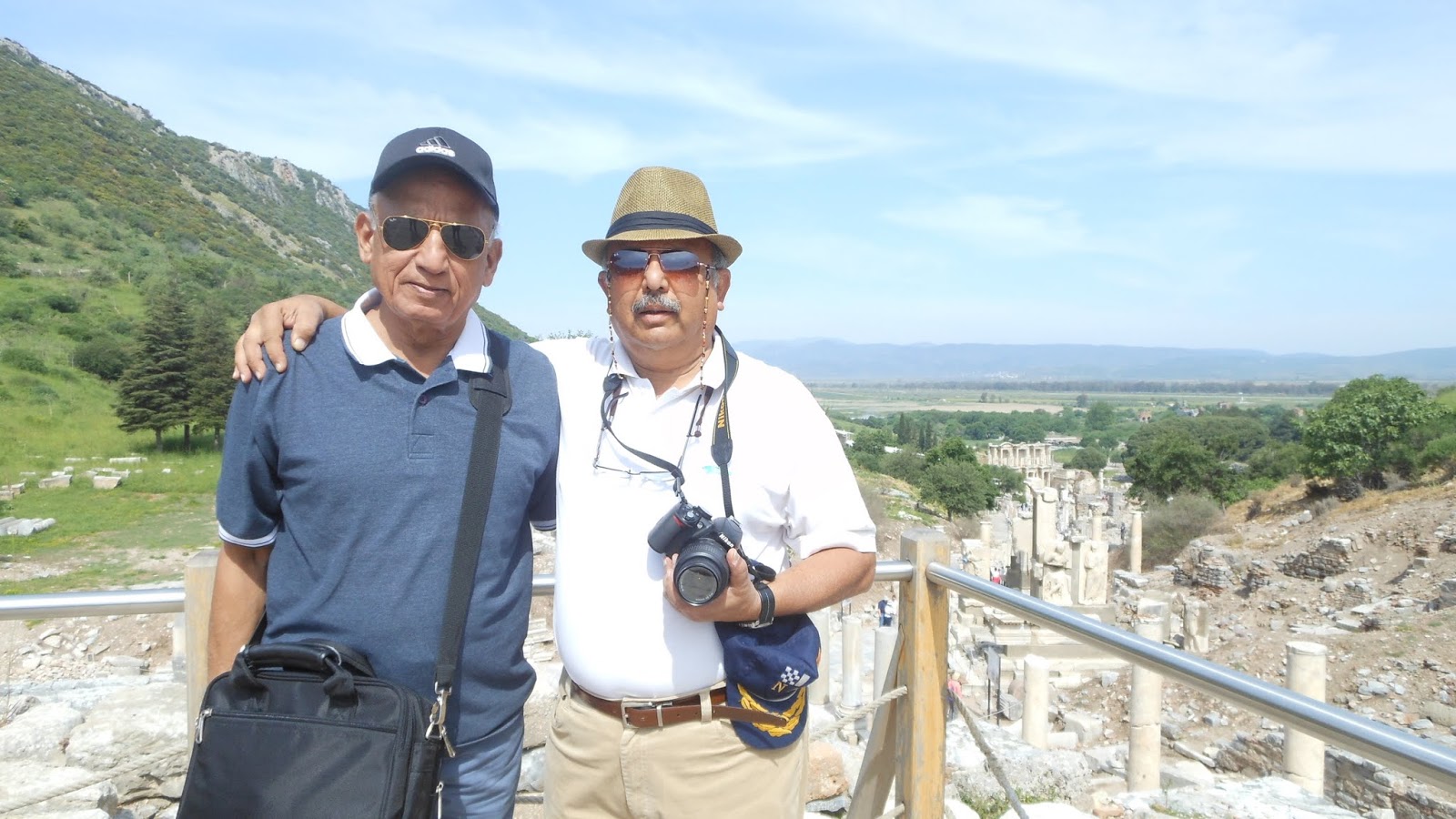
In 10 BC, Androclos, the son of the King of Athens-Kodros, established the city of Ephesus. Ephesus was controlled by the Romans in 190 BC. One is awestruck by the vastness and the reach of the Roman Empire. Their writ is written all over the conquered land. Ephesus is a typical Roman settlement with temples, baths, libraries, aqua ducts and the like. A visit to this place is an eye opener – one sees the existence of a well networked sewage system, functional toilets, broad roads, libraries and fountains that give us a glimpse of what life was all about in an ancient roman city.

The ancient city of Ephesus had two main entrances, the upper and the lower. The visit starts at the upper level followed by a slow climb down to the last level.


Figure <!–[if supportFields]> SEQ Figure \* ARABIC <![endif]–>16<!–[if supportFields]><![endif]–>This building has the shape of a small amphitheatre with the stage building, seating and the orchestra. It had a double function. First, it was used as a Bouleuterion for the meetings of the Boulea or the Senate. The second function was using the Odeum as a concert hall for performances. It was constructed in the 2nd century A.D.   It had a capacity of 1500 spectators


Figure <!–[if supportFields]> SEQ Figure \* ARABIC <![endif]–>17<!–[if supportFields]><![endif]–>Domitian Temple gave this area its name. It was the first temple to be built in the name of an emperor (81 – 96A.D.)


Figure <!–[if supportFields]> SEQ Figure \* ARABIC <![endif]–>18<!–[if supportFields]><![endif]–> – Ancient sewage pipe lines


Figure <!–[if supportFields]> SEQ Figure \* ARABIC <![endif]–>19<!–[if supportFields]><![endif]–> – Photo op


Figure <!–[if supportFields]> SEQ Figure \* ARABIC <![endif]–>20<!–[if supportFields]><![endif]–>The Curates Street is one of the main arteries of Ephesus. There were fountains, monuments, statues and shops on the sides of the street. The shops on the south side were two-storied. Ephesus had many earthquakes, in which many structures including the Curetes Street were damaged.


Figure <!–[if supportFields]> SEQ Figure \* ARABIC <![endif]–>21<!–[if supportFields]><![endif]–> – Self and Dore at the Hercules gate.


Figure <!–[if supportFields]> SEQ Figure \* ARABIC <![endif]–>22<!–[if supportFields]><![endif]–> – Tablet of Nike Winged Goddess of Victory in ancient Greek religion.


Figure <!–[if supportFields]> SEQ Figure \* ARABIC <![endif]–>23<!–[if supportFields]><![endif]–> – Fountain of Trojan. Built around 104 C.E, it is one of the finest monuments in Ephesus. It was constructed in honor of Emperor Trajan, and the statue of Trajan stood in the central niche on the facade overlooking the pool.


Figure <!–[if supportFields]> SEQ Figure \* ARABIC <![endif]–>24<!–[if supportFields]><![endif]–>There are six residential units on three terraces at the lower end of the slope of the Bulbul Mountain. The oldest building dates back into the 1C BC and continued in use as residence until the 7C AD. The heating system of the terrace houses were the same as that in baths. Clay pipes beneath the floors and behind the walls carried hot air through the houses. The houses also had cold and hot water. The houses had proper latrines with a very intricate system of sewage and plumbing.The houses had marble walls with decorated flooring.


Figure <!–[if supportFields]> SEQ Figure \* ARABIC <![endif]–>25<!–[if supportFields]><![endif]–>Public toilets built in 1Century AD. There was an entry fee to use them.


Figure <!–[if supportFields]> SEQ Figure \* ARABIC <![endif]–>26<!–[if supportFields]><![endif]–> – This library is one of the most beautiful structures in Ephesus. It was built in 117 A.D. It was a monumental tomb for Gaius Julius Celsus Polemaeanus, the governor of the province of Asia, from his son Galius Julius Aquila. The scrolls of the manuscripts were kept in cupboards in niches on the walls. There were double walls behind the bookcases to protect them from the extremes of temperature and humidity. The capacity of the library was more than 12,000 scrolls. It was the third richest library in ancient times after the Alexandra and Pergamum.


Figure <!–[if supportFields]> SEQ Figure \* ARABIC <![endif]–>27<!–[if supportFields]><![endif]–> – Truly memorable visit


Figure <!–[if supportFields]> SEQ Figure \* ARABIC <![endif]–>28<!–[if supportFields]><![endif]–> – Magnificent road leading to the theatre.


Figure <!–[if supportFields]> SEQ Figure \* ARABIC <![endif]–>29<!–[if supportFields]><![endif]–>The Great Theatre was constructed in the Hellenistic period but remodelled many times in the Roman period. It is the largest theater in Asia Minor with accommodation for 25,000 people; 24,000 seats and 1000 standing places.  Construction of the Great Theatre of Ephesus may have begun during Hellenistic times. The seats at the bottom of the cave had marble backs and they were used by the most important personalities of the city.

Basilica of St John

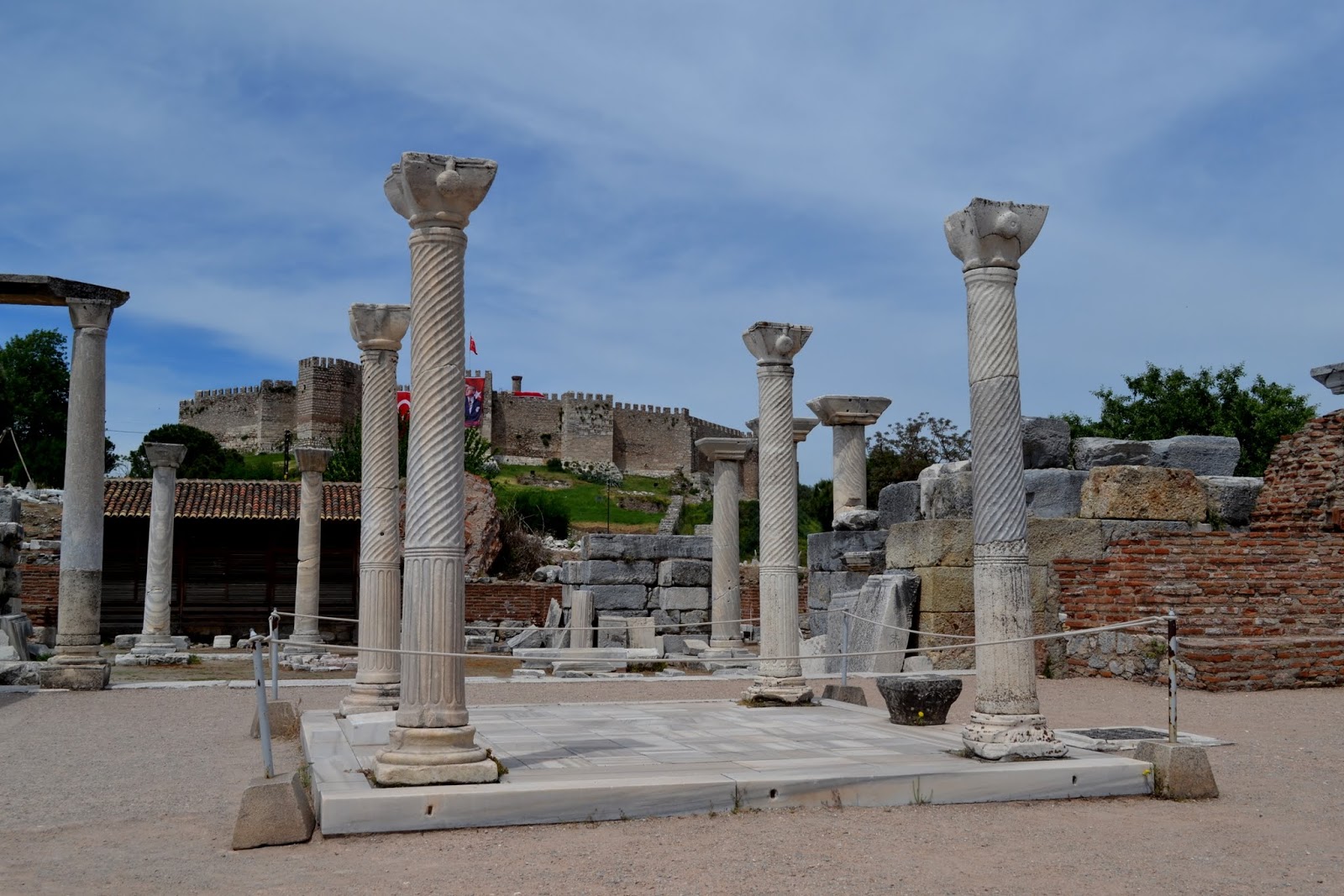
It is believed that the evangelist St. John spent his last years in the region around Ephesus and was buried in the southern slope of Ayosolug Hill. Three hundred years after the death of St. John, a small chapel was constructed over the grave in the 4th century. The church of St John was changed into a marvelous basilica during the region of Emperor Justinian (527 -565 AD). It is believed that the Apostle John traveled from Jerusalem along with Mary somewhere between 37 and 48 AD. to the city of Ephesus where he remained for the rest of his life. John was martyred at the age  of 98 under the rule of the Emperor Trajan.


Figure <!–[if supportFields]> SEQ Figure \* ARABIC <![endif]–>30<!–[if supportFields]><![endif]–> – Main gate leading to the basilica


Figure <!–[if supportFields]> SEQ Figure \* ARABIC <![endif]–>31<!–[if supportFields]><![endif]–> – Ruins of the basilica


Figure <!–[if supportFields]> SEQ Figure \* ARABIC <![endif]–>32<!–[if supportFields]><![endif]–> – Resting place of Saint John


Figure <!–[if supportFields]> SEQ Figure \* ARABIC <![endif]–>33<!–[if supportFields]><![endif]–> – The gang


Figure <!–[if supportFields]> SEQ Figure \* ARABIC <![endif]–>34<!–[if supportFields]><![endif]–> – End of a memorable visit to Turkey – in the hotel room for a farewell drink.
Turkey surprised us with its gentle, tolerant and courteous people, its romantic cities, its ancient architecture and its mix of the modern and the traditional. It is a country that has character, beauty and a sense of history. It is blessed with a wonderful climate yielding wondrous produce; a country that needs to be savoured slowly and leisurely till its charm seeps into your very being and you return home treasuring the time that you spent there.

We visited Ankara – 28 Apr


Ankara is the capital city of Turkey and the second largest city in the country after Istanbul. It is located at the heart of both Turkey and Central Anatolia. The population is around 4.5 million. 

Ankara is the administrative center of Turkey and is a huge university town, so it has a large population of government workers and university students. As the national capital, Ankara is home to a large population of foreign diplomats and embassy staff, so it offers goods and services that might be more difficult to find in other Turkish cities.

After a short flight from Istanbul we arrived in Ankara. The tour operators intentionally break the 800Km journey from Istanbul to Kaysri due East by making a short halt at Ankara. From a tourist angle there is very little to see except the Museum of Anatolian Civilizations and Anitkabir Museum. 

Museum of Anatolian Civilizations

Some of us were extremely glad that we visited the museum. The superb Museum of Anatolian Civilizations is the perfect introduction to the complex weave of Turkey’s ancient past, housing artifacts cherry-picked from just about every significant archaeological site in Anatolia.

The central room houses reliefs and statues, while the surrounding hall displays exhibits from Palaeolithic, Neolithic, Chalcolithic, Bronze Age, Assyrian, Hittite, Phrygian, Urartian and Lydian periods. Downstairs are classical Greek and Roman artefacts and a display on Ankara’s history.

The museum is beautifully planned and a treat to walk through. There are life sized exhibits of the oldest periods of history. It showcases cavemen in their natural habitat.  

Anitkabir

There after we proceeded to ‘Anitkabir’ the mausoleum of Mustafa Kemal Ataturk, the leader of the Turkish War of Independence and the founder and first President of the Republic of Turkey. It is an extremely imposing memorial, matching the towering stature of Ataturk. Situated on top of a hill the monument commands a panoramic view of the surroundings.


We thereafter proceeded to Cappadocia by bus.

Figure 1 – All the pretty ladies

Figure 2 The day in the life of Neanderthals

Figure 3 An exhibit showcasing the Old Stone Age or the Palaeolithic Age 
 

Figure 4 – A view of the Museum Hall with its unique collection of Anatolian artifacts

Figure 5  A necklace said to have belonged to Cleopatra

Figure 6  – Cleopatra’s earrings

Figure 7 A bronze artifact – Stag statuette, symbol of a Hittite male god

Figure 8 – Mysterious figures and stone carved lions at the museum

Figure 9  The Fertility goddess with her full figured form depicting plenty

Figure 10 – A cauldron used for religious purposes or for cooking

Figure 11 – Pottery

Figure 12 – Animal figures

Figure 13 – The inlaid table from Tumulus MM, Museum of Anatolian Civilizations, Ankara.

Figure 14 – Outside the museum – exact replica of monument from Fasıllar

Figure 15 – A profusion of flowers, a constant in beautiful Turkey

Figure 16 – Time for photo op

Figure 17 – ‘Anitkabir’ the mausoleum of Mustafa Kemal Ataturk

Figure 18 – View from the mausoleum 

Figure 19 – With the guard

Figure 20 – Change of guard

Figure 21 – KM and Sudhi with a very tall guard 

Figure 22 – Inside the museum – a painting depicting a naval battle scene

Figure 23 – Imposing portrait of Kemal Ataturk.  Ataturk’s motto “Peace at home and peace abroad”


Figure 24 – A mural depicting their leader

Figure 25 – Extent of the mausoleum