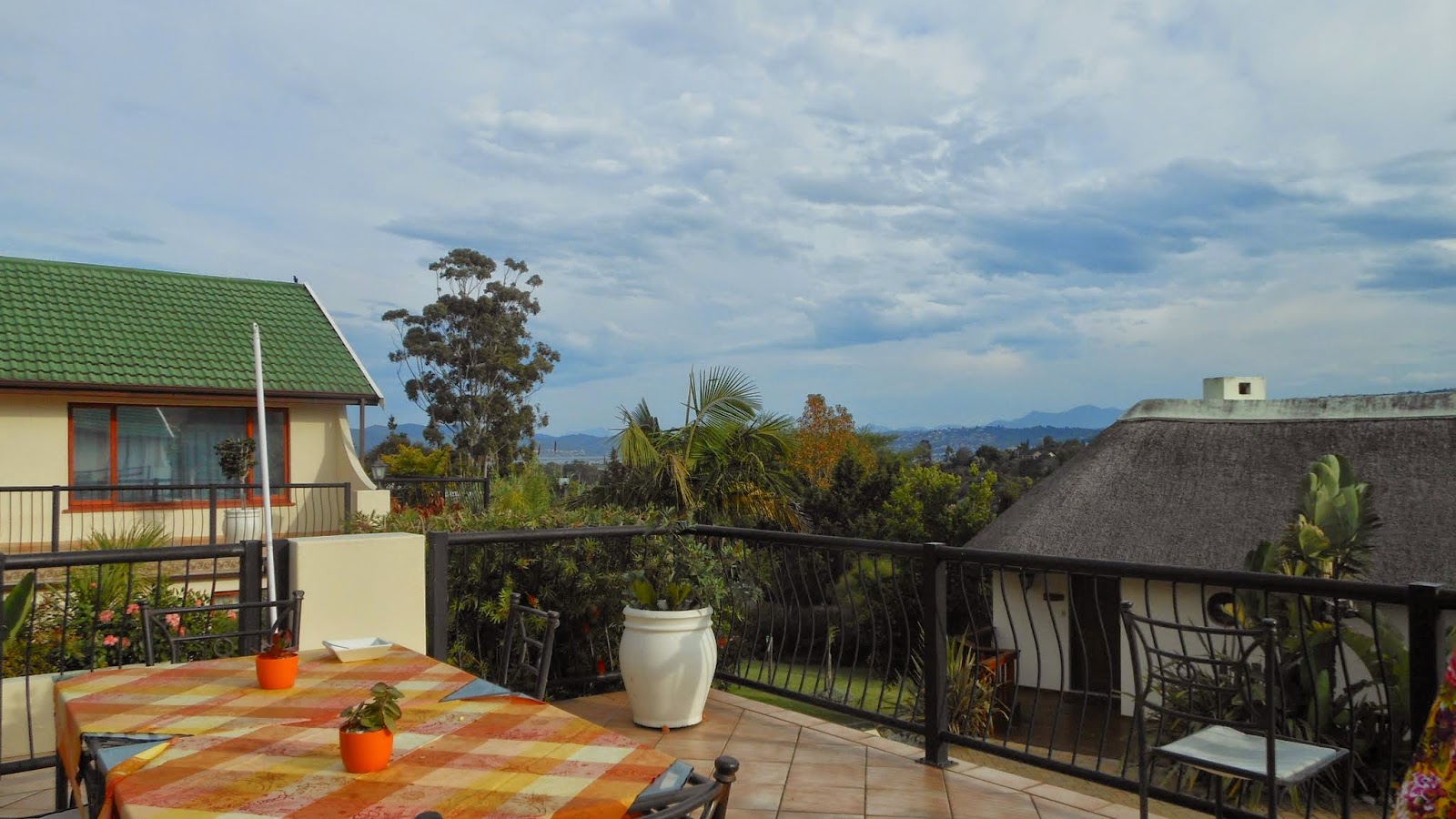
We Visited Kruger National Park – 14 May to 17 May 2014

Kruger National Park is one of the largest game reserves in Africa. It covers an area of 19,633 square kilometers. This makes it 5 times the area of Goa or half of Kerala. It’s really huge.  On 26 March, 1898 ‘Paul Kruger’President of the Transvaal Republic, now known as South Africa, proclaimed the establishment of a “Government Wildlife Park.” This park would later be known as the Sabi Game Reserve and was expanded into the Kruger National Park in 1926.
Kruger is managed by South African National Parks (SANParks) http://www.sanparks.org (extremely informative) which is the leading conservation authority of all national parks in the country, responsible for 3,75,1113 hectares of protected land in 20 national parks. Truly the flagship of the South African National Parks, Kruger is home to an impressive number of species: 336 trees, 49 fish, 34 amphibians, 114 reptiles, 507 birds and 147 mammals.
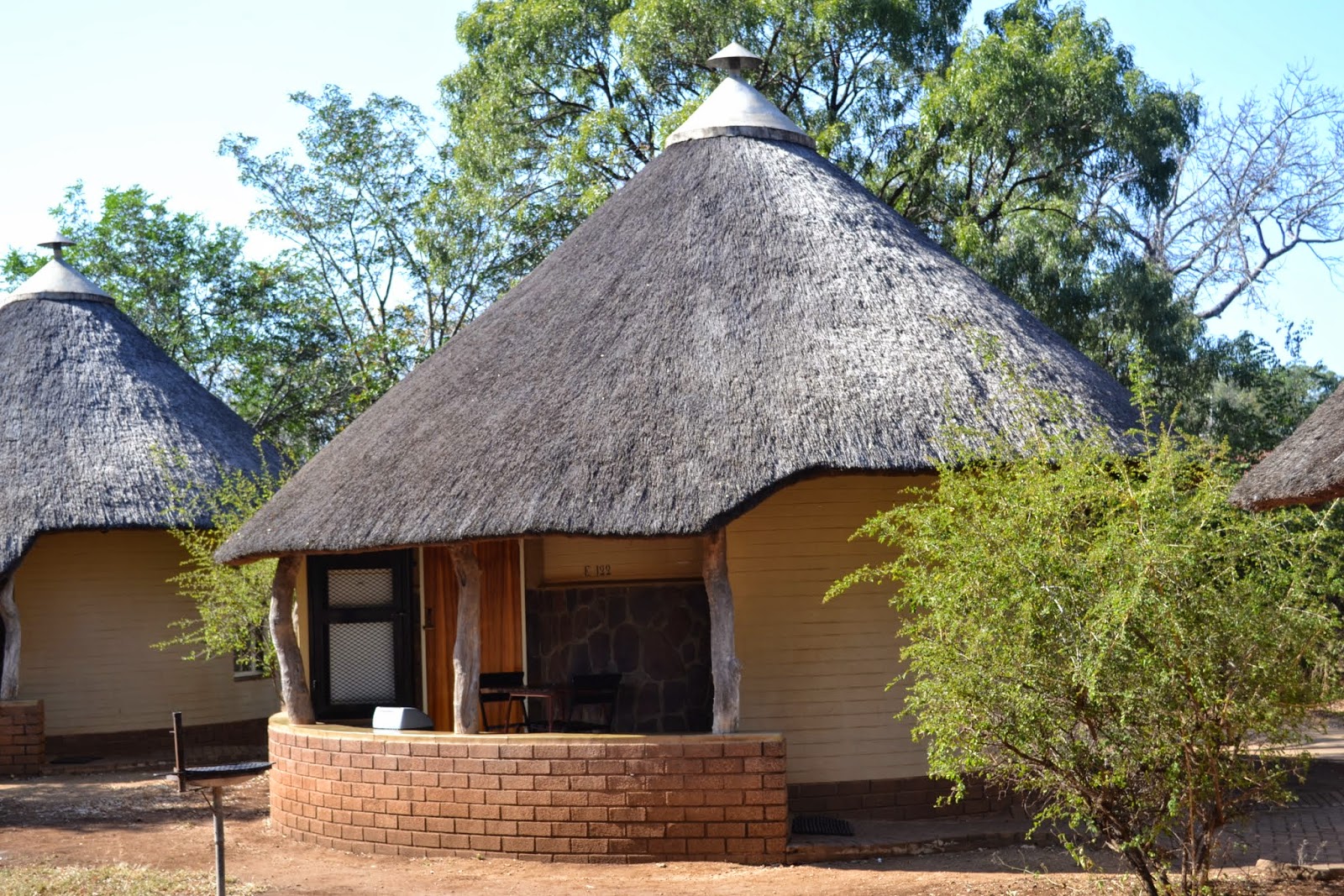
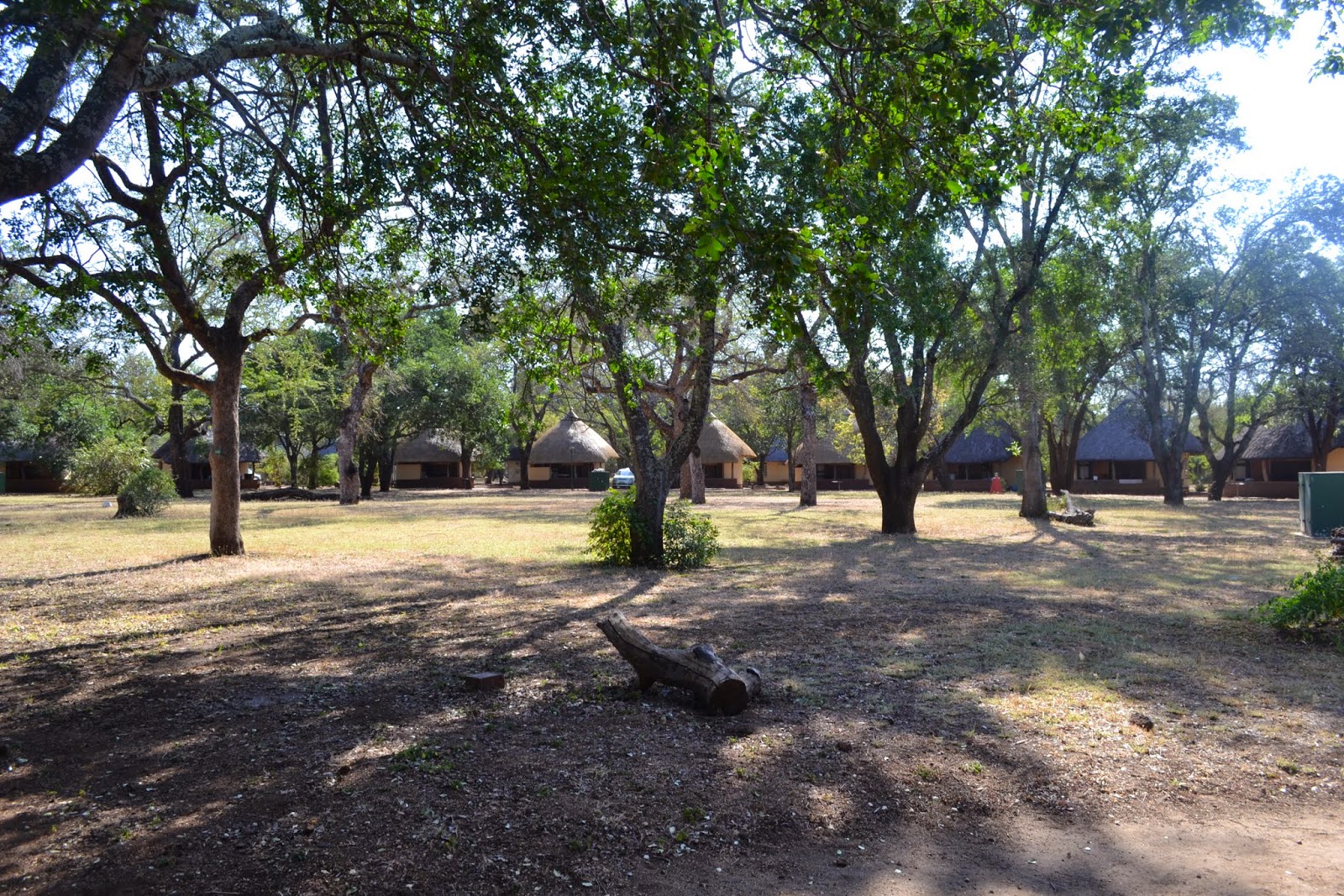
The whole area is serviced by 31 different camps providing accommodation, restaurants, safaris and other facilities for game viewing. An advisory recommends what game each camp offers for viewing. Our requirement was to see the ‘Big 5’ (Lion, Leopard, Elephant, Rhino and Buffalo) and we chose ‘Satara’ – which is also the biggest camp. It is situated in an excellent game viewing area, with the bush relatively open and the animals plentiful and diverse. The camp itself has a rustic charm, with the bulk of the accommodation set out in a series of circles. Different types of accommodation are available to choose from – Campsites, Bungalows, cottages, houses etc. We booked 2 bungalows. The rooms are comfortable, clean and basic. The rooms come with an AC, fridge etc. The entire camp is protected by an electrified fence. Once we were woken up in the middle of the night, thrilled to hear the repeated roaring of a lion, very close to our room – only to find out the next morning that they had been on the prowl just outside the fence.

Tid Bit: As the story goes, Satara Restcamp owes its name to an anonymous Indian surveyor who was sent by the citizens of the newly proclaimed Transvaal Republic, who split up the region for settlement. On his map, the surveyor marked the area that is present-day Satara with the Hindi word ‘satra’, which means 17.

We hired a Toyota Corolla in Johannesburg and drove to Kruger via Nelspruit. The driver is easy and really picturesque. There are a number of gates through which one can enter Kruger. We took the Orpen Gate and departed by the Malelene Gate. We left early and reached the gate by 3pm. All gates to Kruger close by 4.30pm.
There are a number of safaris. One can choose from the early morning, sunset, or night safari – one can go on a night walk with the warden into the forest. Private cars are allowed in designated areas at specific times. There are a number of rules, dos and don’ts which everyone needs to observe during the entire stay. This is where a self-driven car comes extremely handy. On all the three days, before or after the safari we would travel in our car chasing the game based on the warden’s advice and public report of any sighting of the elusive Big 5. The overall excitement and the anticipation of sighting game make these outings really remarkable. In spite of driving endlessly for over three to four hours at a stretch, one does not get bored on account of the sheer anticipation of a sighting. You find yourself alert, and keep scanning the landscape, much like a personal bodyguard who scans the crowd for a potential threat.
Two restaurants including ‘Mugg and Bean’ dish out excellent food and in addition one can hire all the things required for a barbecue pit located outside the bungalow. In some places, kitchen facilities are also provided. The camp works overtime to provide excellent facilities to the entire tourist population. Overall it is an experience to be relished.
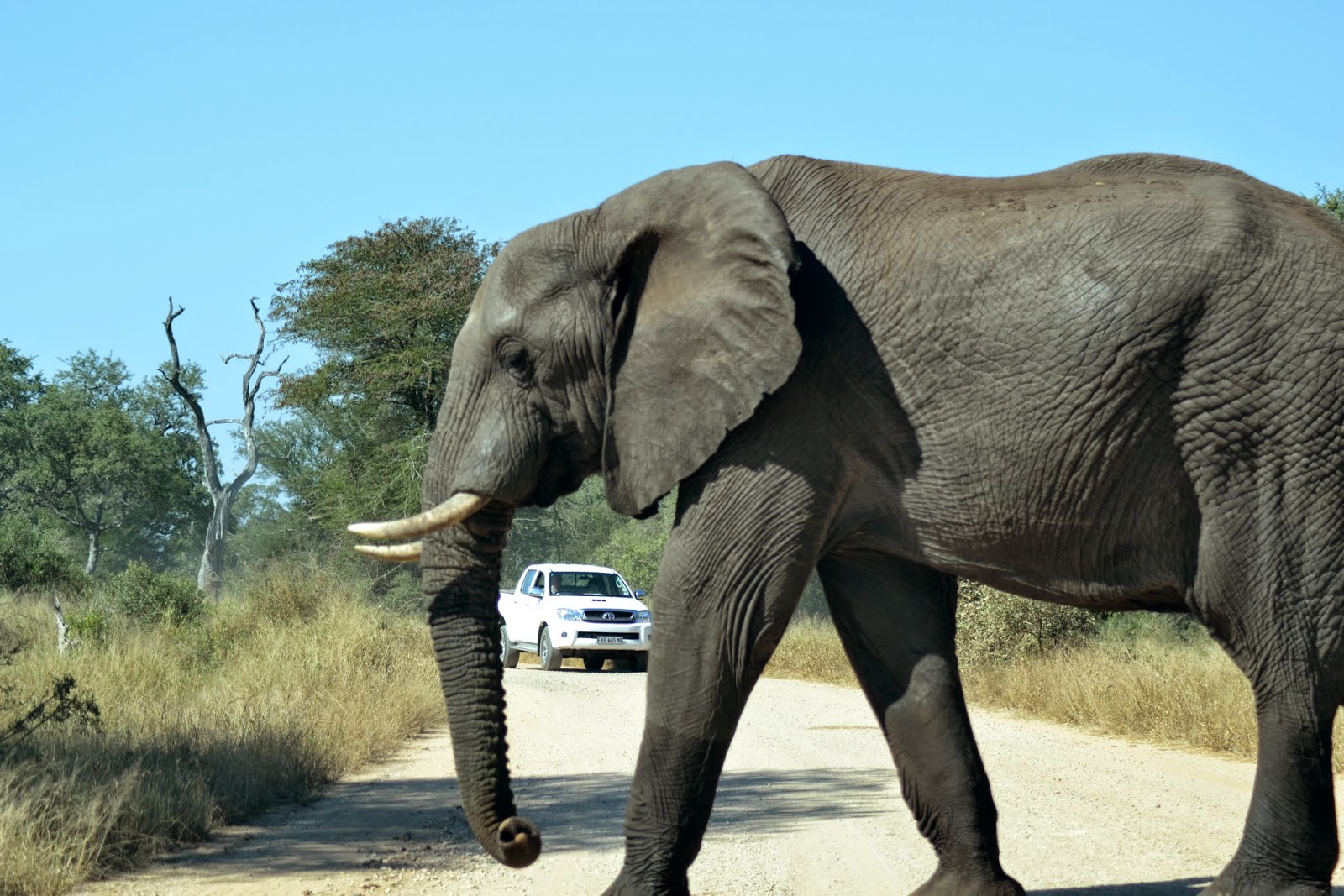
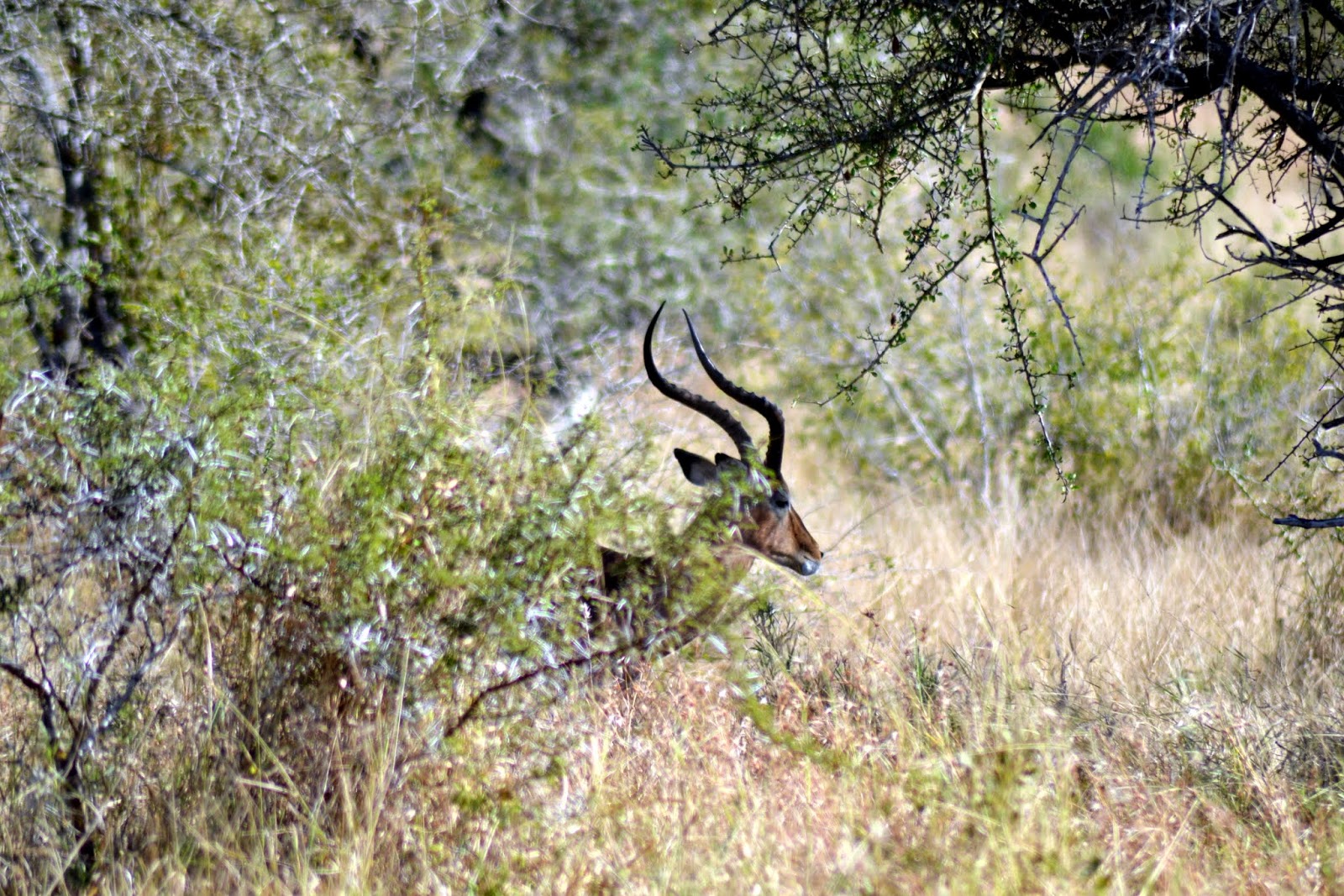
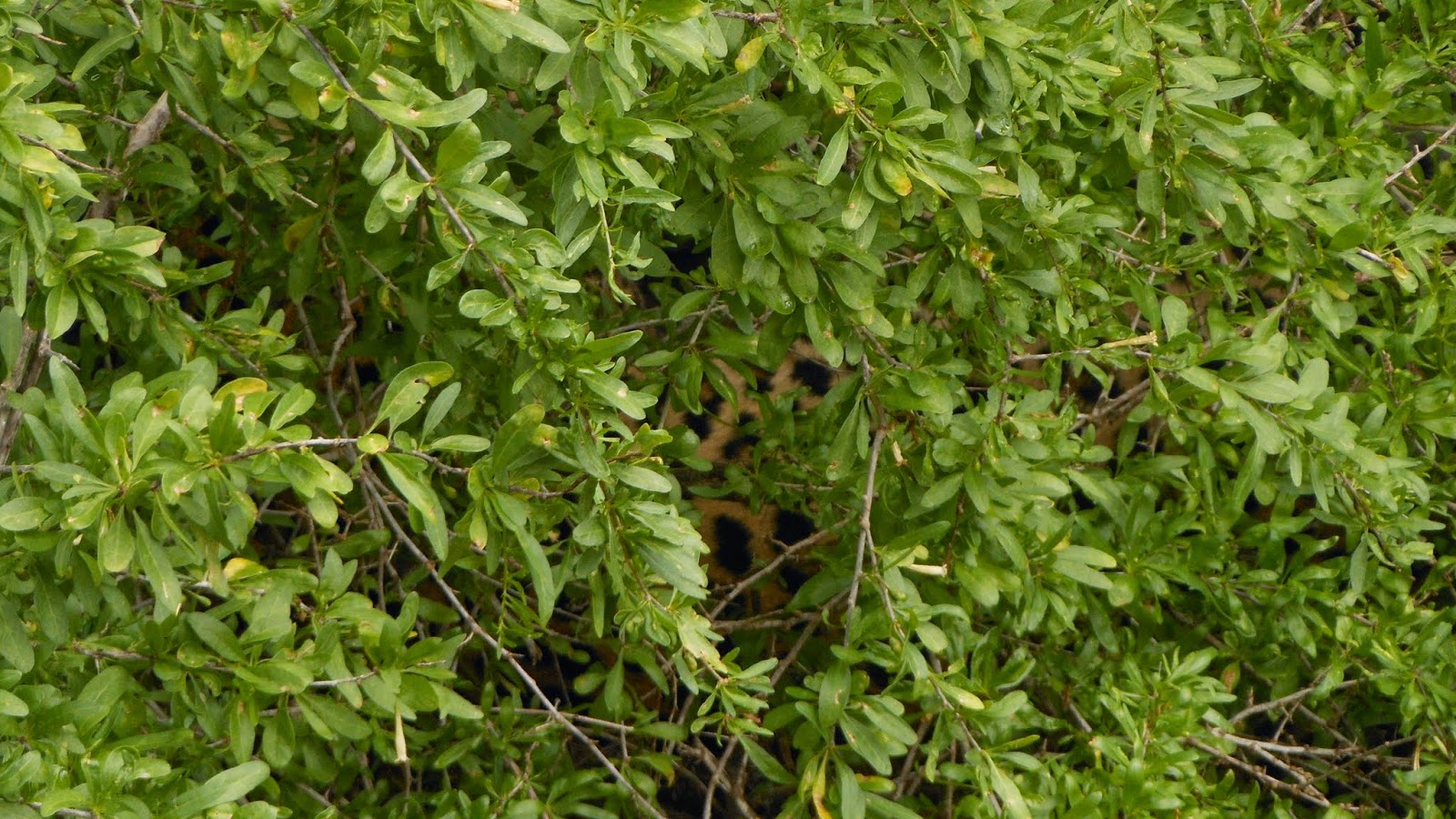
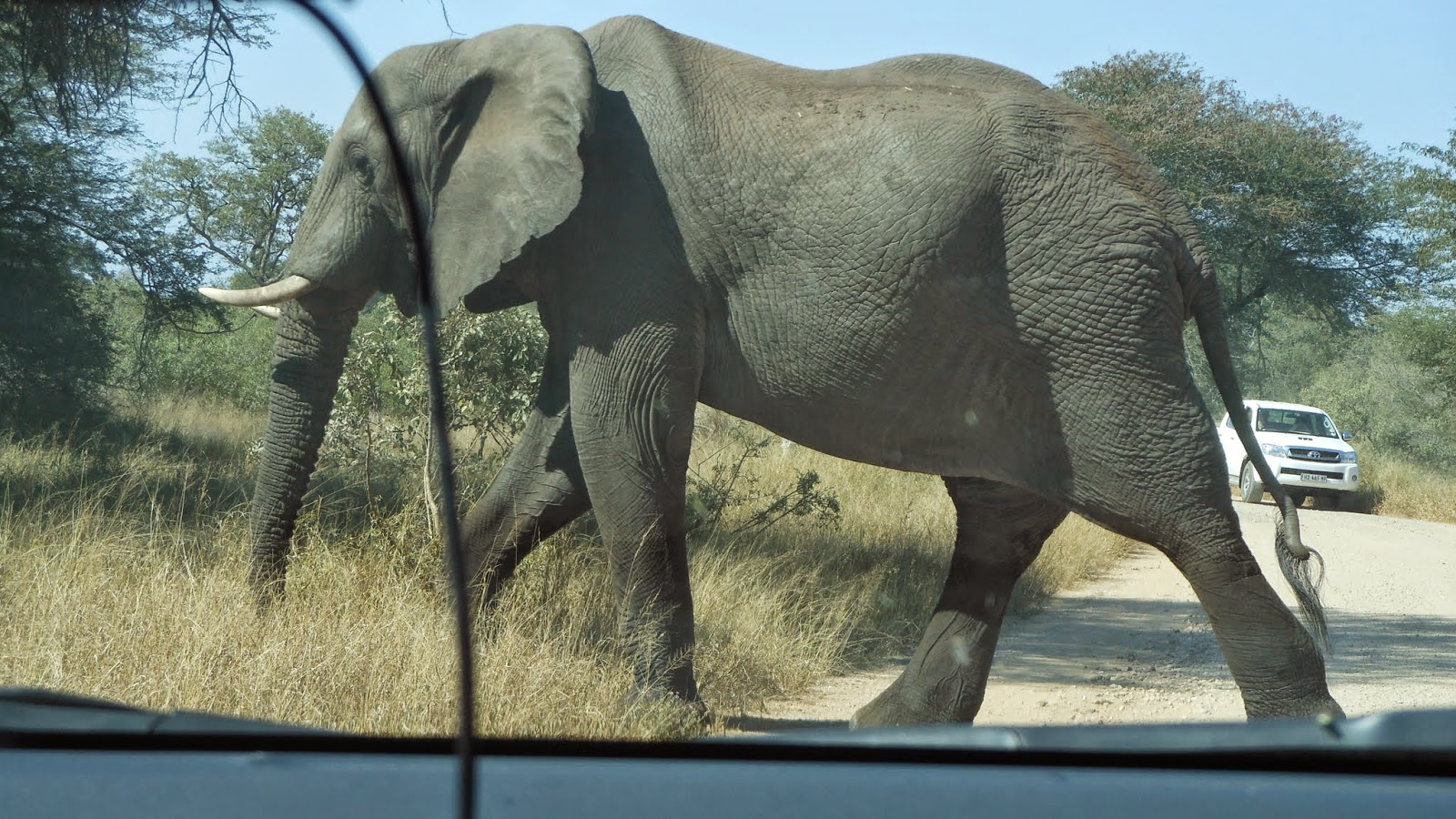
In all, we spotted hordes of zebras, wildebeests, giraffes, elephants and buffaloes. On one of our self drives, we encountered a herd of elephants and one of them pinned us with his gaze for quite a while, standing as close as 20ft away from our vehicle. (My biggest worry was the damage to the Hertz rental car and the cost of repair :/) We saw hyenas, wolves, jackals, ostriches, porcupines, hippos, rhinos, owls, eagles, buck deer, vultures, impalas, steinboks, kudus, Mongoose and a single leopard sighting.

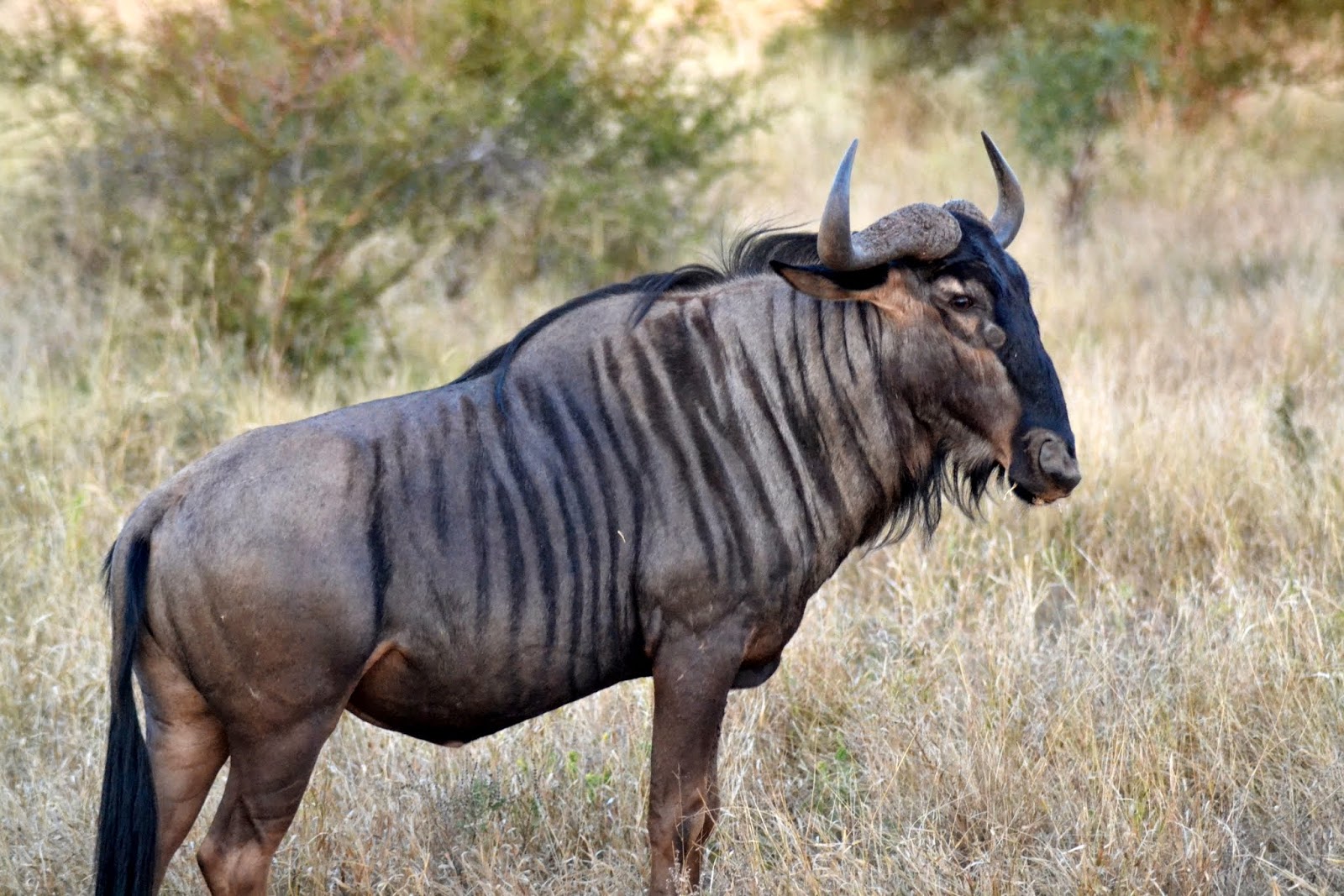
Tid Bit:Our Safari warden told us that giraffe has great height and expansive vision, but it cannot obtain sensory input from the ground. The zebra on the other hand can smell advancing predators at the ground level and see them under trees, but cannot see danger from afar.Zebras often graze in mixed herds with Giraffe which gives heightened awareness of potential predators.It is not uncommon to find few Wildebeest mingling in their company.

We finally left the camp early morning on 17th May towards Malelane Gate. Our spirits were really low as we were departing Kruger without sighting any lions. In spite of our best efforts, the King remained elusive. As our guide had told us, “the animals are always on the move – covering huge tracts of land every day – sighting is a matter of being in the right place at the right time – nothing is certain”. 
All of a sudden a car from the opposite direction stated flashing his headlights and asked me to stop. He told us in broken English that we should take the 2nd crossing to the right and proceed a little ahead to see the lions. We were left speechless at the turn of events – the Gods had certainly answered our prayers. With muted excitement and bated breath, hardly daring to believe that we had a chance of seeing a lion, we took the turning only to be confronted by a fork. We took the right fork and went ahead for almost fifteen minutes without any sighting. We then retraced our path and took the left fork – lo and behold, I screamed and the magical words came out – ‘There it is!.’ We stopped breathlessly.
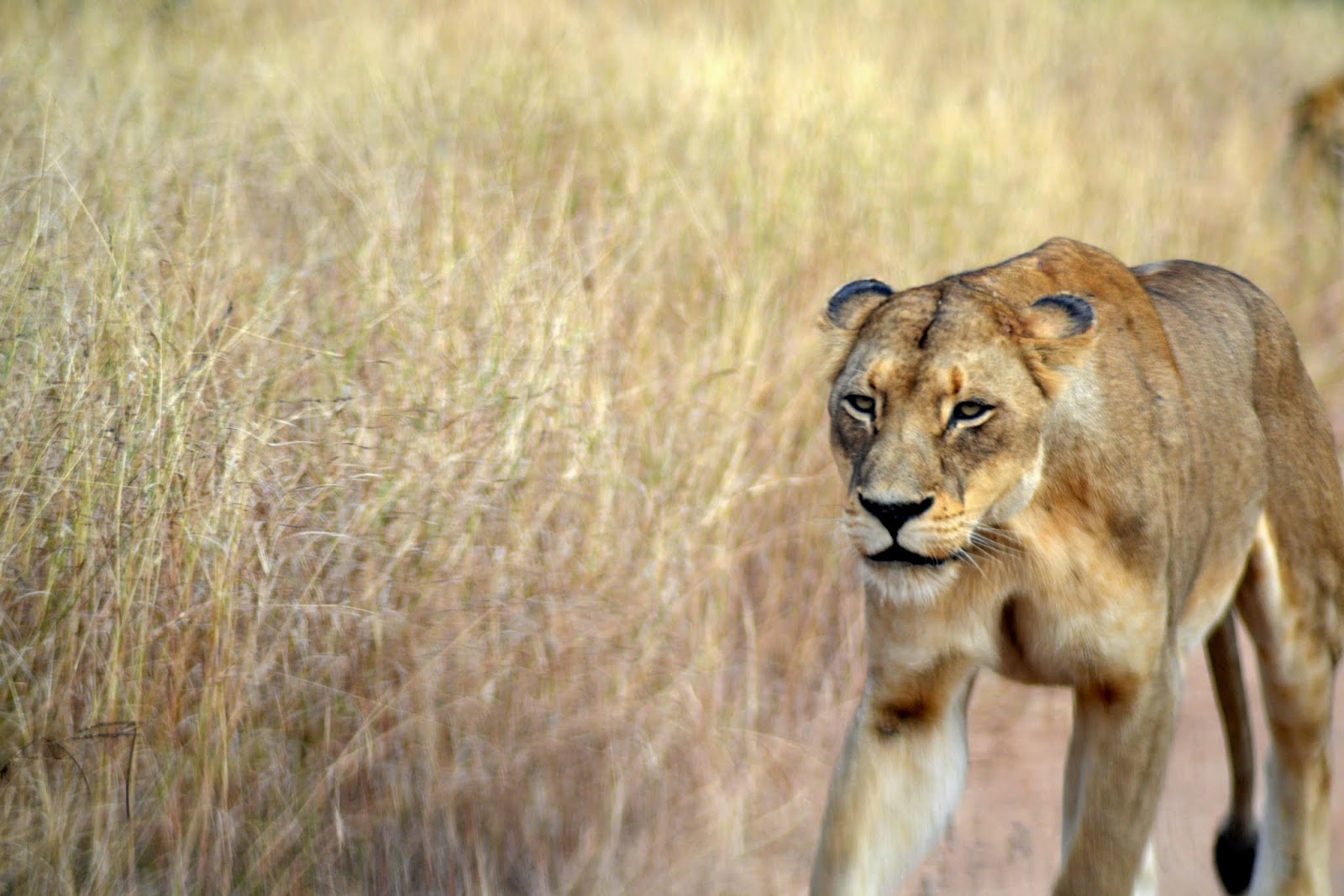
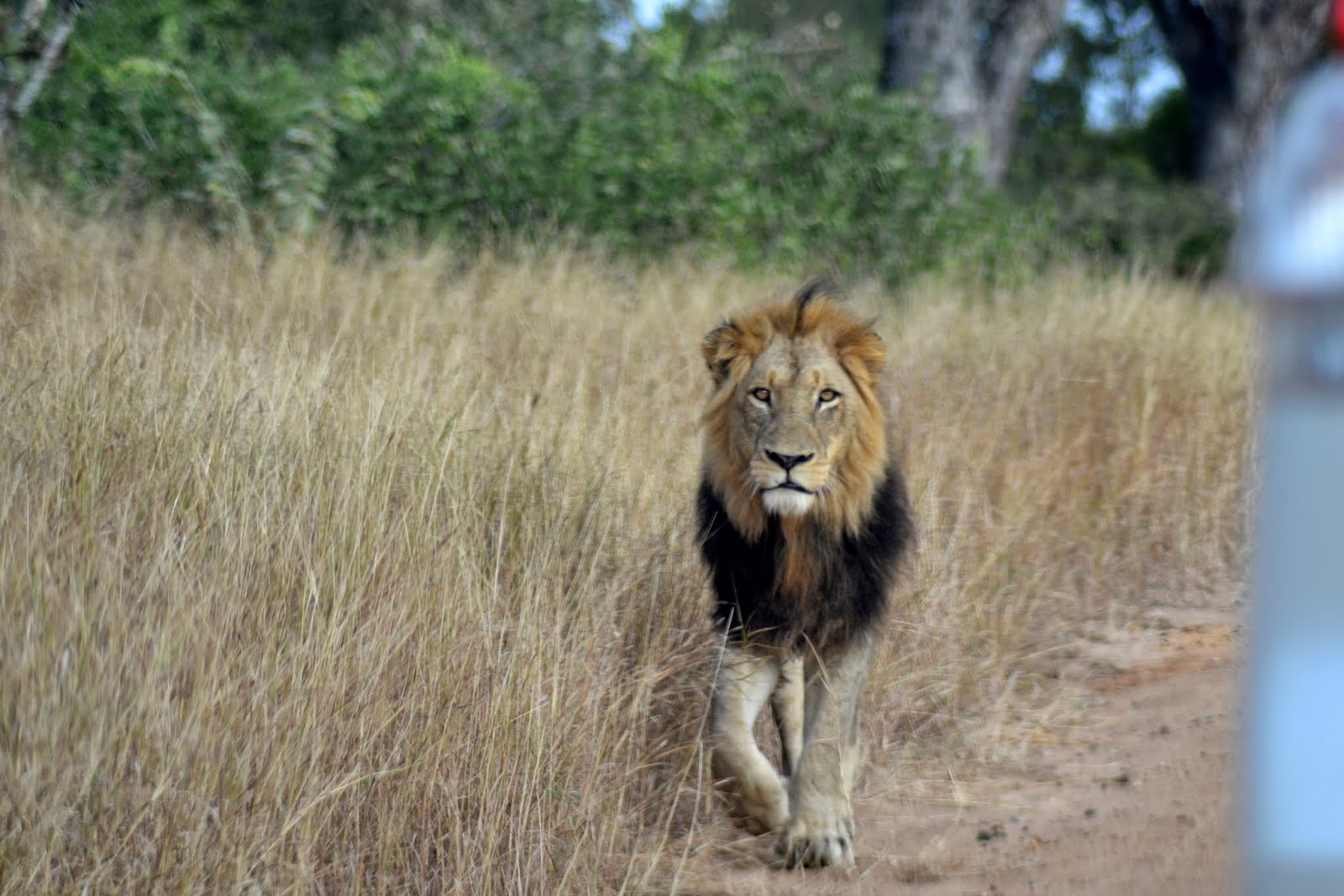
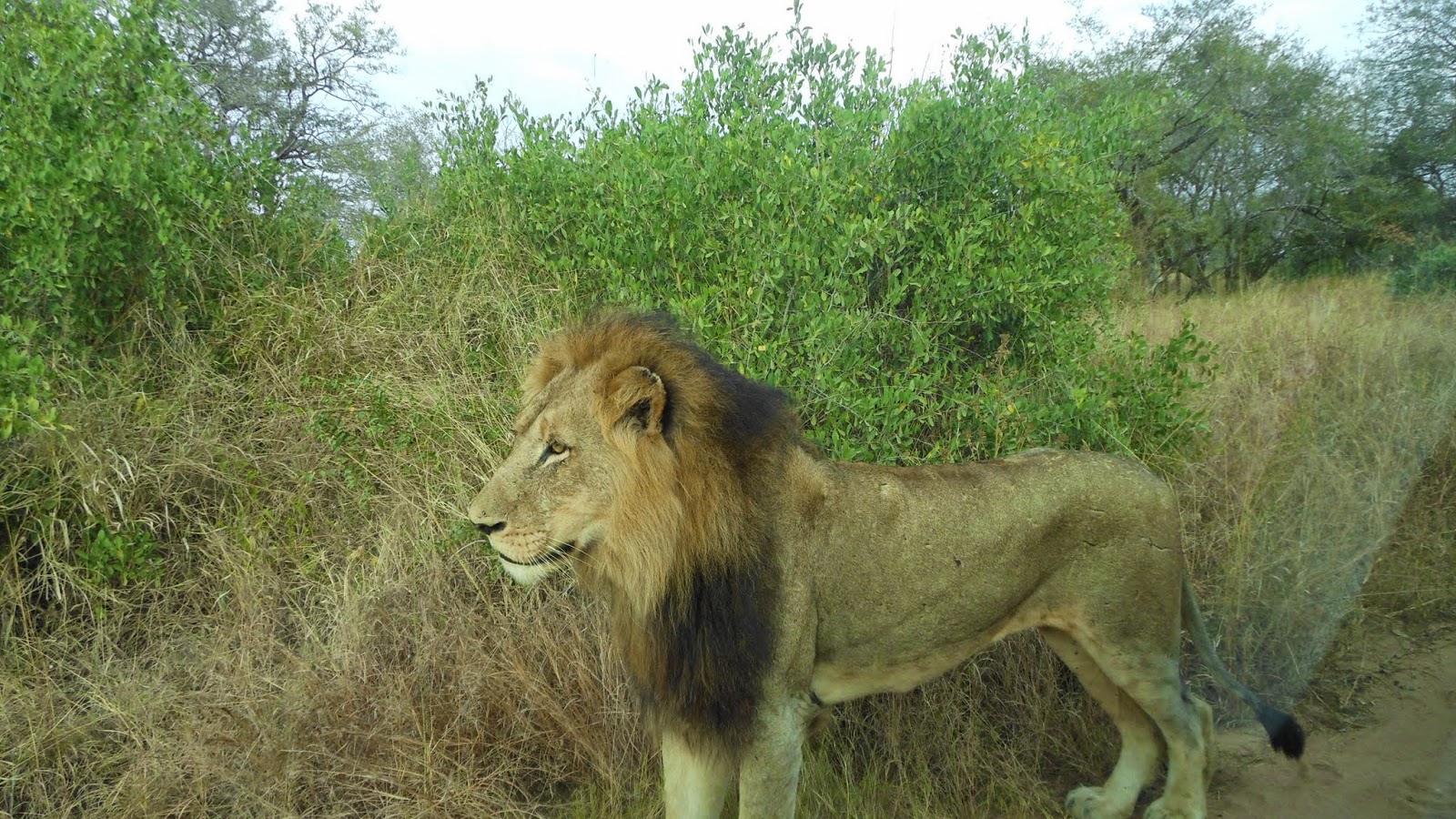
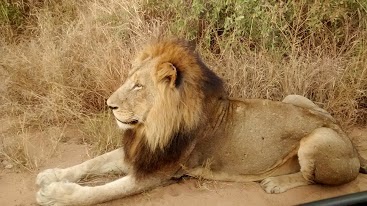
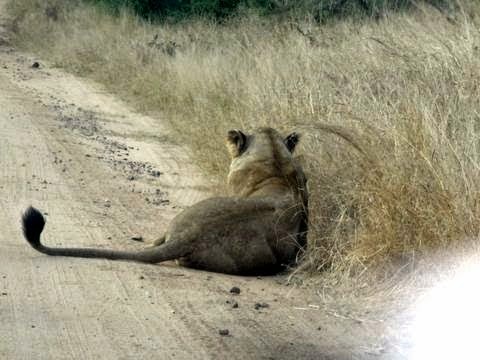
There, in all his majesty, was a lion coming towards us, with a lioness in tow. The lioness walked past the car and lay down behind our car. The lion stopped next to our car window and just stood there looking into the distance. What a magical, overpowering moment! He posed there for five minutes, peaceful and without any sign of aggression. He invoked no fear whatsoever – only wonder and awe. Clearly it was the defining moment of our entire SA trip; a once in a life time event. After standing for a while, the lion sat down beside the car – as if to say ‘see me to your heart’s content’.  We had spent 17-18 hours in the past two and a half days looking for him and there he was! As if he had come just to meet us. Tawny eyed and glorious, with signs of old fighting scars on his face, we could not get enough of him.
A little later, almost an eon to us, the lioness got up and casually walked towards the thick growth. The lion rose and followed her obediently but leisurely into the undergrowth. (As we men generally do). In seconds, the clearing was quiet again.
As we left the clearing, we could not take the grin off our faces if we tried. Our hearts were full of happiness. We had been fortunate, thank the Lord! Contented, we left to go onward to the Malemane Gate
Finally we said Salani kahle, Totsiens, goodbye to South Africa and its natural beauty, people, forests and animals.
Now for a few interesting game photographs

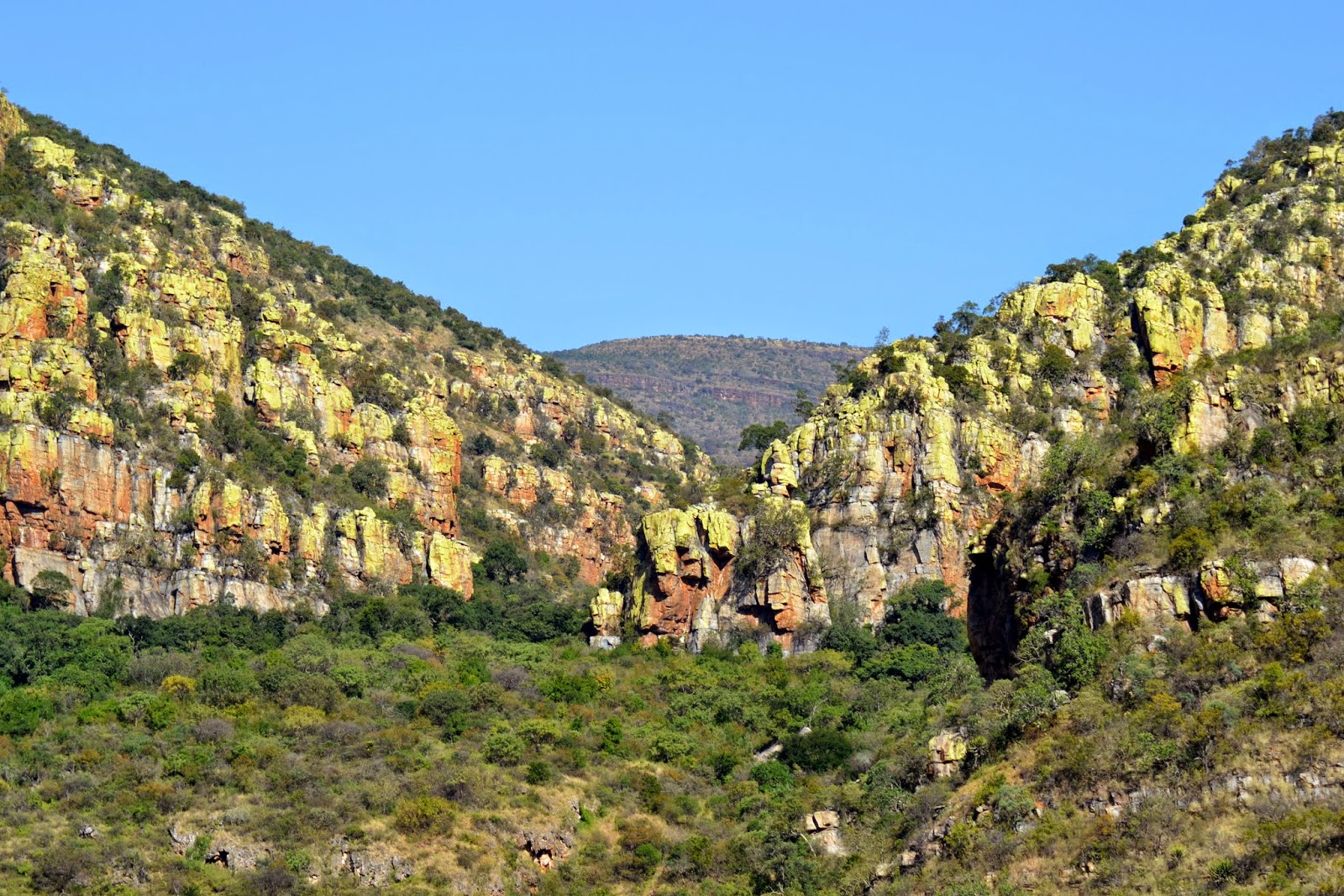
A very interesting rock formation – on the way to kruger

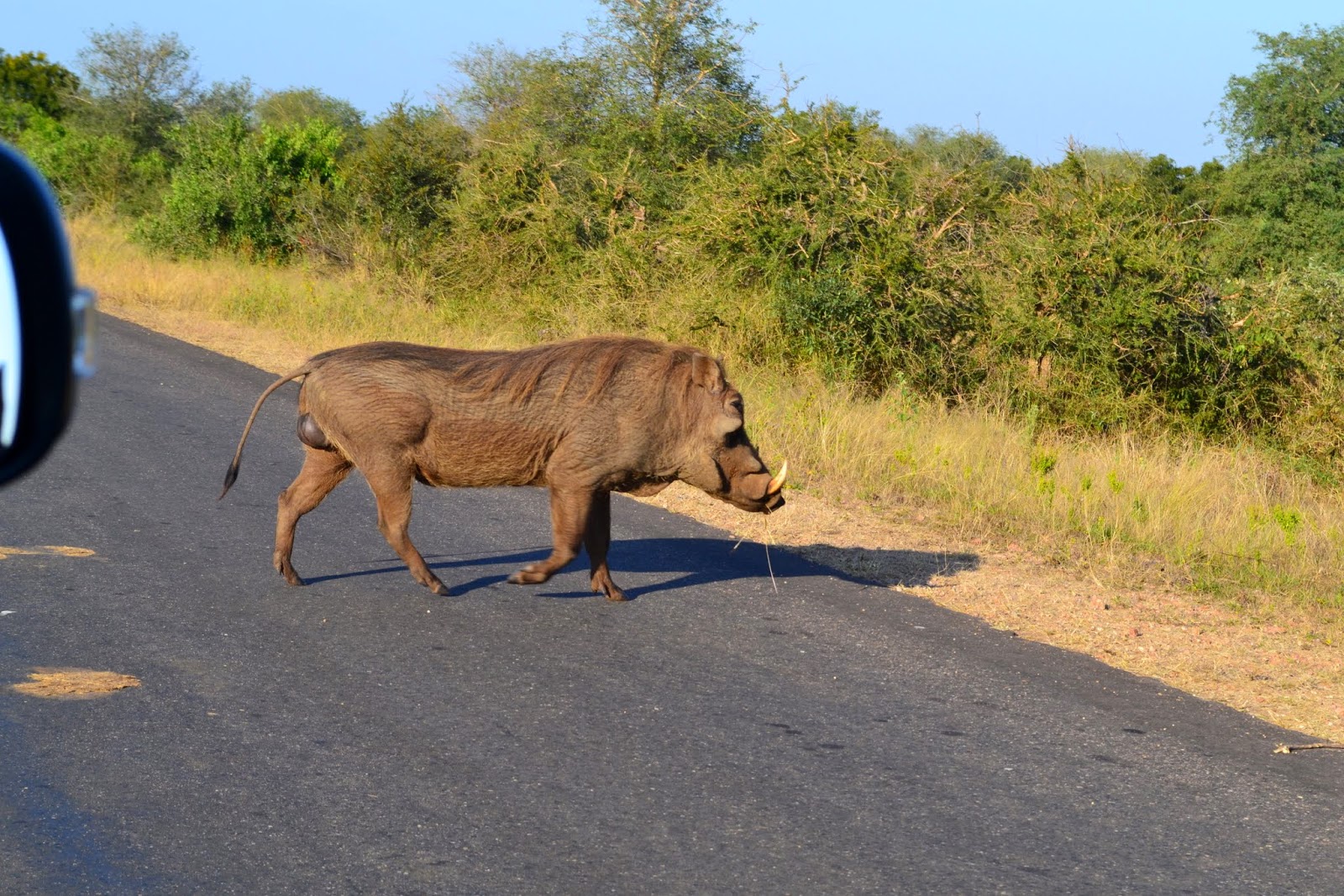
Wild Boar crossing our path

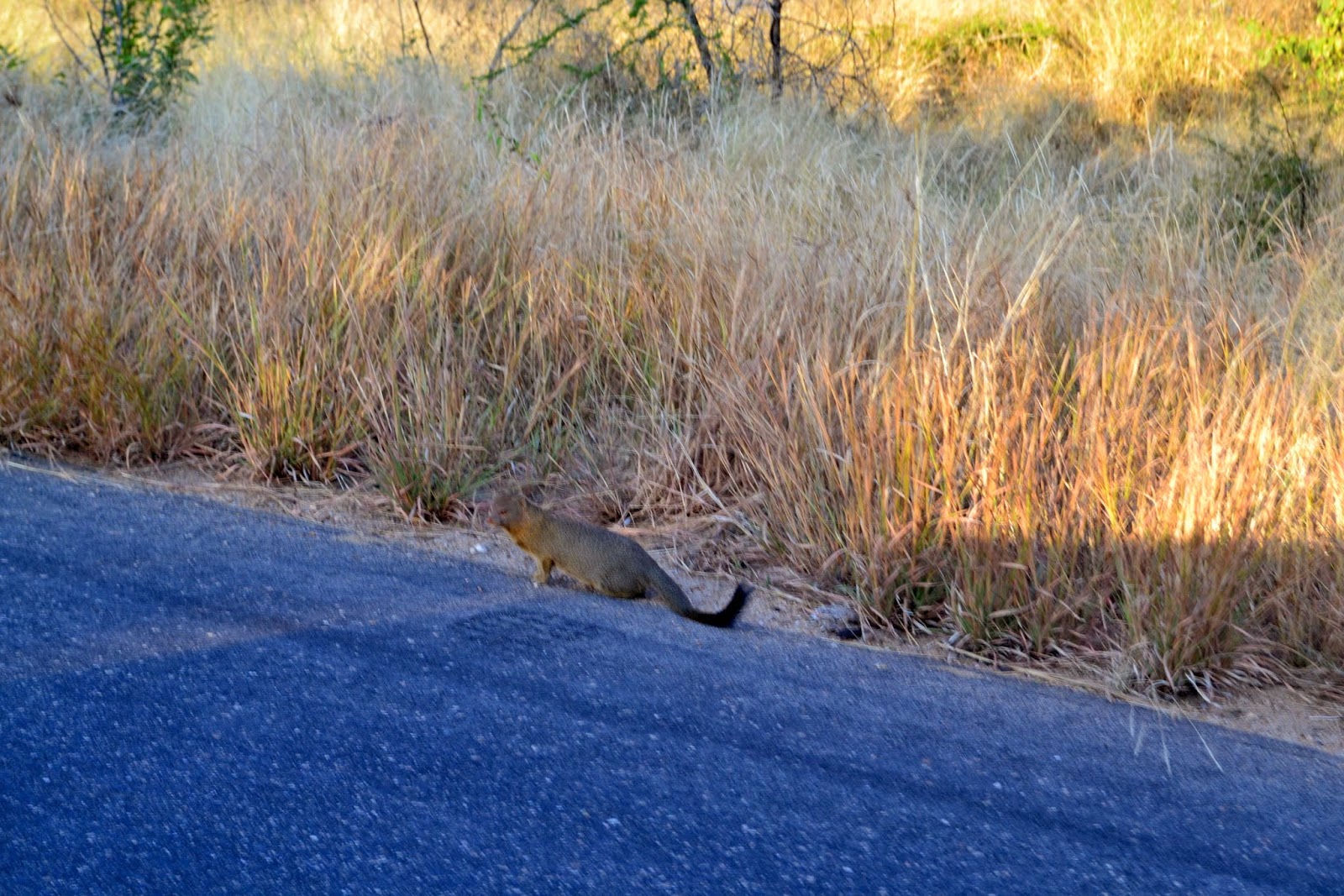
A Mongoose on the prowl

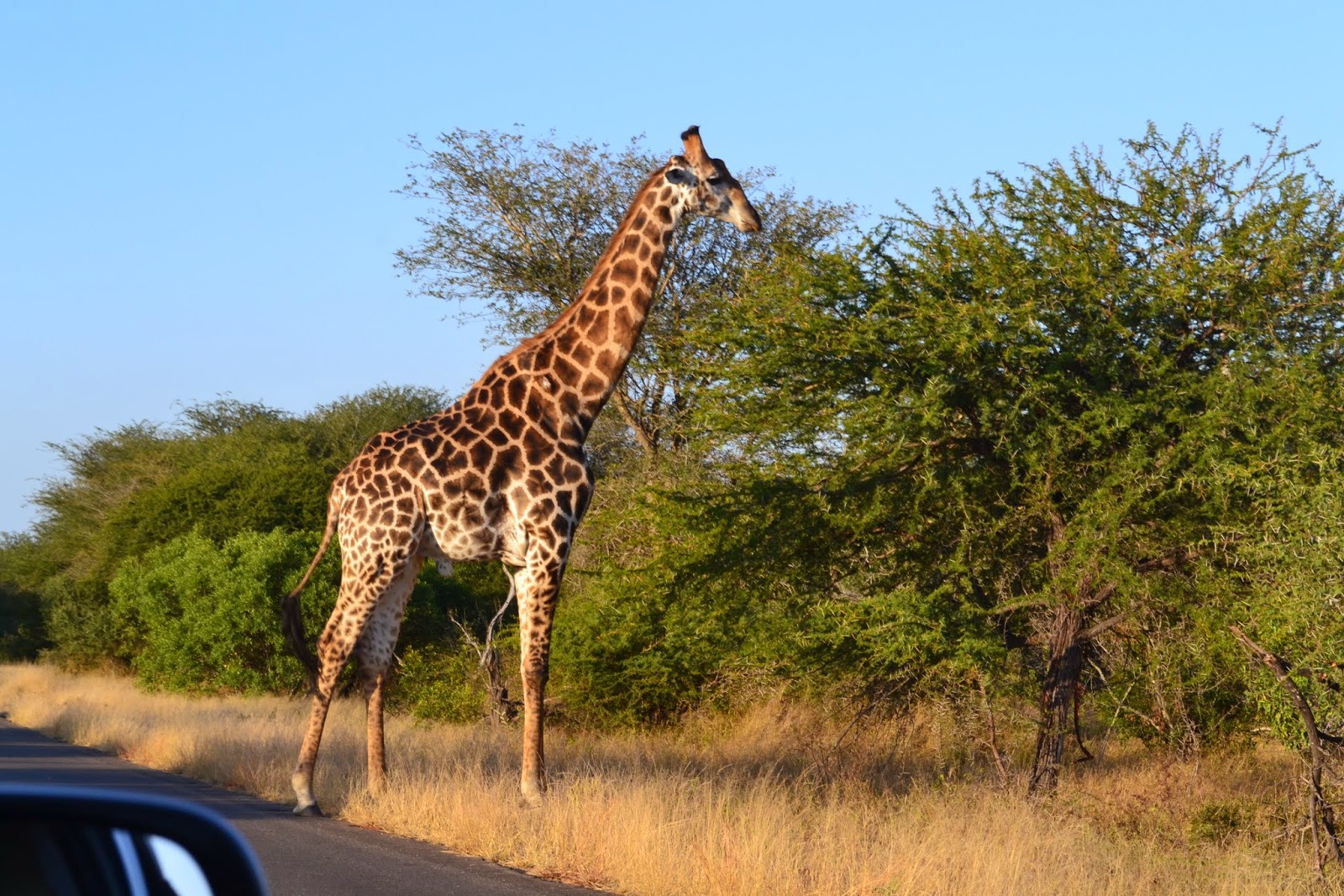
An extremely graceful animal

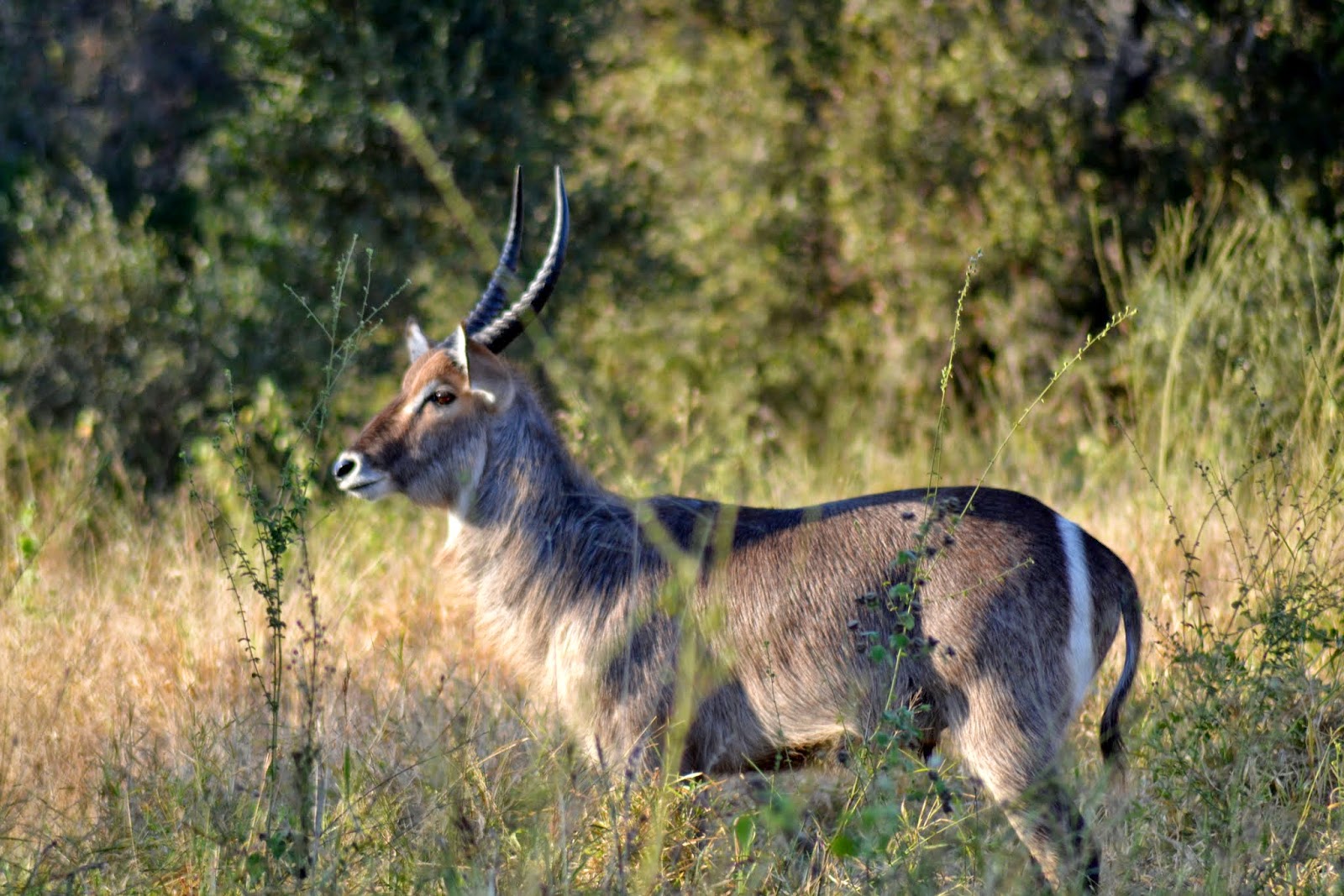
Male Ellipsen Waterbuck posing for us

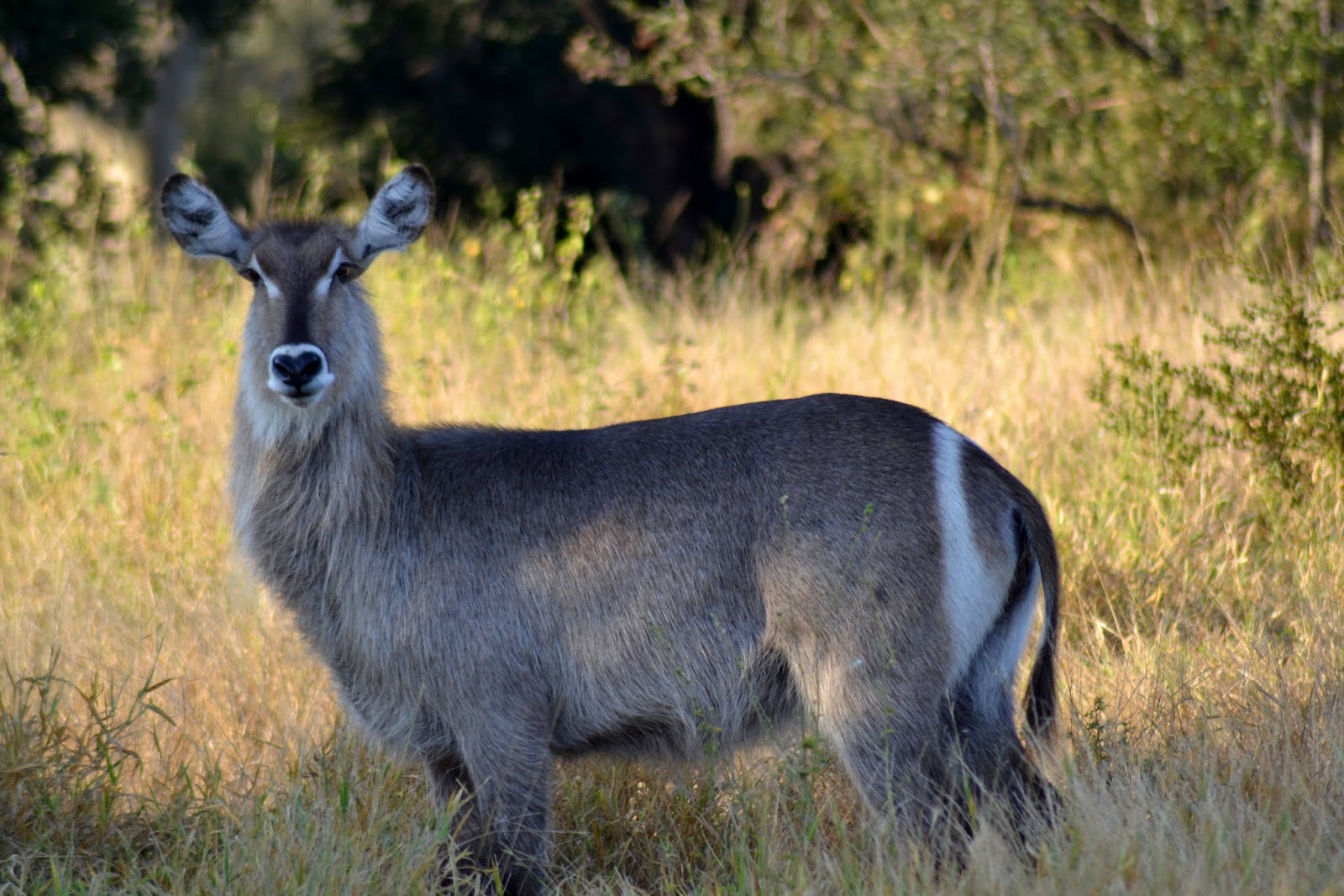
Female Ellipsen Waterbuck 

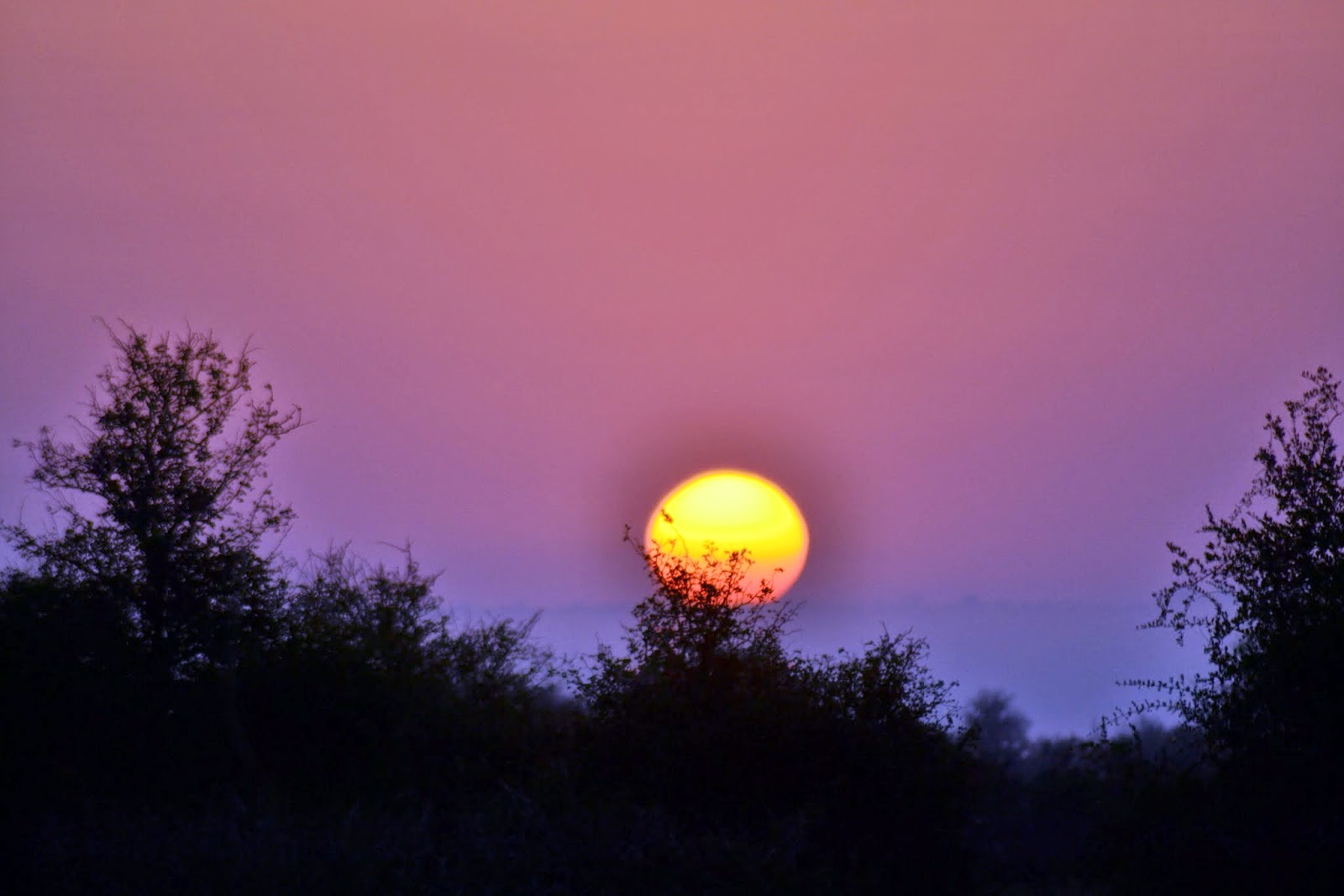
Fascinating sunrise on our dawn safari

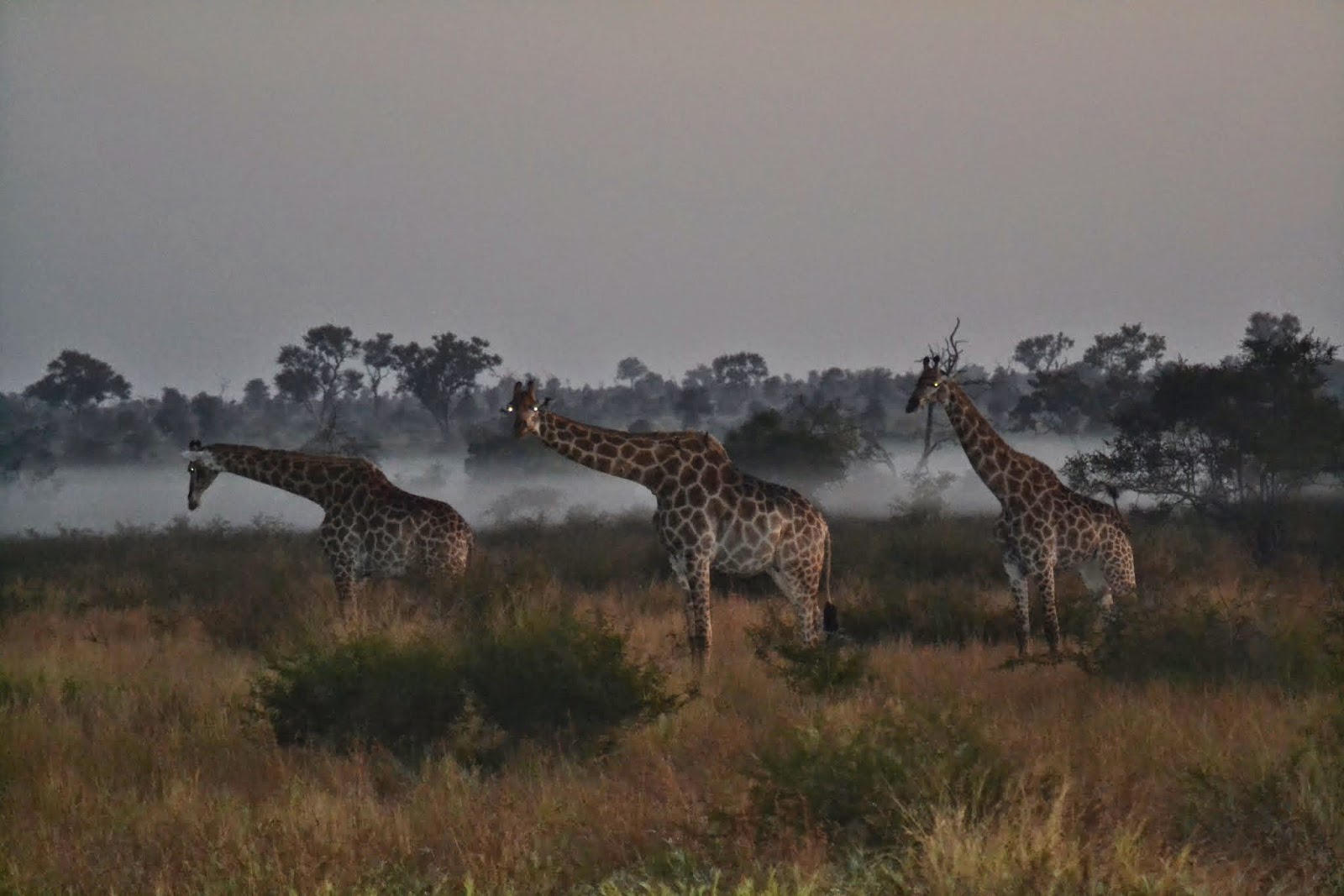
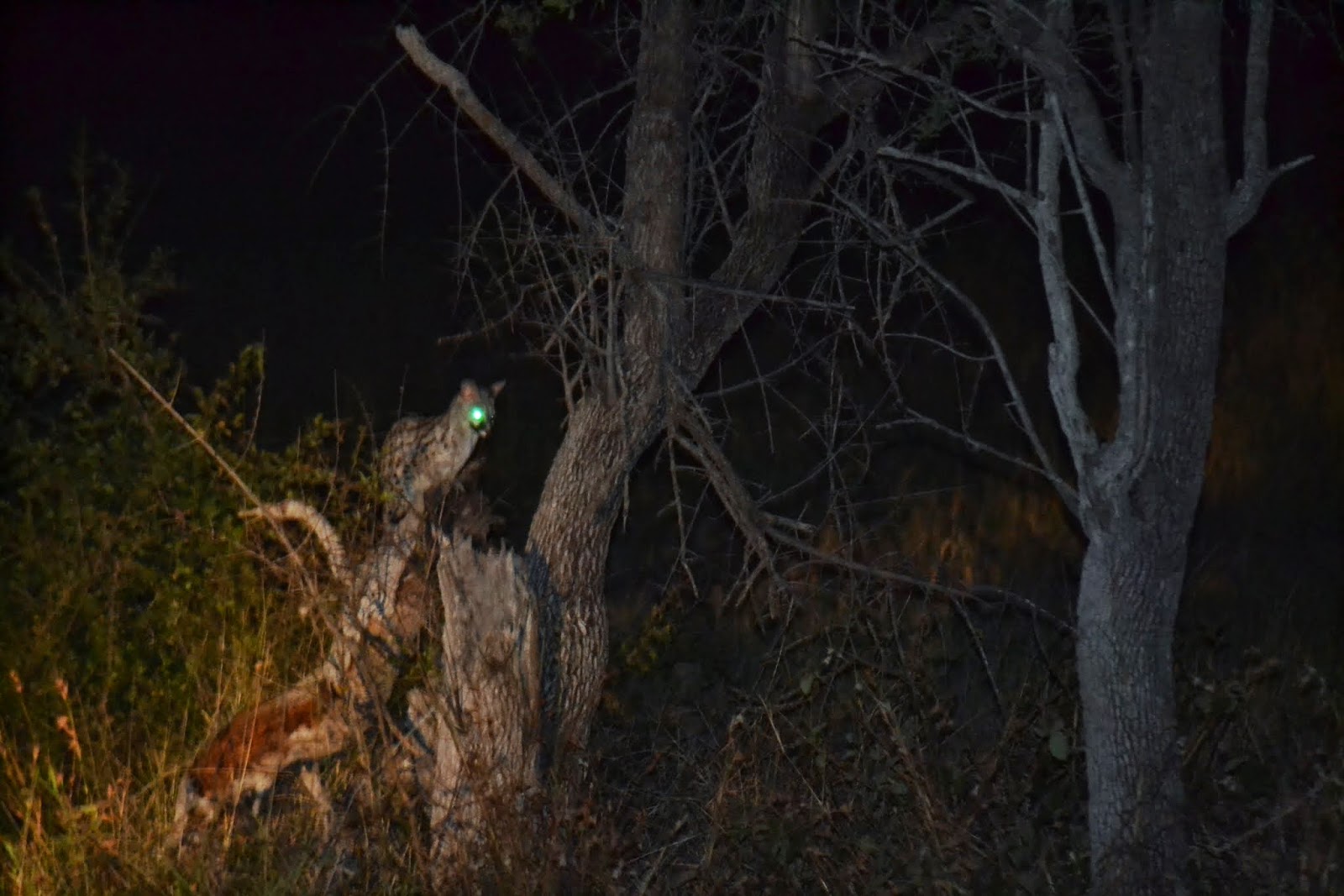
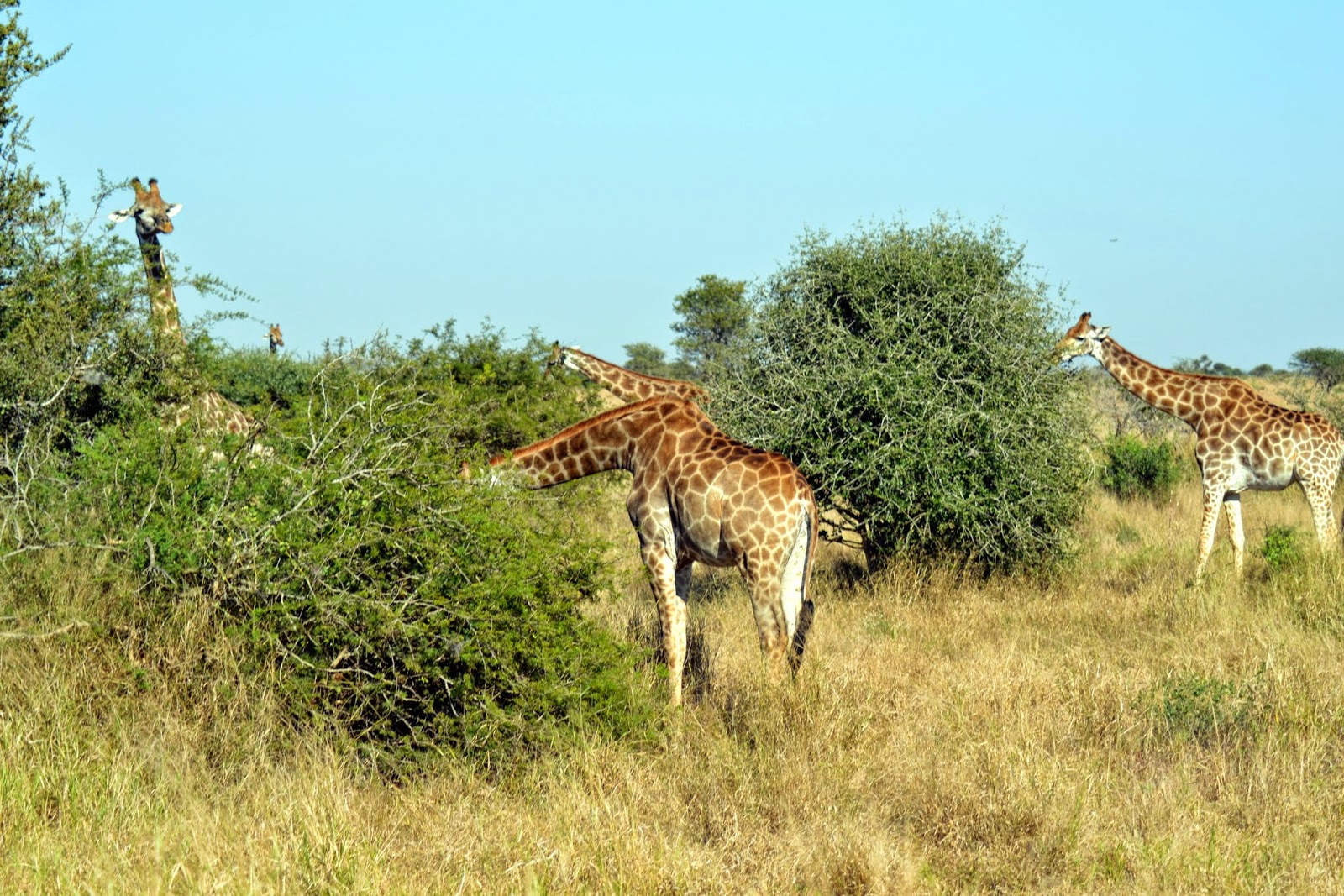
A Tower of Giraffes – luminescent eyes 

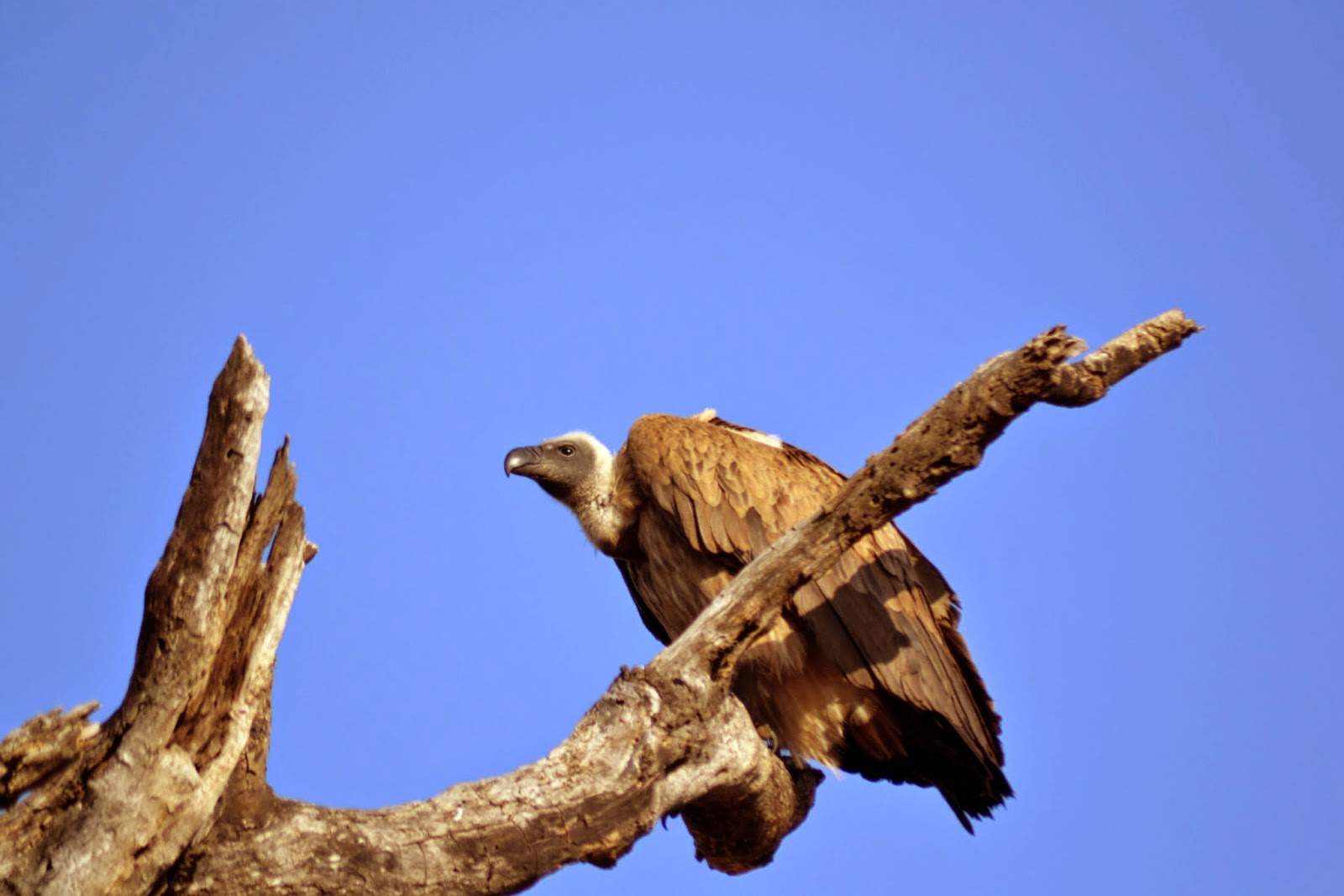
White Backed Vulture 

This was really close for comfort

Kudu, another type of African antelope

Blue Wildebeest 

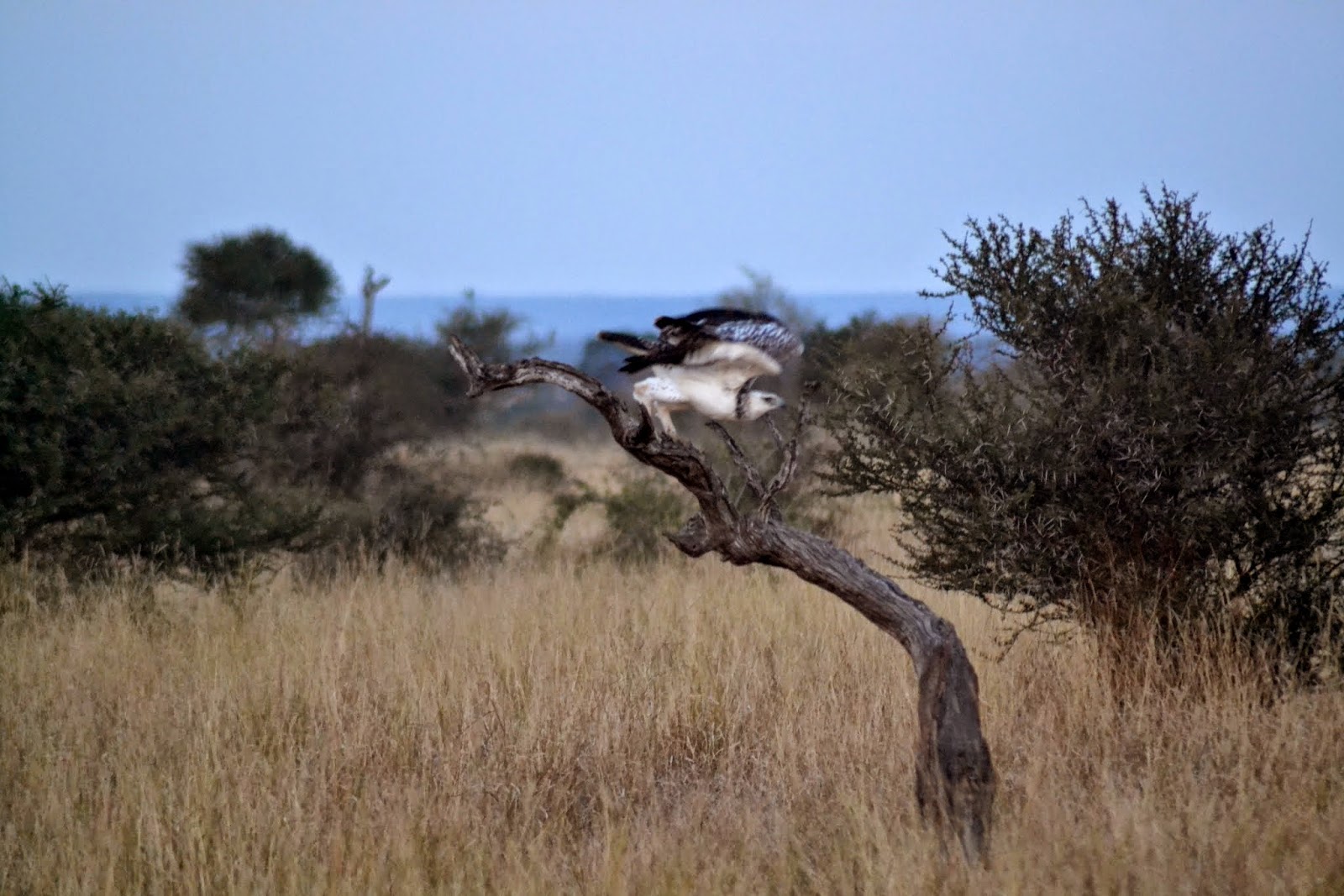
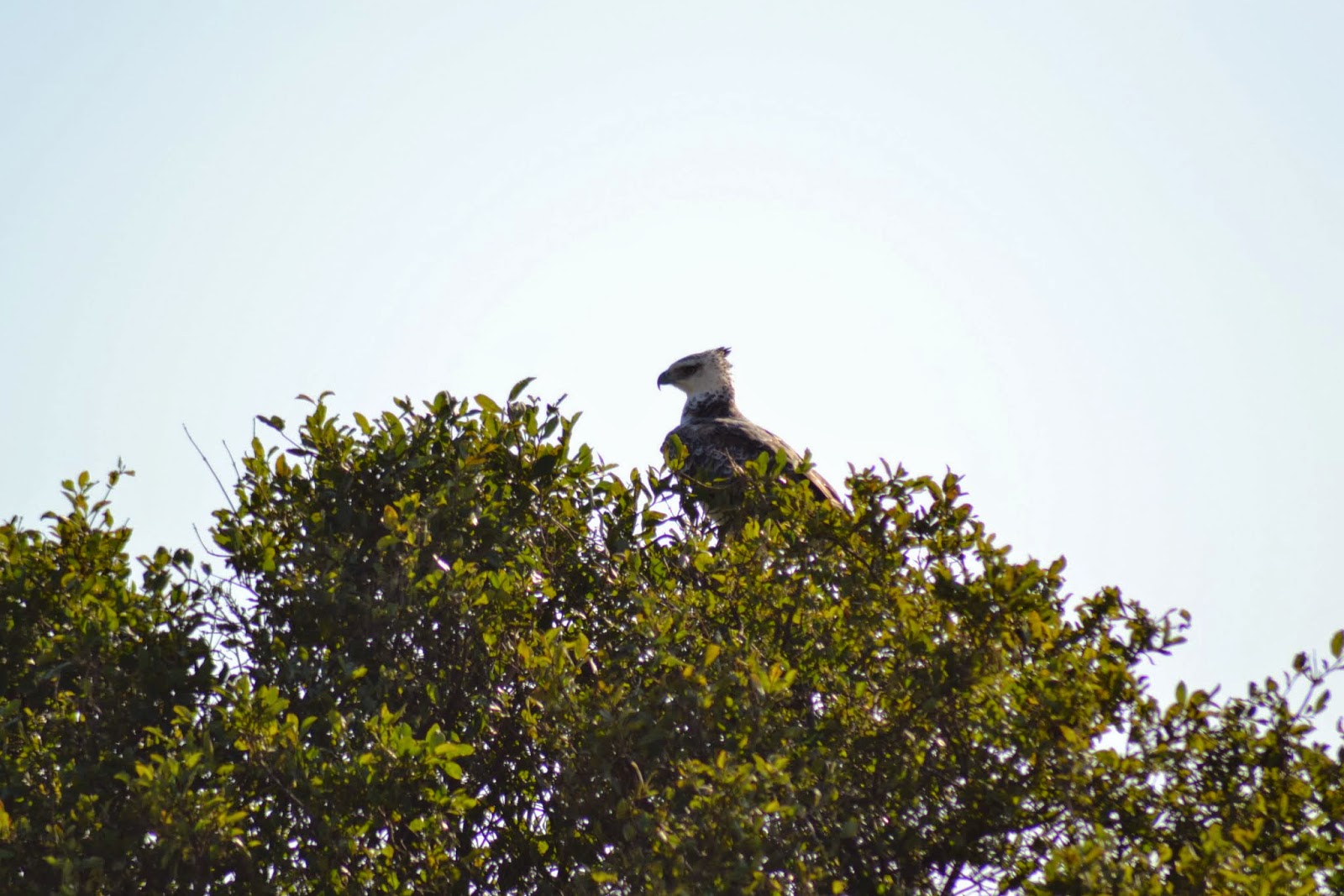
An eagle about to take off

Hyena on prowl

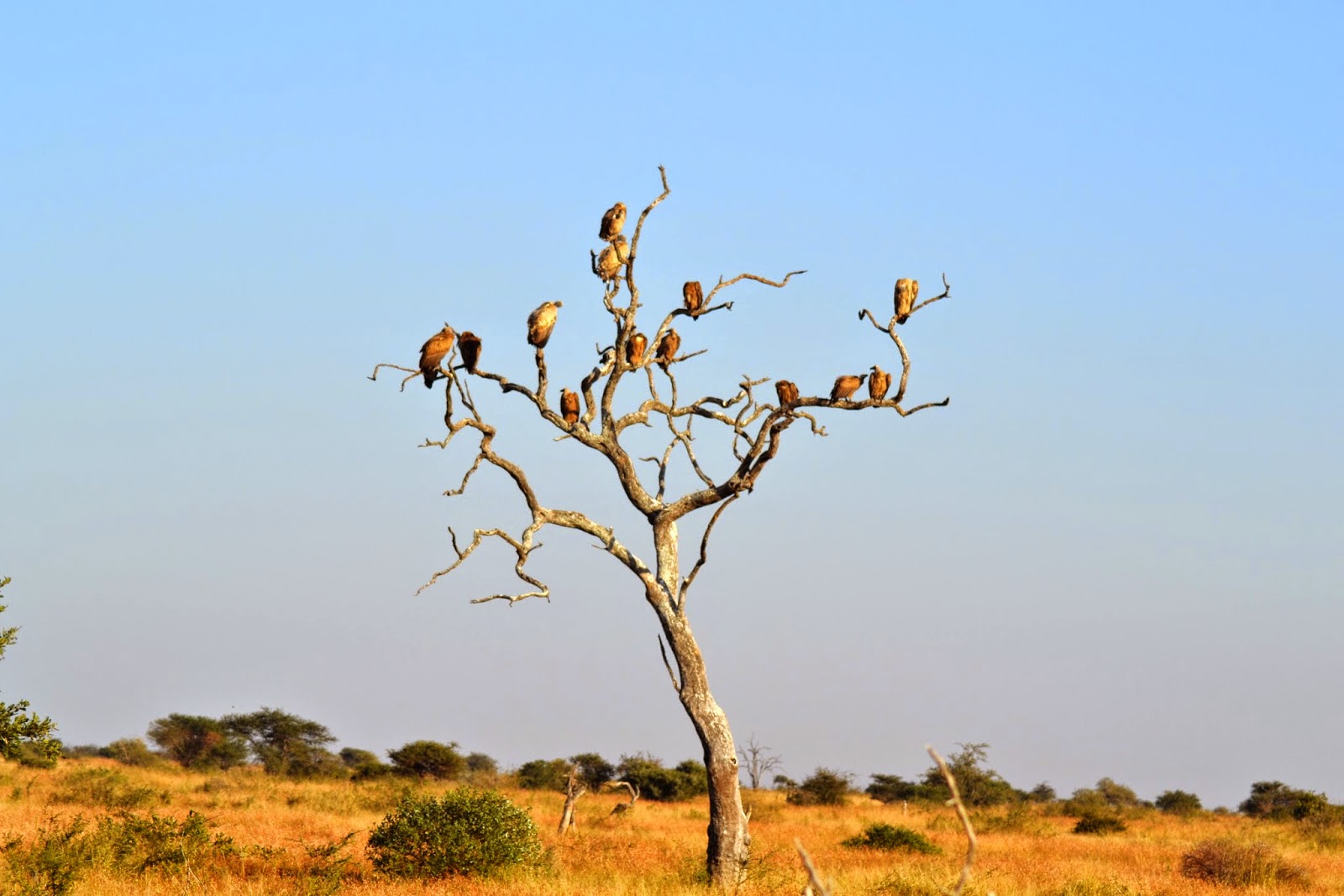
A group of Vultures

A Vulture on the look out – see its size

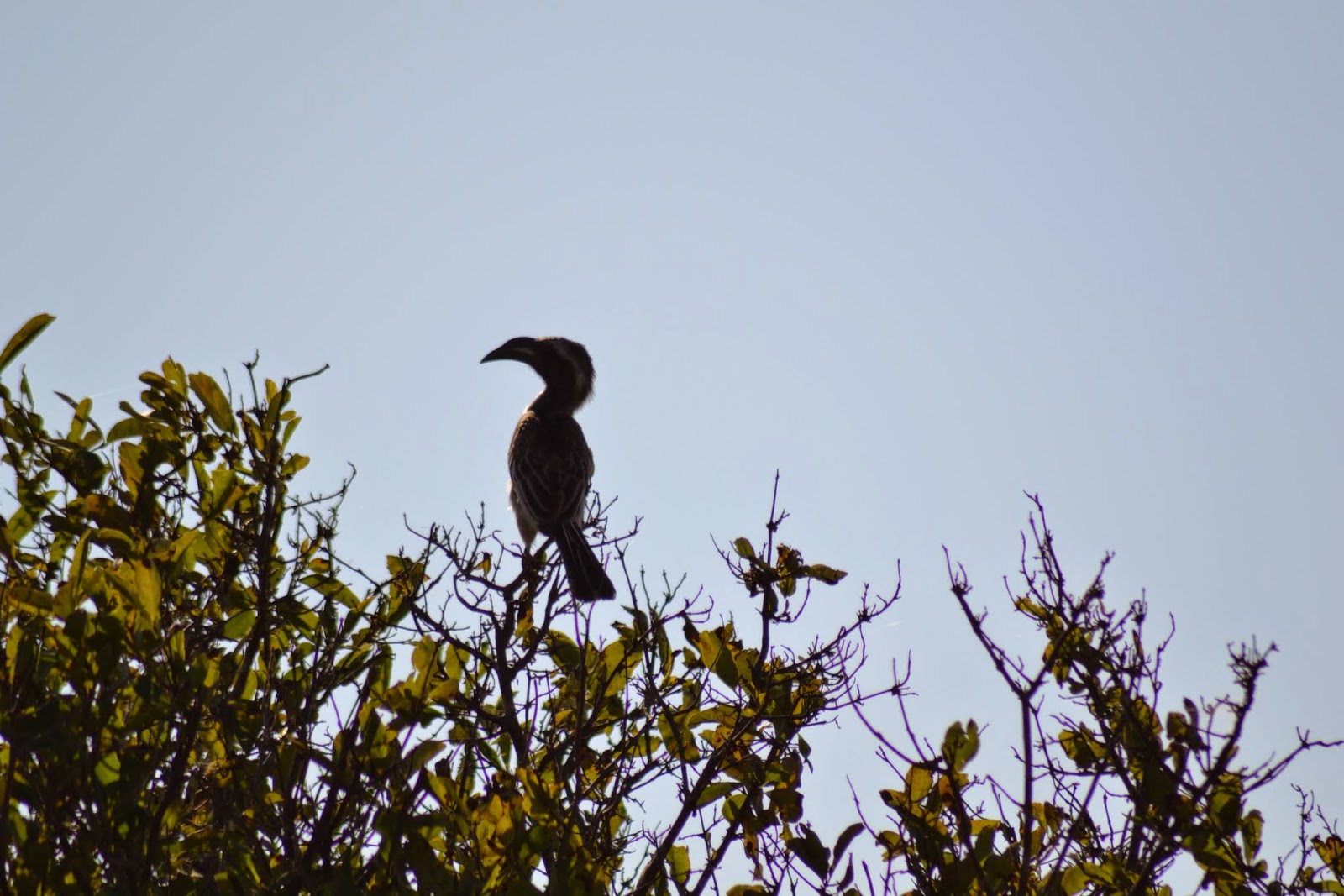
Horn bill

A Tower of Giraffes – day time

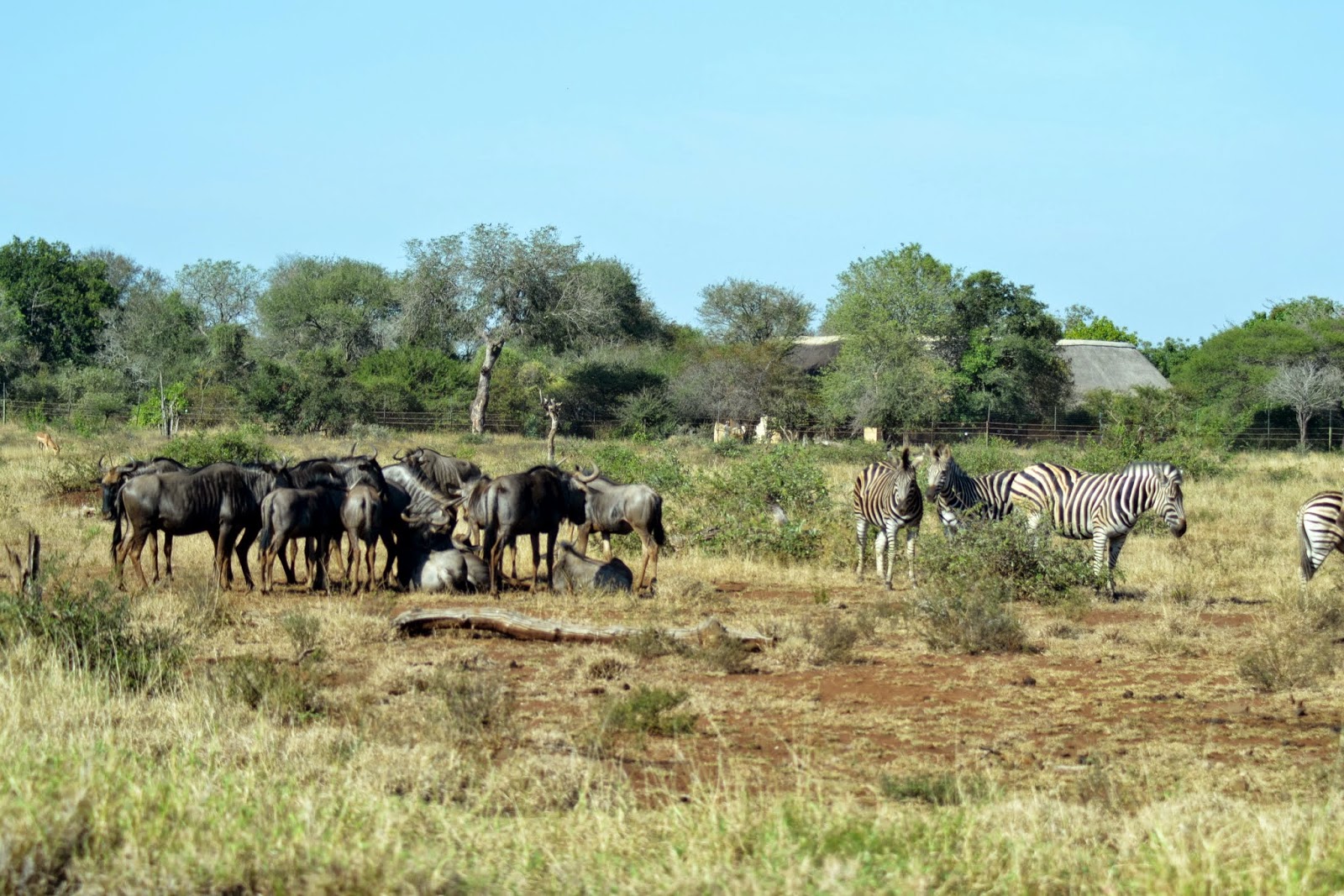
A herd of Wildebeest and a dazzle of Zebras

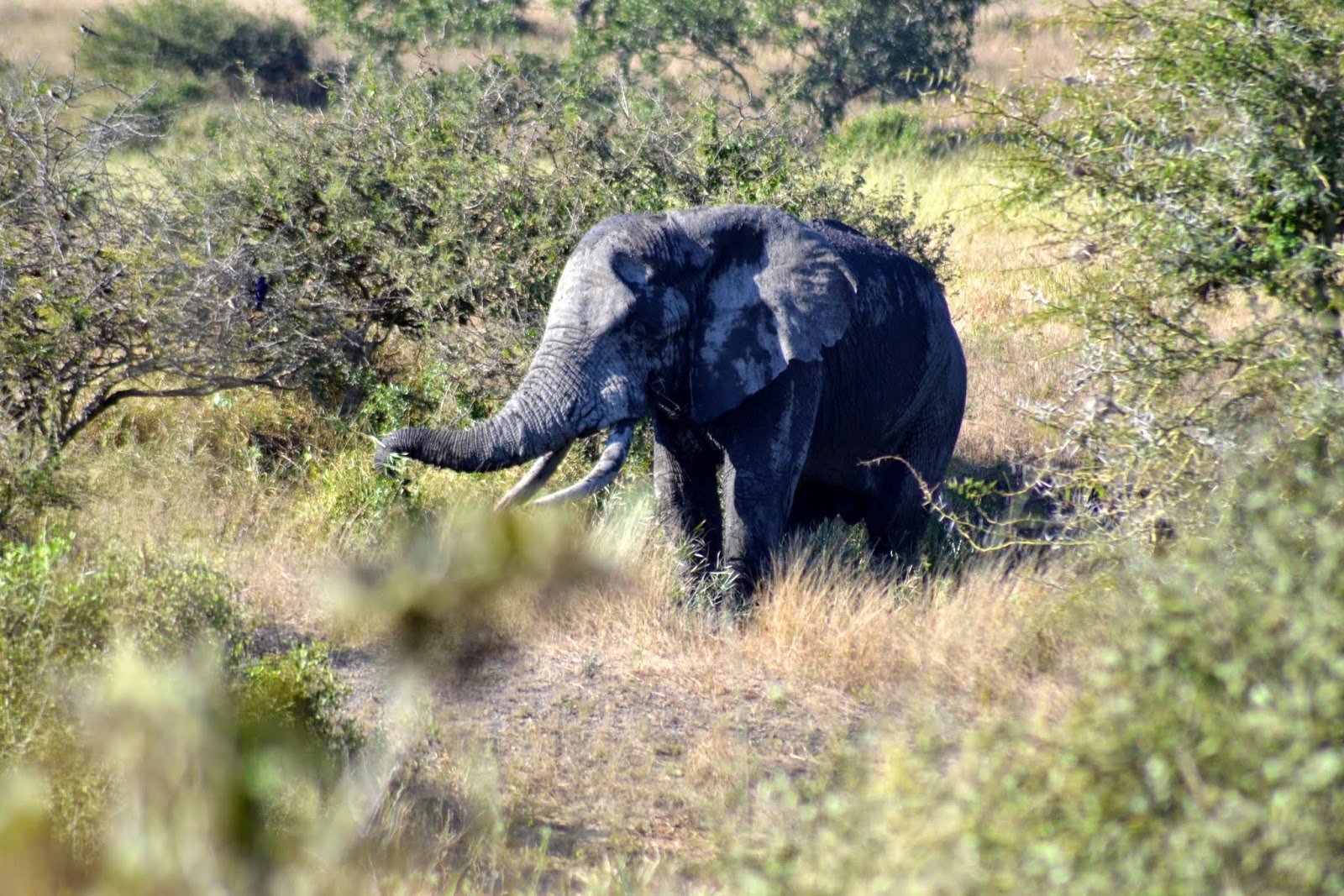
A lonely Tusker on heat

Total darkness,strange animal rumbling -The pleasure of cinder fire, charcoal smell and chicken aroma in the company of good friends – an explosive combination – add a bit of J&B with ice – you are on

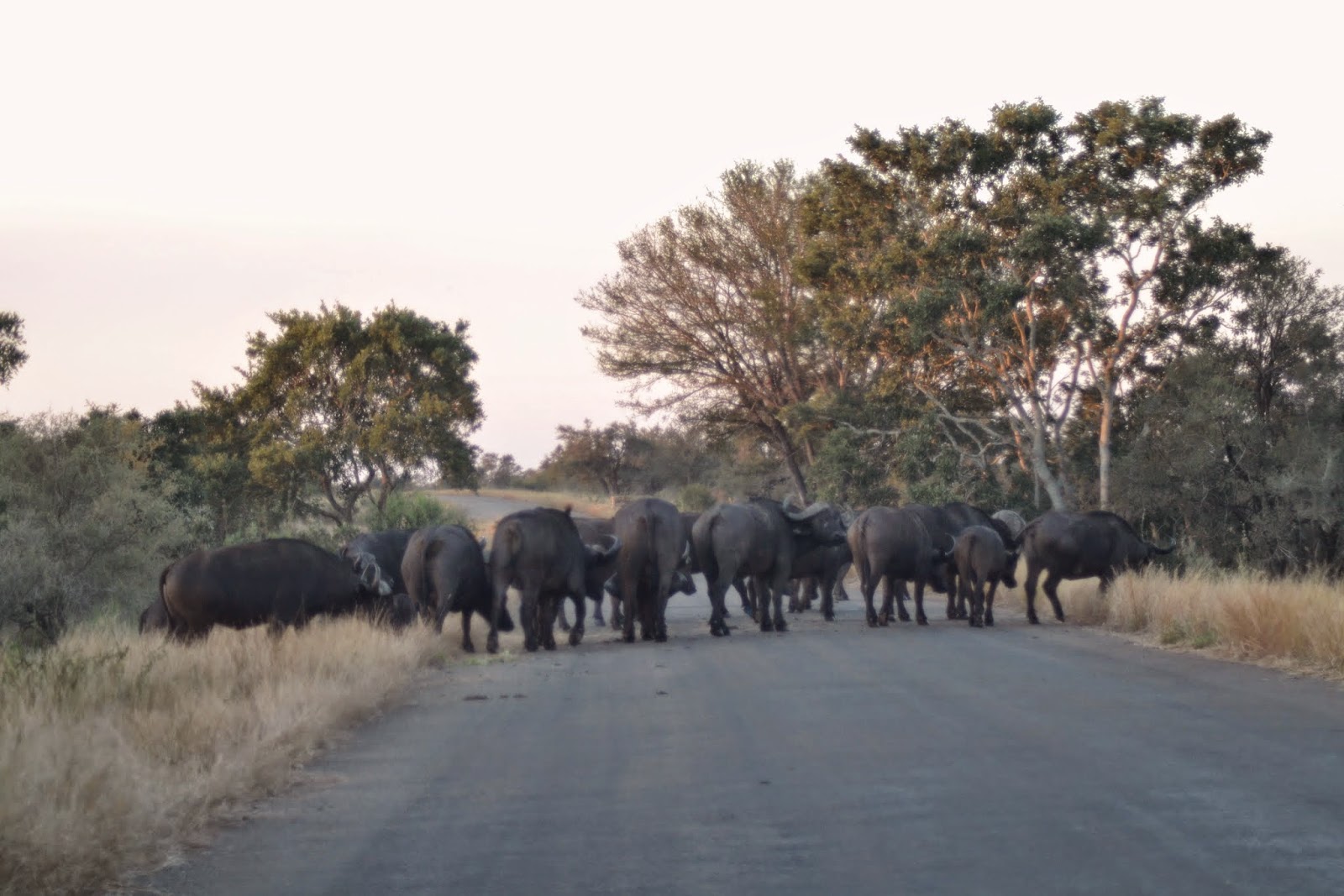
Cape buffalo – a herd can take up to 20 minutes to cross the road.Stop your engine and wait.

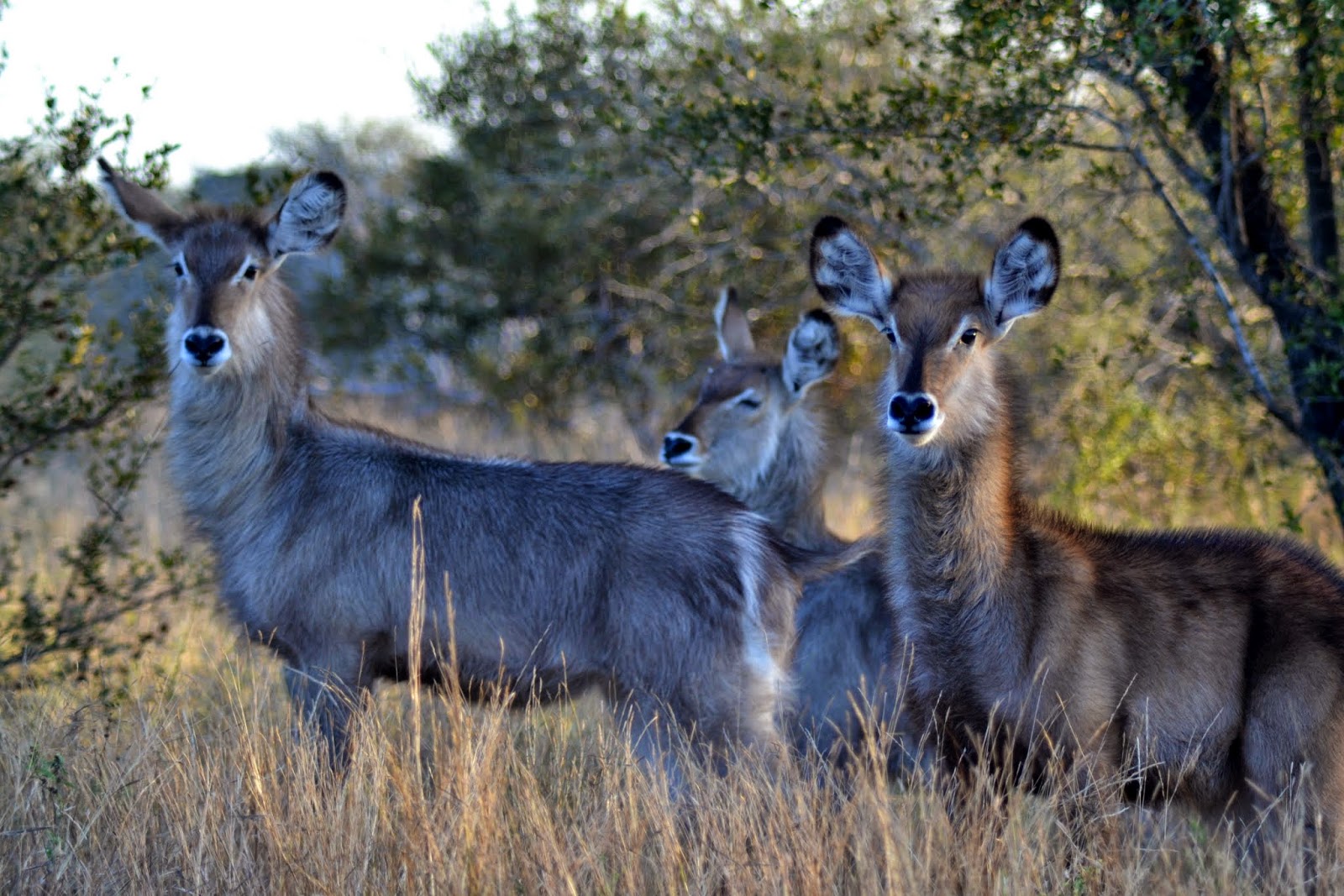
Female Ellipsen Waterbucks 

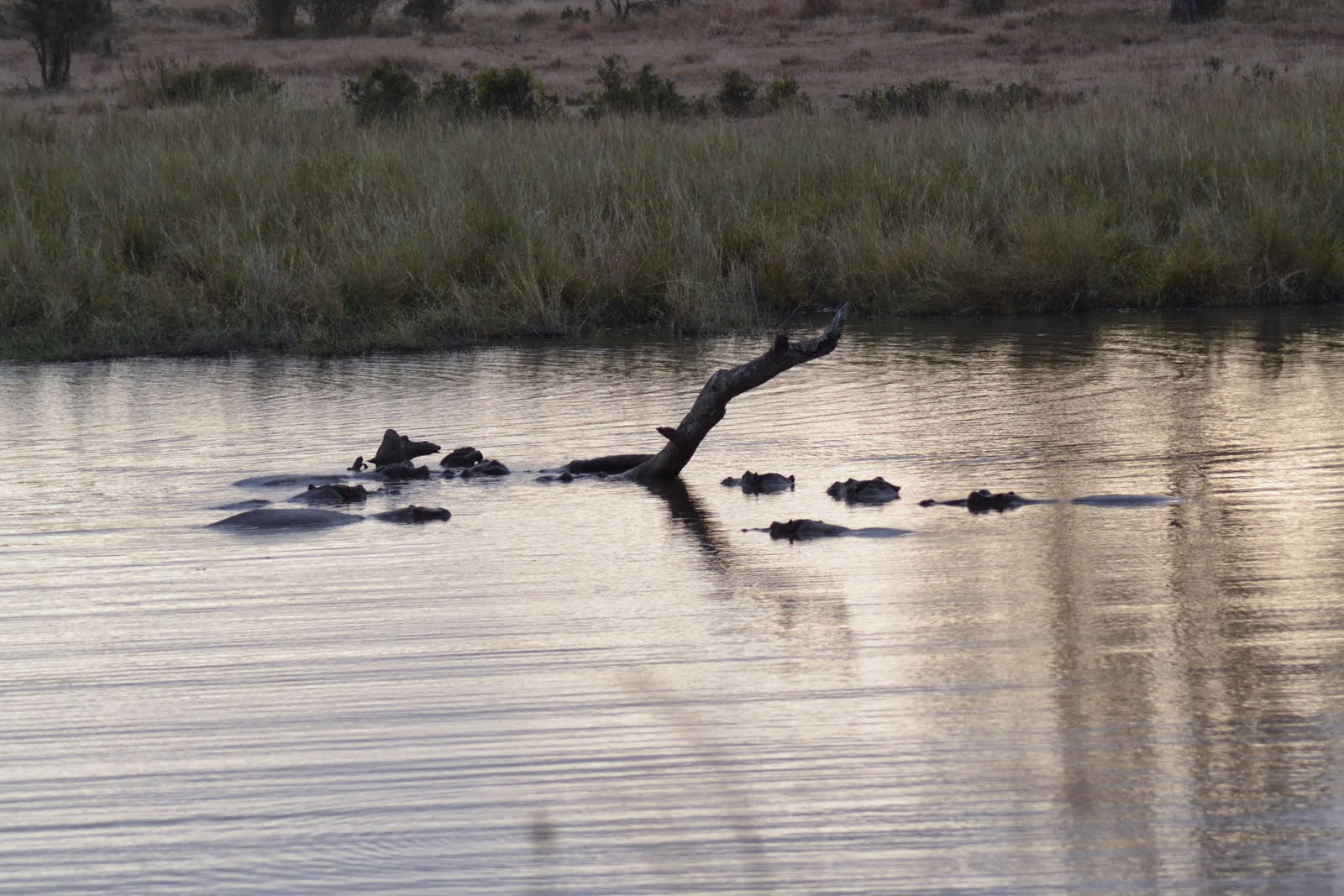
A pod of Hippos
Lioness makes the approach

The King makes his appearance

looking ahead aimlessly – least bothered

Nose to nose – who is the real Jat

Decides to sit and pose – see a part of the car 

Straddled between the King and the Queen

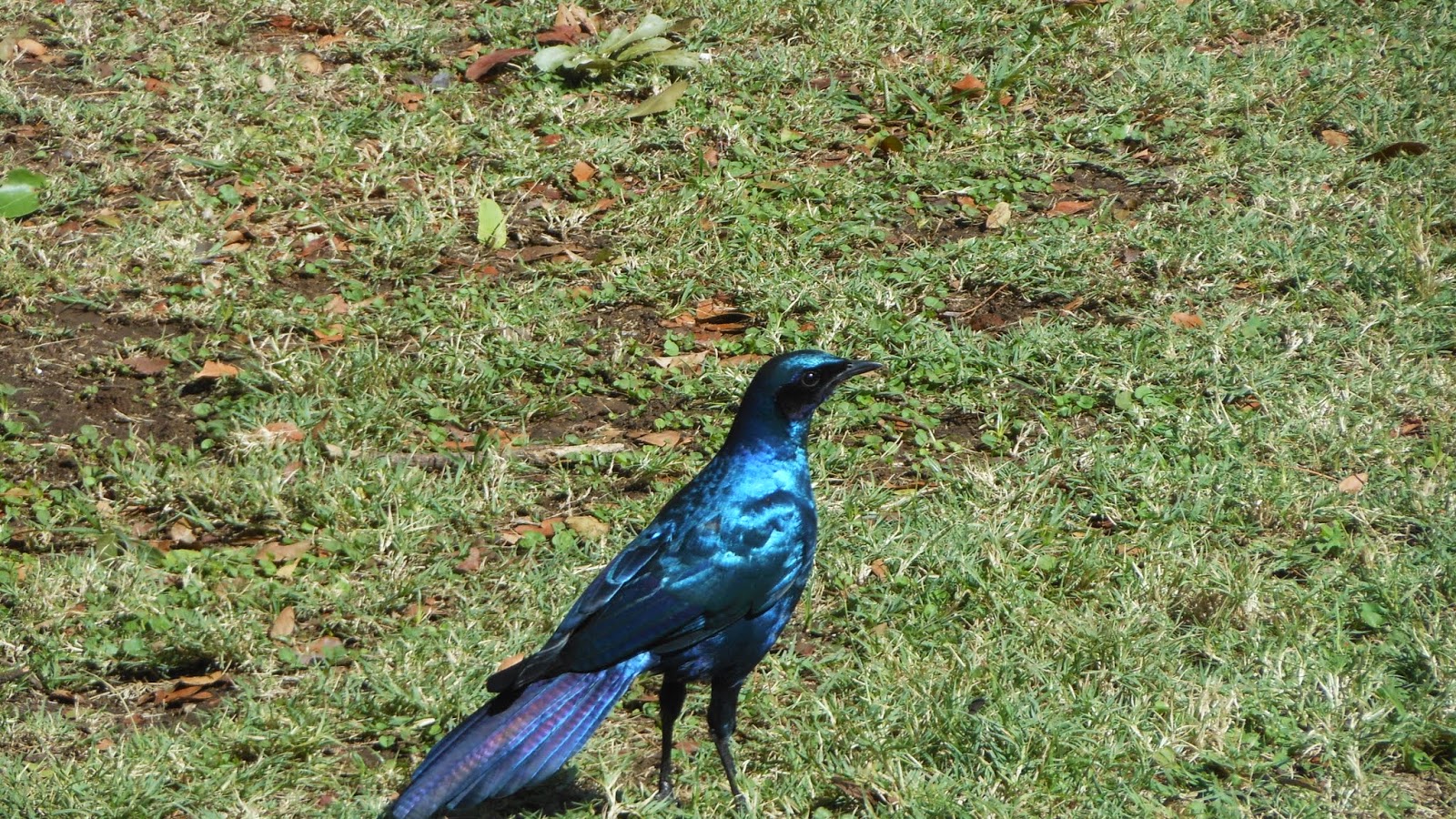
Blue bird
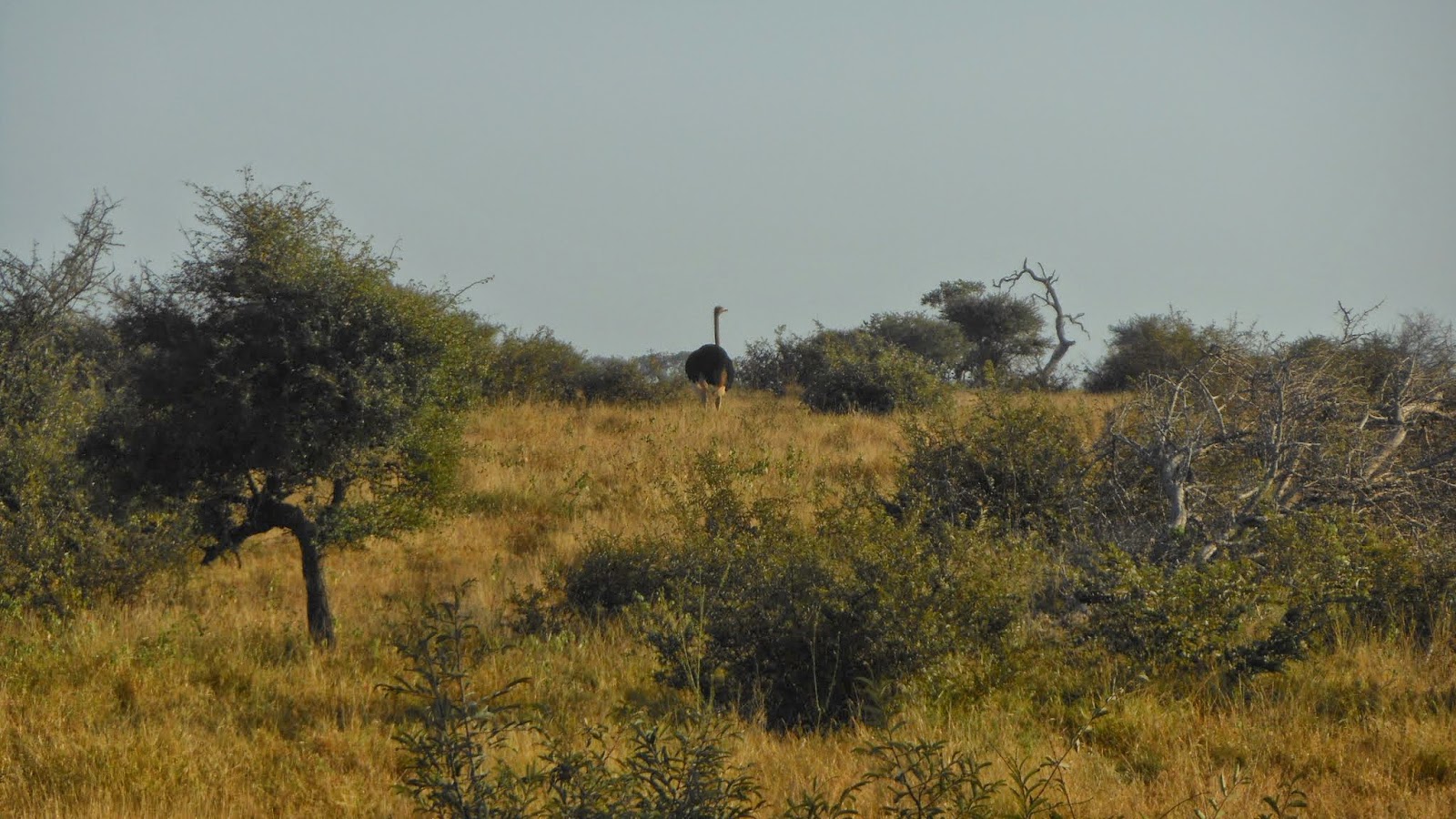
Ostrich at a distance

Our Cottage

All in a circle caption

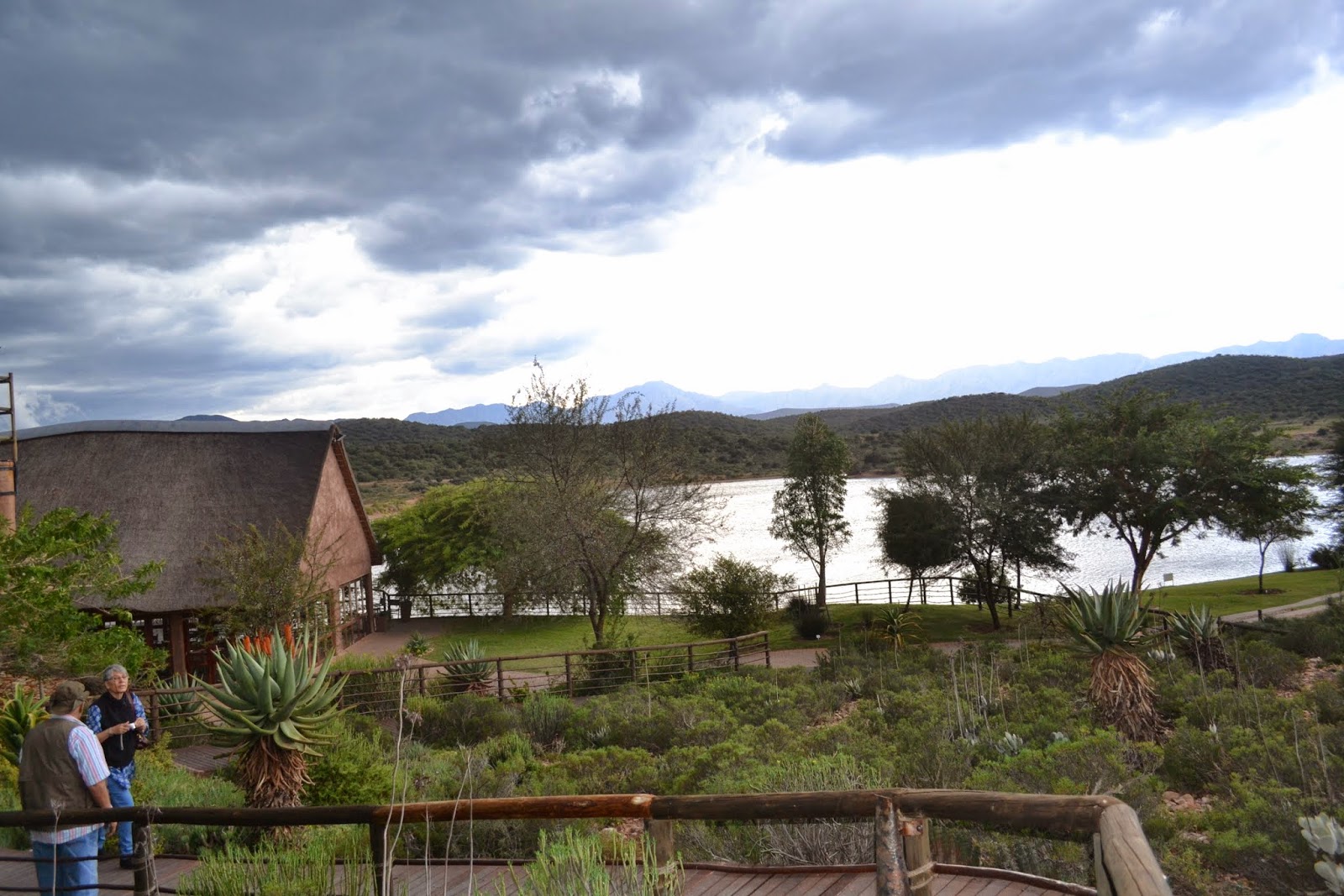
View from the Mugg and Bean restaurant

Another view of the close encounter – this was seriously bad
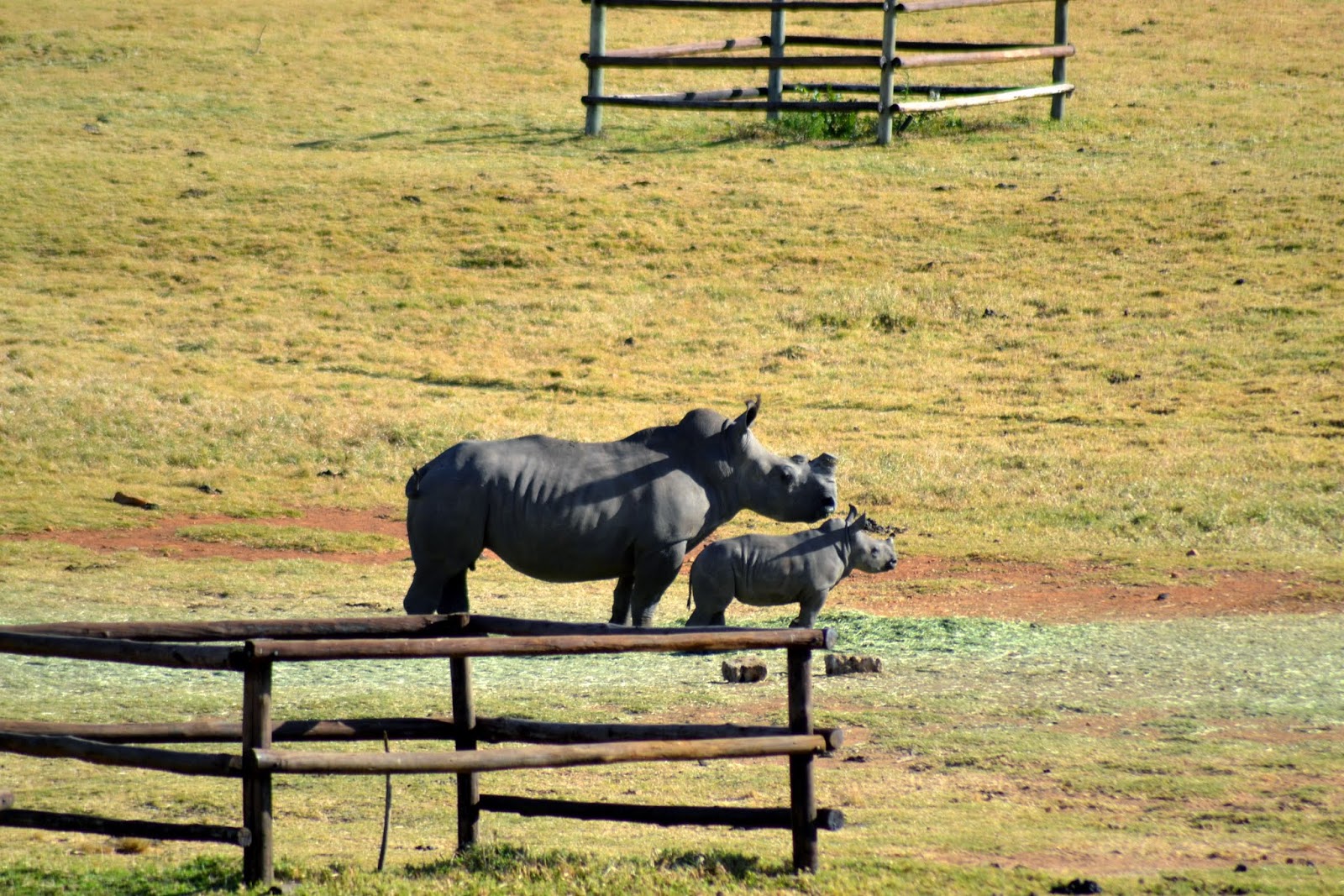
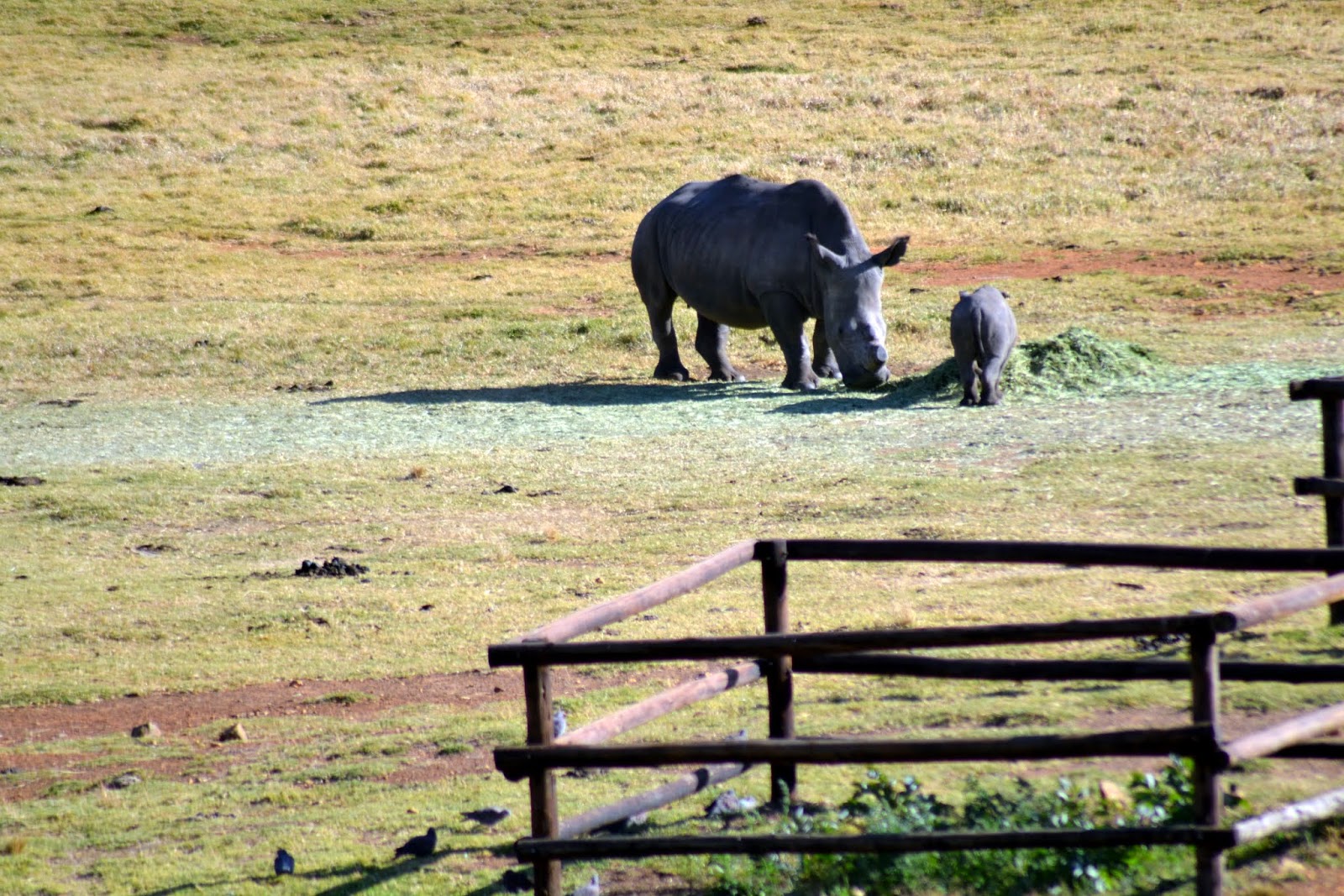
Rhinos near Camp Skukuza

Photo op mother and child
Absolutely thrilled. Jai and Navin at the Skukuza camp Wooden Banana restaurant
Slightly out of sync after ravaging a full African breakfast

On the way back – Typical village scene

We Visited Victoria Falls – Zimbabwe -11 May to 13 May 2014

Having gone that far one should not miss seeing the great Victoria Falls, was the advice given to us from all the friends, who had been there and done that. To a large extent it is true. I do not think we will visit South Africa again – there is so much left to see in the world. We flew from Johannesburg to Victoria Falls. Victoria Falls is spectacular throughout the year but the best time to visit it is from February to May – after the rainy season. This is when you’ll see the greatest flow of water although it may be a little difficult to photograph the falls up close without getting your camera wet! Our timing was perfect. One can see the falls either from Zimbabwe or Zambia – the choice is entirely yours – we made an informed choice and decided to view it from Zimbabwe.

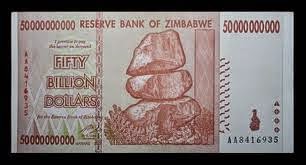
A word about Zimbabwe will not be out of place. Zimbabwe was originally called Rhodesia. It attained independence from the United Kingdom in 1980.English is widely spoken here. Robert Mugabe has been at the helm of affairs since then – he has ruled the country for 34 years – a record of sorts. At the age of 90, Mugabe is currently the world’s oldest head of state. Mineral exports, gold, agriculture, and tourism are the main foreign currency earners for Zimbabwe. A very interesting feature is their economy. Inflation rose from an annual rate of 32% in 1998, to an officially estimated high of 11,200,000% in August 2008 according to the country’s Central Statistical Office. This represented a state of hyperinflation, and the central bank introduced a new 100 billion dollar note. Zimbabwe dollars have become collector’s items. Rand and USD are both widely accepted currency since 2009. I now own two bills – “Fifty Billion” and “Five Hundred Thousand Dollars” – in a frame over my bar.


Figure <!–[if supportFields]> SEQ Figure \* ARABIC <![endif]–>1<!–[if supportFields]><![endif]–> – I am a very rich man indeed.Zimbabwe’s central bank introduced a $50 billion note on 20 May 2008 — enough to buy just two loaves of bread. $100 trillion was issued on 16 January 2009

Unlike SA, all the white, mostly British population has left and the country is entirely managed by their own people. The country is in very dire straits. Unlike SA the country portrays a very desolate picture – one of mismanagement and neglect.  As one leaves the airport, the change becomes even more evident. Shanty road markets, badly maintained roads, junky vehicles, loads of hangers on, empty shelves in the market and so on. 1 Kg Beans cost – 240 INR, Potato – 60, Mushroom 270 and so on. The country had a vibrant agriculture and was exporting the excess, today they import.  Some 3.4 million people have fled to neighboring countries as refugees – mostly to SA and Botswana. All the Brits have also left the country. A few expatriates from UK, Sweden and Germany manage some of their hotels and other attractions. There are a number of curio shops and their curios are terrific value for money. On sale are curios made of wood and soft stone. Bargaining is a must.

11 May 2014.

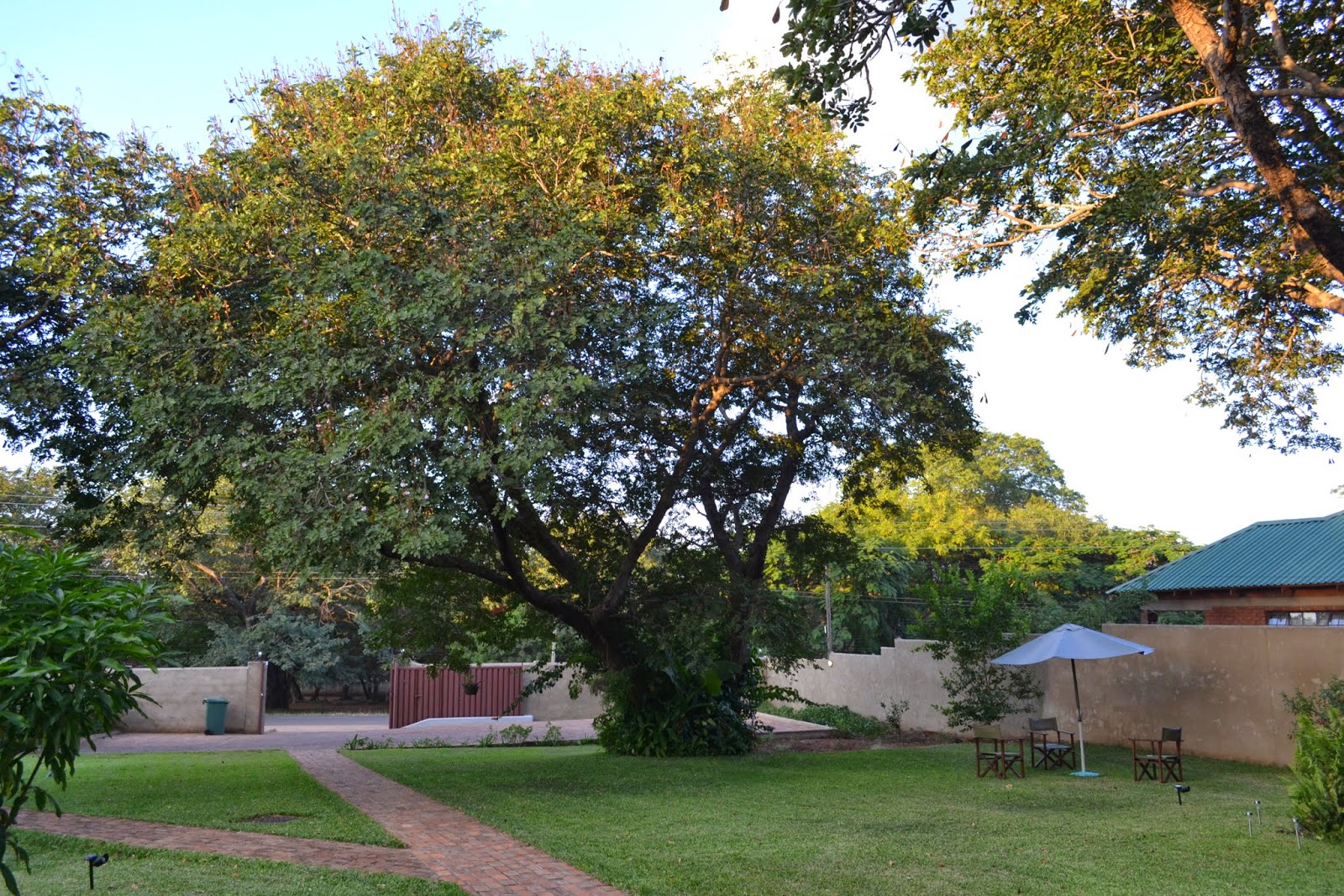
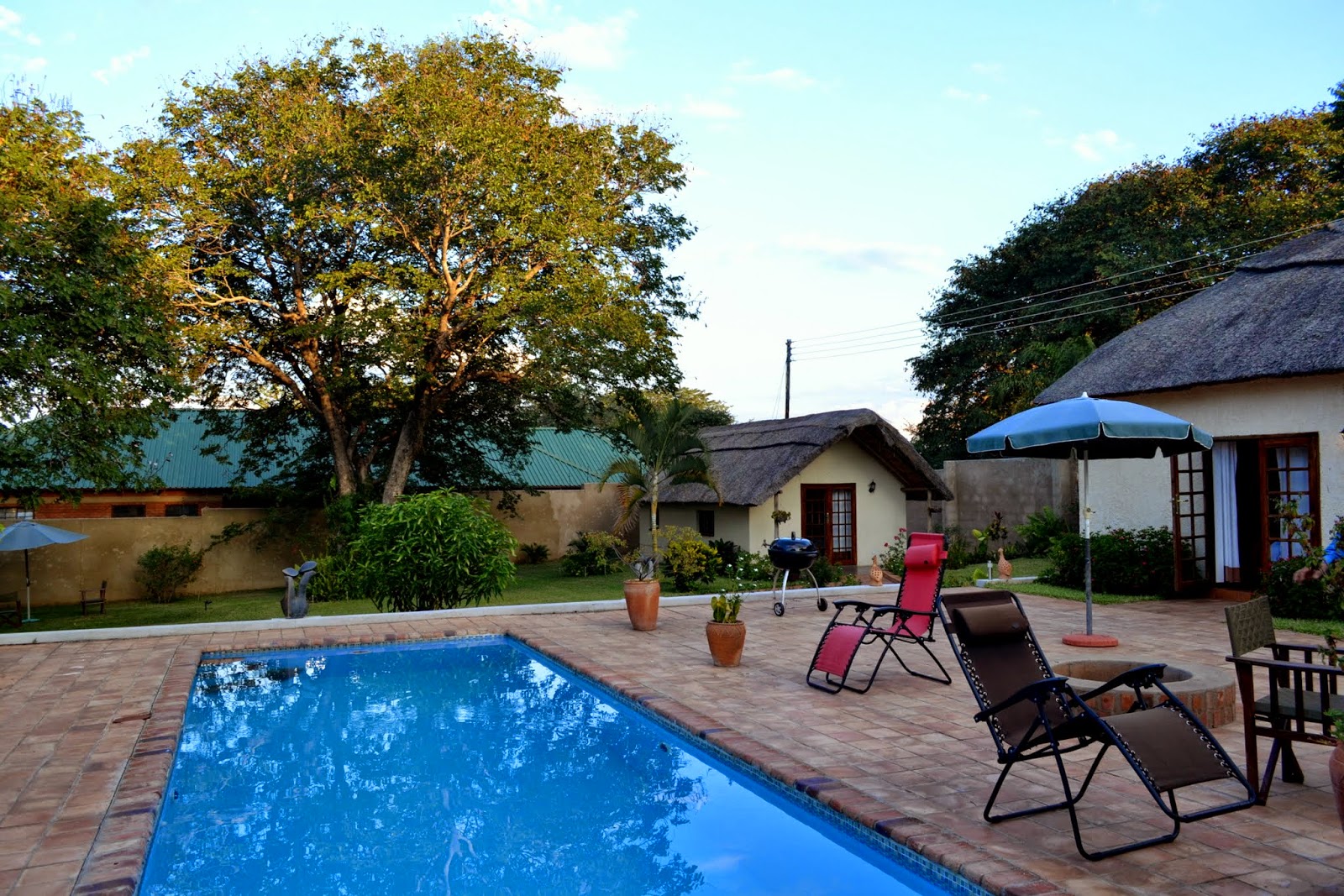
After a lot of research on the net we homed in on Mandebele Lodge located very close to the falls. A very private, quaint and well maintained guest house with four well appointed rooms and a swimming pool. The property is owned by a Swede- Jansson Hans Paul and ably assisted by Ze. Considering the exorbitant hotel room cost in Zimbabwe, Mandebele lodge was a steal and good value for money.


Figure 1a – Spacious garden in the lodge

Figure 1b – Our room beyond the umbrella


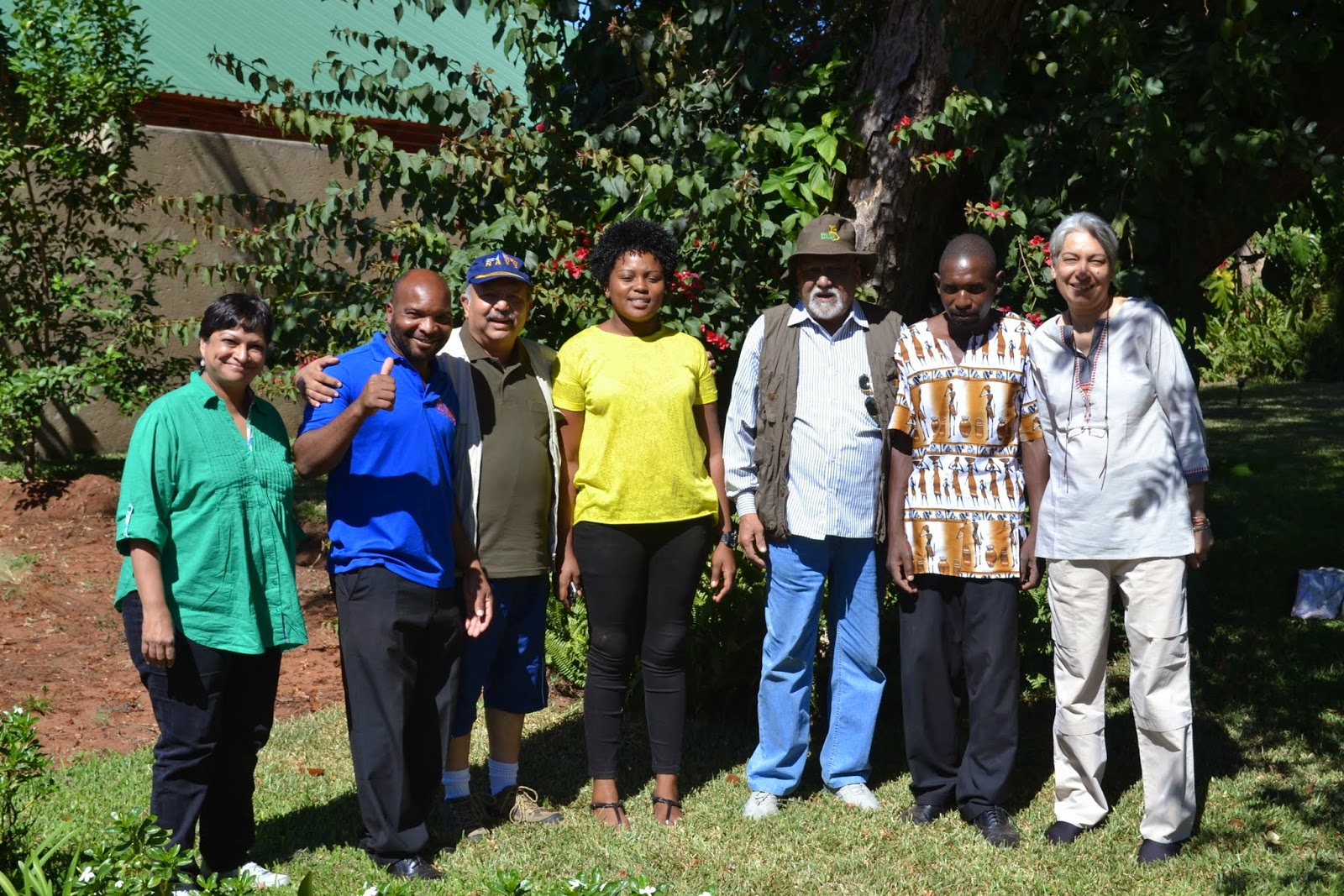
Figure 1c – With Mendebele staff – Ze next to me in yellow top

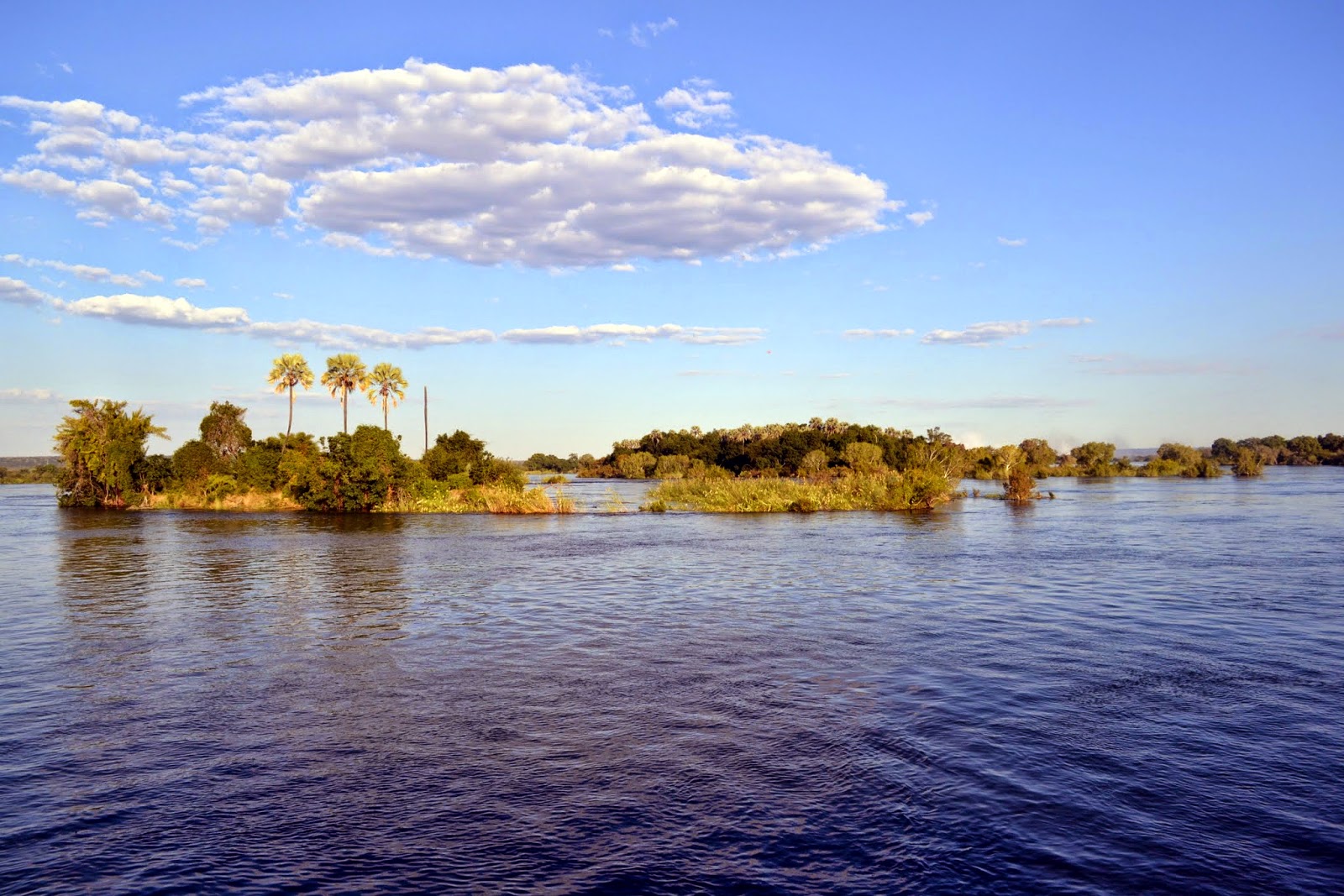
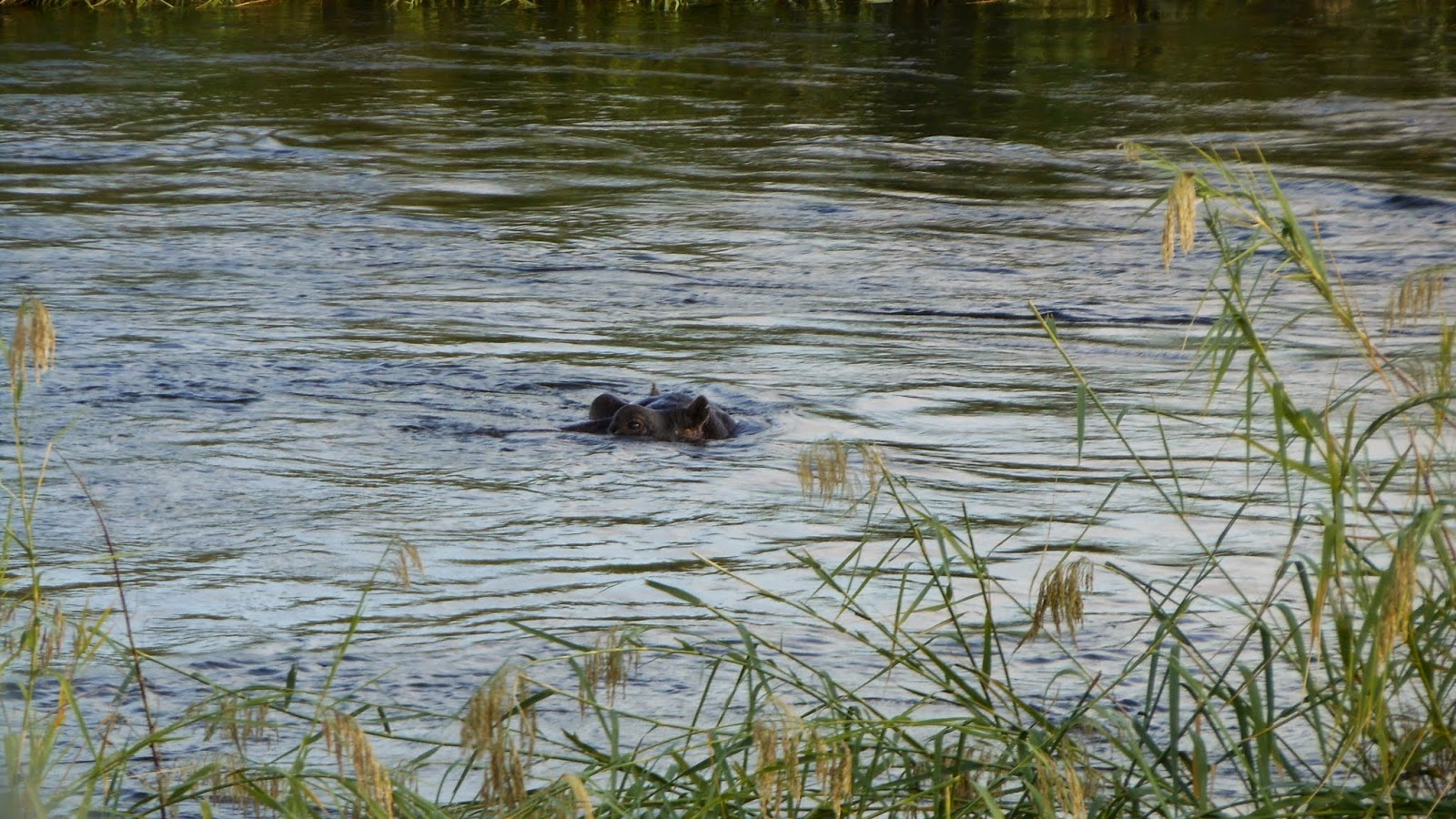
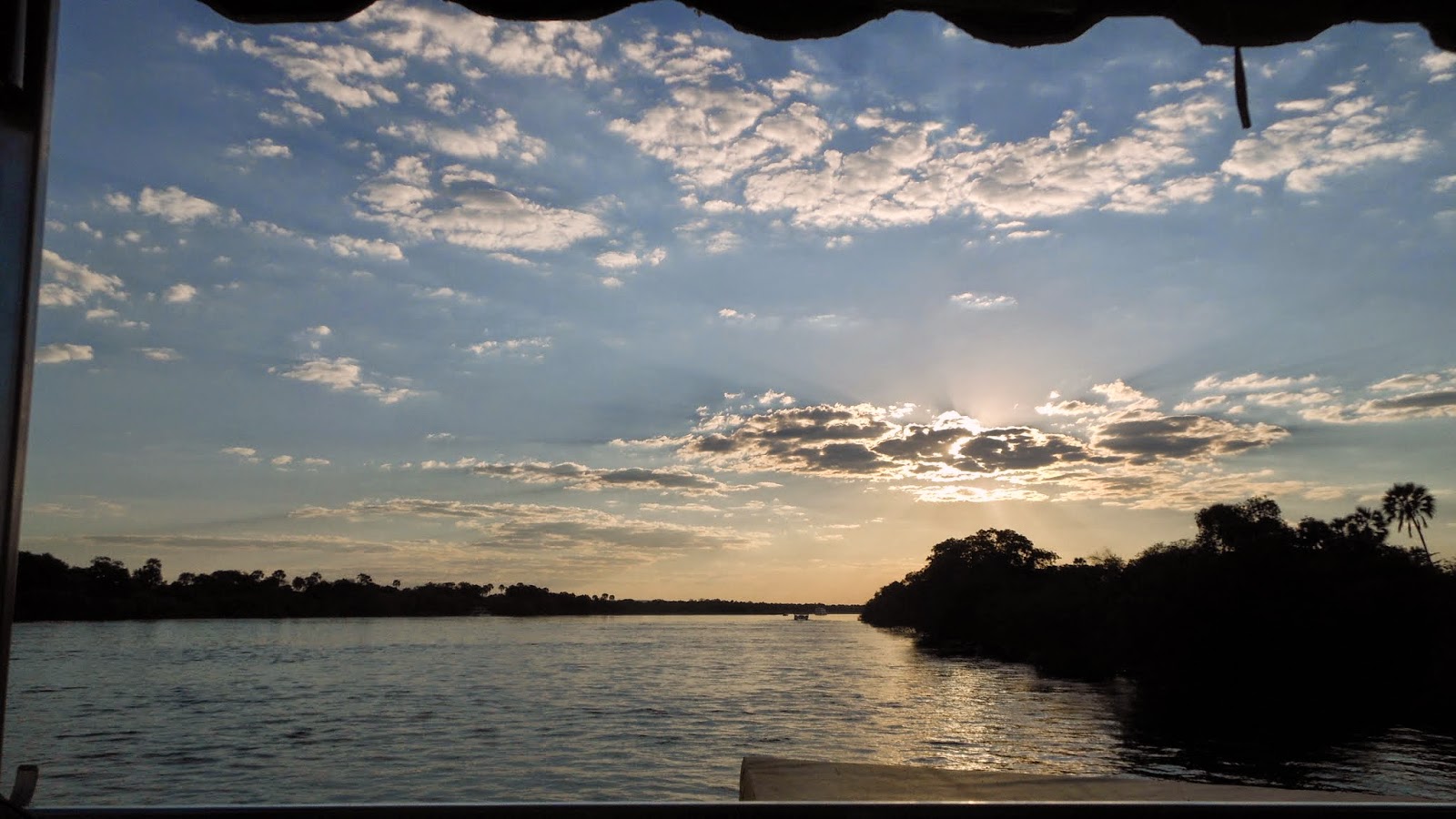
Victoria Falls Town with a population of around 20,000 is a ‘one horse town’. Apart from the main activity of visiting the falls there is very little to do in the town. The day we arrived, we were late for the falls and instead we took a beautiful ‘Sunset Cruise’ on the Zambezi River. Their brochure says it all “Heed the call of Africa while sipping traditional cocktails and enjoying delicious snacks in the fading twilight hours on this fabulous two hour cruise.” The cruise is slow moving, peaceful and exhilarating. If one is lucky you can spot hippos bathing in the river. All the guests are welcomed by a local band and dance group dressed in their tradition dress. We could see the spray of the falls in the sky at a distance. It took a few seconds to realize that it wasn’t a cloud but the spray.


Figure <!–[if supportFields]> SEQ Figure \* ARABIC <![endif]–>2<!–[if supportFields]><![endif]–> – Serene Atmosphere


Figure <!–[if supportFields]> SEQ Figure \* ARABIC <![endif]–>3<!–[if supportFields]><![endif]–> – Hippo coming up for air


Figure <!–[if supportFields]> SEQ Figure \* ARABIC <![endif]–>4<!–[if supportFields]><![endif]–> – Approaching Sunset


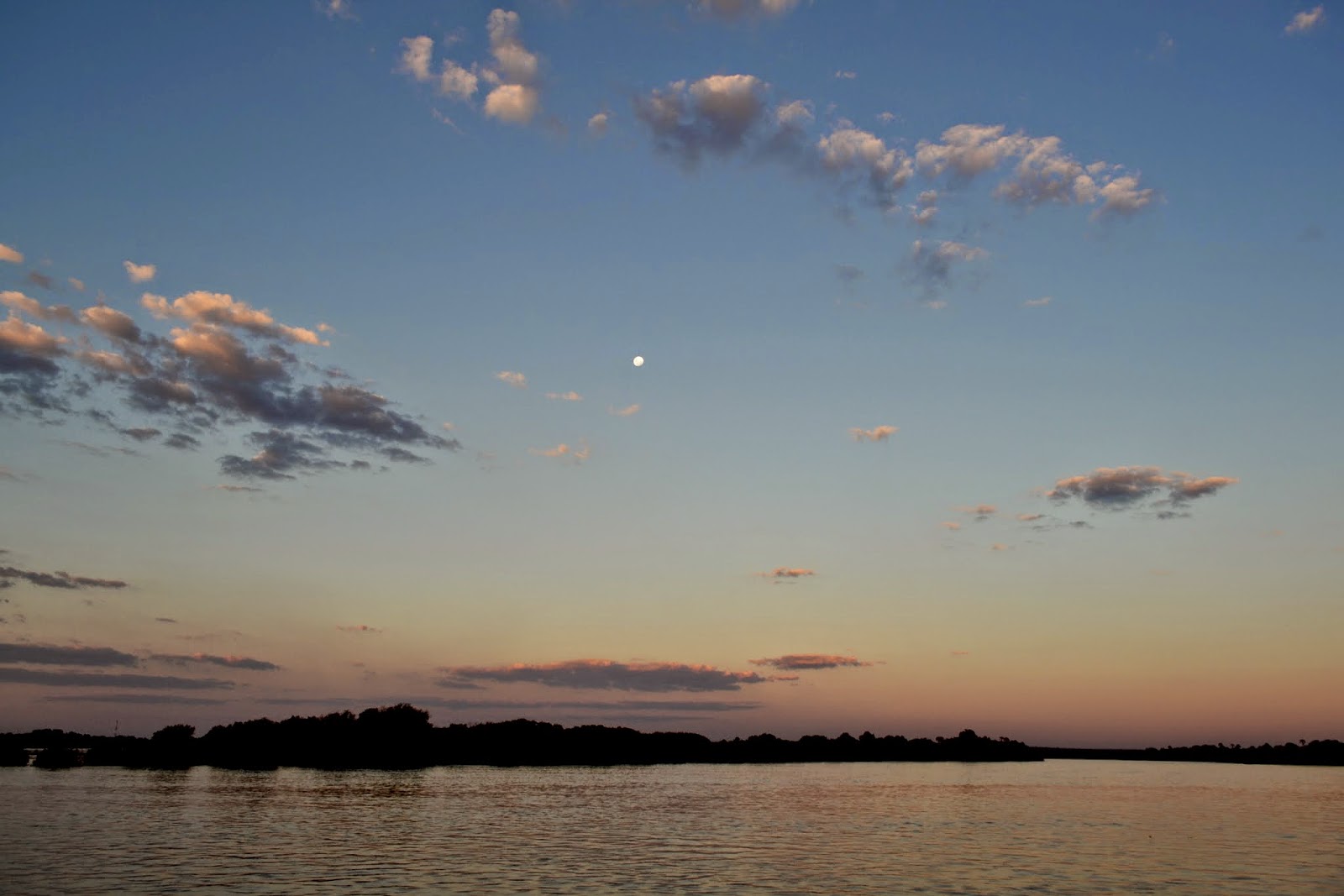
Figure <!–[if supportFields]> SEQ Figure \* ARABIC <![endif]–>5<!–[if supportFields]><![endif]–> – A lovely Moon rise


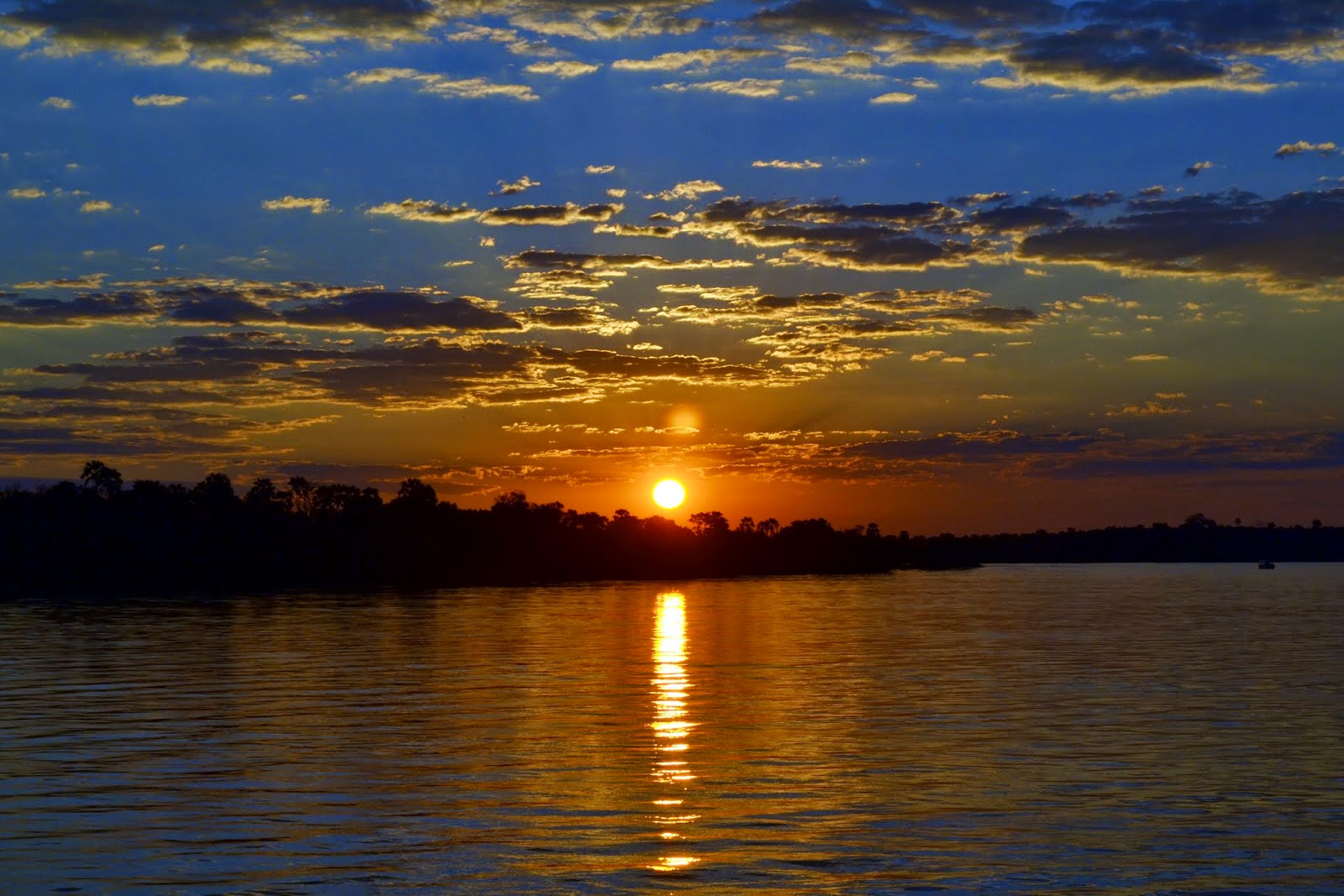
Figure <!–[if supportFields]> SEQ Figure \* ARABIC <![endif]–>6<!–[if supportFields]><![endif]–> – A fabulous Sunset

12 May 2014

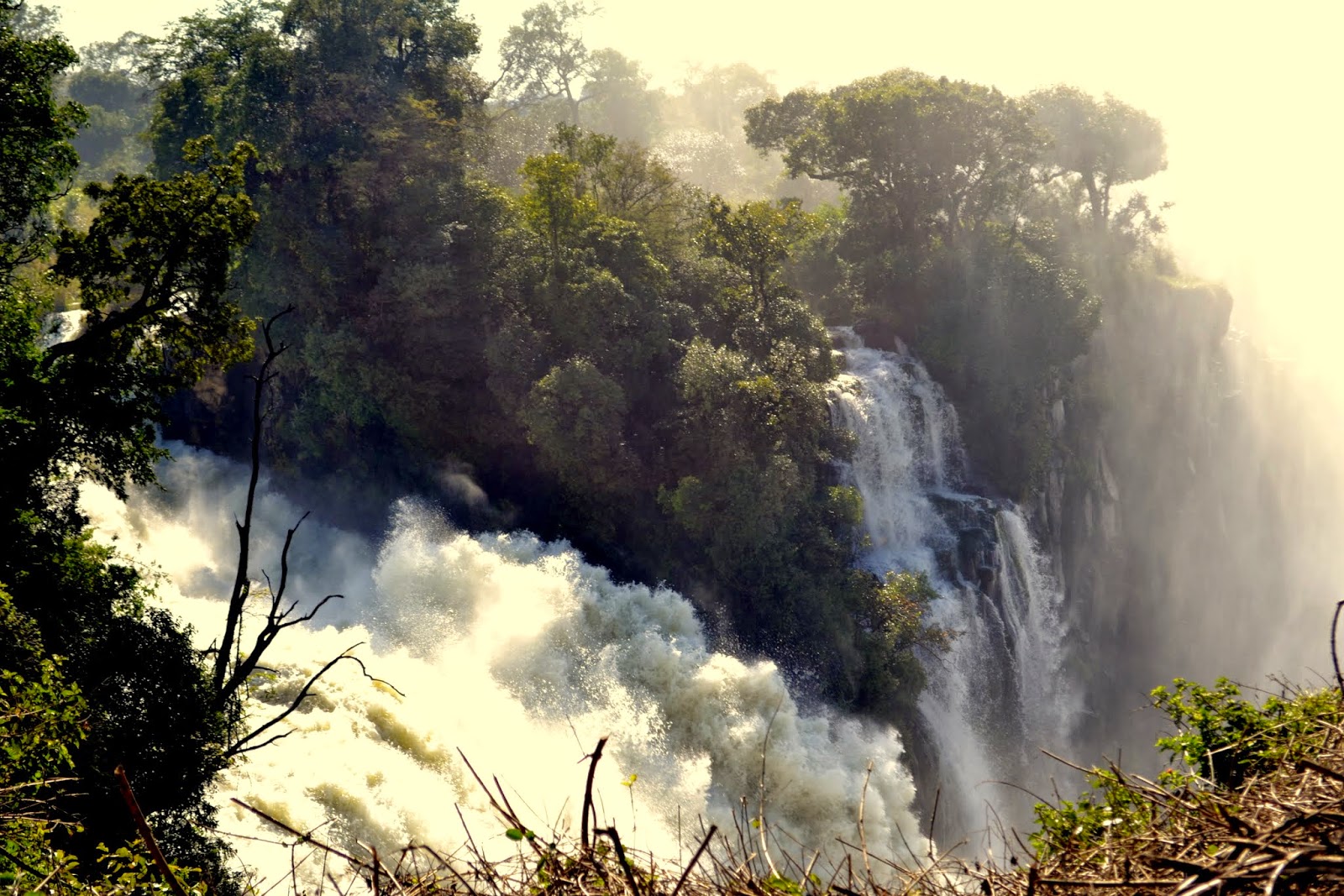
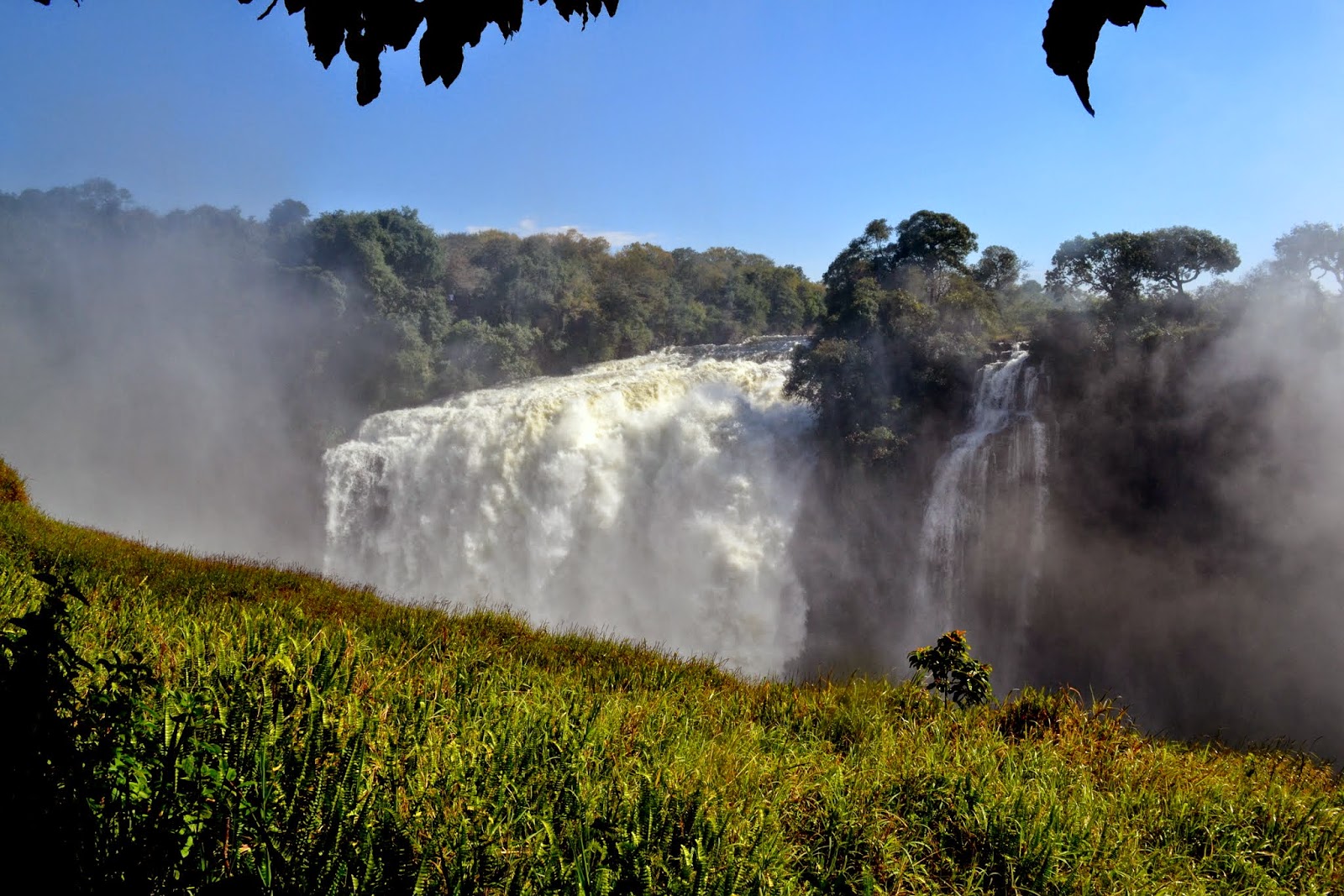
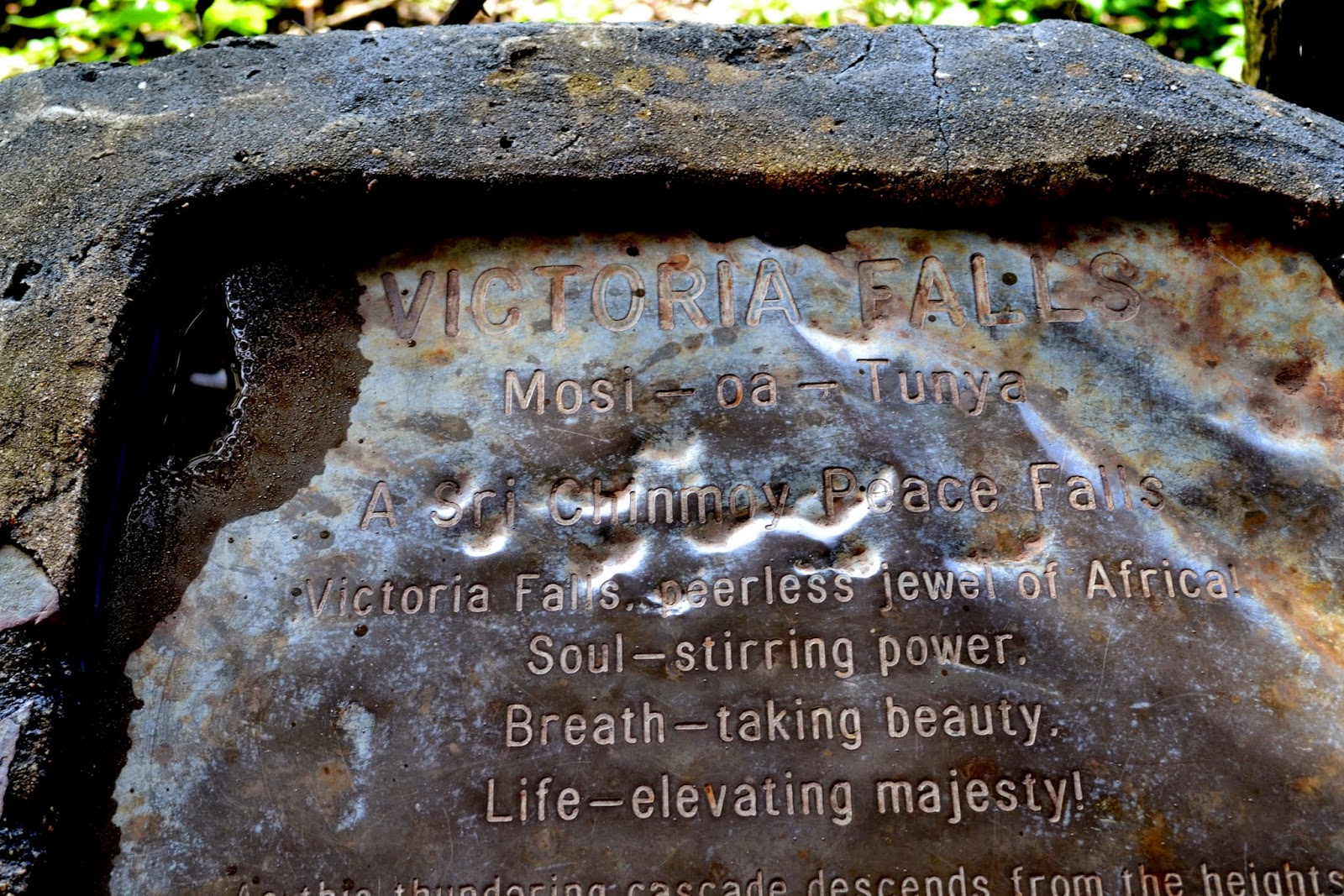
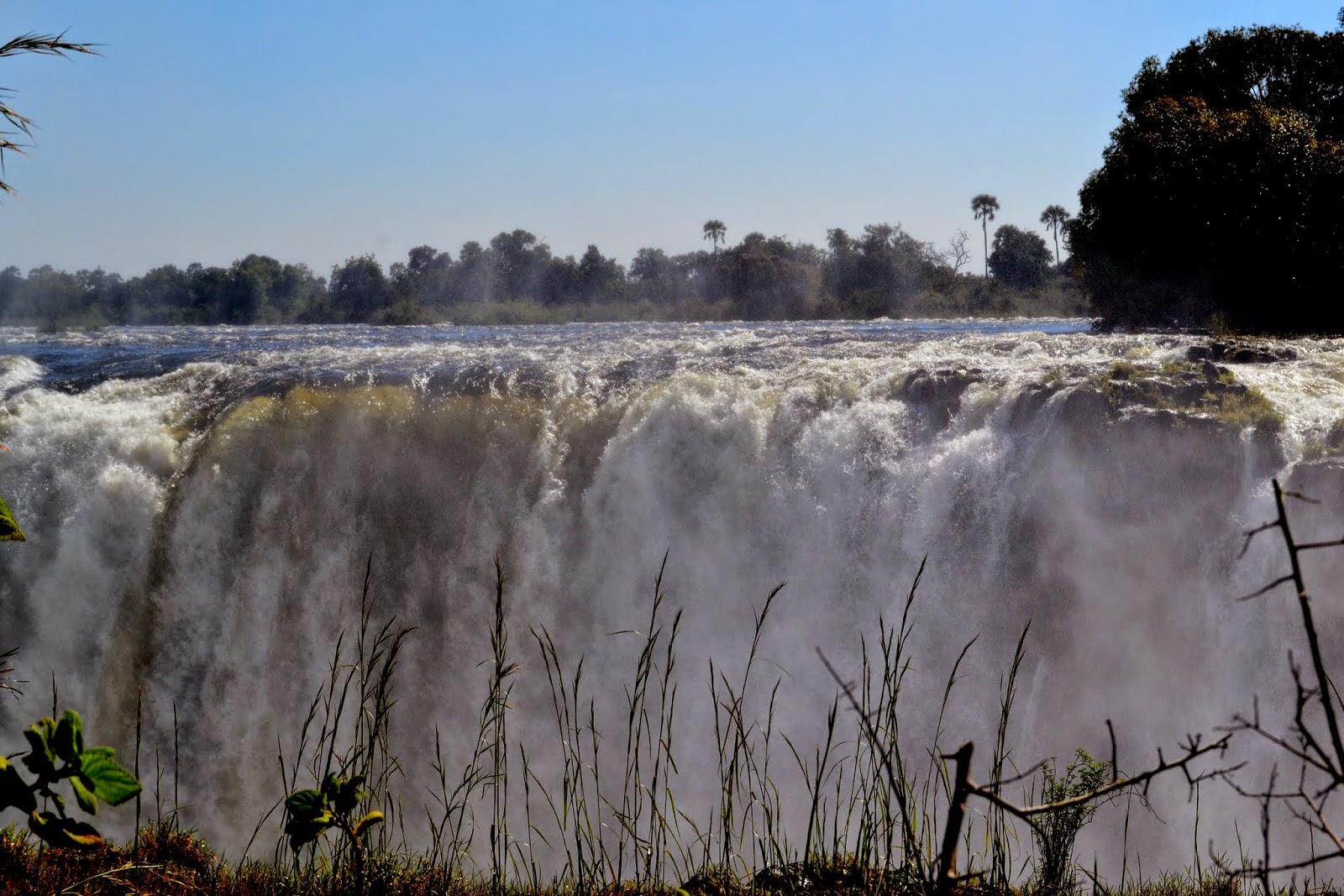
After a sumptuous breakfast we drove to the falls. A visit to the falls is a life time experience. One can hear the roar and the spray miles before the actual falls. It is called “Mosi-oa-Tunya” meaning the Smoke that Thunders. David Livingstone, the Scottish missionary and explorer, is believed to have been the first European to view Victoria Falls on 16 November 1855.

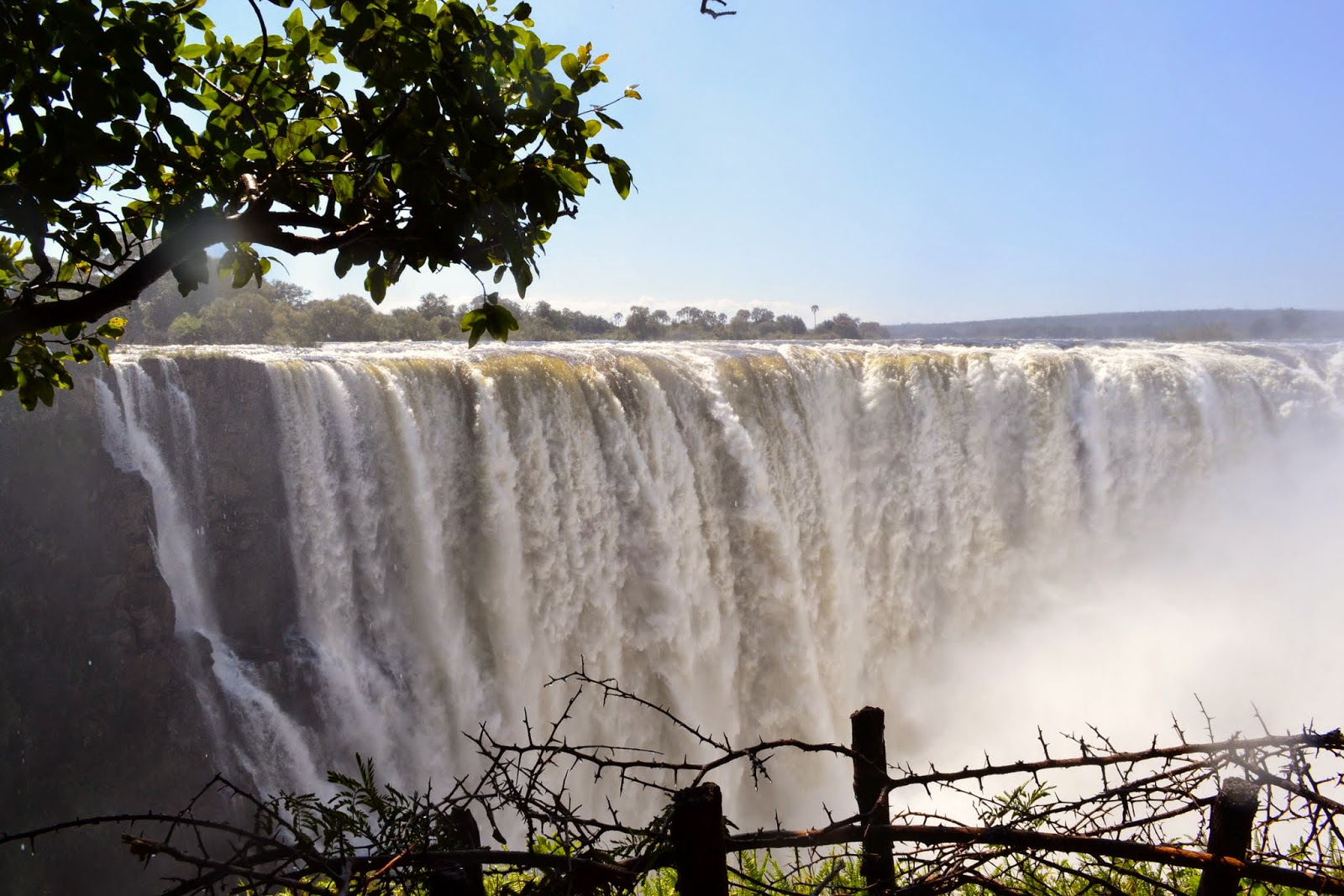
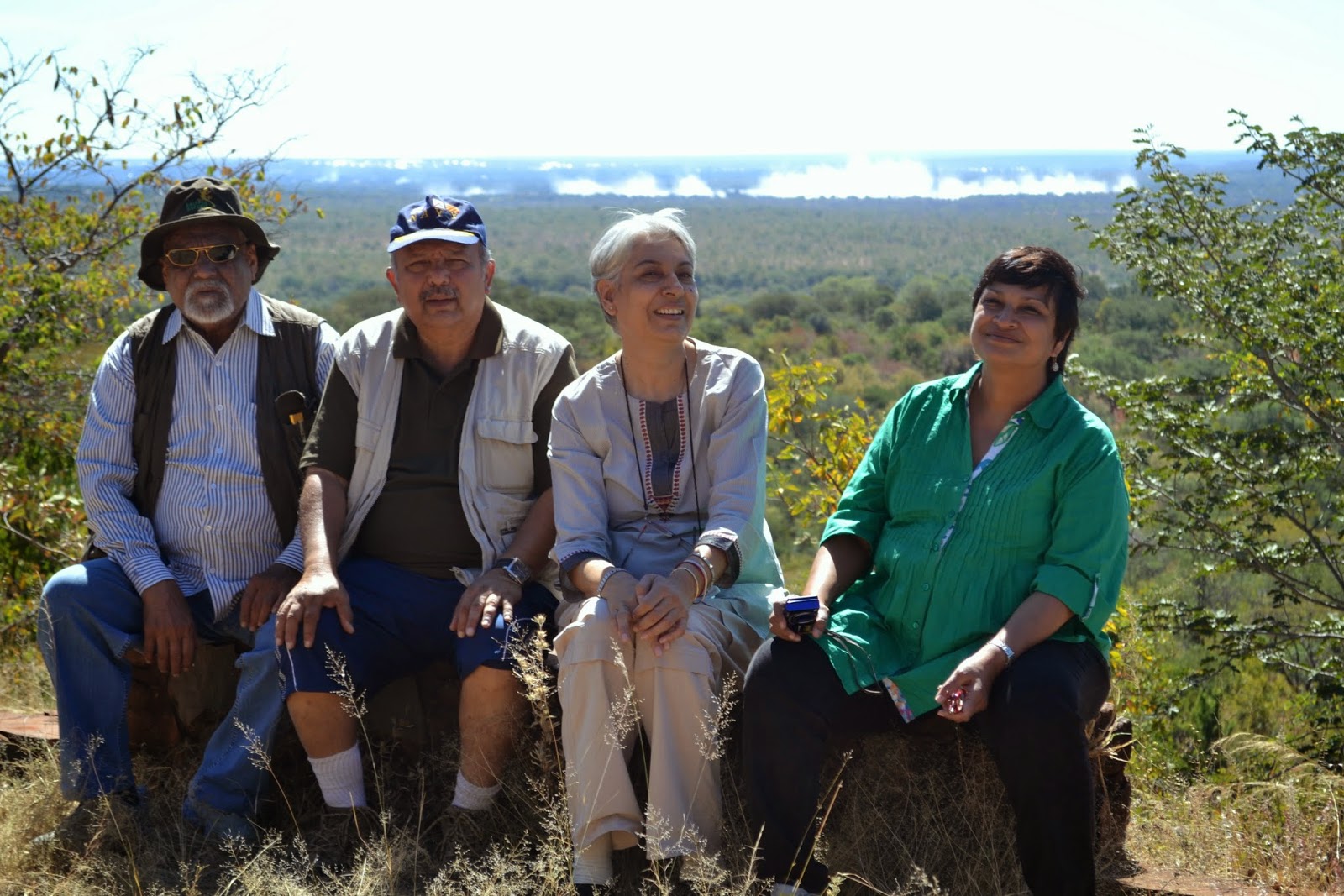
While it is neither the highest nor the widest waterfall in the world, it is classified as the largest, based on its width of 1,708 metres (5,604 ft) and height of 108 metres (354 ft), resulting in the world’s largest sheet of falling water. Victoria Falls is roughly twice the height of North America’s Niagara Falls and well over twice the width of its Horseshoe Falls. In height and width Victoria Falls is rivaled only by Argentina and Brazil’s Iguazu Falls. The unmatched beauty lies in the fact that the full width of the river plummets in a single vertical drop into a transverse chasm 5604 ft wide. The water spray can be seen from a distance of up to 50 Kms – on the way back to the airport, we saw it from a distance of 10 Kms.
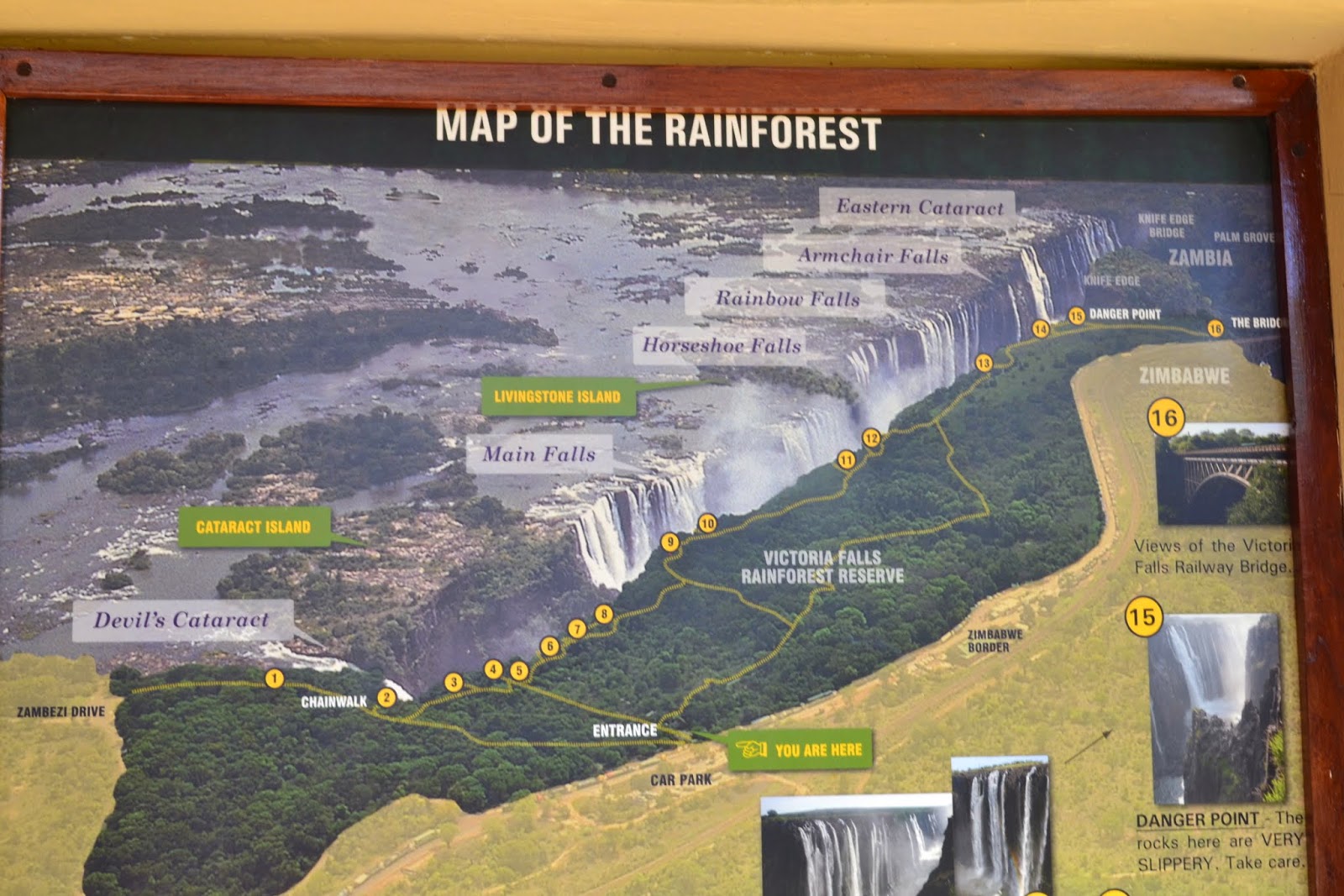
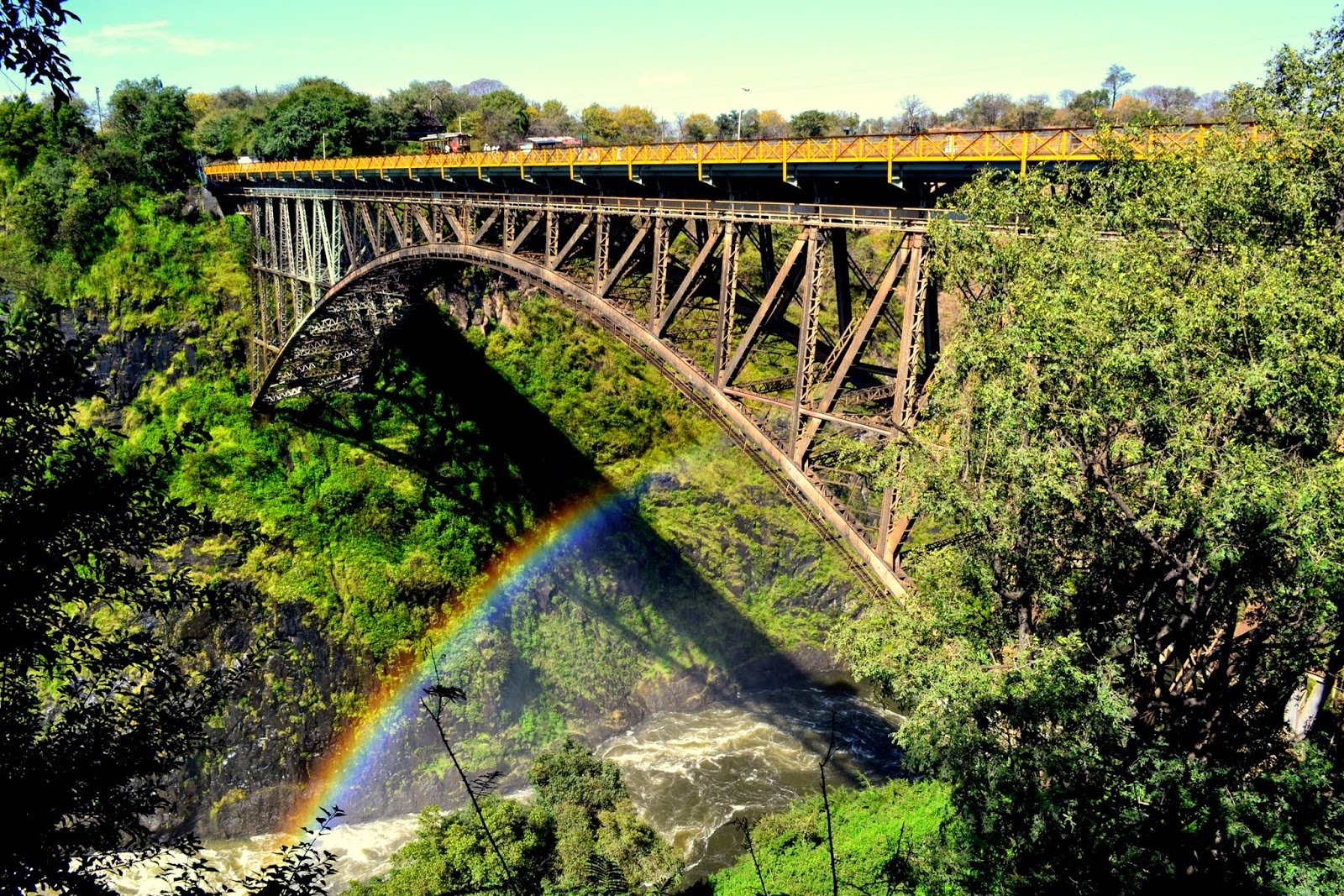
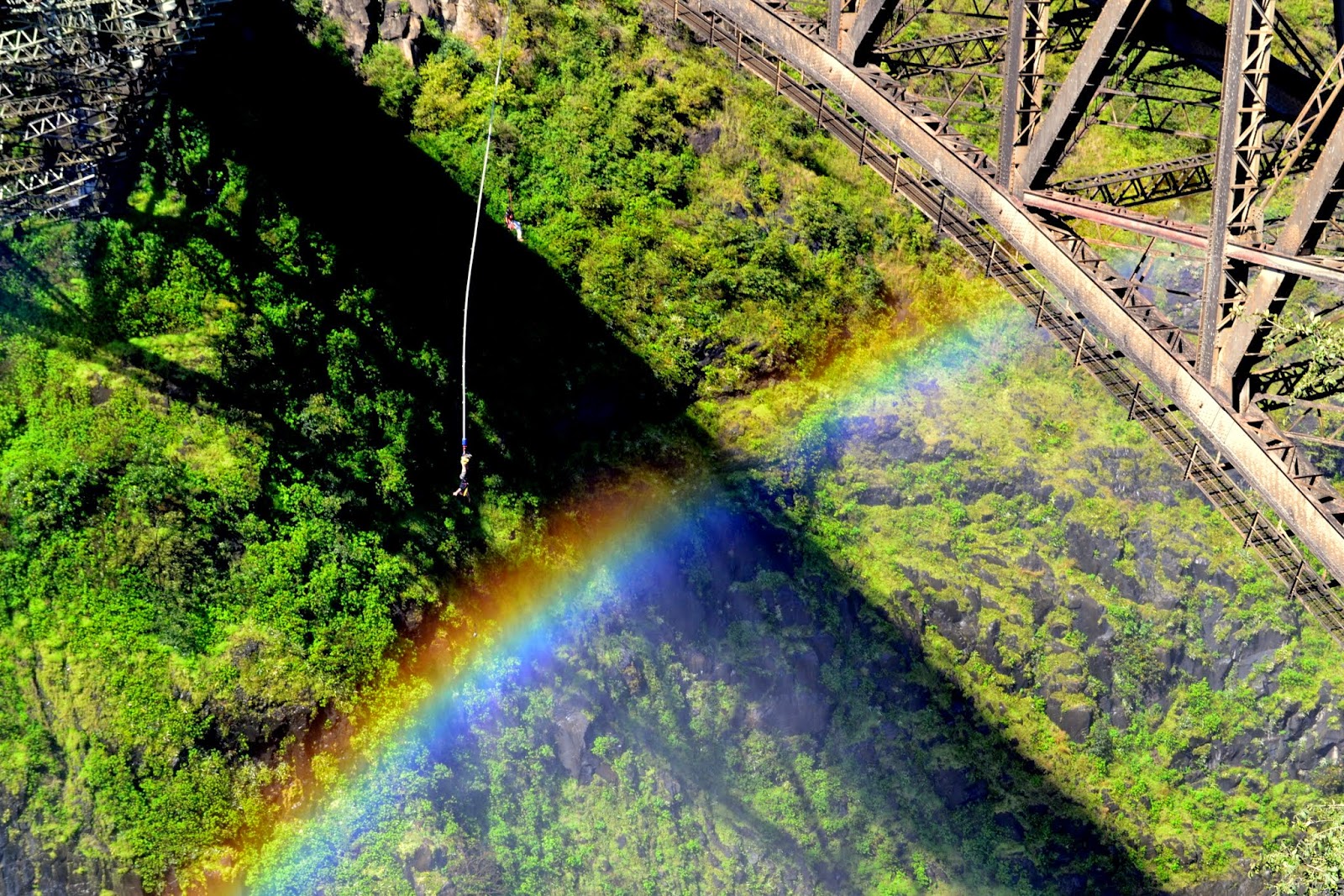
The viewing starts from the Western part of the falls leading East and ends at View Point 15.The Victoria Falls Bridge is visible from this point. The bridge was built over a period of 2 years and was completed in 1905. The height is 111 metres above water level during the lowest water level and it’s about 198 metres long. This bridge links Zimbabwe and Zambia. The adventurous lot can do ‘Bungee Jumping’ from the bridge. We were satisfied by merely looking at a few jumpers. The bridge harbours two permanent rainbows. The rainbows are fascinating and we were reluctant to move away from that wondrous view.

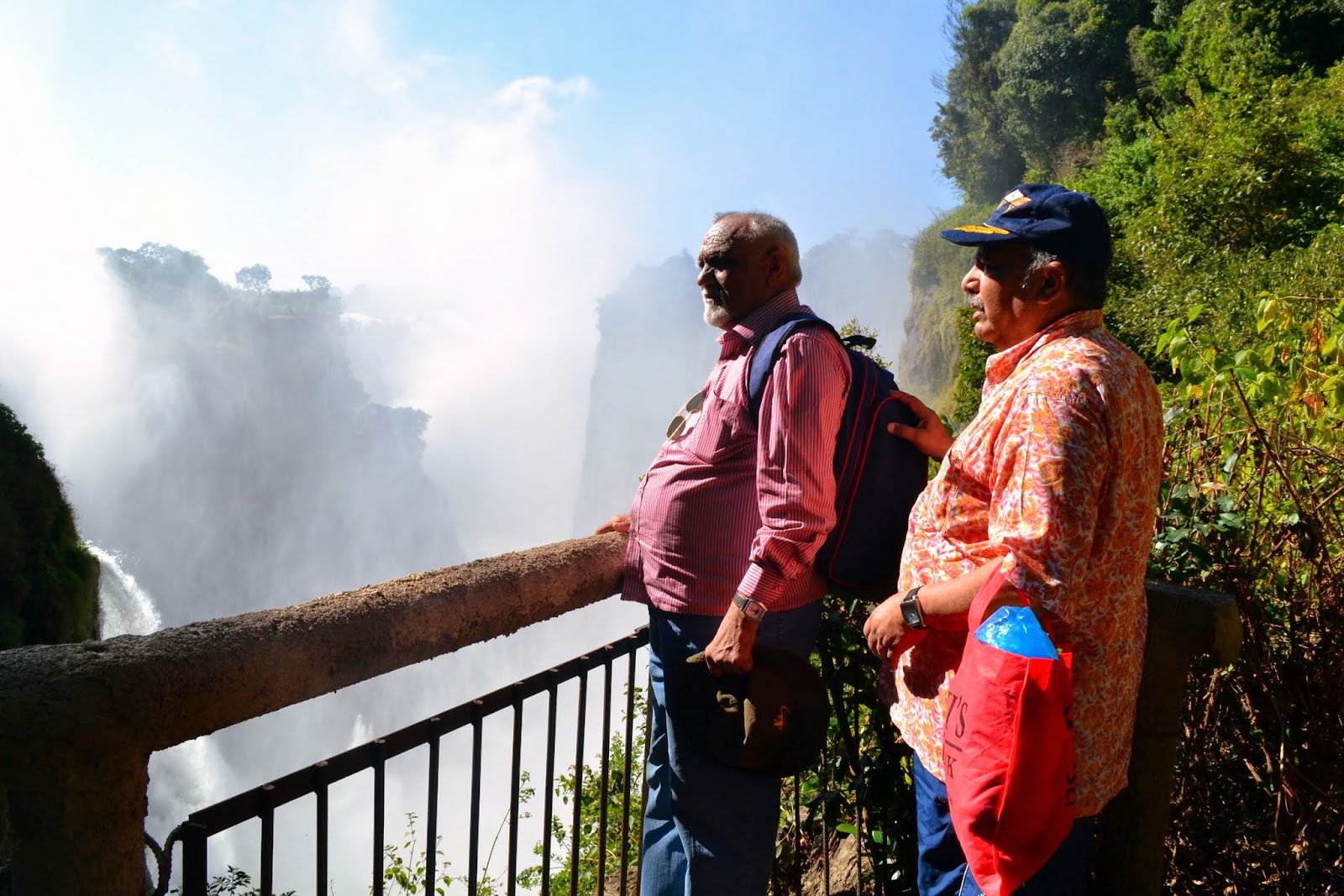
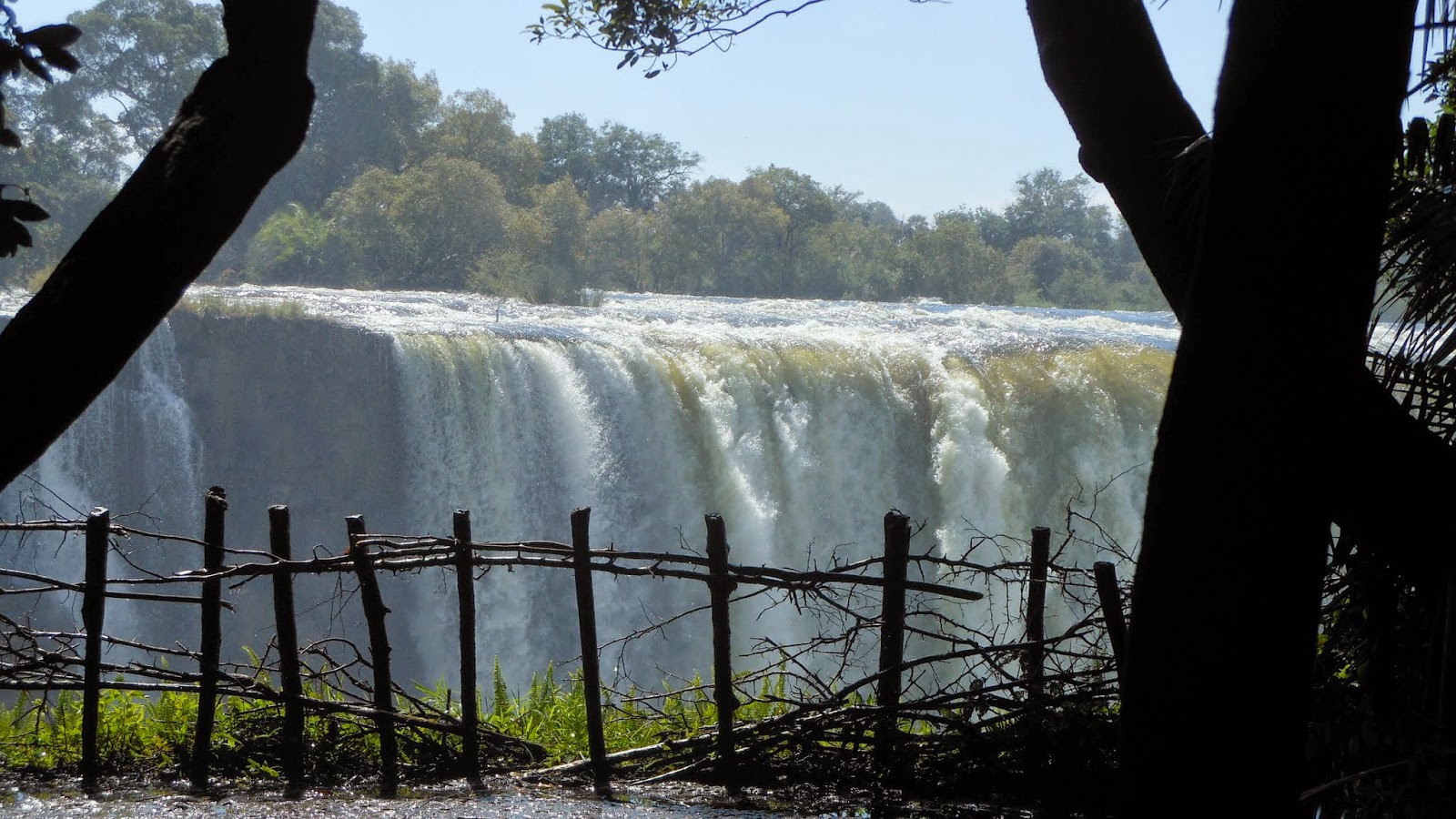
The route winds through the rain forest and one gets to see the falls from various viewing points. The beauty defies description and no amount of writing can capture its amazing splendor. The force and the majesty of the falls leave you spellbound. In May, the water flow is at its peak and the whole area is covered by the spray. One has to wait for an ideal opportunity to click a photograph. The entire walk to the bridge and back takes around 2 hours. After a good lunch at the falls restaurant, we returned to the lodge satiated by what we had seen.


Figure <!–[if supportFields]> SEQ Figure \* ARABIC <![endif]–>7<!–[if supportFields]><![endif]–> – Description of the falls as viewed from Zimbabwe. Markers 1 to 16 are along the walking path from the Devil’s Cataract to the bridge.


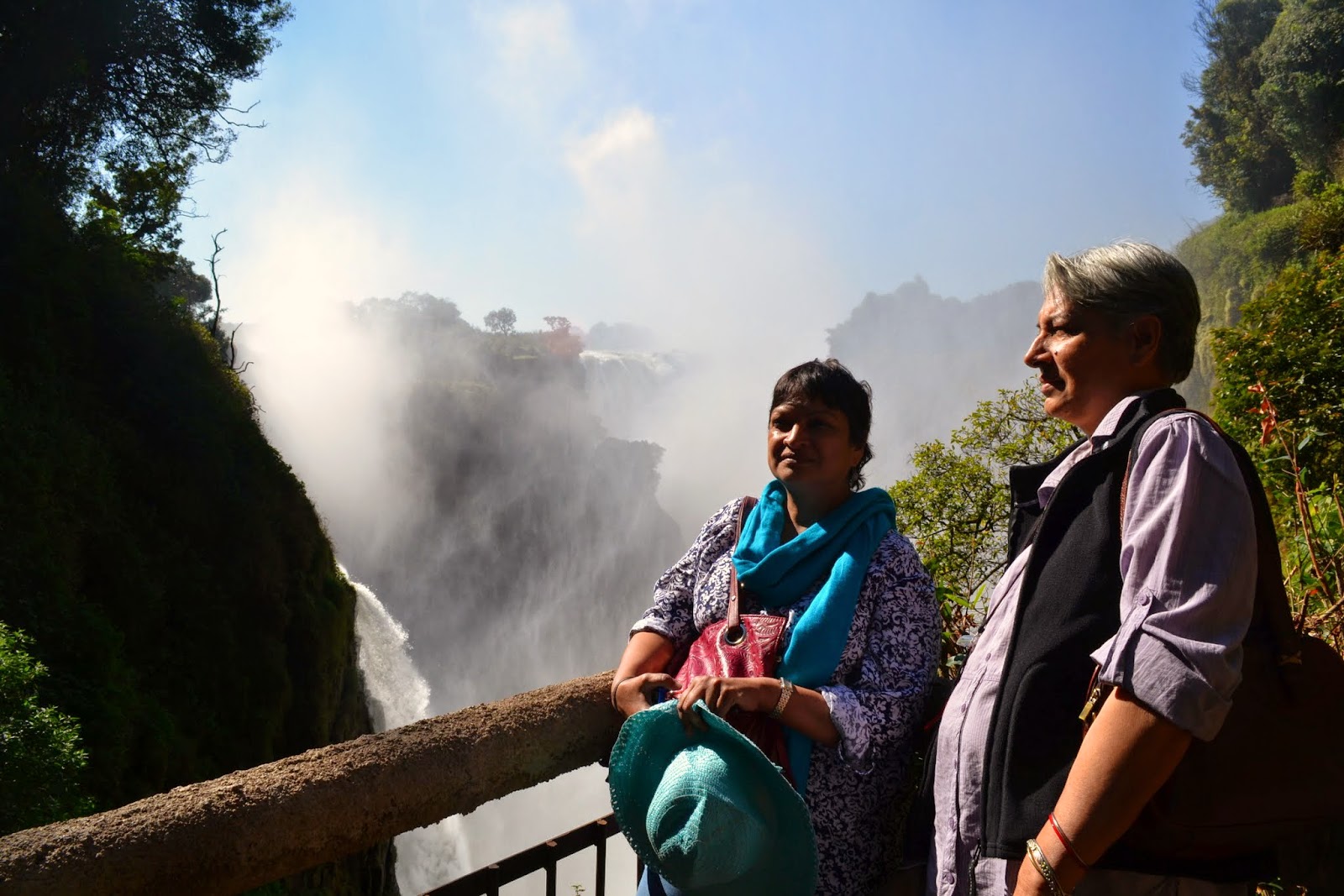
Figure 8 – Devil’s Cataract


Figure <!–[if supportFields]> SEQ Figure \* ARABIC <![endif]–>9<!–[if supportFields]><![endif]–> – Little further


Figure <!–[if supportFields]> SEQ Figure \* ARABIC <![endif]–>10<!–[if supportFields]><![endif]–>Indians everywhereSri Chinmoy Kumar Ghose Peace Marker.[August 27, 1931-October 11, 2007] was an Indian spiritual teacher and philosopher who emigrated to the U.S. in 1964.


Figure <!–[if supportFields]> SEQ Figure \* ARABIC <![endif]–>11<!–[if supportFields]><![endif]–> – Two more spiritualists from India


Figure <!–[if supportFields]> SEQ Figure \* ARABIC <![endif]–>12<!–[if supportFields]><![endif]–> – Totally engrossed


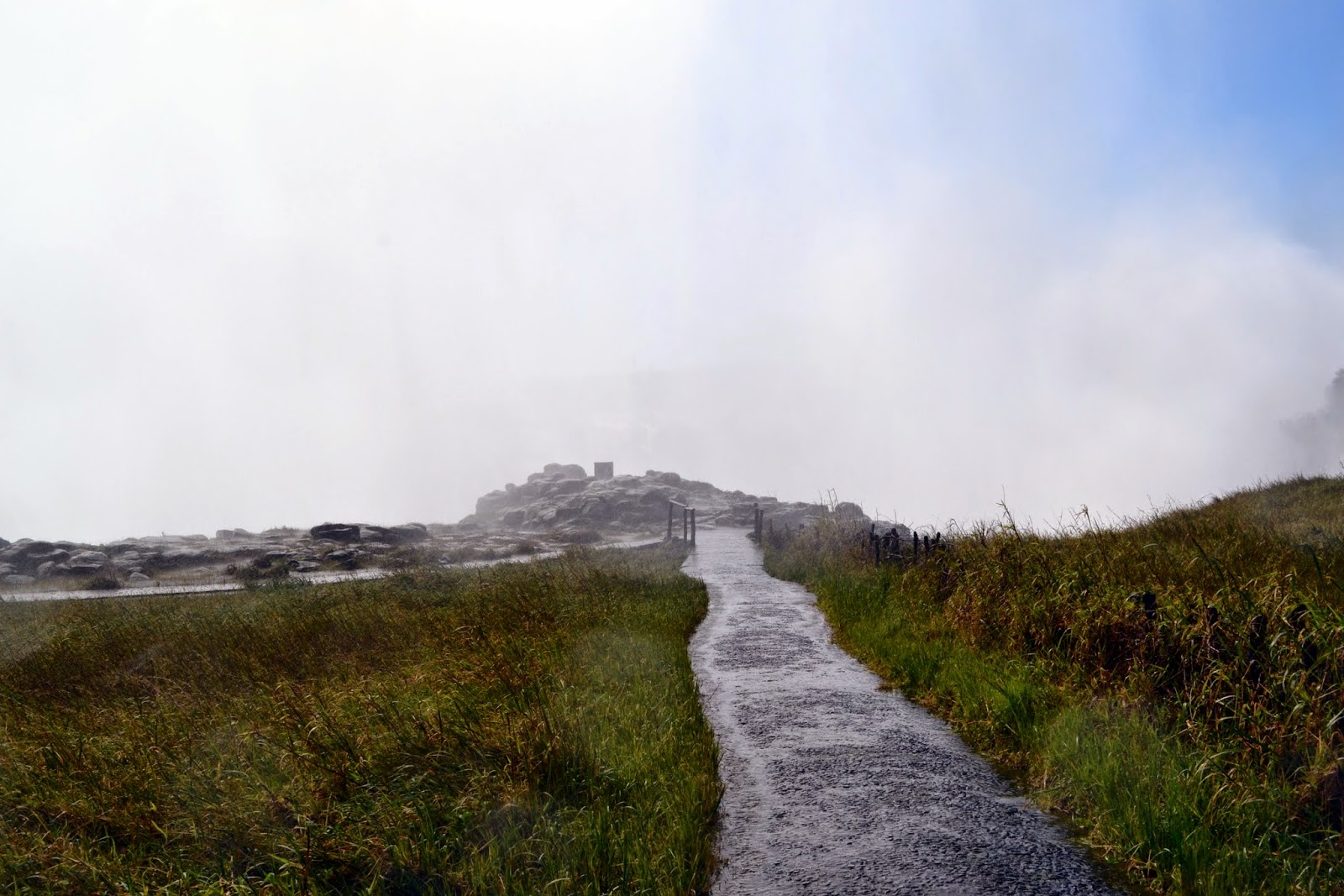
Figure <!–[if supportFields]> SEQ Figure \* ARABIC <![endif]–>13<!–[if supportFields]><![endif]–> – Walk path to Danger Point. With utmost care I walked up to the point. The wind, the spray and the wet path were a treacherous combination. Not forgetting a very angry wife howling away to glory.


Figure <!–[if supportFields]> SEQ Figure \* ARABIC <![endif]–>14<!–[if supportFields]><![endif]–> – Main Fall from View Point 8


Figure <!–[if supportFields]> SEQ Figure \* ARABIC <![endif]–>15<!–[if supportFields]><![endif]–>– Another view

Figure <!–[if supportFields]> SEQ Figure \* ARABIC <![endif]–>16<!–[if supportFields]><![endif]–> – Livingstone’s View Point 12


Figure <!–[if supportFields]> SEQ Figure \* ARABIC <![endif]–>17<!–[if supportFields]><![endif]–> –The Bridge connecting Zimbabwe and Zambia


Figure 18 – A bungee jumper in search of adrenalin rush


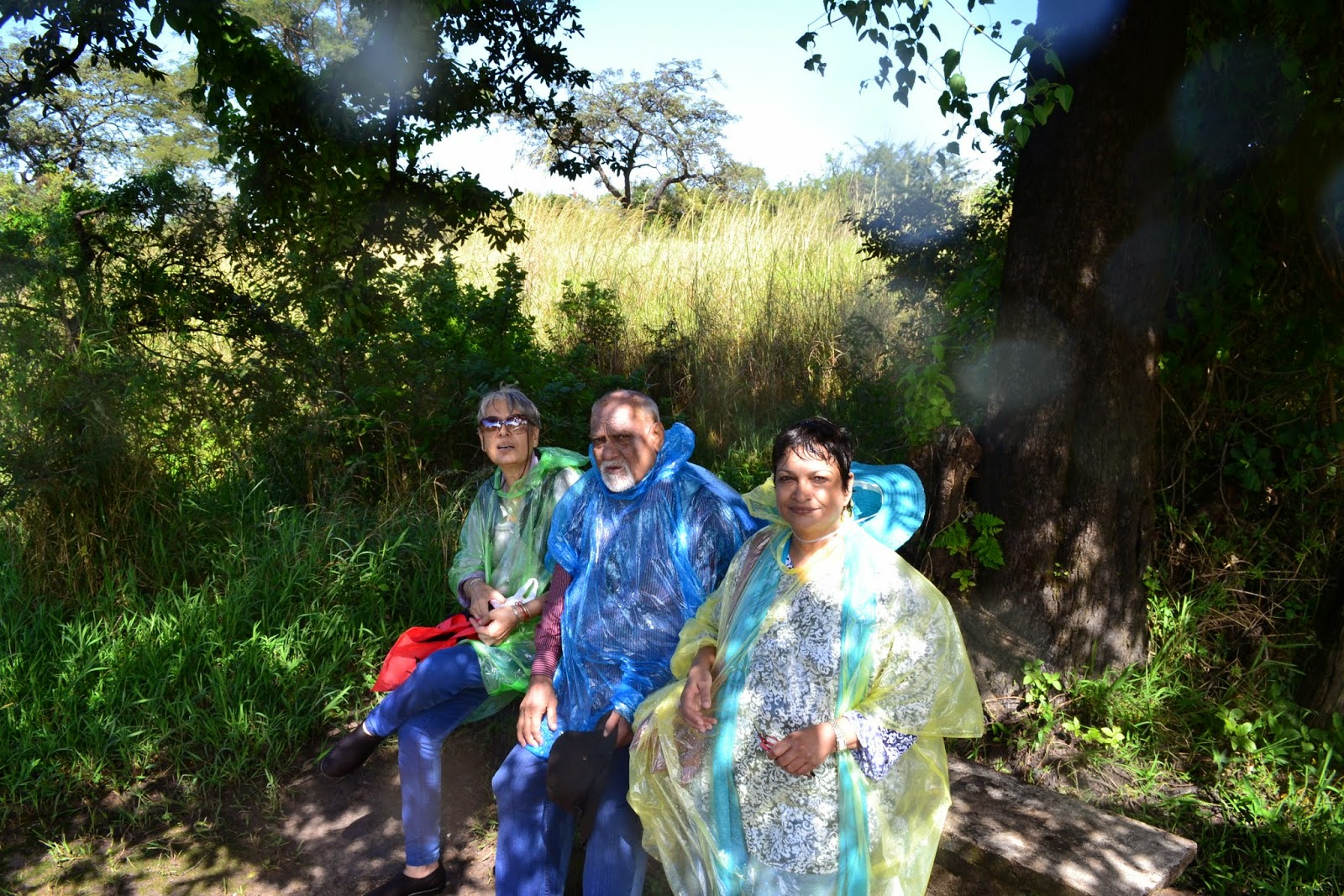
Figure 18a – Totally wet but feeling happy 


Figure <!–[if supportFields]> SEQ Figure \* ARABIC <![endif]–>19<!–[if supportFields]><![endif]–> – A very happy state after viewing the falls – Lunch in the forest

From whatever little interaction we had, the people appear to be warm and helpful. According to Hans, Zimbabwe is very safe but for the elephants. It’s not uncommon to find the pachyderms entering your compound to feed on the vegetation.

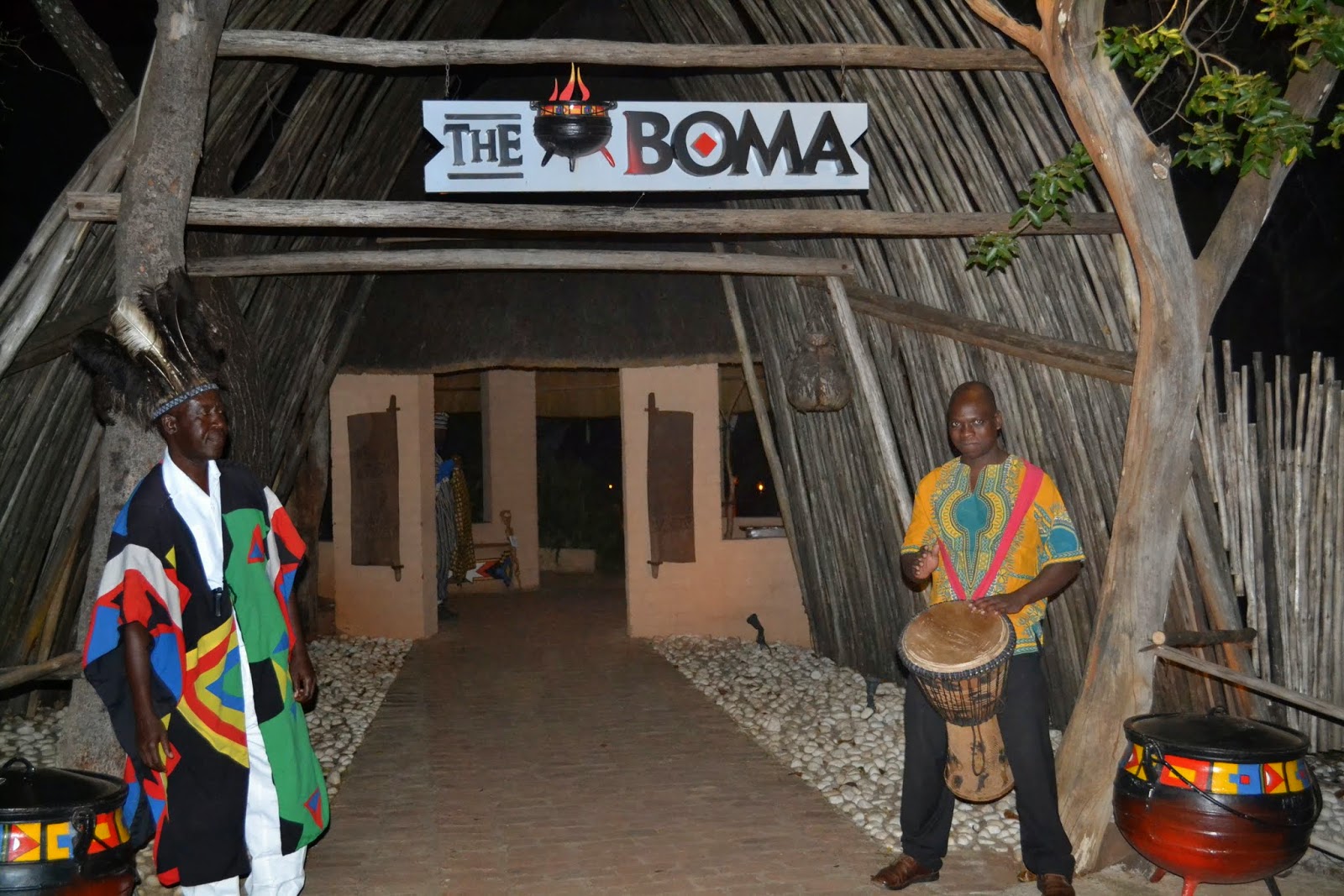
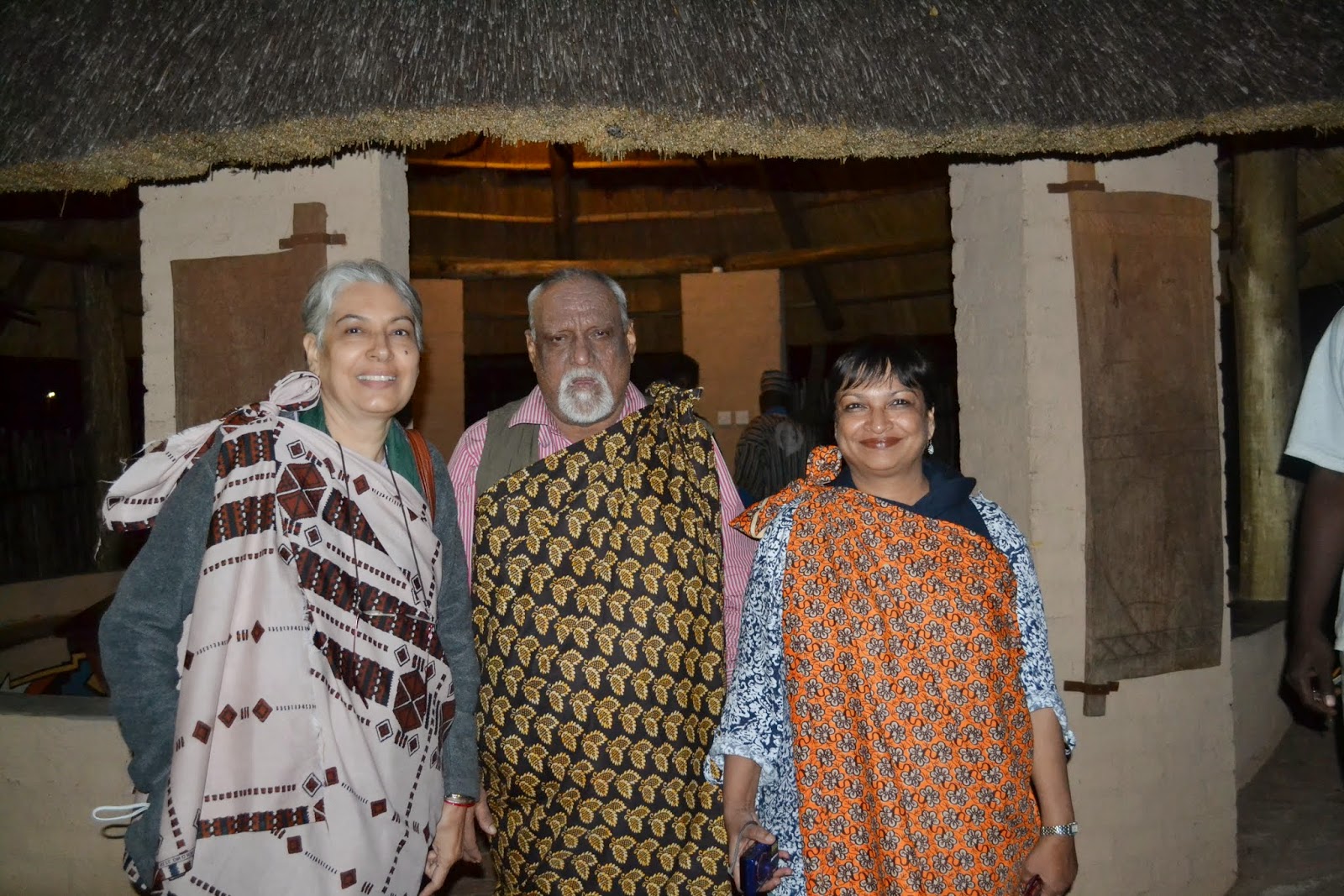
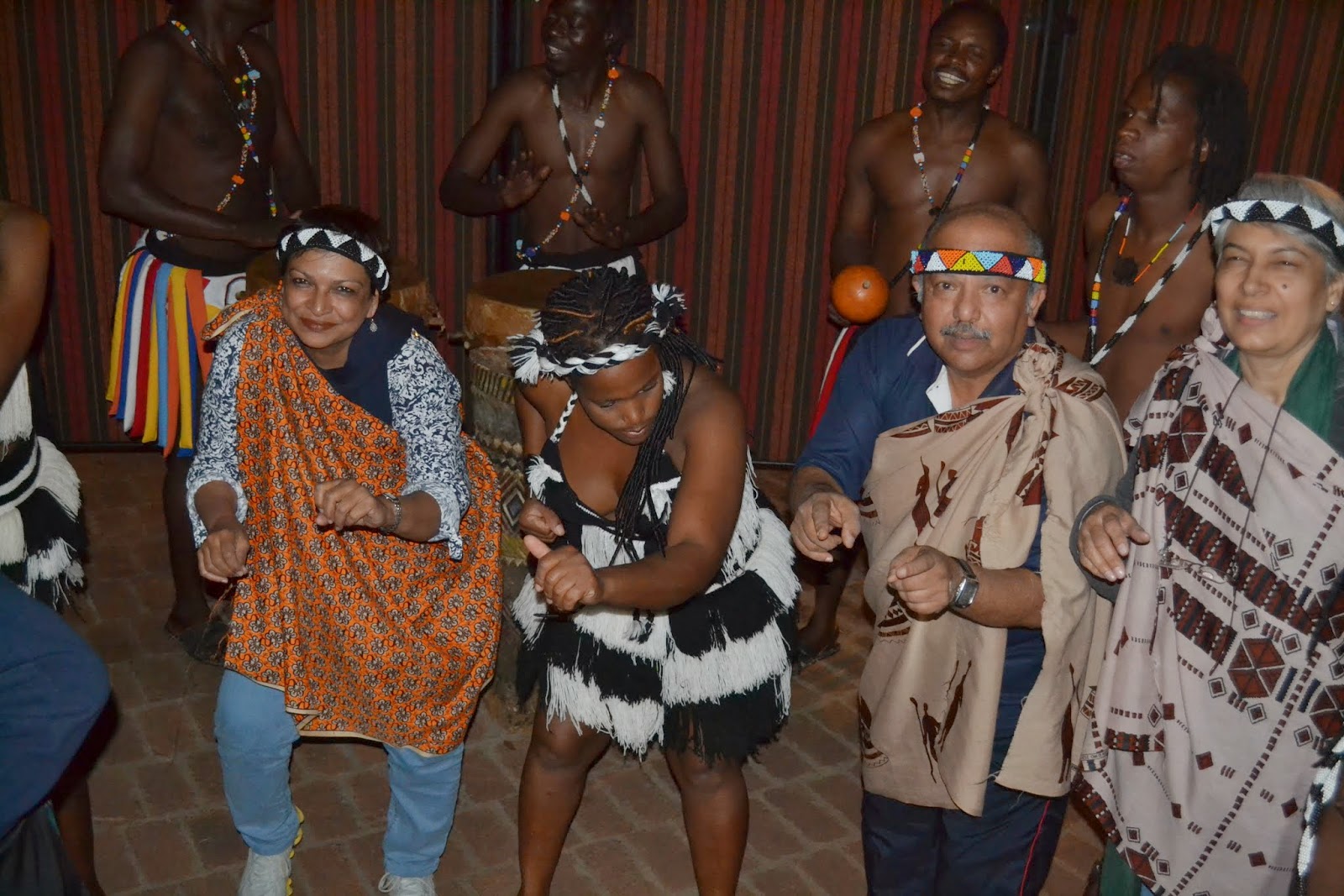
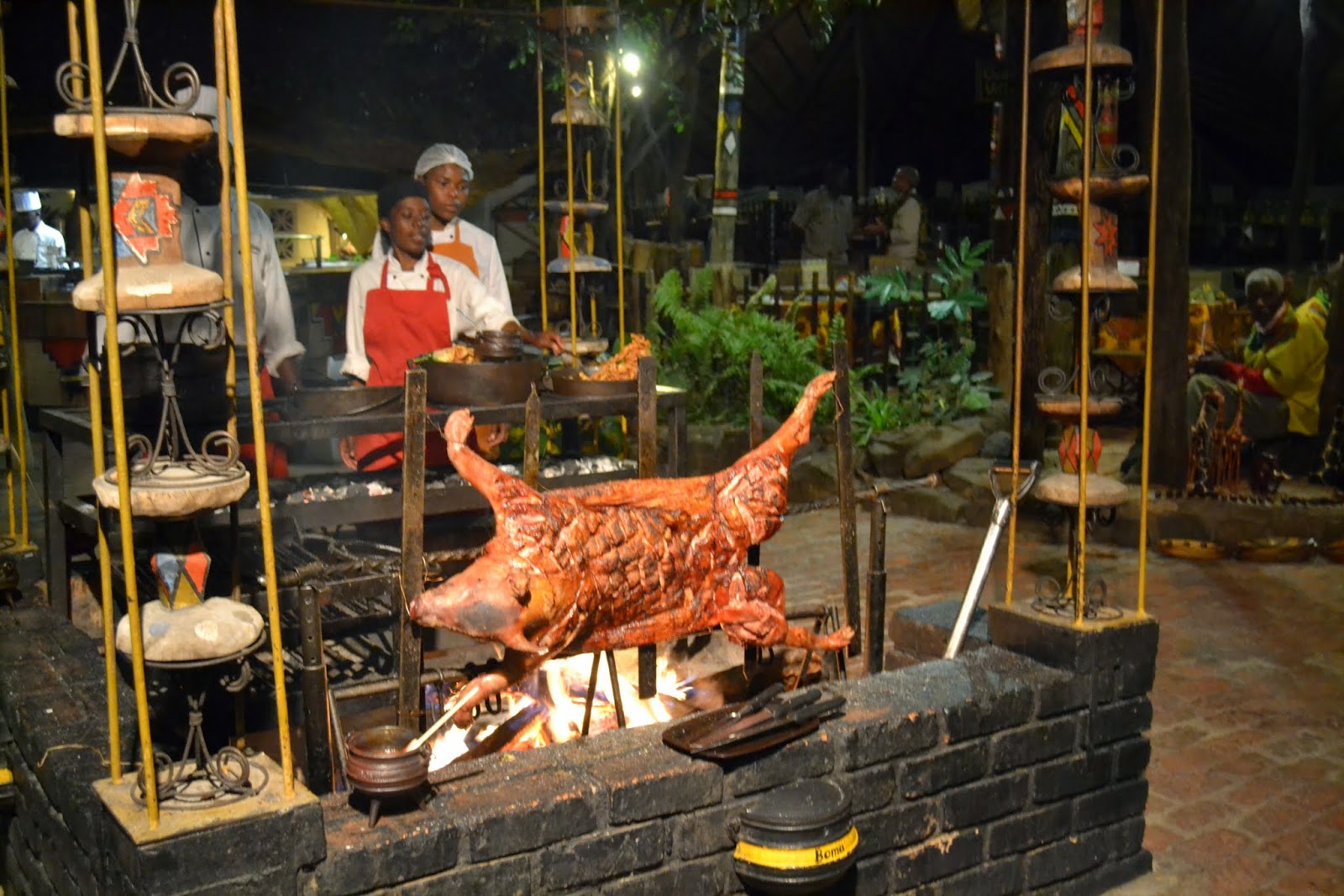
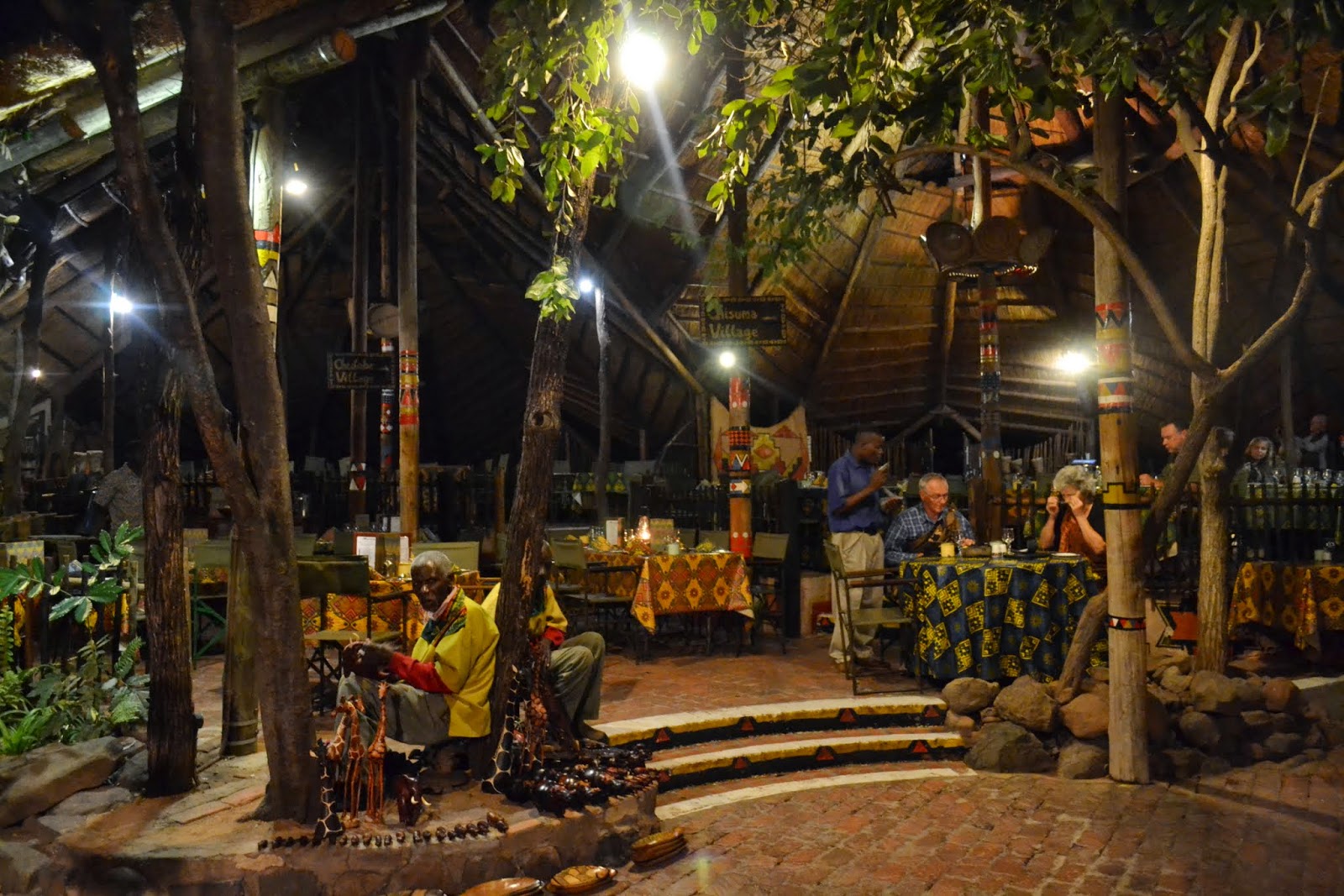
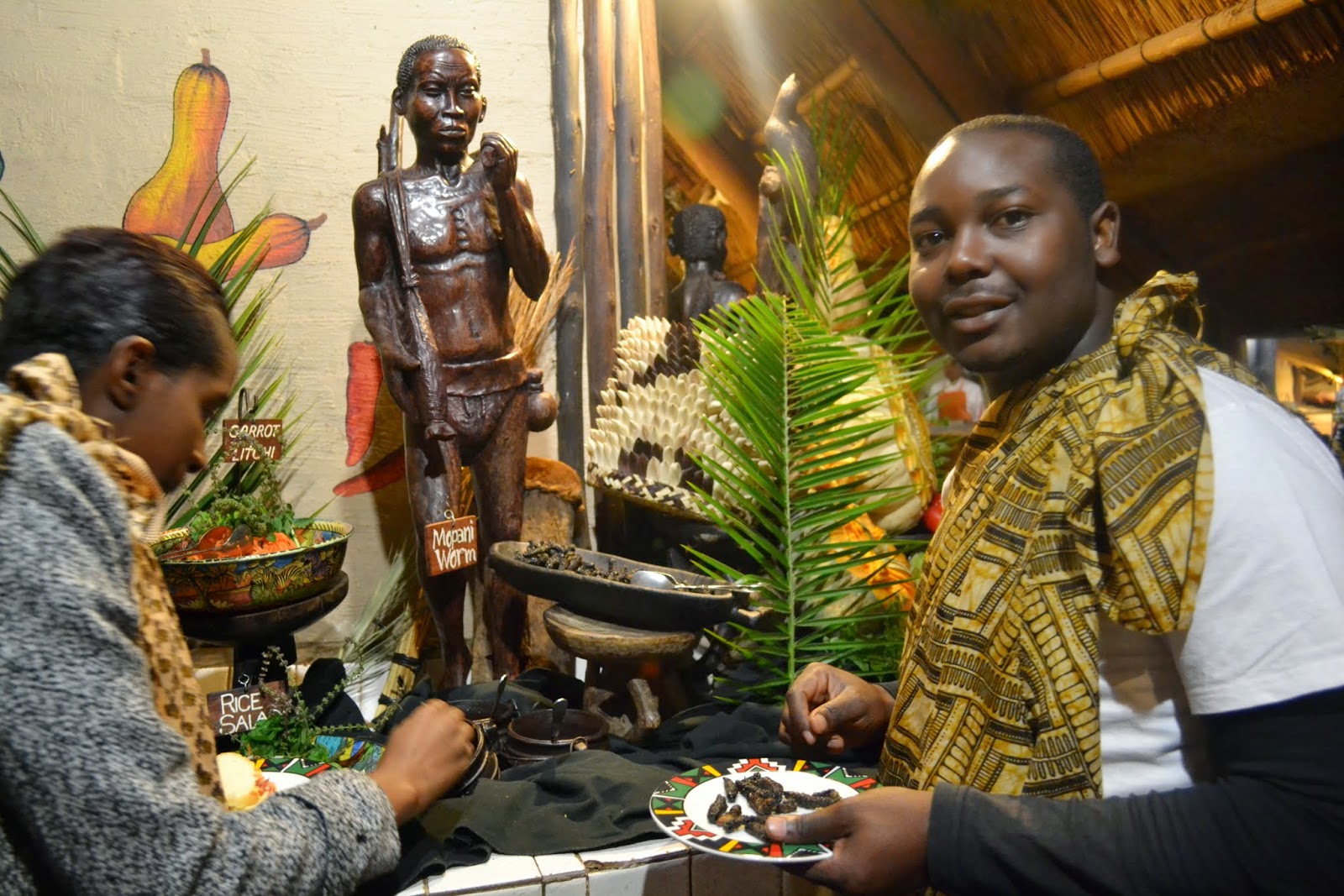
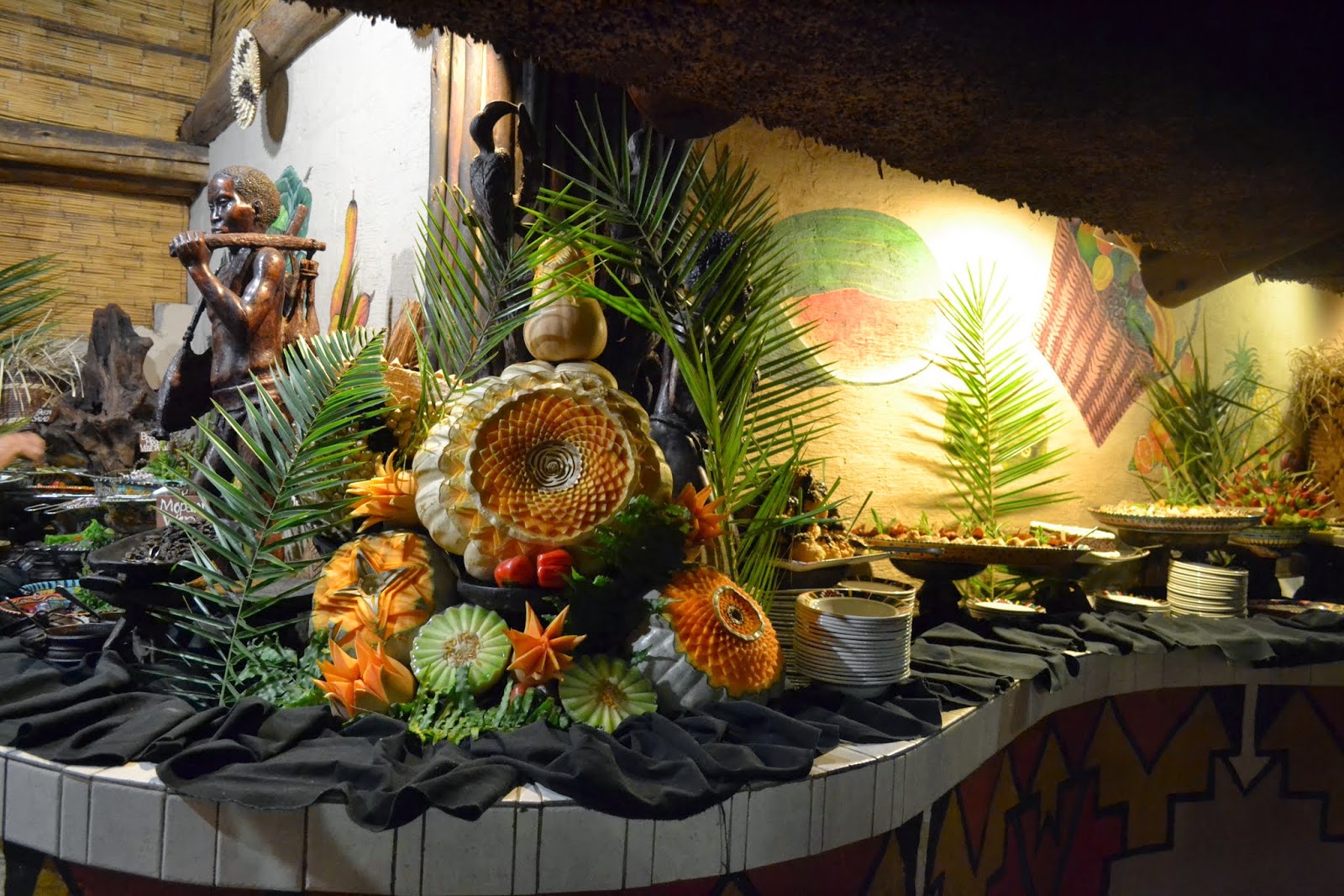
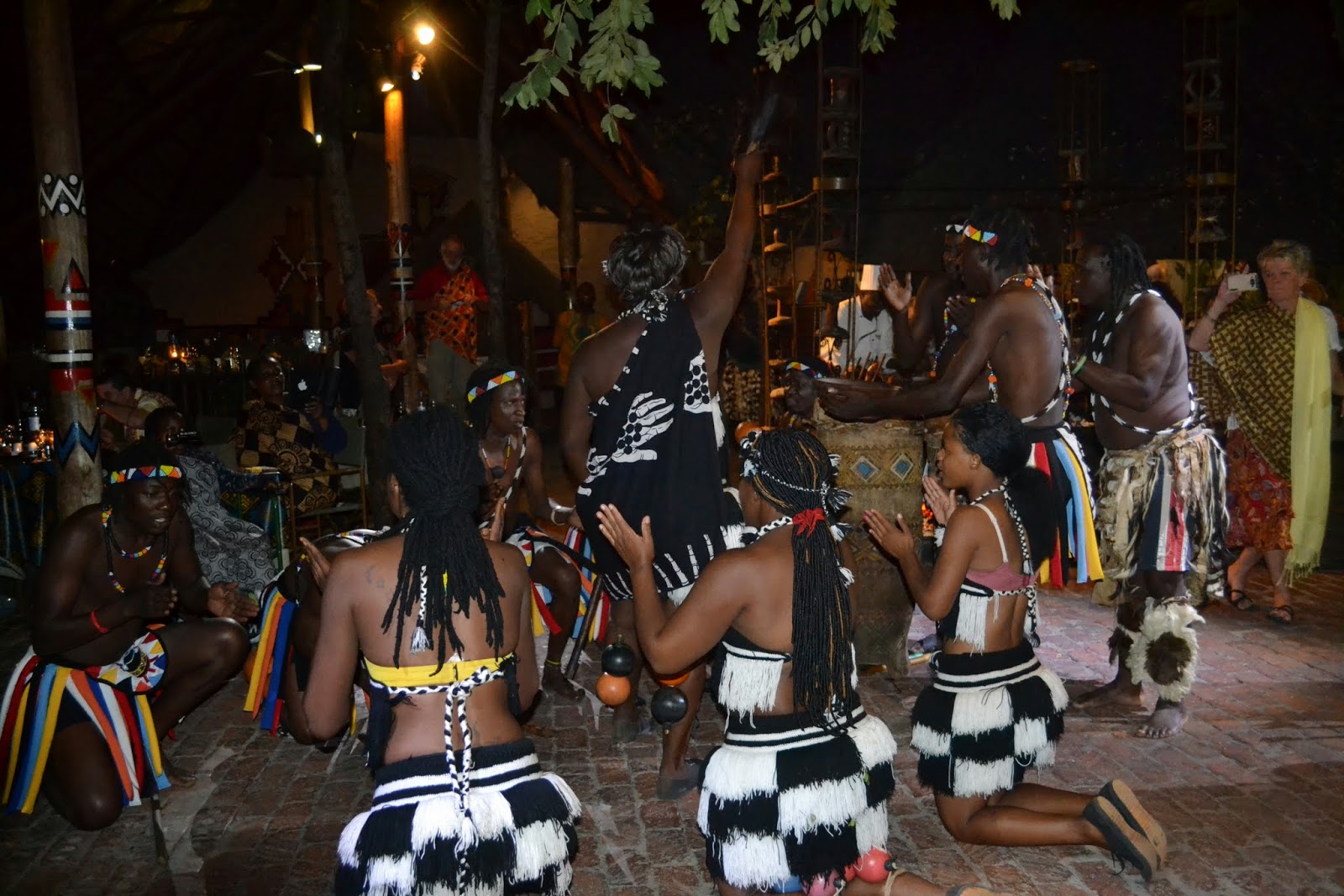
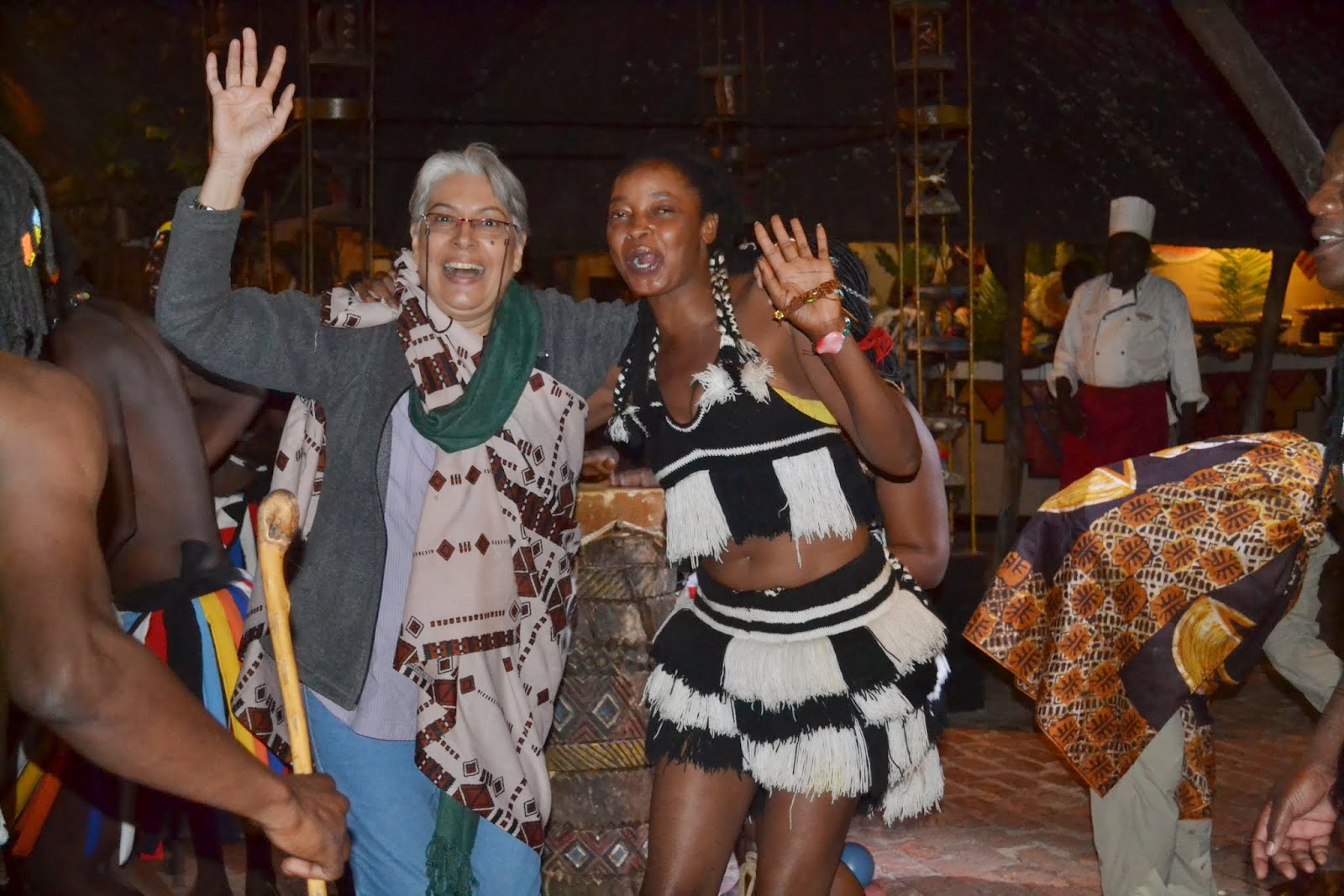
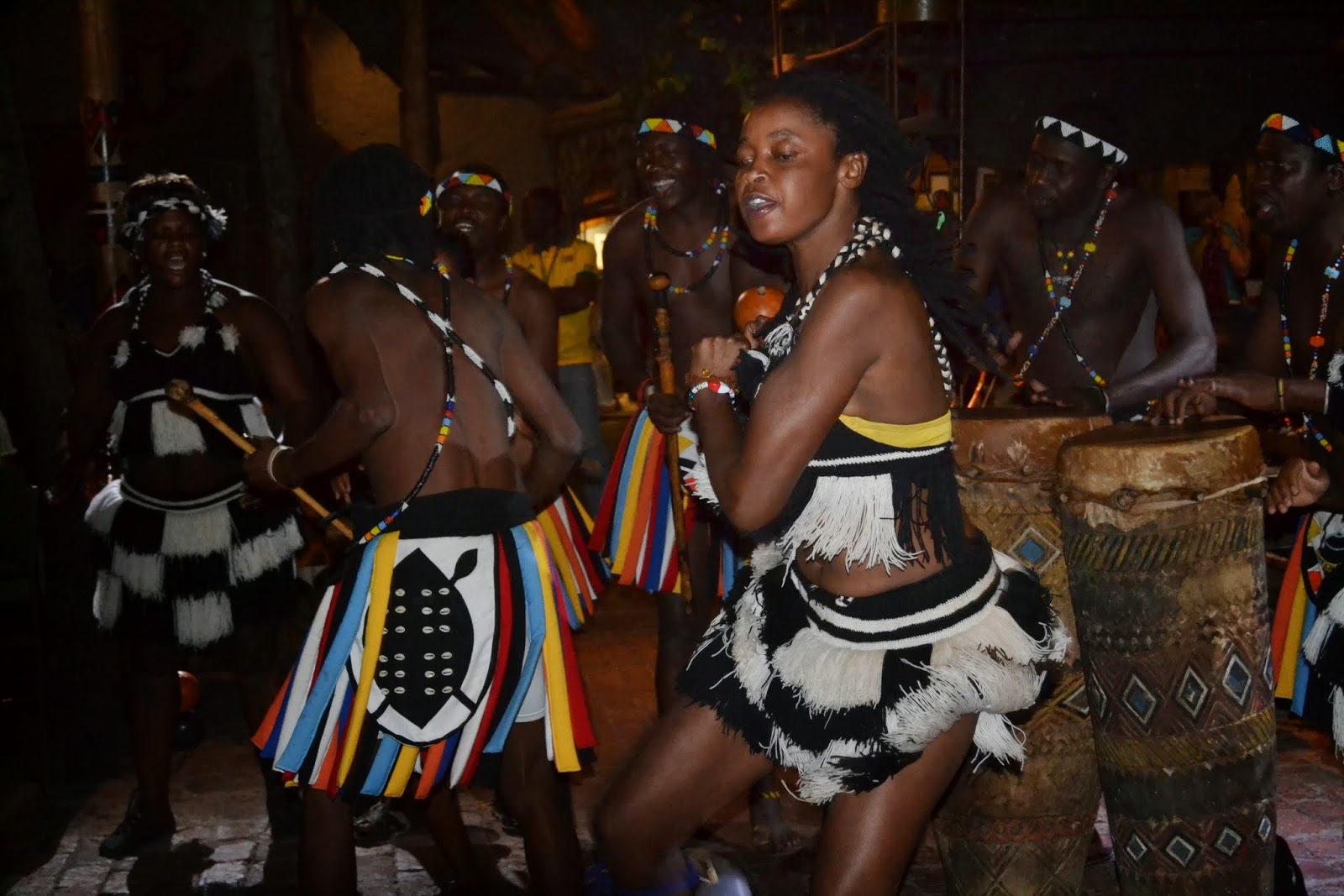
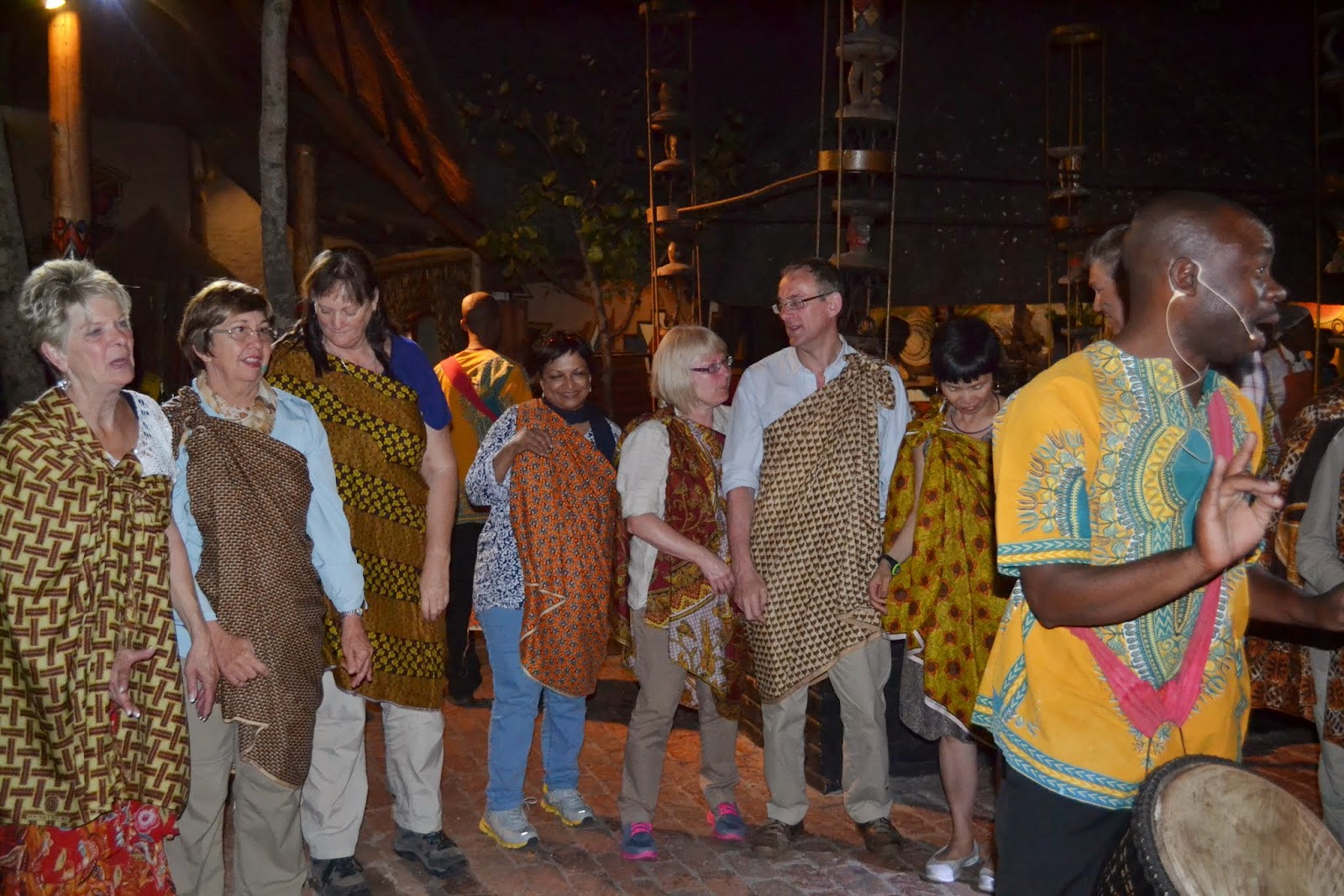
After a bit of a snoozzzze and rest we dressed up to dine at the carnivore restaurant ‘Boma”. Guests are welcomed with a traditional greeting in Shona and Ndebele, the local languages and thereafter dressed in “Chitenges” (traditional robes) including paint on the face. Boma has been created to resemble a traditional village hut. We joined the welcome party in a tribal dance. This is followed by an evening of music and dance. The chief cajoles the entire guest audience to join the beat. Mouth watering display of game food which includes smoked baby crocodile tails, Mopane worms (caterpillar), Ostrich steak and many others are the main attractions. Dinner at the Boma is a legendary affair, with what looks like literally hundreds of local dishes served in buffet style, including impala terrine, warthog, Peanut butter rice –sadza, Umzingeli the hunter’s stew, a variety of salads, bread and desserts… A witchdoctor is available to tell you your fortune by throwing his bones. Jai and Navin enjoyed the show in spite of the meat overkill. They had lovely salads, baked vegetable, goat cheese and a variety of breads. They finally made up for what they missed with a huge helping of all the desserts on display.


Figure <!–[if supportFields]> SEQ Figure \* ARABIC <![endif]–>20<!–[if supportFields]><![endif]–> – The entrance


Figure <!–[if supportFields]> SEQ Figure \* ARABIC <![endif]–>21<!–[if supportFields]><![endif]–> – Dressed in “Chitenges”


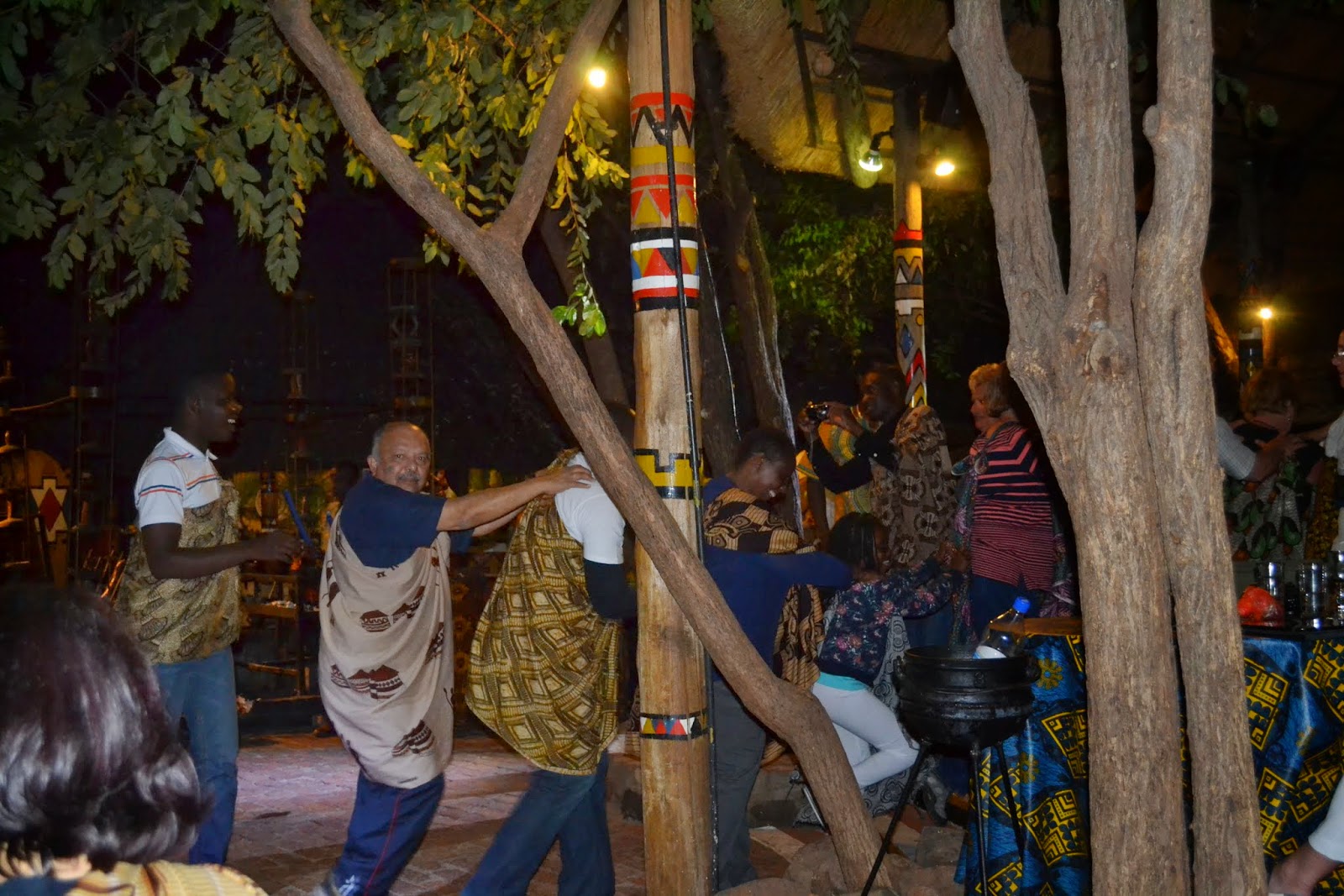
Figure <!–[if supportFields]> SEQ Figure \* ARABIC <![endif]–>22<!–[if supportFields]><![endif]–> – We joined the welcome dancers


Figure <!–[if supportFields]> SEQ Figure \* ARABIC <![endif]–>23<!–[if supportFields]><![endif]–> – Warthog barbecue in progress


Figure <!–[if supportFields]> SEQ Figure \* ARABIC <![endif]–>24<!–[if supportFields]><![endif]–> – A unique ambiance


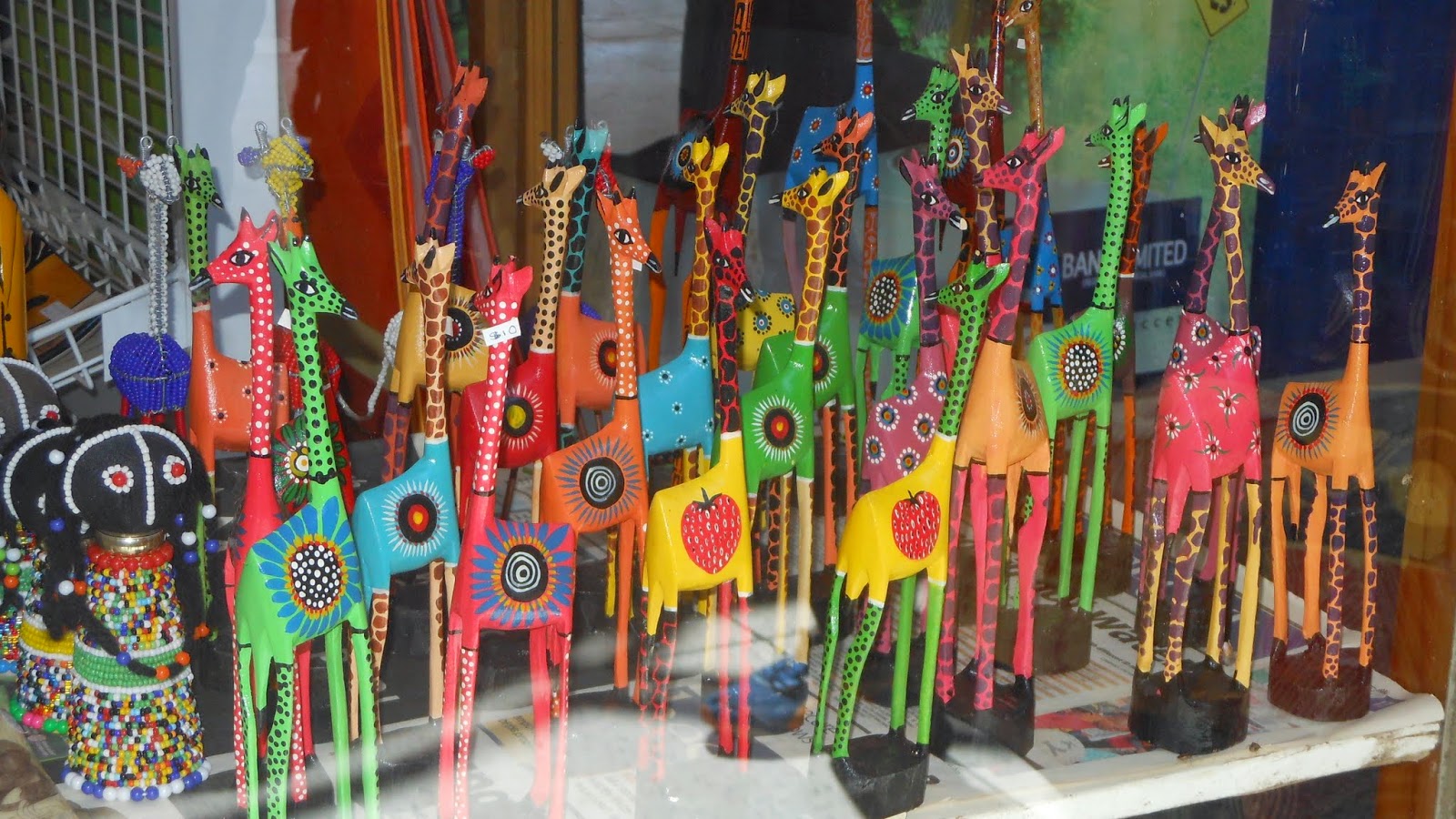
Figure 24a – Curios on display


Figure <!–[if supportFields]> SEQ Figure \* ARABIC <![endif]–>25<!–[if supportFields]><![endif]–> – A couple enjoying Mopane Worms


Figure <!–[if supportFields]> SEQ Figure \* ARABIC <![endif]–>26<!–[if supportFields]><![endif]–> – Vegetarians delight


Figure <!–[if supportFields]> SEQ Figure \* ARABIC <![endif]–>27<!–[if supportFields]><![endif]–>– A traditional dance


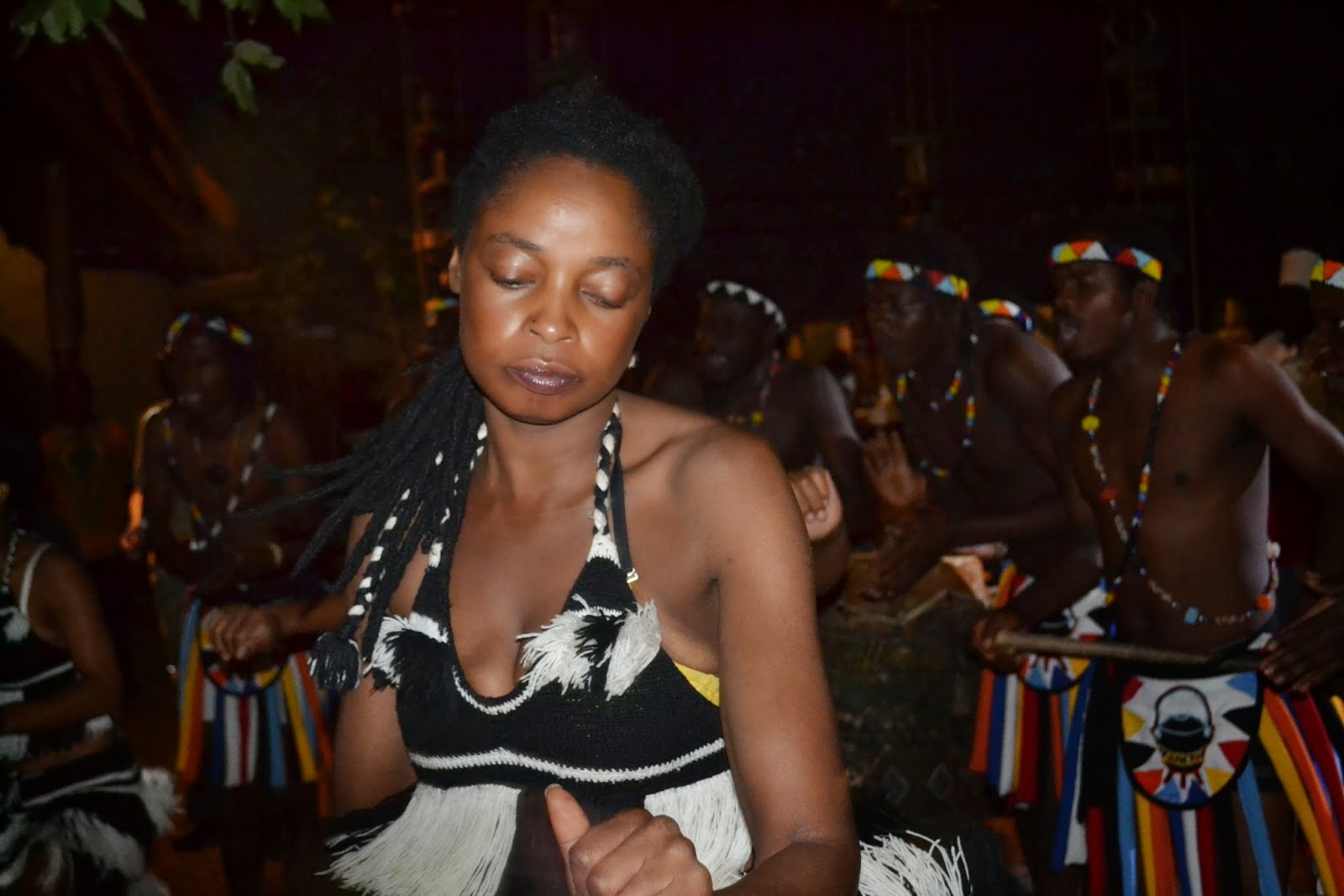
Figure <!–[if supportFields]> SEQ Figure \* ARABIC <![endif]–>28<!–[if supportFields]><![endif]–> – An emancipated tribal dancer


Figure <!–[if supportFields]> SEQ Figure \* ARABIC <![endif]–>29<!–[if supportFields]><![endif]–> – Navin joins the dancers in gay abandon


Figure <!–[if supportFields]> SEQ Figure \* ARABIC <![endif]–>30<!–[if supportFields]><![endif]–> – The dance reaches feverish pitch with mesmerizing drum beats


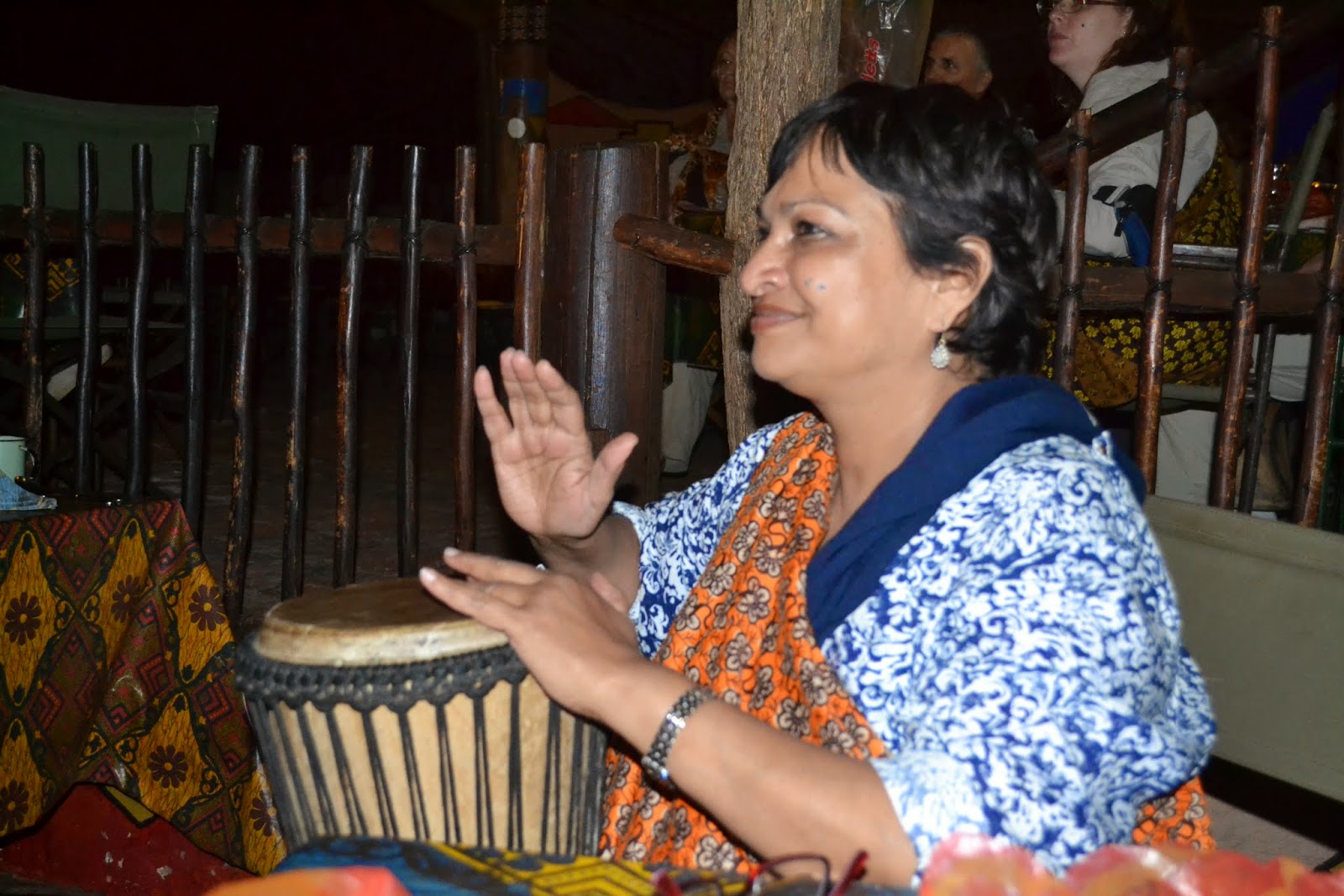
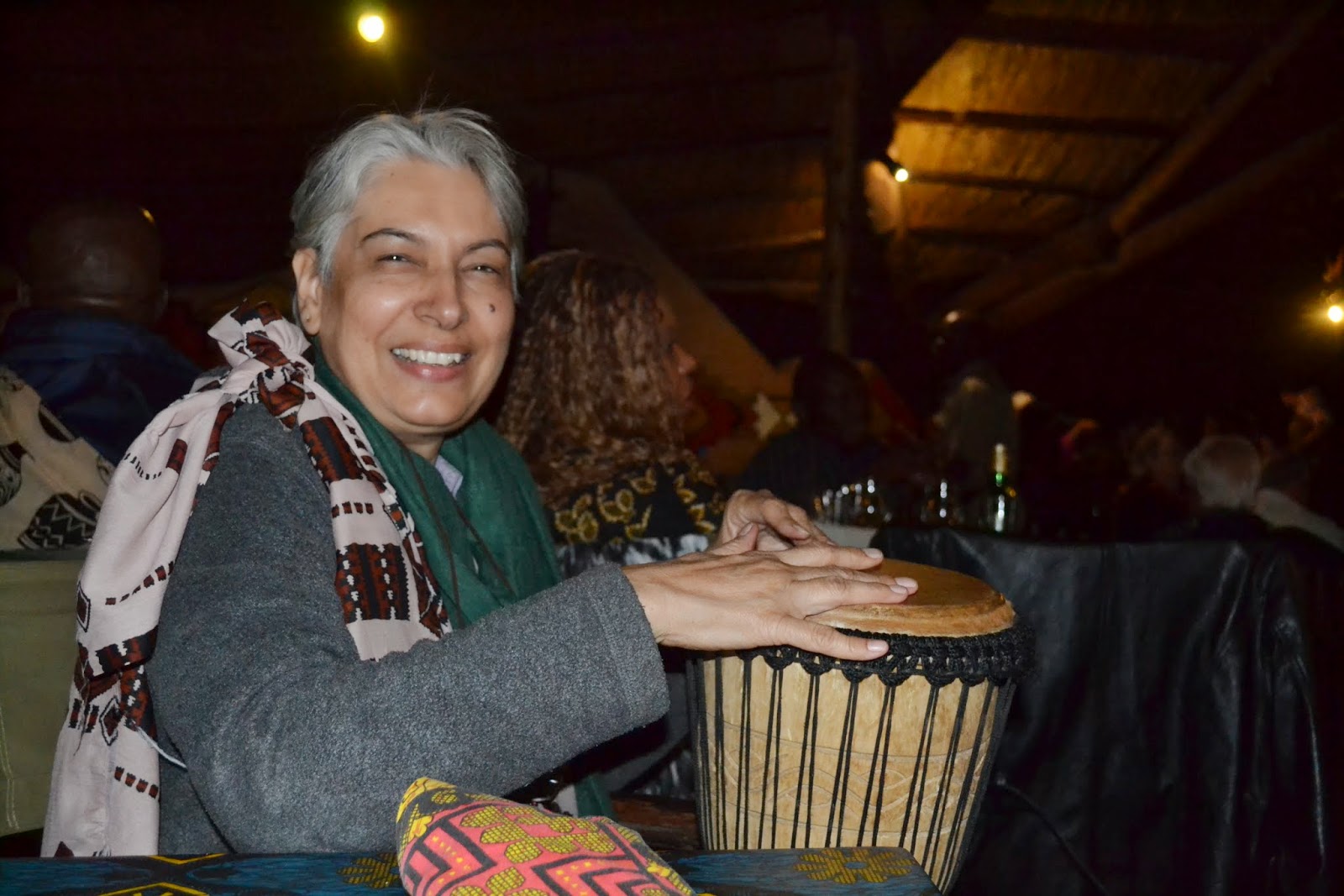
Figure <!–[if supportFields]> SEQ Figure \* ARABIC <![endif]–>31<!–[if supportFields]><![endif]–> – Jai joins the head drummer


Figure <!–[if supportFields]> SEQ Figure \* ARABIC <![endif]–>32<!–[if supportFields]><![endif]–> – Navin enjoying drumming


Figure <!–[if supportFields]> SEQ Figure \* ARABIC <![endif]–>33<!–[if supportFields]><![endif]–> – I joined a local dance


Figure <!–[if supportFields]> SEQ Figure \* ARABIC <![endif]–>34<!–[if supportFields]><![endif]–> – Jai with other revelers

Their menu card proudly proclaims “An essentially African experience not to be missed. The Boma is a celebration of Africa’s tastes, vibrant song, dance and time-honoured customs”we totally agree.

13 May 2014

While having breakfast Ze told us that her grandfather had 7 wives and 20 children which included 3 pairs of twins. She spends 300 USD for schooling, 600 USD for house, rent and electricity. In the afternoon we flew back to Johannesburg totally satisfied.

A great travel experience

Ze wished us ‘Lisale kuhle’ (Goodbye)


Figure <!–[if supportFields]> SEQ Figure \* ARABIC <![endif]–>35<!–[if supportFields]><![endif]–> – Victoria Falls from a distance of 10 Kms

Knysna – 08 and 10 May 2014 – Ostrich Farm, Buffels Drift and Cango Wildlife Ranch 08 May 2014

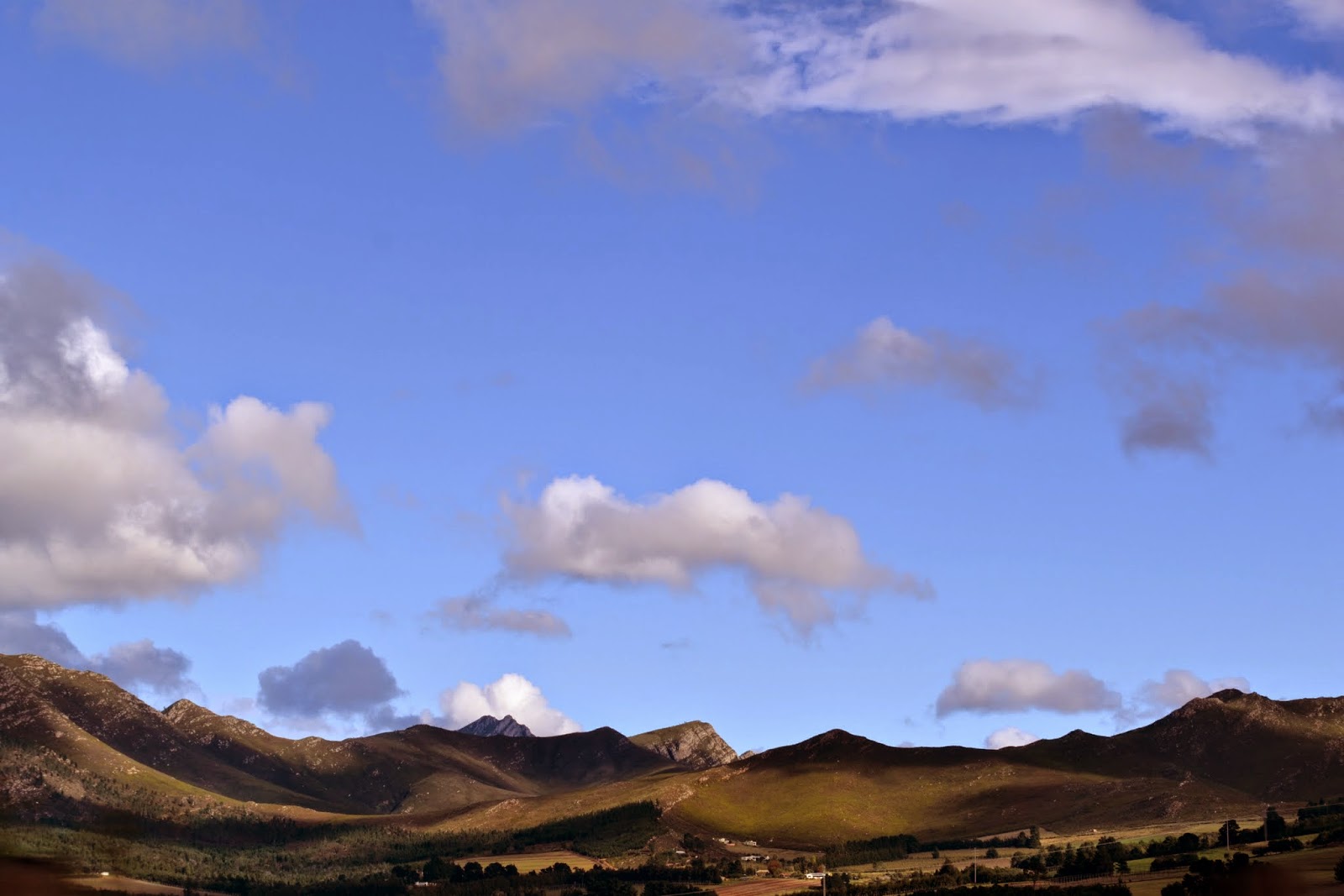
After spending some time with Erik and Yipe planning the day’s activities, we headed straight to Oudtshoorn, a town in the Western Cape Province. The town is home to the world’s largest Ostrich population, with a number of specialized ostrich breeding farms. The drive itself is mesmerizing as one passes through Sedgefield, Wilderness and George. Crossing the Oteniqua Mountains you enter the Klein Karoo with a dramatic change to a rugged country-side. From the moment you enter this lovely region, you will be struck by the vastness of the country.

Fascinating landscape
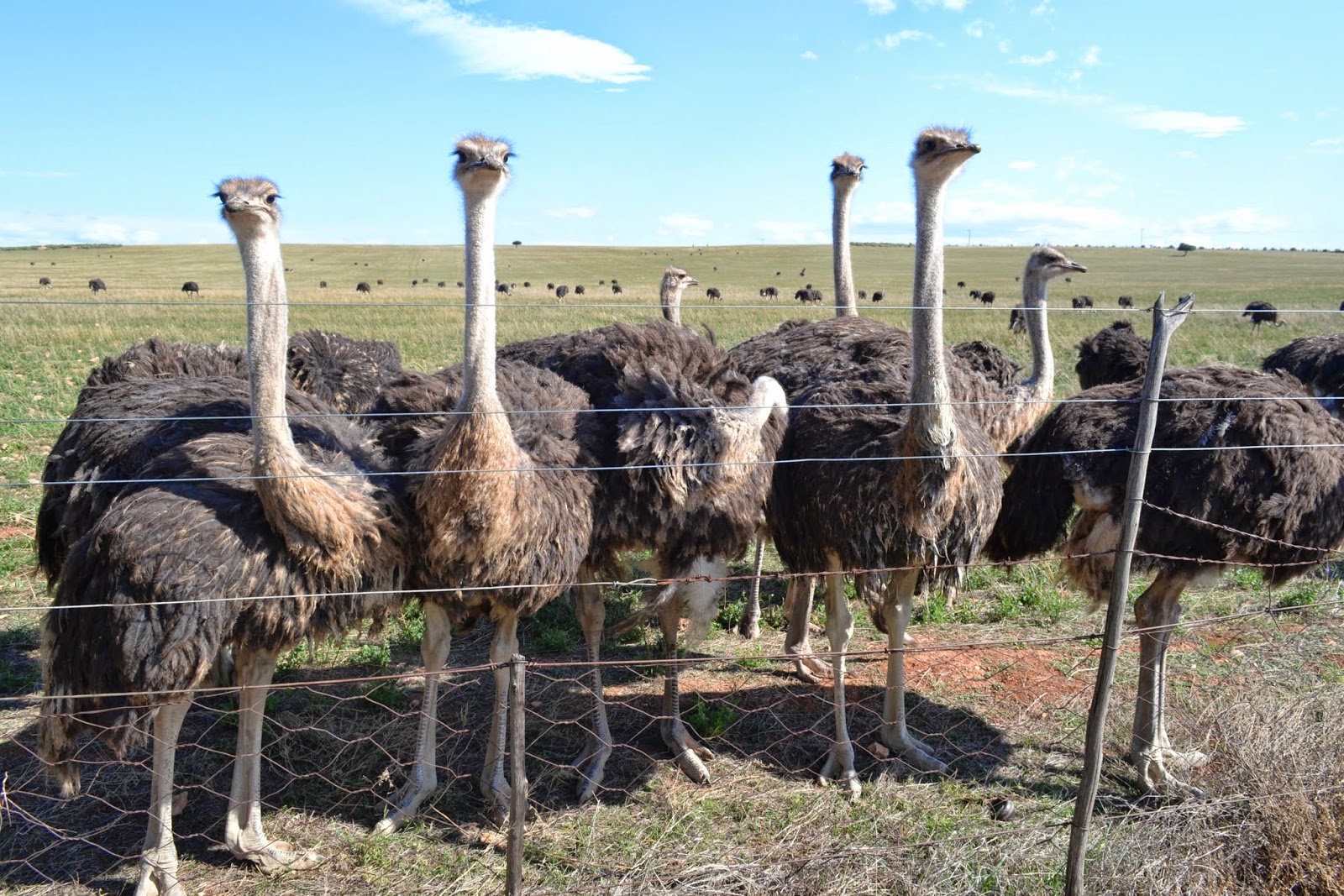
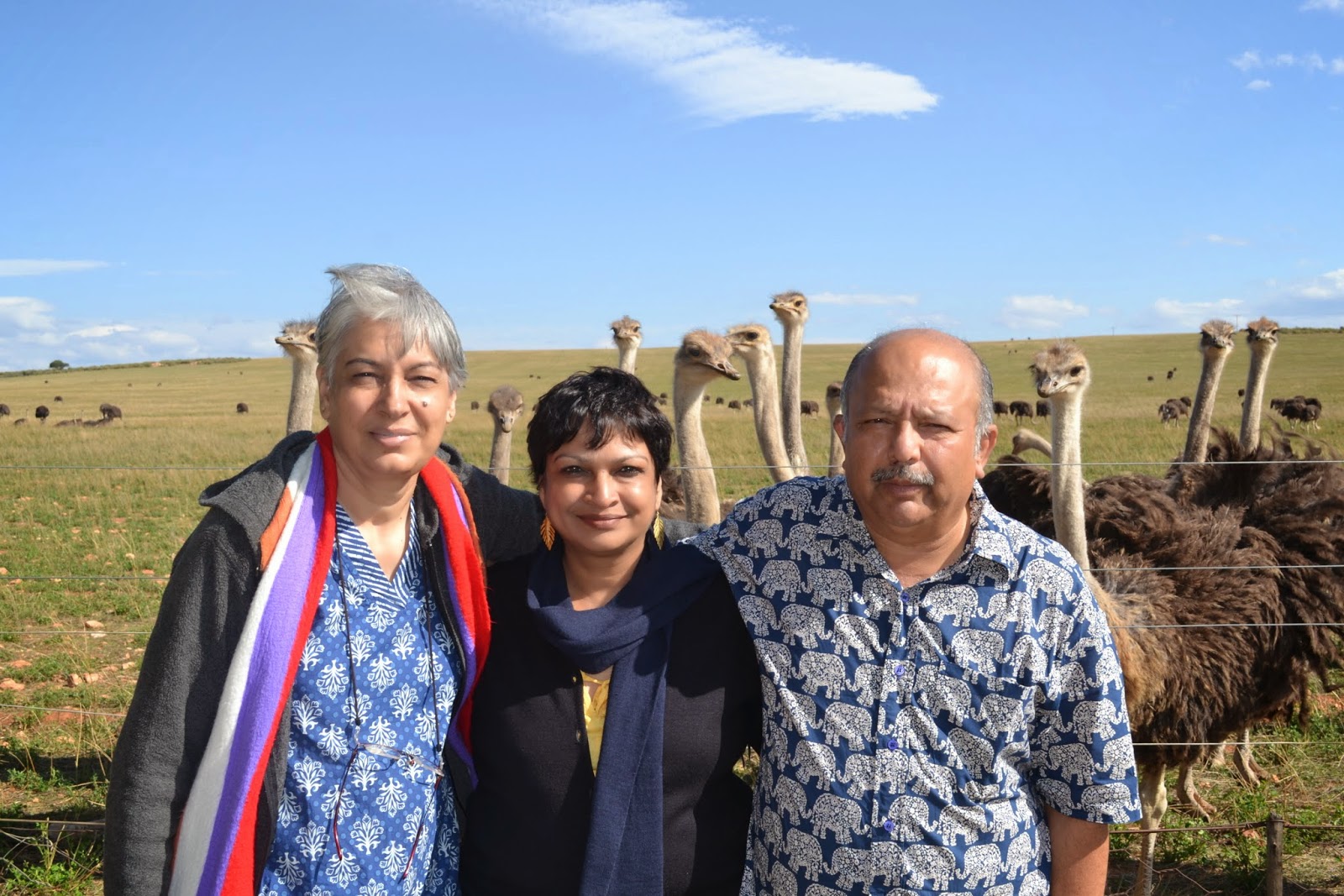
As you drive along the plains, you suddenly see the entire landscape full of Ostriches. For a first time visitor like us, the sighting is truly thrilling and one stops the car to take a closer look.
Welcoming Party

Very thrilled

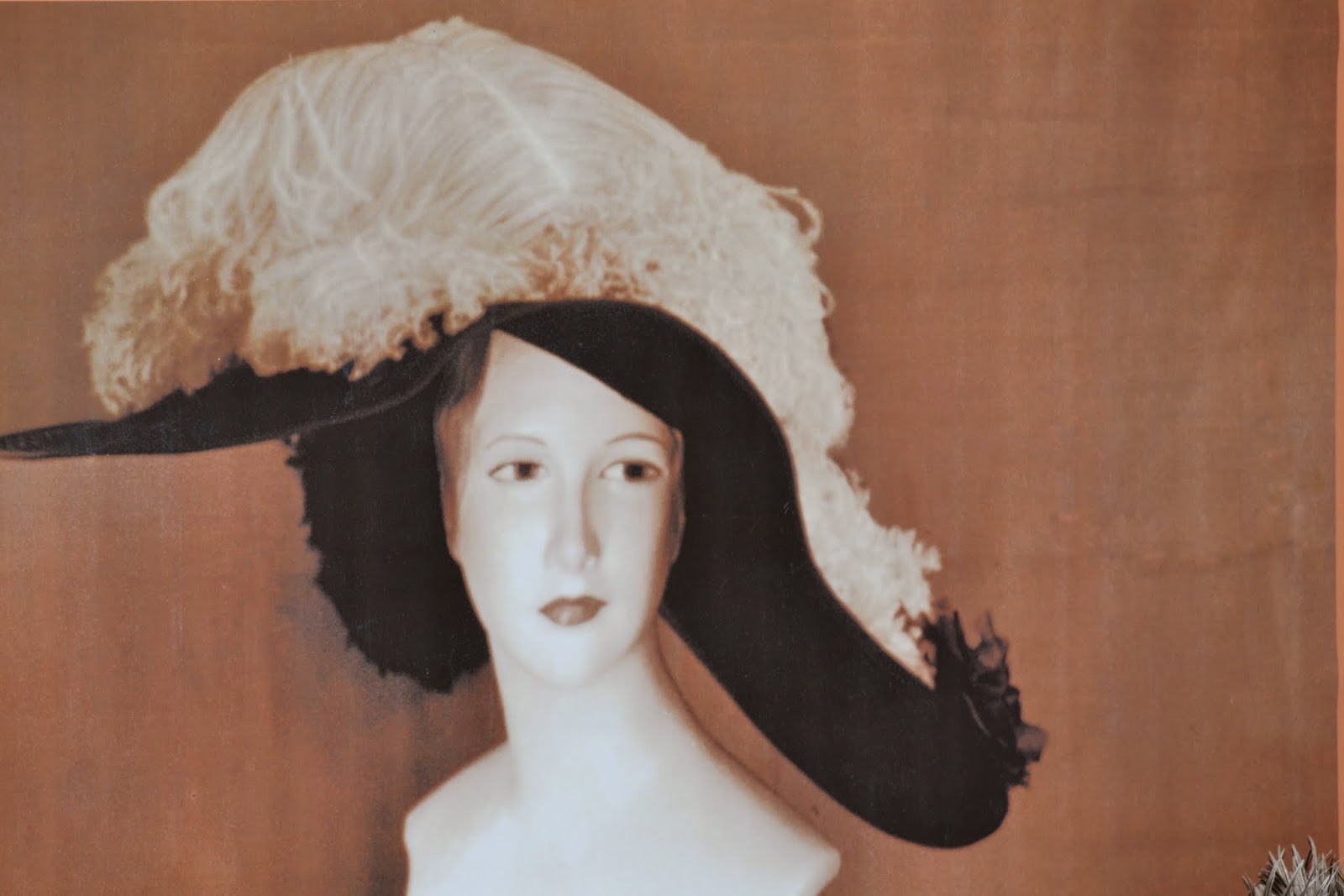
In the early 18th century, Ostrich feathers become extremely popular as fashion accessories in Europe; they were especially popular for use on hats. This resulted in a large number of farmers taking to Ostrich farming over other agricultural products. Over a period of time it has gained popularity for its lean and healthy meat.

Feathers adorn the hat of royalty
Self and Kats had Ostrich steak. It is closer to beef in its texture and taste.
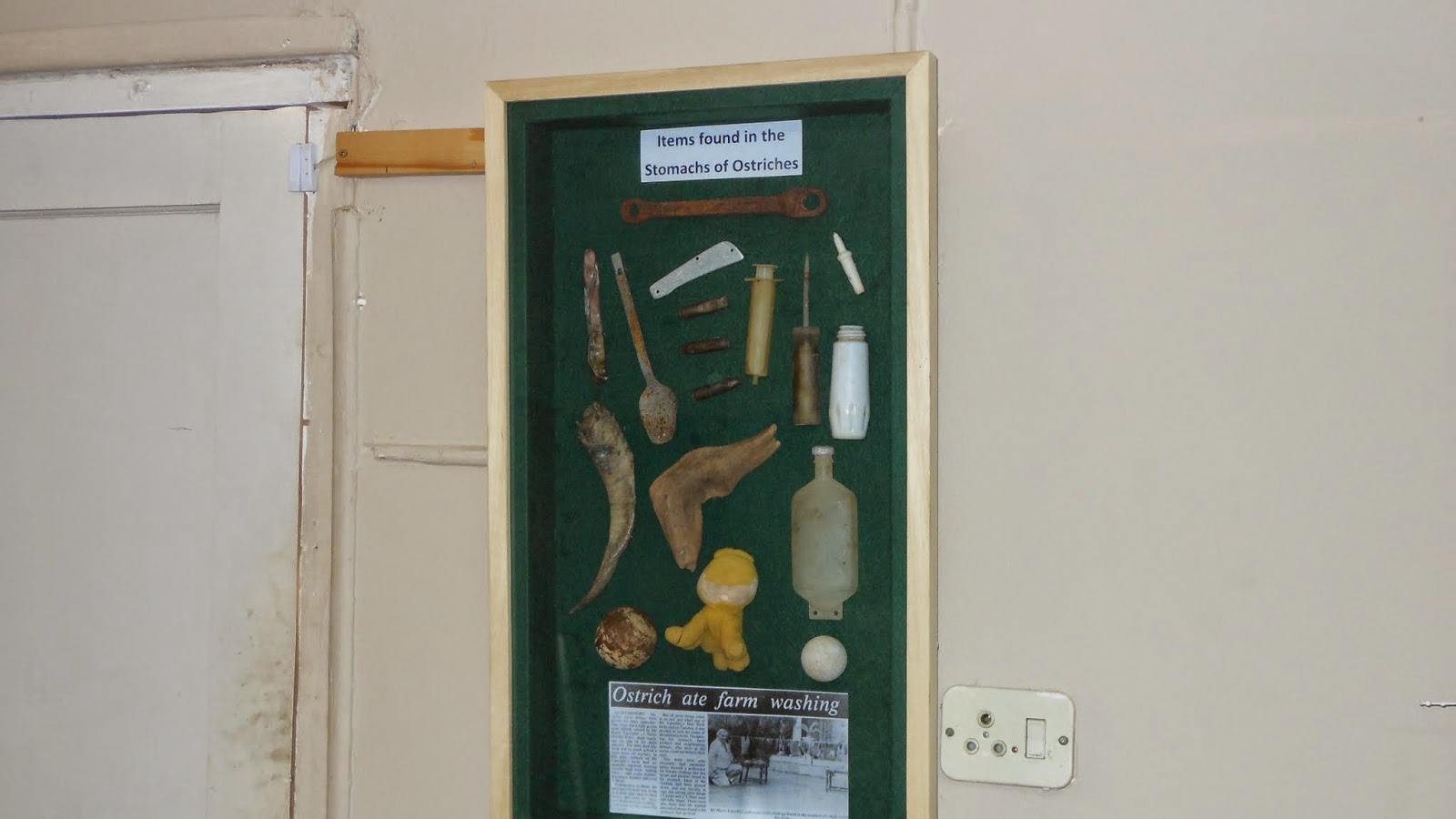
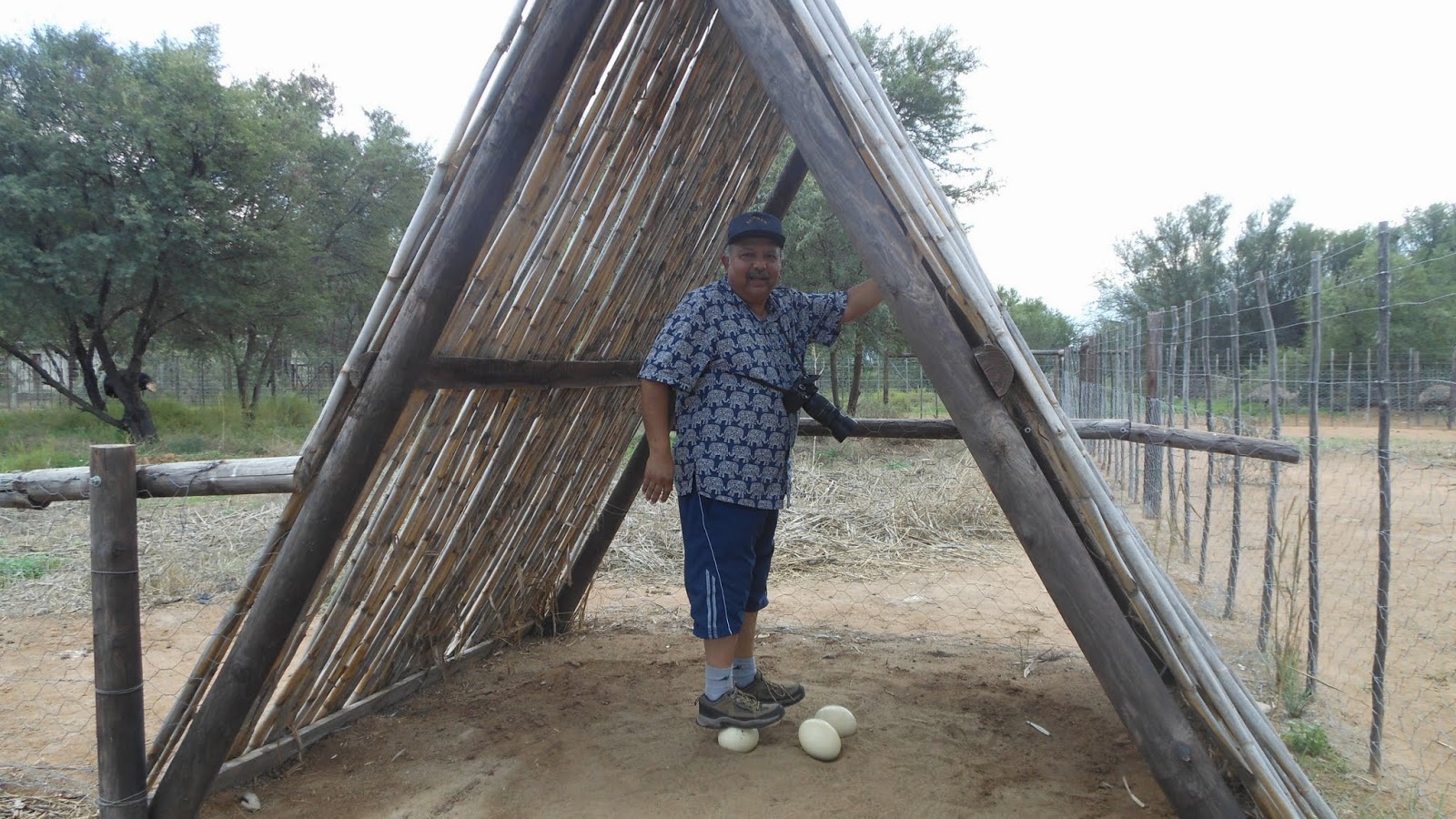
We spent some time on the farm with the guide telling us very interesting tidbits about Ostriches. In the earlier days people used to build an ‘Ostrich Palace’ made of feathers. Every year they send around 5 tons of feathers to Rio for the carnival! Ostrich eggs are the biggest eggs of any animal at an average of 3 pounds. Scrambled egg made out of one egg can feed up to 17 people. Ostriches have no teeth and they swallow stones to digest their food. They are known to eat a variety of items found on the ground including long spoons, horns, spanners, water bottles, a variety of nuts and bolts etc. 

Amazing diet
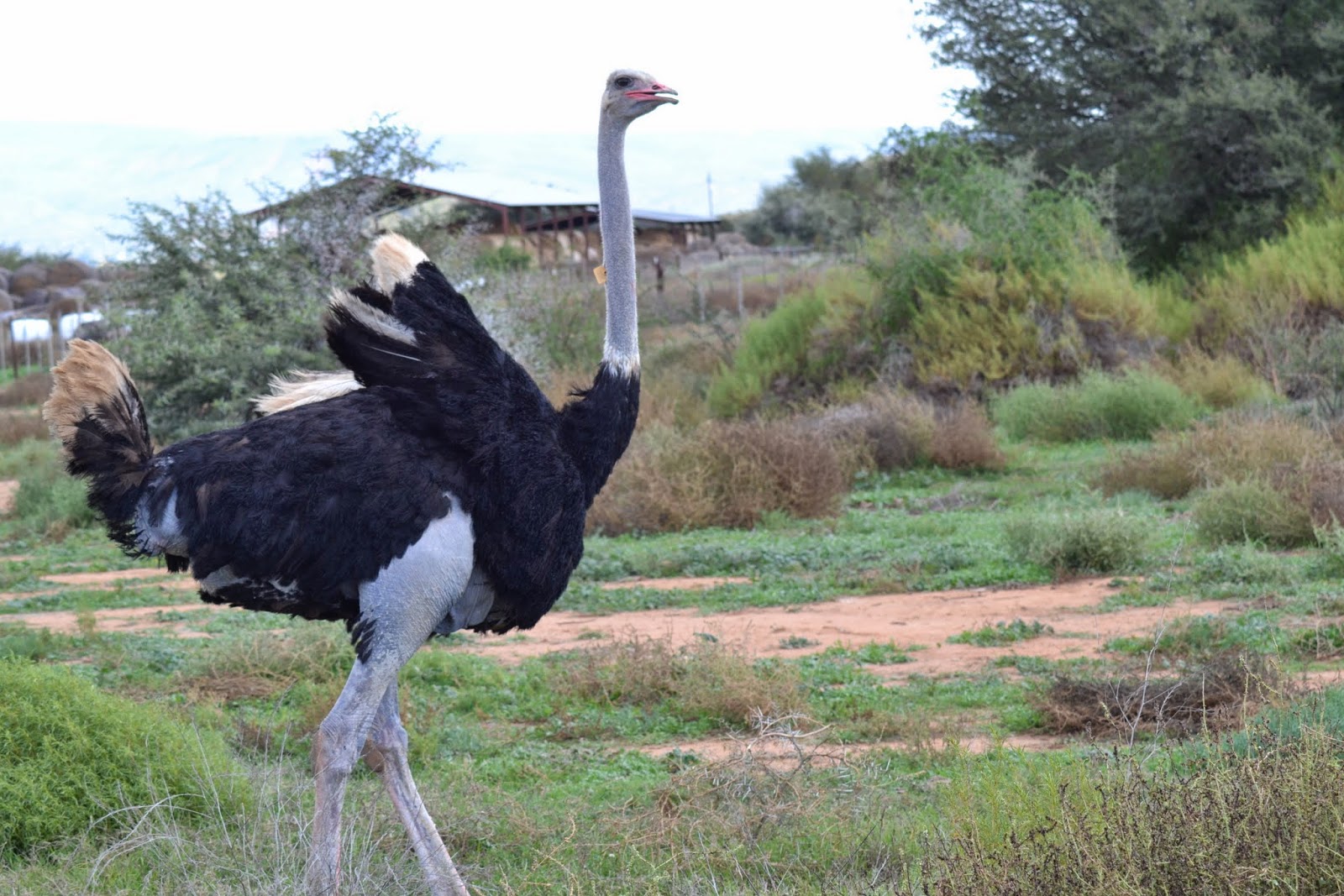
The ostrich usually weighs between 200 and 300 pounds and can grow up to 9 feet tall. The males have black feathers with some white on the underside and tail. The females are usually grey in color. An ostrich’s eyes can be nearly 2 inches in diameter giving them the largest eyes of any land animal. They are extremely protective of their eyes. The guides always carry a thorny bush stick to scare the ostrich if they become aggressive. Ostriches live off of whatever they can find to eat. This includes plants, insects, and small animals like lizards. They often live in herds with other ostriches.

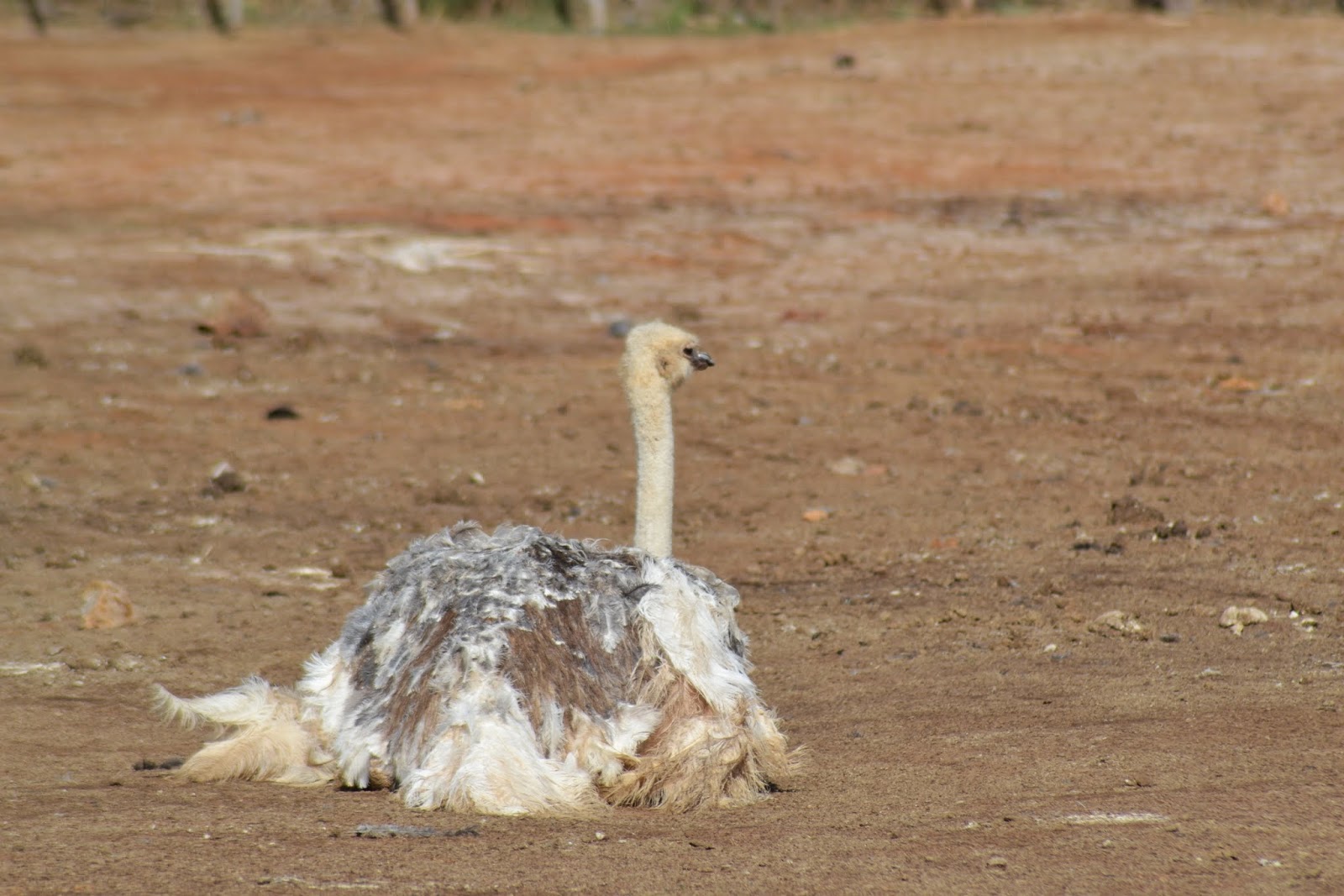
Female Incubating

Male Ostrich
We were advised to protect our cameras as they are known to make a go at them.

The Safari Ostrich Show Farm is spread over 1800 hectares and has 1200 birds. The birds live up to 60 human years. If one is bald like me – be wary of the ostrich. In all probability it will confuse your bald head to be one of its newly laid eggs and sit on it for 42 days incubating it (in vain, I might add) with a very puzzled ostrich patiently waiting for the outcome. J

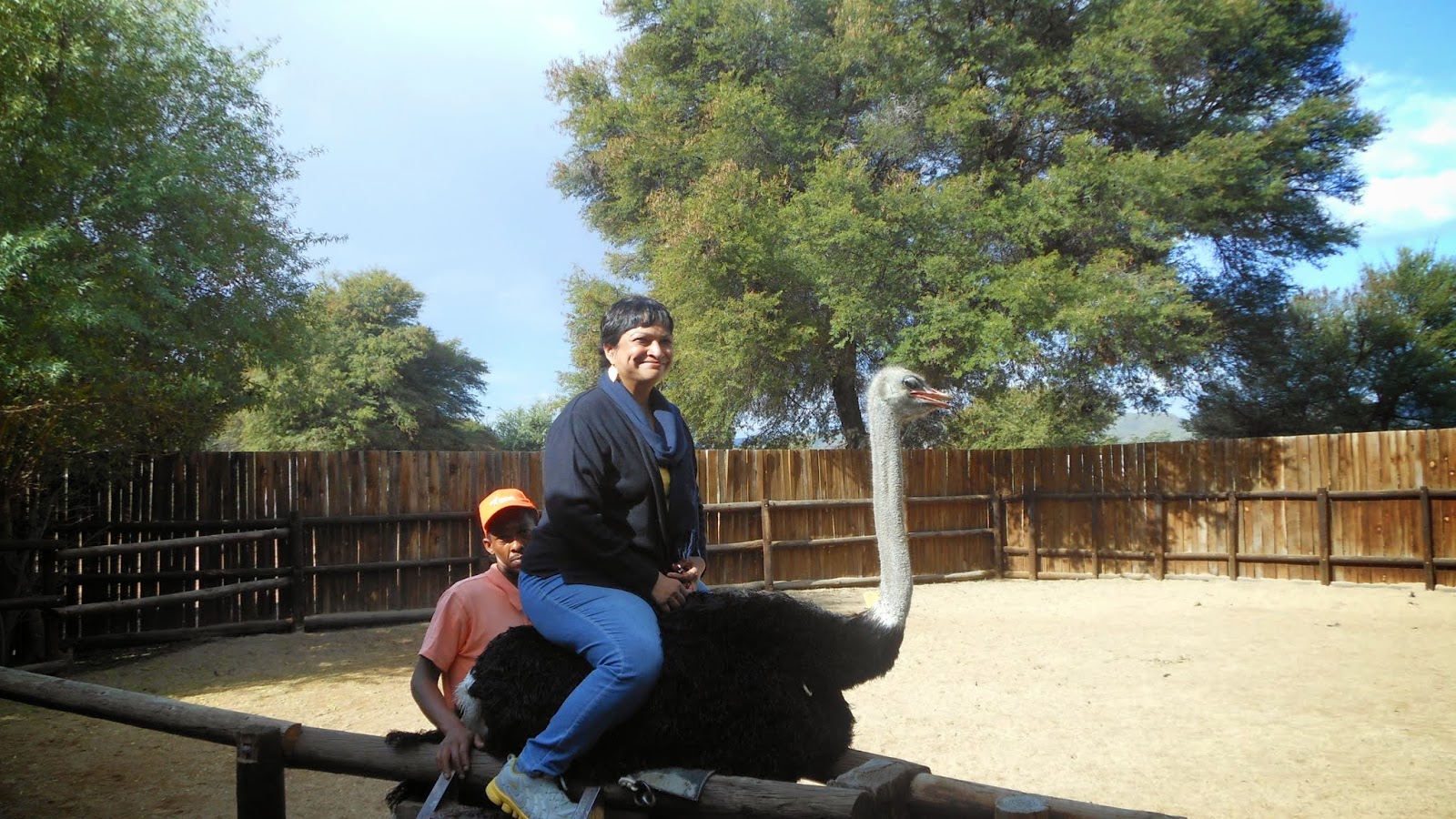
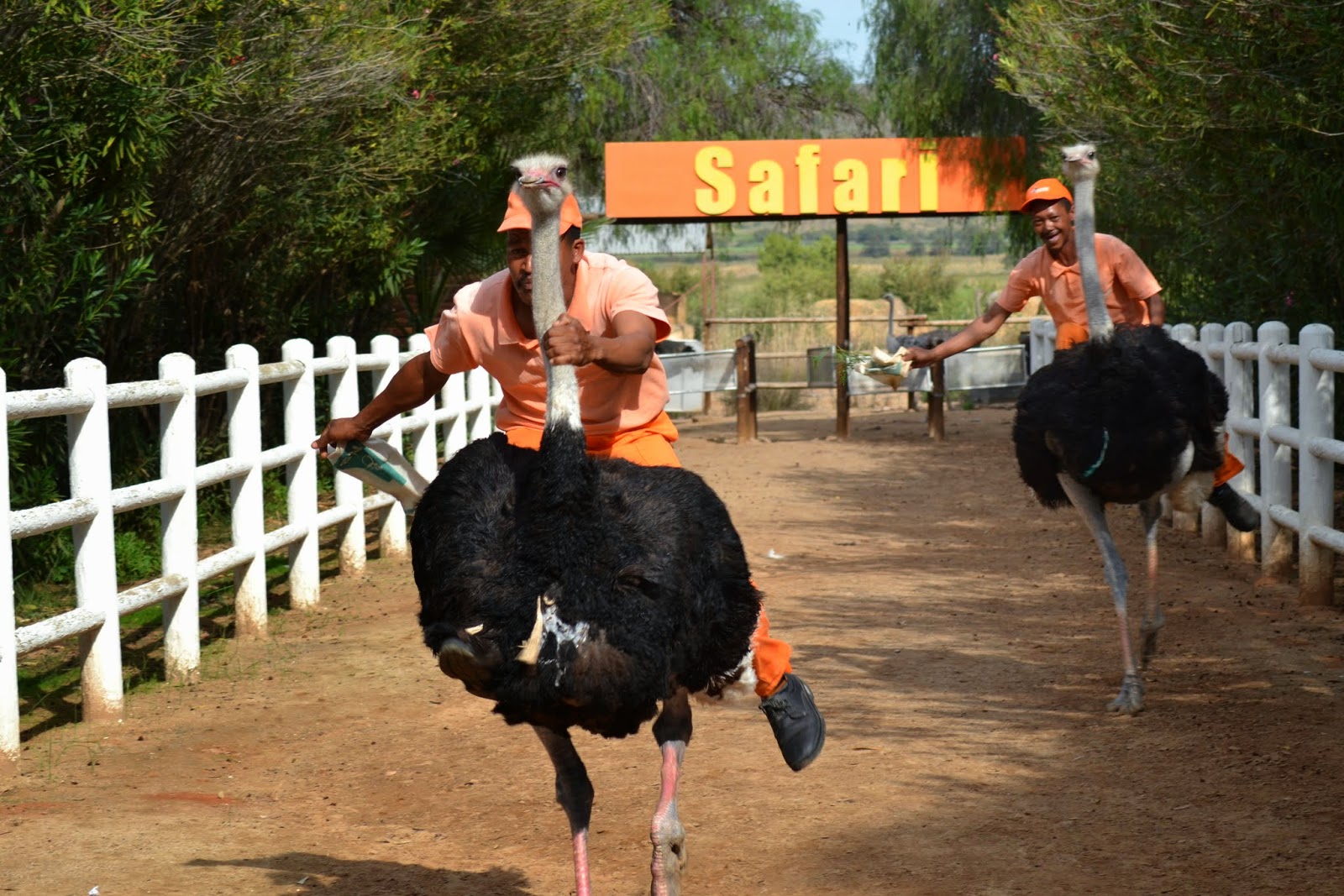
All of us got a chance to sit on an ostrich, stand on its egg (that’s how lightweight we are or how strong the egg is; take your pick) and see an ostrich race with the jockeys clinging on for dear life! We spent a very interesting morning.

Ride of a lifetime

Some heavy weight
Ostrich racing by the staff
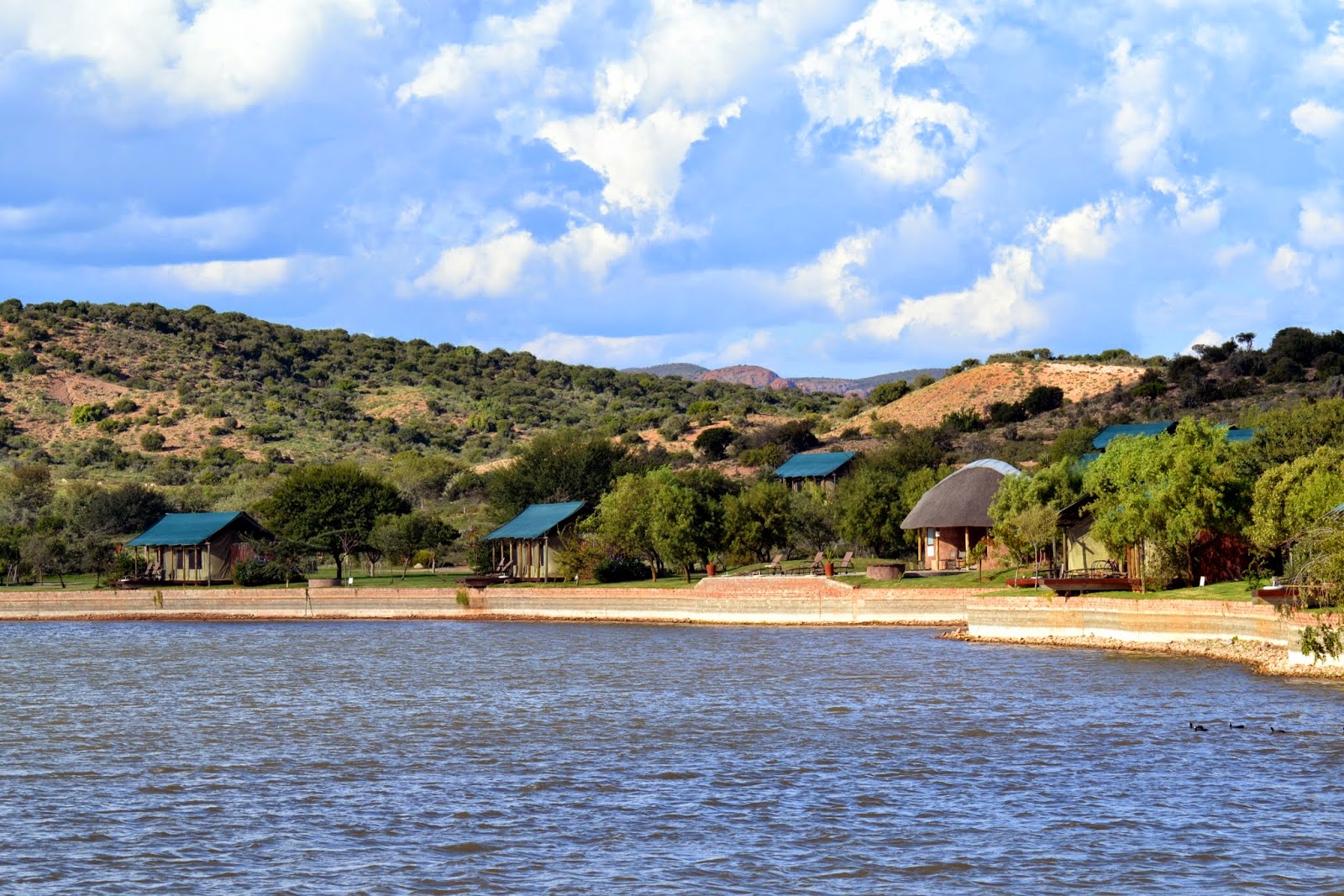
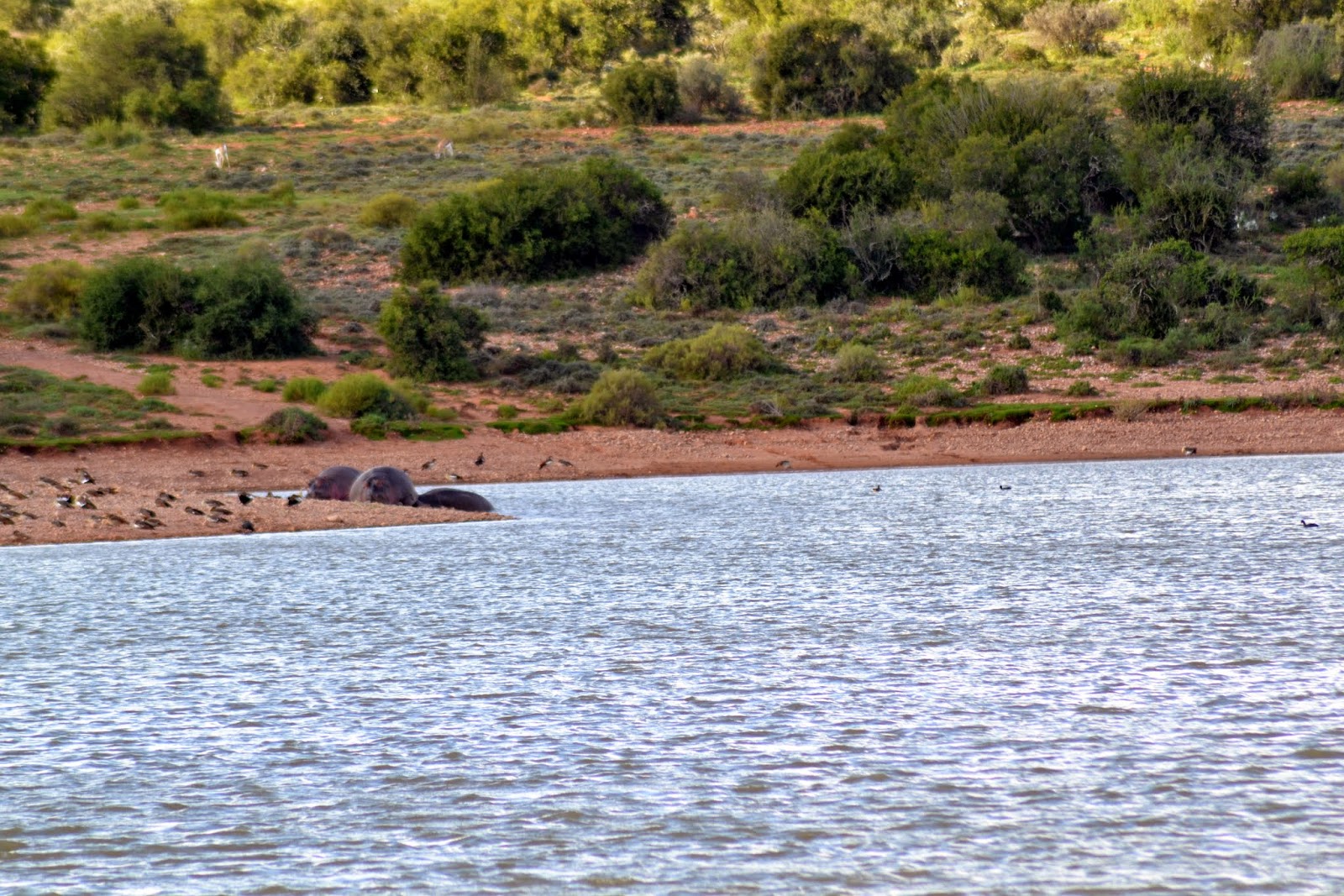
In the late afternoon, we visited ‘Buffelsdrift’ restaurant, located on ‘5 ha dam’ waterfront. The restaurant is on stilts. To add to the grand picture, the waters below support a herd of Hippopotamuses (or hippopotami whatever suits you).

View of the shacks

Nile Hippos at the far end 800 to 1000 Kg
Another view

As we finished lunch, heavy and blinding rain started lashing at us. We had to cancel our visit to ‘Cango Caves, and return home. The Cango Caves are a series of dripstone caverns that open into vast halls of towering stalagmite formations.

Final view of Knysna from our terrace
09 May 2014 – Cango Wildlife Ranch

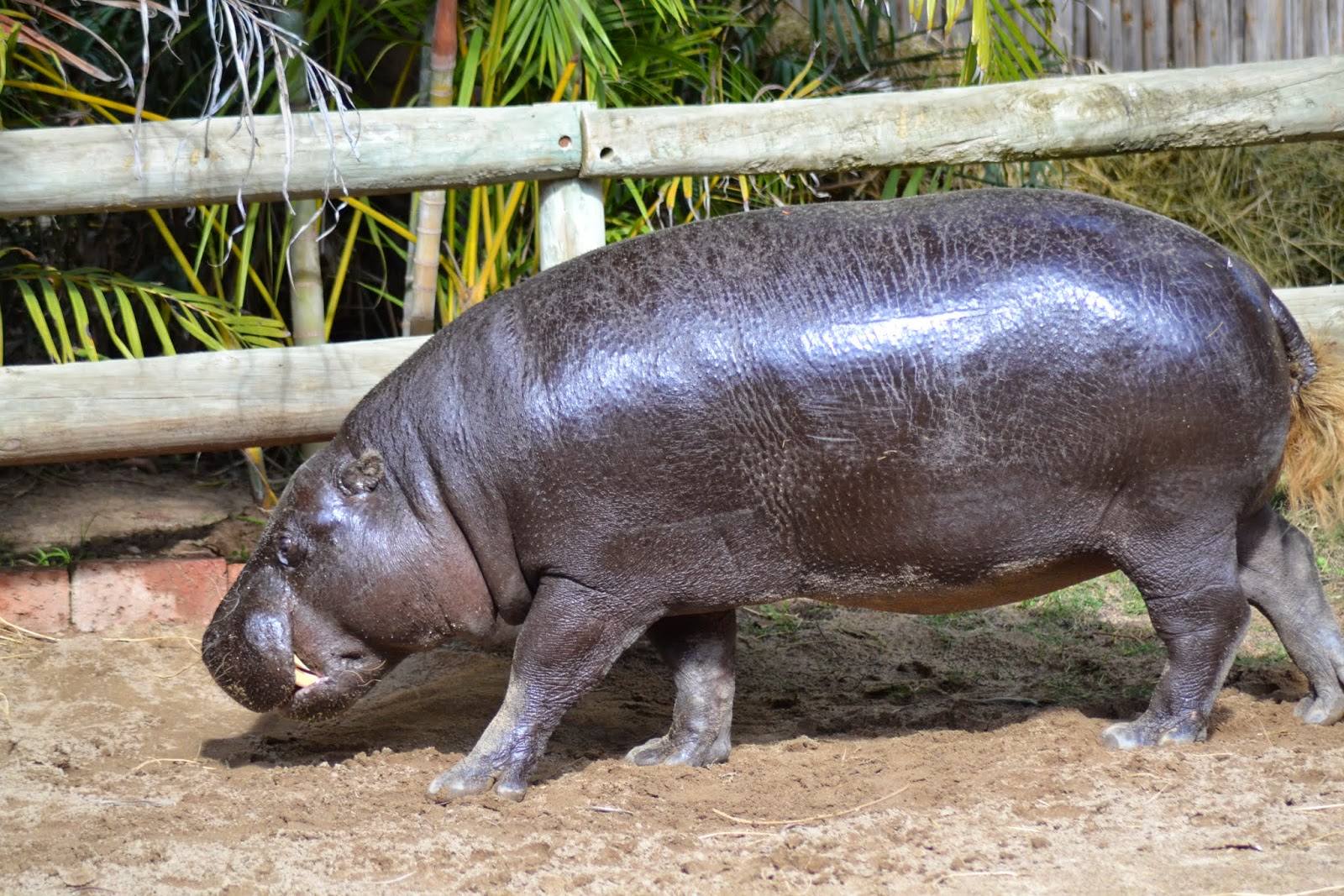
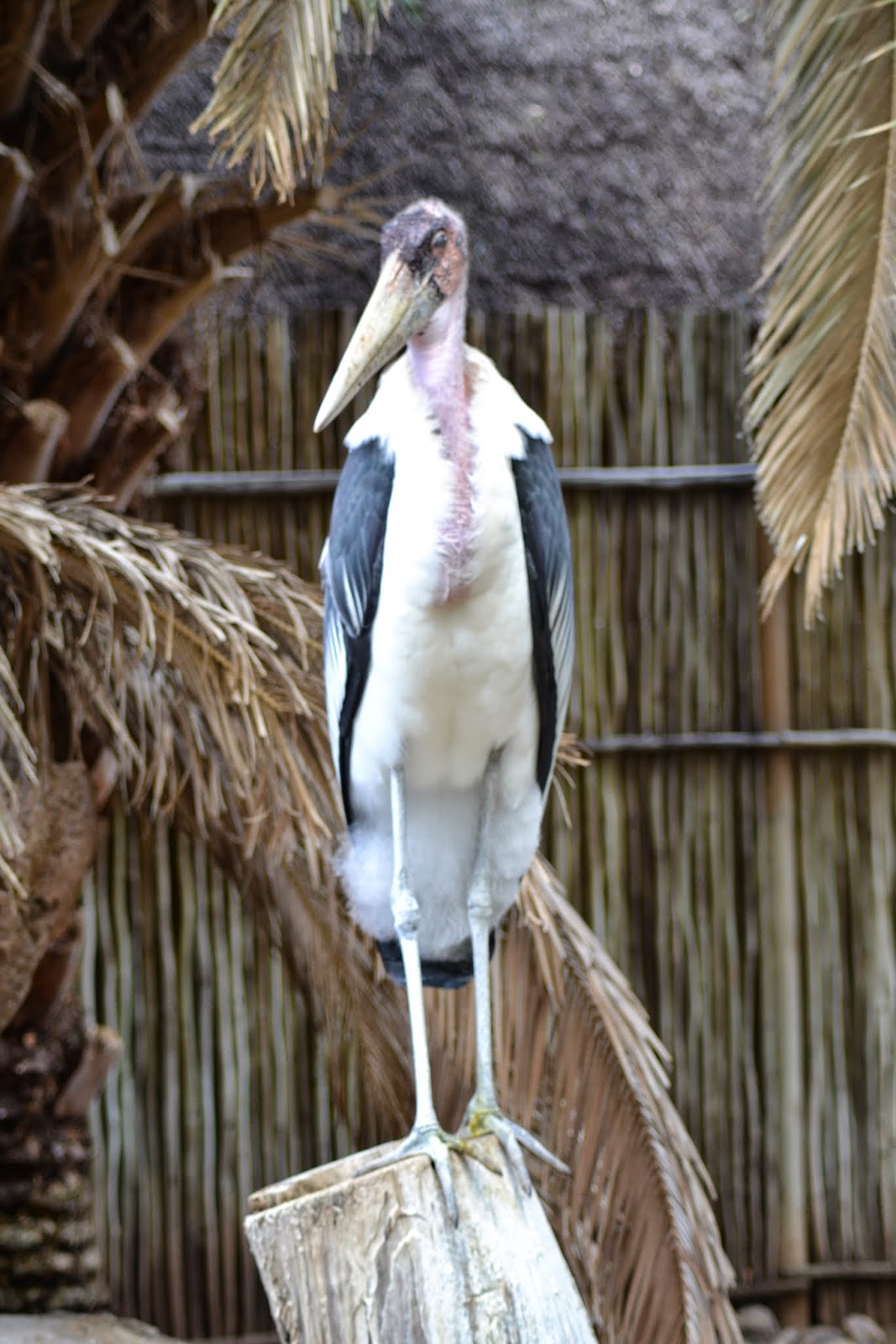
We drove down to Cango Wildlife Ranch situated 3 km north of the town of Oudtshoorn. A very well maintained zoo, set up with the aim of protecting endangered species. It is home to Trumpeters, Flying Foxes, Red River Hogs, Designer Pigs, African Bush Pigs, Cape Vulture, Ring Tailed Lemurs, Greater Flamingo, Nile Crocodiles, Pigmy Hippos, Spotted Necked Otters, Marabou Stork, Corvettes, Cheetahs, Leopard, Tortoise, White Tigers and many more.
Our visit to the zoo was a very satisfying experience.

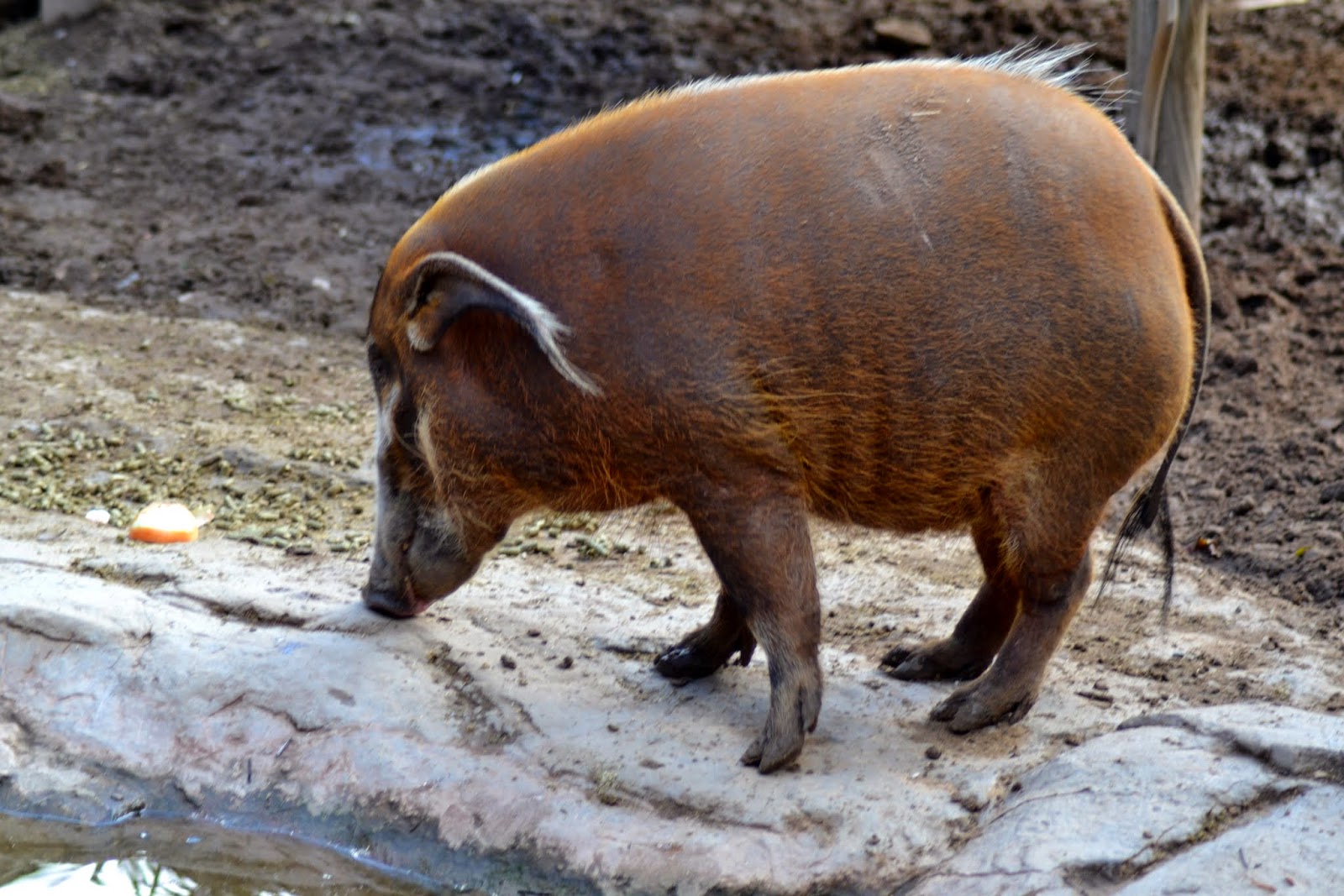
Red River Hog

Pygmy Hippos – 280 Kg

Marabou Stork

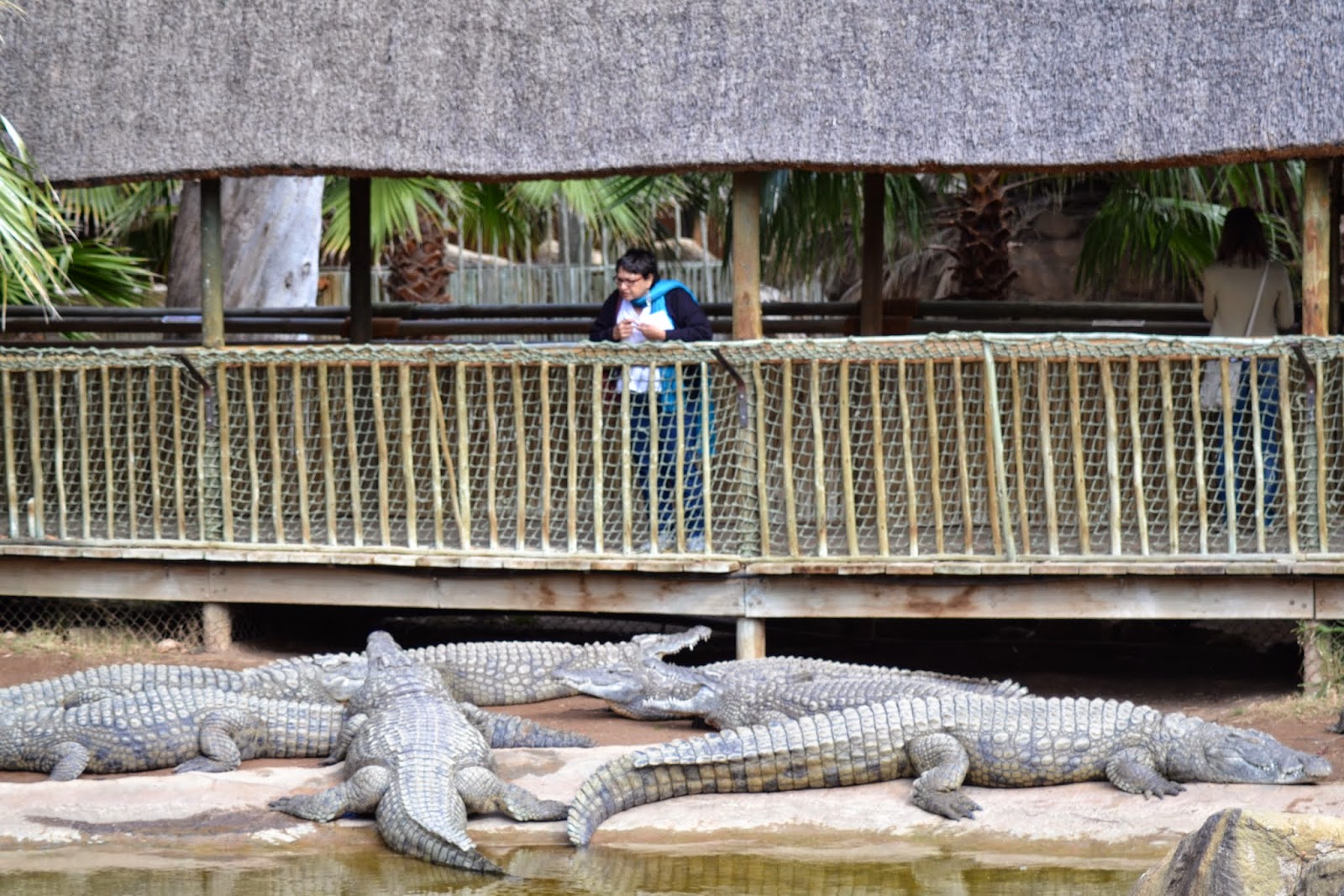
Nile Crocodiles

Most elusive cat – Cheetah

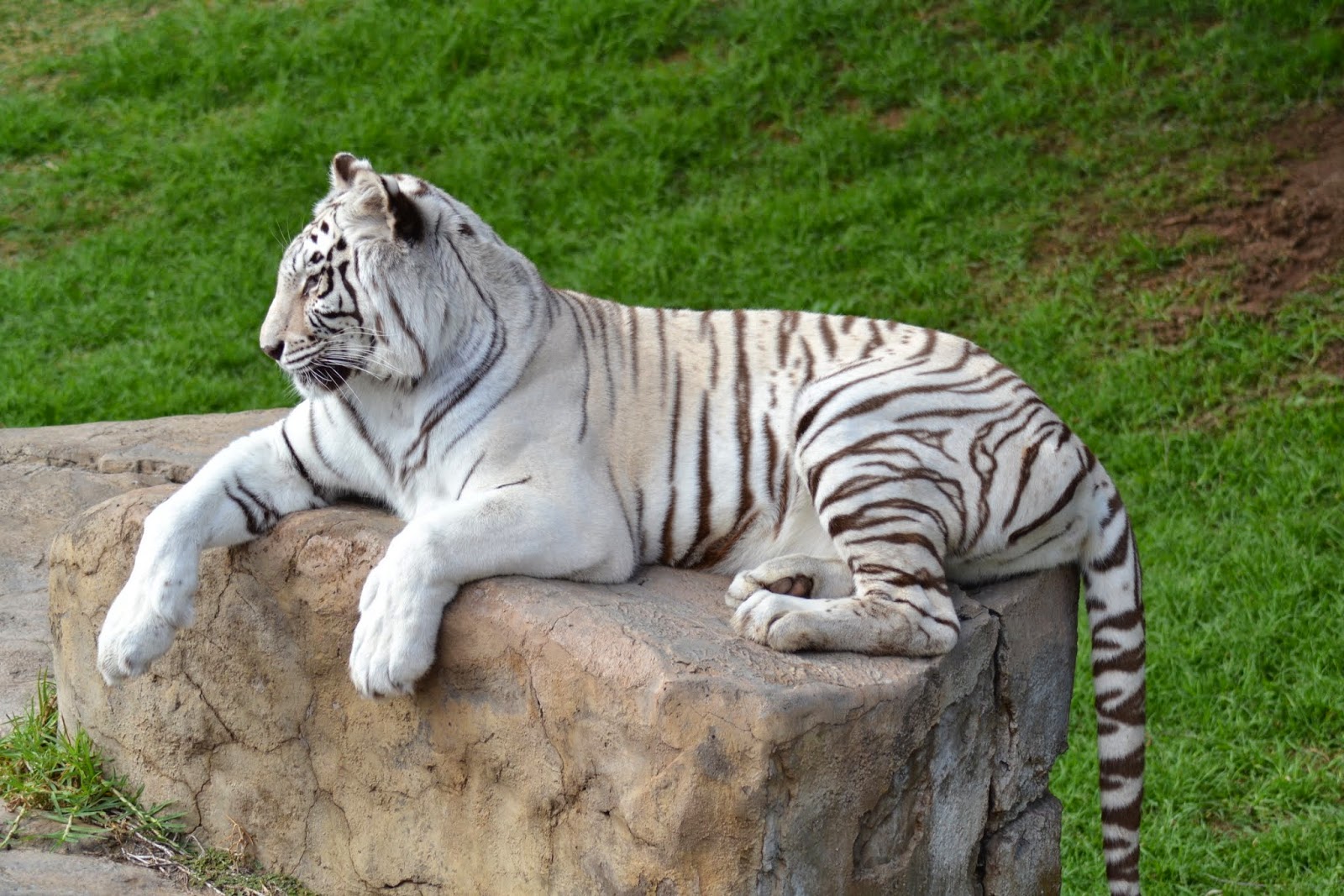
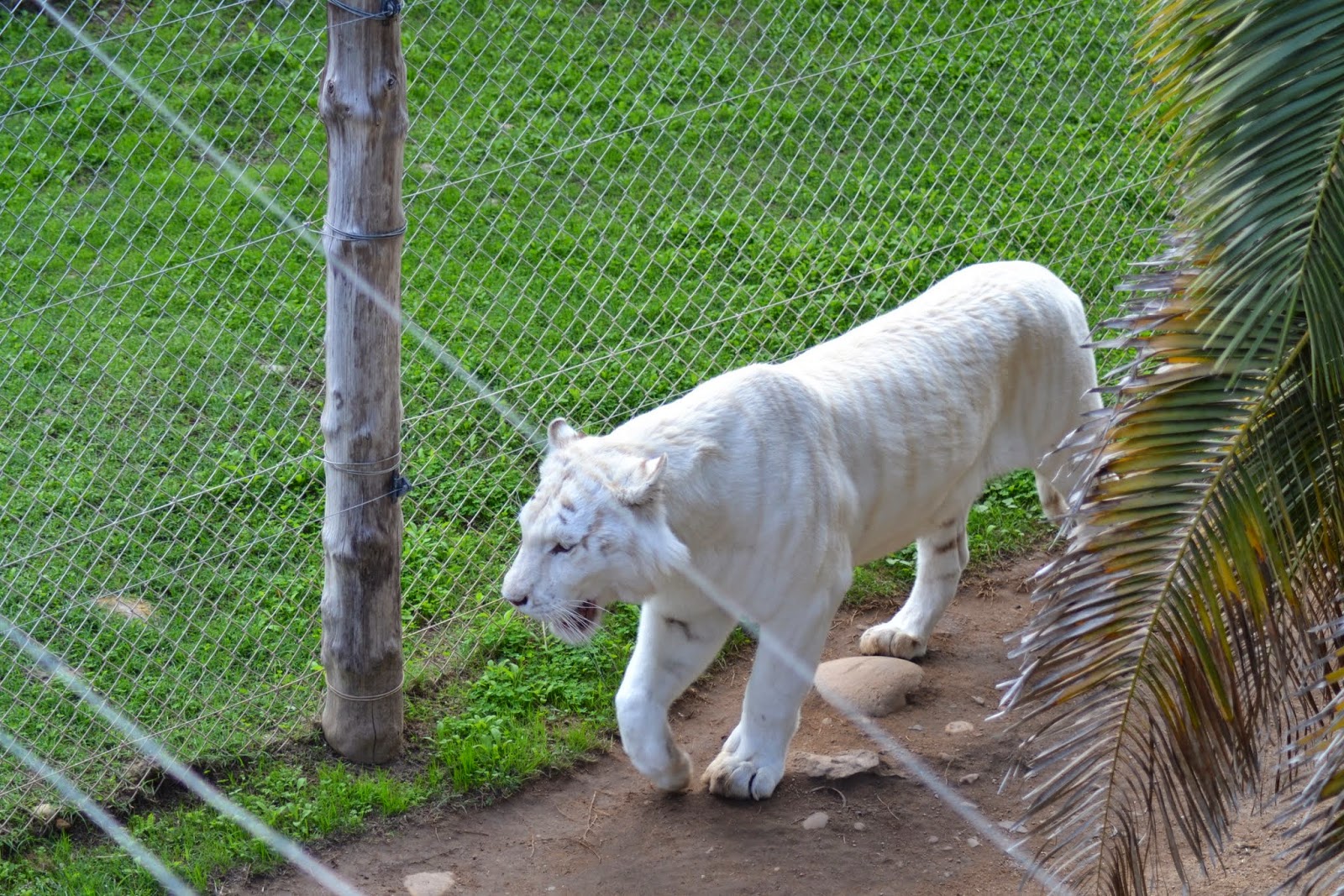
White Bengal Tiger

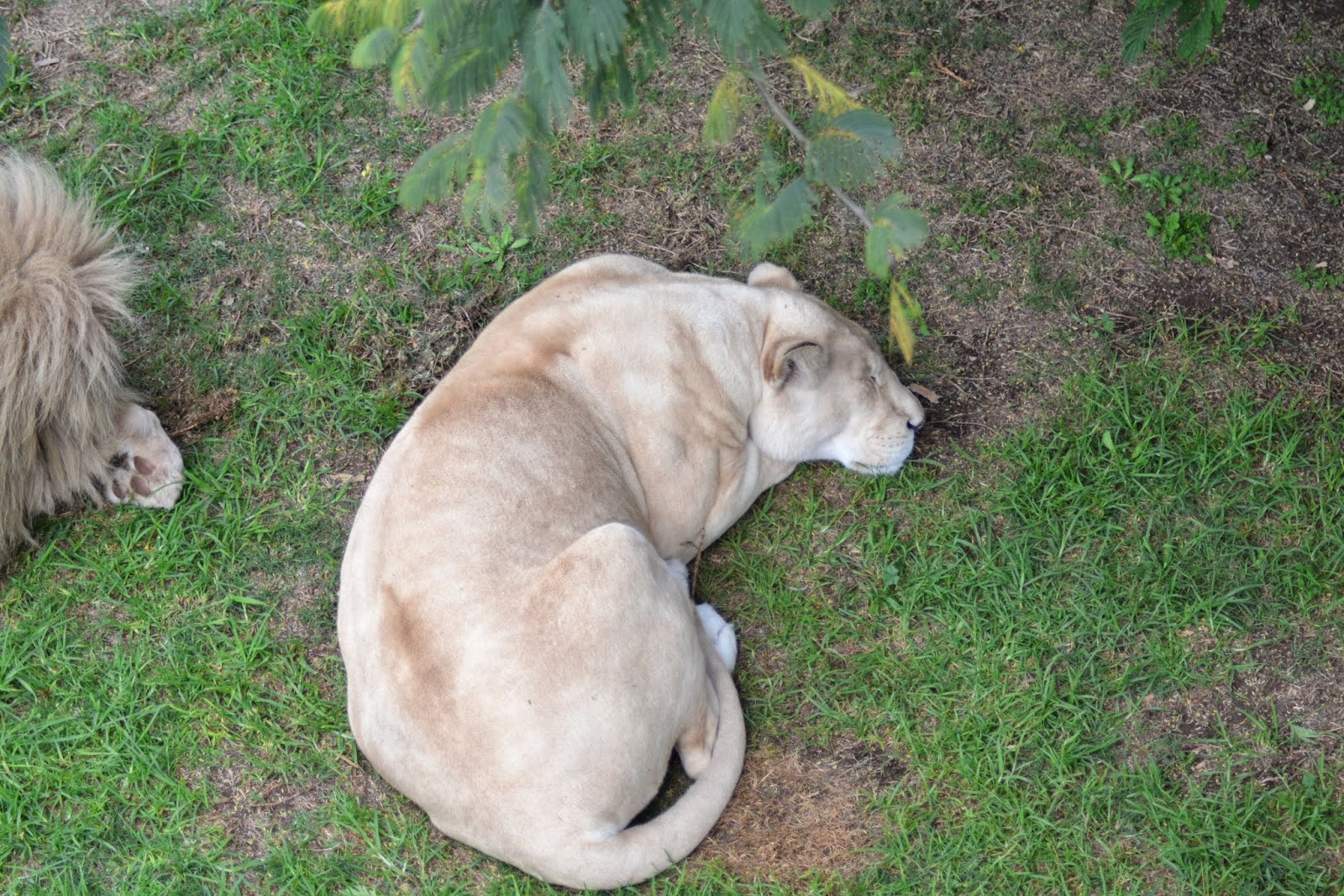
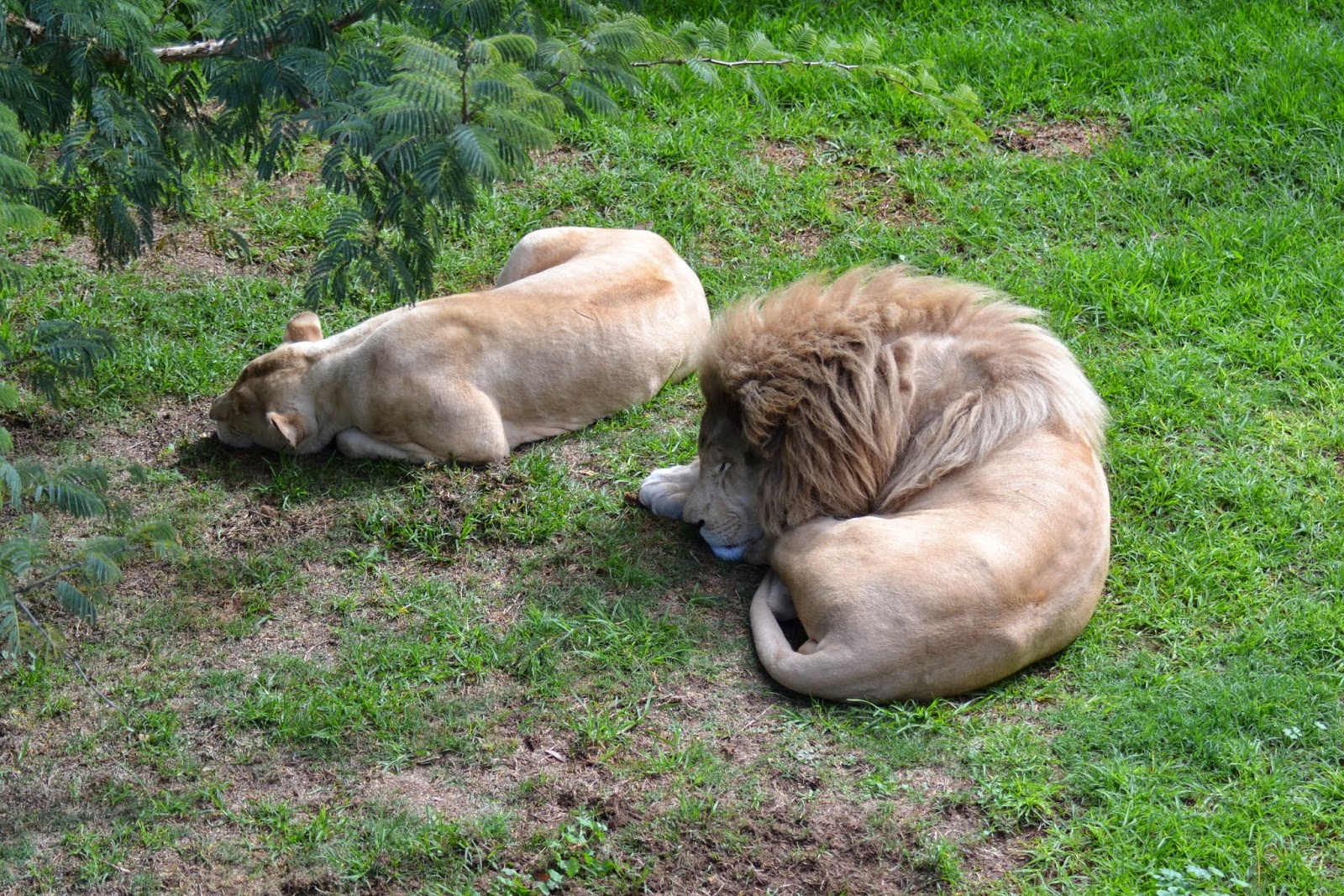
White Lioness Resting

The king and his consort

Albino out on a stroll

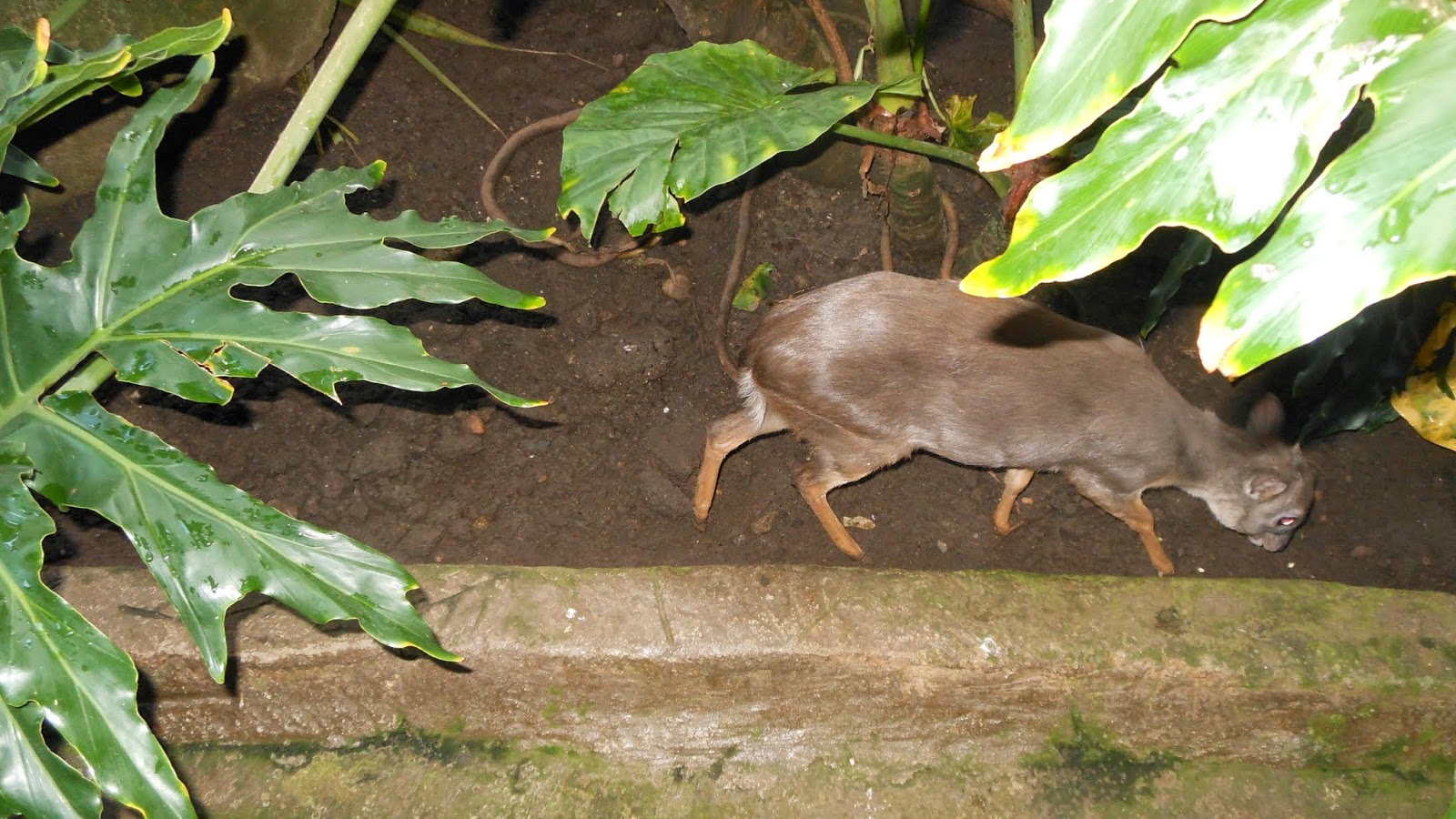
Blue Duiker

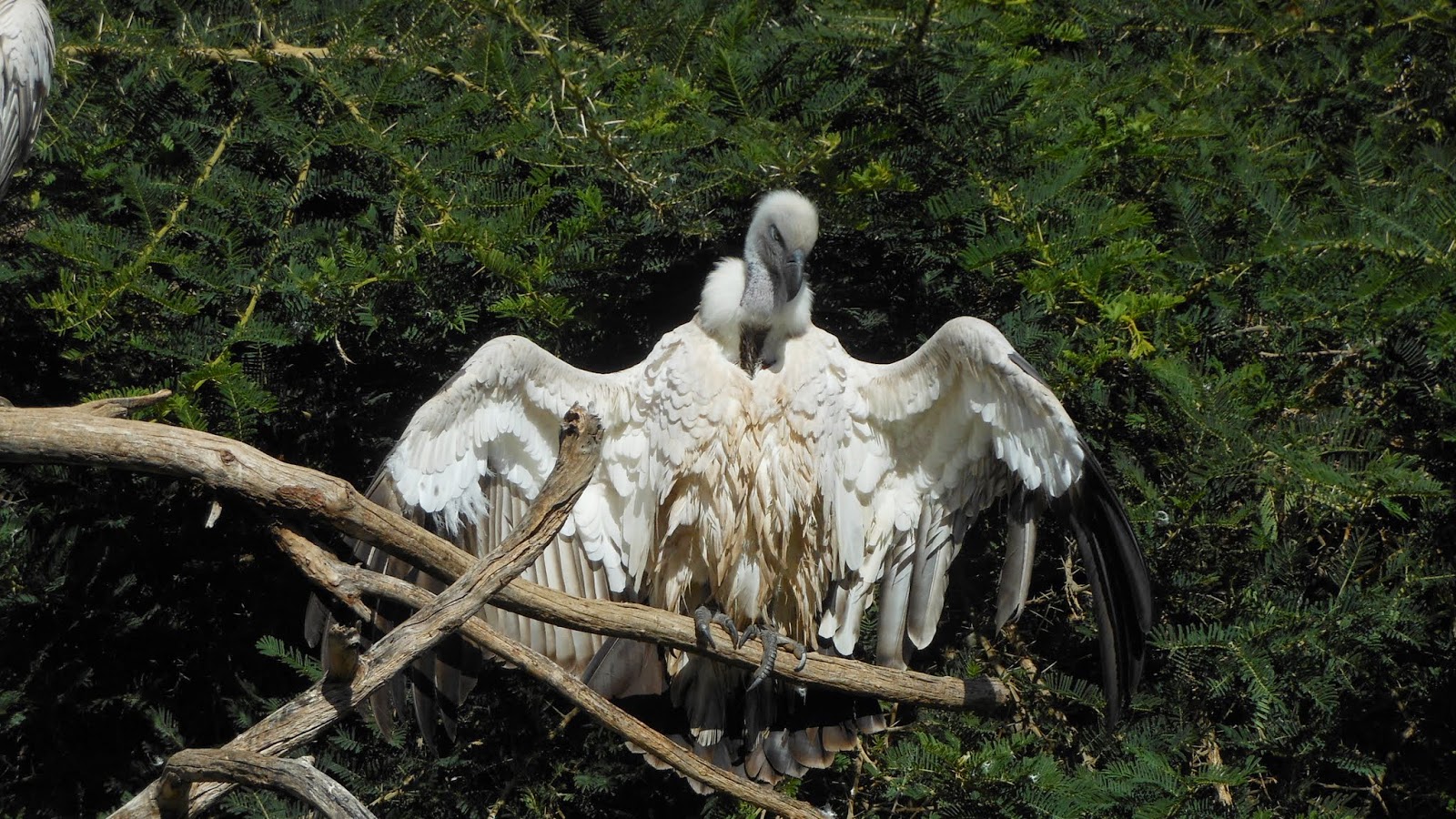
Cape Vulture

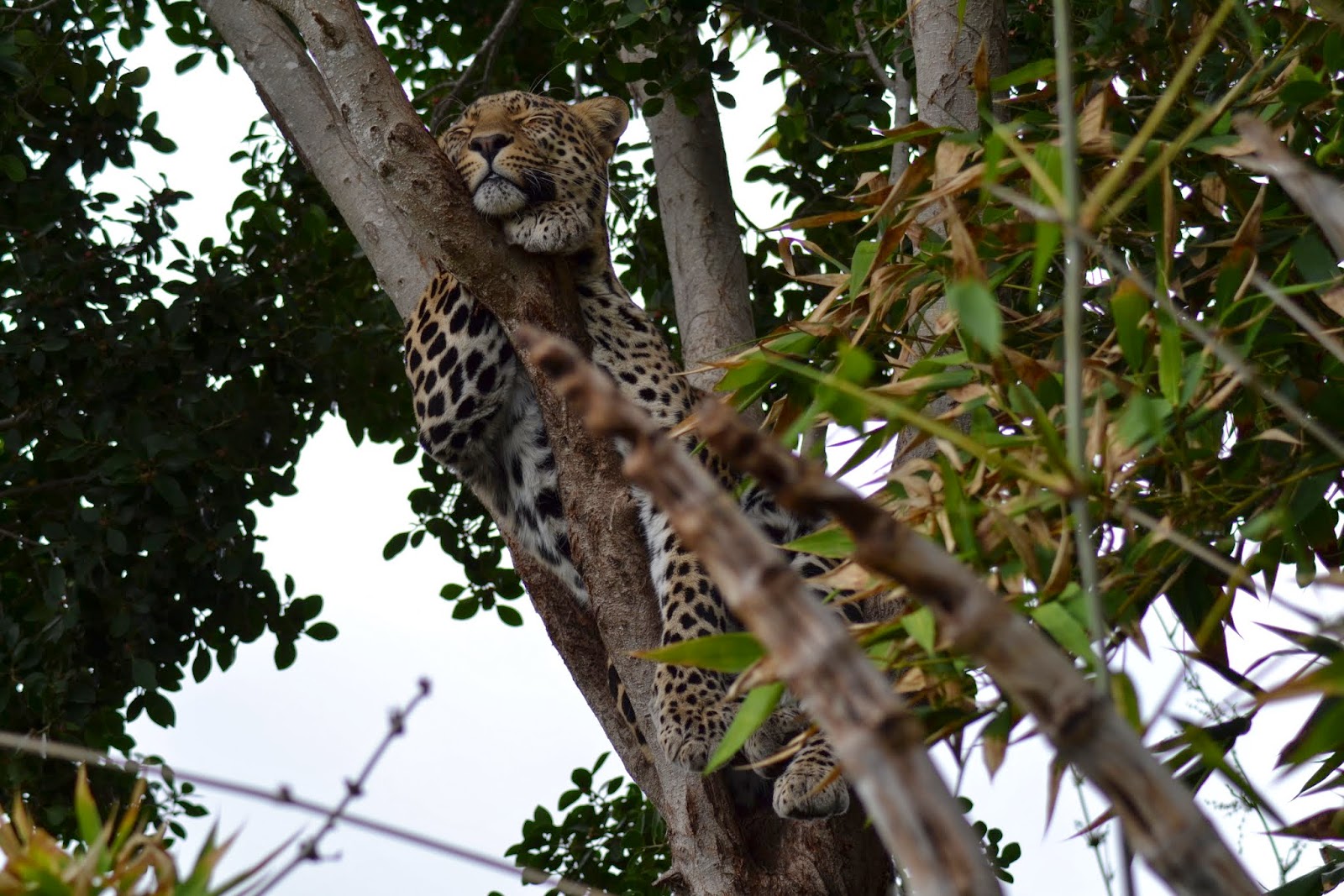
Spot the cat

 Later that day, we made one more attempt to visit the Cango Caves; unfortunately the cave was closed due to an accident.


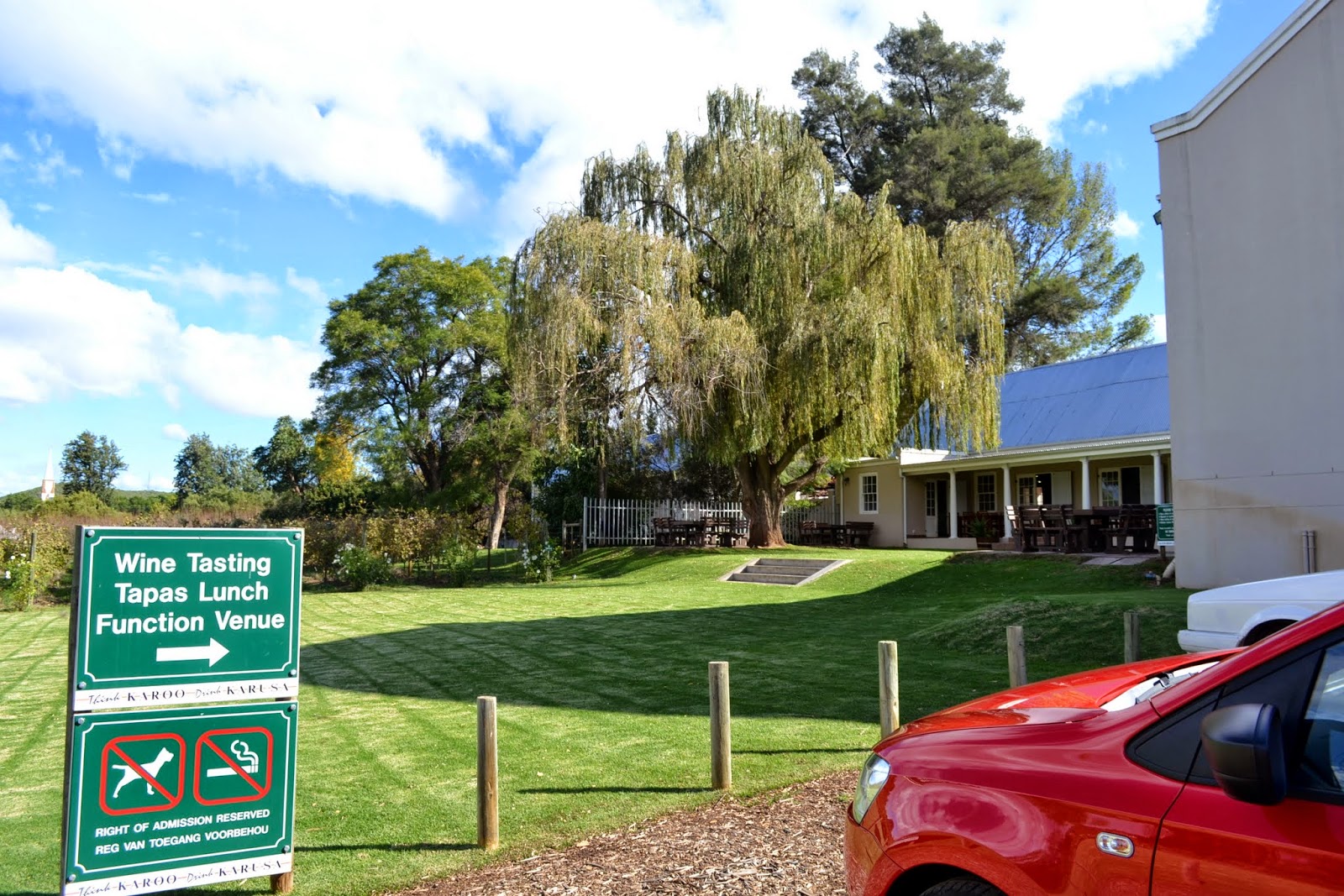
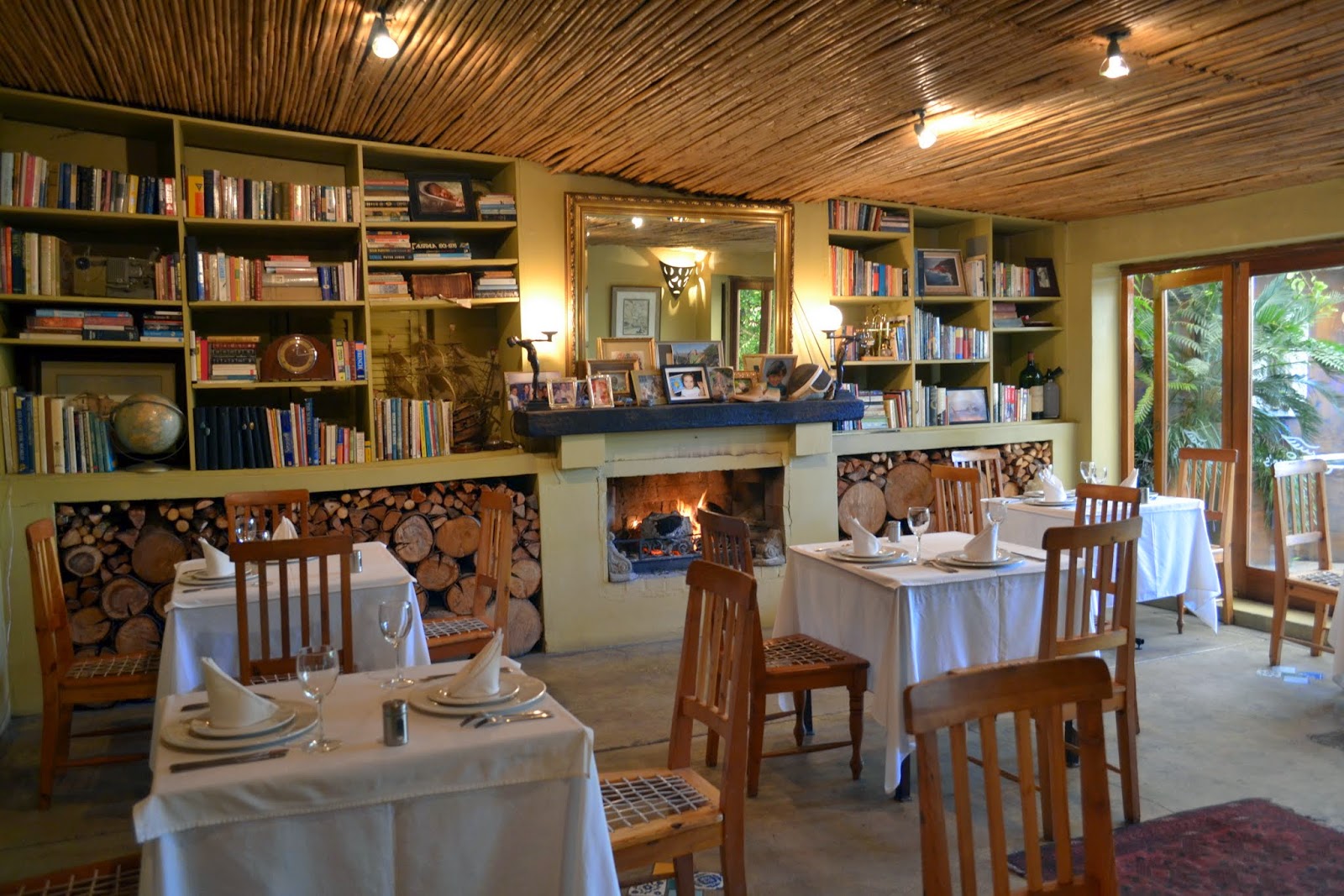
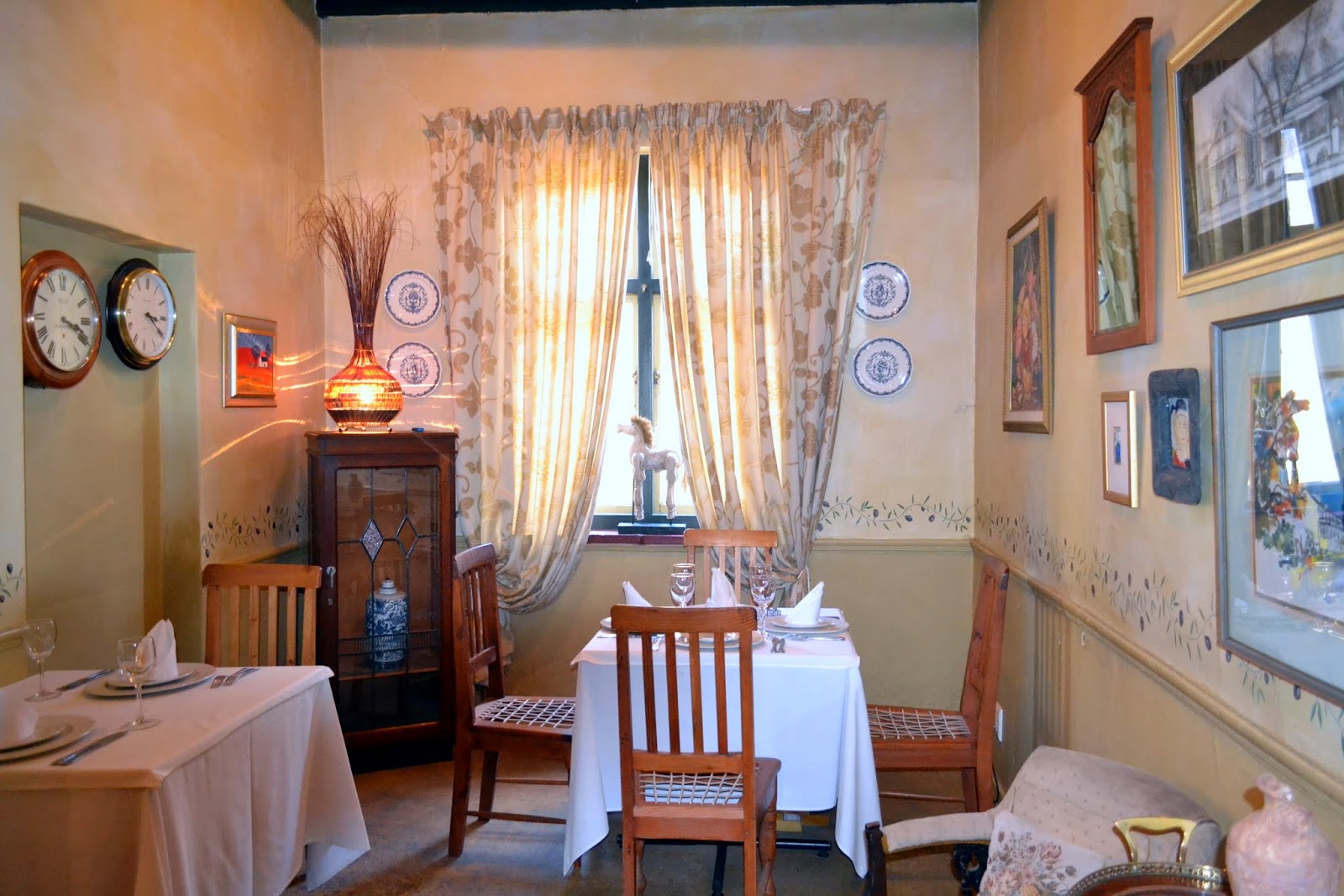
On the way back we went to do a bit of wine tasting. We had a tasty lunch in a very up market restaurant called ‘Jemima’s in Oudtshoorn. The place is really worth seeing as the owner has tried to maintain the feel of a private home while catering to the public.


At the vineyard

Fascinating interiors – Jemima’s

Private Room 
Photo op
Very contended

We ended our trip to Knysna on a very satisfying note.

Knysna – 07 May 2014 – Monkey Land and Birds of Eden

Knysna is a small town with a population of 52 thousand people. It is a very popular tourist destination and attracts people all round the year. Knysna is one of the Garden Route’s best known travel destinations and was named one of the Top 100 Destinations in the World in Trip Advisor. The city has an excellent waterfront bustling with tourists in the evenings. There are a number of attractions around Knysna.


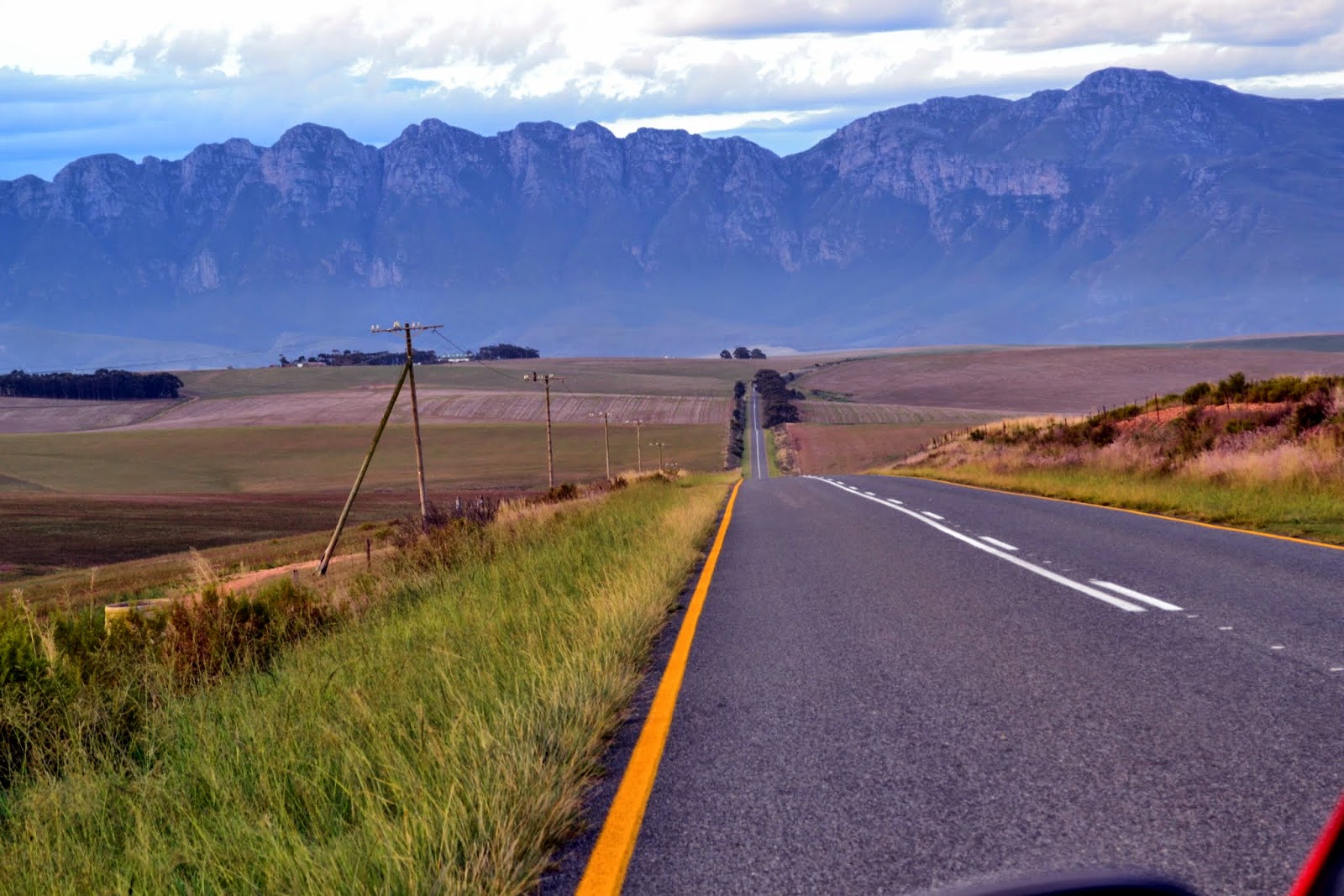
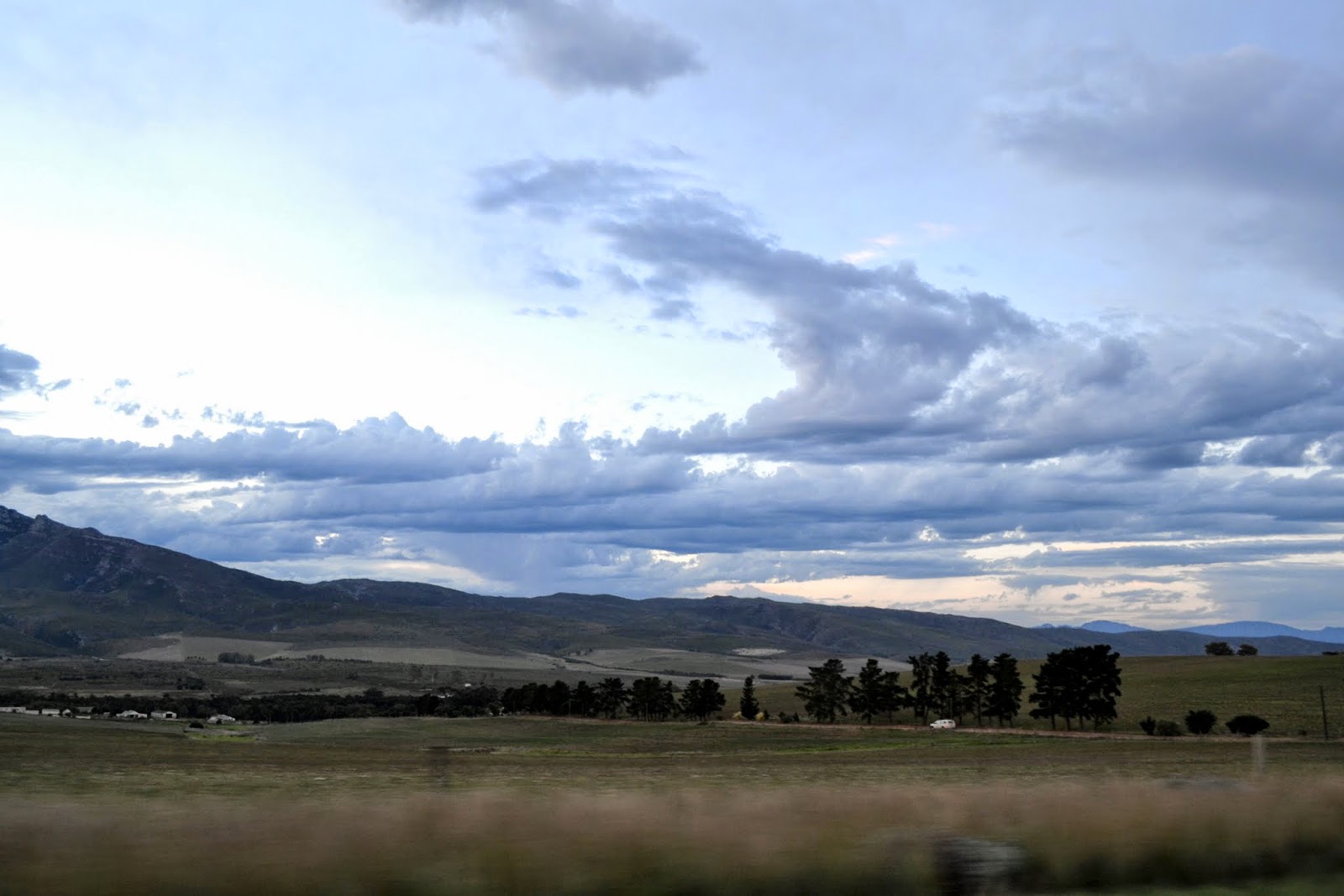
Typical Highway – Desolate
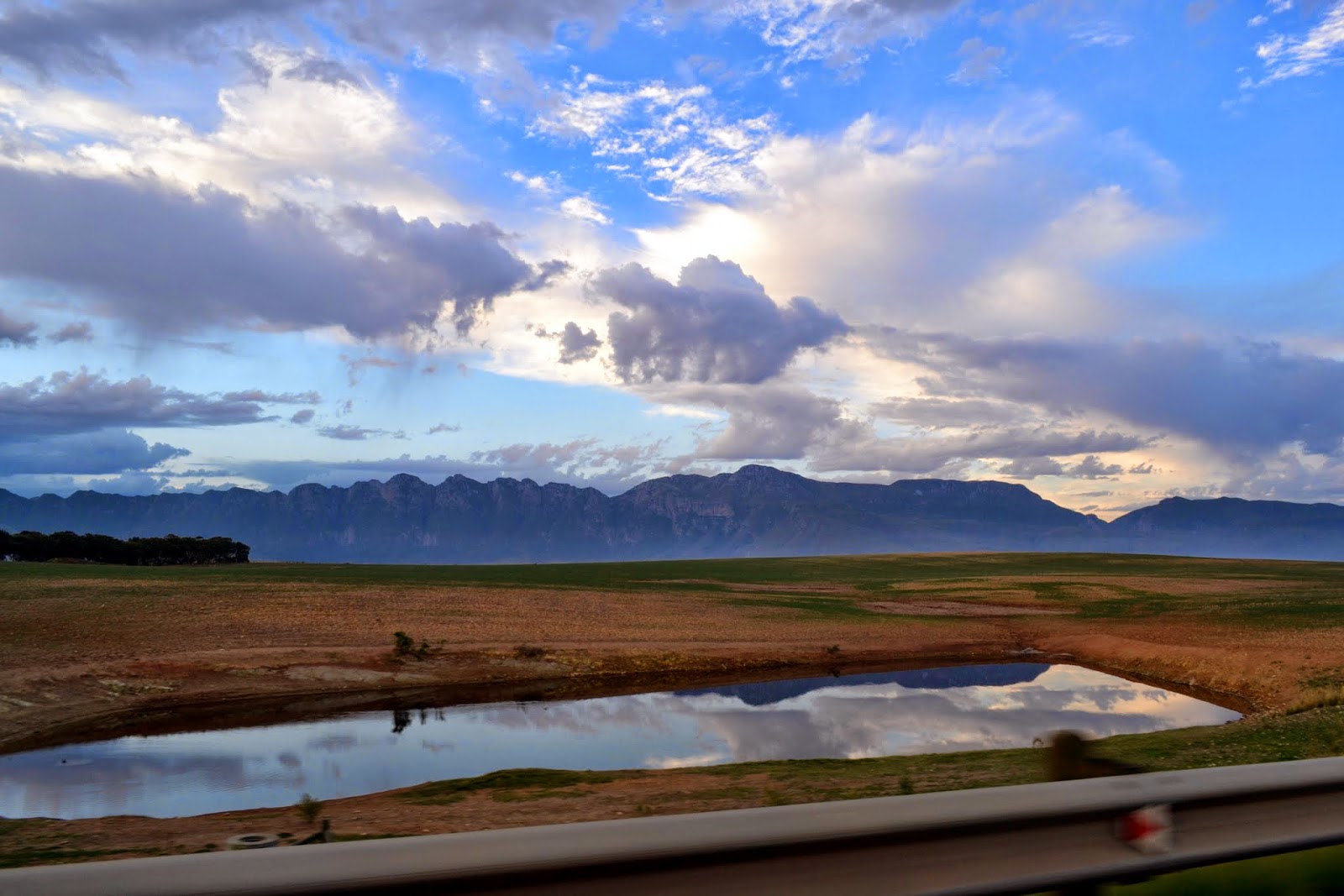
Lovely Landscape

Another view – on the way to Knysna

After a good night’s sleep we woke up in the morning fully refreshed. After breakfast we sat with the Swedish owners Erik and Yipe to chalk out a programme for the day. Knysna Country House, where we stayed is around 5 Km from the city centre – overlooking a valley. The house is very tastefully decorated and well maintained – A functional home stay. The house provides breakfast, but the kitchen and its facilities are available throughout the day and night – the residents get a key for the room, common area and the main gate. Interestingly, they run a well stocked ‘Honesty Bar’ – drink and log.

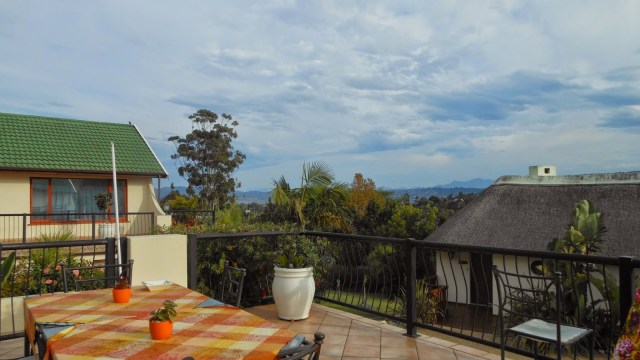
View from the terrace of the home stay


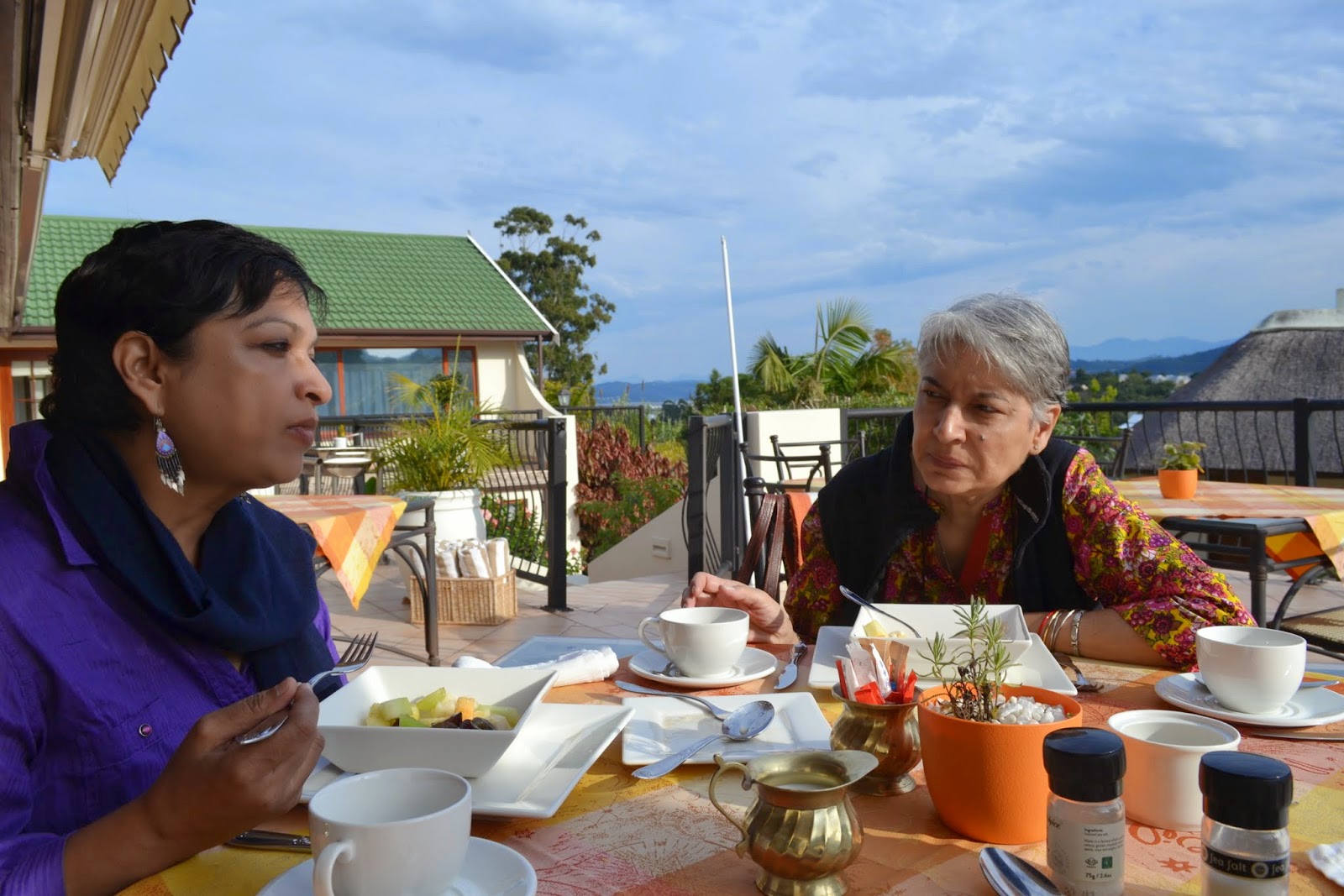
Enjoying Breakfast
We decided to visit Plettenberg Bay, yet another beautiful town on the Garden Route, blessed with lovely beaches and abounding in water sports. For the outdoor variety there is trekking in forests and hilly tracks. Whales also visit this bay from Aug to Nov. After soaking in the beauty of the place, we visited ‘Monkey Land’

Photo OP
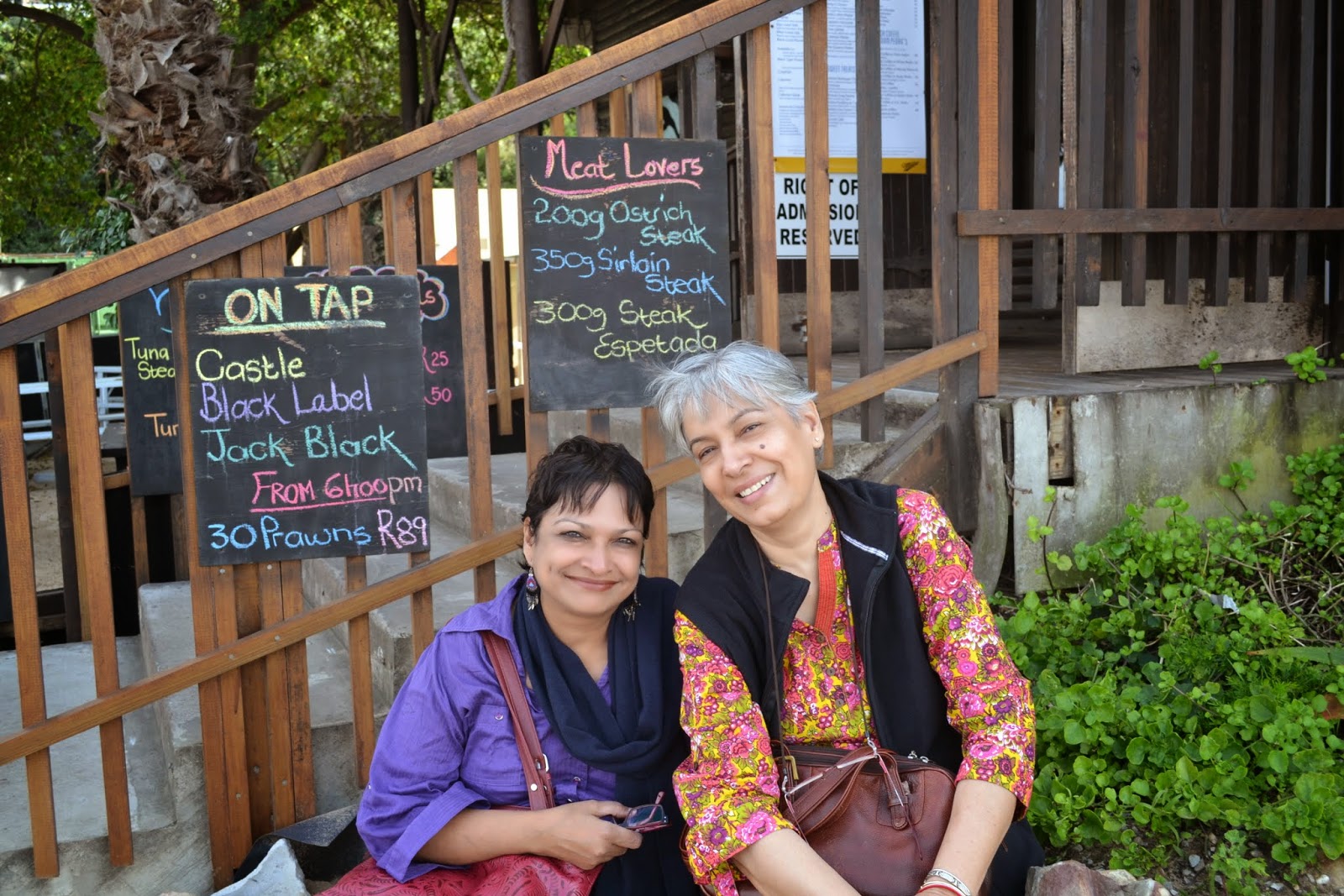
Beautiful morning at the bay – Meat lovers on Tap
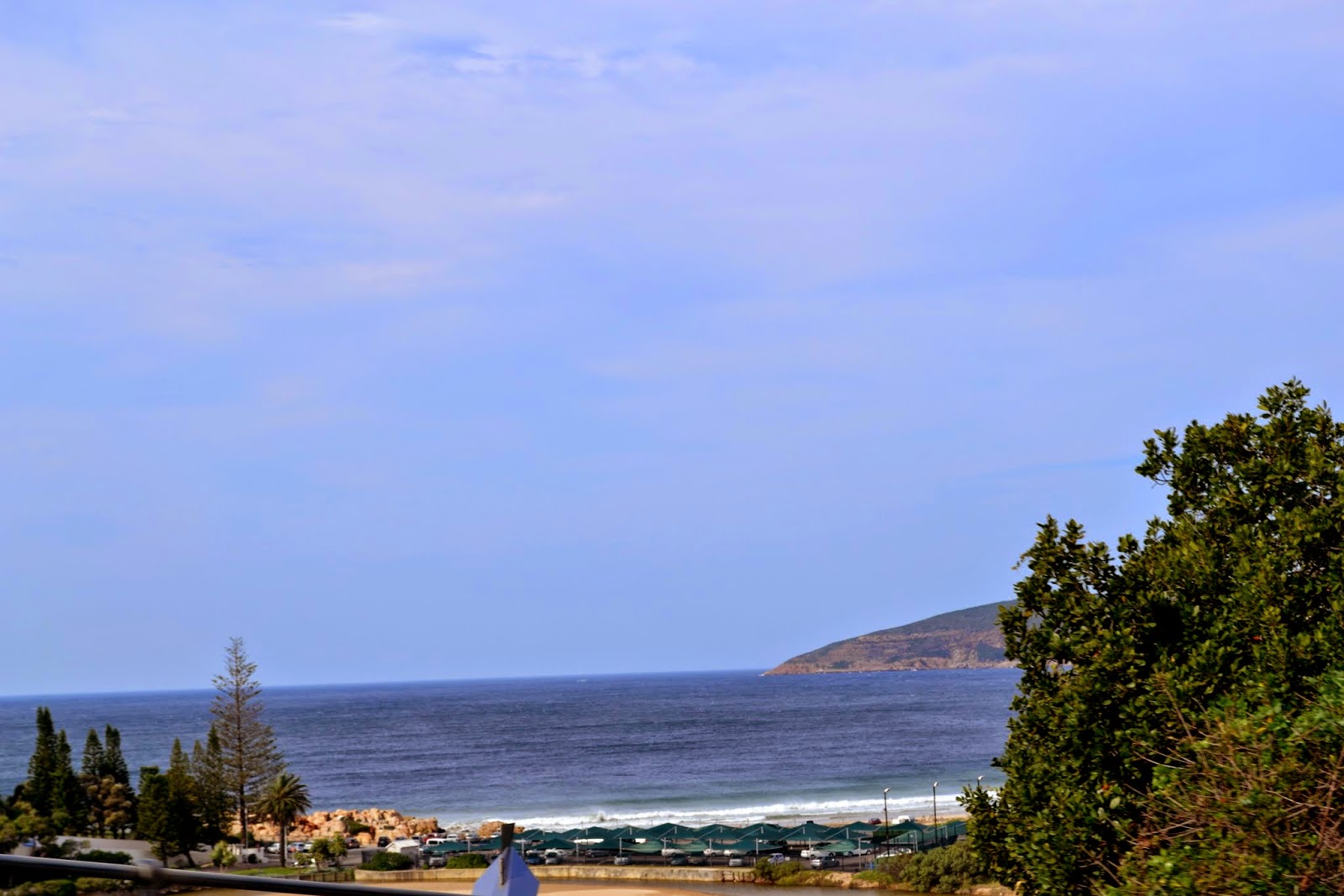
Plattenberg Bay


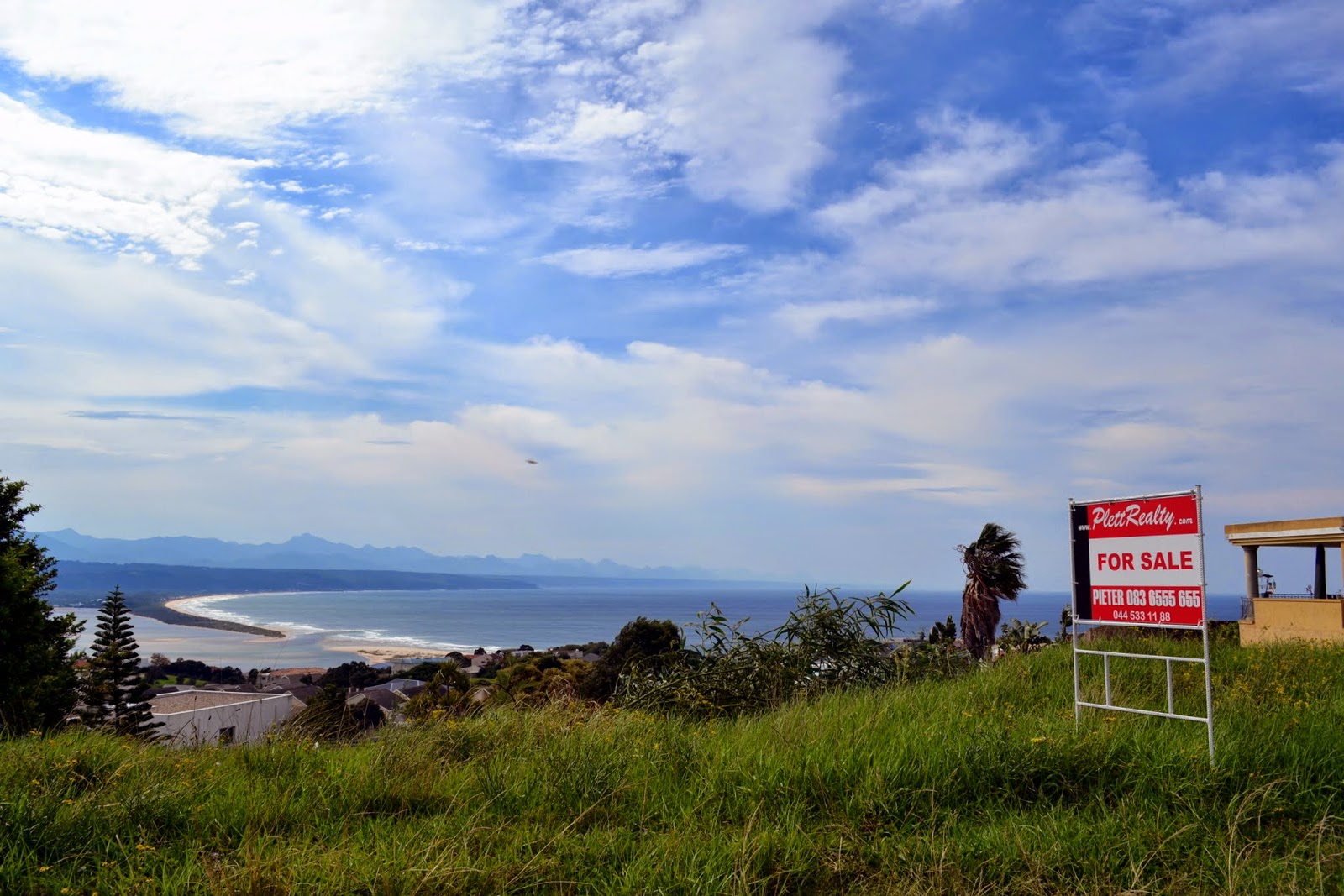
Bay view from top of a hill 

Monkey land

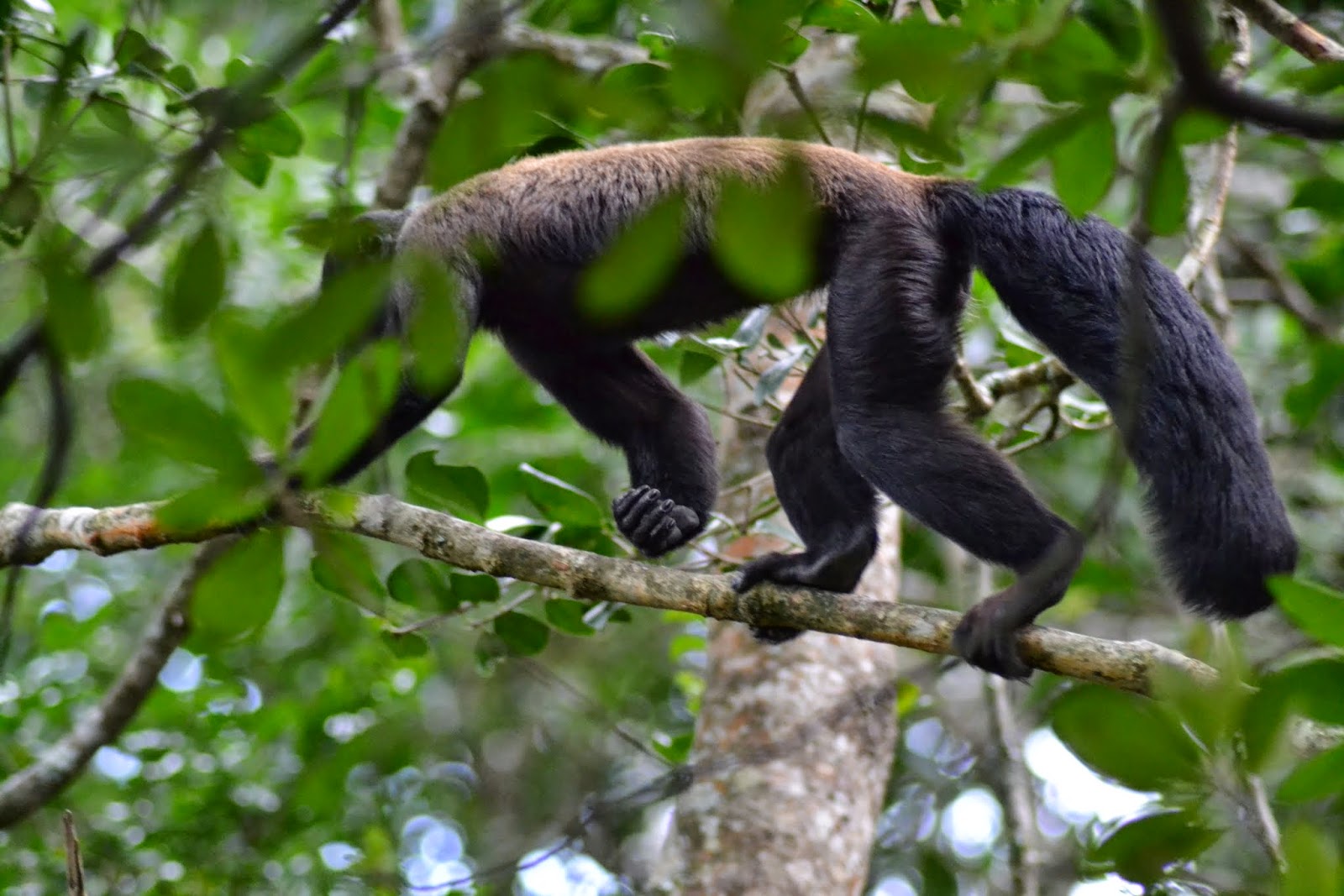
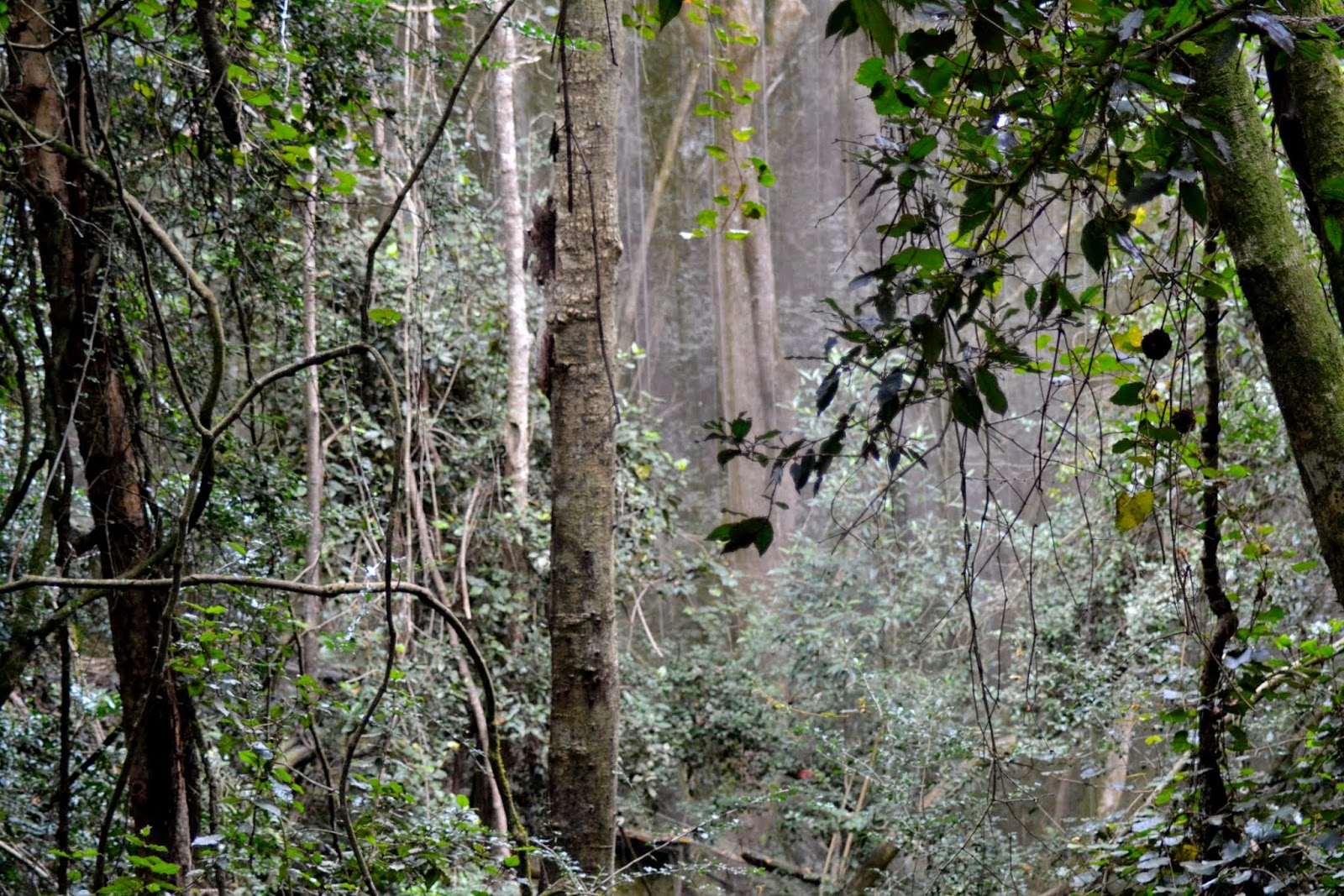
Monkeyland is the worlds’ first free roaming multi-species primate sanctuary. The Monkeyland and Birds of Eden forest (which we visited later) is described as an ‘Afro – montane Forest’. Trees in an afro – montane forest can be up to 30 m or 40 m tall and distinct strata of emergent trees, canopy trees and shrub and herb layers are present. The sanctuary is home to 17 varieties of monkeys, tortoise and Lemurs in their natural surroundings, roaming freely. It is really fascinating to able to walk around with the primates in their habitat. The guide told us that monkeys hate water except for ‘Verbet’ and ‘Japanese Snow Bat’ Monkeys’ which love to swim. Monkeys often use the tortoise as taxis in the sanctuary.


Even the monkey knows

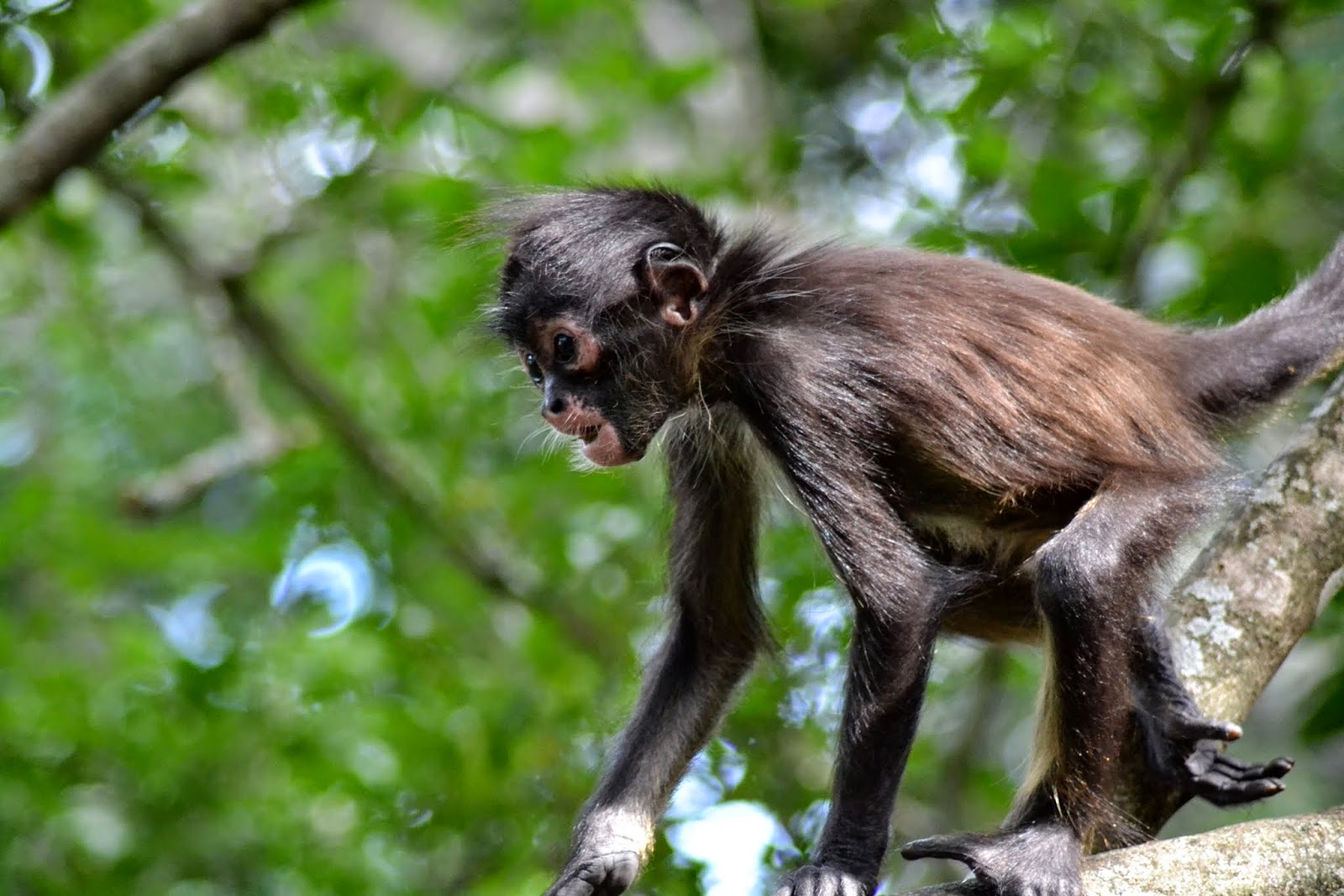
Spider Monkey

Bearded Sakis

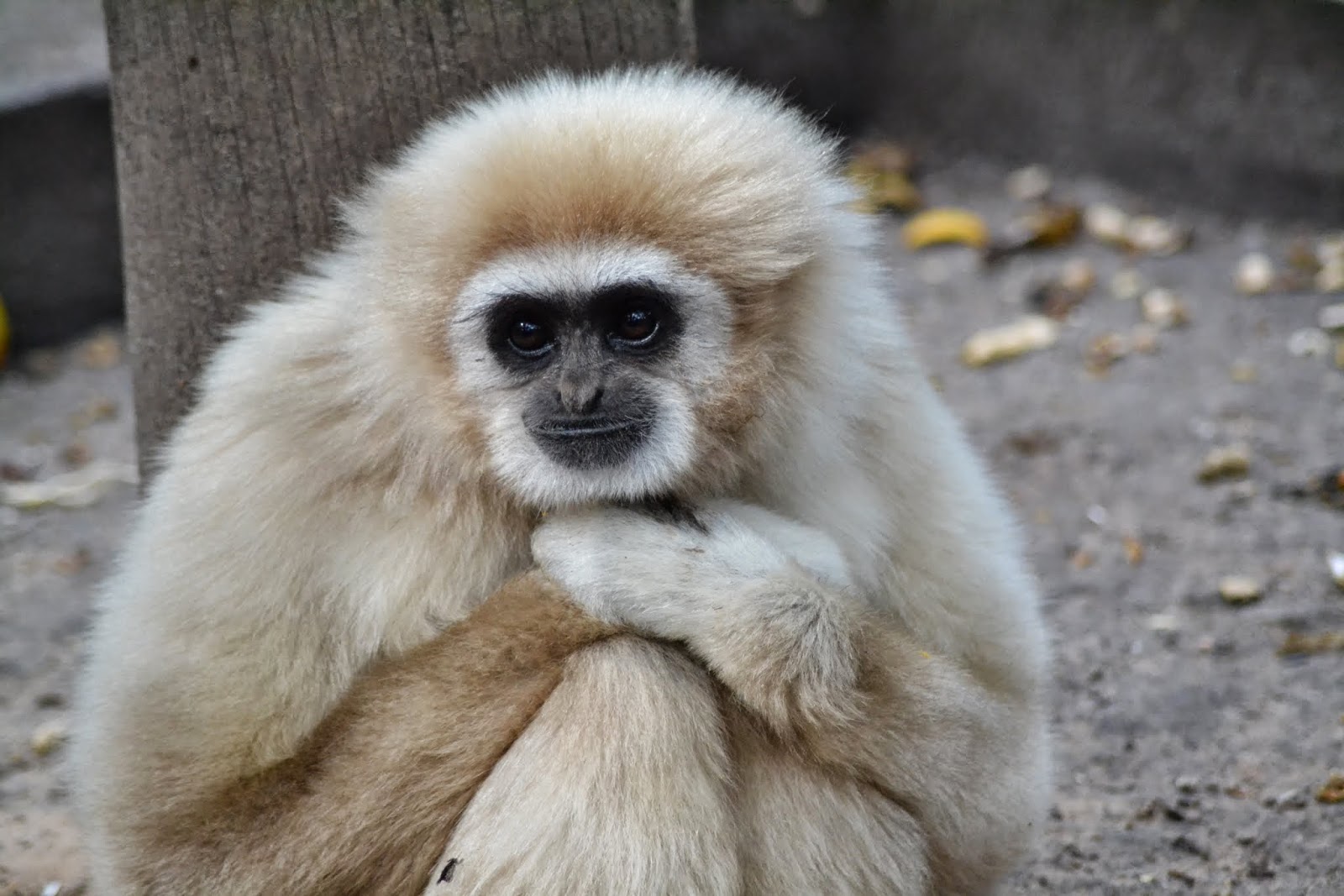
Gibbon
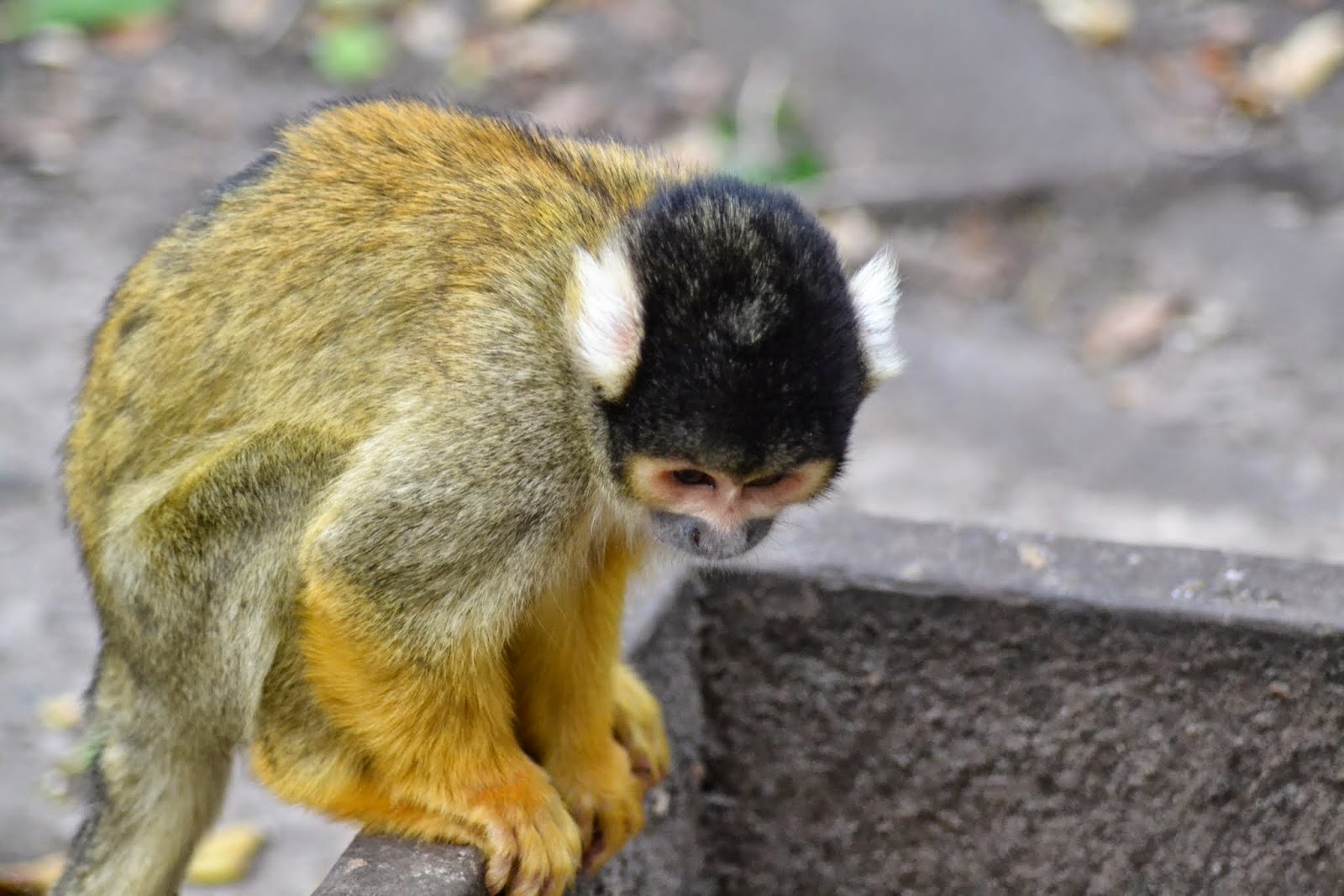
Squirrel monkey
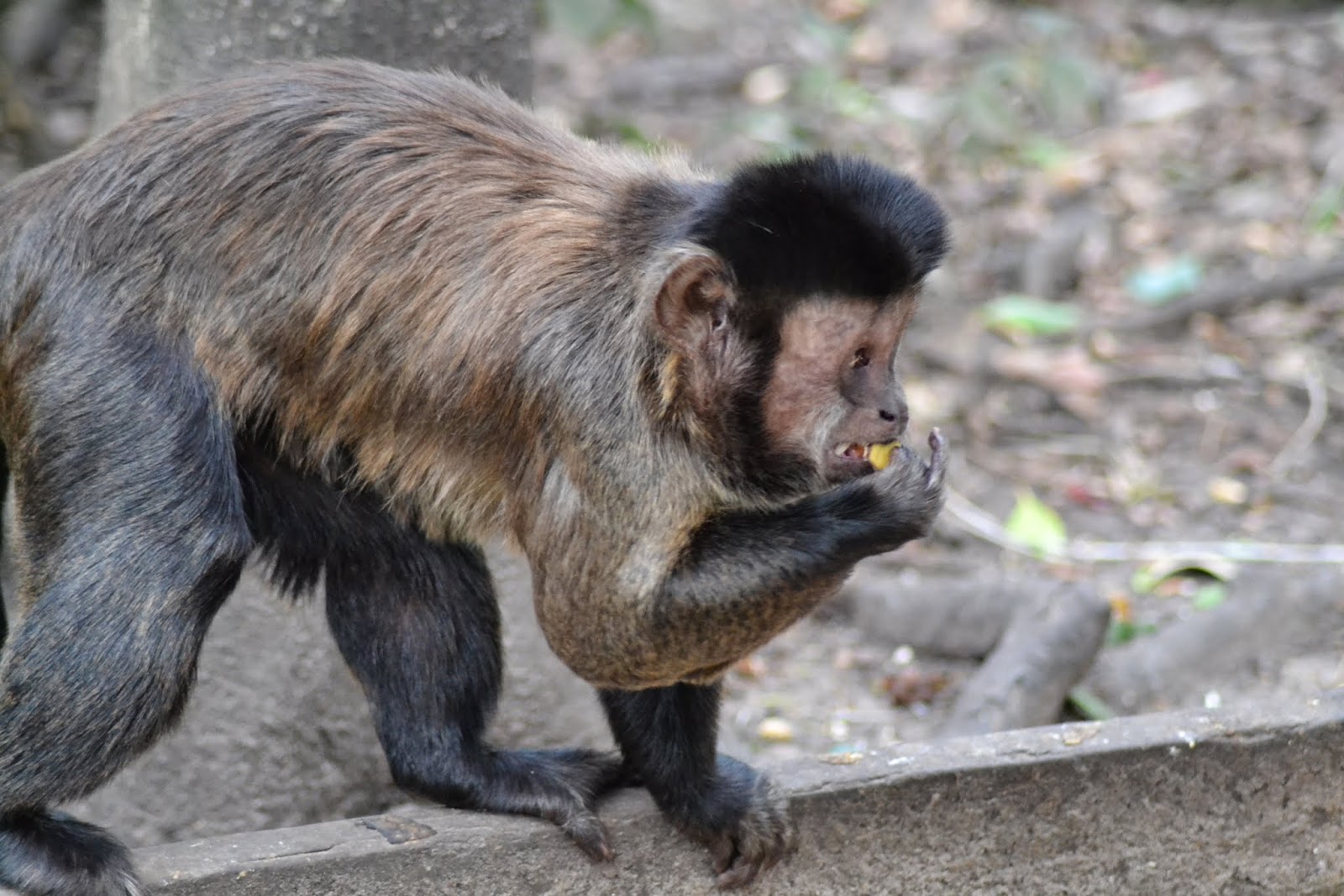
Capuchin Monkey
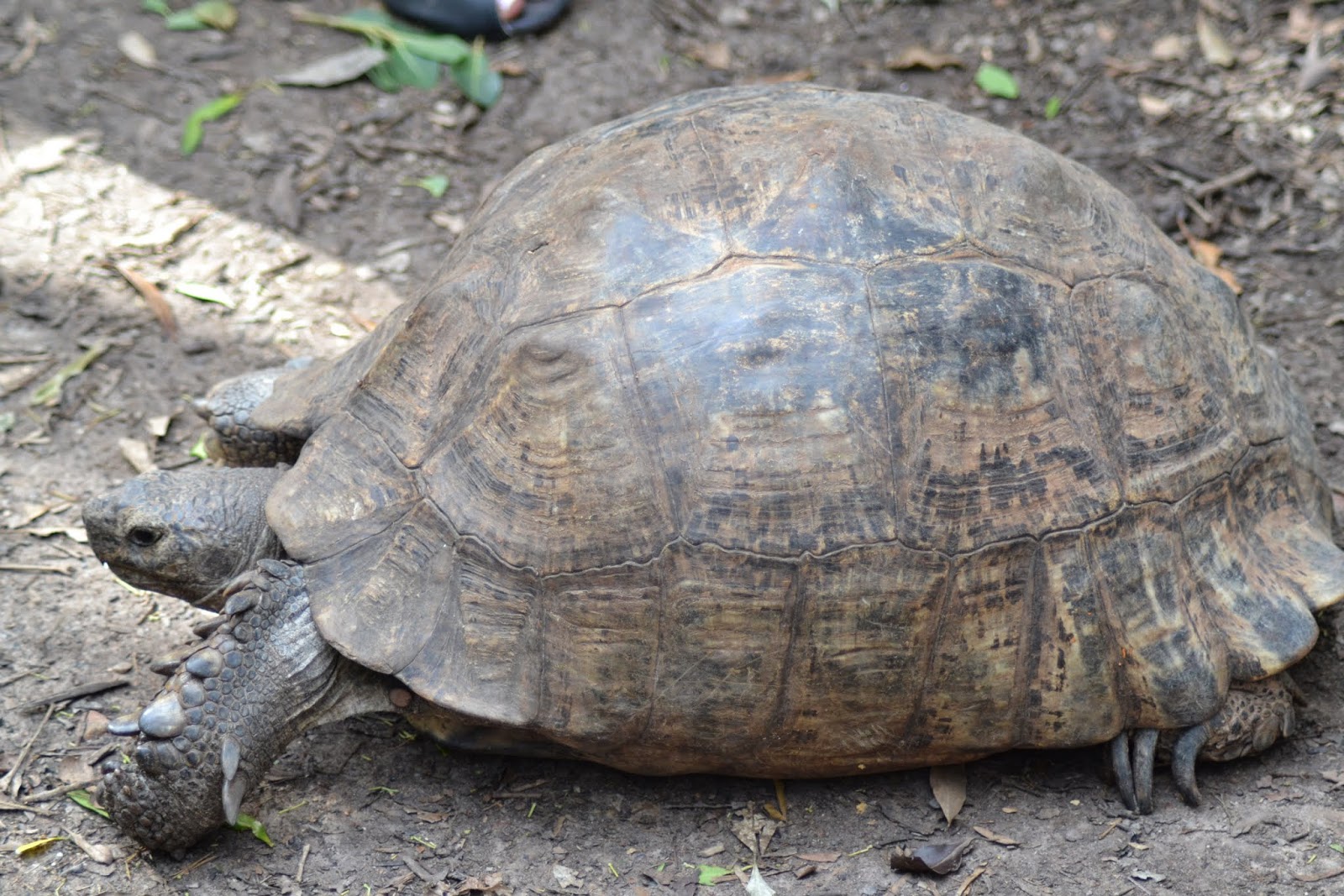
Tortoise 
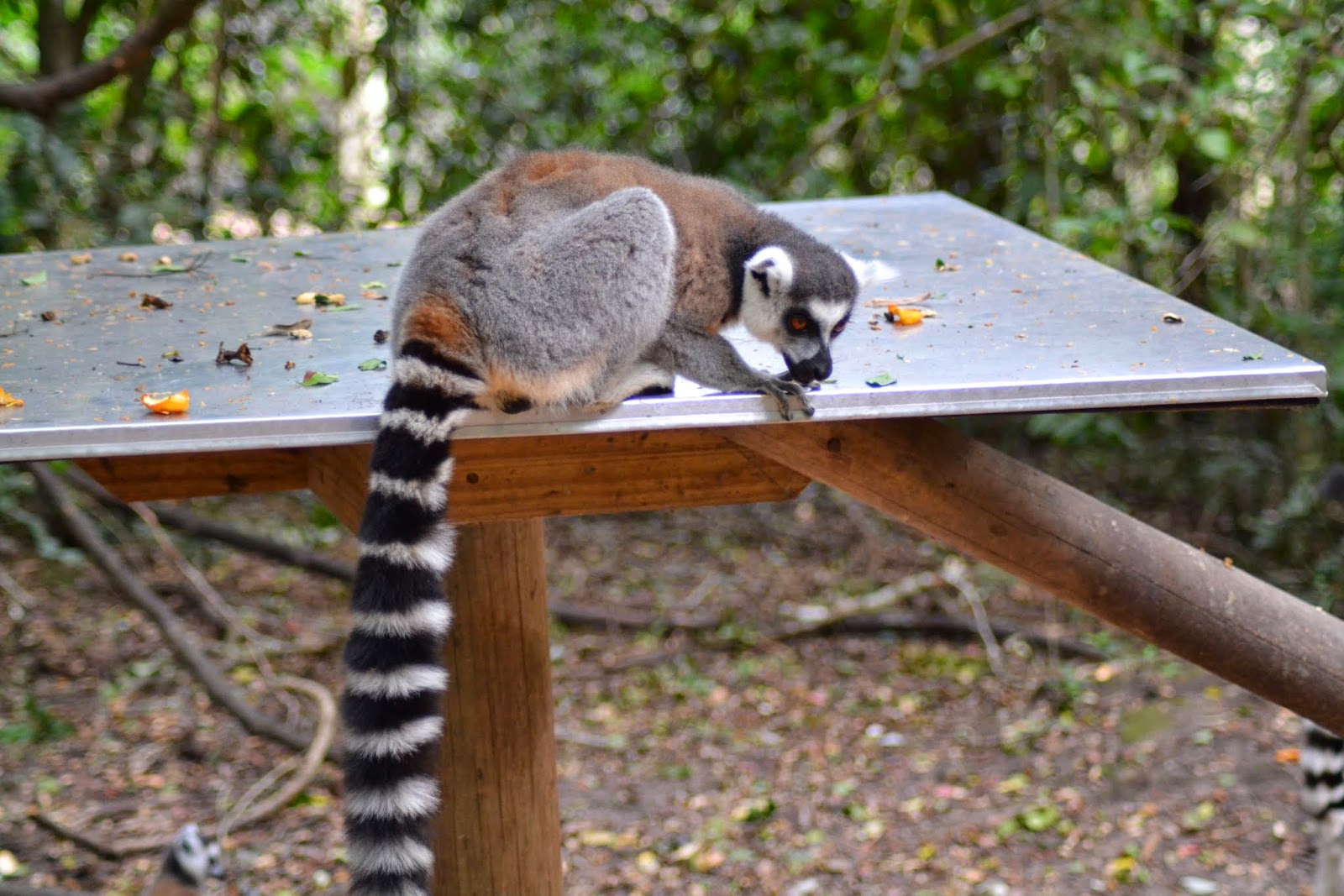
Ring tailed Lemur
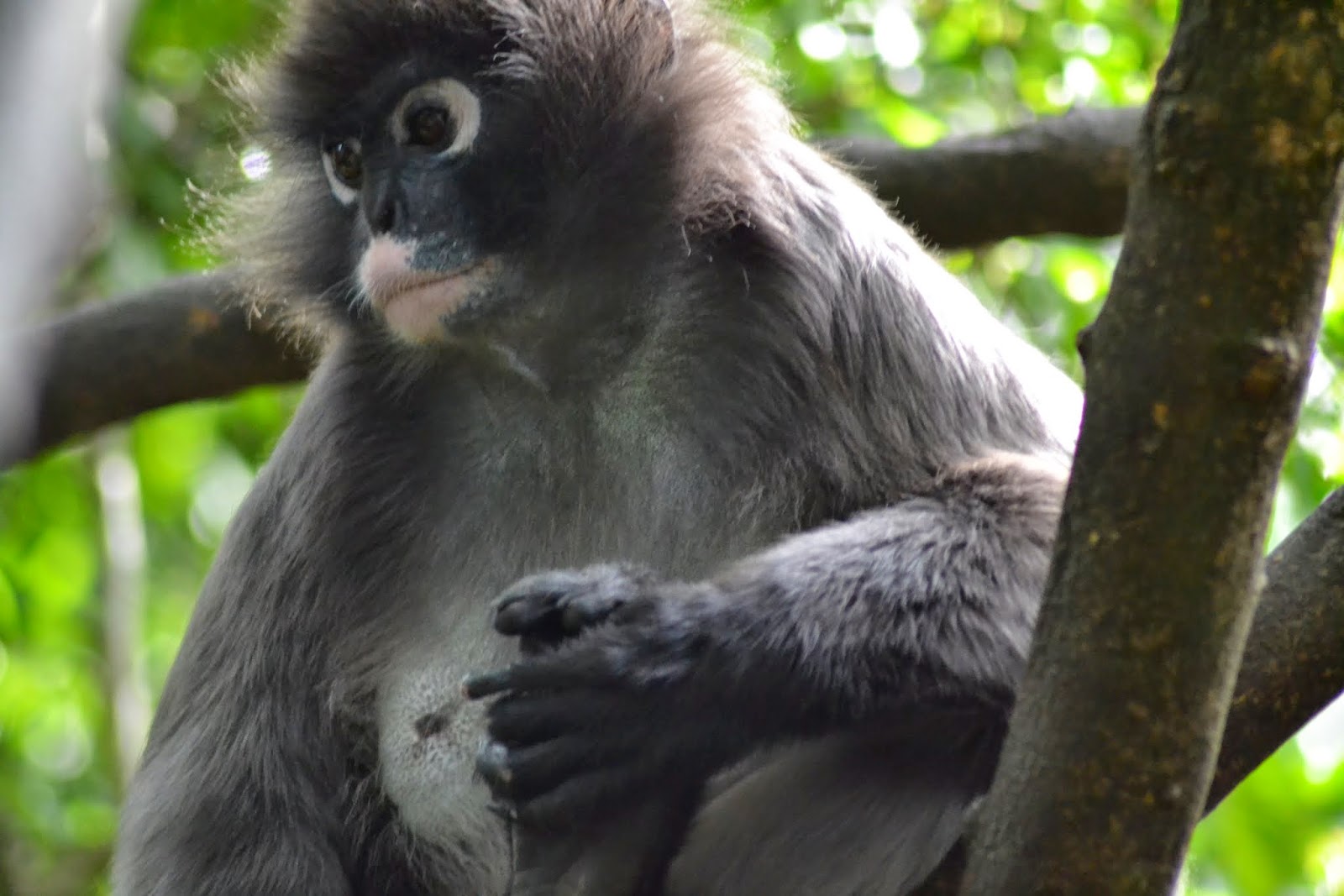
Spectacled Langur
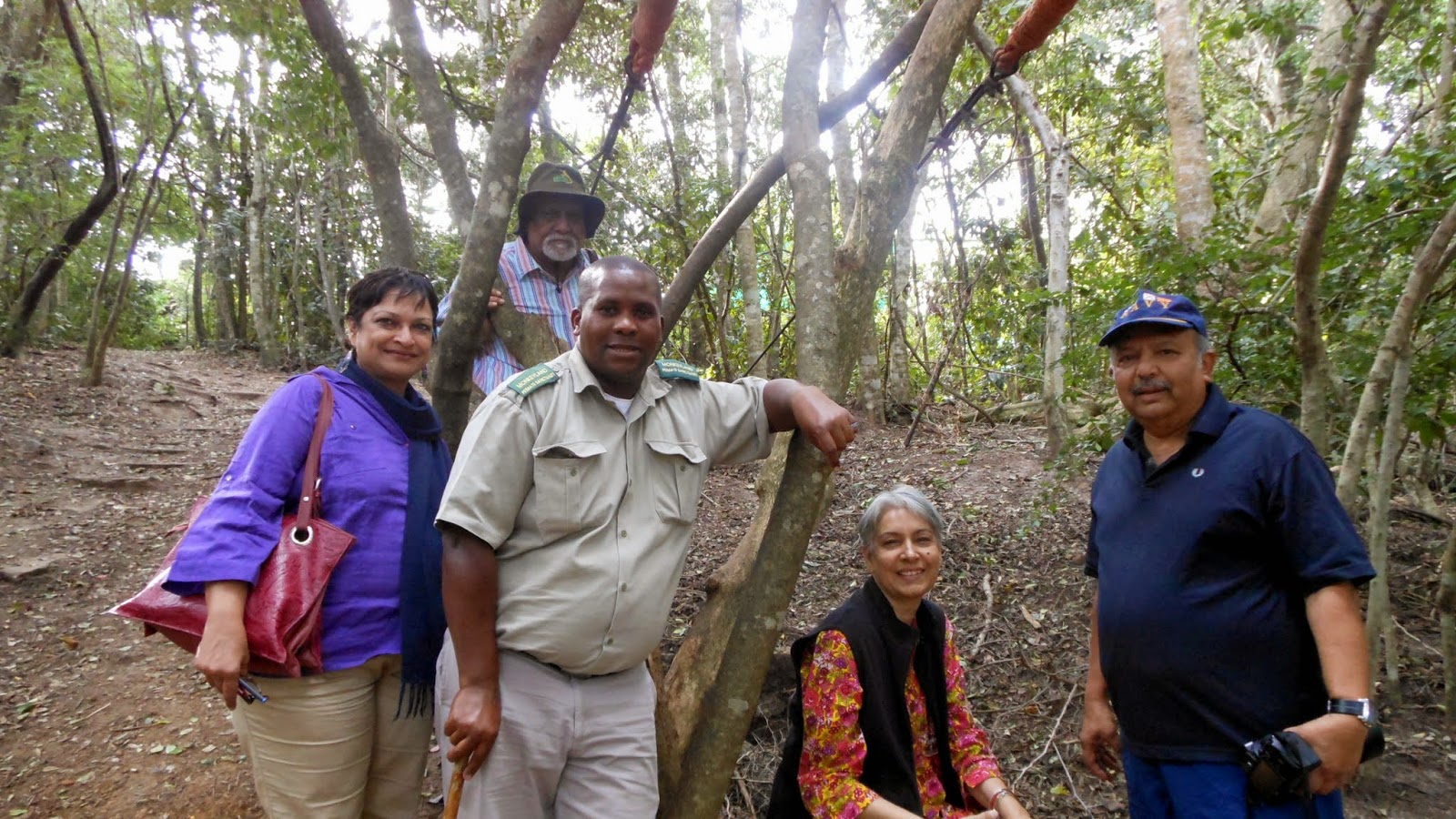
With our guide
Birds of Eden

The Birds of Eden in Plettenberg Bay is the world’s largest single span aviary, where birds are free to fly. The valley provides an incredible experience for those who visit, and a wonderful way of life to many previously caged birds. The birds live in an enormous two hectare dome spanning a gorge filled with green, indigenous forest. The sanctuary encompasses 2.3 H of partly forested land, covered by a 3.2H mesh and criss-crossed by a 1.2km walkway. Visitors can explore, at their own pace. The sanctuary is home to over 3,500 birds of around 220 species, including touracos, Knysna Loeries, swans, spoonbills, weavers, scarlet ibis, barbets, parrots, parakeets, waterfowl, flamingos, starlings, robins and cranes. The sanctuary terrain includes a deep gorge with a waterfall and the highest point in the aviary is approximately 50m, covering all the treetops and allowing ample flying space for its winged inhabitants. Since most of the birds have spent their entire lives in captivity, this is their first chance to make adequate use of their wings and to experience natural avian behaviour. A visit to this sanctuary provides anyone entering the dome an exhilarating experience. At times the birds stalk and keep following you all the way. Some come and sit on your shoulder or on your outstretched hand.
Both the sanctuaries are staffed with volunteers from various nations who are keen to help preserve wild life.


Entrance
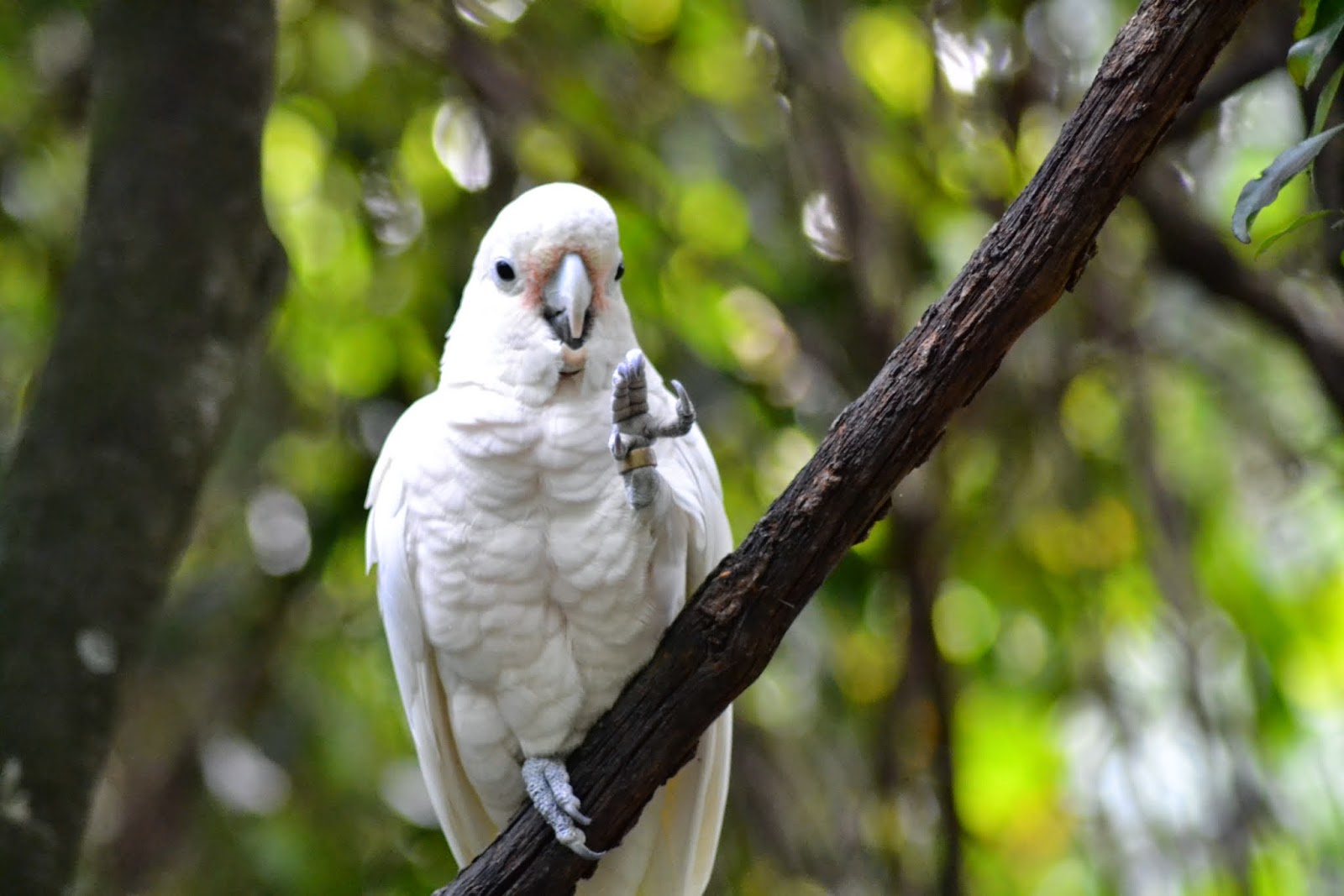
Tanimbar Cockatoo
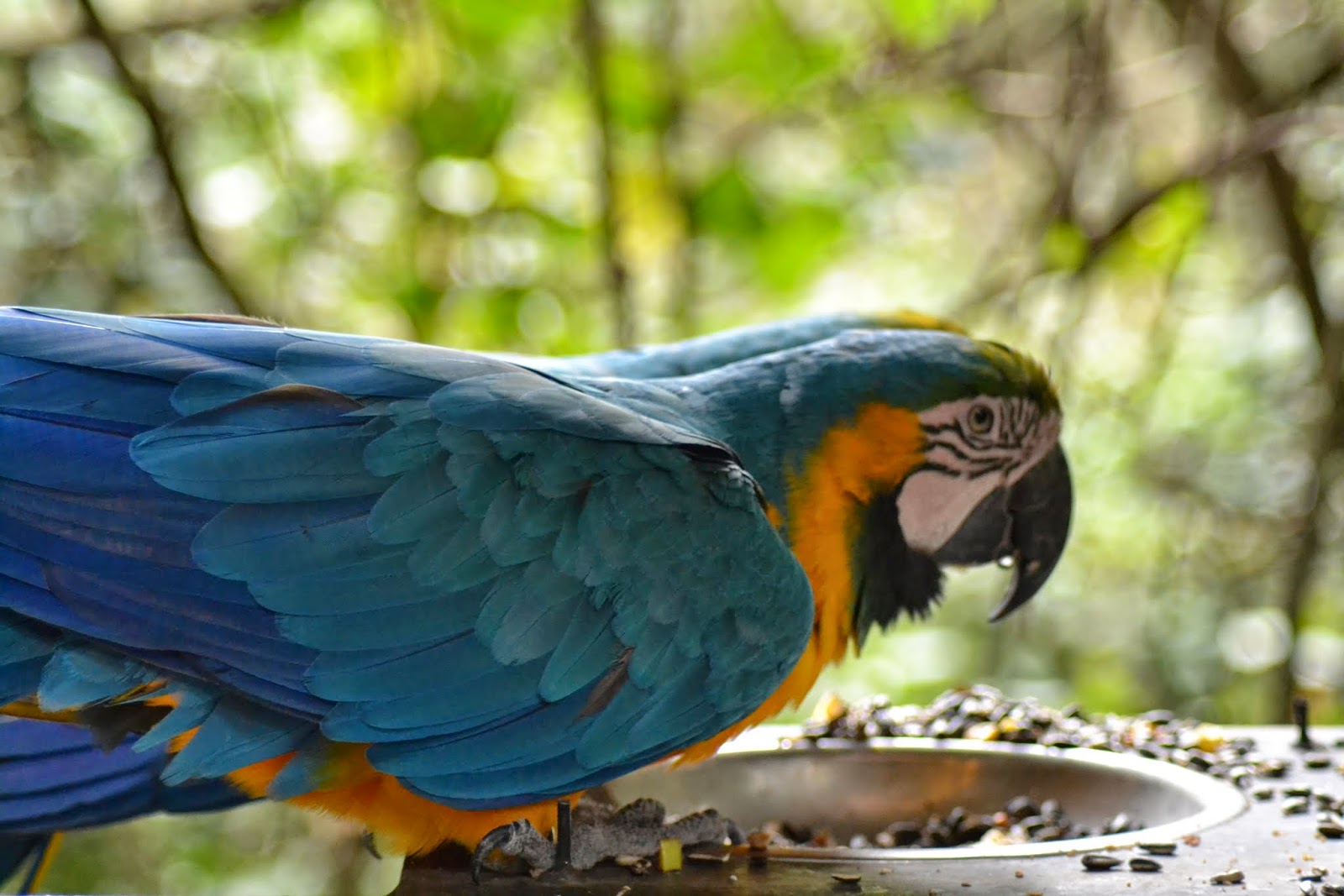
Hyacinth Macaw
Thick vegetation
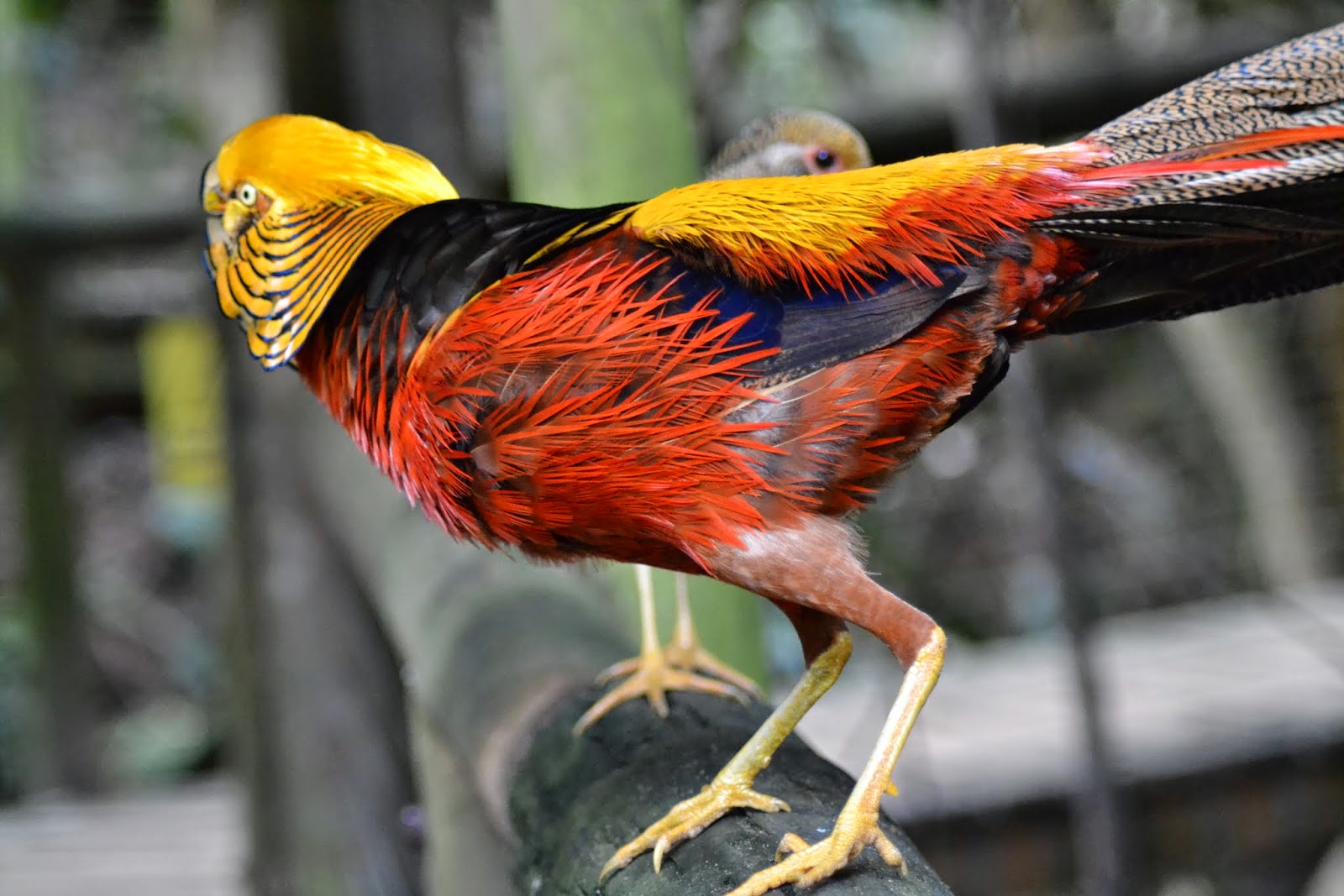
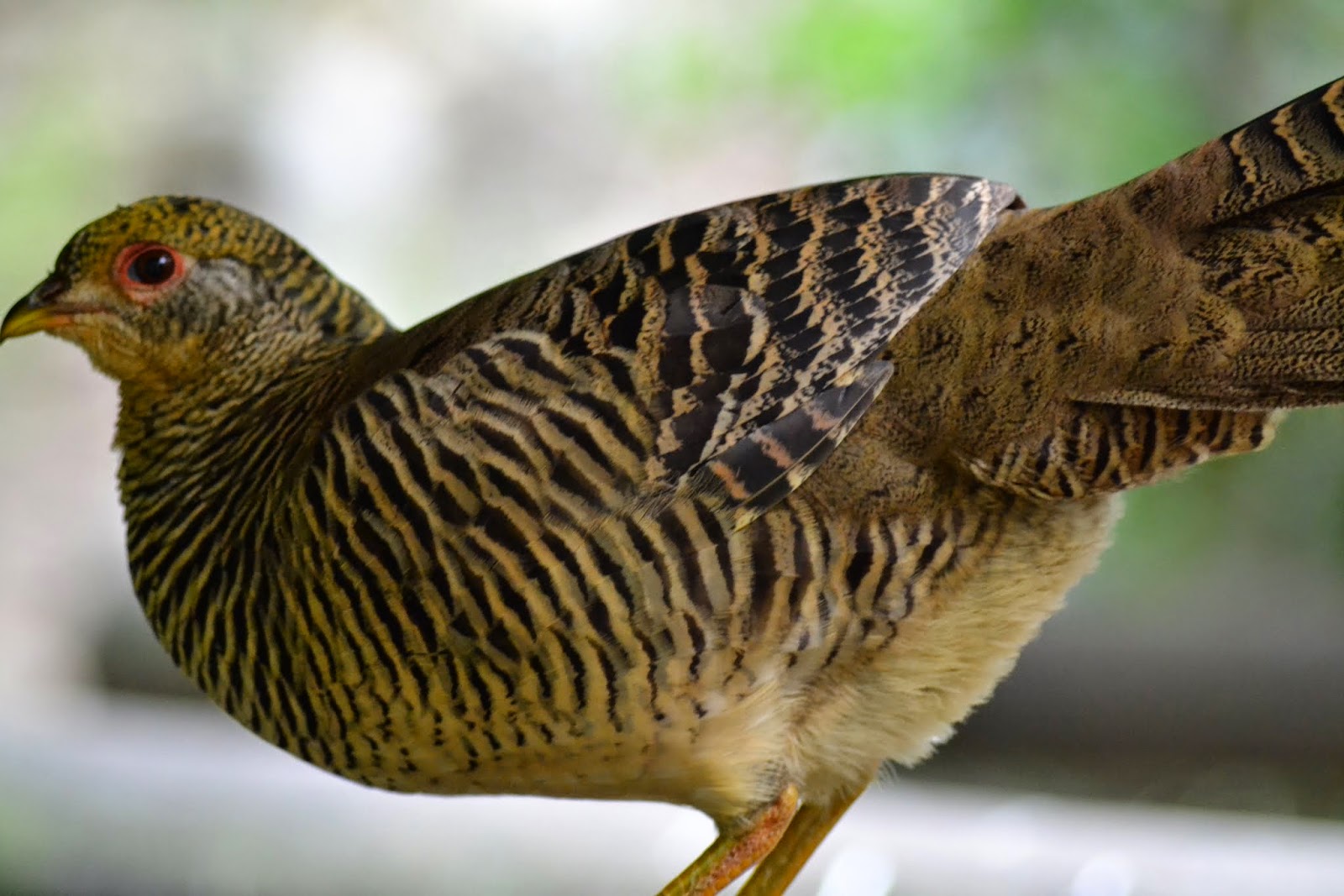
Pheasant golden
Nicobar Pigeon
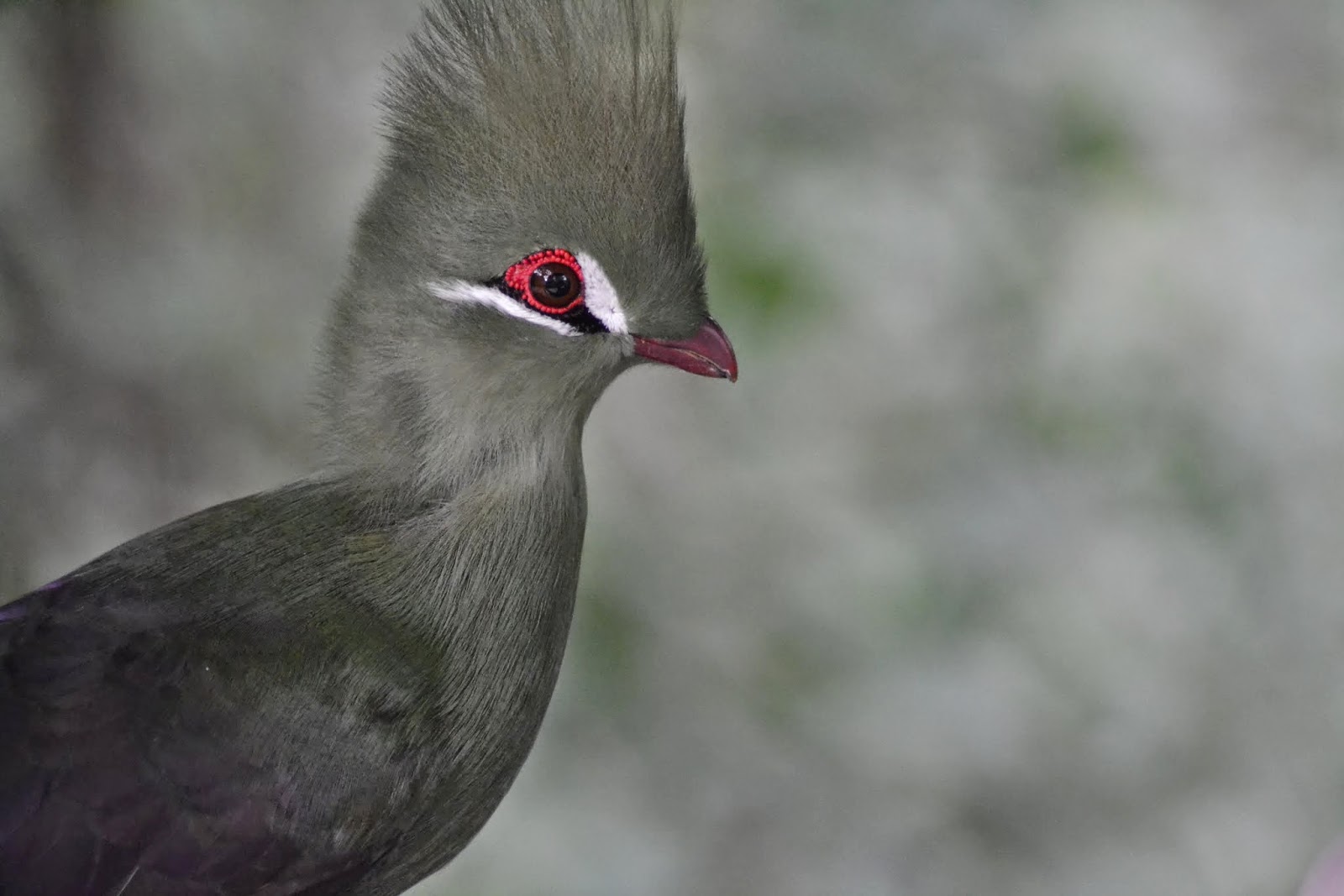
Knysna Lourie
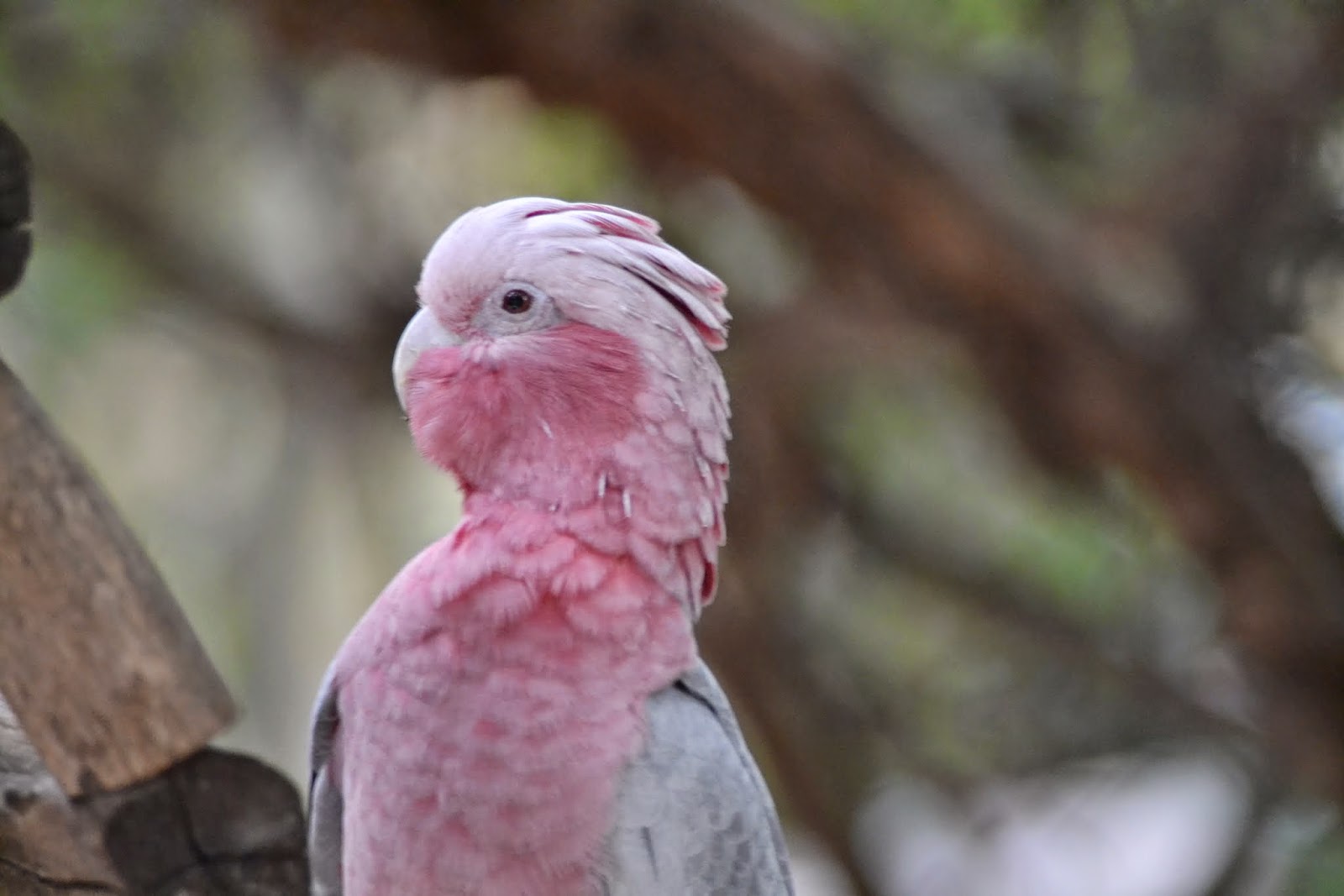
Galah Rose breasted parrot
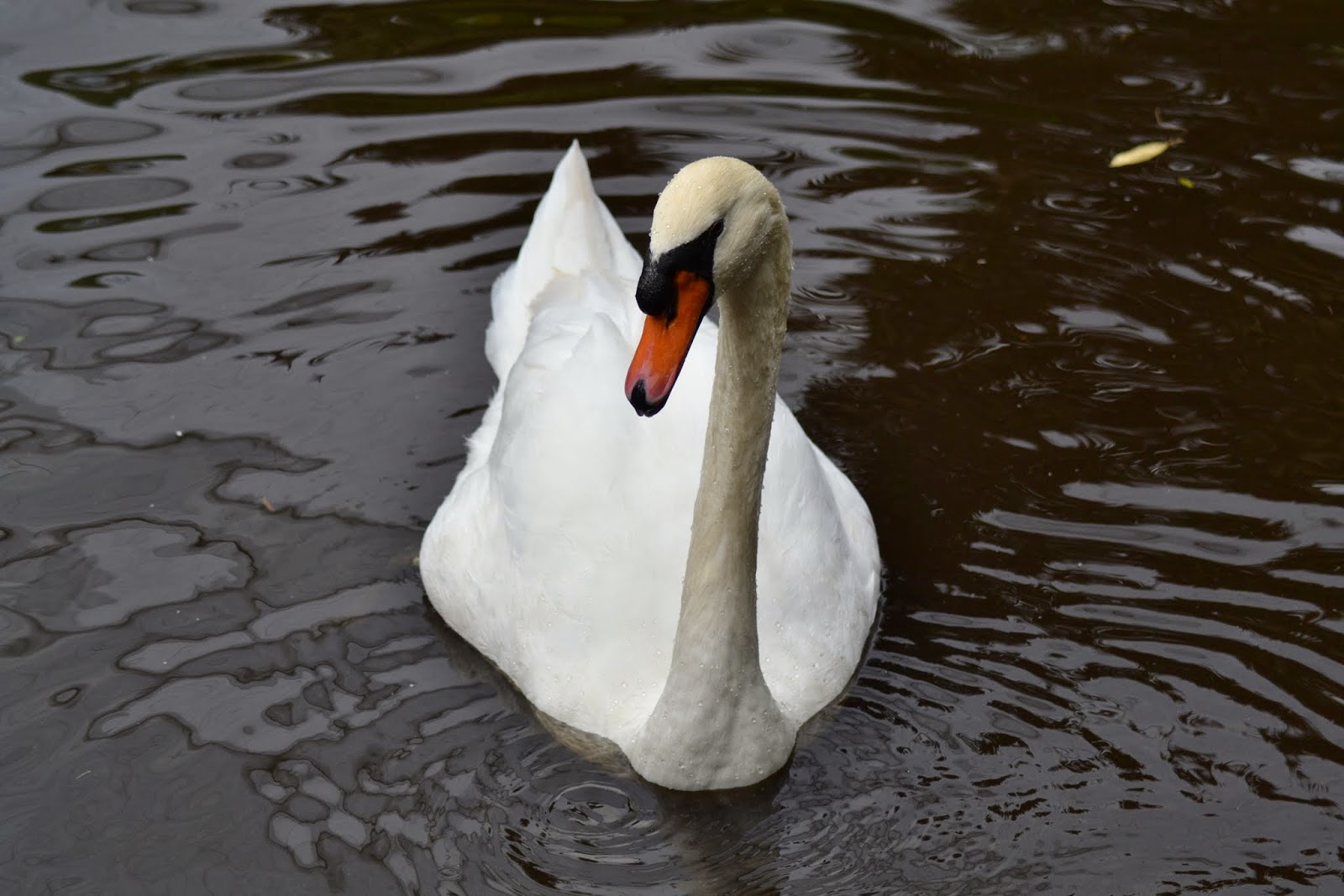
Muse Swan
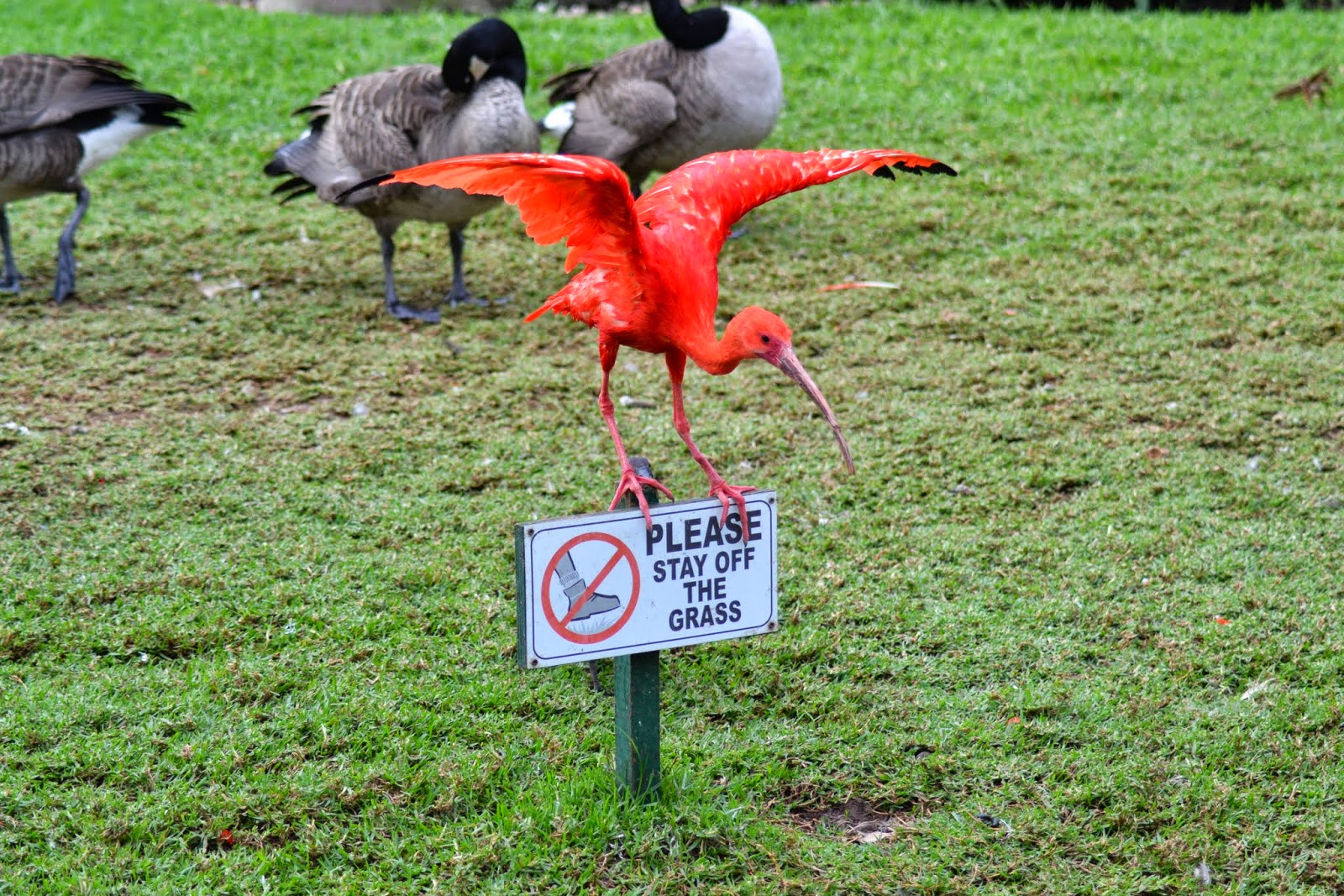
Scarlet Ibis
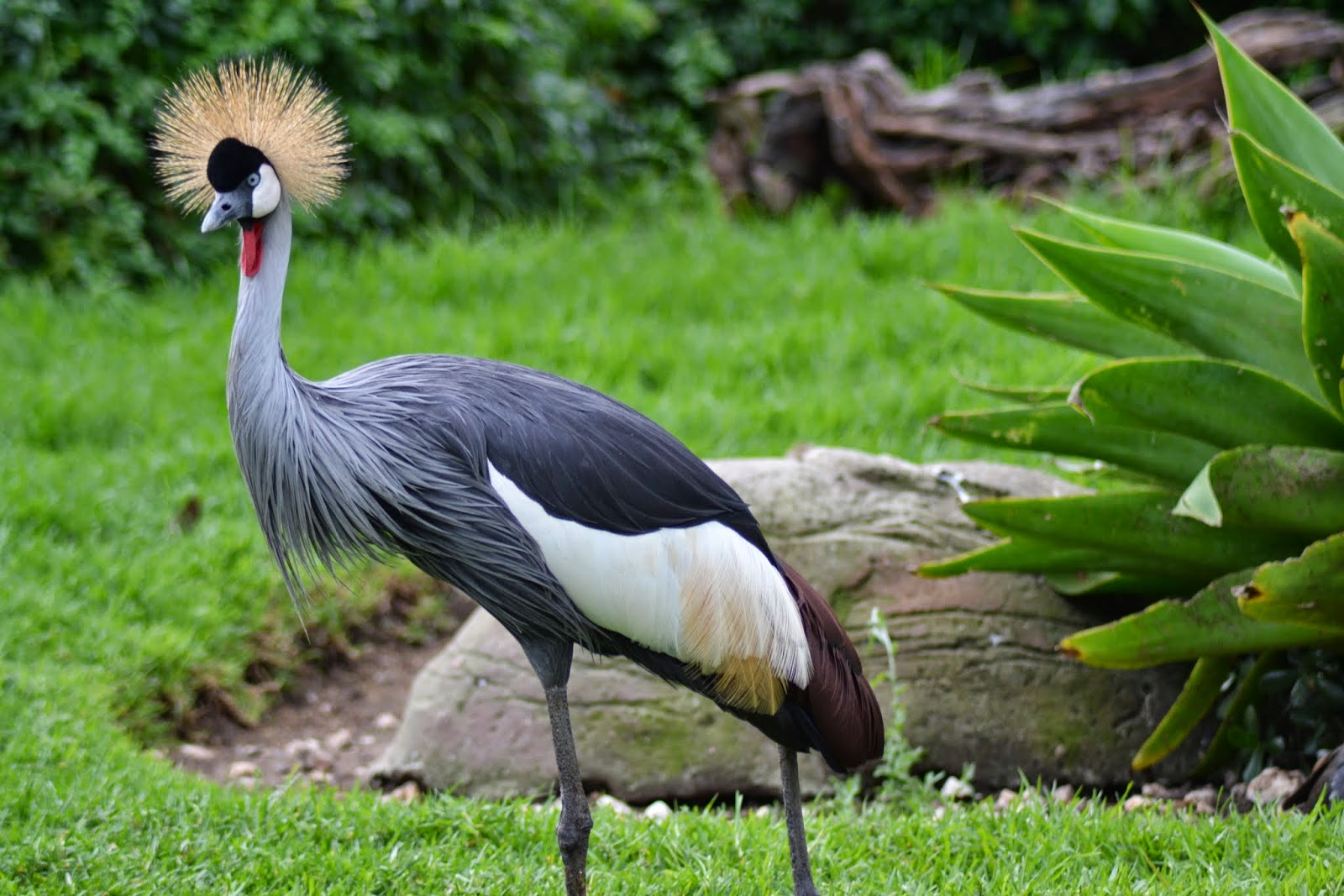
Crowned Crane
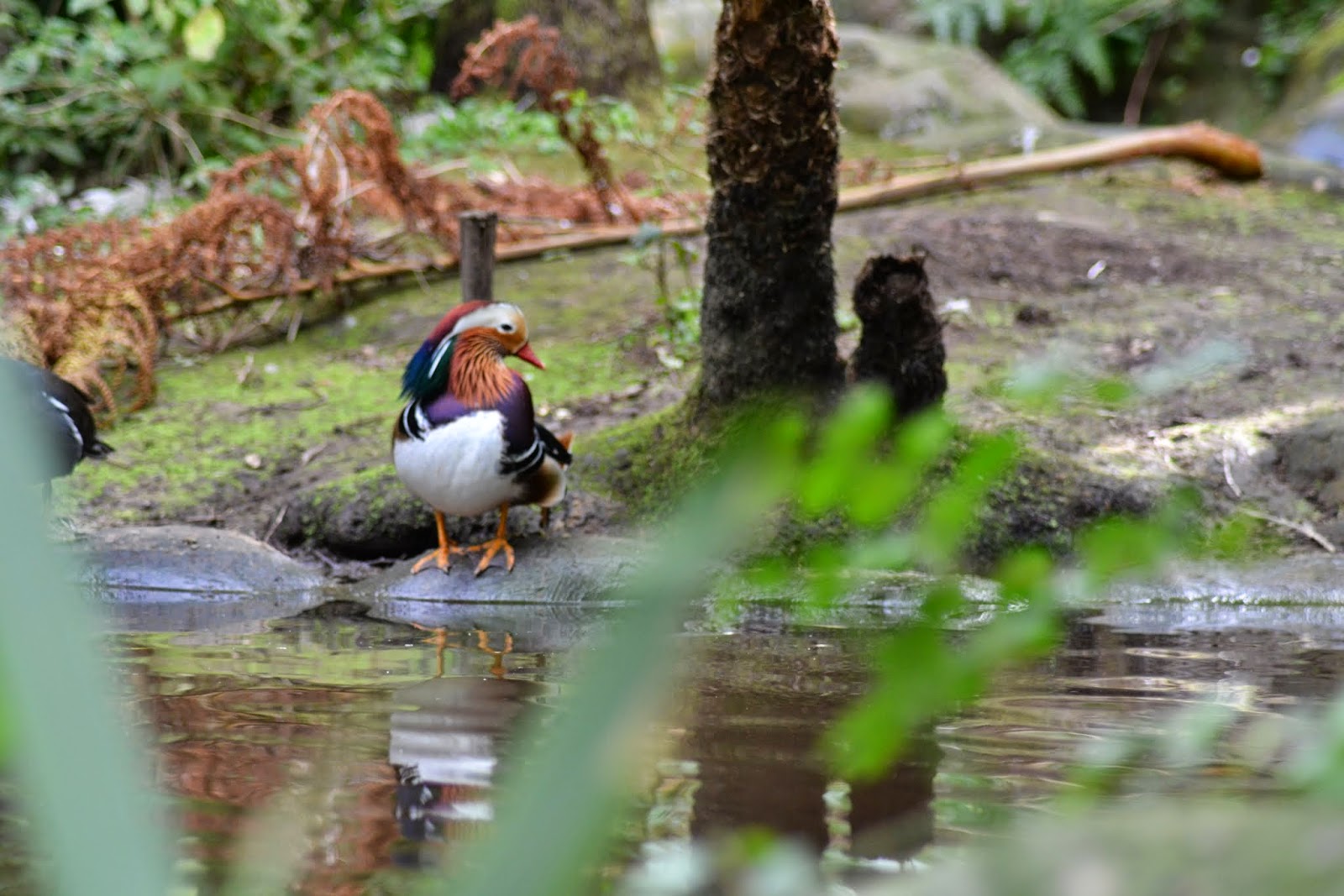
Mandrin Duck
The overall experience is one of sheer joy, having had an opportunity to see wild life in a way we had never seen it before.

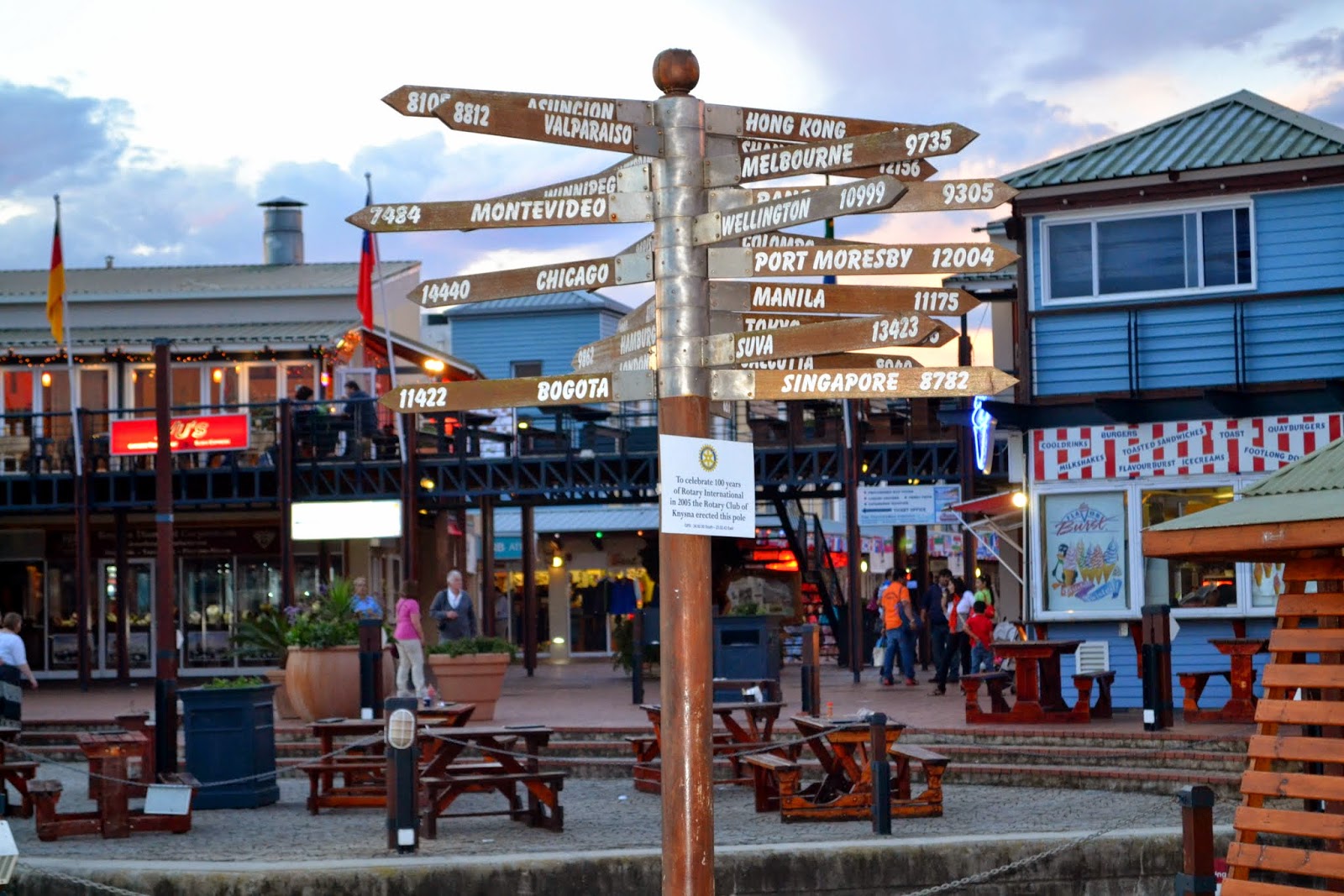
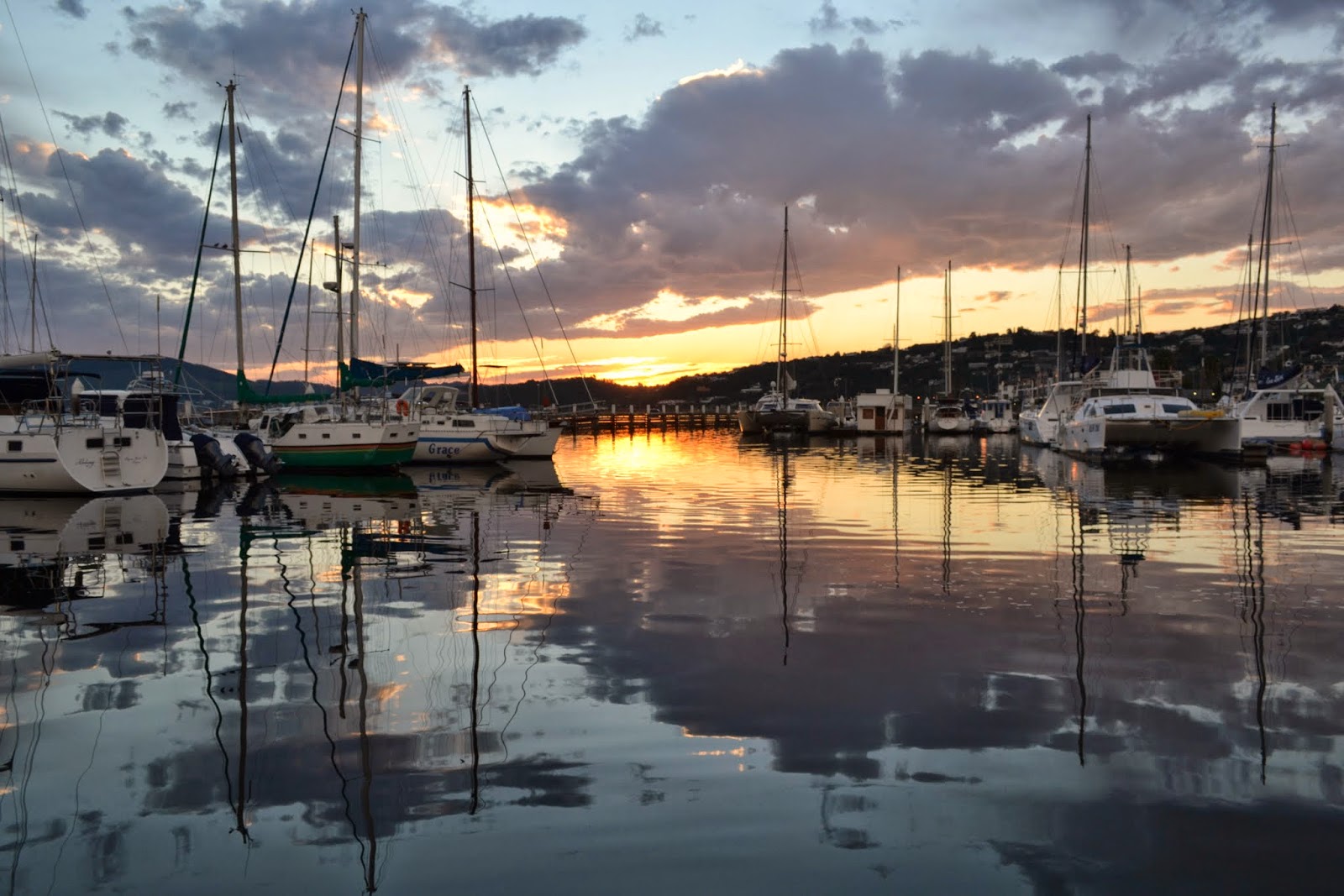
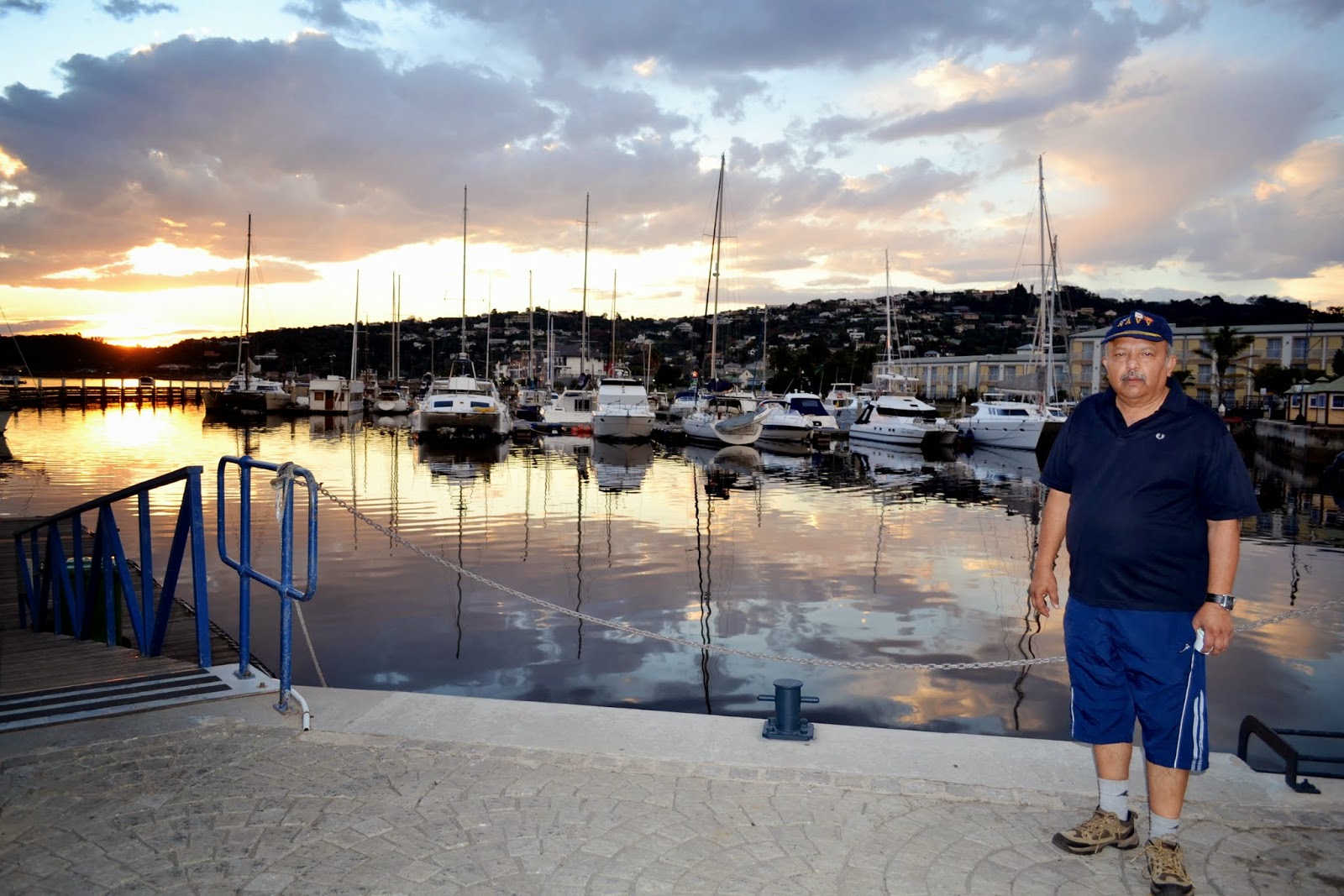
After a very satisfying visit, we returned to Knysna, to watch the sunset at the waterfront. We’ve seen many sunset scenes in our lifetime but this one was a masterpiece! The colours of the sky, the yachts at anchor and the sun disappearing so quickly and smoothly in front of our eyes, was mesmerizing. In all these coastal towns ‘Water Fronts’ play an important role in protecting the image of the city. It’s a hub for commercial and leisure associated activities.

Busy waterfront
Truly fascinating sunset
A last look at the waterfront

South Africa – Garden Route 06 to 10 May 2014

The Garden Route lies between Cape Town and Port Elizabeth along the Southern coast of SA. Mountains and thick undulating forests compete with the Indian Ocean to occupy the pride of place along the entire route. It is one of the most beautiful stretches of coastline. The entire stretch is dotted with lovely beaches, tempting the travelers to stop and indulge. Whale watching, wild life safaris, open zoos, monkey parks, Ostrich farms, Birds of Eden and many more attractions throng the entire drive. One sees ostriches the way one would see a herd of cattle grazing in a field in India. One comes across a number of river crossings, semi arid valleys and natural lakes making the drive even more attractive. Small fishing villages and pretty towns dot the landscape, providing the traveller with many options to stay. There is only one way of doing this stretch –DRIVING!

06 May – Hermanus

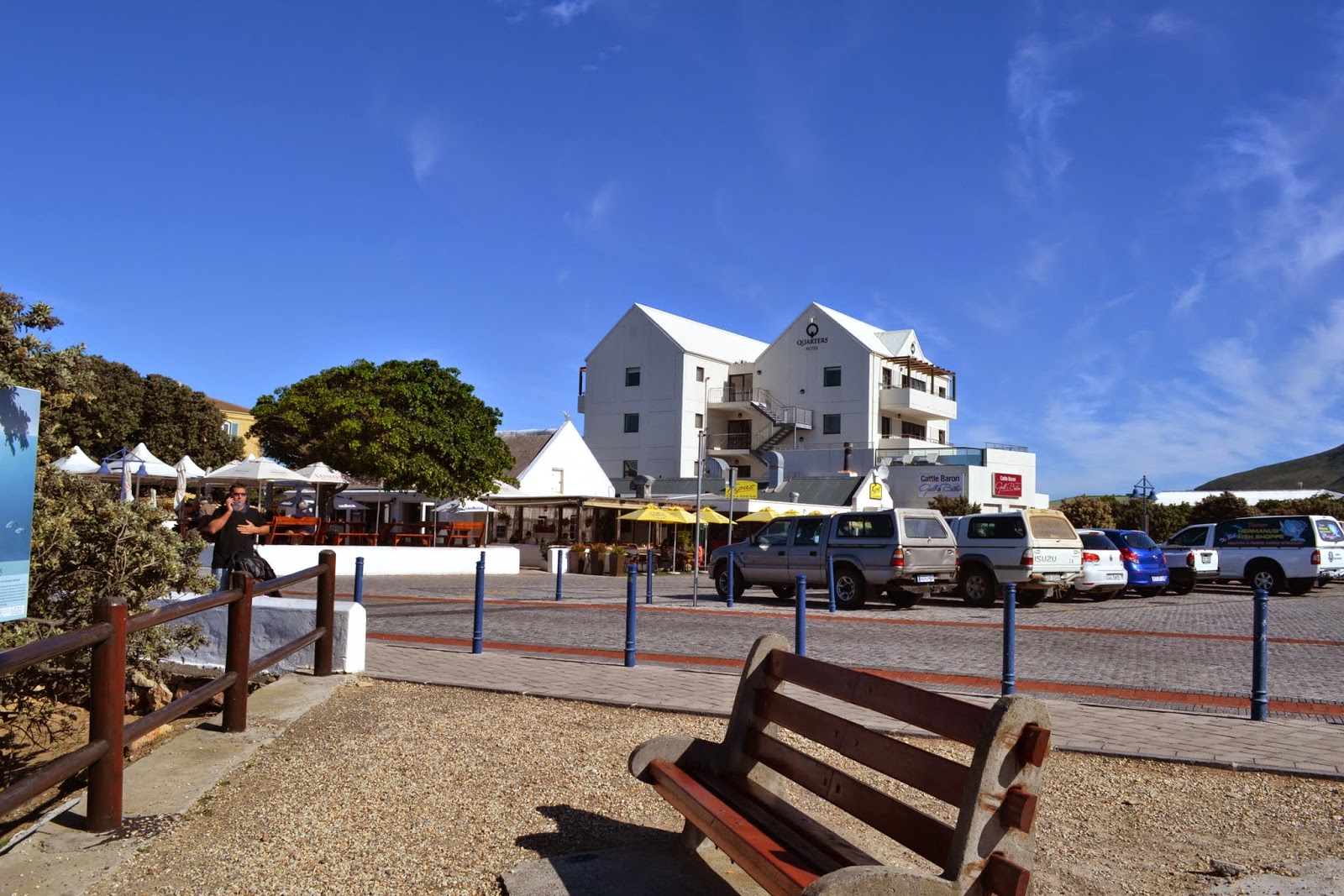
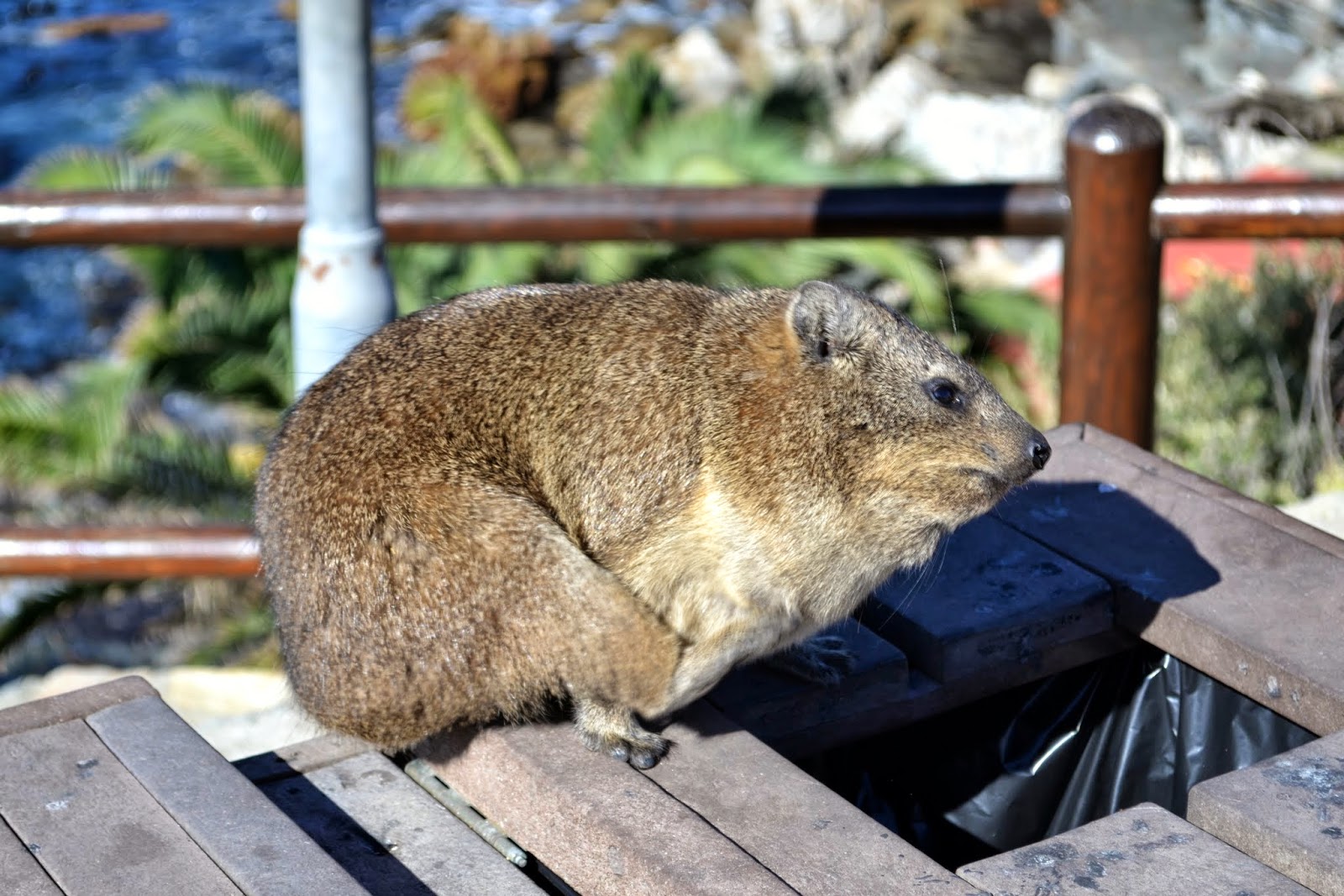
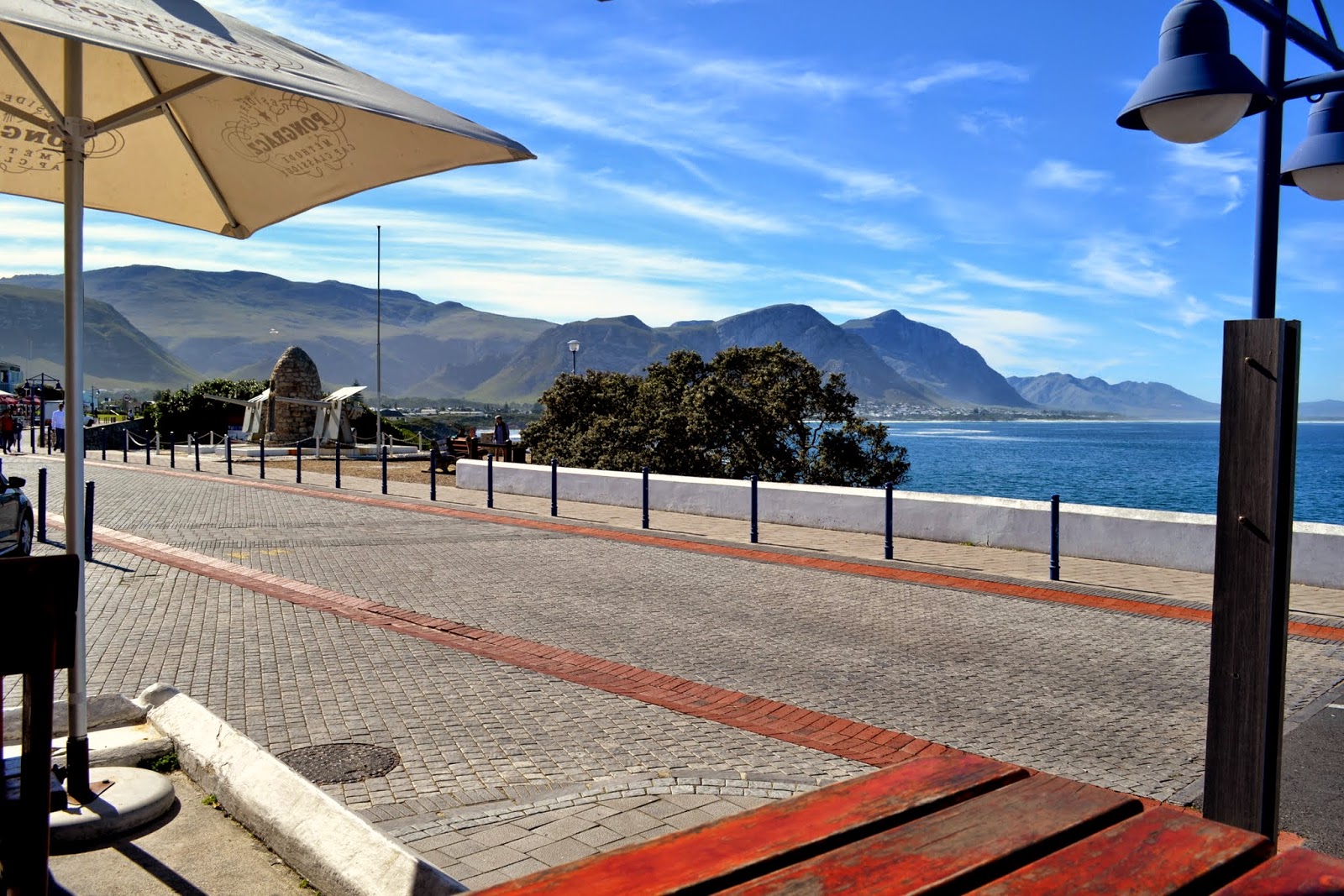
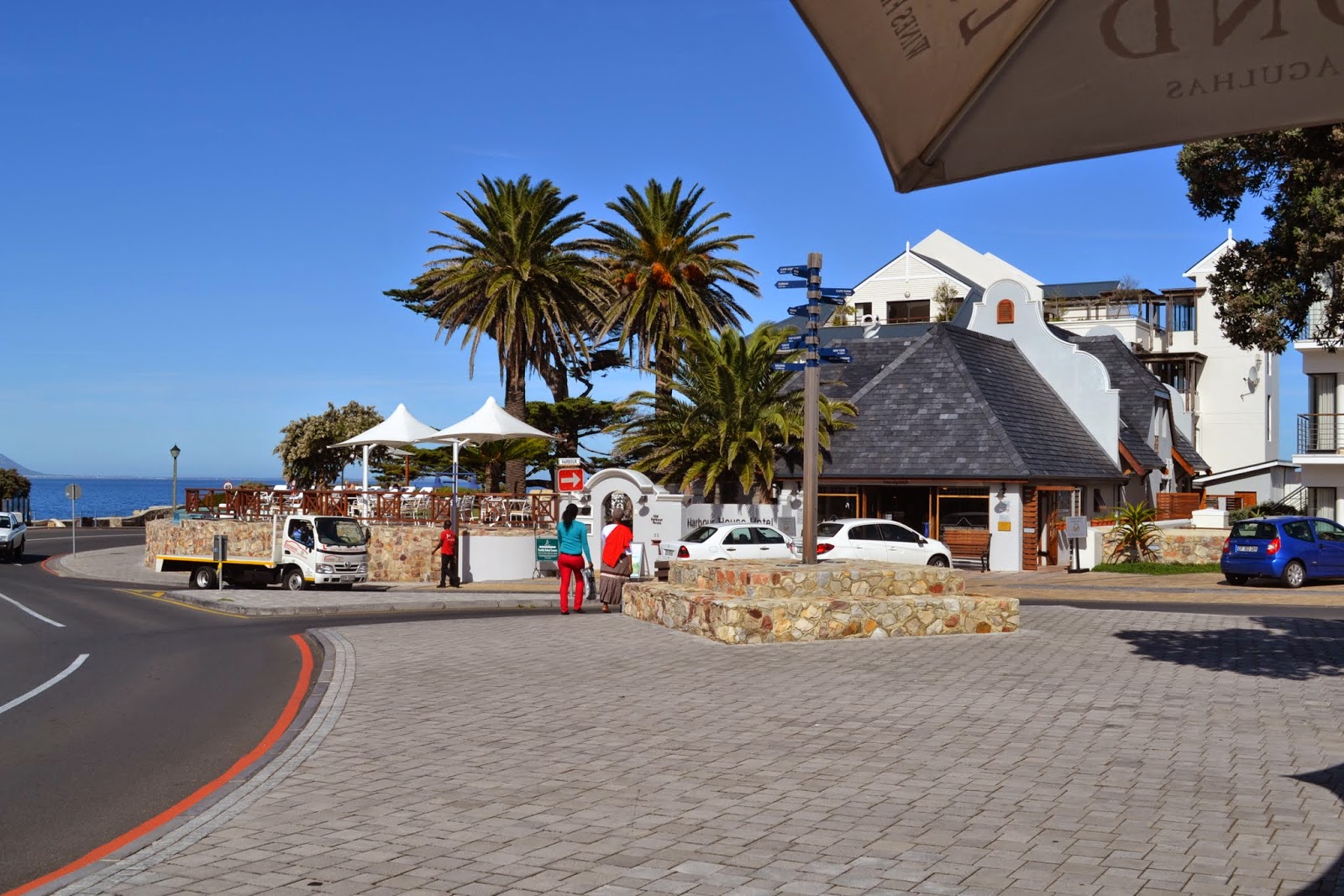
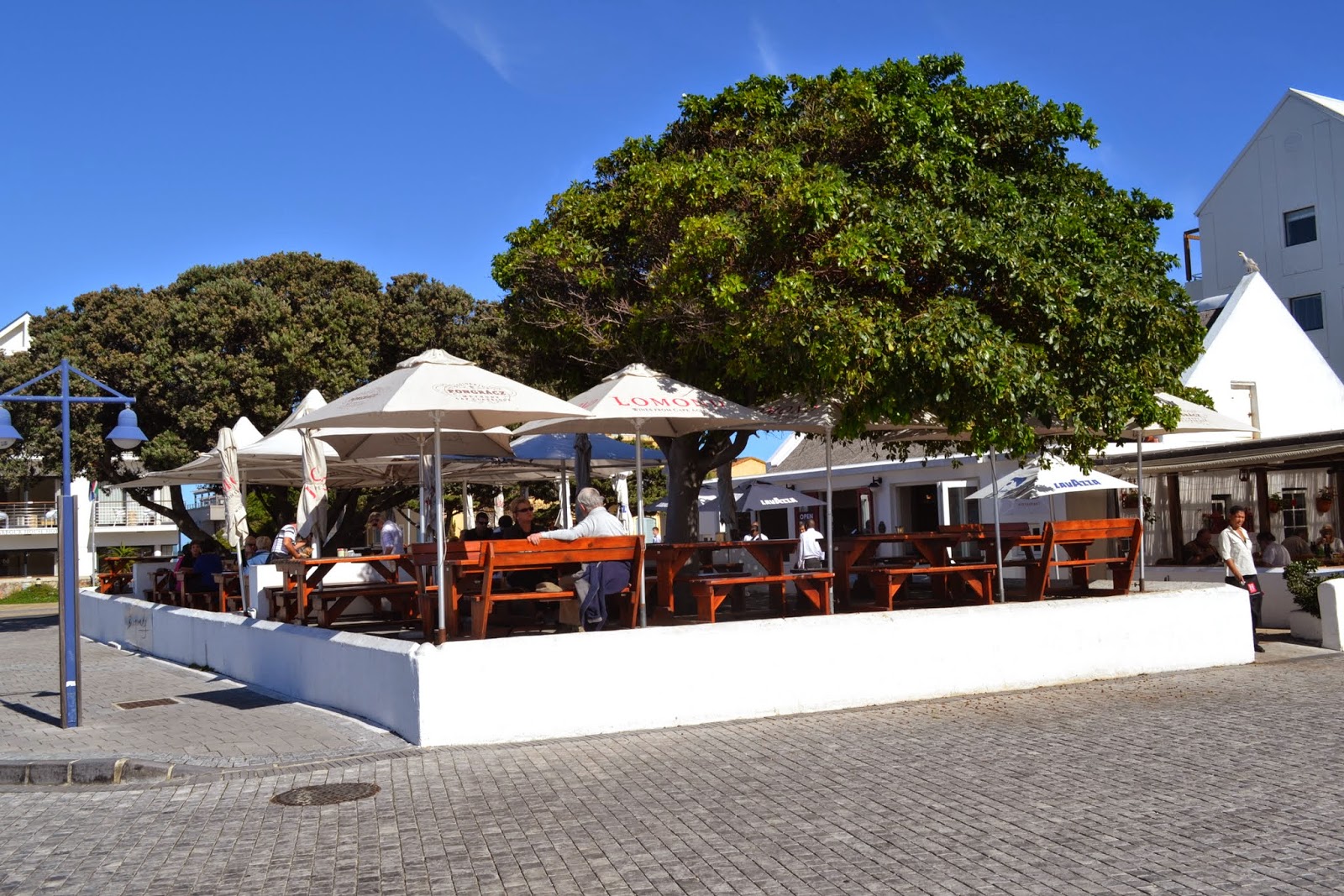
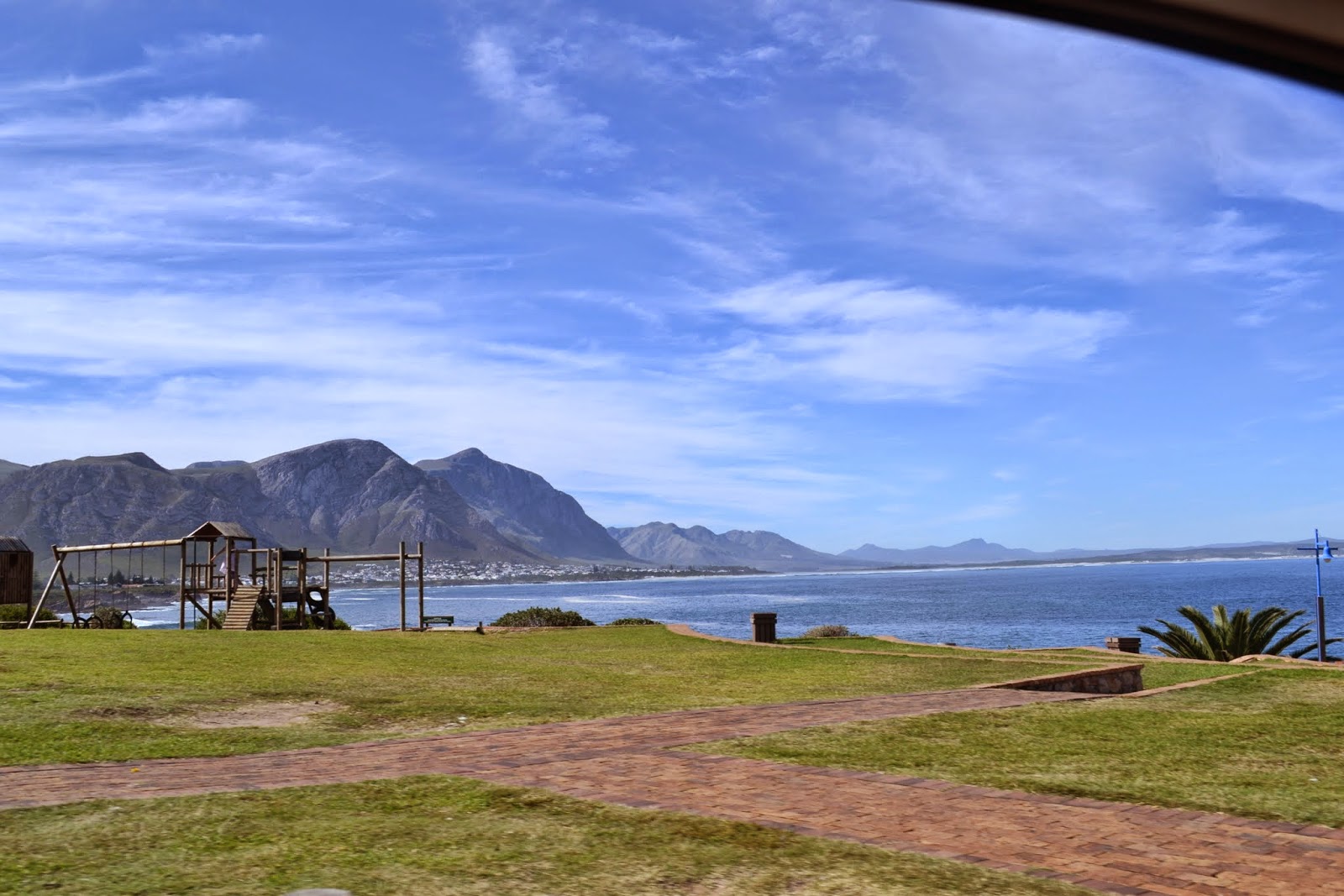
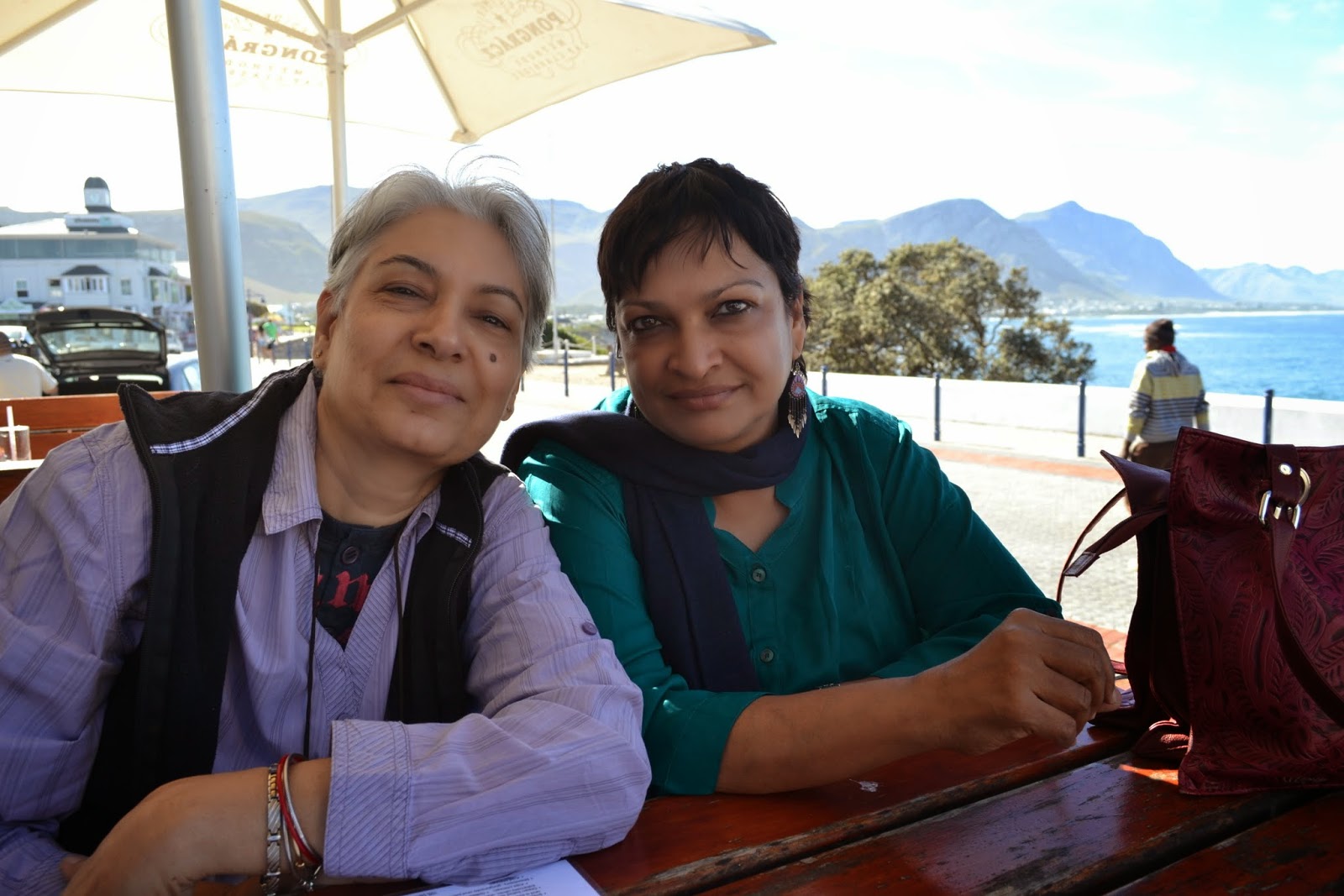
We left CT after a good breakfast and reached Hermanus Bay around 1030hrs; 120 kms of fun driving – winding roads, flat lands and many beaches. The town is well known as a major whale watching station. The season unfortunately starts only in July – so we missed the whales. The town itself boasts of a lovely beach and excellent weather, making it a hot tourist destination. The town is small and contained -very picturesque, quiet and clean, beckoning the visitor to spend more time. We spent an excellent morning sipping coffee whilst the girls were busy tasting“ the best chocolate scones in town” and ice cream.We went and saw a very fashionable restaurant ‘Burgundy’ – we came out very impressed.One can indulge in yachting and golfing in a big way in Hermanus Bay. If I were to travel in SA during the whale migration season between July to December, I would definitely stay in Hermanus for one day and night. The town is home to ‘Rock Rabbits” or rock hyrax; their closest living relatives are elephants – strangely enough! We saw these rock rabbits at close quarters, moving around nonchalantly among the few people who sat watching the sea, basking in the warmth of the South African sun.

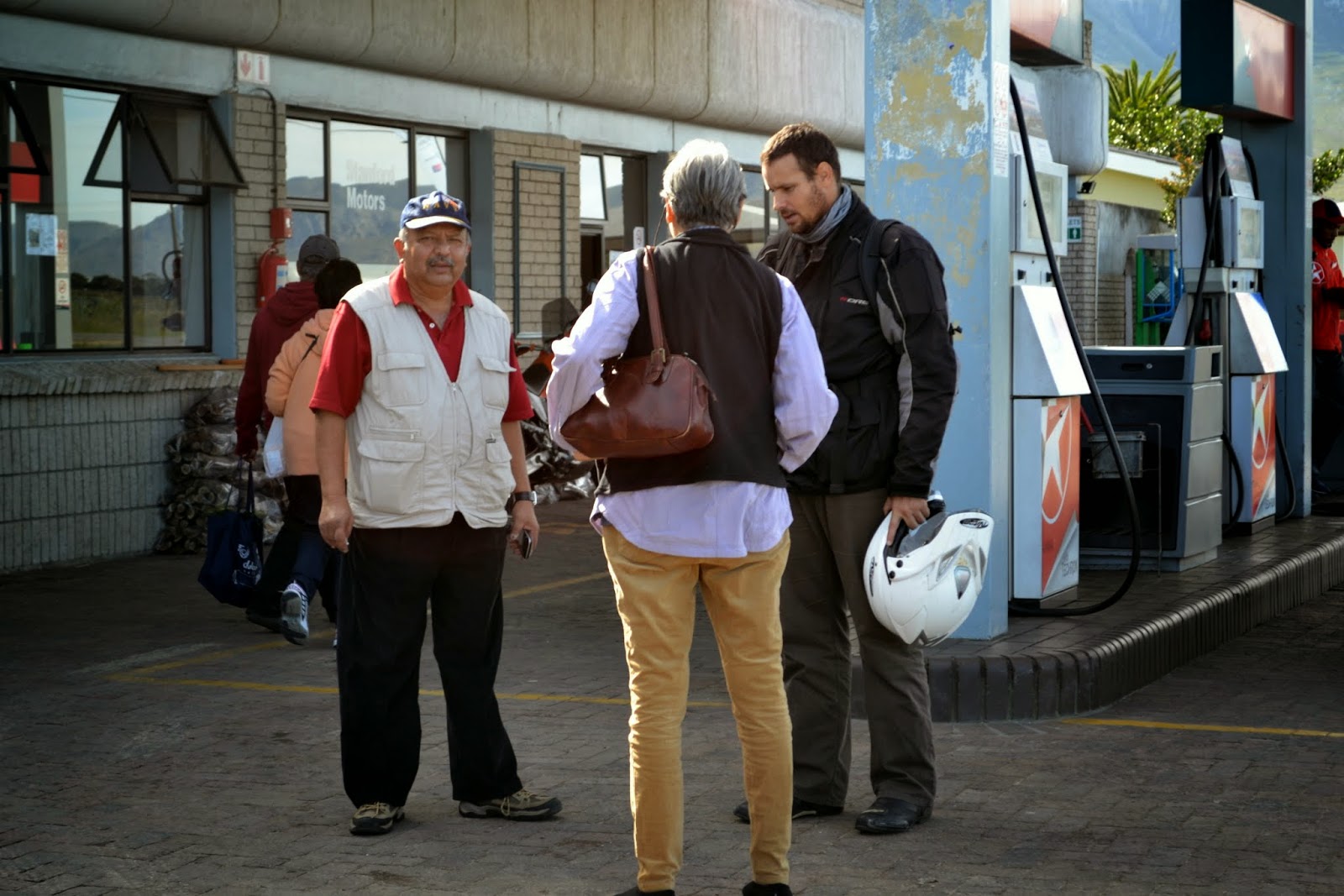
At 1300h, we proceeded to Knysna which is around 400 Km. An hour later I suddenly realized that the gear was stuck in the fifth. All checks and counter checks failed and we entered a providentially placed ‘Caltex Service Station’ about half a km away, in the town of Stanford. There we met a very helpful young South African of German descent. He went out of the way to call a mechanic. When all our efforts failed, I rang up Hertz and informed them about our predicament. The replacement car from CT reached us around 1500h.The response from Hertz was extremely fast. We had lunch in a very cute little restaurant and rested for a while.

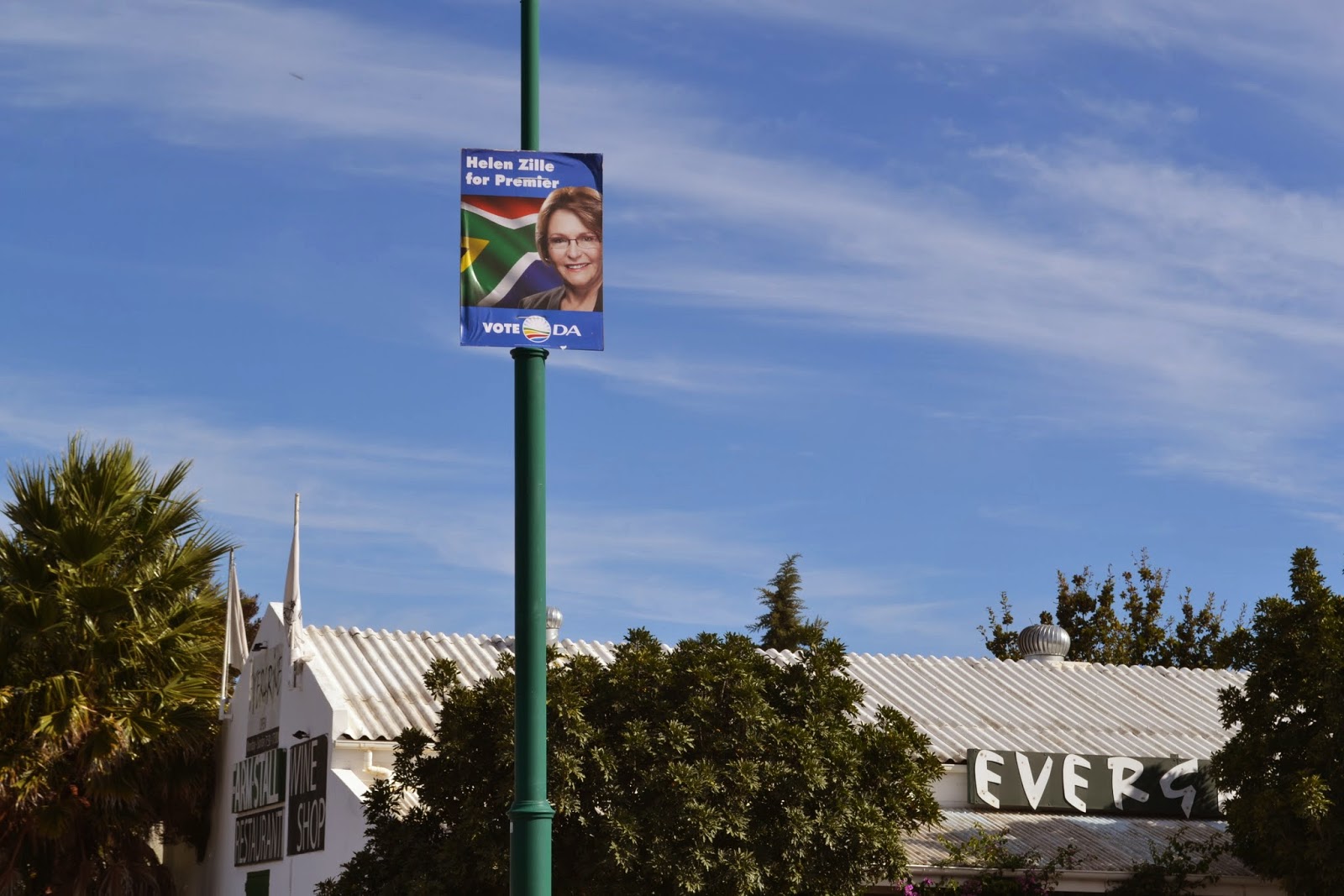
We landed in SA during their run up to the national election which was due on 07 May. Surprisingly the entire process was a low key affair unlike ours. No breast beating, high decibel arguments, crazy anchors confusing the already bewildered voters and rest of the tomfoolery which one associates with our elections. Even the posters were few and direct. Notwithstanding this low key run up, they recorded a turnout of 73.48% as against our 66.4%
The drive to Knysna entailed a lot of night driving, which I was trying to avoid. The roads are first rate but completely deserted. We did have some very anxious moments and finally reached our resort around 11pm.This misplaced adventure was not appreciated by SA veterans and I was very roundly ticked off for risking our safety.


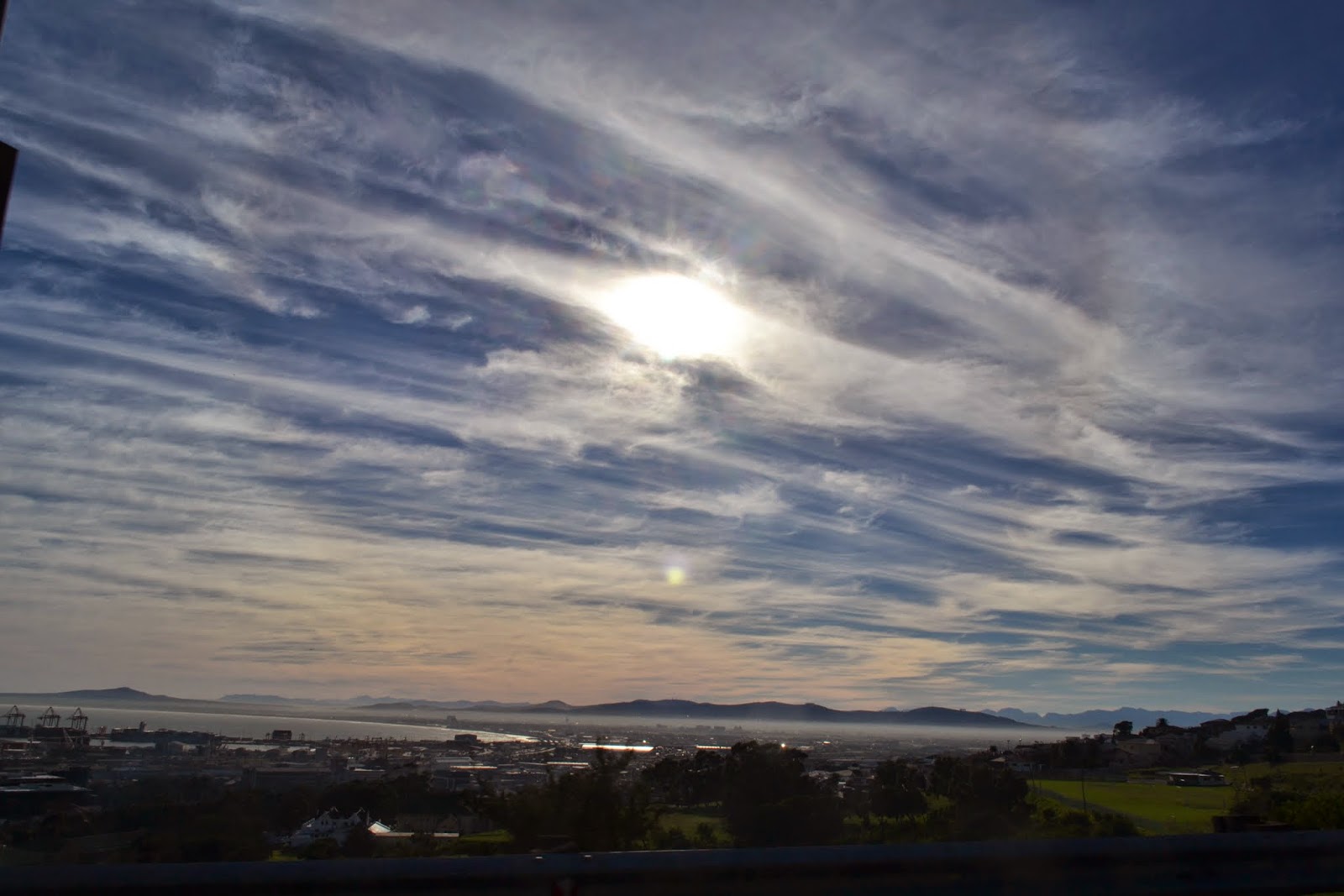
Figure <!–[if supportFields]> SEQ Figure \* ARABIC <![endif]–>1<!–[if supportFields]><![endif]–> – Early morning overcast sky on the way to Hermanus


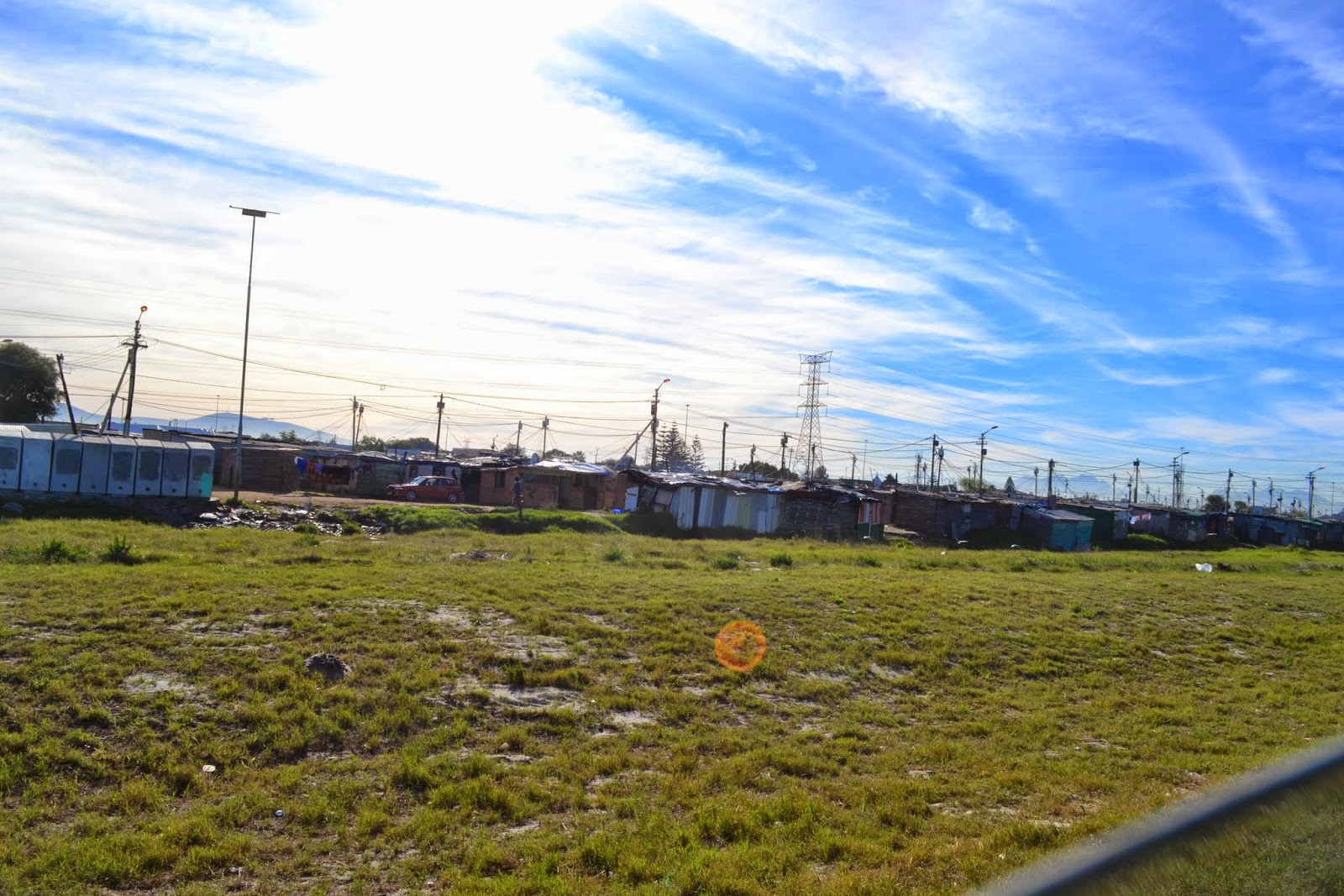
Figure <!–[if supportFields]> SEQ Figure \* ARABIC <![endif]–>2<!–[if supportFields]><![endif]–> – Black shanty town


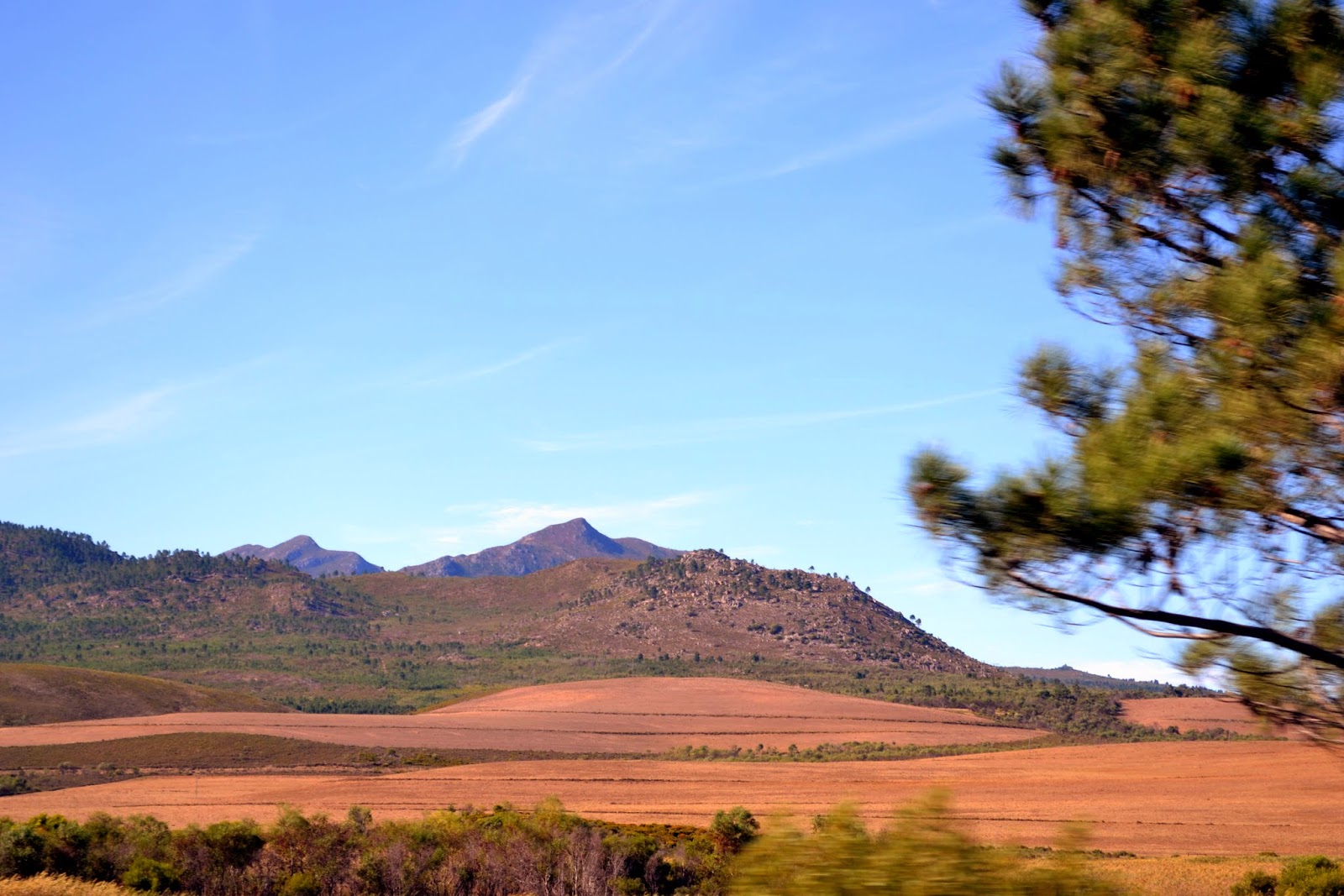
Figure <!–[if supportFields]> SEQ Figure \* ARABIC <![endif]–>3<!–[if supportFields]><![endif]–> – Typical landscape

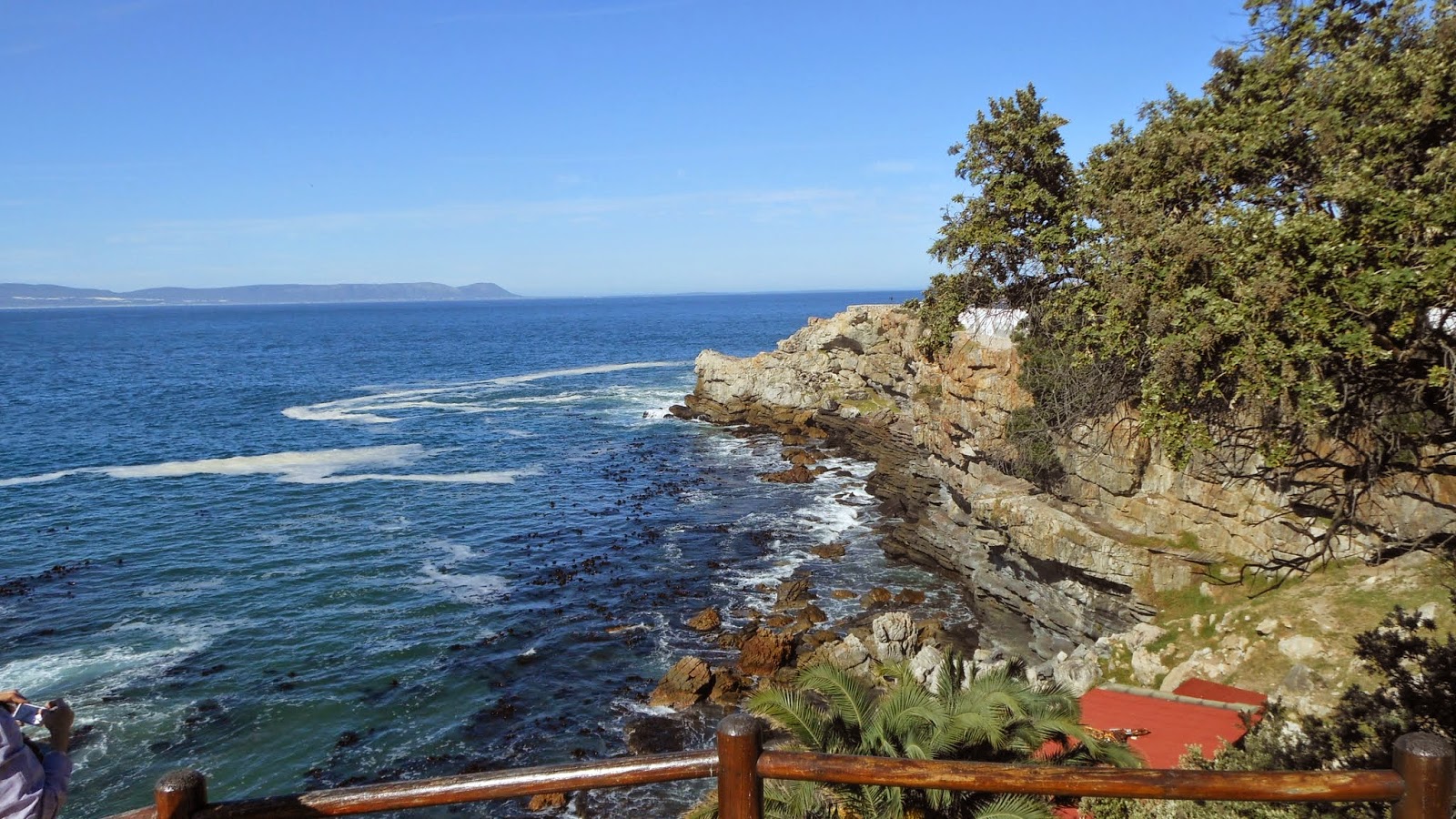
Figure <!–[if supportFields]> SEQ Figure \* ARABIC <![endif]–>4<!–[if supportFields]><![endif]–> – Fascinating view – Hermanus


Figure <!–[if supportFields]> SEQ Figure \* ARABIC <![endif]–>5<!–[if supportFields]><![endif]–> – City centre


Figure <!–[if supportFields]> SEQ Figure \* ARABIC <![endif]–>6<!–[if supportFields]><![endif]–> – Rock Rabbit foraging


Figure <!–[if supportFields]> SEQ Figure \* ARABIC <![endif]–>7<!–[if supportFields]><![endif]–> – Hermanus coastline


Figure <!–[if supportFields]> SEQ Figure \* ARABIC <![endif]–>8<!–[if supportFields]><![endif]–> – Typical beach resort


Figure <!–[if supportFields]> SEQ Figure \* ARABIC <![endif]–>9<!–[if supportFields]><![endif]–> – We stopped to have coffee and pastries


Figure <!–[if supportFields]> SEQ Figure \* ARABIC <![endif]–>10<!–[if supportFields]><![endif]–> – Another view


Figure <!–[if supportFields]> SEQ Figure \* ARABIC <![endif]–>11<!–[if supportFields]><![endif]–> – The scones were rich and fulfilling 


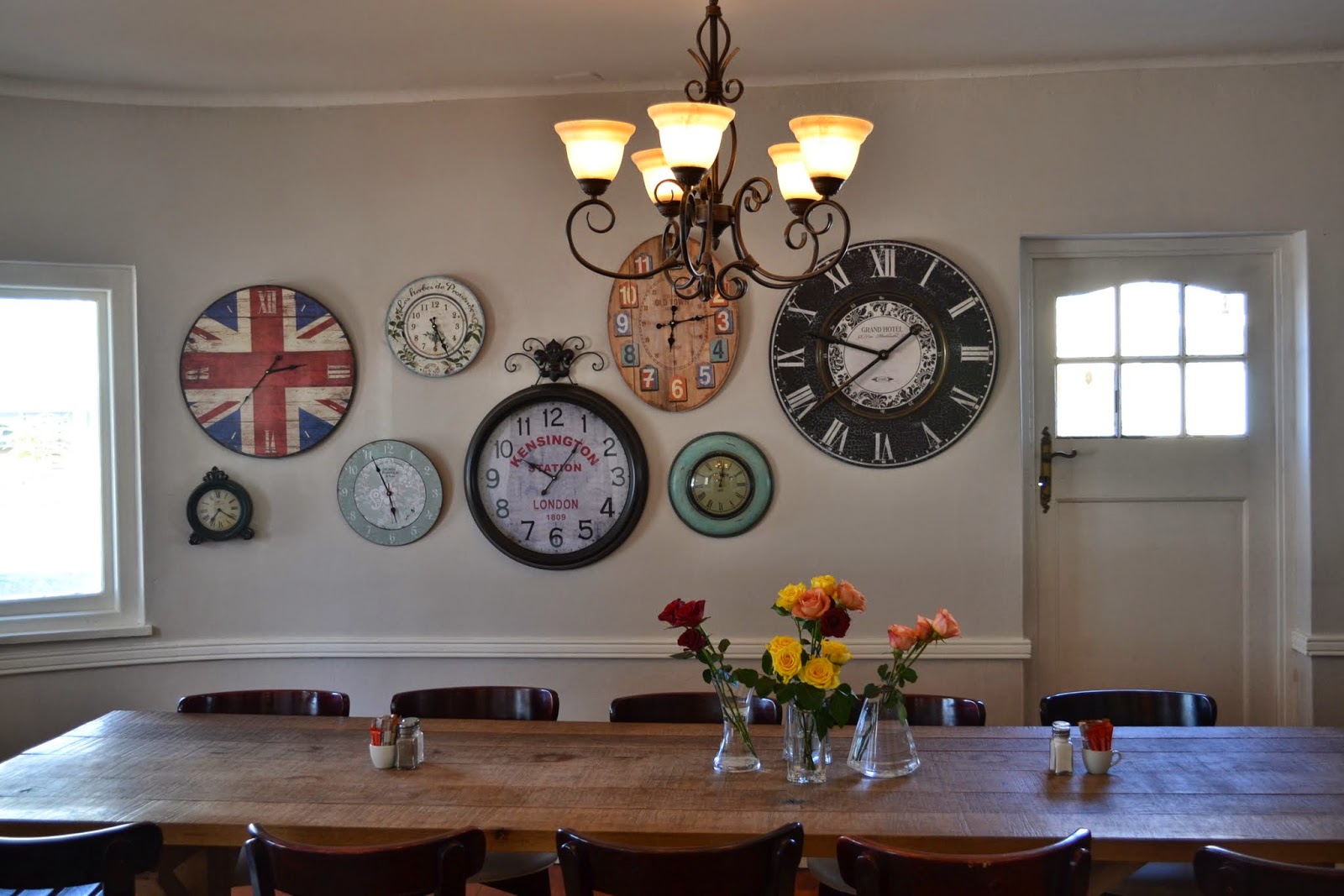
Figure 12 – Inside the Burgundy restaurant – a very well appointed place


Figure 12 A – Another view of the interior of Burgundy


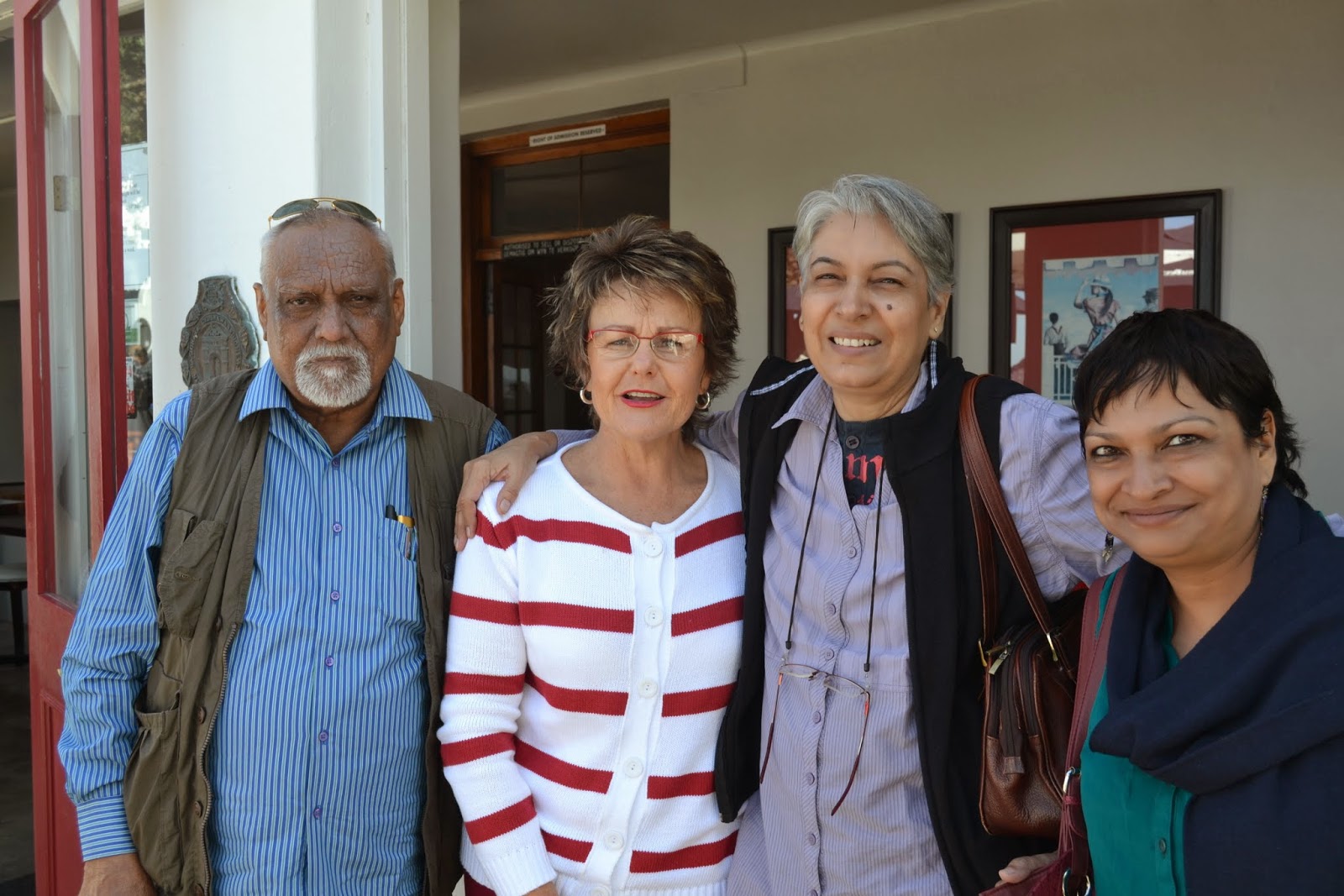
Figure <!–[if supportFields]> SEQ Figure \* ARABIC <![endif]–>13<!–[if supportFields]><![endif]–> – With the owner Ms Celia Rabie


Figure <!–[if supportFields]> SEQ Figure \* ARABIC <![endif]–>14<!–[if supportFields]><![endif]–> – One last look


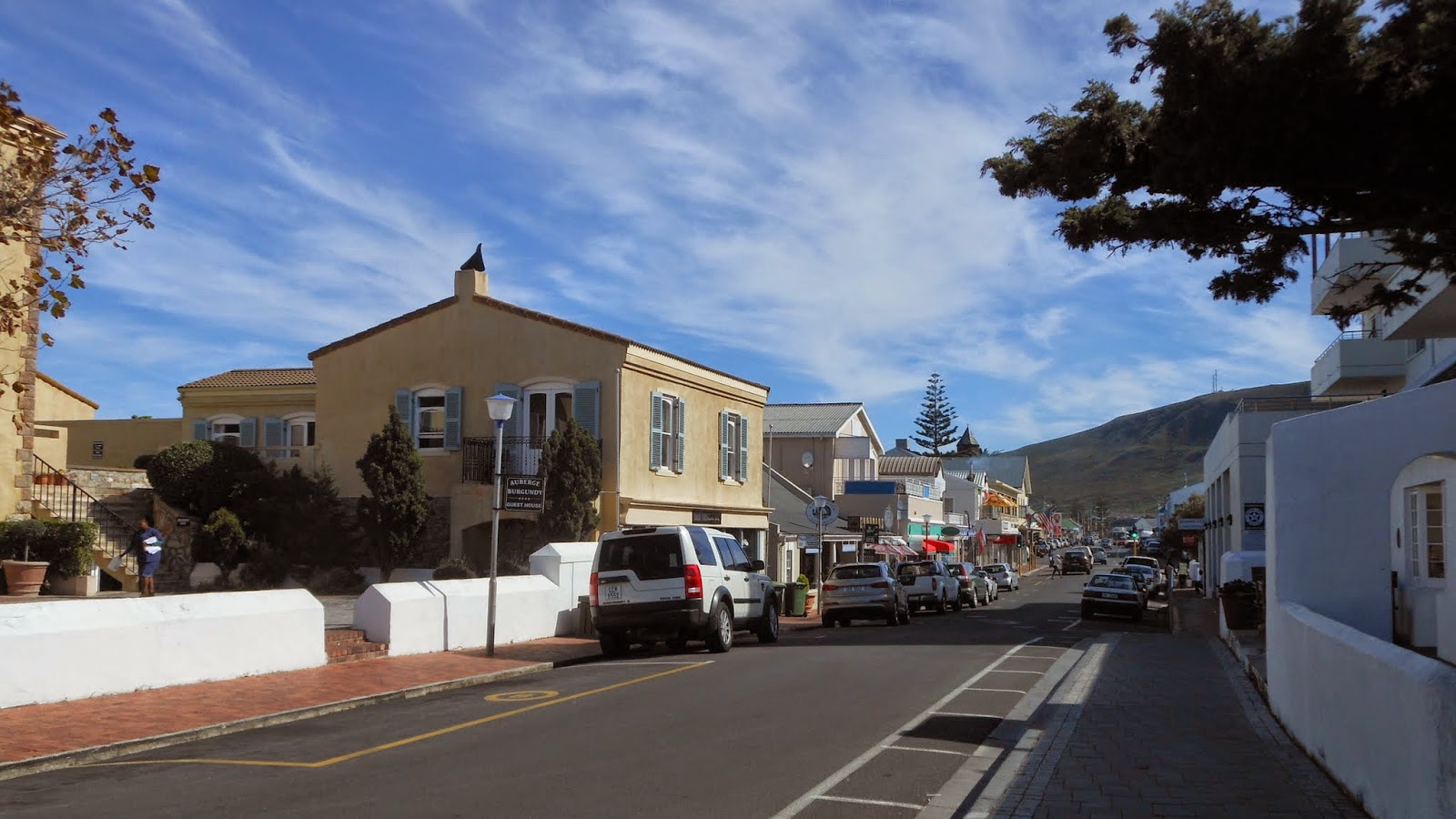
Figure <!–[if supportFields]> SEQ Figure \* ARABIC <![endif]–>15<!–[if supportFields]><![endif]–> – Main drive of the town


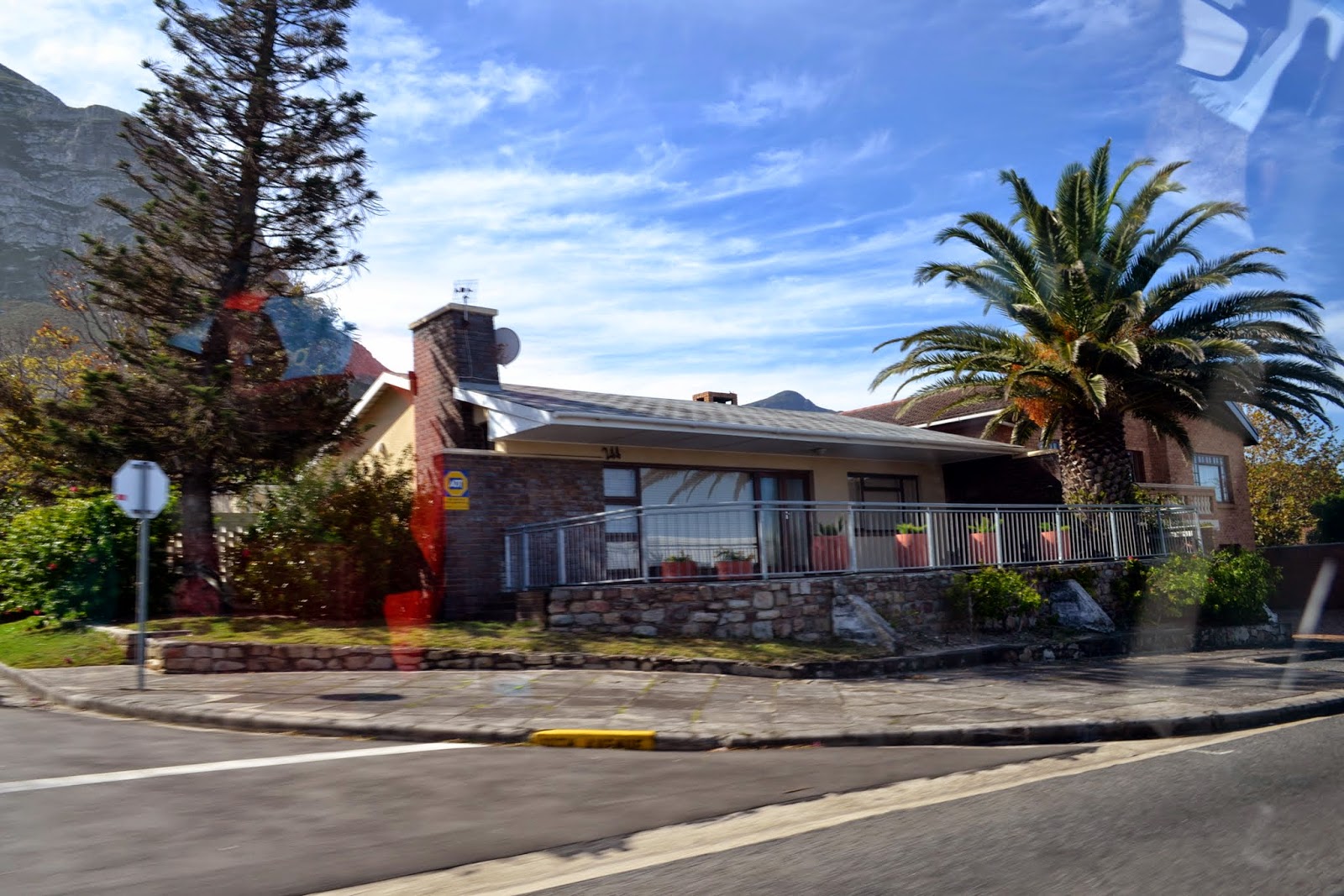
Figure <!–[if supportFields]> SEQ Figure \* ARABIC <![endif]–>16<!–[if supportFields]><![endif]–> – A typical house


Figure <!–[if supportFields]> SEQ Figure \* ARABIC <![endif]–>17<!–[if supportFields]><![endif]–> – With our SA friend


Figure <!–[if supportFields]> SEQ Figure \* ARABIC <![endif]–>18<!–[if supportFields]><![endif]–> – Solitary election poster


Figure <!–[if supportFields]> SEQ Figure \* ARABIC <![endif]–>19<!–[if supportFields]><![endif]–> – Lunch at Stanford


Figure <!–[if supportFields]> SEQ Figure \* ARABIC <![endif]–>20<!–[if supportFields]><![endif]–> – The wait was worth it

We visited Cape Town 03 to 05 May – Table Mountain,Cape of Good Hope, Robben Island,V and A waterfront

Cape Town 03 May.

Located on the shore of Table Bay, Cape Town was originally developed by the Dutch East India Company as a victualing (supply) station for Dutch ships sailing to East Africa, India, and the Far East. Jan Van Riebeeks’ arrival on 6 April 1652 established the first permanent European settlement in South Africa. Cape Town is the second-most populous city in South Africa, after Johannesburg.

CT is an incredibly fascinating and really pretty city nestled between the fabled ‘Table Mountain’ and the great Atlantic and the Indian Oceans. The city is well laid out with broad roads, a bustling market place, city centre and a mesmerizing water front. Lovely huge bungalows with manicured gardens lie along the mountain side – each outdoing the other in architectural elegance. Driving around CT is a very pleasant experience. CT has a population of 3.9 million and yet the city looks devoid of people.

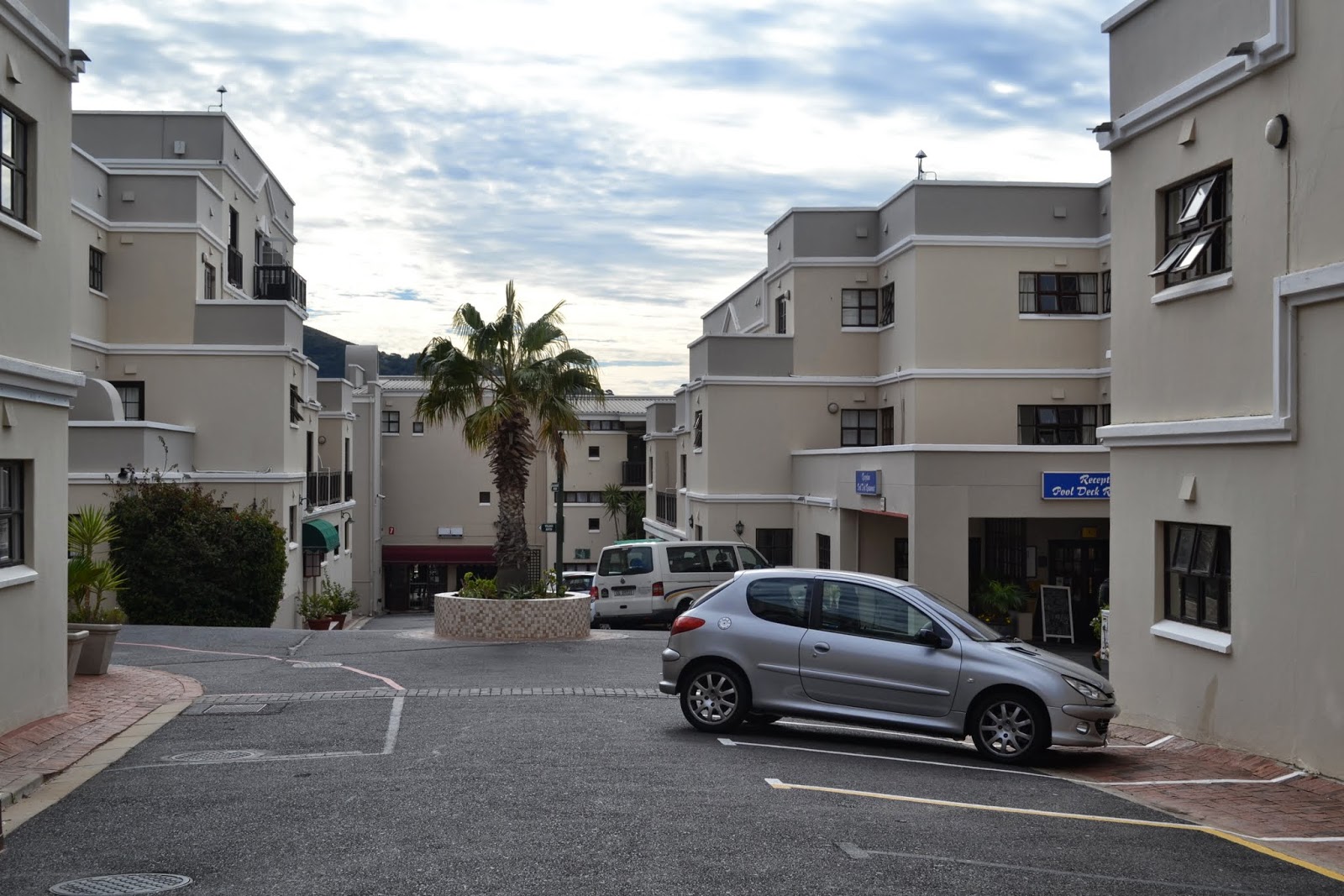
As we landed in CT we collected our car from Hertz. Initially they gave us an Etios with automatic gears. I was not used to automatic gears and was very uncomfortable. We changed it immediately to a manual gear Chevrolet Sonic sedan and reached ‘Best Western’ hotel.It is a very well appointed, reasonably priced and efficient hotel chain. We had stayed earlier in the same property in Santorini, Greece.

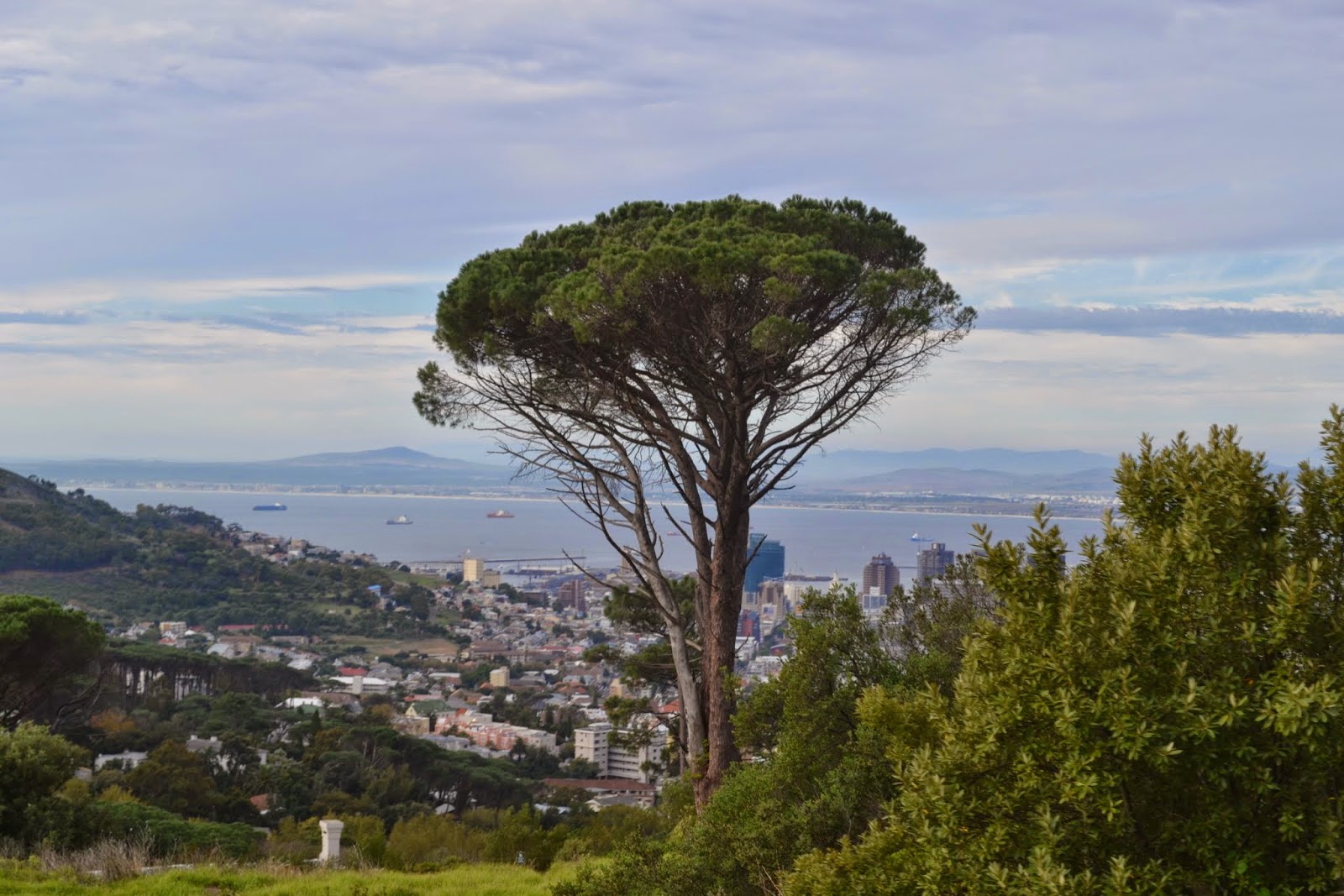
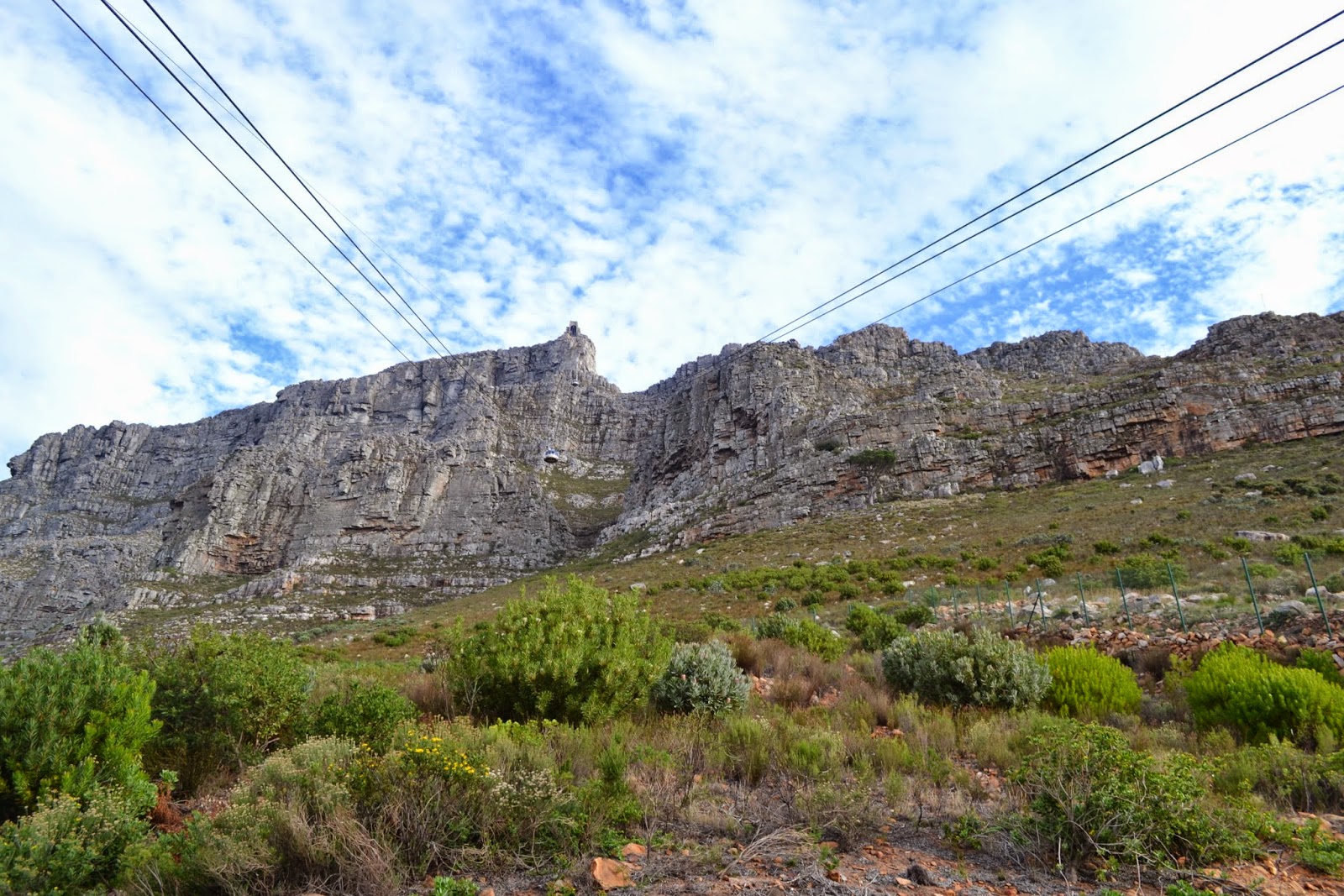
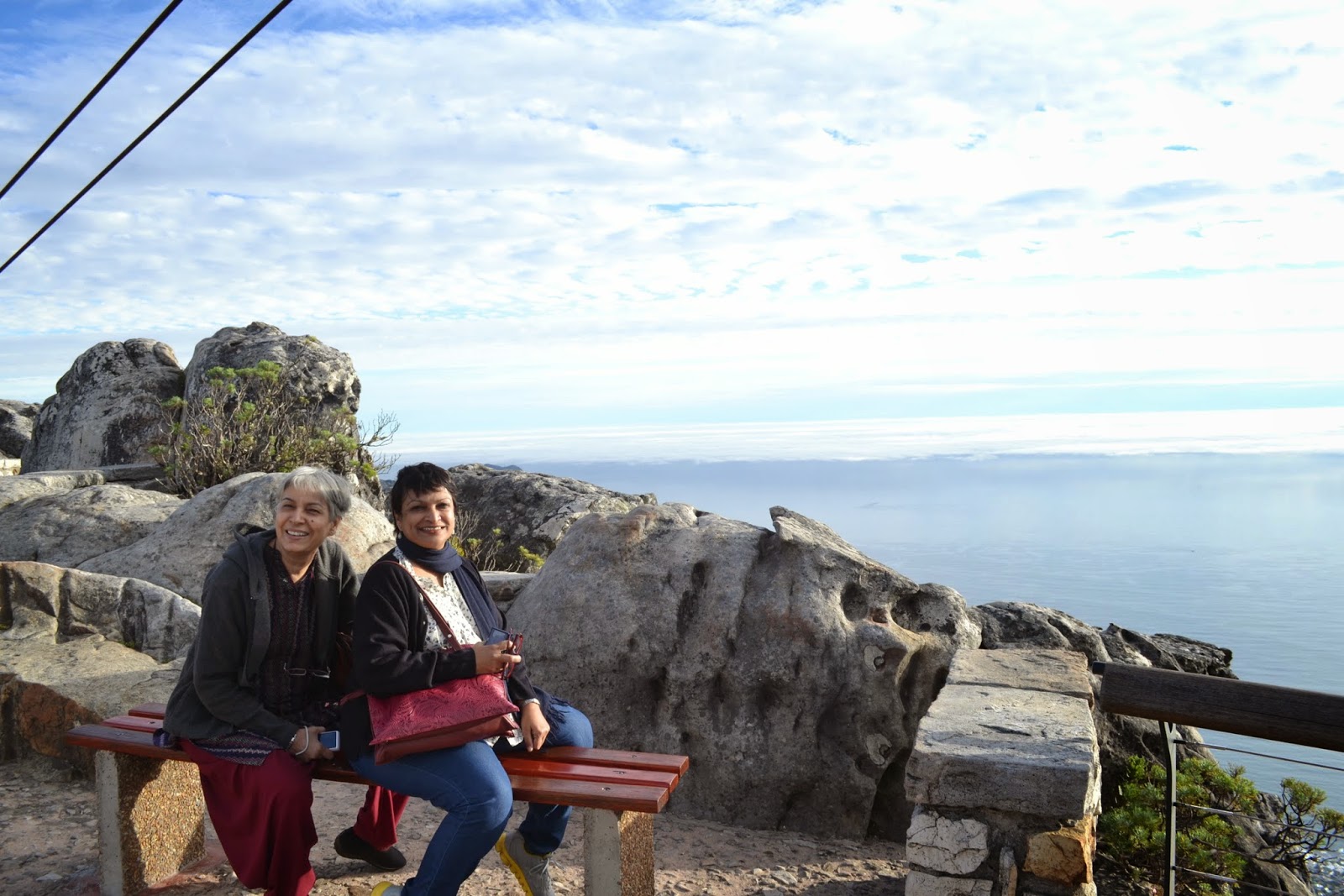
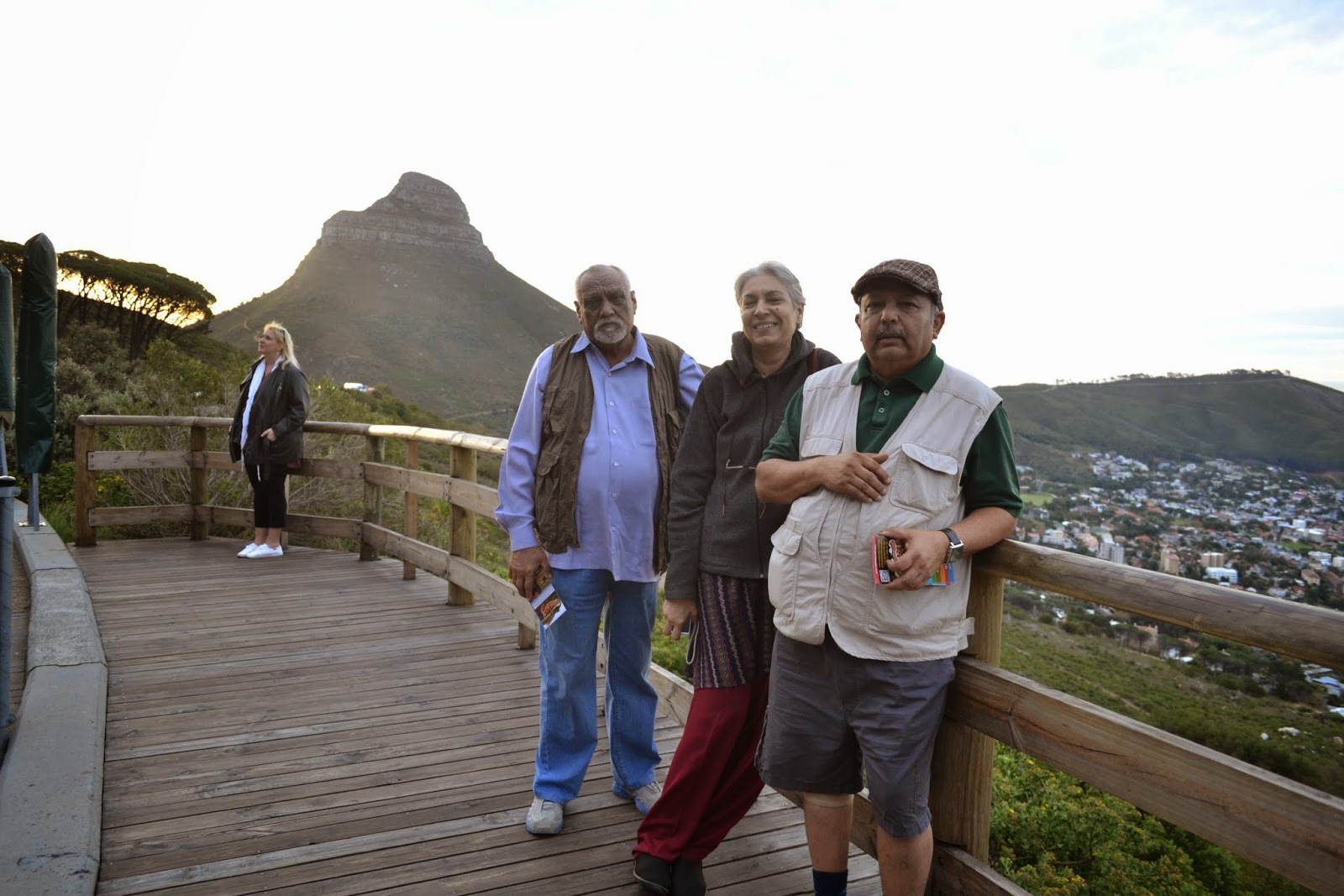
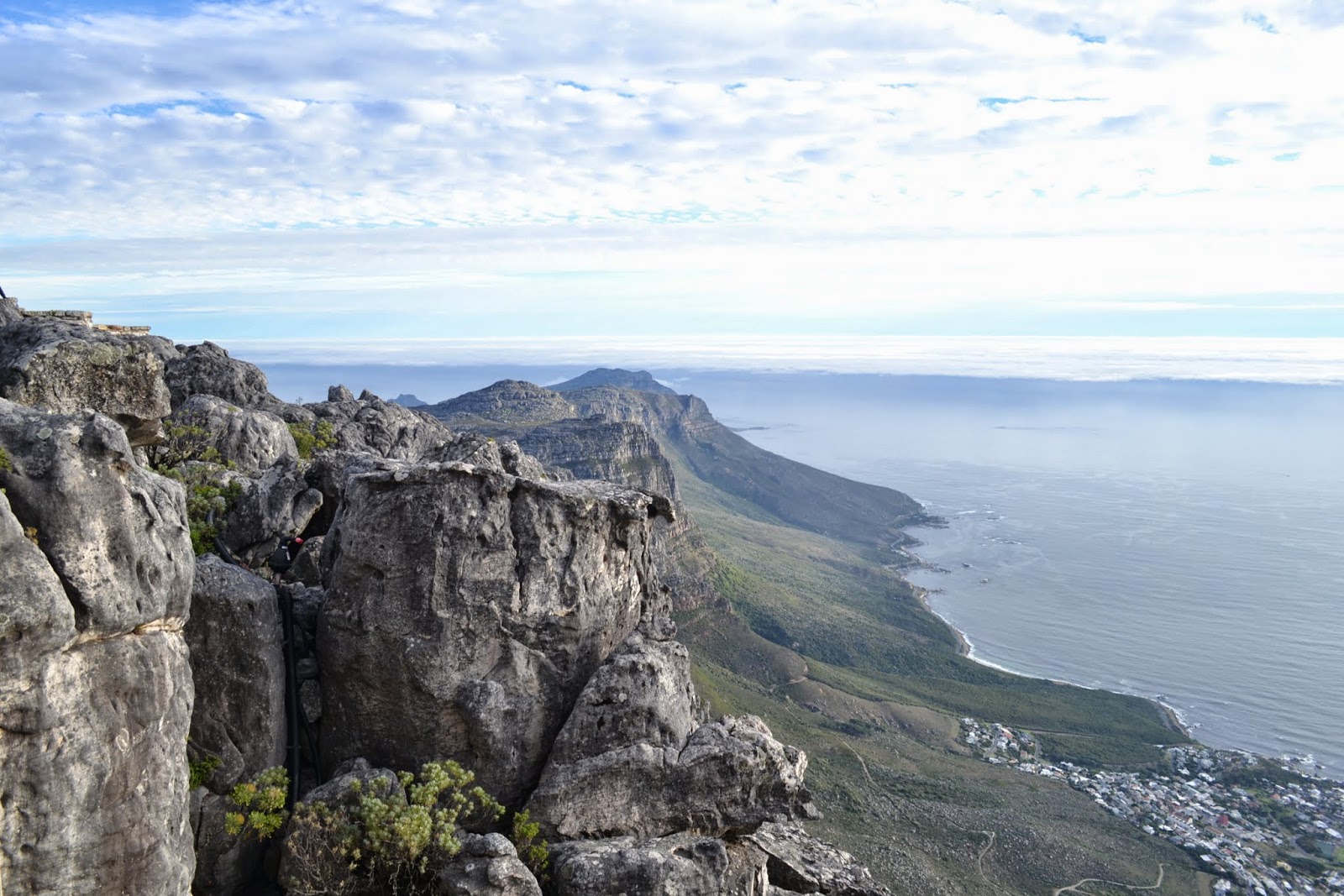
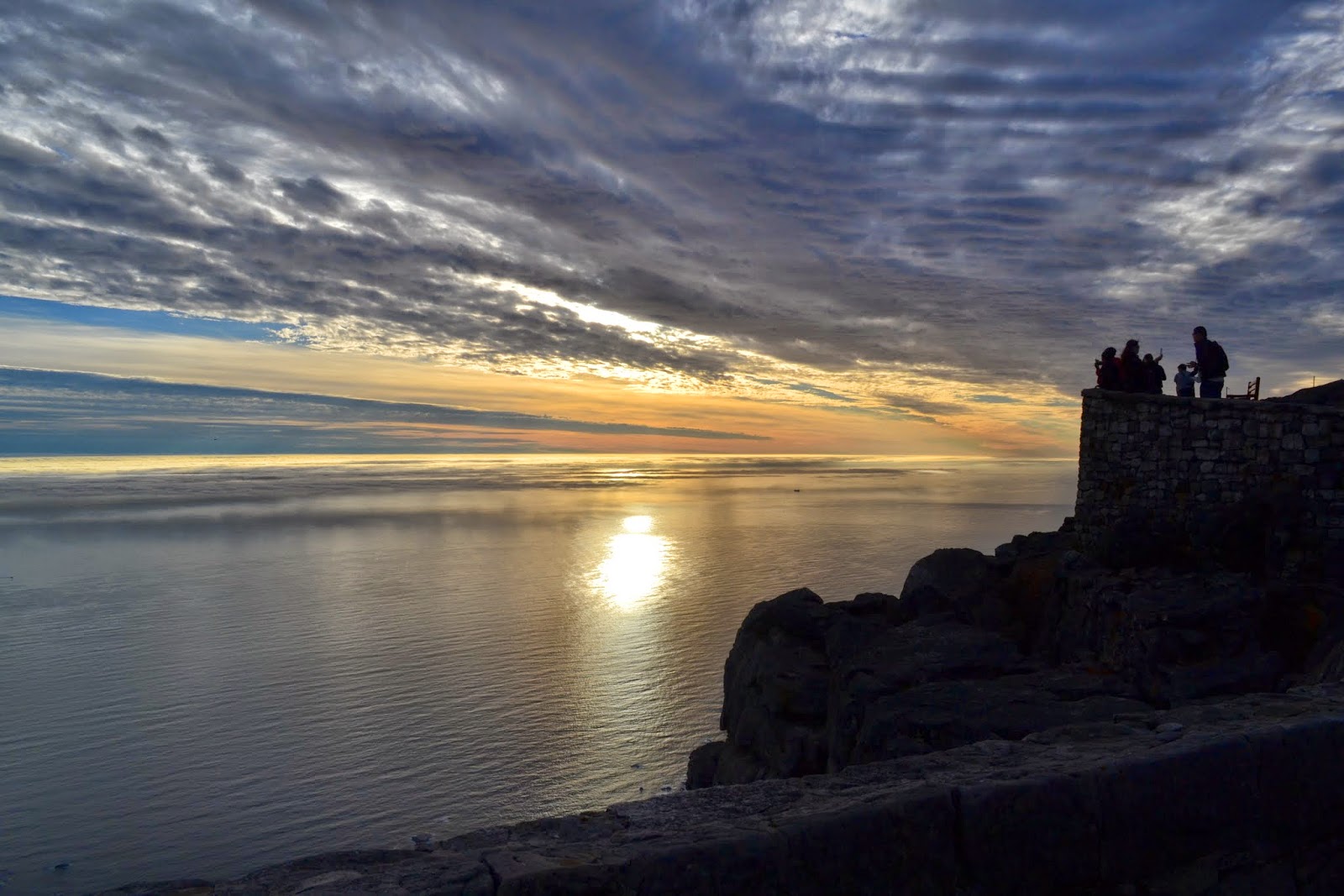
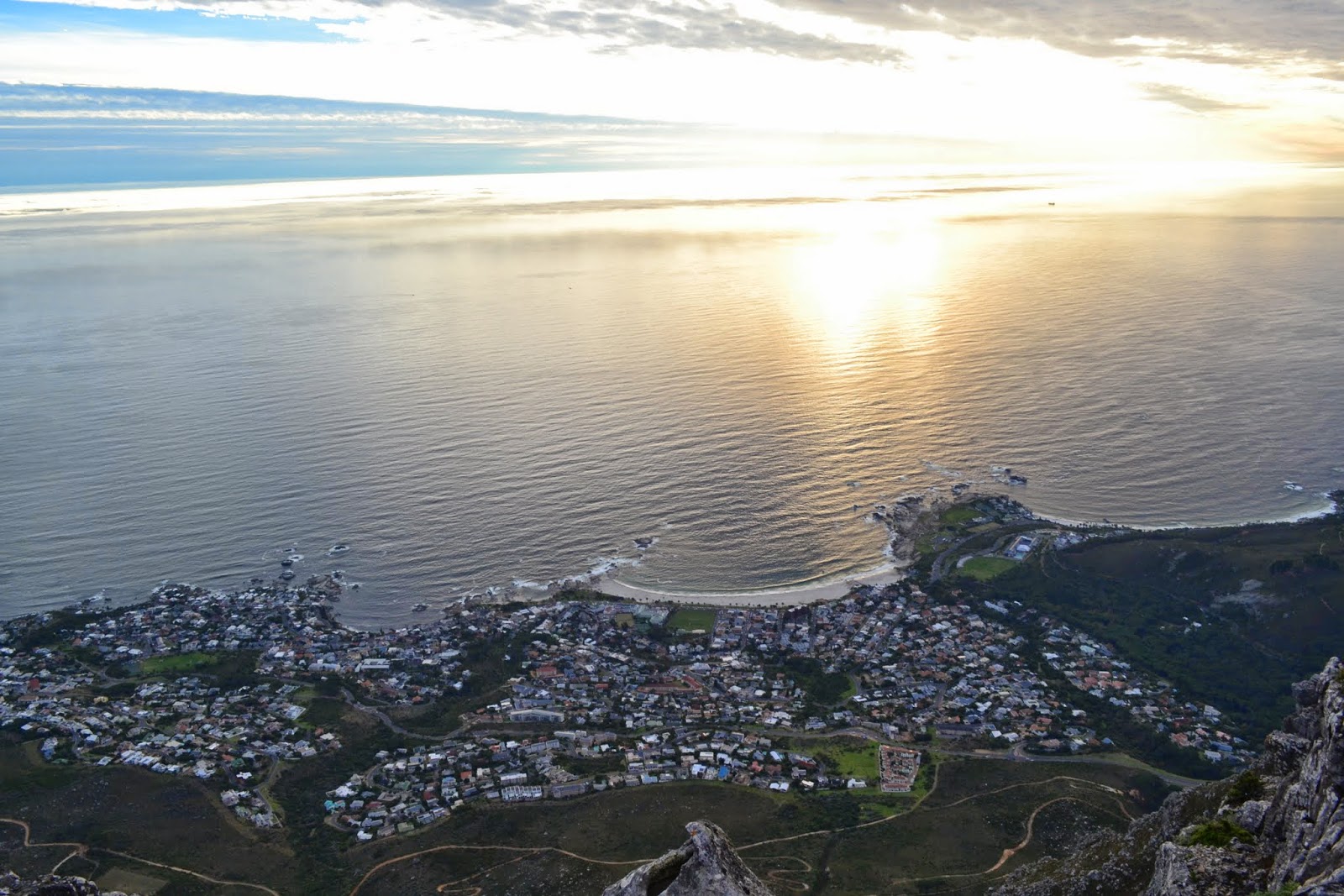
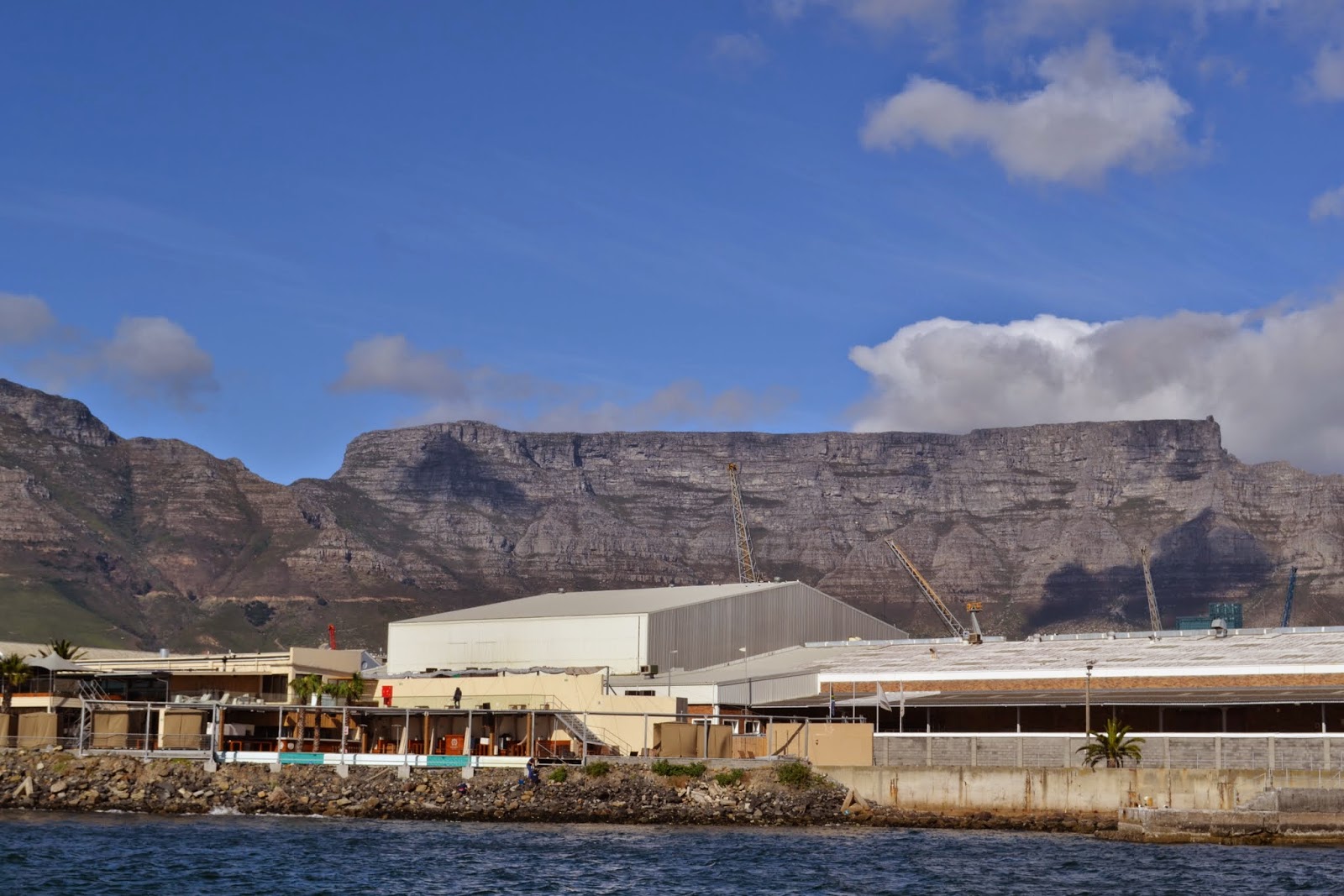
After a quick lunch we went off the see ‘Table Mountain’ which is a flat-topped mountain forming a prominent landmark overlooking the city of Cape Town. Table Mountain is about 260-million years old, starting at Signal Hill and ending at Cape Point. The main feature of Table Mountain is the level plateau approximately 3 km from side to side, edged by impressive cliffs. The drive from the hotel is lovely and as one climbs, the contours of the city come alive. Table Mountain is proud to be one of the official New 7 Wonders of Nature. We took a cable car to reach the top. The lower cable station is at an elevation of 302 mtr and the upper cable station on the western most end of the Table Mountain plateau, is at an elevation of 1,067 mtr. As we go up, the cabin rotates providing a panoramic view of the landscape below. The ride up is very fascinating but quick. One reaches the top in four minutes. Once on top you get to see the town and its surrounding in all its beauty. A must see for all visitors.
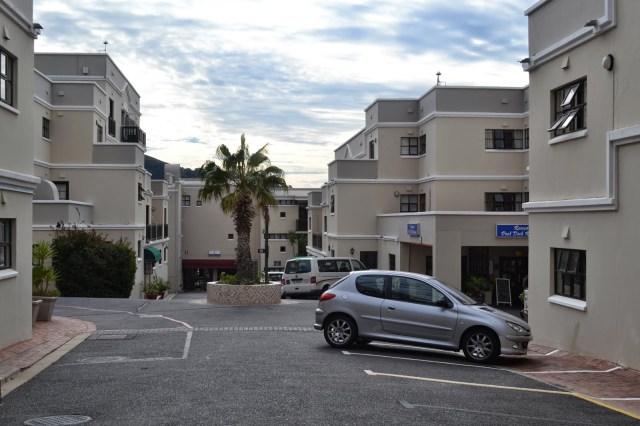
Figure <!–[if supportFields]> SEQ Figure \* ARABIC <![endif]–>1<!–[if supportFields]><![endif]–> – Best Western Hotel CT – Efficient, Friendly, Neat and tidy.


Figure <!–[if supportFields]> SEQ Figure \* ARABIC <![endif]–>2<!–[if supportFields]><![endif]–> – On the way to the cable car station


Figure <!–[if supportFields]> SEQ Figure \* ARABIC <![endif]–>3<!–[if supportFields]><![endif]–> – View of the ‘Table Mountain’ from below


Figure <!–[if supportFields]> SEQ Figure \* ARABIC <![endif]–>4<!–[if supportFields]><![endif]–> – Jai and Navin photo op


Figure <!–[if supportFields]> SEQ Figure \* ARABIC <![endif]–>5<!–[if supportFields]><![endif]–> – Kats Navin and I


Figure <!–[if supportFields]> SEQ Figure \* ARABIC <![endif]–>6<!–[if supportFields]><![endif]–> – Very interesting rock formations


Figure <!–[if supportFields]> SEQ Figure \* ARABIC <![endif]–>7<!–[if supportFields]><![endif]–> – Sun set at Table Mountain


Figure <!–[if supportFields]> SEQ Figure \* ARABIC <![endif]–>8<!–[if supportFields]><![endif]–> – Another view of sunset on reaching the base of Table Mountain


Figure <!–[if supportFields]> SEQ Figure \* ARABIC <![endif]–>9<!–[if supportFields]><![endif]–> – The city below


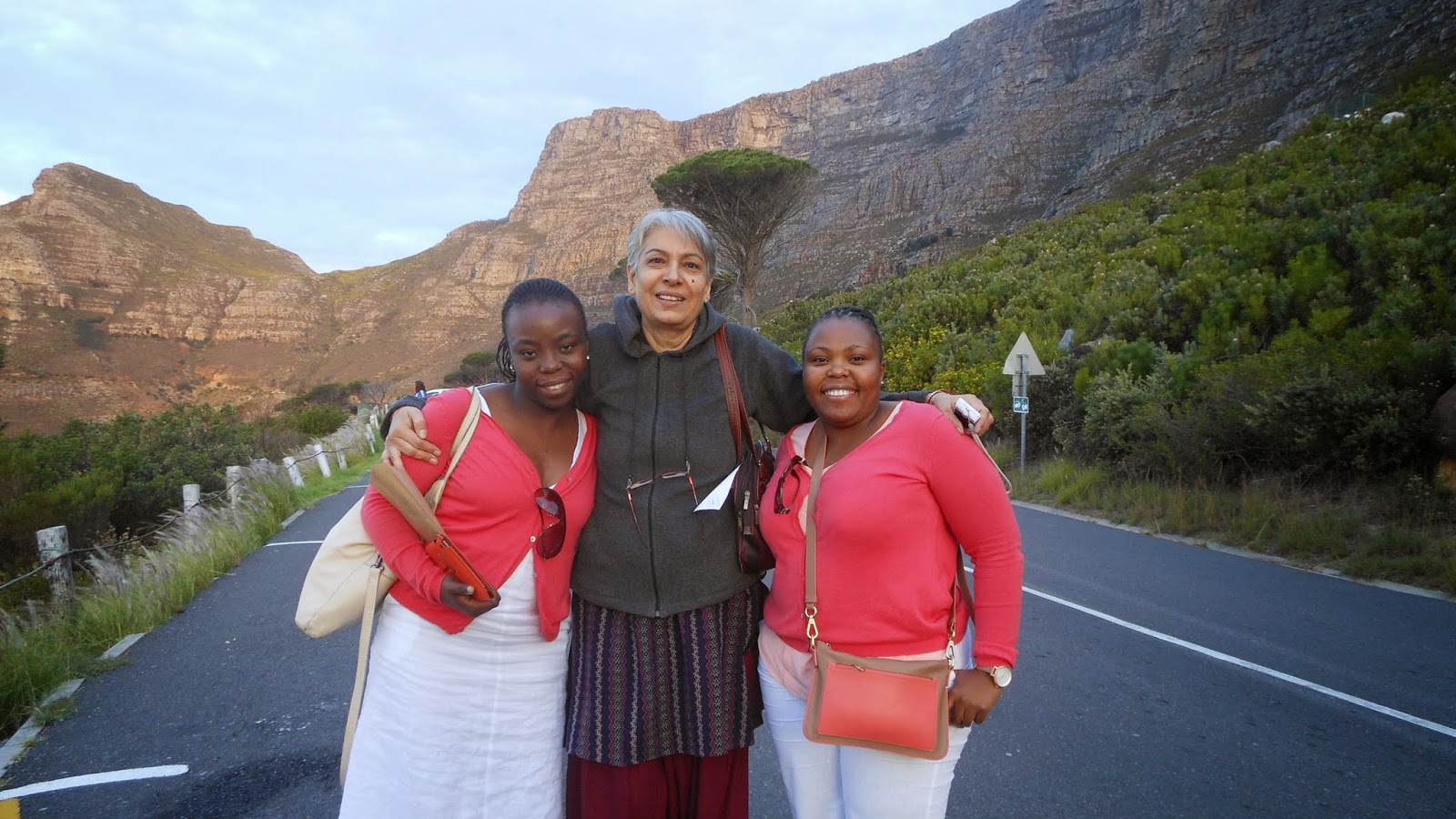
Figure <!–[if supportFields]> SEQ Figure \* ARABIC <![endif]–>10<!–[if supportFields]><![endif]–> – Navin with locals – bonding
Cape Town 04 May.

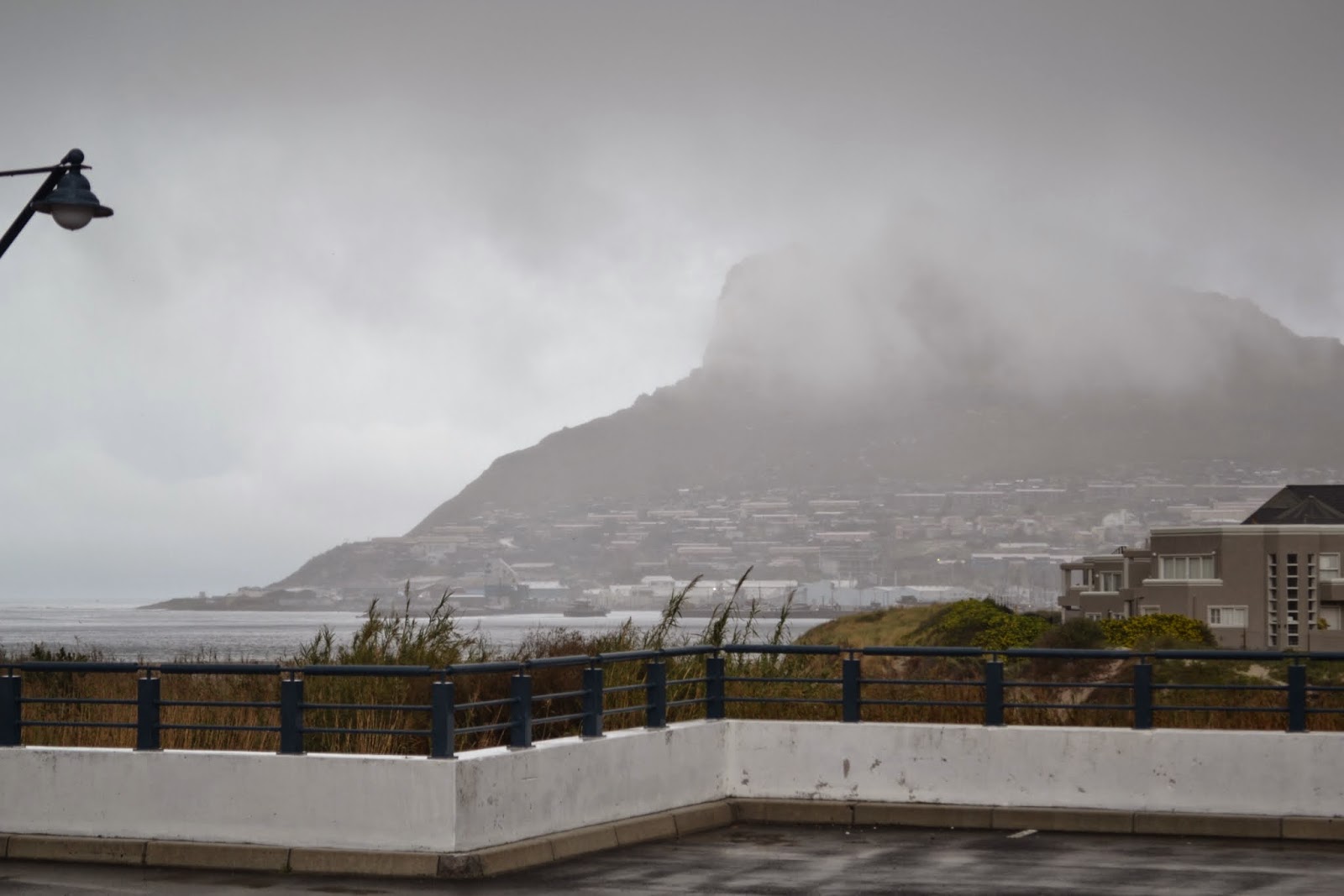
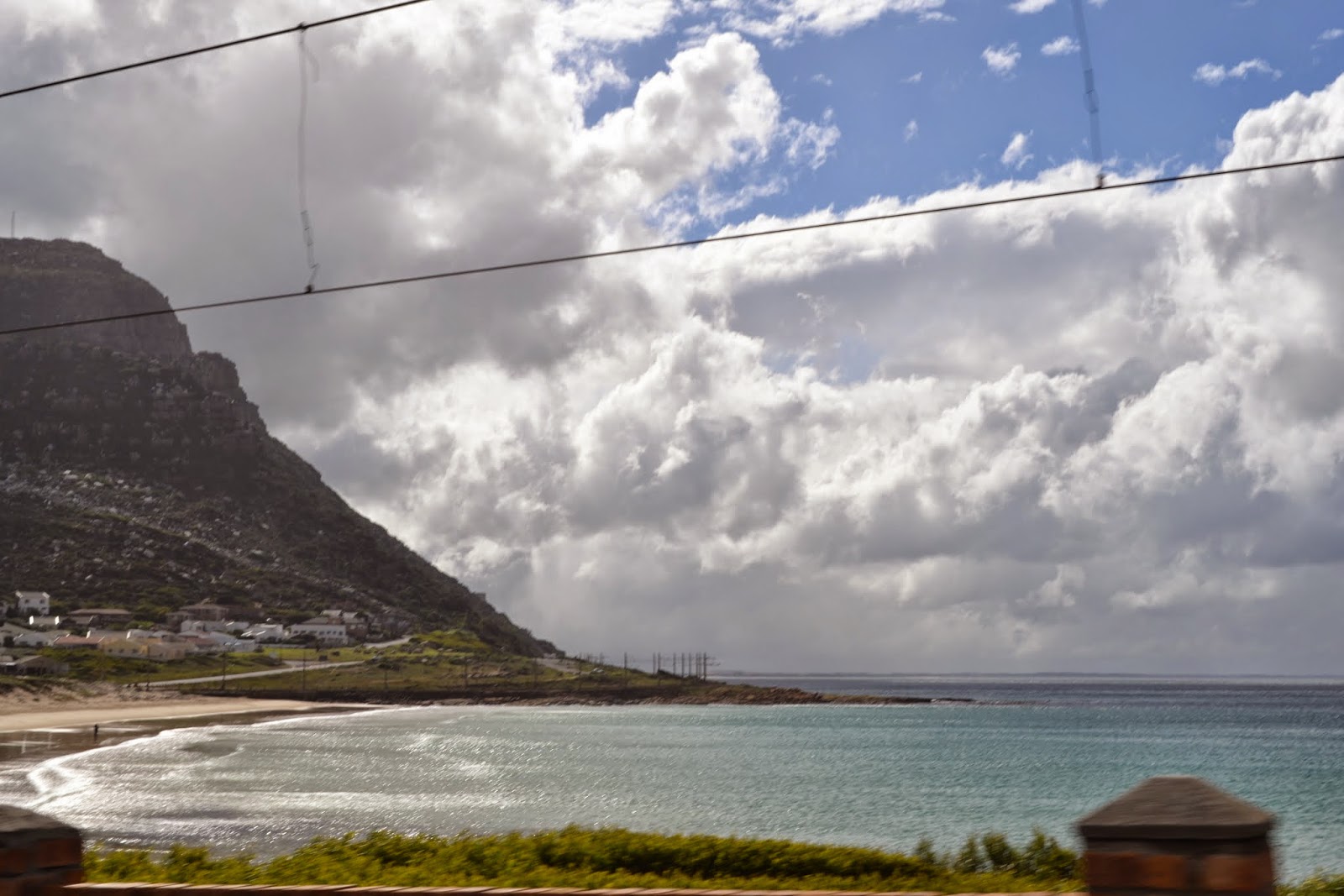
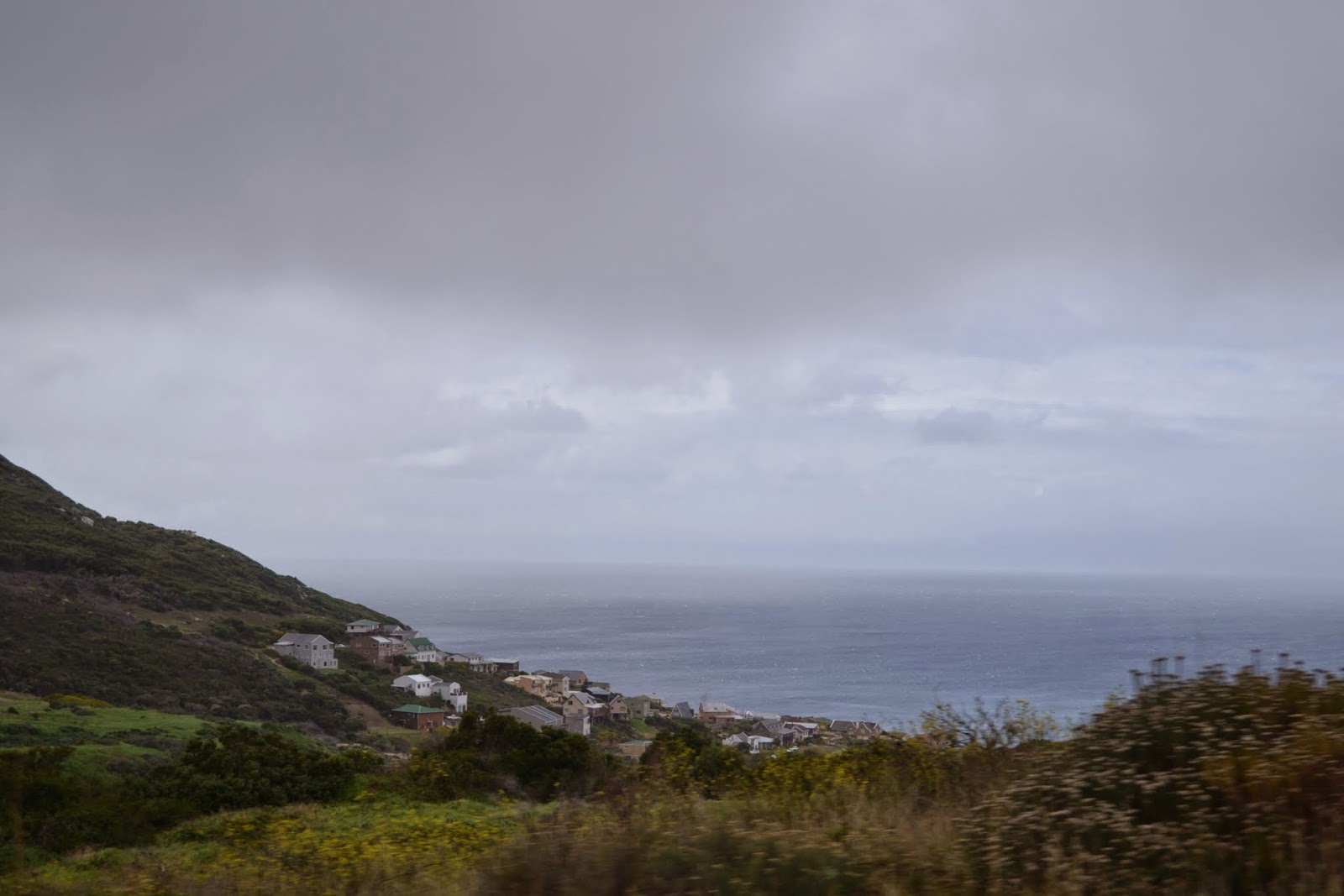
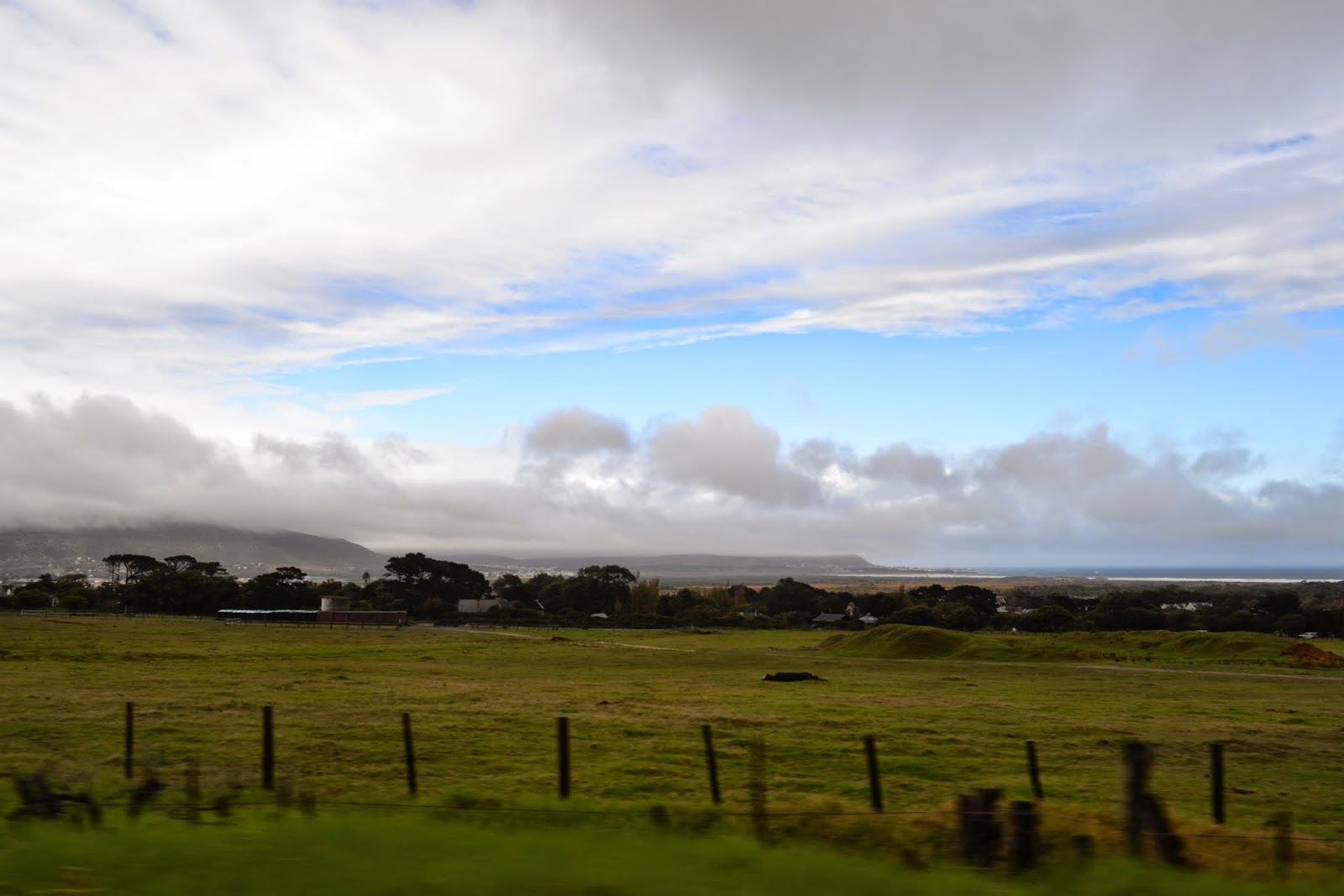
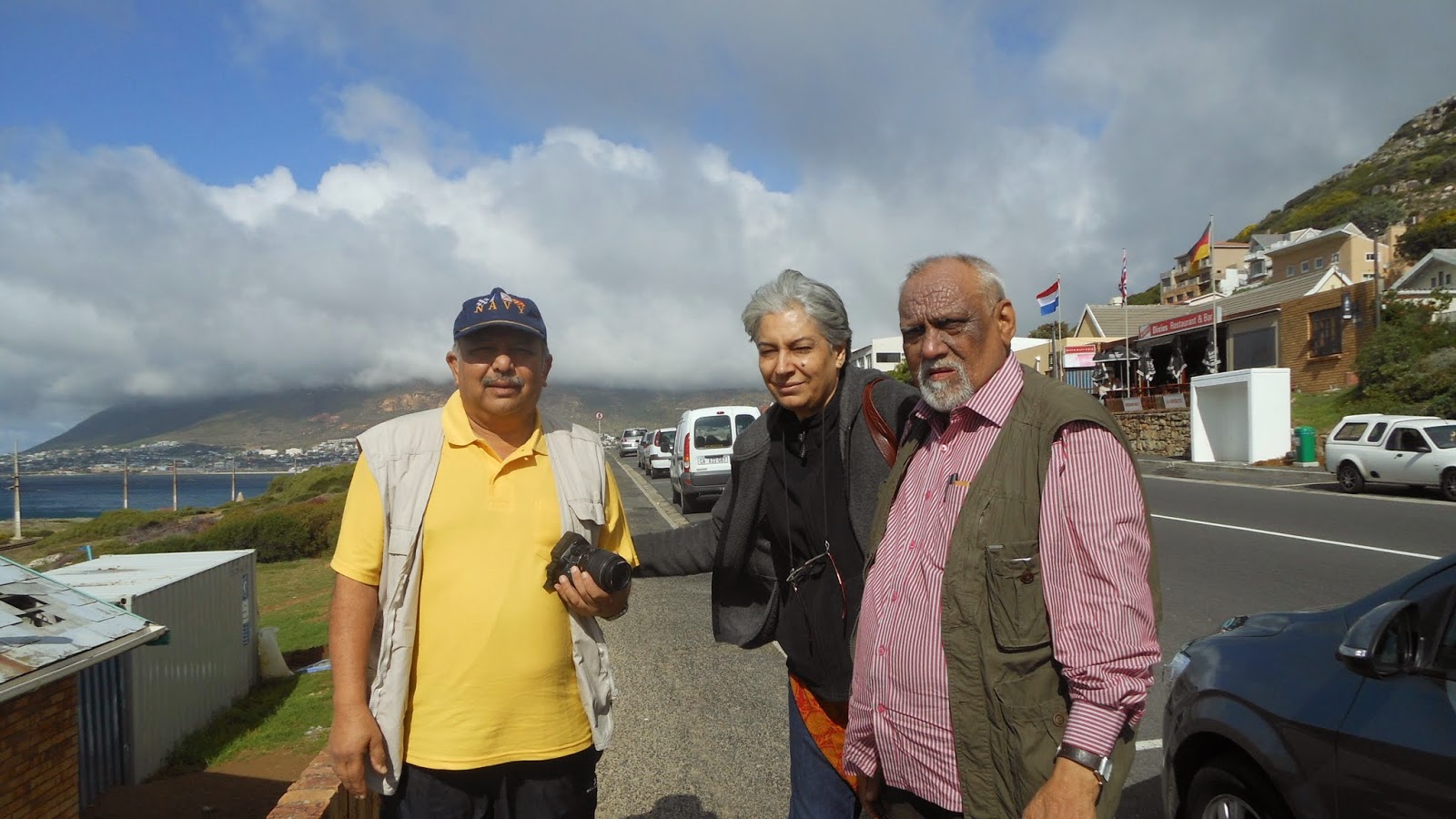
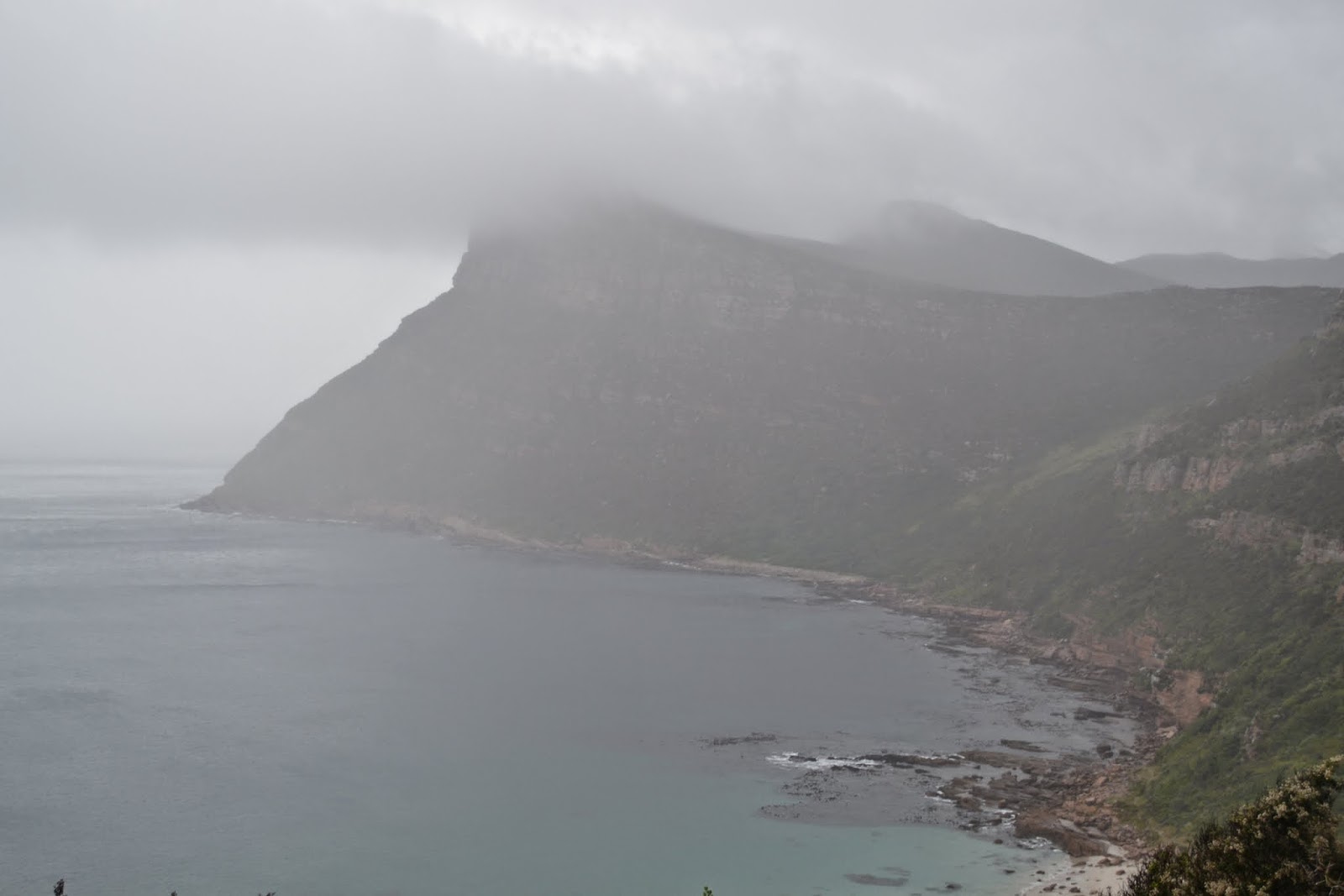
We drove around to see all the important sights of CT. The weather unfortunately let us down – it was wet, cold and cloudy throughout the day, accompanied by gusty winds and blinding rain. We went to Hout Bay and Chapman’s Peak. We had nicknamed the GPS, ‘Susan’. It was impossible to navigate within the city or outside without directions from Susan. The GPS is a life saver. Kats kept a very close eye on the GPS (no pun intended) and prodded me regularly. We later replaced Susan with Peter (on our second car trip) and it was truly ‘Peter the navigator’ (also Kats’ pet name with the senior military brass). We drove to the Cape of Good Hope and later on to Cape Point via the Western sea board and returned via the East. The drive along the coast is outstanding and prompted us to stop ever so often to enjoy the view and take photographs. One has heard so much about the ‘Cape of Good Hope’. It was a truly historic moment to be standing out there (in the pouring rain and cold)seeing the end of the African continent and wondering how scores of seafarers must have felt, rounding the point and heading towards India.

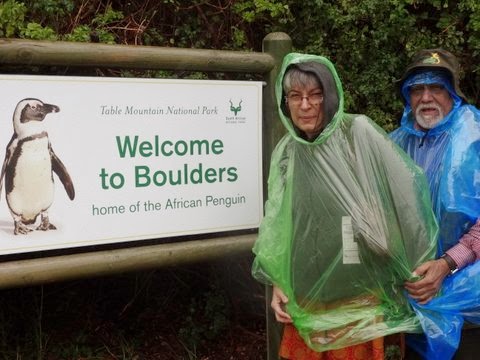
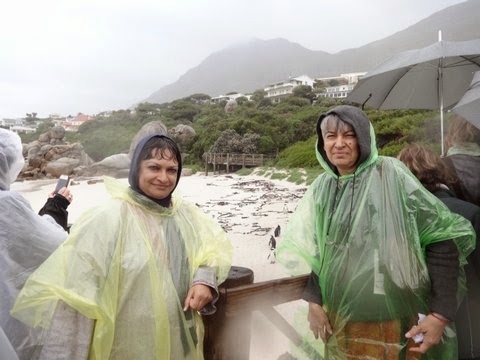
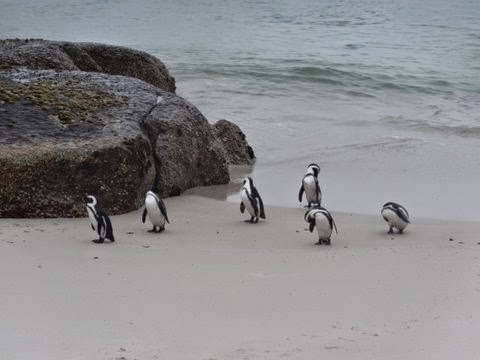
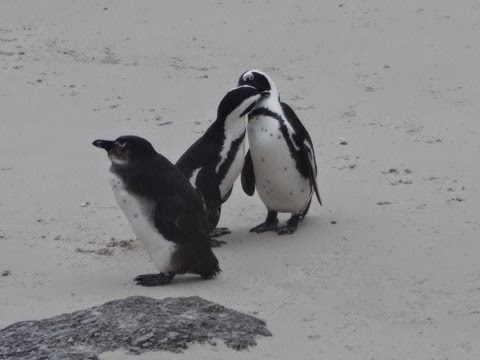
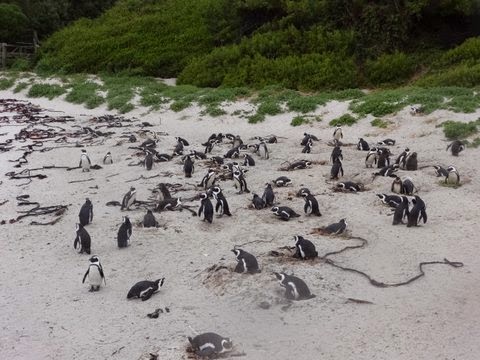
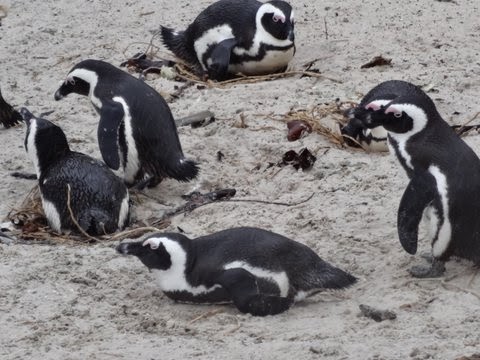
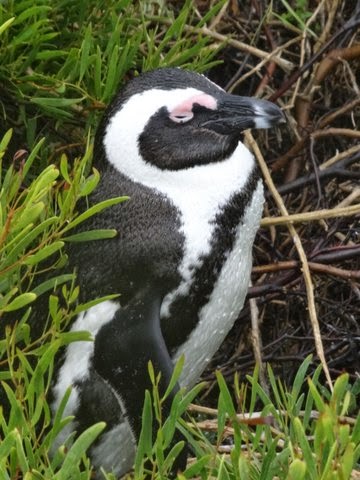
The next halt was Boulders Bay on the Eastern seaboard to watch the African Penguins (Sphenisus demersus).Boulders Beach is a sheltered beach made up of inlets between granite boulders, from which the name originated. It is located in the Cape Peninsula, near Simon’s Town. From just two breeding pairs in 1982, the penguin colony has grown to about 3,000 birds in recent years. The Penguins are very cute and tiny, not more than 2 ft tall. The sight is simply captivating – a couple hugging each other, some standing as motionless as statues with only their eyes giving them away as they stared back at you. A few females were nesting in the sand and the rest swimming and generally having a great time in the cold water. It was a truly remarkable sight watching hundreds of Penguins (all in the pouring rain).

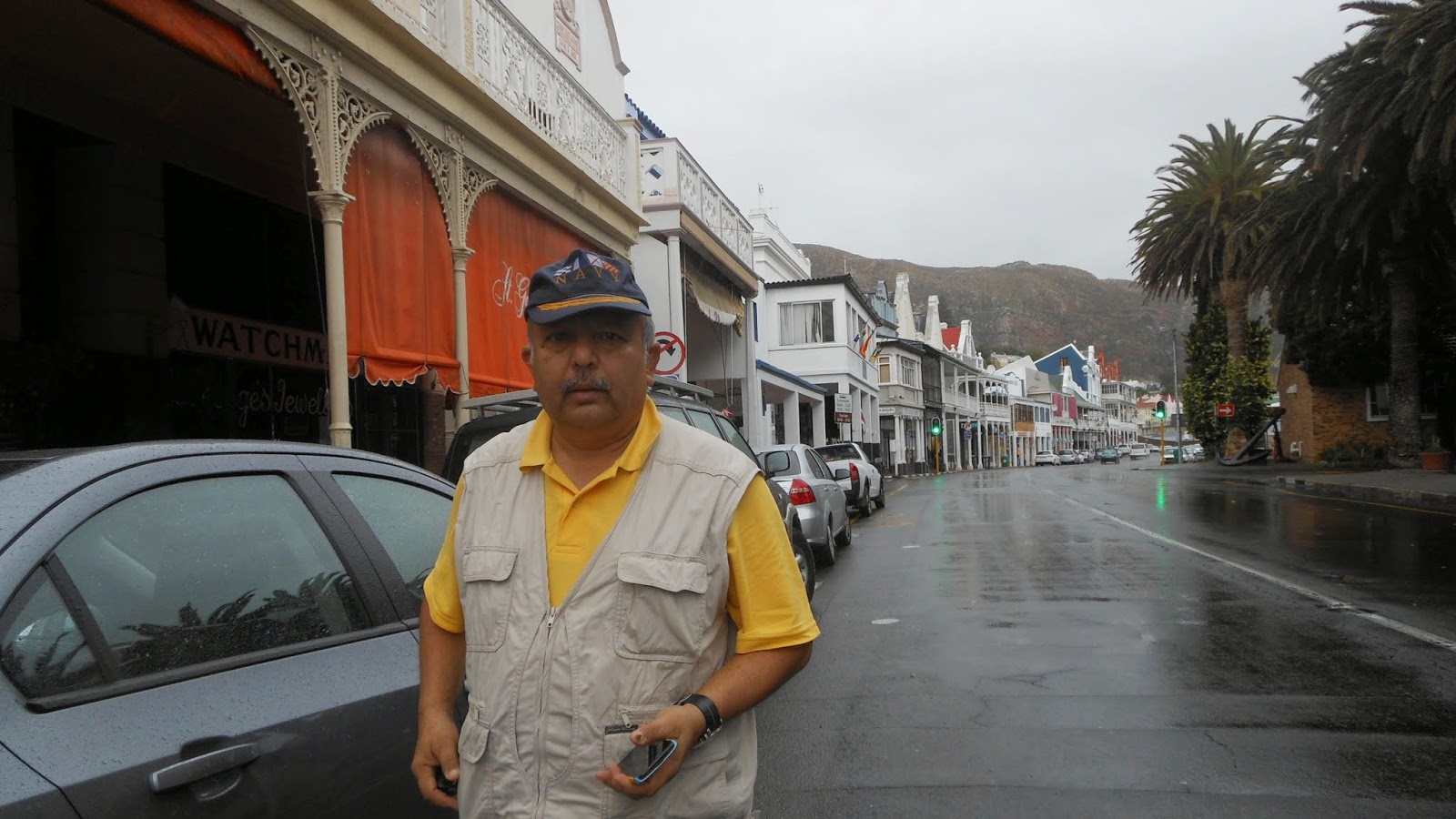
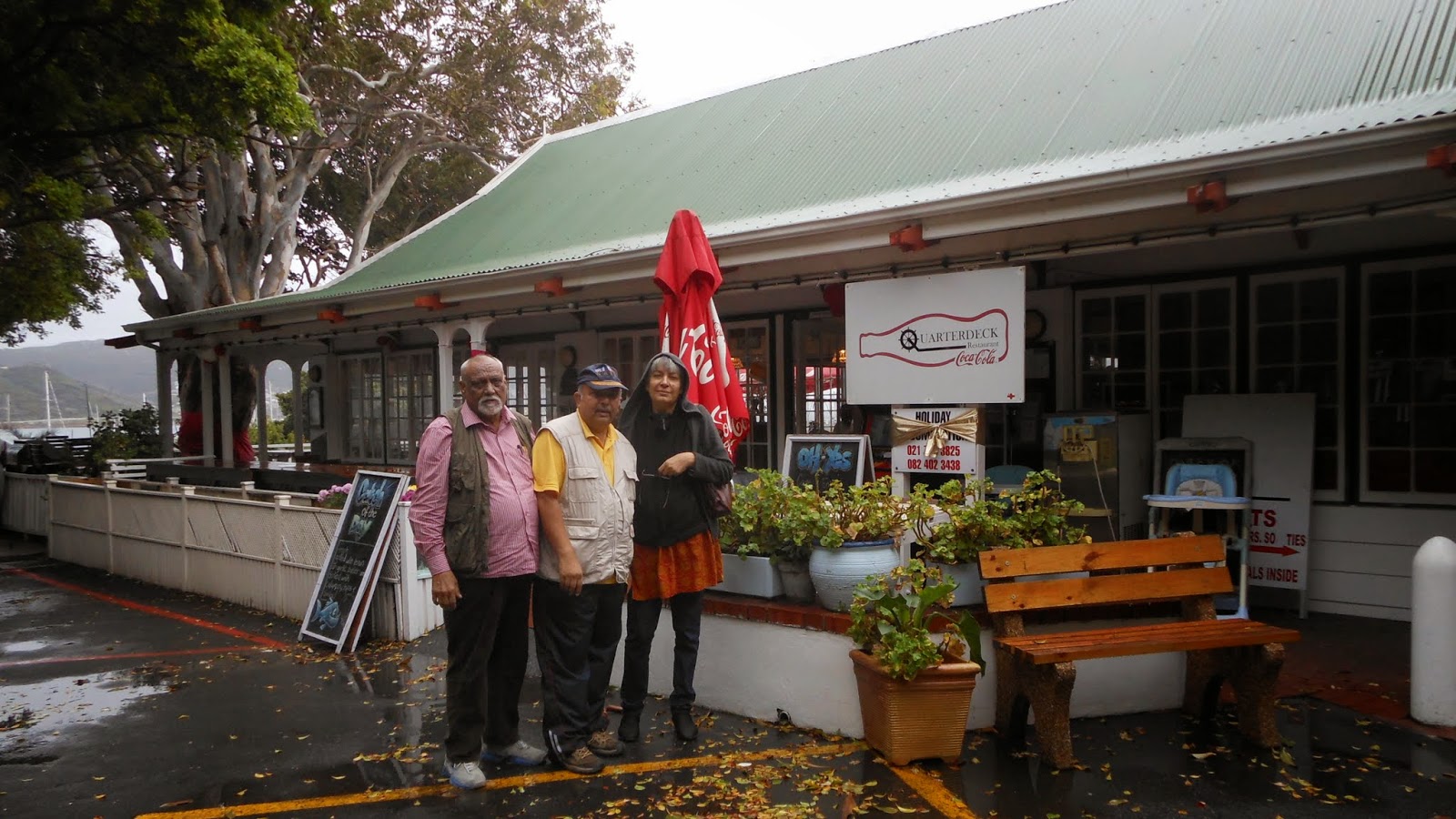
We then stopped for lunch at the exotic beach resort – Simon Town, home to the South African Navy. It is located on the shores of false Bay, on the Eastern side of the Cape Peninsula. Tucked away between the sea and the mountains, the village is very picturesque and a hot tourist destination. The late lunch at a restaurant called the ‘Quarterdeck’ was very appetizing. The German owner was extremely loquacious and very interested in Zodiac signs. He suggested where we could go the next day.

Figure <!–[if supportFields]> SEQ Figure \* ARABIC <![endif]–>11<!–[if supportFields]><![endif]–> – Table Mountain covered by clouds. View from Hout Bay


Figure <!–[if supportFields]> SEQ Figure \* ARABIC <![endif]–>12<!–[if supportFields]><![endif]–> – At Chapman’s Peak

Figure <!–[if supportFields]> SEQ Figure \* ARABIC <![endif]–>13<!–[if supportFields]><![endif]–> – Approaching Simon Town – pristine beaches all along


Figure <!–[if supportFields]> SEQ Figure \* ARABIC <![endif]–>14<!–[if supportFields]><![endif]–> – A typical fishing village


Figure <!–[if supportFields]> SEQ Figure \* ARABIC <![endif]–>15<!–[if supportFields]><![endif]–> – Never ending stretches of flats.

Figure <!–[if supportFields]> SEQ Figure \* ARABIC <![endif]–>16<!–[if supportFields]><![endif]–> – On the way to Cape Point at the very popular water front joint, the Dixie Café


Figure <!–[if supportFields]> SEQ Figure \* ARABIC <![endif]–>17<!–[if supportFields]><![endif]–> – Eastern view of Cape of Good Hope with Cape Point in the distance.


Figure <!–[if supportFields]> SEQ Figure \* ARABIC <![endif]–>18<!–[if supportFields]><![endif]–> – Kats and Navin all excited


Figure <!–[if supportFields]> SEQ Figure \* ARABIC <![endif]–>19<!–[if supportFields]><![endif]–> – Jai and Naveen at Boulders Bay


Figure <!–[if supportFields]> SEQ Figure \* ARABIC <![endif]–>20<!–[if supportFields]><![endif]–> – On a stroll


Figure <!–[if supportFields]> SEQ Figure \* ARABIC <![endif]–>21<!–[if supportFields]><![endif]–> – Caught in the act


Figure <!–[if supportFields]> SEQ Figure \* ARABIC <![endif]–>22<!–[if supportFields]><![endif]–> – A meeting of sorts


Figure <!–[if supportFields]> SEQ Figure \* ARABIC <![endif]–>23<!–[if supportFields]><![endif]–> – Nesting


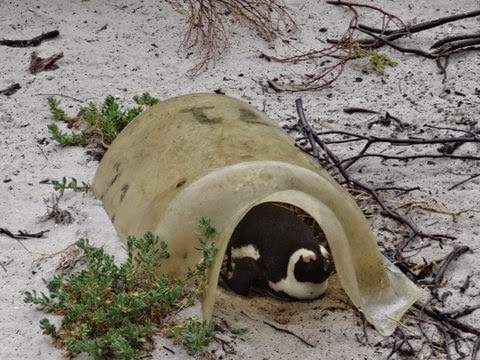
Figure <!–[if supportFields]> SEQ Figure \* ARABIC <![endif]–>24<!–[if supportFields]><![endif]–> – Shelter inside cut drums

Figure <!–[if supportFields]> SEQ Figure \* ARABIC <![endif]–>25<!–[if supportFields]><![endif]–> – A perfect statue

Figure <!–[if supportFields]> SEQ Figure \* ARABIC <![endif]–>26<!–[if supportFields]><![endif]–> – Simon Town, Main Road.


Figure <!–[if supportFields]> SEQ Figure \* ARABIC <![endif]–>27<!–[if supportFields]><![endif]–> – Outside the ‘Quarterdeck’ for lunch
Cape Town 05 May.

We set out early in the morning to the V and A Waterfront to catch a ferry to ‘Robben Island’. The name is Dutch for “Seal Island” and it is located 9 KM from CT. The former President of South Africa, the late Nelson Mandela was imprisoned on Robben Island for 18 of the 27 years that he served behind bars before the fall of apartheid. The island was also used as a leper colony and animal quarantine station. The men and women were kept separate but found a way to meet. J and they had healthy babies who were often adopted by the rich in town. The island houses a museum. The island was declared a World Heritage Site in 1999.

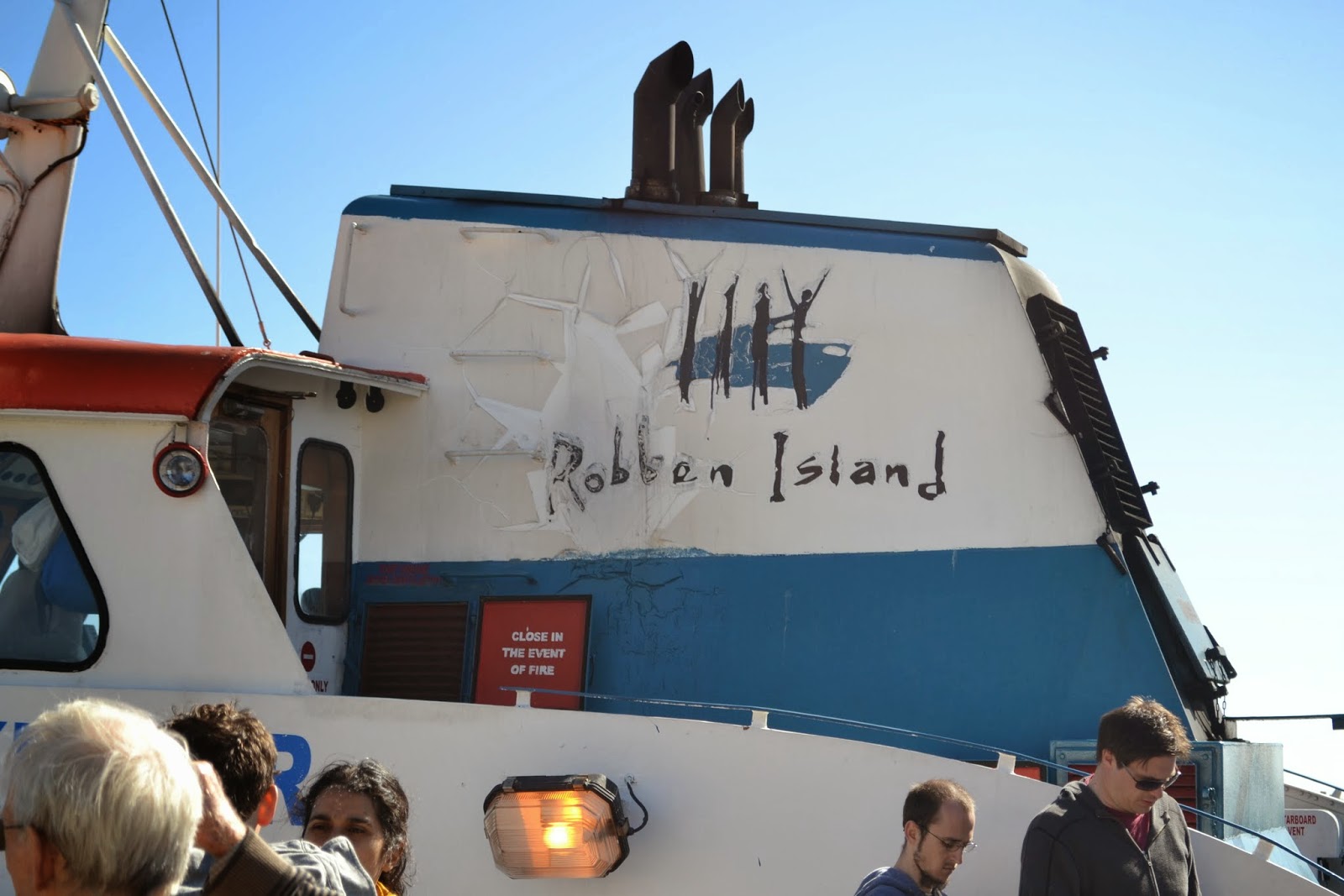
The ride on the ferry was uncomfortable for most of the tourist as the gusty winds had made the sea rough. It takes about an hour to reach the island. A photographer (ready to take photos for a fee) welcomes the tourist on board with a broad smile saying, “Welcome, my brother from another mother!”

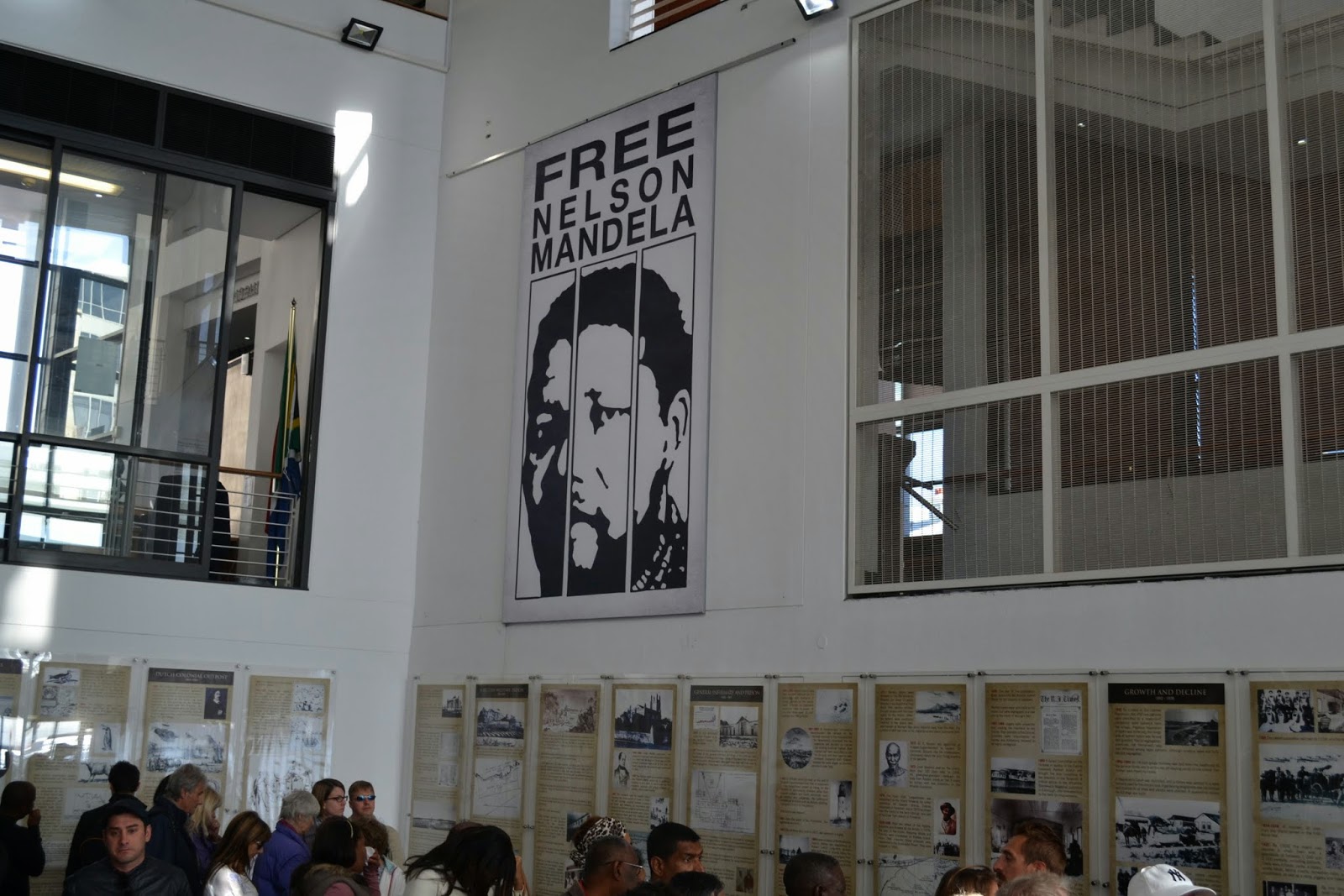
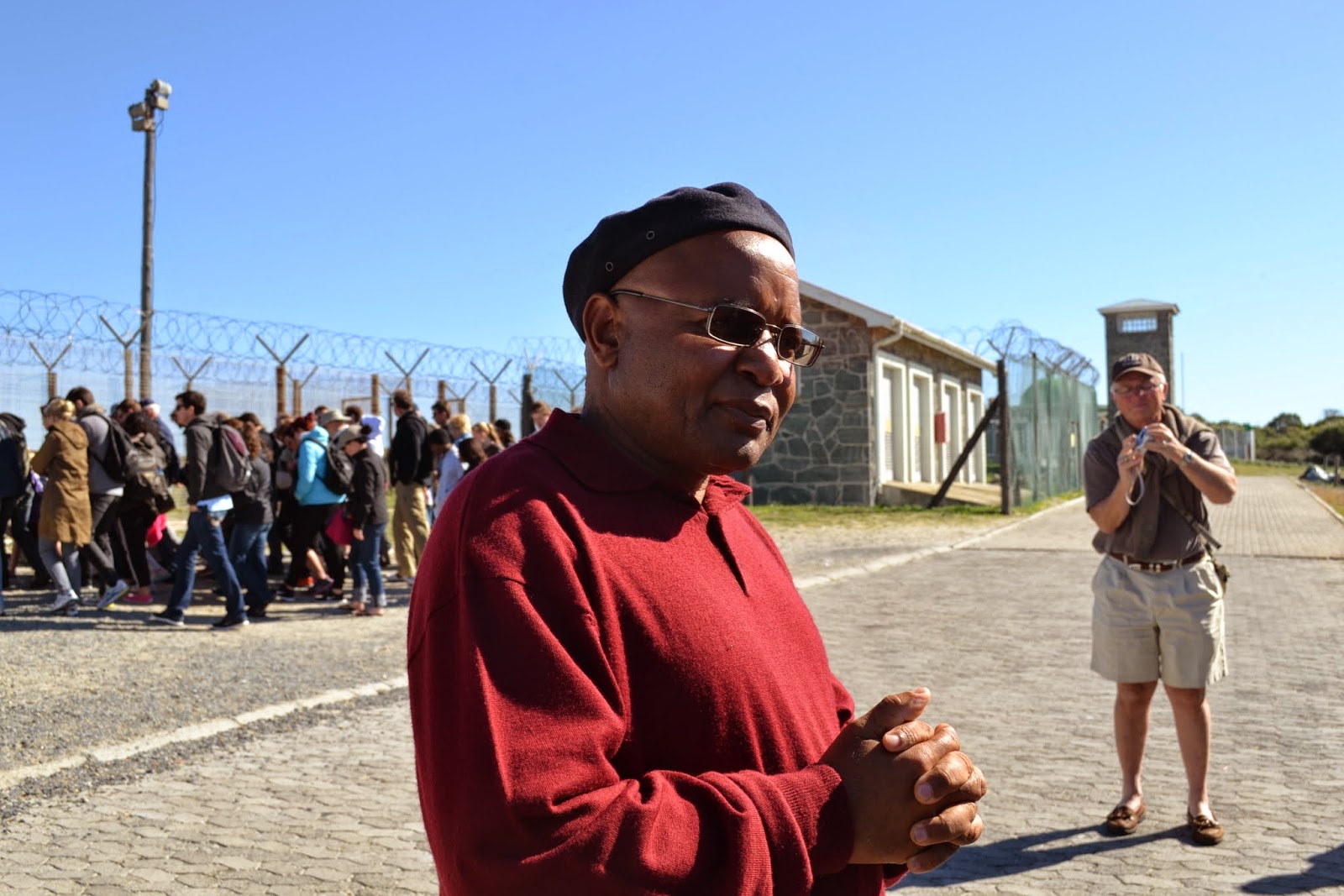
Once on the island you are greeted by the local guide an ex-political prisoner. His briefing and narration of the events which took place on the island is charged with emotion. He mentioned that Mandela could not cry as his tear glands were badly affected by the harsh conditions in which he was made to work in the hot sun for years on end.Every day, the prisoners had to work in the lime quarry, breaking stones from dawn to dusk.

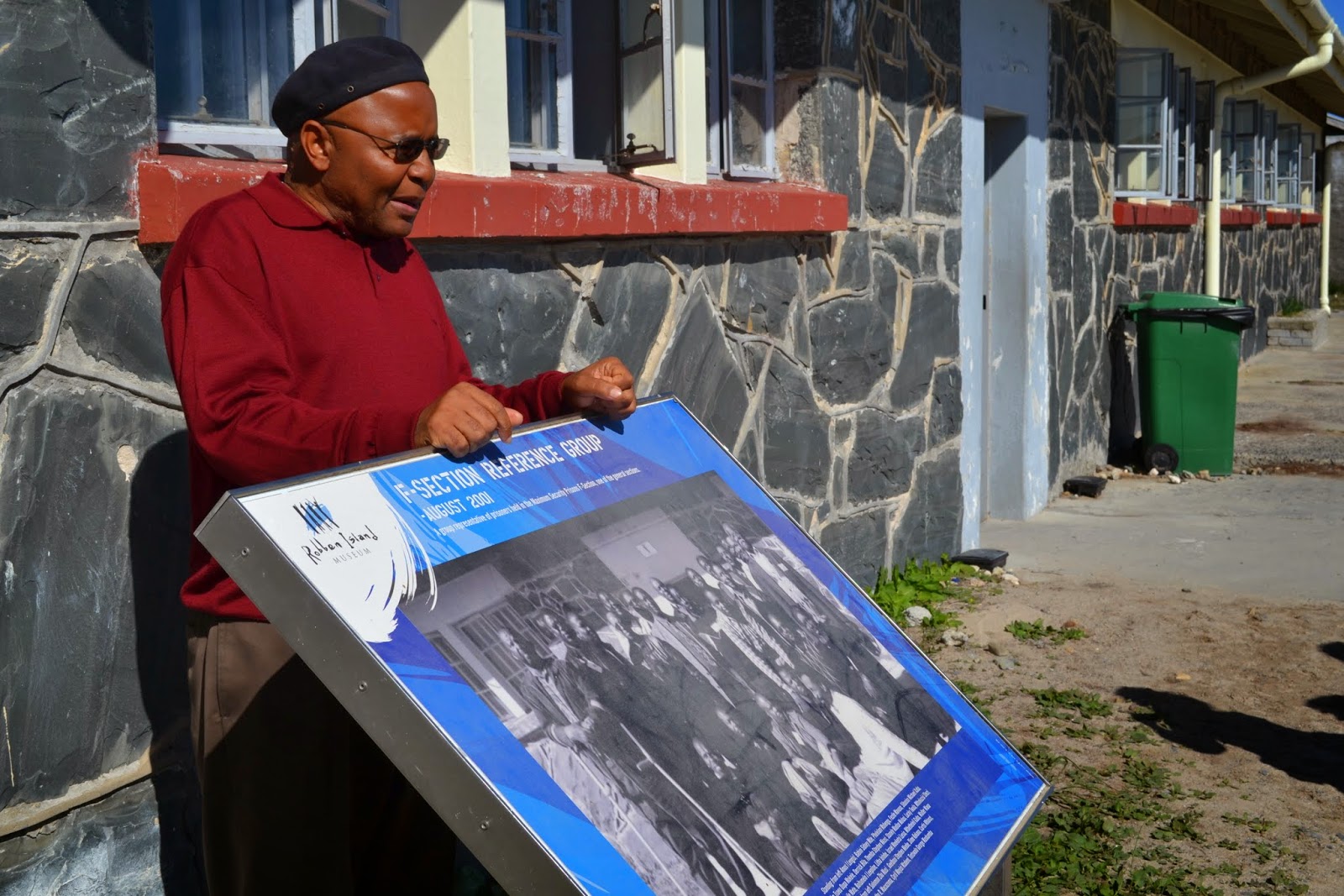
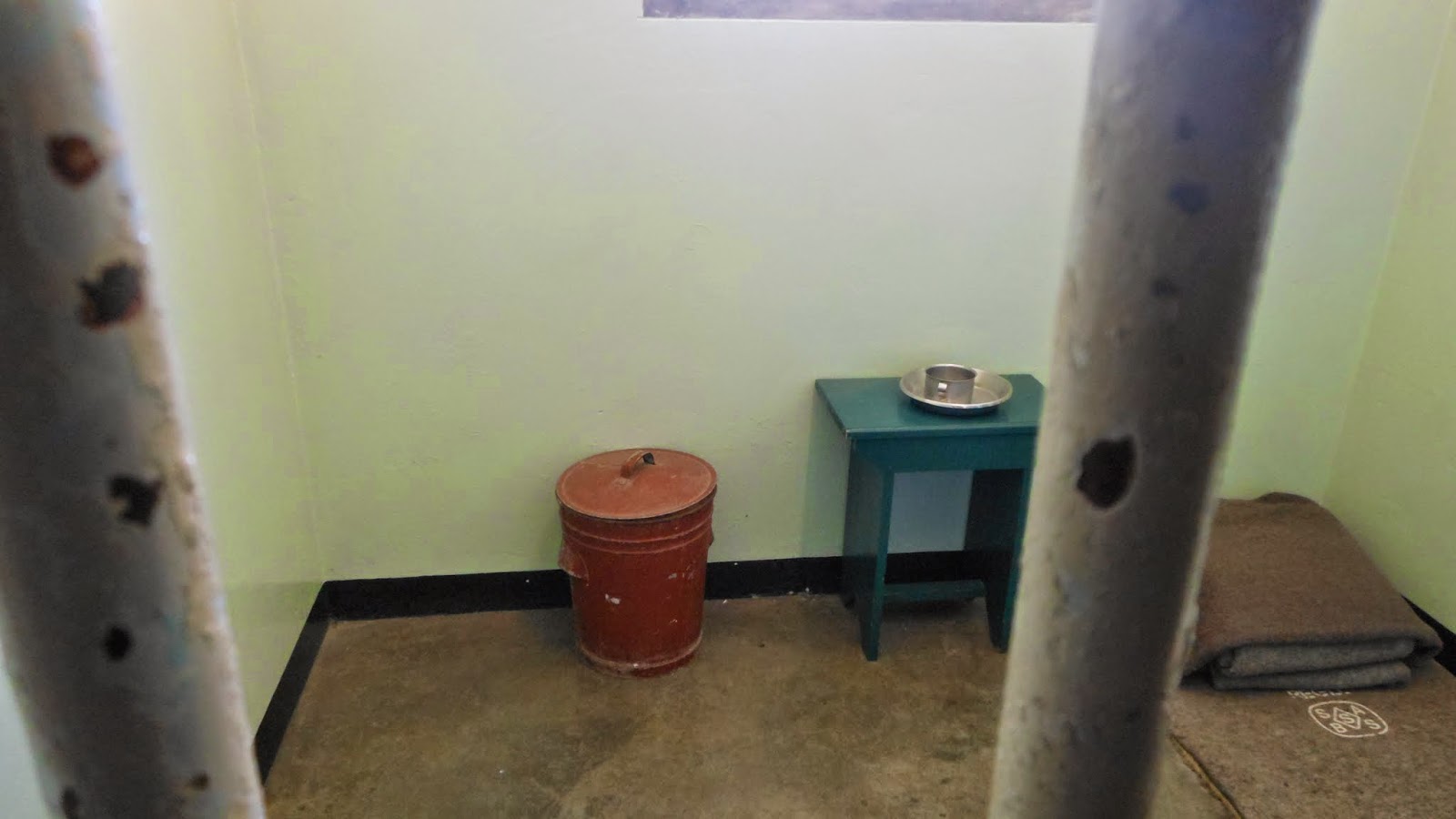
Ntando Mbatha spent 7 years in the prison and recalled his experience in the prison. He had the top bunk, but once slept on the floor when a hunger strike left him too weak to climb the ladder. He started the walk around by saying, “Your trip is unique- you pay money to get into a prison, whereas others pay to get out”. The walk takes you to the cell where Mandela was imprisoned, places where the prisoners worked and so on. Prisoners were confined to small cells with only a sleeping mat and a bucket toilet. Each morning they were roused at 5.30 am to empty their buckets and face a day of hard labour. Even worse, they were deprived of contact with their loved ones, and limited to a half-hour visit a year from a family member, and only two letters. It is very interesting to note that an Indian by the name of ‘Billy Nair’ was a political prisoner in 1964.  It was for these reasons that UNESCO’s World Heritage Committee chose to mark this location for its ‘triumph of the human spirit’. The island also has interesting bird and marine life. The island boasts of 2000 penguins and 132 types of birds

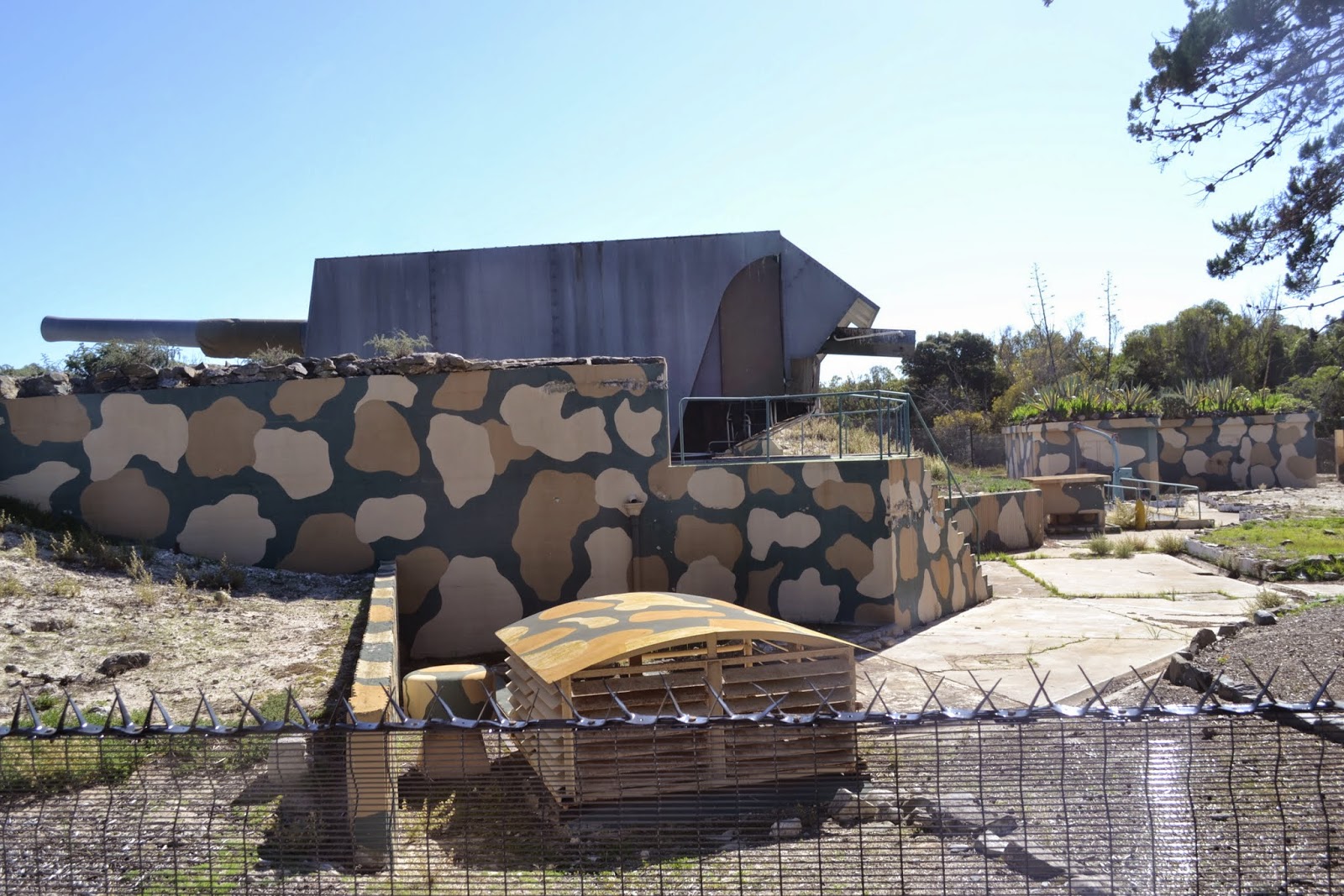
Today, only the staff stays on the island. It has a church which conducts weddings on Valentines Day.14 couples got married in 2013.The island has a 9 inch gun mount with a range of 50 KM – which was installed during WW II. Unfortunately it became operational 2 years after the war ended. In 2004, a ten-year-old boy from India became the youngest person to swim the 12km from Robben Island to Cape Town

The visit gives you a true insight into Nelson Mandela’s struggle against apartheid and the unimaginable sacrifice he made to free SA from it. He certainly towers above any human being – 27 years in prison, speaks volumes about his vision, tenacity and strength of mind.

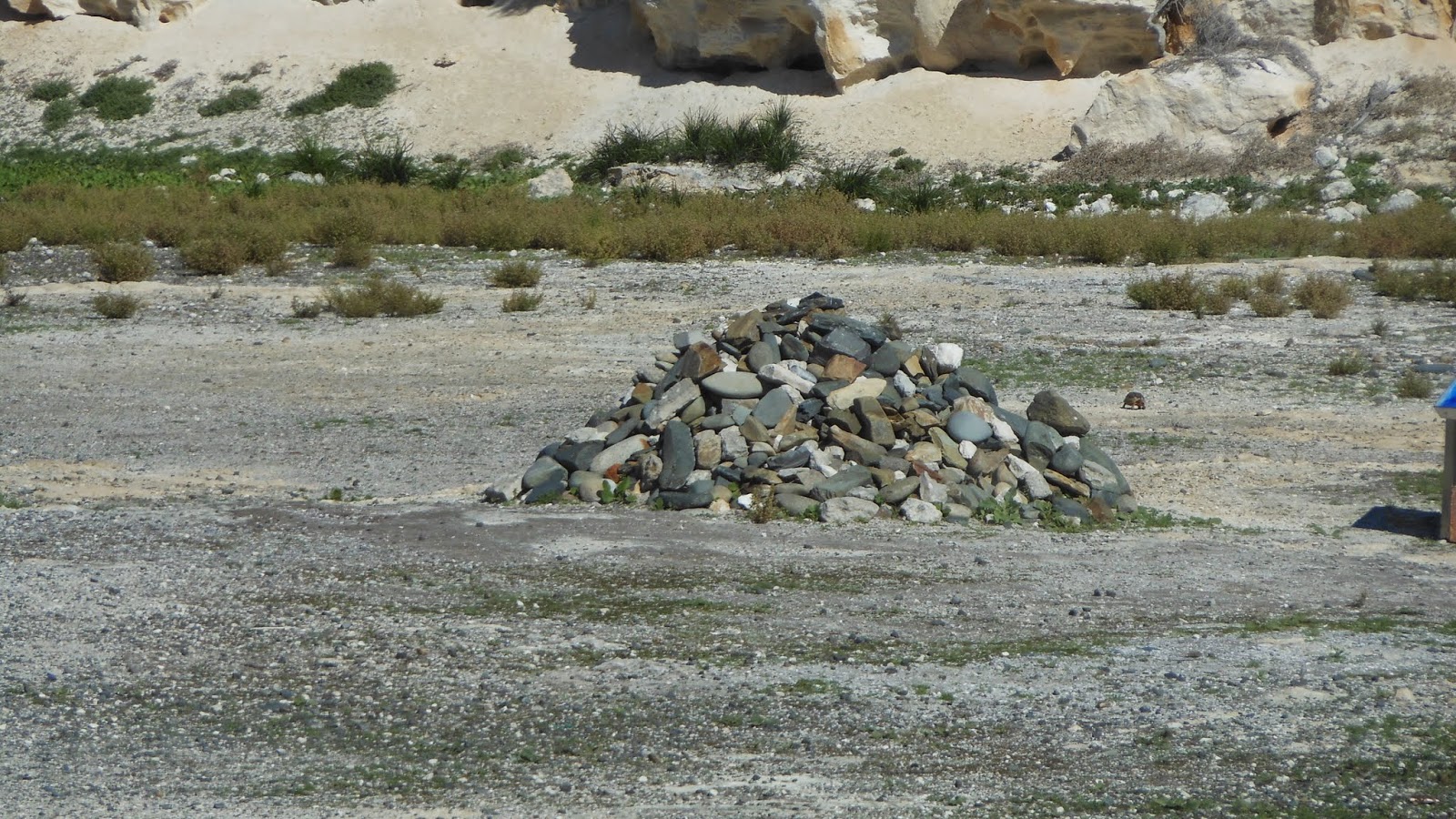
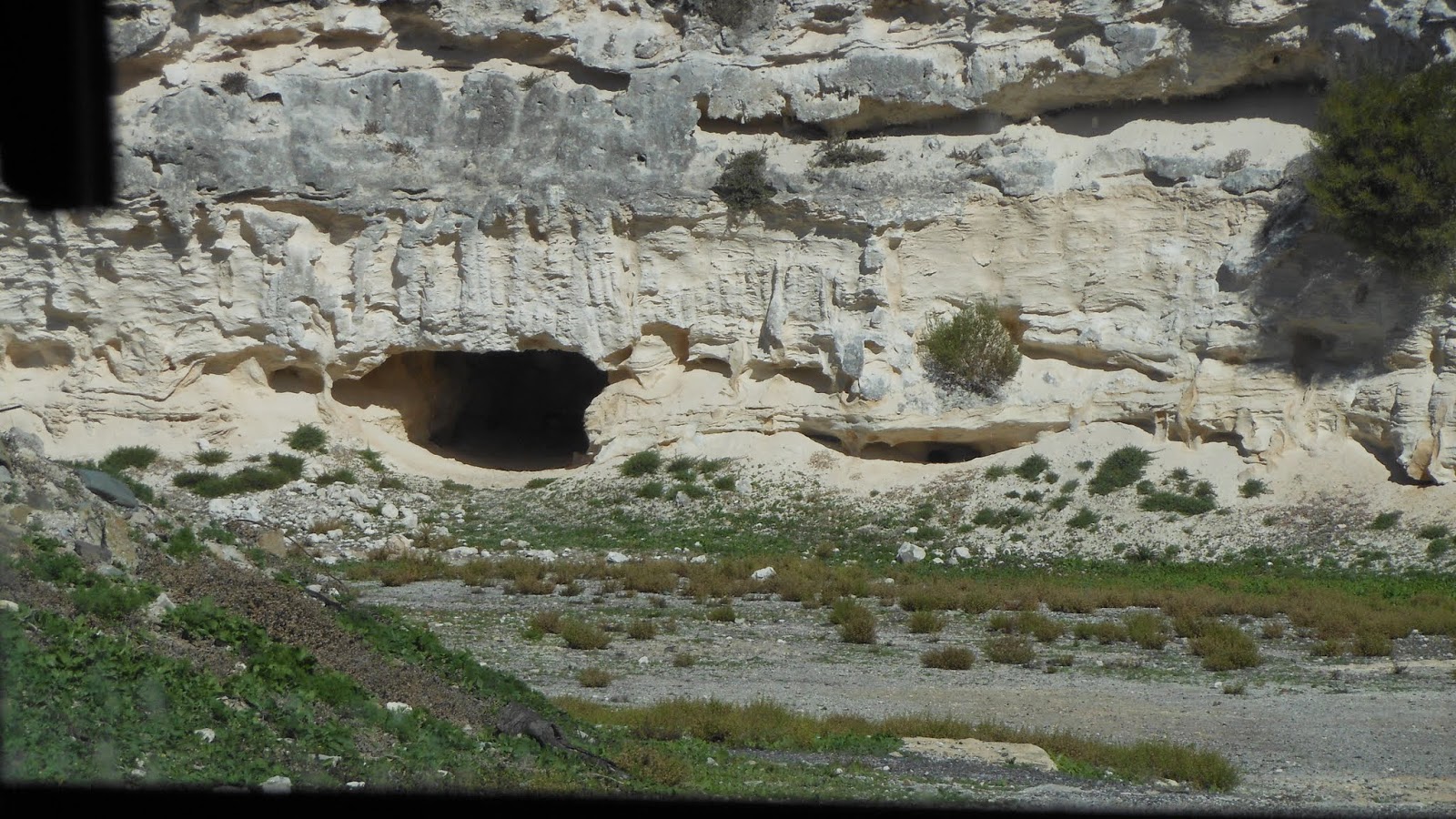
Another interesting feature is the absence of any huge monument or memorial idolizing Mandela– the museum just spouts bare facts and the impact is strong and inspiring. When he visited the lime quarry where he did hard labour, many years later, he quietly went and placed a big stone in the middle. All the other former political prisoners and friends present, silently followed suit and one can see the pile even today which honours Mandela’s release from prison, after 27 years behind bars. The pile consists of 1200 stones each brought by an ex-convict. This simple expression of solidarity, displays the struggle in its entirety. The guide also showed us a cave in the quarry which was nicknamed the Cave of Higher Education, as Mandela would discuss issues with the other prisoners there, whenever they were allowed to rest.

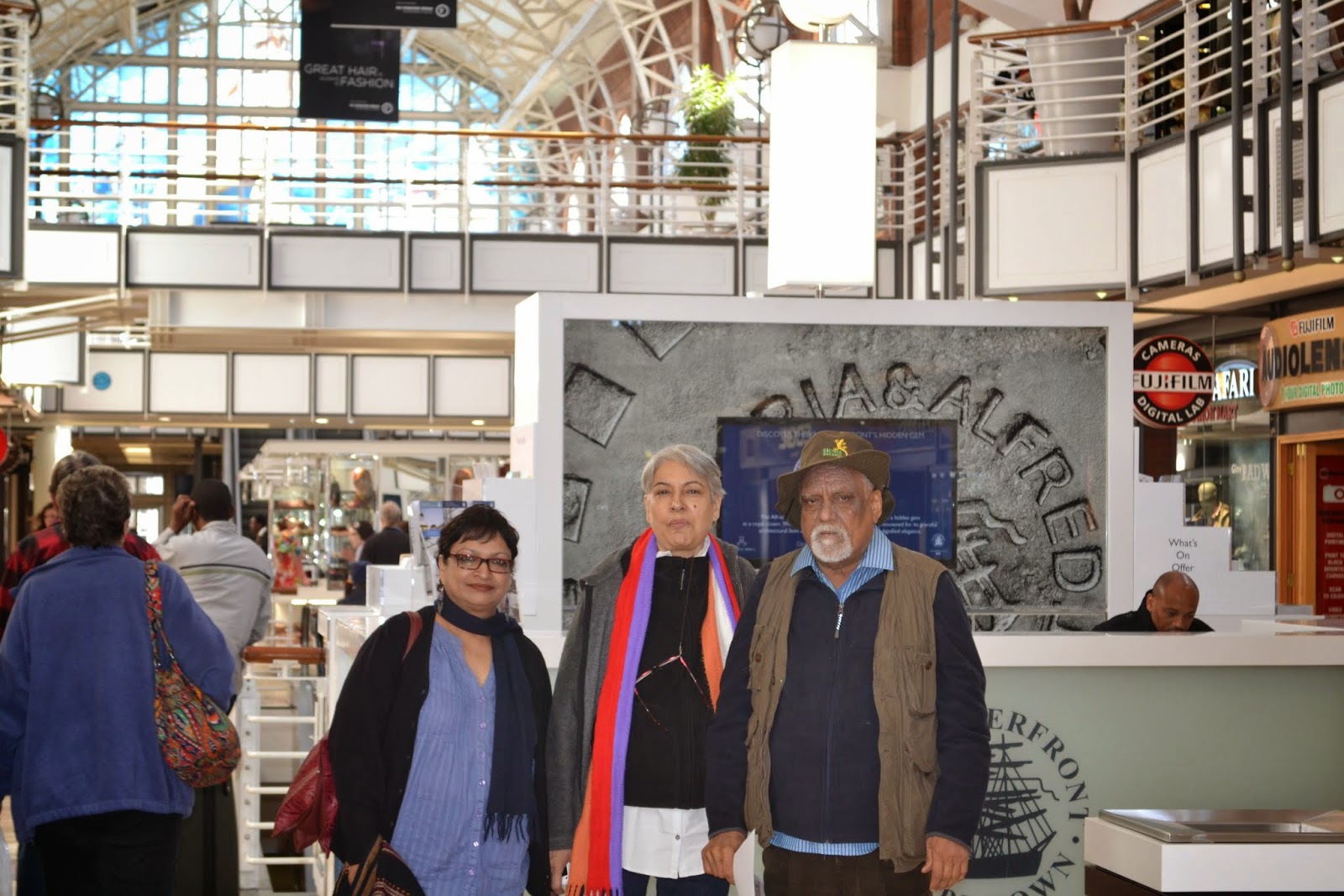
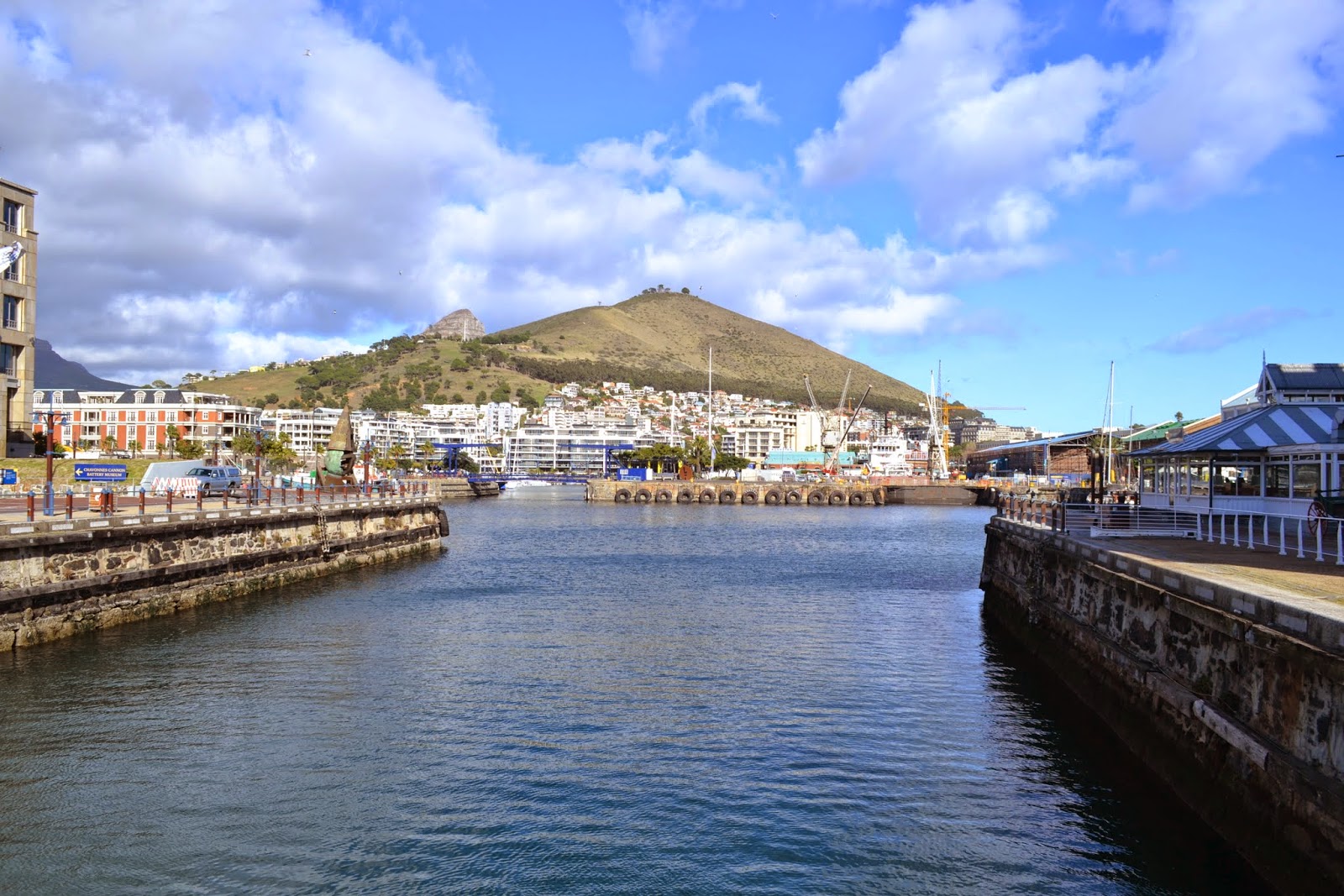
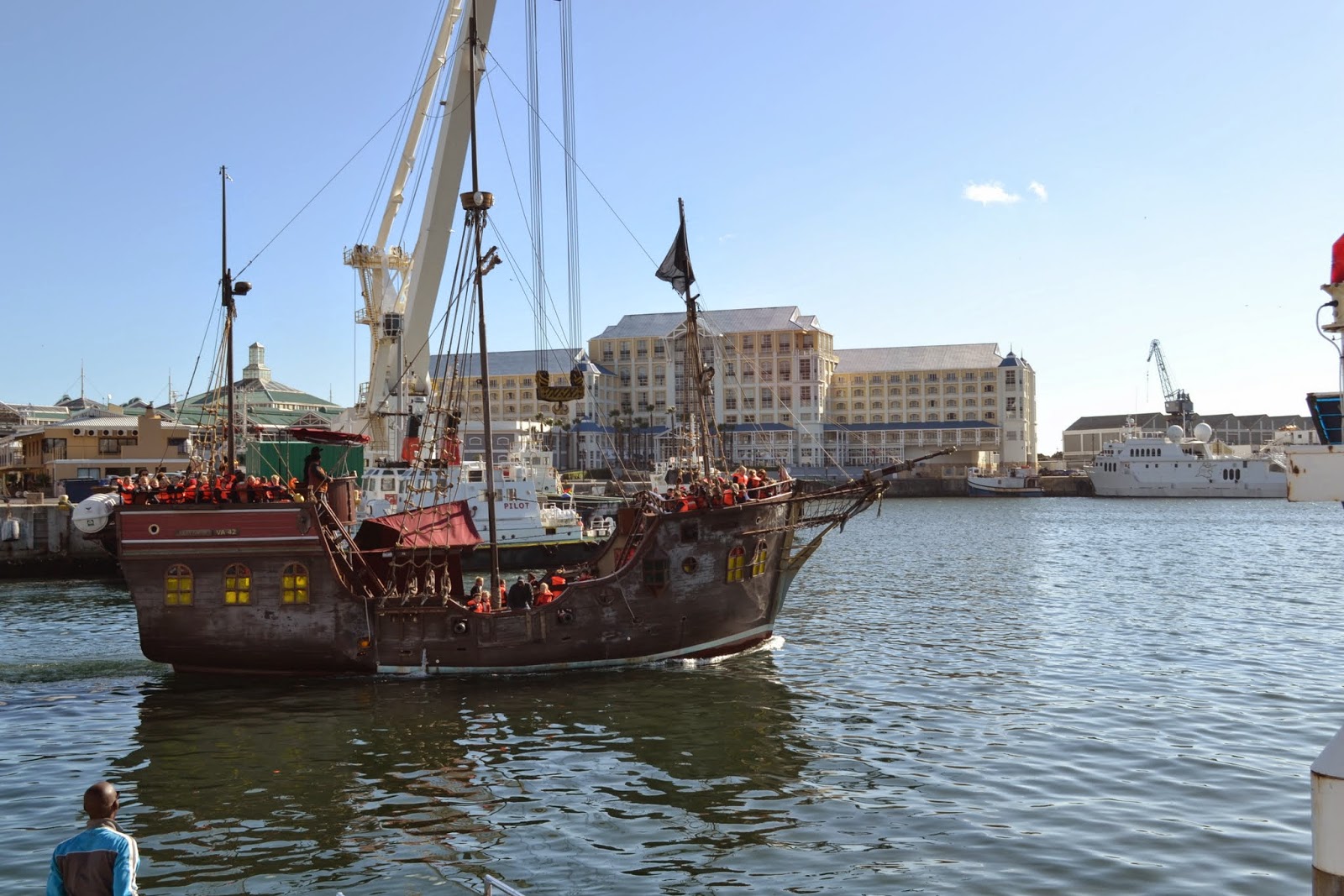
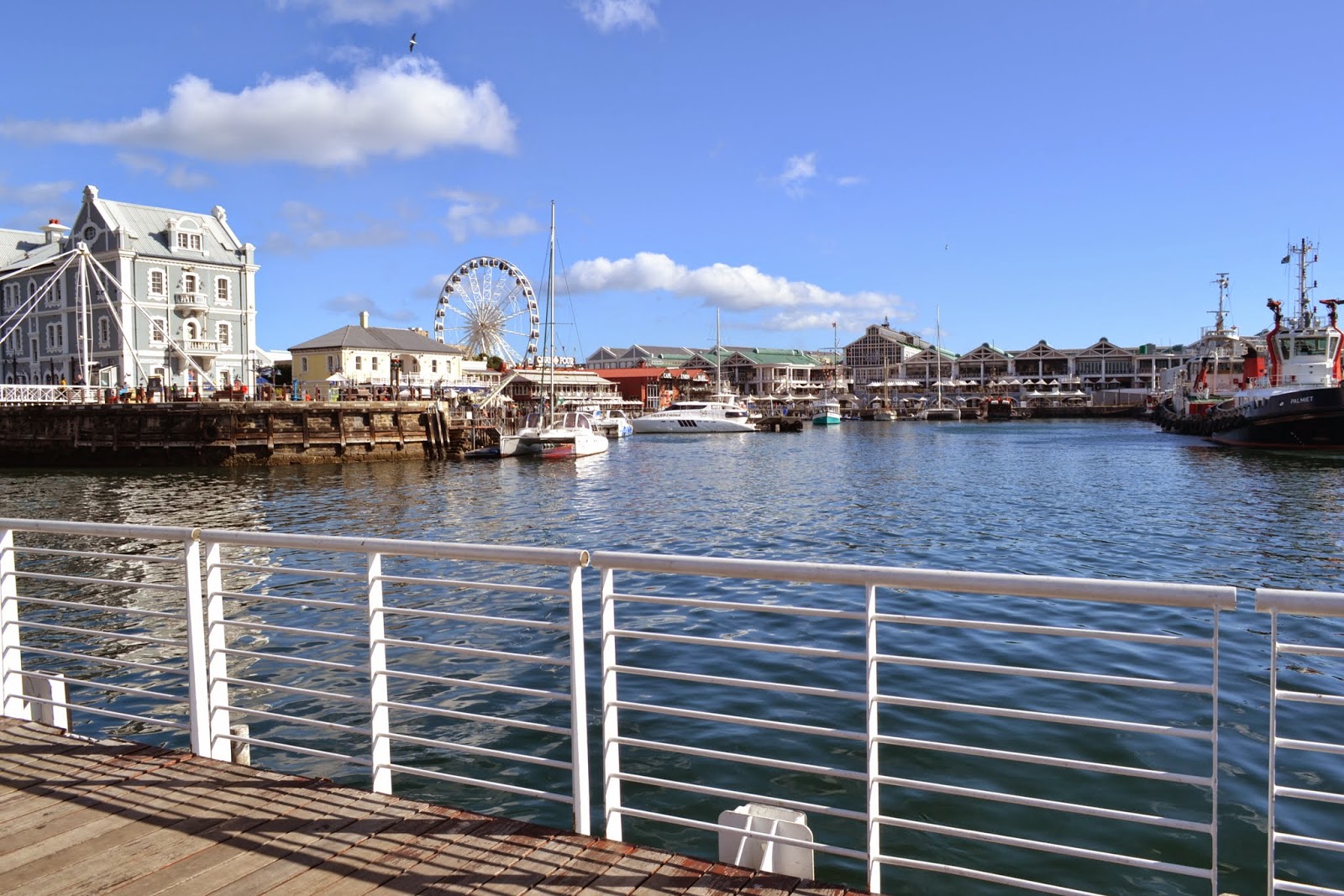
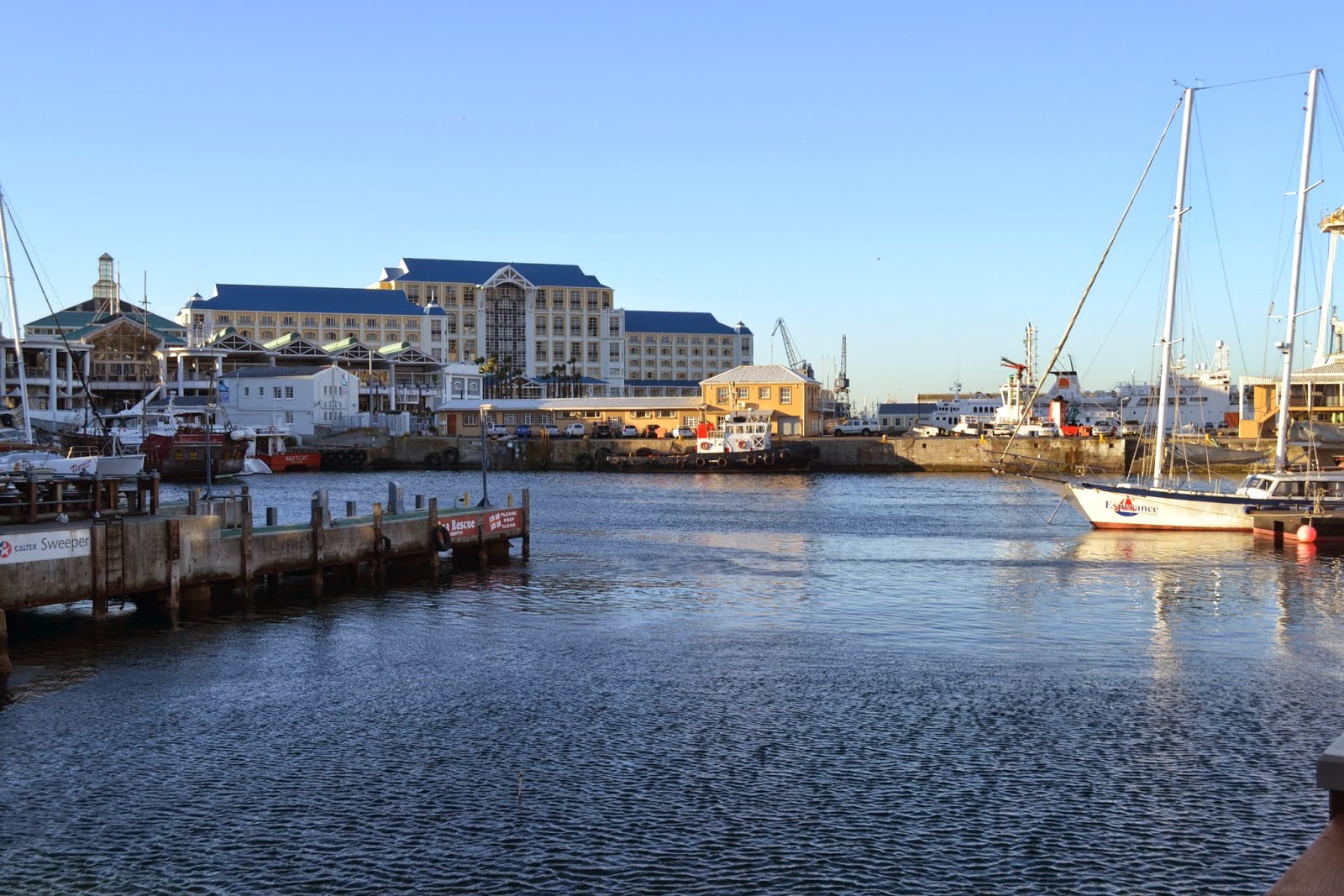
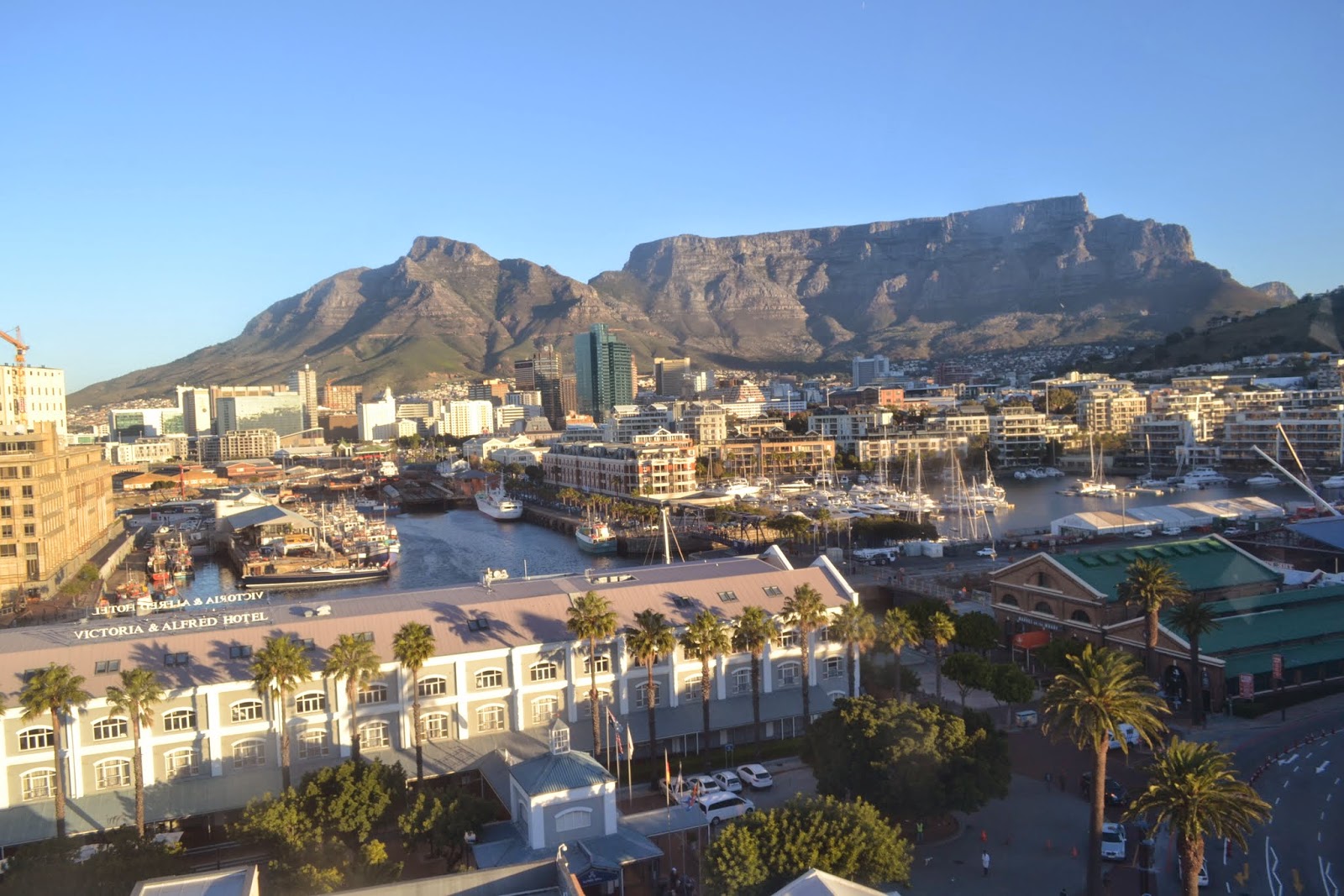
Later, we spent the whole day lazing in the sun on the Victoria and Alfred waterfront of CT. It is a favourite destination for locals and tourists alike; attracting more than 23-million visitors a year which makes it the most visited destination on the African continent. Sipping wine and relishing a chilled beer was the order of the day – a truly relaxing place with the sea constantly lapping the jetty, with innumerable birds flying around, the sun playing hide and seek, a gust of wind blowing in your face and exotic sea food to satisfy your gastronomical cravings.

Figure <!–[if supportFields]> SEQ Figure \* ARABIC <![endif]–>28<!–[if supportFields]><![endif]–> – In the V and A mall


Figure <!–[if supportFields]> SEQ Figure \* ARABIC <![endif]–>29<!–[if supportFields]><![endif]–> – V and A waterfront


Figure <!–[if supportFields]> SEQ Figure \* ARABIC <![endif]–>30<!–[if supportFields]><![endif]–> – At the ferry ticketing booth


Figure <!–[if supportFields]> SEQ Figure \* ARABIC <![endif]–>31<!–[if supportFields]><![endif]–> – A yacht ready to proceed on a coastal tour


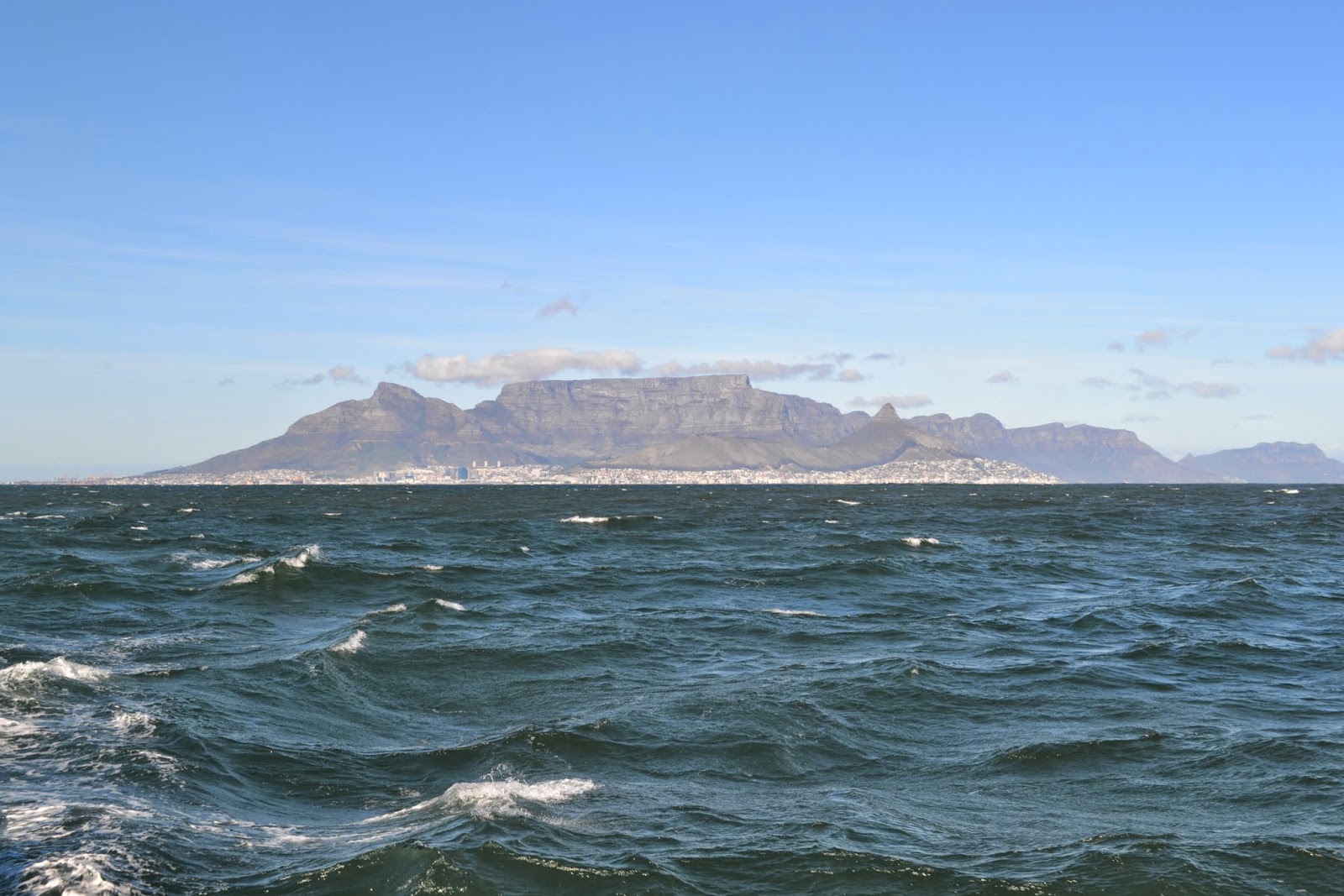
Figure <!–[if supportFields]> SEQ Figure \* ARABIC <![endif]–>32<!–[if supportFields]><![endif]–> – View of Table Mountain from the sea


Figure <!–[if supportFields]> SEQ Figure \* ARABIC <![endif]–>33<!–[if supportFields]><![endif]–> – Cape Town from a distance


Figure <!–[if supportFields]> SEQ Figure \* ARABIC <![endif]–>34<!–[if supportFields]><![endif]–> – Arrival


Figure <!–[if supportFields]> SEQ Figure \* ARABIC <![endif]–>35<!–[if supportFields]><![endif]–> – Mr Ntando Mbatha political prisoner for 7 years as our guide


Figure <!–[if supportFields]> SEQ Figure \* ARABIC <![endif]–>36<!–[if supportFields]><![endif]–> – Introduction to the prison


Figure <!–[if supportFields]> SEQ Figure \* ARABIC <![endif]–>37<!–[if supportFields]><![endif]–> – Mr. Nelson Mandela’s cell 8 X 7 feet dimensions


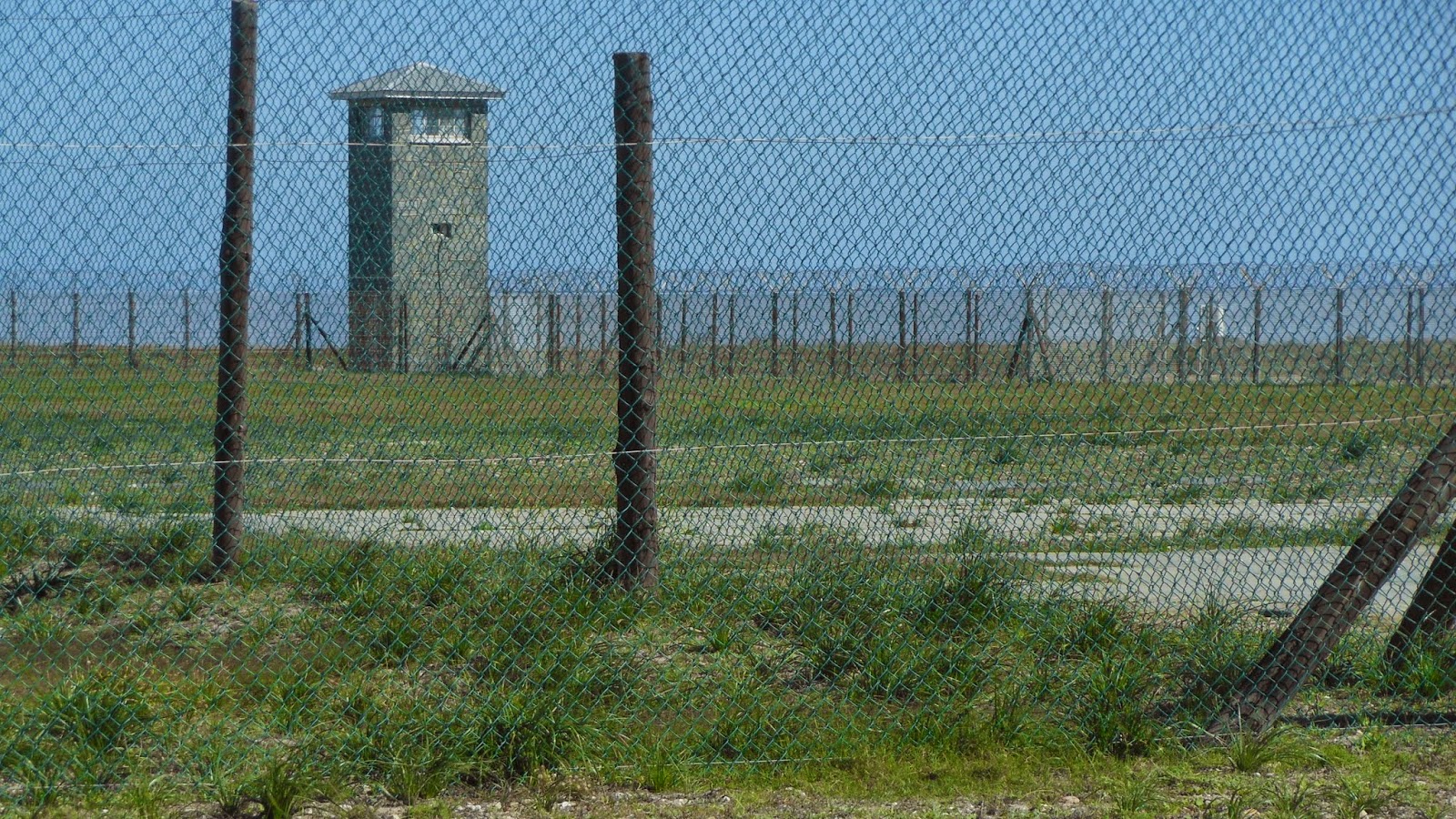
Figure <!–[if supportFields]> SEQ Figure \* ARABIC <![endif]–>38<!–[if supportFields]><![endif]–> – Barbed wire fencing and the watch tower.


Figure <!–[if supportFields]> SEQ Figure \* ARABIC <![endif]–>39<!–[if supportFields]><![endif]–> – The pile of stones was erected in the lime quarry by a gathering of former political prisoners and friends to honour Mandela’s release from prison, after 27 years behind bars.1200 stones.


Figure 39 A  – The cave where Nelson Mandela taught fellow prisoners


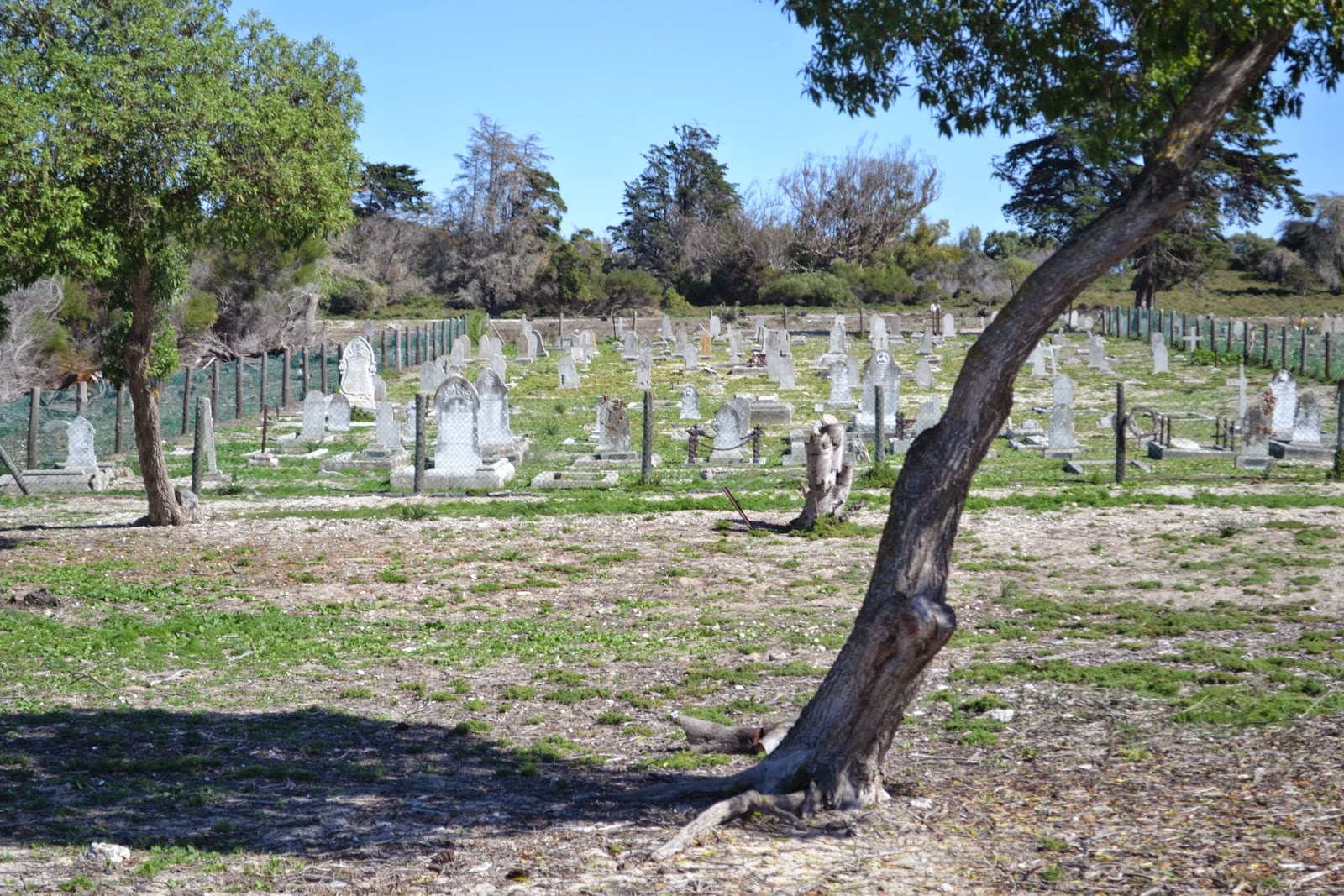
Figure <!–[if supportFields]> SEQ Figure \* ARABIC <![endif]–>40<!–[if supportFields]><![endif]–> – Leper colony grave yard


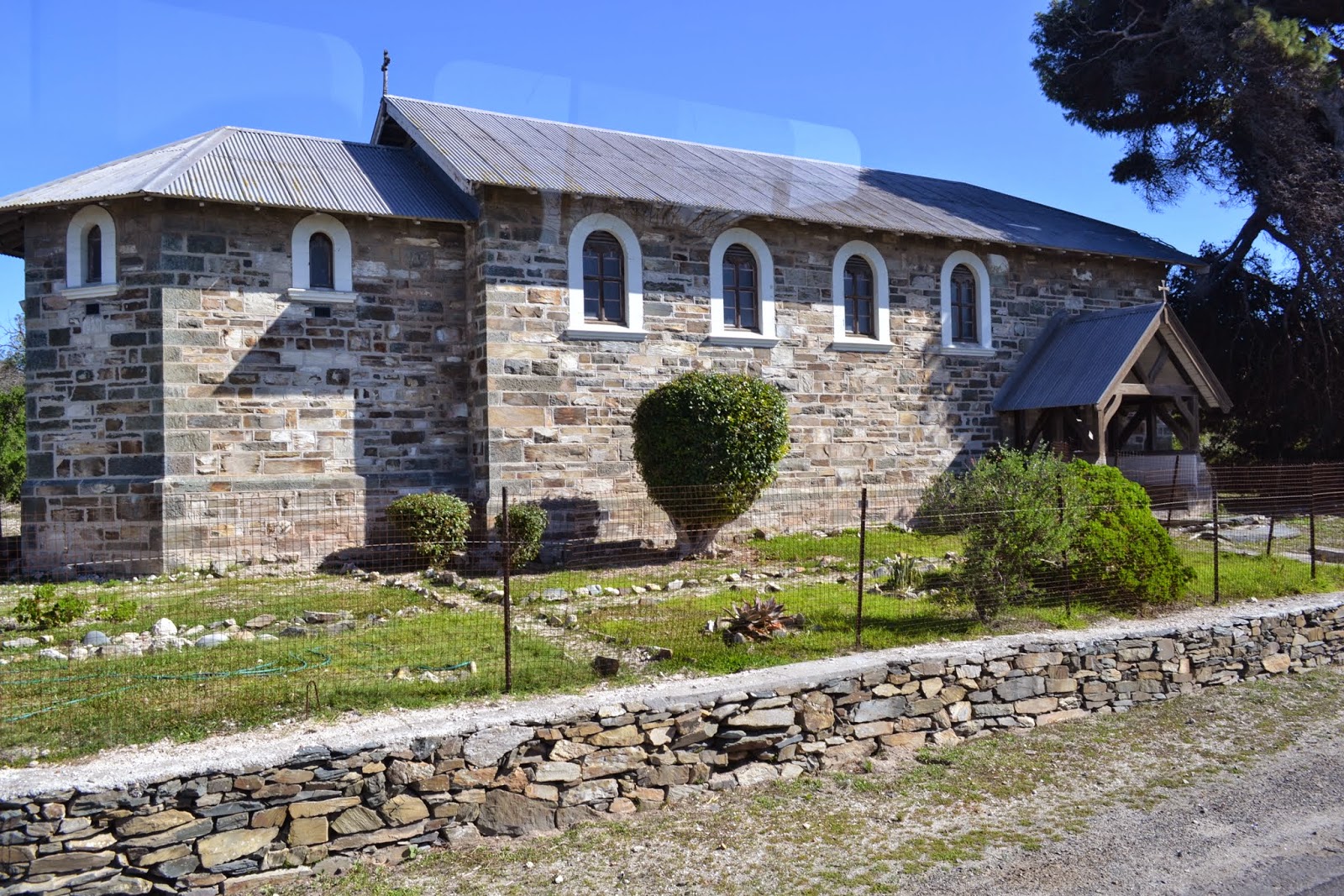
Figure <!–[if supportFields]> SEQ Figure \* ARABIC <![endif]–>41<!–[if supportFields]><![endif]–> – Church built in 1841 by the Commandant of the military force in the island


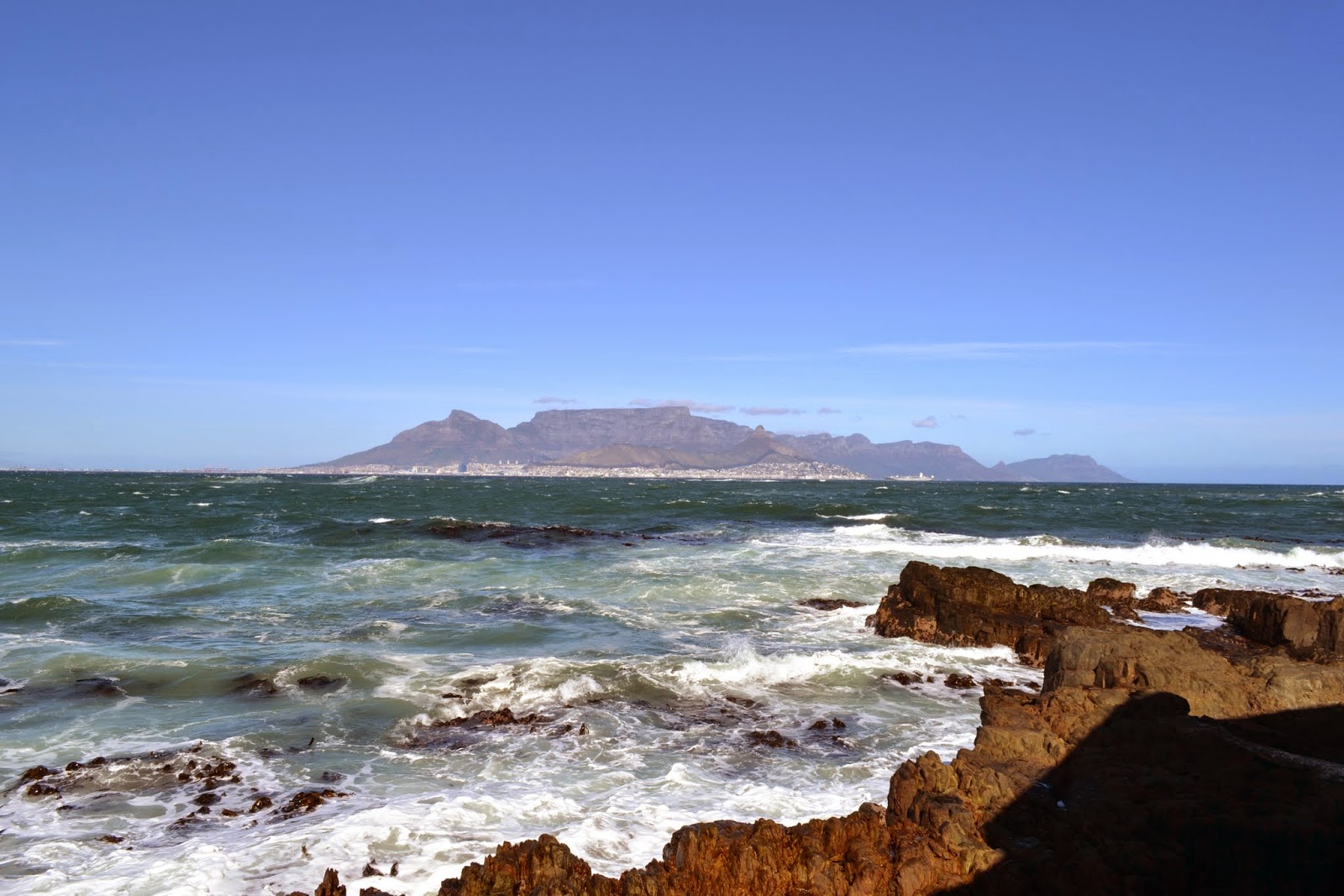
Figure <!–[if supportFields]> SEQ Figure \* ARABIC <![endif]–>42<!–[if supportFields]><![endif]–> – Atlantic and the Indian oceans


Figure <!–[if supportFields]> SEQ Figure \* ARABIC <![endif]–>43<!–[if supportFields]><![endif]–> – Looking as radiant as ever


Figure <!–[if supportFields]> SEQ Figure \* ARABIC <![endif]–>44<!–[if supportFields]><![endif]–> – Photo op


Figure <!–[if supportFields]> SEQ Figure \* ARABIC <![endif]–>45<!–[if supportFields]><![endif]–> – Unused 9 inch gun


Figure <!–[if supportFields]> SEQ Figure \* ARABIC <![endif]–>46<!–[if supportFields]><![endif]–> – V and A waterfront


Figure <!–[if supportFields]> SEQ Figure \* ARABIC <![endif]–>47<!–[if supportFields]><![endif]–> – Partners in crime


Figure <!–[if supportFields]> SEQ Figure \* ARABIC <![endif]–>48<!–[if supportFields]><![endif]–> – V and A waterfront


Figure <!–[if supportFields]> SEQ Figure \* ARABIC <![endif]–>49<!–[if supportFields]><![endif]–> – CT from top


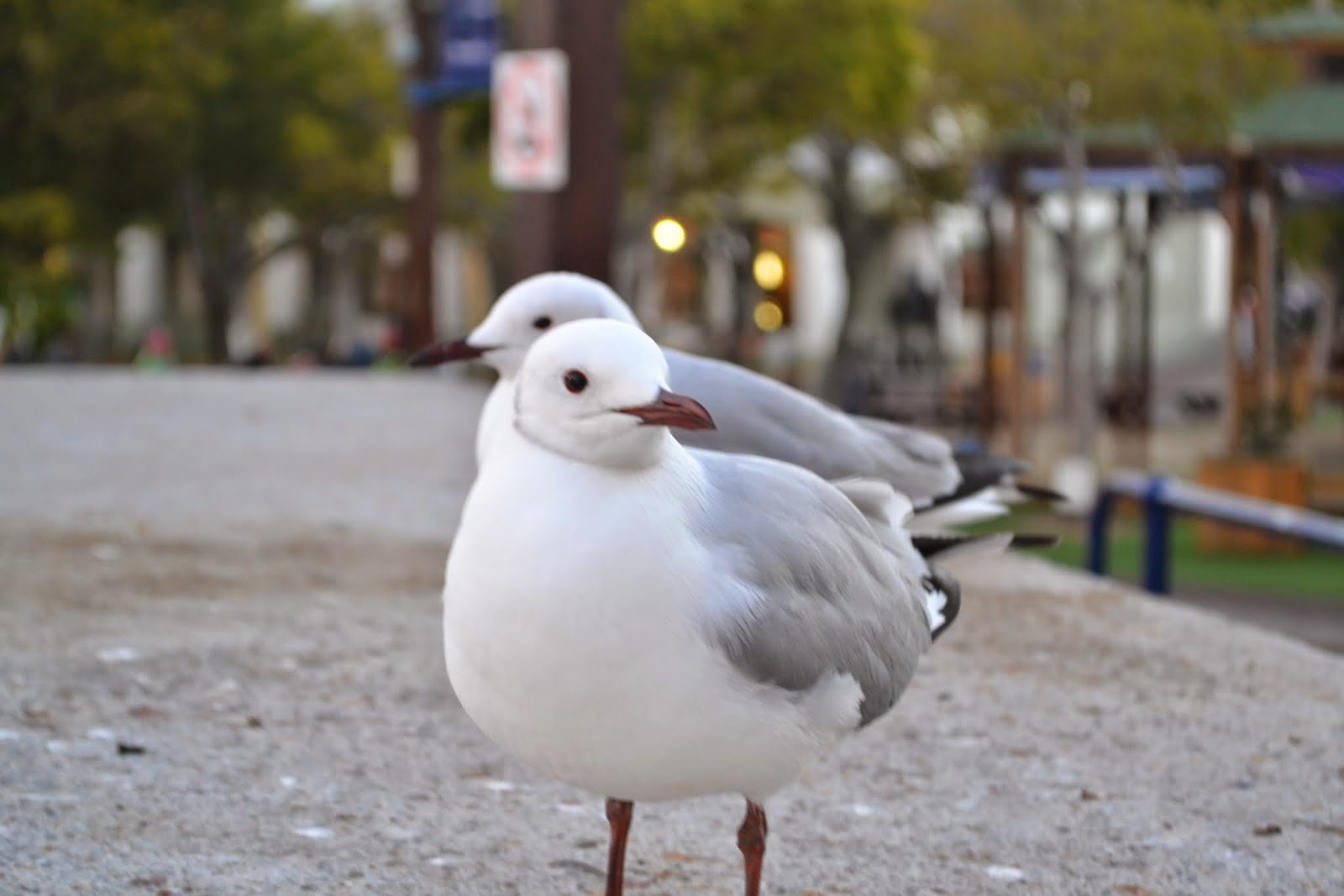
Figure <!–[if supportFields]> SEQ Figure \* ARABIC <![endif]–>50<!–[if supportFields]><![endif]–> – A visitation by a Seagull
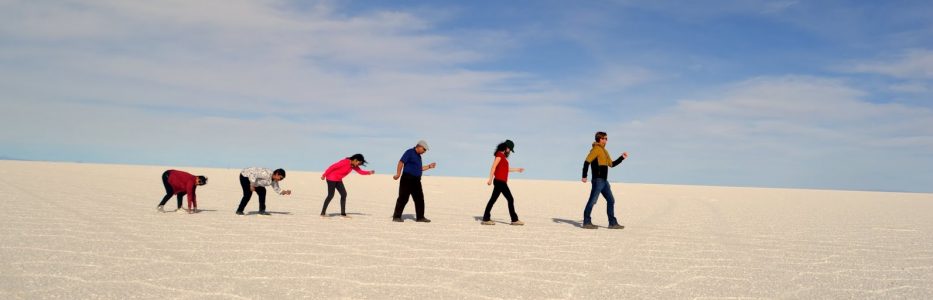
We Visited South Africa and Zimbabwe 02 to 19 May South Africa – Part 1

Why SA and what is there to see apart from wild animals, were some of the stray thoughts doing rounds when we were planning our 2014 trip. All these doubts were removed once I started researching. As the planning progressed, I became more and more fascinated with the country. Then Kshama, a very close family friend of our daughter’s, came along to reinforce our interest. Having lived in SA for a long time, she had lots of advice on our itinerary. In addition we were briefed by a close friend of ours from the navy – Samir Adwani. He had served as the Indian Defence Adviser to SA in Johannesburg. He briefed us on many aspects of our travel. Armed with all the guidance we started our planning in right earnest.

Our trusted travel partners – Kats and Navin from Gurgaon very willingly decided to join this adventure. The most important ingredient for any travel is the company. Unless the group is cohesive, accommodating and above all share the spirit of travel and adventure – the journey will become a burden and an uphill task. We were blessed in many ways in this regard.

After our Spain and Portugal trip with Trafalgar, I had made up my mind not to go on a conducted tour. At times it does become a bit of a circus – each event unfolding in regular and unfailing sequence.  These tours are undoubtedly smooth and without any hiccups whatsoever. But it lacks the elbow room one desires in any travel. Most of the countries are so well geared for tourism; it’s extremely easy to maneuver. Internet is a big boon and anything and everything is possible on the net. With a fair amount of exploring, we were able to get our act together. Apart from air travel and visa, we did everything else on the net- hotel bookings, car rental, booking game camps, wild life safari, entry fee and the rest. Planning and execution was all fun and excitement. In the end it was extremely satisfying. There were no errors whatsoever and more than anything else it worked out very reasonable cost wise. We left Mumbai airport on 02 May and returned on 19 May.

The visas to SA and Zimbabwe, was a touch and go story. All our attempts in pleading and influencing the staff to grant visas from 23 to 30 Apr met with no success. In shear desperation Kats went to the SA Embassy on the morning of 31 Apr to try his luck. As Kats stood there aimlessly having a smoke, a SA national from the embassy joined him. Conversation picked up and Kats narrated his utmost concern to the gentleman. Call it coincidence or miracle, the man happened to be an Ex army officer and the first secretary in the embassy. Kats, in double quick time, told him about our own military background. The smell of uniform attracts another service officer like nothing else. By an act of God, we got our SA VISA at 1500 hrs on 31 Apr. Next day was ‘May Day’ and the Zimbabwean embassy was closed. Kats cancelled his early departure on 02 May from Delhi to Mumbai and went to the embassy to work on the VISA. Thankfully we got the VISA at 4 PM and Kats took a 1930 flight out of Delhi. A dramatic prologue indeed.

All from my camera


SA is a big country, but India is 2.5 times bigger. However, when it comes to population, it has only 52 million people. By our standards, it is very sparsely populated. There are approximately 43 people per square kilometer in SA as against 393 in India. It has the same population of Andhra Pradesh. About 80% of the South African population is classified as black, about 9% as white, 9% as colored, and 2% as Indian/Asian. One can drive hundreds of kilometers without encountering any human being. The roads appear deserted most of the time. So, problems solely related to over population are absent and hence their natural resources are available to each individual in greater quantity. The country has a bright future indeed.

The aftermath of ‘Apartheid’ looms large even to this day. Cities such as Cape Town still reflect the practice – the whites live separately from the others in well planned towns and cities – colored, Black and Asians live separately. As the economy recovers and purchasing capacity increases more non whites will be able to afford good accommodation. Income distribution, poverty, land ownership, educational achievement, basic health and unemployment are of serious concern. All the low to middle level jobs are with the blacks. Taxi drivers, porters, hotel housekeeping, waiters in restaurants, sales girls, tourism staff and such other jobs are all with the blacks. It is rare to encounter any white in the normal course of day to day interaction. The whites are wary of the emerging demographics, especially their decline in population. It is truly a Damocles sword that hangs over them very precariously.

The same set of problems is in India too in large measure. We have hopes and they have them too. I wish them all success.

We decided to travel inside SA in our own car. Initially there were a lot of uncertainties – new country, fast lanes, strict rules, age of the driver and so on. We hired our cars from Hertz at the airport. The whole process is extremely easy and traveller friendly. A car gives you immense flexibility. Start when you want, go where you want, stop anywhere – all the required ingredients for a leisurely and memorable holiday.  The SA roads are superb and provide a safe and excellent driving experience. Fortunately it is RH driving as in India. The fuel cost is same at about 14 ZAR (80 INR per liter). The average speed is 120 Km and in places it decreases to 80.60,50 and 30 and one needs to be extremely alert at all times. The signage is first-class and a great boon to the driver. We did 13 days of driving. It was an experience to cherish. 

Travelling with both SA and Zimbabwe Airways was a pleasure. Food was good and they are generous with wine and spirits. The announcements are ‘off the cuff’ – very interesting and carries a fair amount of humour. A lot better than the accentuated gibberish one gets to hear on most of our airlines.

SA has a blessed country side. God seems to have gone the extra mile to provide such wonderful landscape. The beauty lies in its expanse, miles and miles of open space where mountains intermingle with plains, shrubs and thick forest. The drive along the ‘Garden Route’ is extremely invigorating. One can spend hours staring at nature’s wonders. Pristine beaches occupy the entire length of the ‘Garden Route’ – each one better than the other.

As a tourist, one gets to interact mostly with the black population. They are very polite and accommodating. They go out of their way to help and assist. They are full of greetings and a subtle sense of humour. They are ever ready to help the tourists with the luggage, show directions and such other routine activities – to make that extra buck – why not? All of them speak English. South Africa has eleven official languages: Afrikaans, English, Ndebele, Northern Sotho, Sotho, Swazi, Tswana, Tsonga, Venda, Xhosa and Zulu.
The main language of the government is English. Apart from the other African languages, Afrikaans is spoken by 13.5% and the English speaking variety constitutes around 9.6%.

Surprisingly there are no health faucets in the hotels – toilet paper occupies place of pride. All their hotels and resorts are in a very good state of maintenance and well organized. The facilities are spic and span. The owners have worked hard to provide excellent interiors – each one is different, reflecting the taste of the proprietor.

As we chose to travel in May, the winter weather was perfect – barely crossing 22* C and never below 8*C. There were a few interruptions due to coastal storms with lashing rain and gale force winds – sometimes lasting up to 4 hours. Extreme weather can be a big irritant during any travel.

It’s interesting to note that you can get ‘filter’ coffee in every restaurant .All mamas and mamis need not worry. Coffee is very popular. All the places provide free WIFI. We generally used Viber and Whatsapp to keep in touch with India. It’s very useful to take an SA SIM card to get the required connectivity within the country – especially for any emergencies.

Another aspect which needs mentioning is food in SA. The quality and quantity of food is very good. The helpings are good and the taste is first-rate. The cost of food is very reasonable. A good wholesome breakfast with eggs, bacon, baked beans, mushrooms, bread, butter, jam and coffee was around 40 to 60 ZAR, a good lunch with Hake fillet, salad, bread costs about 60 ZAR, similarly a good stake is about 90 ZAR. On the whole it was a good eating experience. Jai and Navin being vegetarians had no problem – pasta, veg sandwiches, variety of salads and fruit provided the required nutrition. SA wine is excellent and a bottle costs 50 to 100 ZAR in a shop. Beer and hard alcohol in a store is comparable to duty free rates. After a tiring day we preferred to have a hot bath, change into a comfortable outfit and spend the rest of the night at the hotel. The streets are deserted by 7PM.The country is safe and extremely tourist friendly. There was not a single personal security related issue at all.
On the whole the travel to SA and Zimbabwe was a great experience – exposing us to many facets of the country – warm and helpful people, exotic countryside, unforgettable wildlife, good and disciplined traffic, superb waterfronts and beaches, great food and much more. Would I like to do it again? – Without any hesitation, YES!

More episodes to follow.

“A ship is safe in harbor, but that’s not what ships are for.”

Last one year has been very bad for the Indian navy. The good image of the navy took a beating due to a series of accidents involving ships at sea and in harbour – some minor and some major. It culminated in the resignation of the Chief of Naval Staff. The media went to town tom-tomming the incidents. TV anchors saw a pattern where none existed. Facts were sidelined and replaced by innuendoes and bizarre theories. Some anchors become more vocal then necessary. Some appeared to be indulging in audit. Momentarily, TV reporting lacked credence. Not to be left behind, defense experts of all hues and colours added their bit to explain to the nation what was going on.

Now that the din has subsided, let us take a closer, professional look at these accidents.

Naval warships and submarines are exceedingly complex military platforms. To talk about a warship with any degree of authority, one needs to understand its mission. The fundamental mission of any warship is to float, move and fight.

The ship has numerous air and water-tight compartments spread over many decks. Scores of alleyways, ladders and hatches interconnect this labyrinth. As a midshipman on board INS Vikrant, I took nearly a fortnight to get to know my ship. Even after a year, I had not visited all the compartments. Below the water line, there are no ‘Port Holes’ or Scuttles’ – the sun never reaches there. The entire ship is provided with fresh air through a ‘forced ventilation system’ 24×7. A ship may have up to 600 km of wiring, taking electricity to every nook and corner. Side by side there are pipes carrying CO2, hydrogen, oxygen, air, fresh water and steam. Salt water for flooding and fire fighting and the list goes on. Sea water is extremely corrosive.

The ship requires enormous propulsion and power generation machinery to keep the ship afloat and move. Nuclear reactors and high performance batteries for submarines provide the propulsion. Ships require hundreds of tons of furnace fuel oil, diesel, petrol and aviation fuel for aircraft and helicopters. The platforms carries enormous amount of paint on its body. Three months of provisions is stored to feed the men.

Finally what makes warships and submarines unique as compared to any other military platform, is the fact that men live and fight on board. Equipment required to fight is another story. Missiles, gun ammunition, torpedoes, depth charges, rockets and numerous types of small arms ammunition is carried on board. On our missile boat, the detonators and flares were stored below my bed. During the war we all lived on board with live missiles for months on end. Strange and explosive bed mates! Fire and flooding are the greatest enemies of any sea warrior.

Ships and submarines operate in water. A small secret I wish to share with the general public. There are no breaks to stop the ship. In narrow horbours with ever increasing ship traffic, navigation is a nightmare. Sometimes things do go wrong when we go to sea. The famous quote by American Theologian William G T Shedd, A ship is safe in harbor, but that’s not what ships are for, is unquestionably relevant here. Sailing in rough seas is an extremely daunting task. Man and machine take a severe beating when the sea becomes uncontrollable. To be caught in a storm is a frightening and hellish experience. The sea can be cruel and merciless.

The reason these platforms stand apart from the rest is the fact that it is alive day and night. A ship does not shut down after 5 p.m. The element of risk is omnipresent throughout its life cycle of 20 to 30 years. ‘A ship never sleeps’. The galley is open throughout the day and night feeding hundreds of sailors.

To operate in this demanding environment we require a trained body of men. The Indian Navy’s most important activity in peace time is training. These complex platforms are manned by professionals with zeal and dedication. There are checks and balances at every stage of any naval operation. Standard operating procedures, check off lists, do’s and don’ts are the order of the day. A thread of accountability runs through the entire lot of activities. Responsibility and ownership are our watchwords.

A Board of Enquiry and Court Martial sets the house in order. Lessons learnt become doctrines.

Collisions, running aground, man overboard, fire and flooding are occupational hazards. An aircraft cannot crash on ground.

The Navy will continue to go ‘in harm’s way’ and has all our understanding and good wishes as it does so.

I will end with a quote:

“The fishermen know that the sea is dangerous and the storm terrible, but they have never found these dangers sufficient reason for remaining ashore.” – Vincent van Gogh

Holiday in Goa – La Casseta, Candolim and Calamari – 21 Mar 14

Some schools complete their term in March and give their children a 10 day break prior to starting the next academic year. This break in Ayaan’s school prompted the family to take a dip in the exotic beaches of Goa. When we got the invite, I readily jumped on to the band wagon; Jai was hesitant initially, but the attraction of being with the grand children was overwhelming.

We moved into the villa ‘La Casseta’ in Candolim – a very comfortable and well appointed 3 bed room villa with all the modern trappings and an attached swimming pool. Children enjoyed playing in the pool. Ayaan has learnt swimming and can swim a length. The twins are slowly getting used to the idea of water.


Figure <!–[if supportFields]> SEQ Figure \* ARABIC <![endif]–>1<!–[if supportFields]><![endif]–>– Villa ‘La Casseta’

Candolim beach is fifteen kilometers from Panjim, beginning at Fort Aguada and merging with Calangute beach towards the end; it is one of the longest beaches in the state. I went to Goa as a tourist in December 2000. It has changed a lot since then. The tourists are omnipresent. The infrastructure has increased manifold. The approach roads are full of hotels, villa, resorts and umpteen restaurants to satisfy every type of culinary craving. During the day time it’s all about the sea, sun and sand but as the sun sets, the market place comes alive with colorful lights, music and dance. A festive atmosphere engulfs the entire town, like nowhere else.
The number of Indian tourists visiting Goa with large disposable incomes is on the increase. North Goa is no longer an exclusive hideout of the foreigners. Migrant labour from Karnataka, Bihar and the North East has found a livelihood in the ever increasing tourism industry of Goa.  
 

Figure <!–[if supportFields]> SEQ Figure \* ARABIC <![endif]–>2<!–[if supportFields]><![endif]–> – With Ayaan


Figure <!–[if supportFields]> SEQ Figure \* ARABIC <![endif]–>3<!–[if supportFields]><![endif]–> – Twins giving a serious thought


Figure <!–[if supportFields]> SEQ Figure \* ARABIC <![endif]–>4<!–[if supportFields]><![endif]–> – Three generations stepping out

Each morning, after a good swim and breakfast at the villa, prepared by Reshma from Hubli, we would proceed to the beach. The beach is full of shacks providing shade and shelter from the elements. We decided to anchor in ‘Calamari’– a clean shack with good toilets, shower and the rest. The weather was friendly and very comfortable in the shade with a fan. There is live music and chilled beer to uplift the soul. The sea was very calm and practically free of any white horses. Swimming in the sea is great fun and I was indulging in it after 6 years. Ayaan and I spent all our mornings in the sea, while the twins were content making sand castles in the shade.


Figure <!–[if supportFields]> SEQ Figure \* ARABIC <![endif]–>5<!–[if supportFields]><![endif]–> – Akki and Neer in Calamari


Figure <!–[if supportFields]> SEQ Figure \* ARABIC <![endif]–>6<!–[if supportFields]><![endif]–> – Twins enjoying the sand on the beach


Figure 7 – Jai,Neer and Ayaan tried their hand at para sailing – great adventure


Figure 8 – Rita and Ayaan bonding


Figure 9– Enigmatic sunset


Figure <!–[if supportFields]> SEQ Figure \* ARABIC <![endif]–>10<!–[if supportFields]><![endif]–> – Calamari at night – all romance

Overcrowding of the beaches has its own flip side. Stray plastic bottles, vegetable waste from the shacks, plastic wrappers and similar objects do appear on the beach. The government needs to come down with a heavy hand and enforce ‘Zero Tolerance’ in this regard.

One of the evenings we went and had dinner in an exclusive gourmet restaurant ‘Bomras’. The food was exotic and worth every penny. The Jumbo Prawns in mustard sauce was the “pièce de ré·sis·tance”.


Figure <!–[if supportFields]> SEQ Figure \* ARABIC <![endif]–>11<!–[if supportFields]><![endif]–> – The owner Mr Chris welcoming Mix.


Figure <!–[if supportFields]> SEQ Figure \* ARABIC <![endif]–>12<!–[if supportFields]><![endif]–>– Mix and Disha appear extremely contented.

Figure <!–[if supportFields]> SEQ Figure \* ARABIC <![endif]–>13<!–[if supportFields]><![endif]–> – Neer, Akki and the twins, all pleased with the dinner.


Figure <!–[if supportFields]> SEQ Figure \* ARABIC <![endif]–>14<!–[if supportFields]><![endif]–> – Jai and Rita all smiles

Staying in a villa and spending the day on the beach makes a lot of sense.The villa provides all the creature comfort and space for the children to run around.For a family outing ‘villa shack combo’ works out very fine. After three days of hectic fun we returned to Bangalore – completely refreshed and rejuvenated. The impromptu holiday gave us an opportunity to bond with the children. The sea is a great catalyst. 

Goa now has a new airport with a lot of teething problems (all of 32). They have to seriously look into overcrowding at the check in and security counters, cleanliness in the bathrooms, air conditioning in the top floor, parking etc.

Nuances of hosting a successful dinner party

We were planning to invite our close friends to dinner for a very long time. Due to a variety of reasons the event kept getting postponed. Who to invite is a very important factor. The right mix and match is essential to ensure the party ends up as a success. Putting the wrong set of people together is as bad as messing up the ingredients of a great dish. Individually the ingredients may be fantastic but together they are a total disaster. Well thought out variety is the spice of partying.

People fall into recognized groups such as immediate family, office crowd, school types, relatives, golf buddies, shipmates and so on. Inviting this homogeneous crowd poses no challenge. All the guests are acquainted with each other and have a similar background. The conversation progresses effortlessly and the alcohol helps it along just fine! But when it comes to inviting a motley crowd one has to do a little bit of thinking. Who will fit the bill?

I still remember a party hosted by Admiral Narpati Datta in the Fleet House in Mumbai – the guest list had Lance Gibbs the cricketer, Nutan the film star with her husband Commander Rajnish Bahl, atom bomb Raja Ramanna and architect Charles Correa amongst others. It was a great combo – the conversation was eclectic and the guests enjoyed each other’s company immensely.

Once I got caught with a group of hot Indian Air Force fighter pilots. With my flying experience limited to a few jaunts in Air India, I was totally out of place. Within minutes they were all air borne – gesticulating dog fights with their palms and making wild growling sounds.By the third drink they were firing missiles all over. In another instance, I was in the august company of singers. With nothing better to do, I started playing with the TV remote while serious ‘alapane’ was in progress and I accidentally switched on ‘Times Now’ with Arnab Goswami shrieking away in total ‘apaswara’!

Try and avoid the ‘know it all’ who will invariably occupy centre stage and pontificate on every subject – from mating of ‘Indian Bull Frogs’ to the ‘Theory of War’ by  Clausewitz. Also avoid the argumentative types – who will leave no stone unturned in their effort to prove they are correct – the Neanderthals were last seen 28,500 years back and not 28,250. Equally disastrous is a combo of silent Sharma and noiseless Narayana. They have nothing to say and can spend the entire evening in solitude.

Be wary of ‘Anecdote Aunty’. She has a bag full of stories to narrate and has come prepared to explode at the slightest opportunity. She will recall the train journey after their wedding night in 1963 from Bhatinda to Nanjangud or the great robbery when they were posted in Chinchpokli. With advancing age, the facts and figures invariably get mixed up; increasing the length of narration and help is sought from the ever-eager beaver, hubby dear.

Please specify the date and time correctly. One does not want the guests ringing the bell when you are still in the bathroom lathering soap. The other day, I answered the door bell only to find a nattily dressed couple with a gift in hand, looking rather aghast at my turnout in multicolored Chumbak boxer shorts. The party was on the 15th and they rang the bell on the 1st.Cataract I suppose.

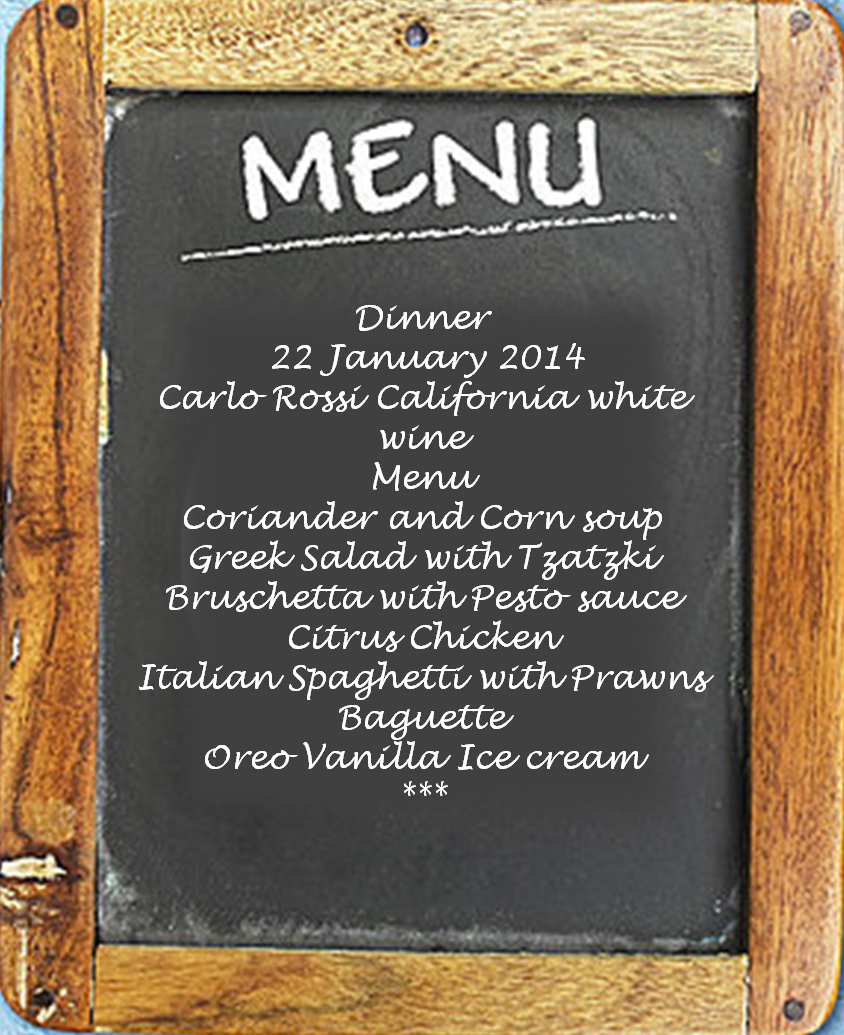
Once the who, where and when part of the event is decided, the all important aspect of any dinner –the ‘menu’ occupies centre stage.

Ensure the dietary preferences of your guests. On many occasions, my dear wife who is a strict vegetarian has been served meat including ‘Bush Meat’ in Nigeria. Some are allergic to certain types of vegetables and sea food. Do not experiment on the day of the party – bring forth a menu which is tried and tested and eminently doable. I still remember, serving rich tomato soup to a cousin, who promptly acknowledged it with a ‘Good rasam, Pubby!’ A very conservative crowd may not like to stray off the beaten path.

So on 22 Jan 2014 after careful deliberation we served

The party was a great success.it had all the right ingredients. Right mix of guests who appreciated the Mediterranean fare and good wine

Cheers.