
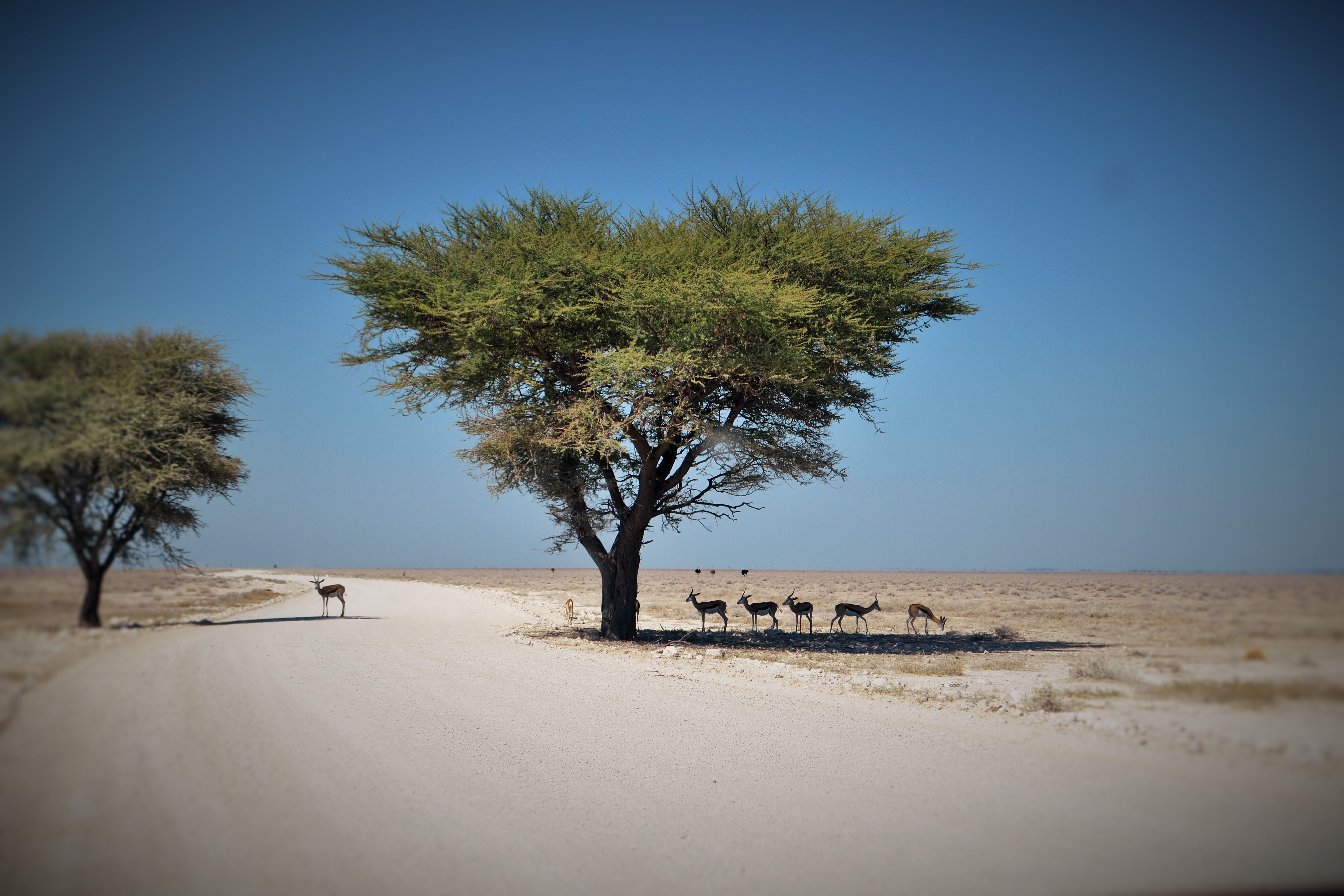
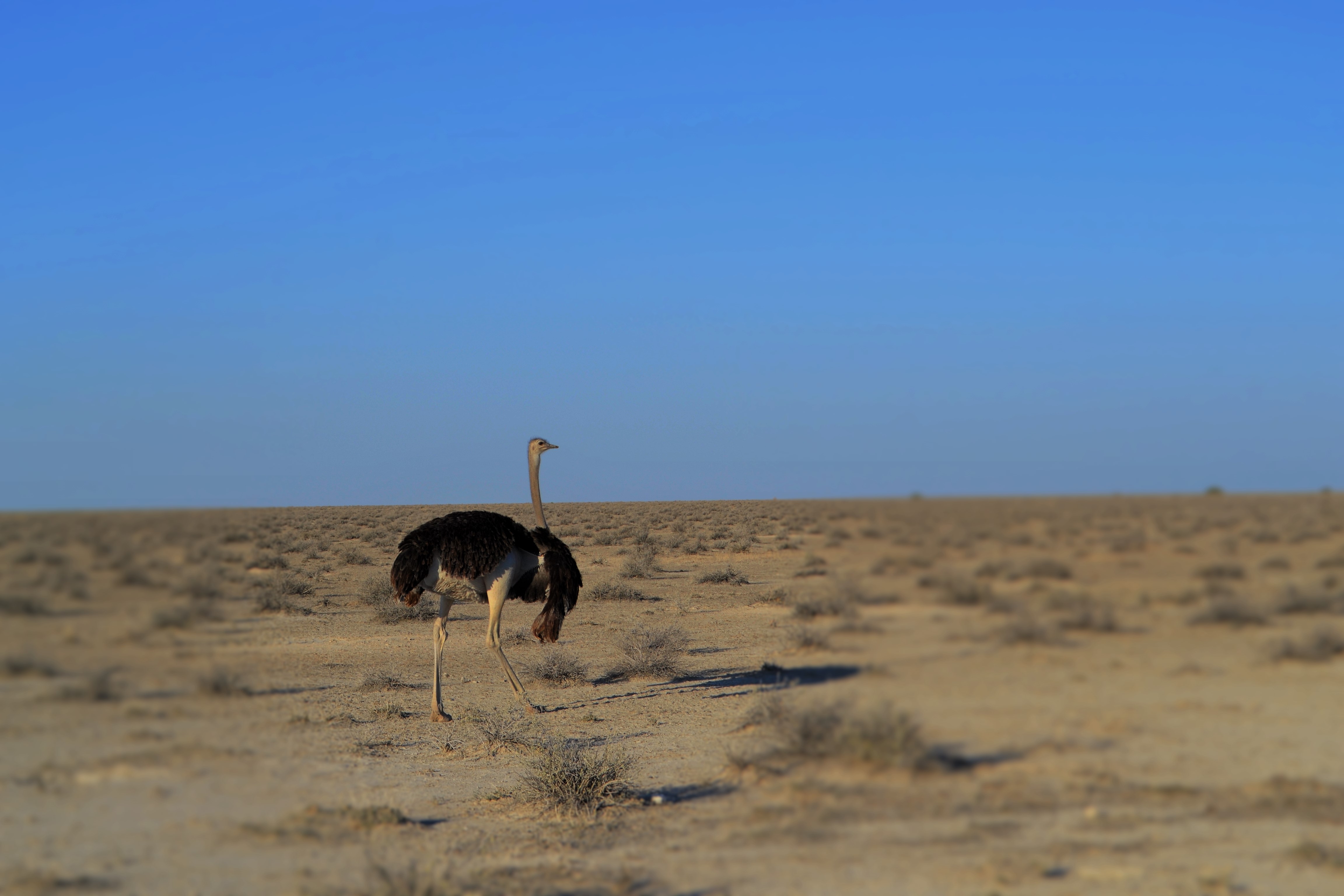
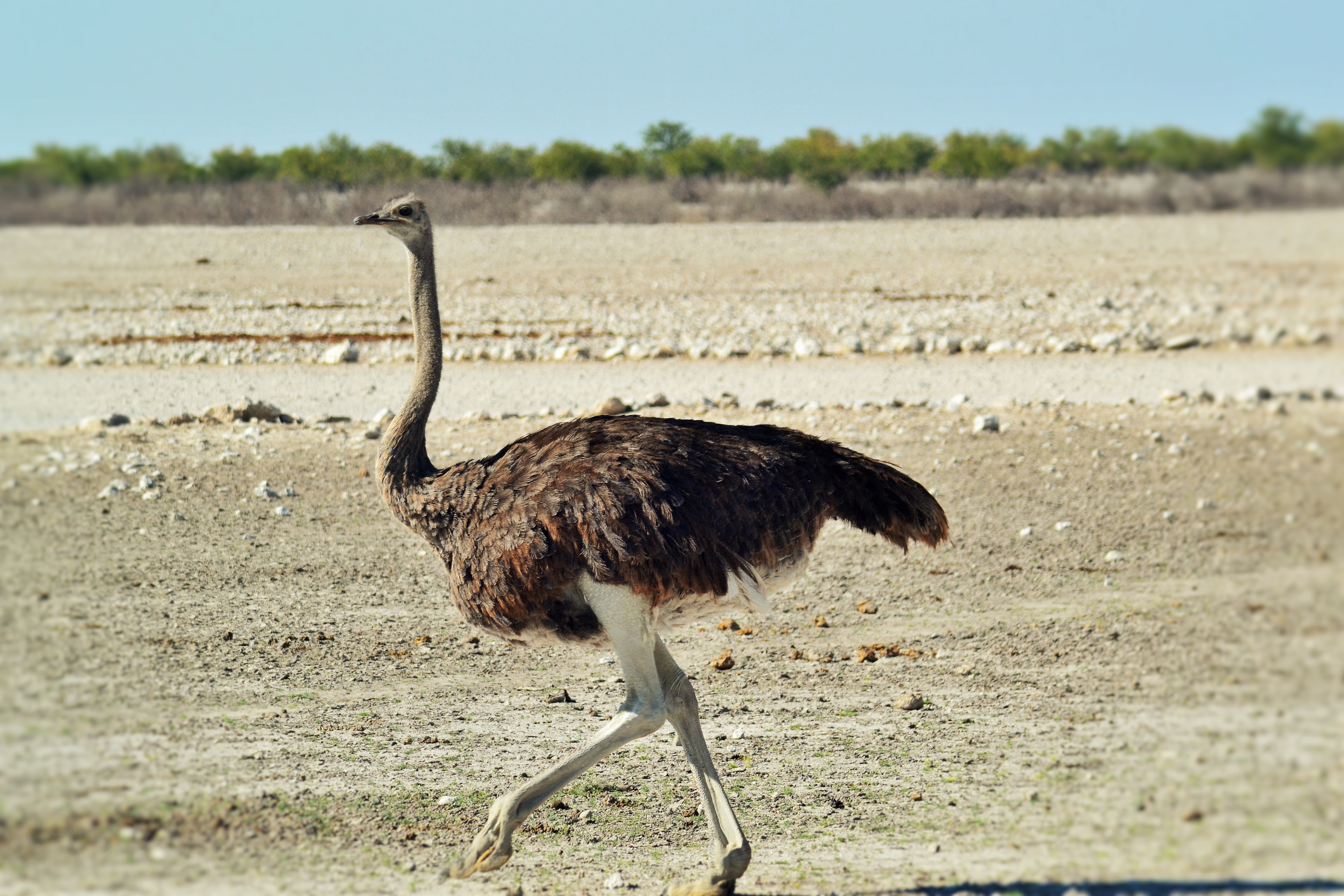
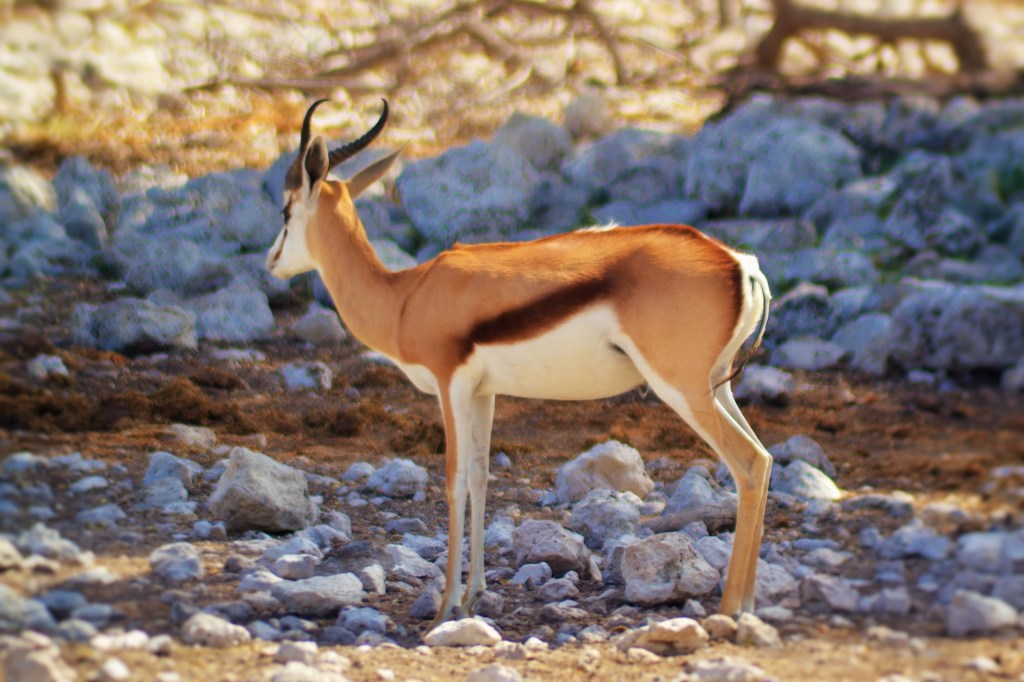
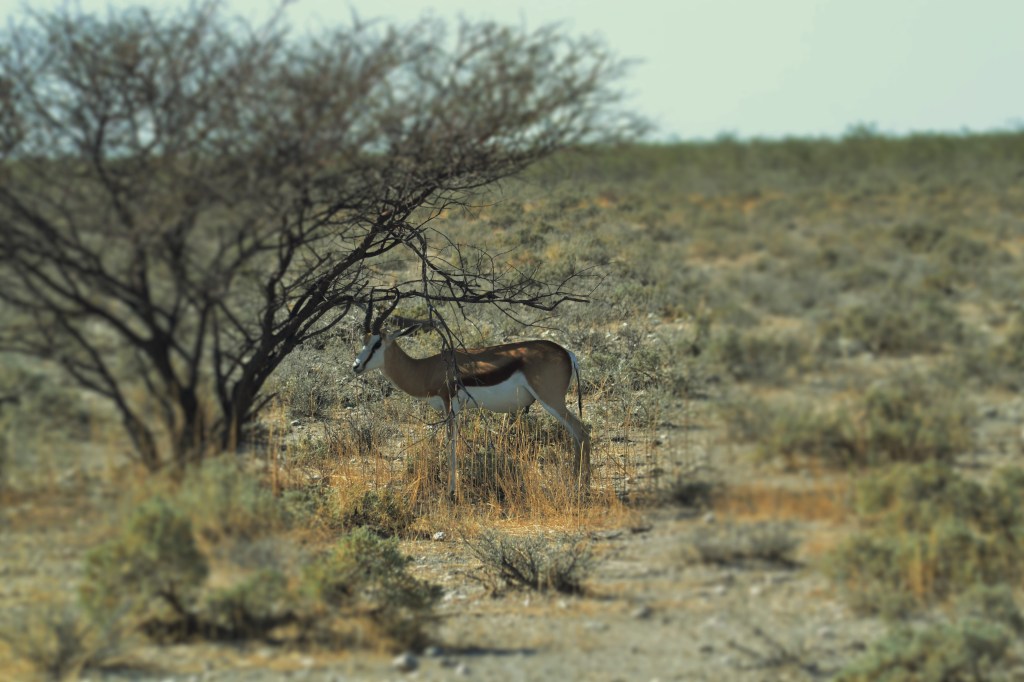
We left Hobatere Lodge after breakfast and reached Okaukuejo Camp after a very pleasant three and a half hour drive, covering 280 km on a tarred road. The roads are fenced on either side to restrict wildlife entering the roads. The fence is in top condition throughout. It’s very common to see a repair truck attending to a fallen fence. It’s a remarkable effort to keep hundreds of kilometres of highway fenced and maintaining them year round. In addition to the normal driving experiences, these roads offer much more. It’s very common to sight warthogs, Springbok, Wildebeest, Zebra, Ostrich and Giraffe crossing the road or quietly grazing nearby.
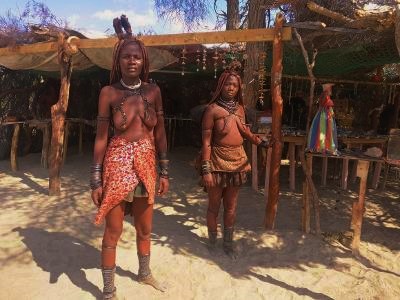
Just short of the camp we stopped at a road side shop run by the Himba Tribe. The Himba are a semi- nomadic, pastoral people. Hairstyle and jewellery play a significant role among the Himba, it indicates age and social status within their community. Himba women cover themselves with Otjize paste, a cosmetic mixture of butter fat and ochre pigment. The paste protects them from the intense day time sun. It also offers protection from insect and mosquito bites. The cosmetic mixture, often perfumed with the aromatic resin of the omuzumba shrub, gives their skin and hair plaits a distinctive orange or red-tinge characteristic, as well as texture and style.
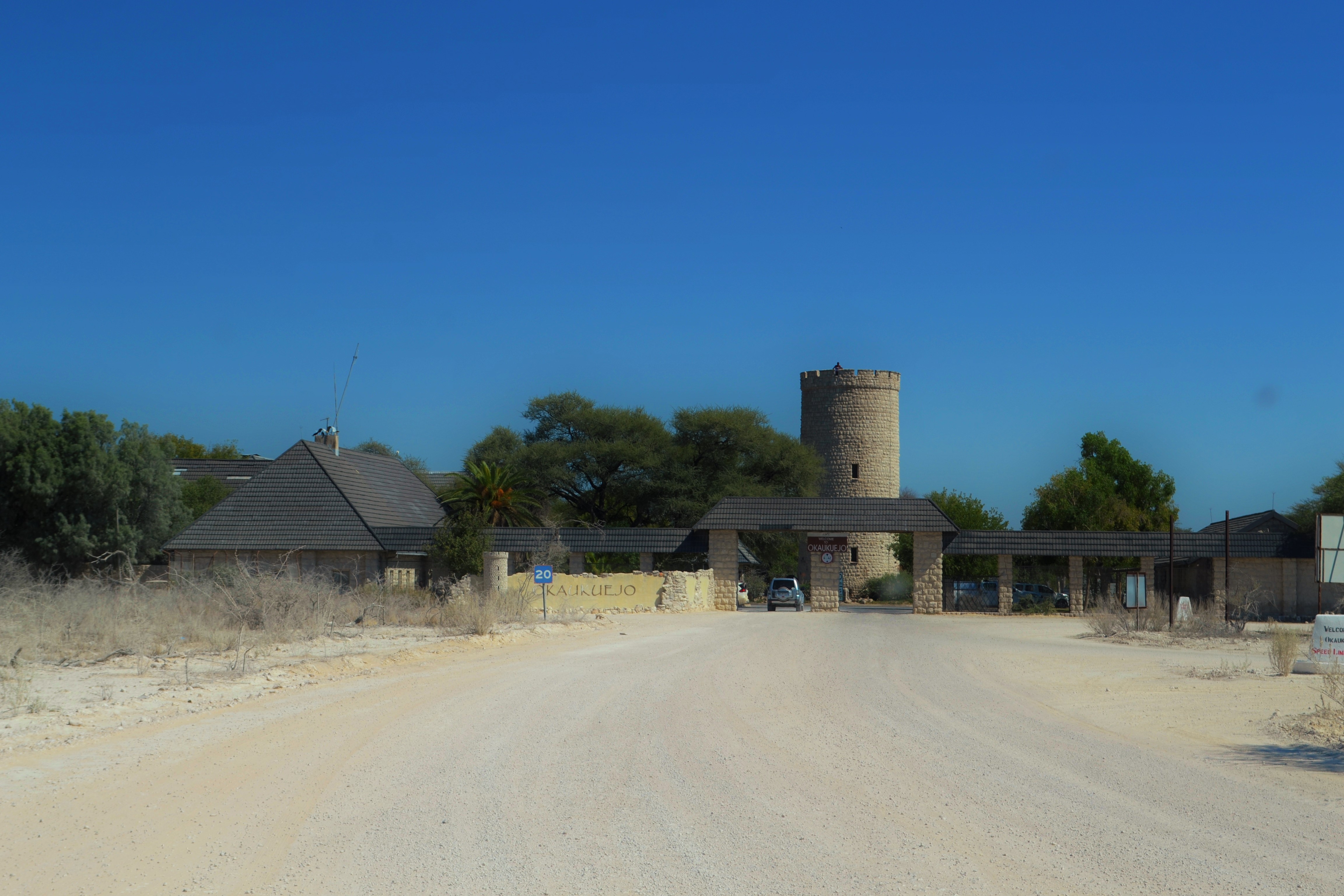
One of the largest savannah conservation areas in Africa, Etosha National Park is known for its spectacular wildlife: elephant, black and white rhinoceros, lions, leopards, cheetahs, and large herds of springbok, ostrich, zebra, wildebeest, giraffe and a multitude of other fascinating species, big and small, interacting in their natural environment. Okaukuejo, located 17km from the southern entrance of the park Anderson Gate was the first, tourist camp to open in the Etosha.
The camp is huge with 125 cottages and 37 camp sites. The accommodation is booked months in advance. It’s better to plan the trip 3 to 4 months in advance. The best viewing is possible from Waterhole Chalet located right in front of the waterhole. The camp has two restaurants to cater for the tourists. I enjoyed having their Ice-cream. There is a utility shop for provisions, liquor and daily necessities. Don’t forget to top up fuel before departing.
Waterhole seating
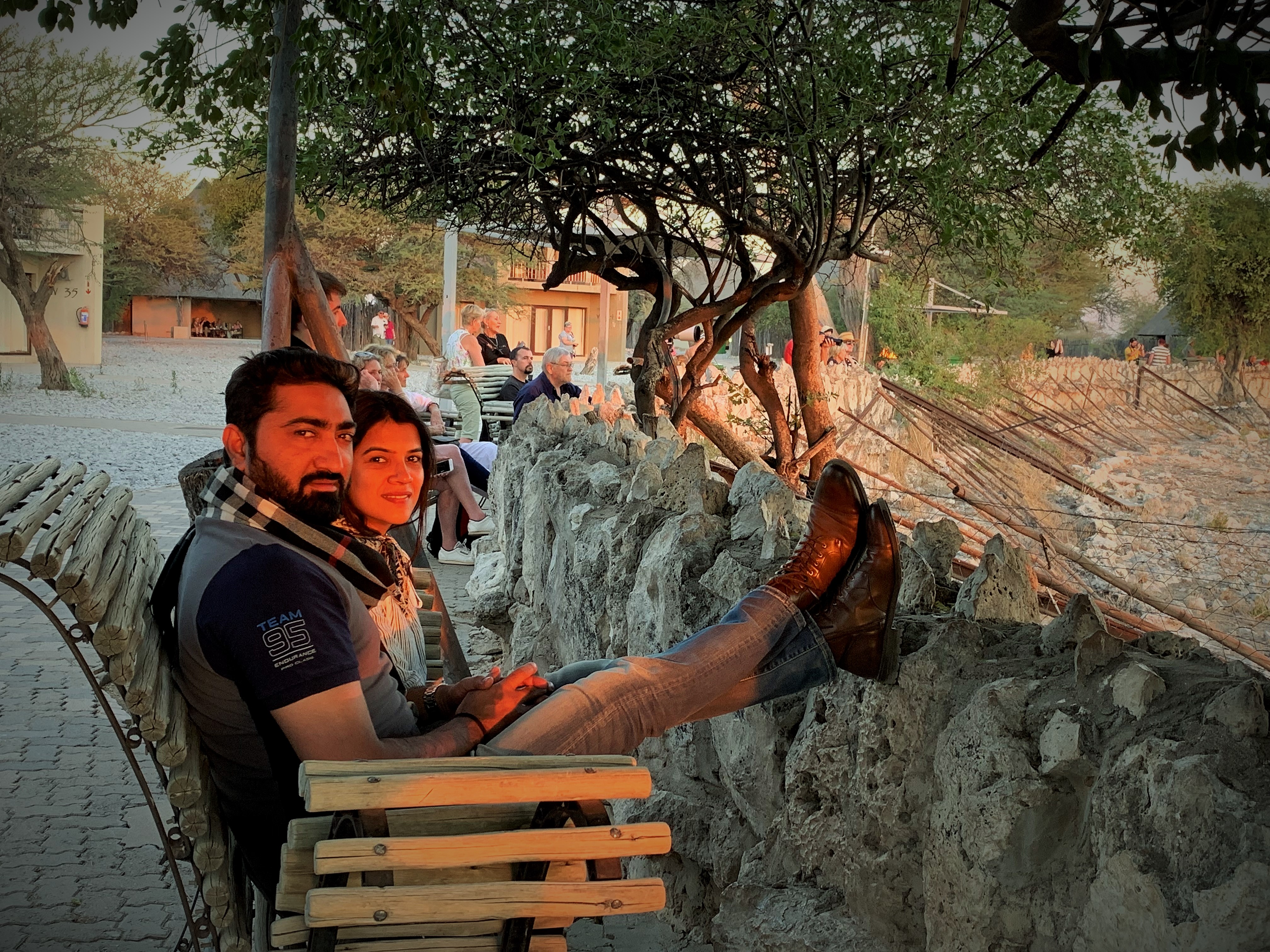
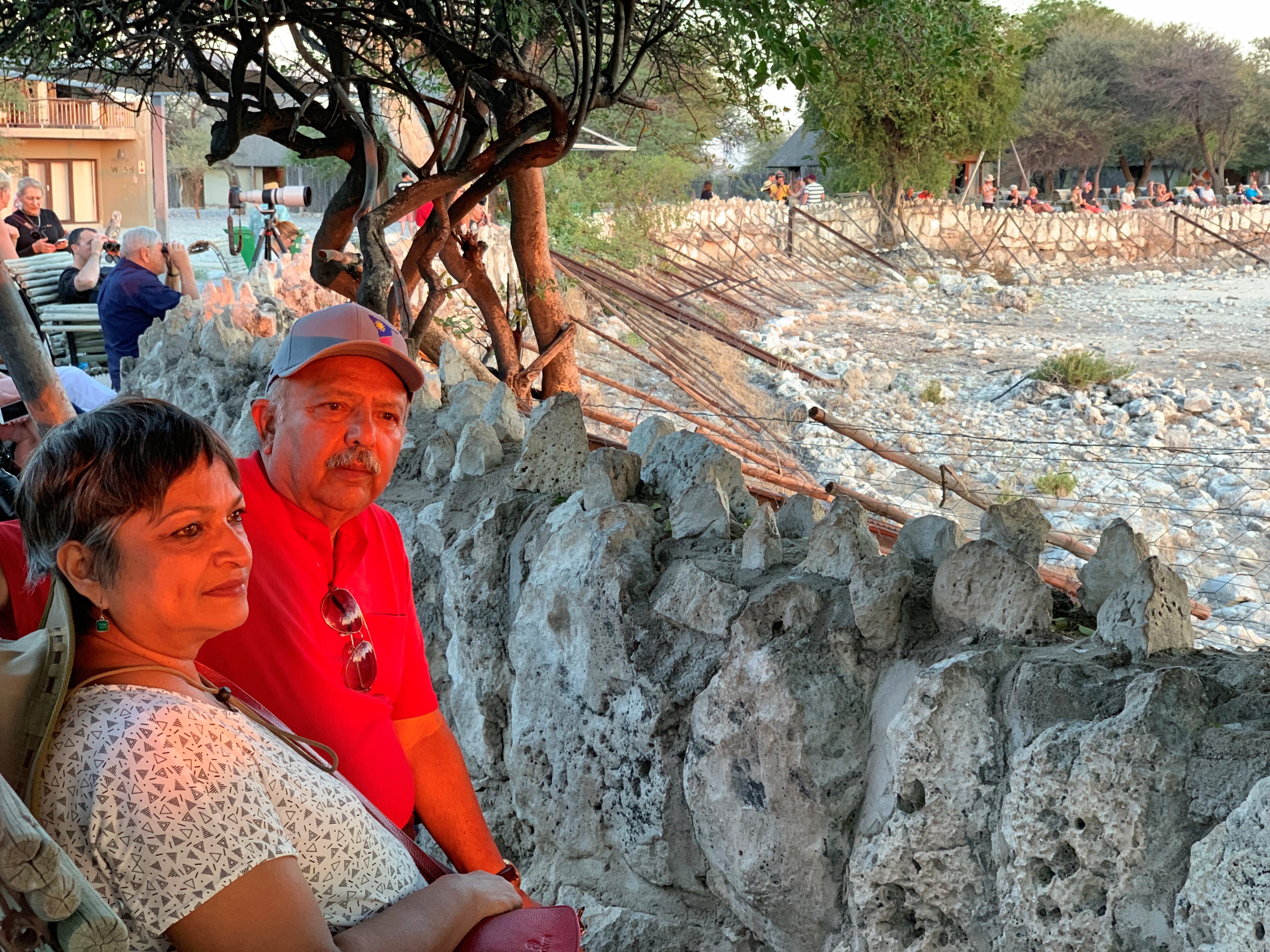
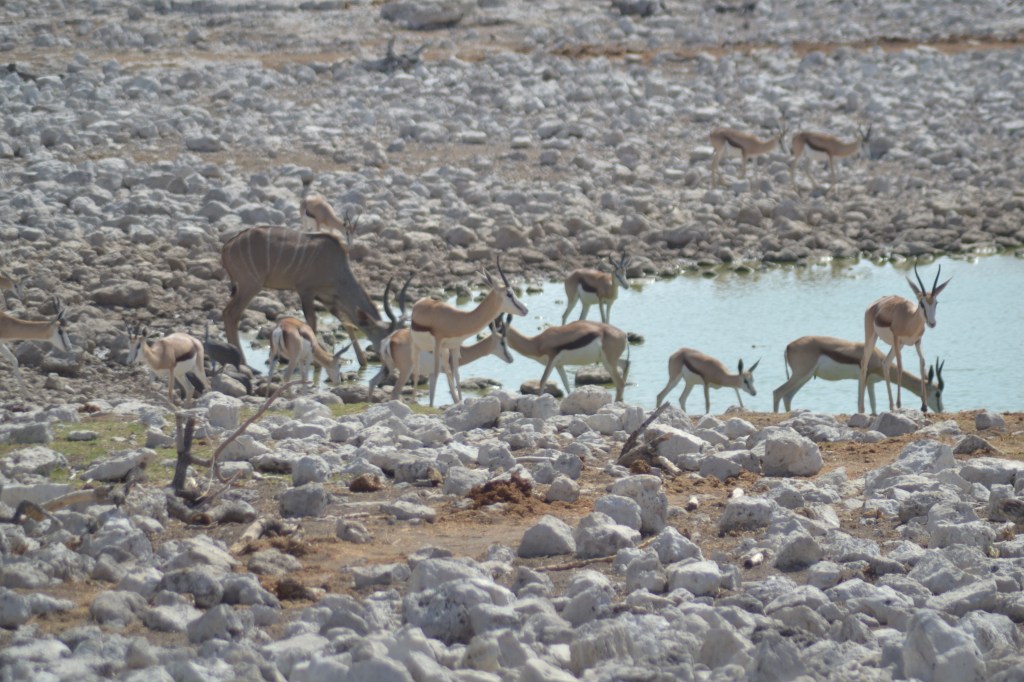
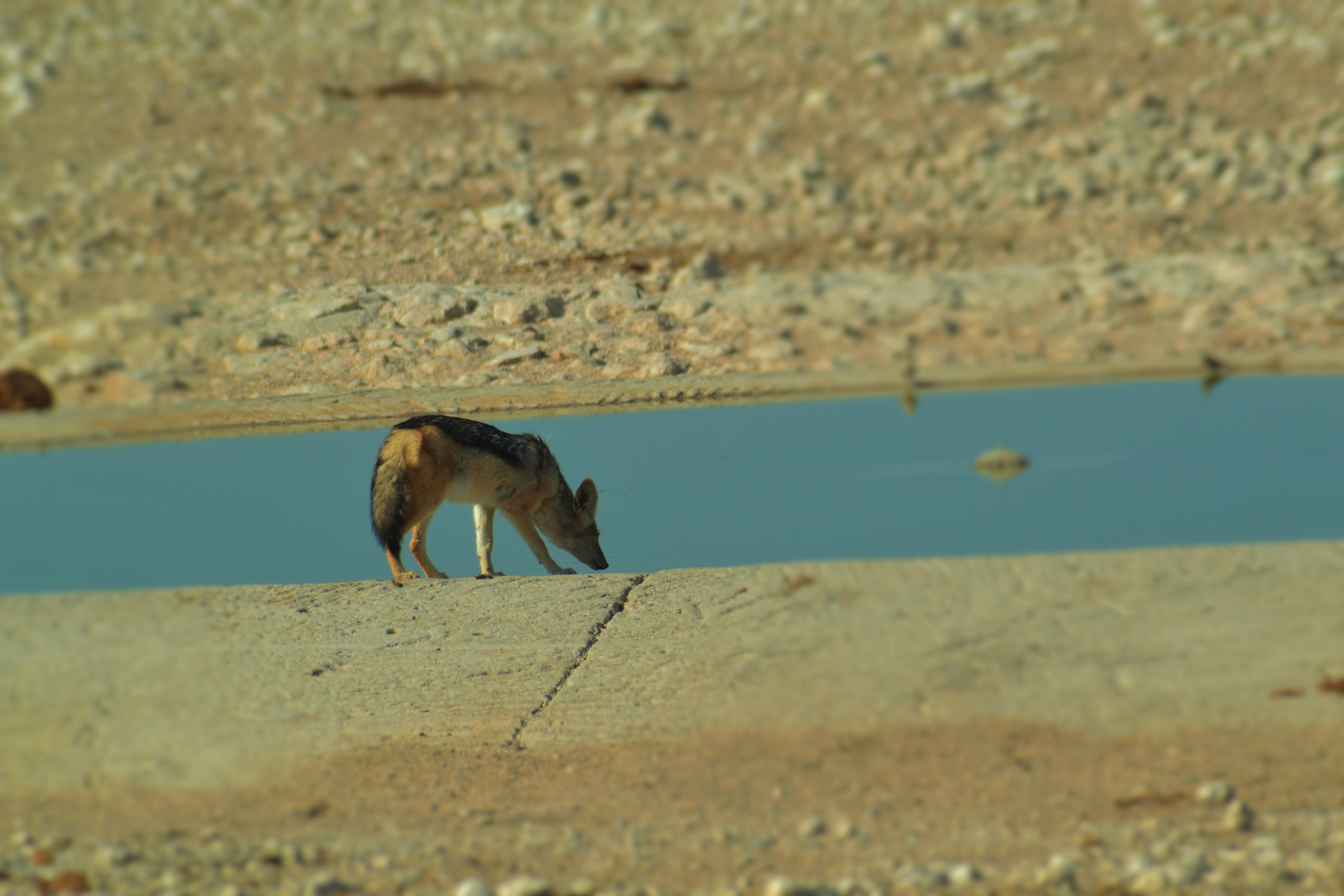
The waterhole is huge, attracting all the wildlife in the area. The area is covered by electric fence, a ditch and a security perimeter wall. The whole are is lit in the night. Sitting on the edge of the waterhole is very much akin to watching National Geographic documentary at close quarters. There is a constant parade of animals coming to quench their thirst. The beauty of this spectacular view is in numbers. The animals come in hordes and the exhibition continues throughout the day and night. It is a futile exercise to capture the sight and write about it. No amount of writing can do justice to these incredible wildlife congregations. The only one way of enjoying the natures show is to watch it.
Giraffe Parade
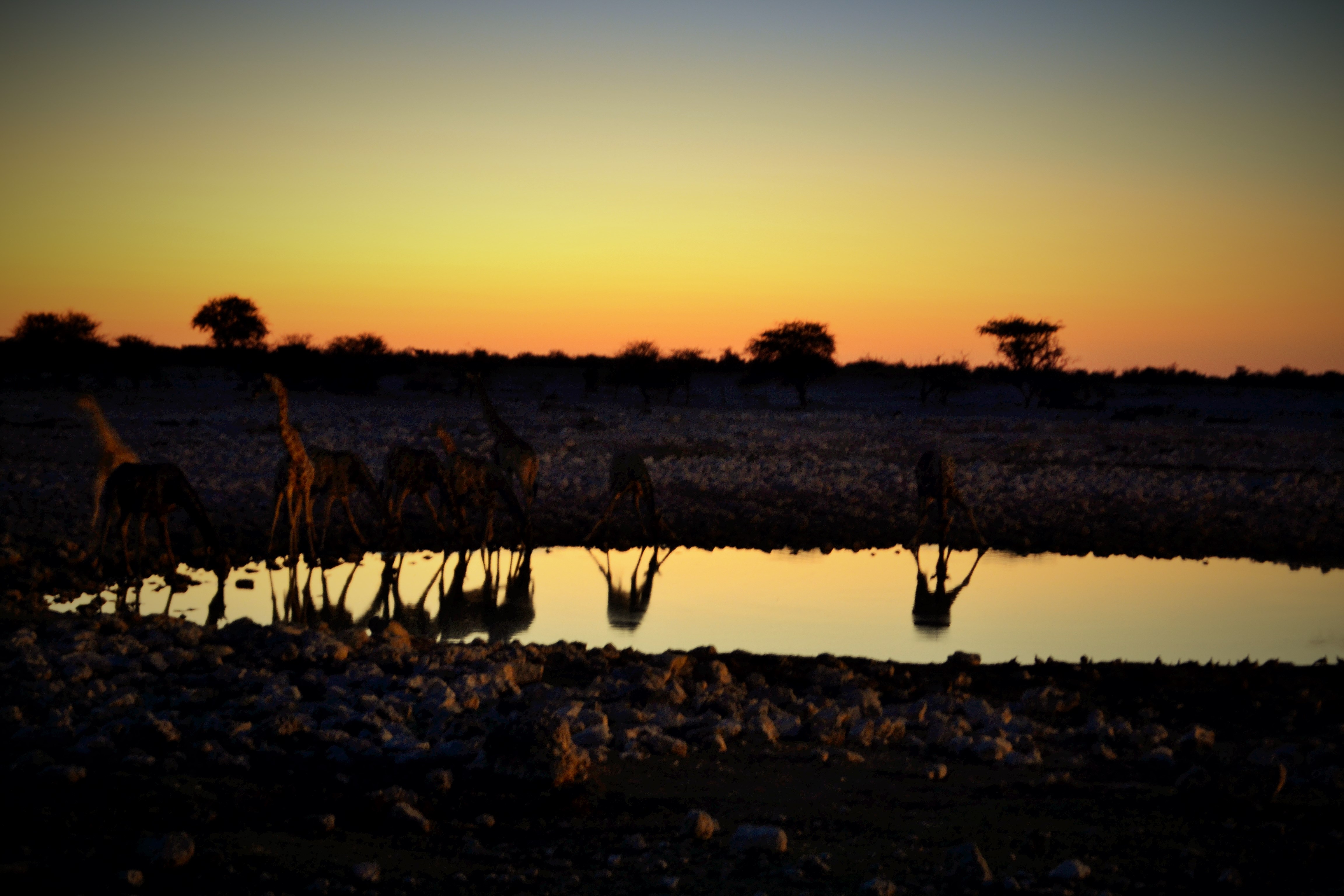
Sight at sunset 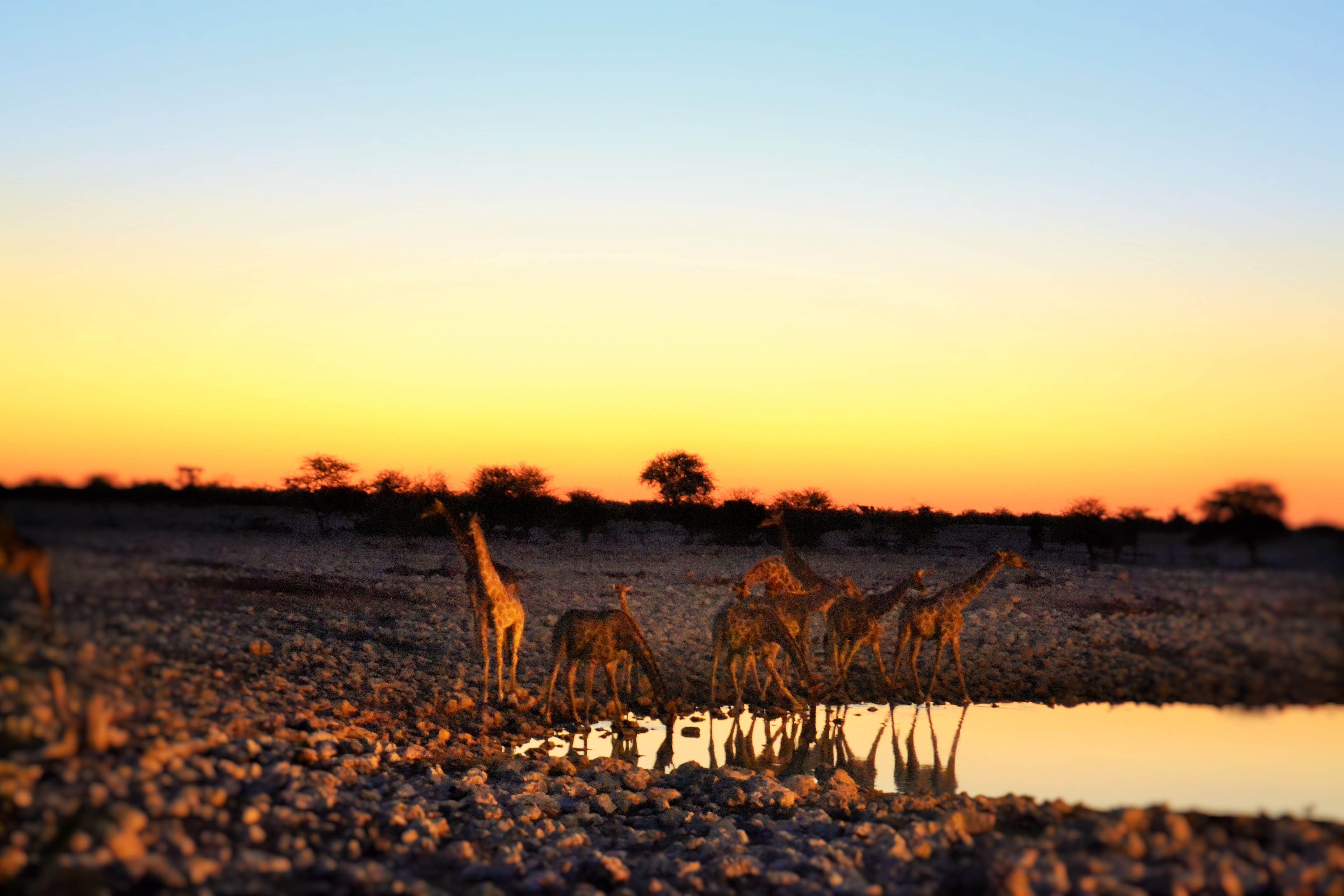
Reflections galore
Sightings during the self drive
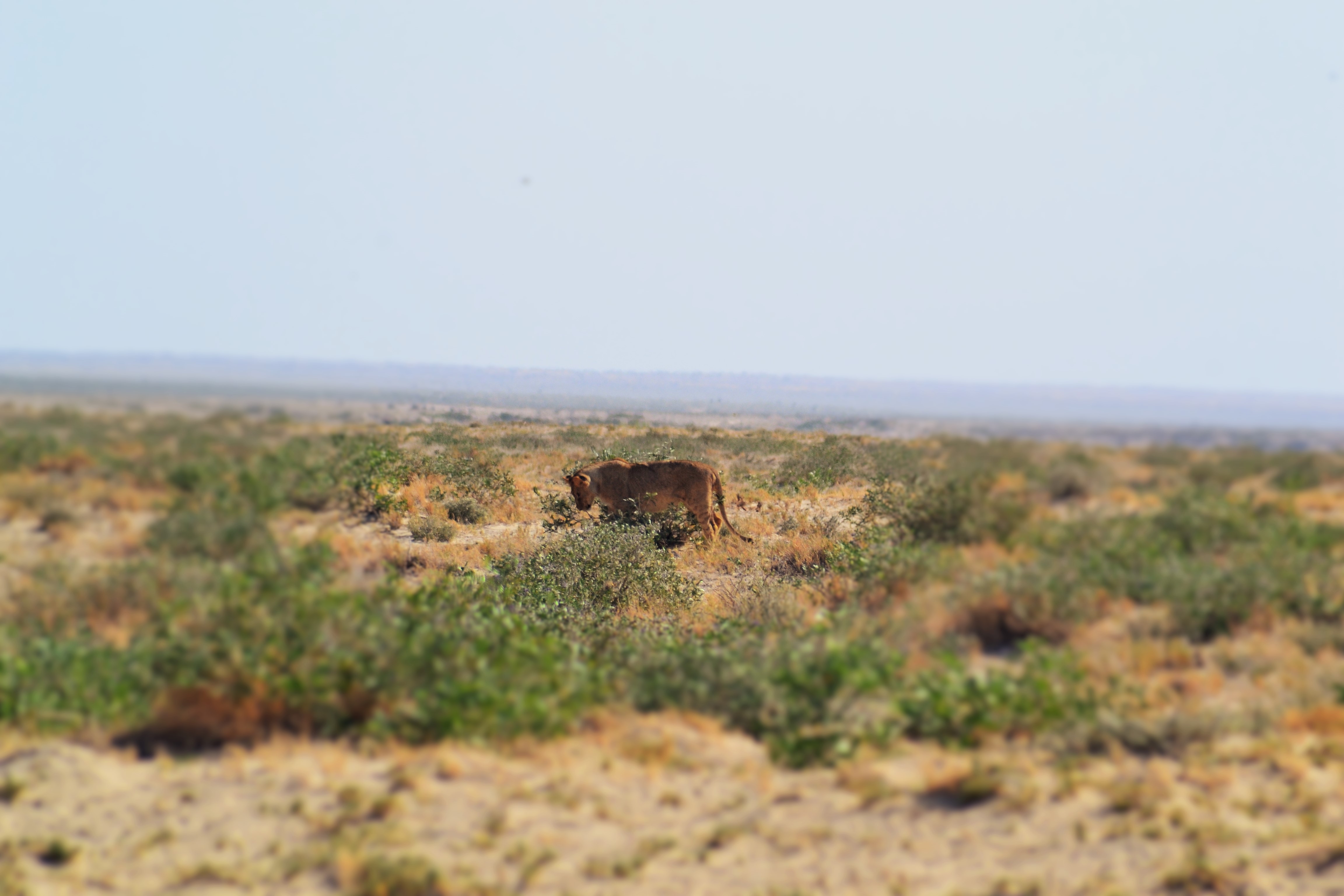
One of the lionesses 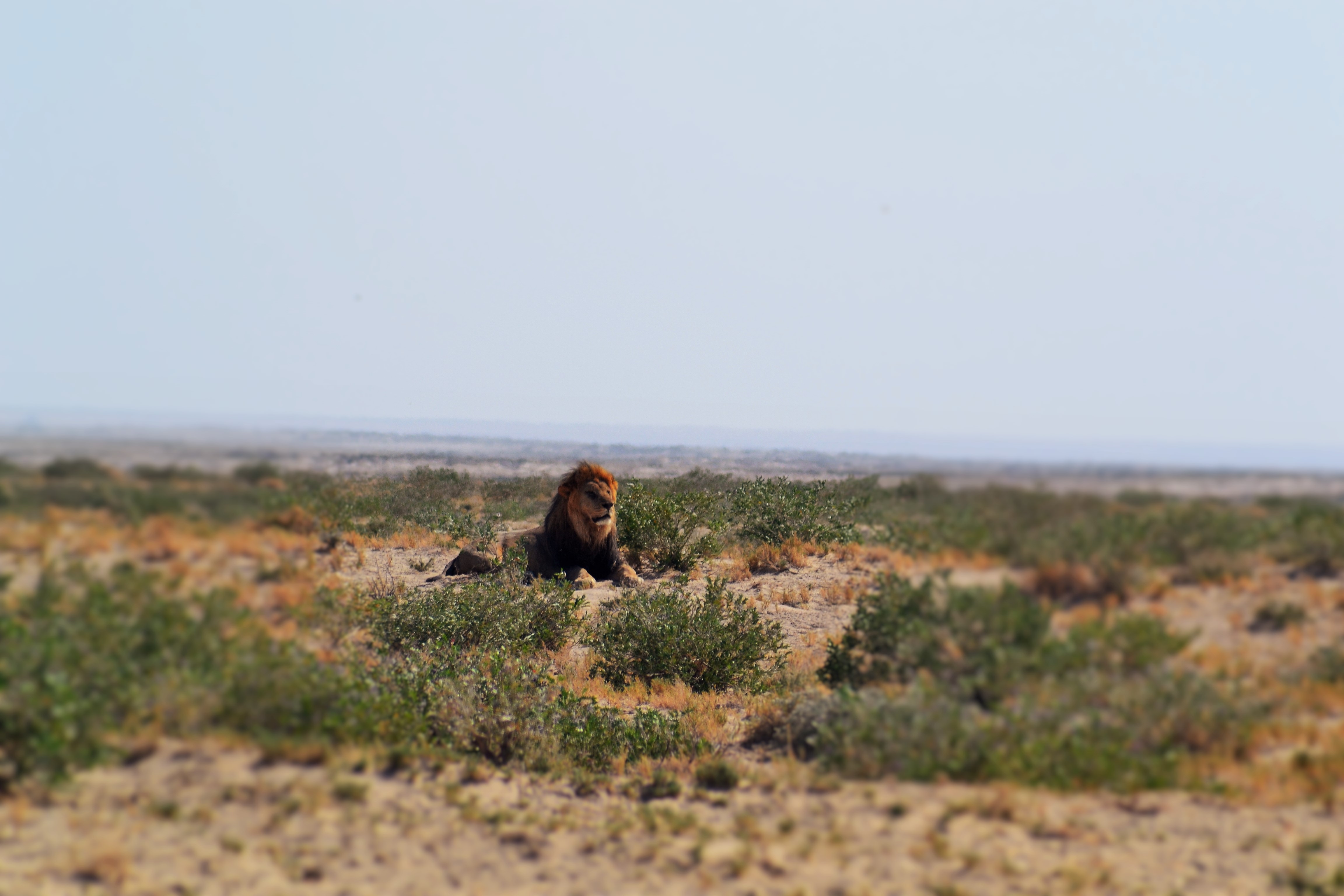
Heading a pride of eight
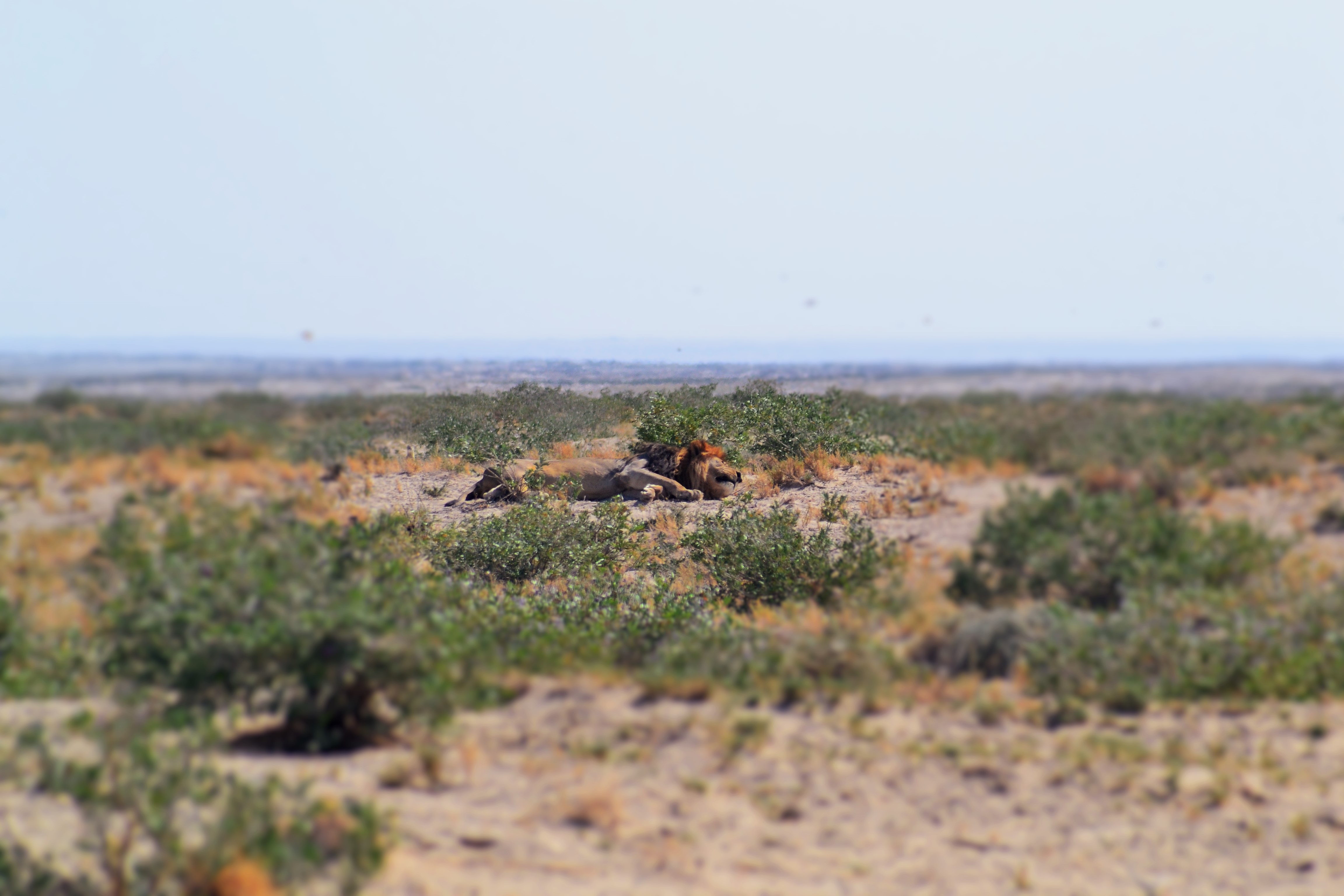
Second Lion on his own
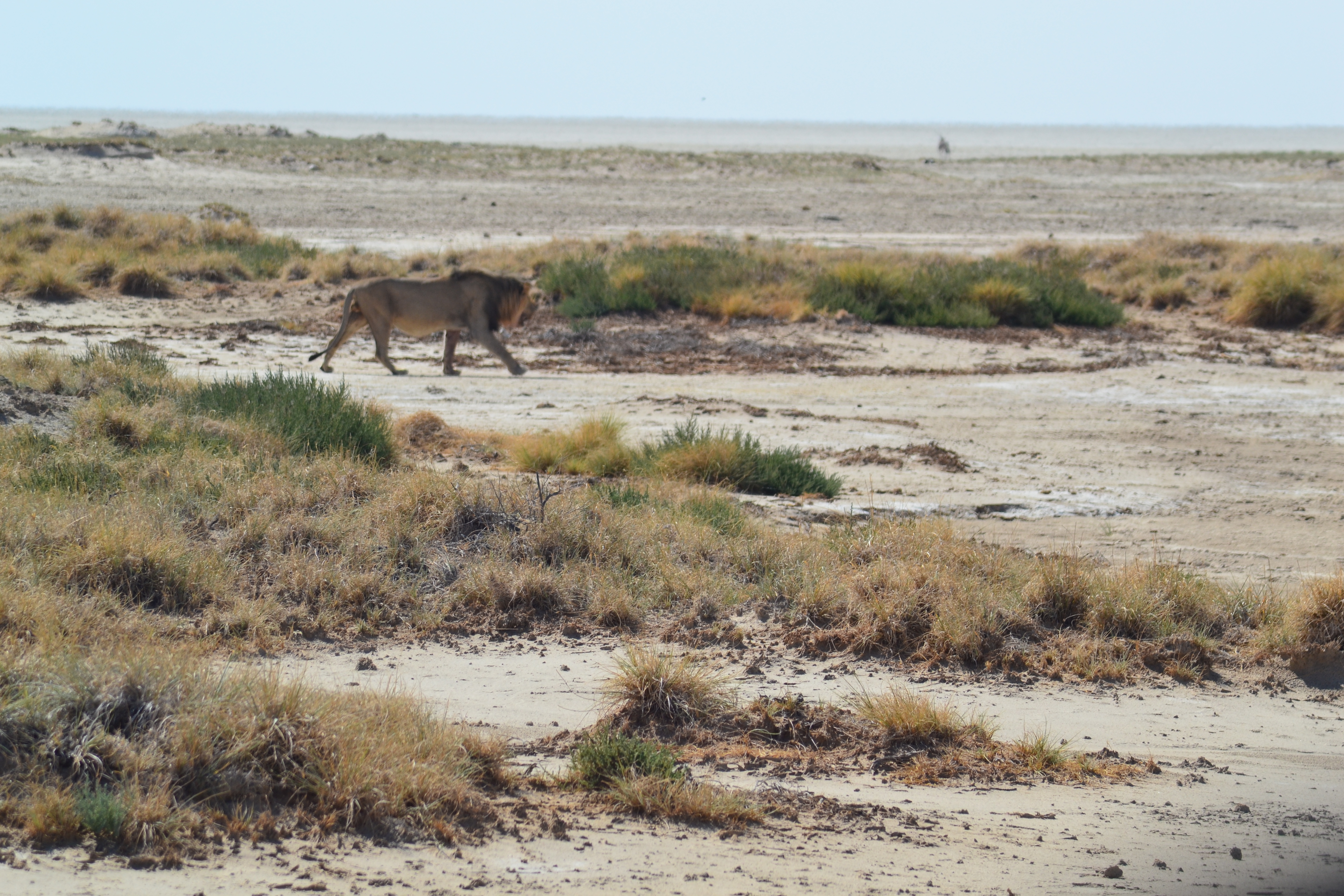
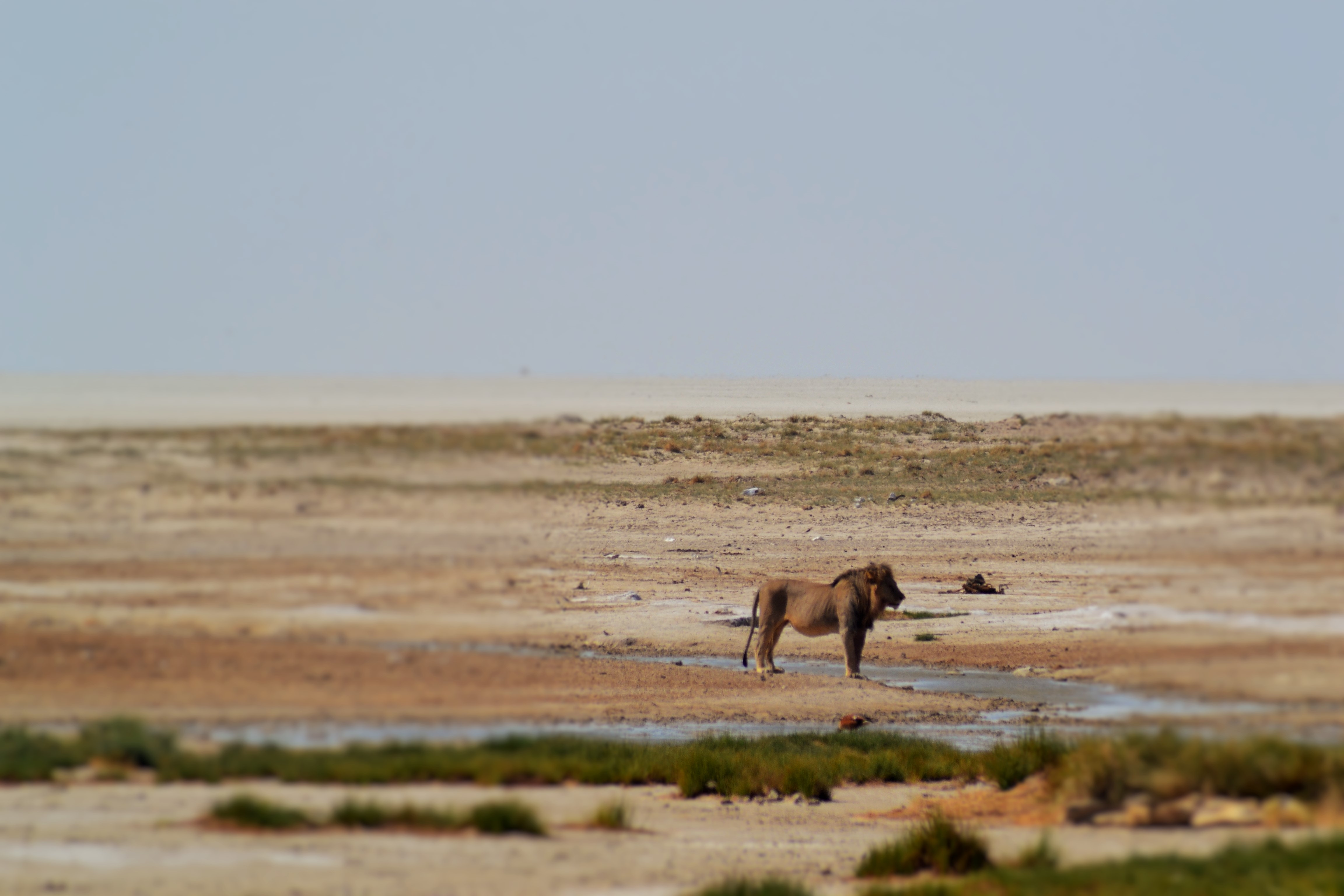
The Big Parade
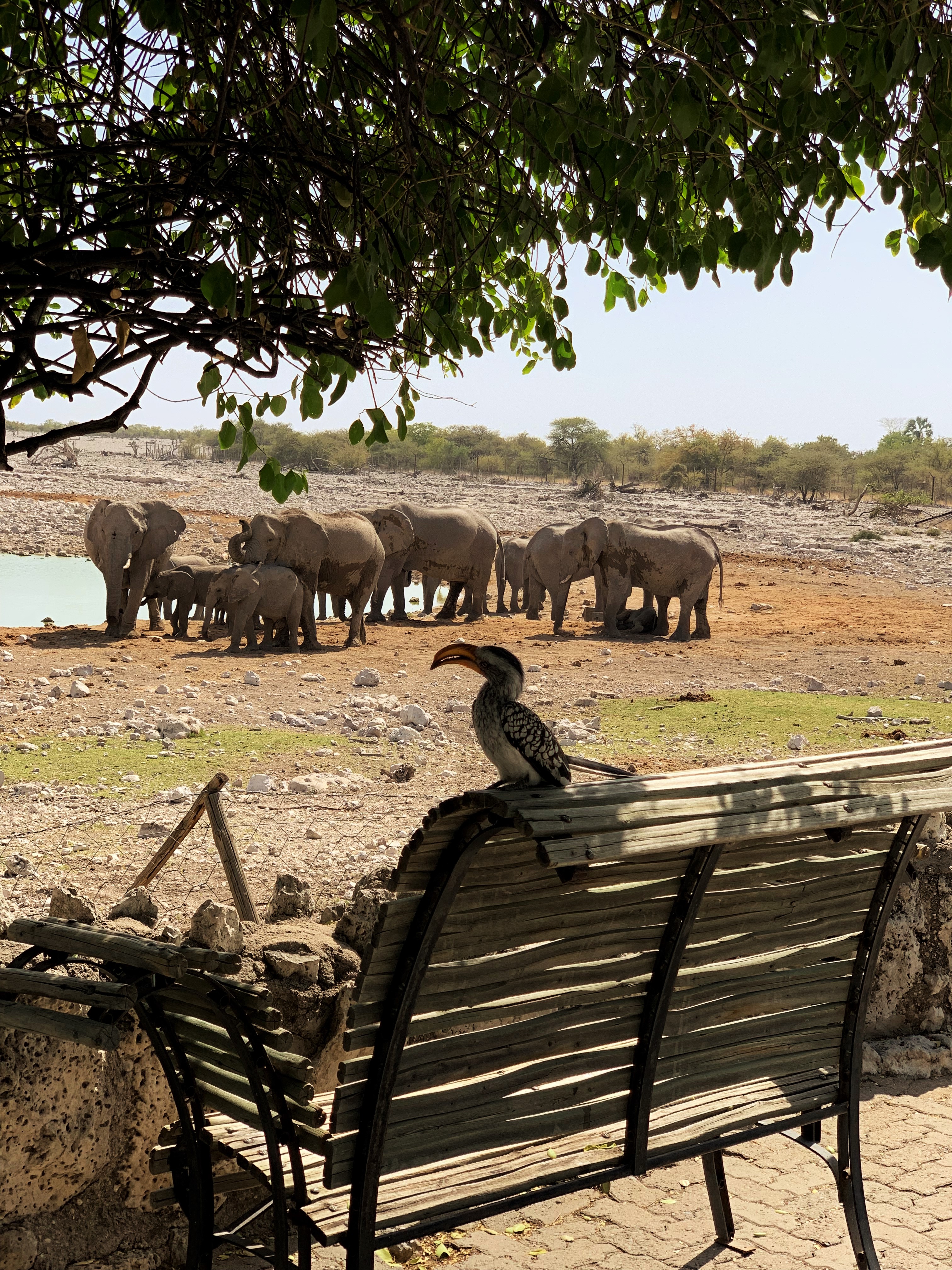
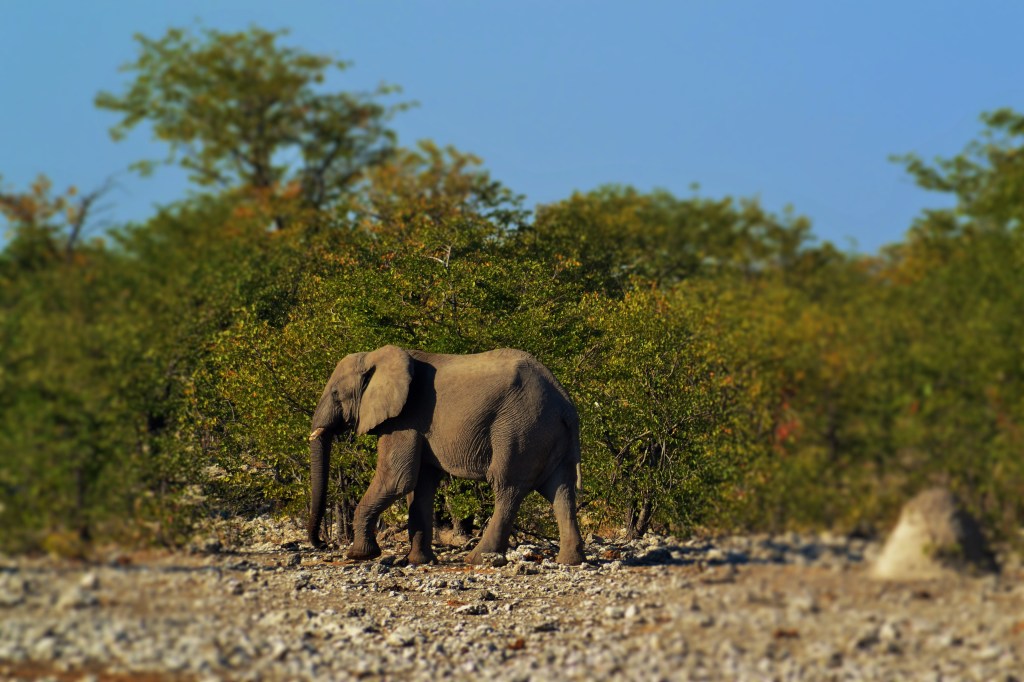
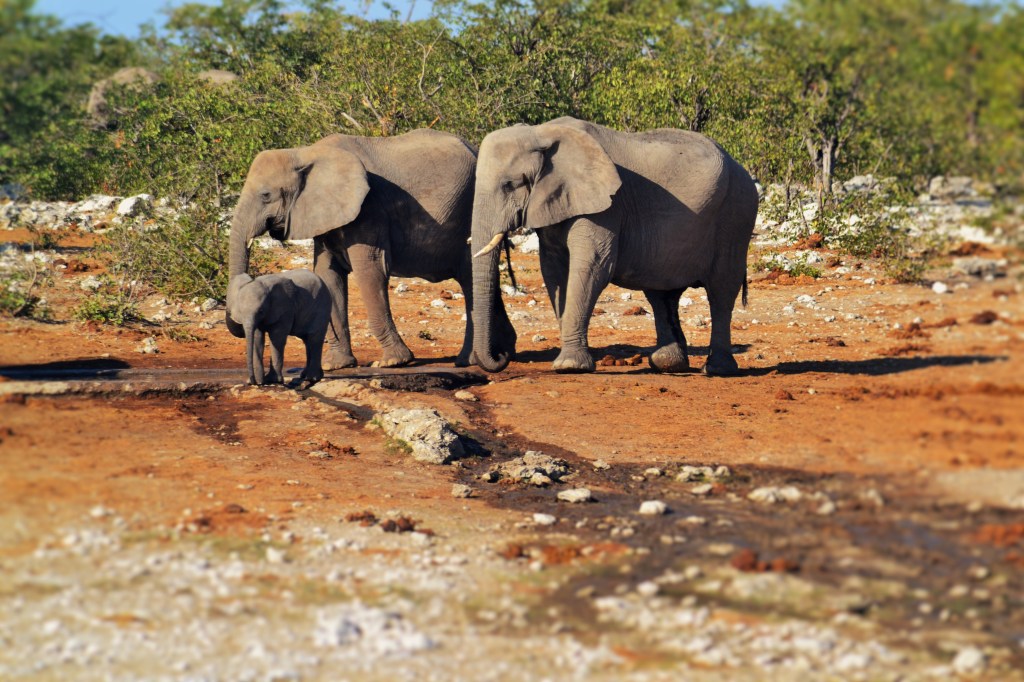
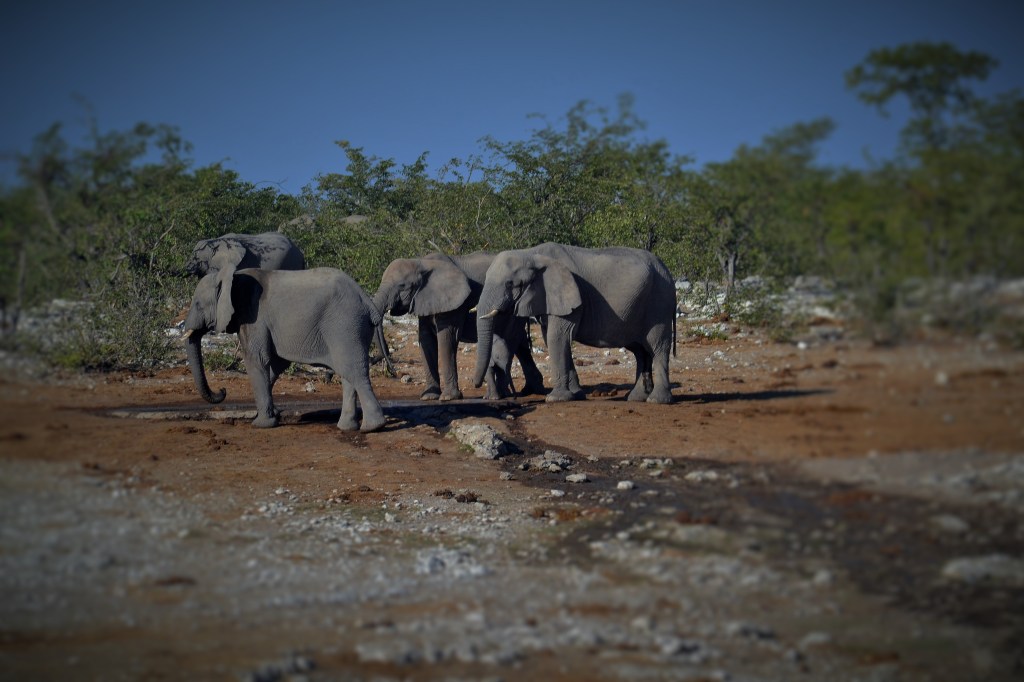
Our striped friends
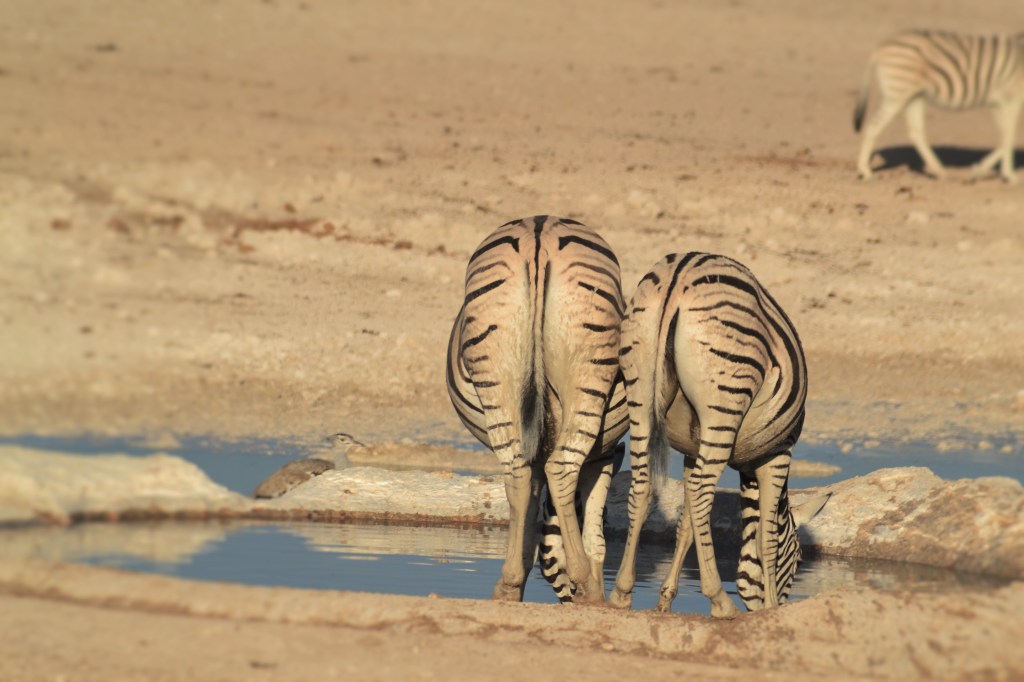
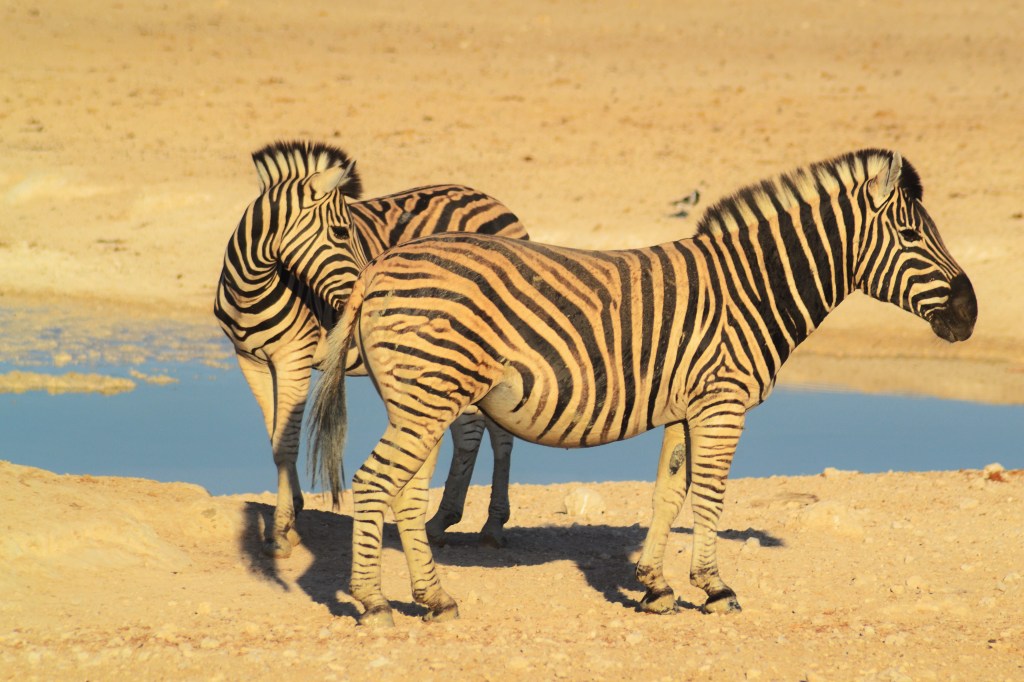
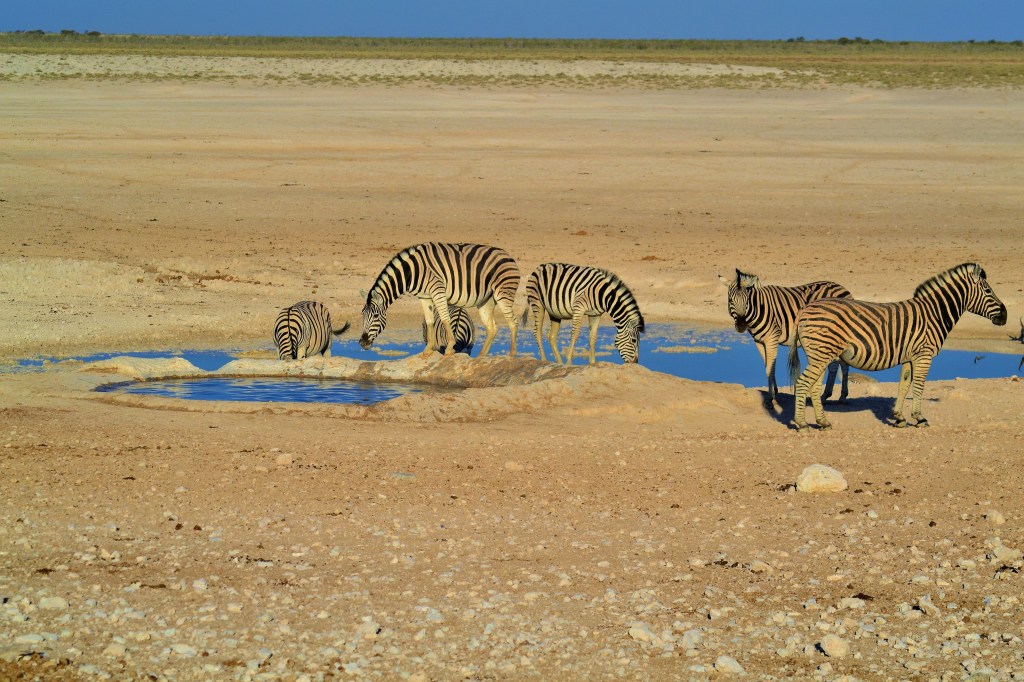
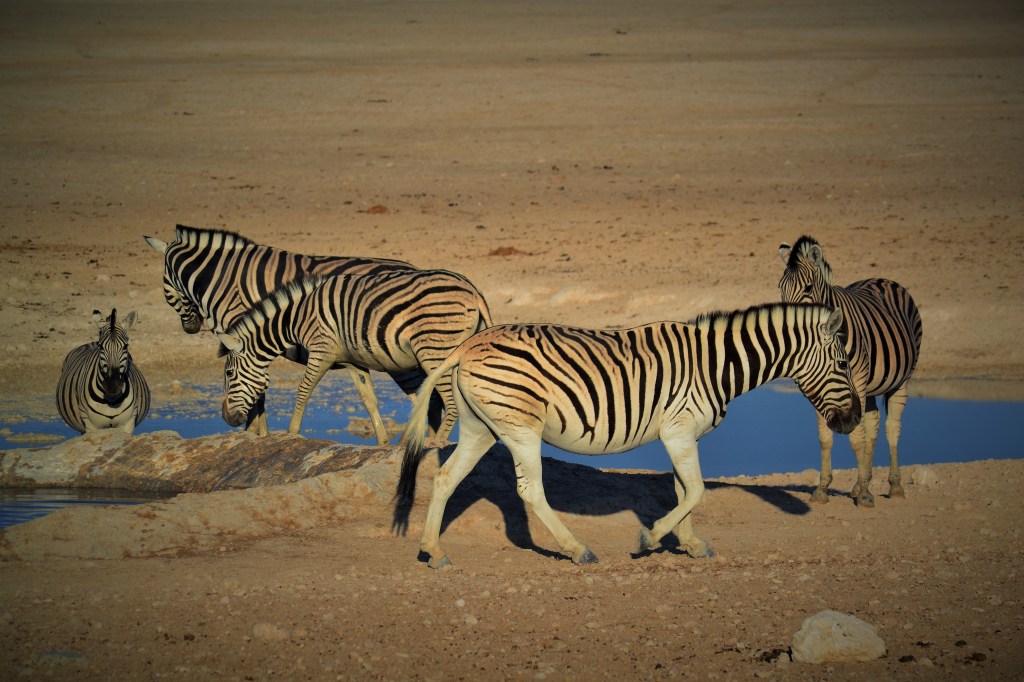
The gentler kind
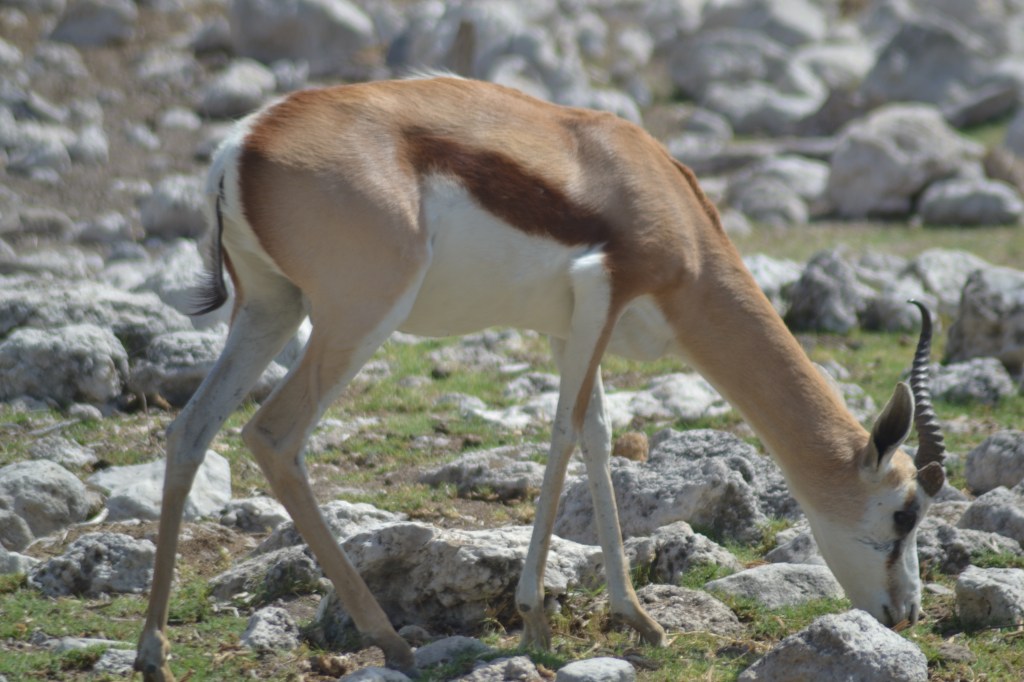
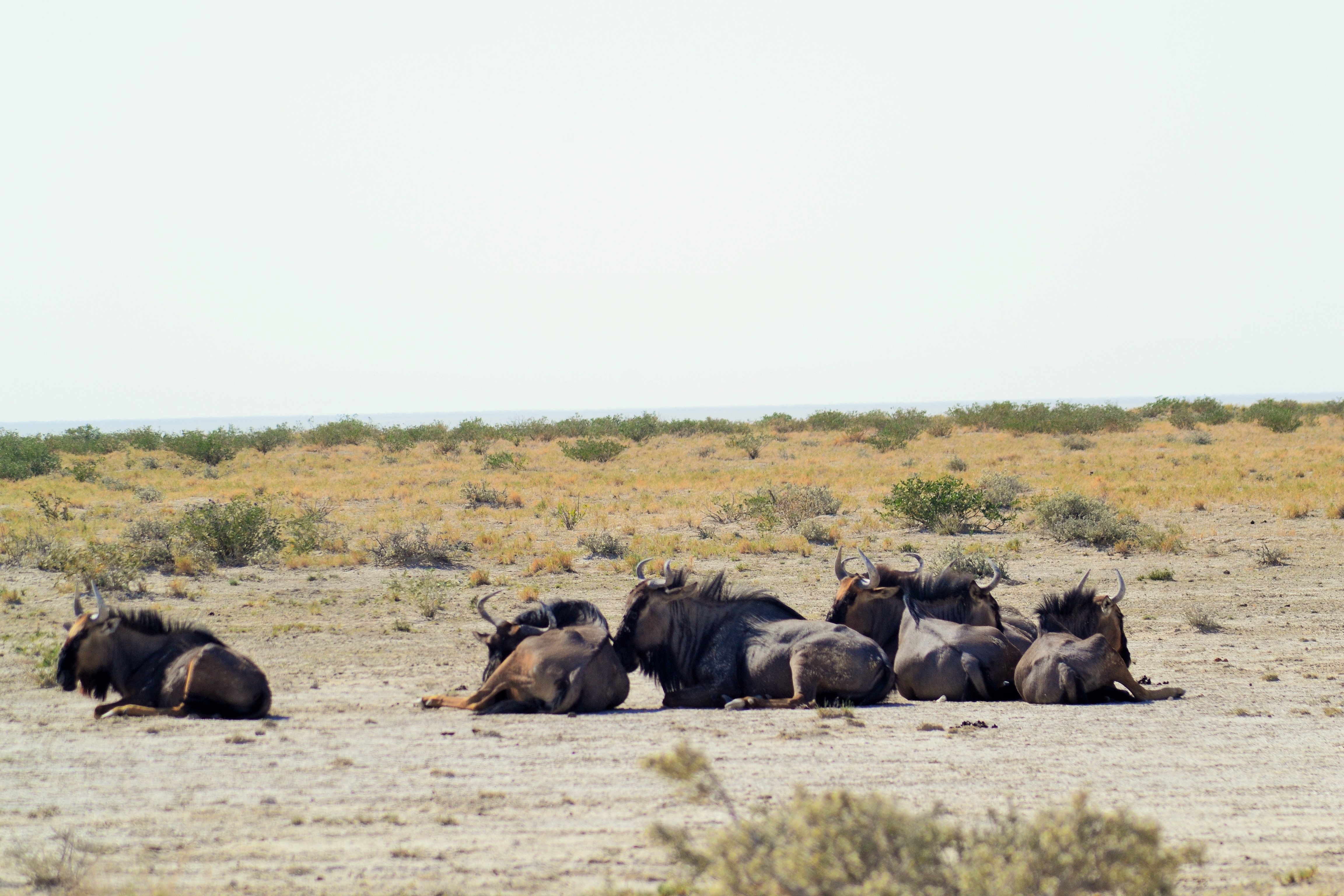
Wildebeest Relaxing
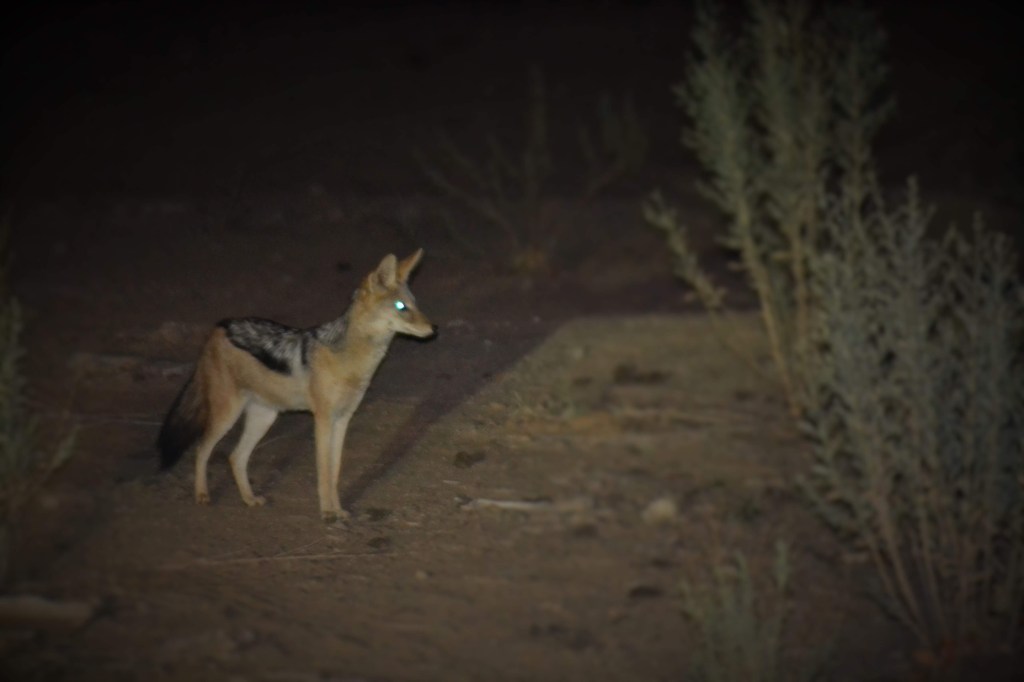
One can go on an organised safari or self drive. We did both. We were very fortunate to sight a pride of lions basking in the sun after a meal. We also sighted a lone lion making his way to a smaller water hole. During our three nights in the camp we were able to sight almost all the wildlife. A jackal visited our chalet every night to keep us company. The have got accustomed to human beings and stray very close. We named her ‘Vendy’.
Our friend Vendy
 Captain's Corner