
The next place on our itinerary was Hobatere Lodge, nestled on the banks of the Otjovasandu River in Northern Namibia. The lodge is situated in a concession area of 8,808 hectares. This entire area is in the Damaraland region. The drive from Walvis Bay to the lodge was an extremely tough 600 km desert drive, taking us through some of the most scenic areas of Namibia. We travelled on dusty gravel roads but unlike Sossuvrei, this time we had covered our bags in plastic so they were relatively dust free. We made two other stops before reaching our destination.
We stopped for fuel at Khorixas, a town of 6,000 inhabitants and at Oppi-Koppi-Rest Camp in Kamanjab for lunch. At this resort, we encountered for the first time, the Damara people speaking their well known “click language”. Very distinctive sounds, clicks are articulated in the mouth by a suction mechanism that produces either a sharp popping or smacking sound between the tongue and the roof of the mouth or a sucking sound between the lips (the kiss click) or teeth or at the side of the mouth. One of the reasons attributed to the development of clicks is it helped hunters to communicate with each other during a hunt without attracting the attention of the animals. The sound can be easily mistaken for one of the many natural sounds of the forest.
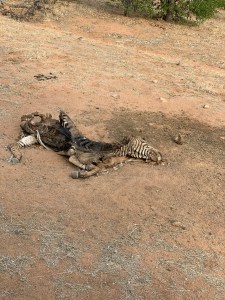
Hobatere Lodge is located in front of two water holes which attract a variety of wild life through the day and at night. Sighting of animals is purely by chance – one has to be in the right place at the right time. Apparently a lion had killed a young zebra right in front of the lodge just the day before we arrived.
The next day, we were seated in the dining area having breakfast, when we sighted some activity near the water hole.
Despite that, I can say unreservedly that the excitement of a safari, the stillness of the forest and the anticipation of a sighting is worth all the effort.
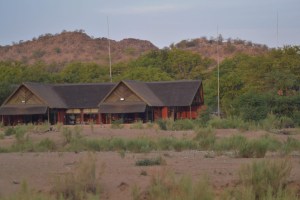
Hobatere Lodge is located in front of two water holes which attract a variety of wild life through the day and at night. Sighting of animals is purely by chance – one has to be in the right place at the right time. Apparently a lion had killed a young zebra right in front of the lodge just the day before we arrived.
Despite that, I can say unreservedly that the excitement of a safari, the stillness of the forest and the anticipation of a sighting is worth all the effort.
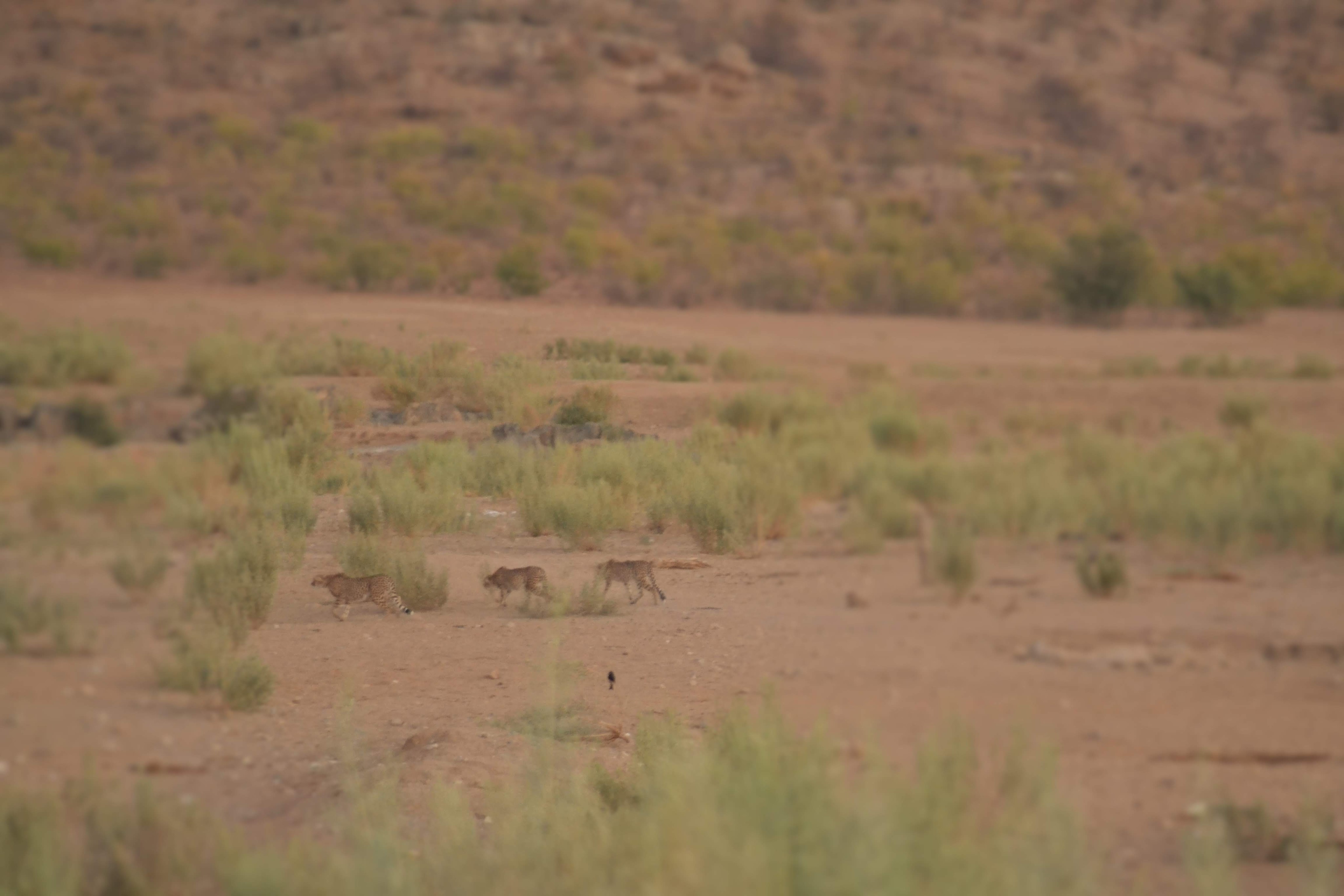
The next day, we were seated in the dining area having breakfast, when we sighted some activity near the water hole. We couldn’t believe our luck when we realized it was a coalition of three Cheetahs! We watched them there for almost half an hour after which we got back to our cold breakfast, both exhilarated and hungry. What an extremely rare sighting!
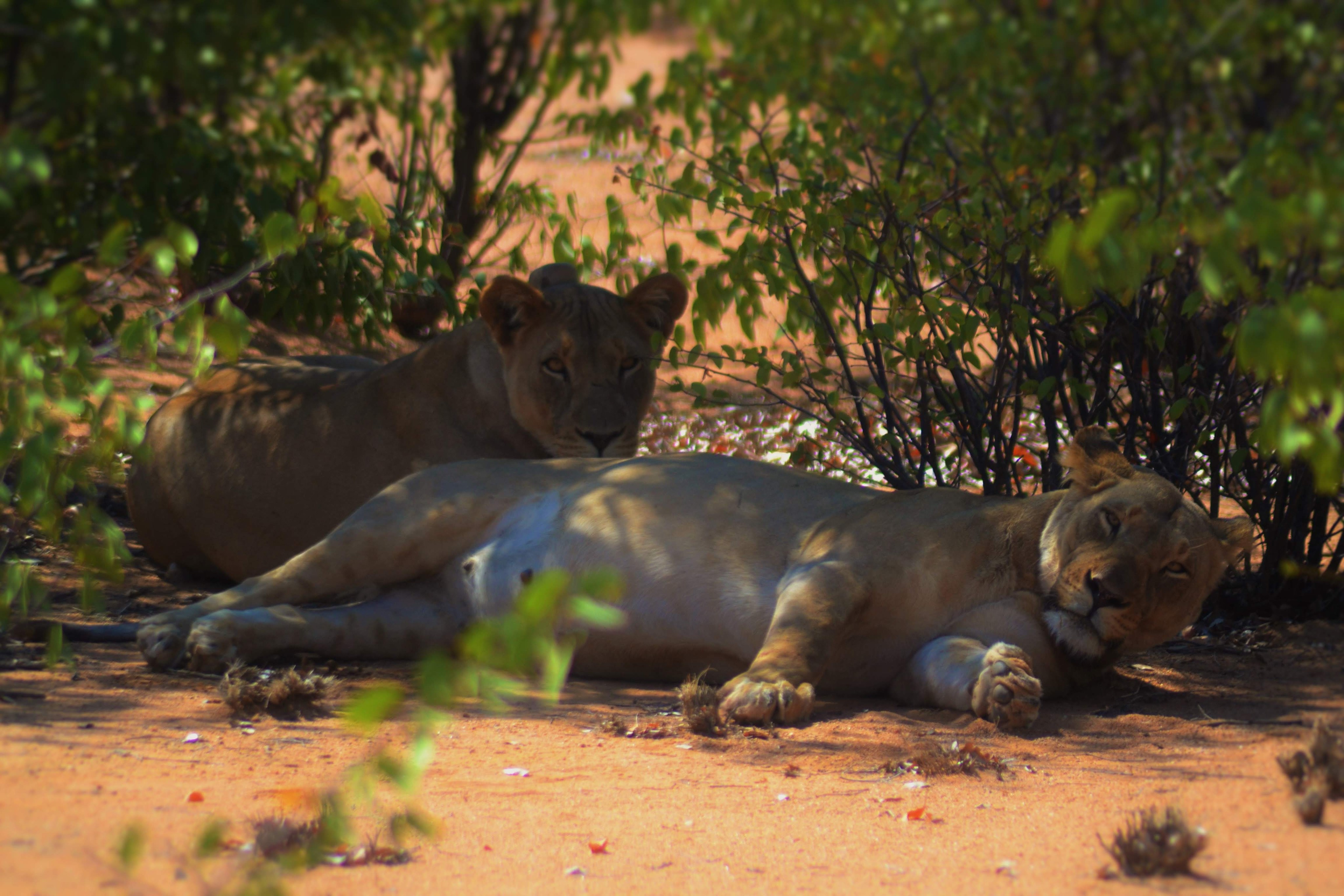
On our last day we were asked to join an unscheduled safari. After some anxious moments travelling off the road and through the wild bush, we sighted two lionesses peacefully resting; one pregnant and the other sleeping with her paw protectively across the soon-to-be-mum. Watching these wonderful beasts at close quarters is an exhilarating experience. We continued to watch them for a long time before they got up from their afternoon siesta to once again disappear into the bush.


The place is so remote, ice cubes are brought in from Walvis Bay some 600 km away. The lodge is managed very well with trained staff. They are exceptionally polite and friendly. We noticed this behavior everywhere during our stay in Namibia.
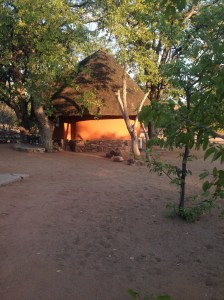
The rooms built from mud with thatched roofs are spread apart and located within an area protected by an electric fence. The game viewing area is also covered by electric fence and a deep ditch. We went on three safaris including one night safari.


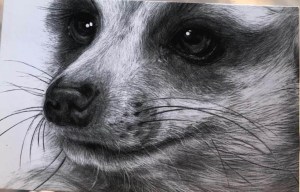
The lodge is frequented by very serious wild life enthusiasts, which adds to the aura. Here we met a photographer Mr Herbert Siemandel Feldmann who is a specialist converting his own photos into charcoal portraits of wild animals.
One of lovely paintings
Stay in Hobatere was truly remarkable.
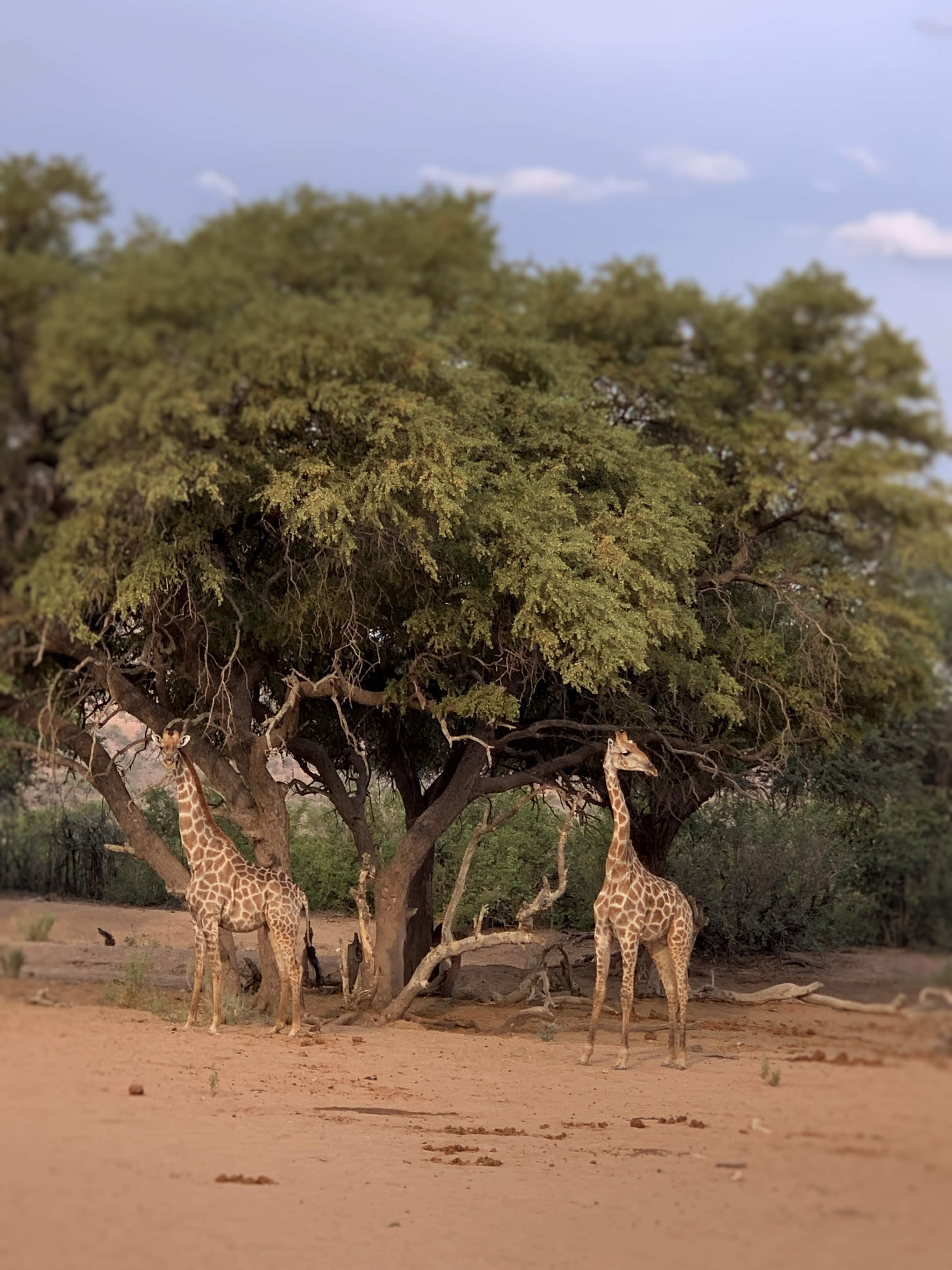
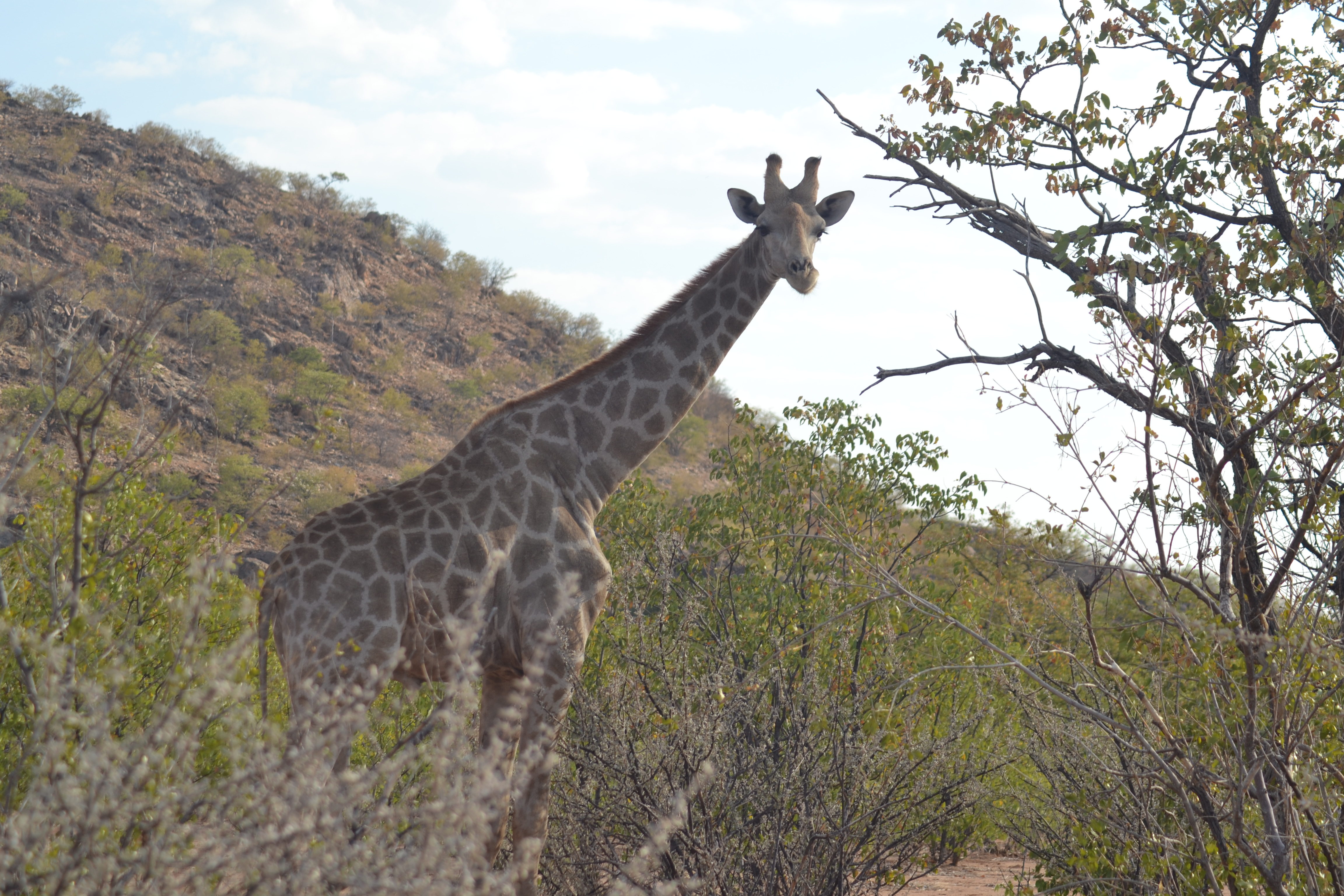
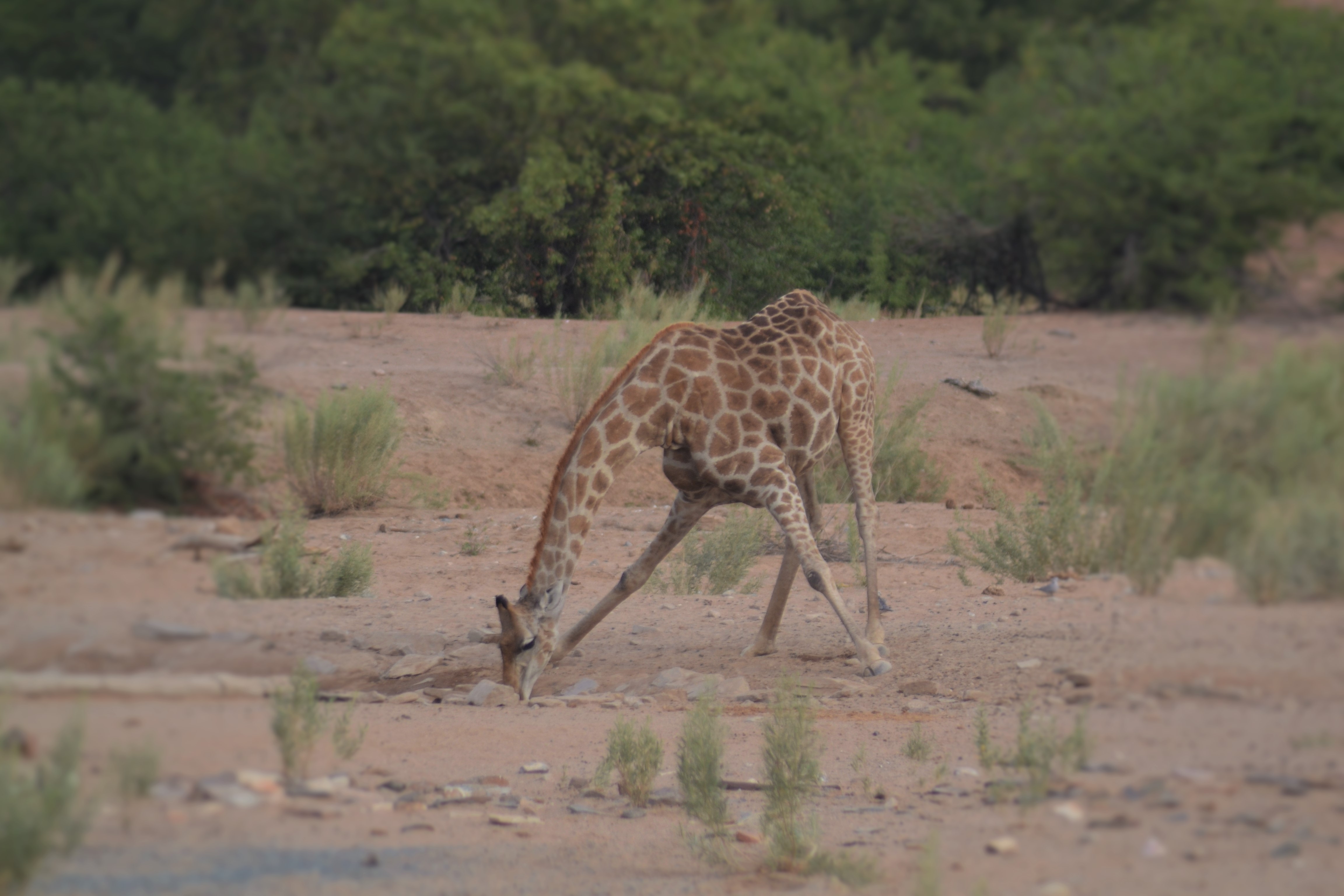
Lovely sightings of this graceful animal
 Captain's Corner