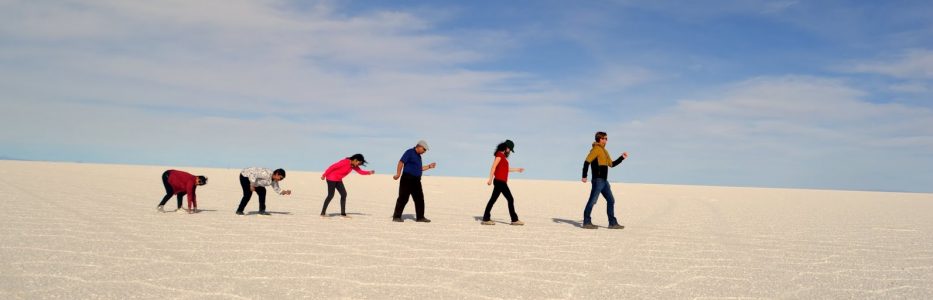

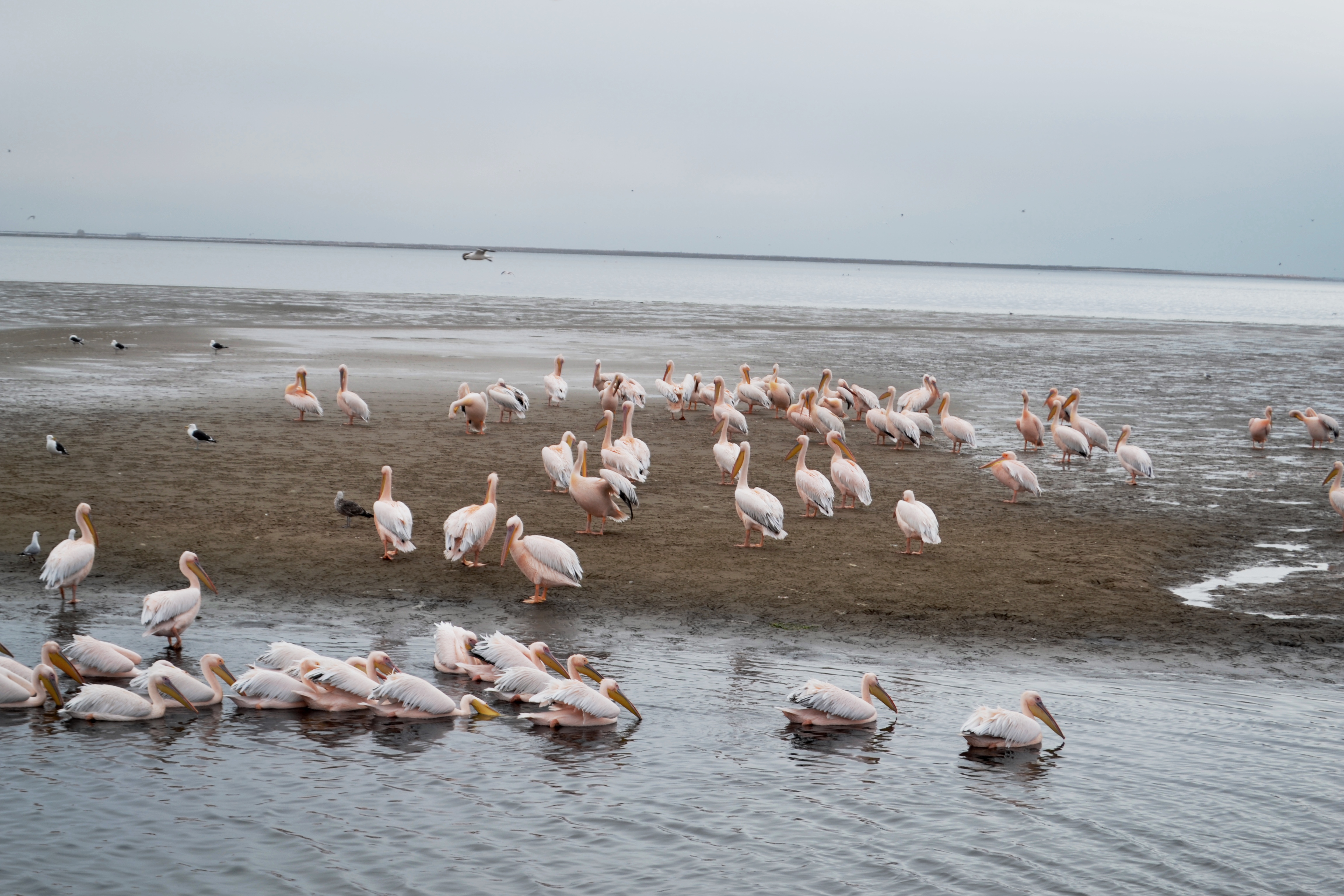
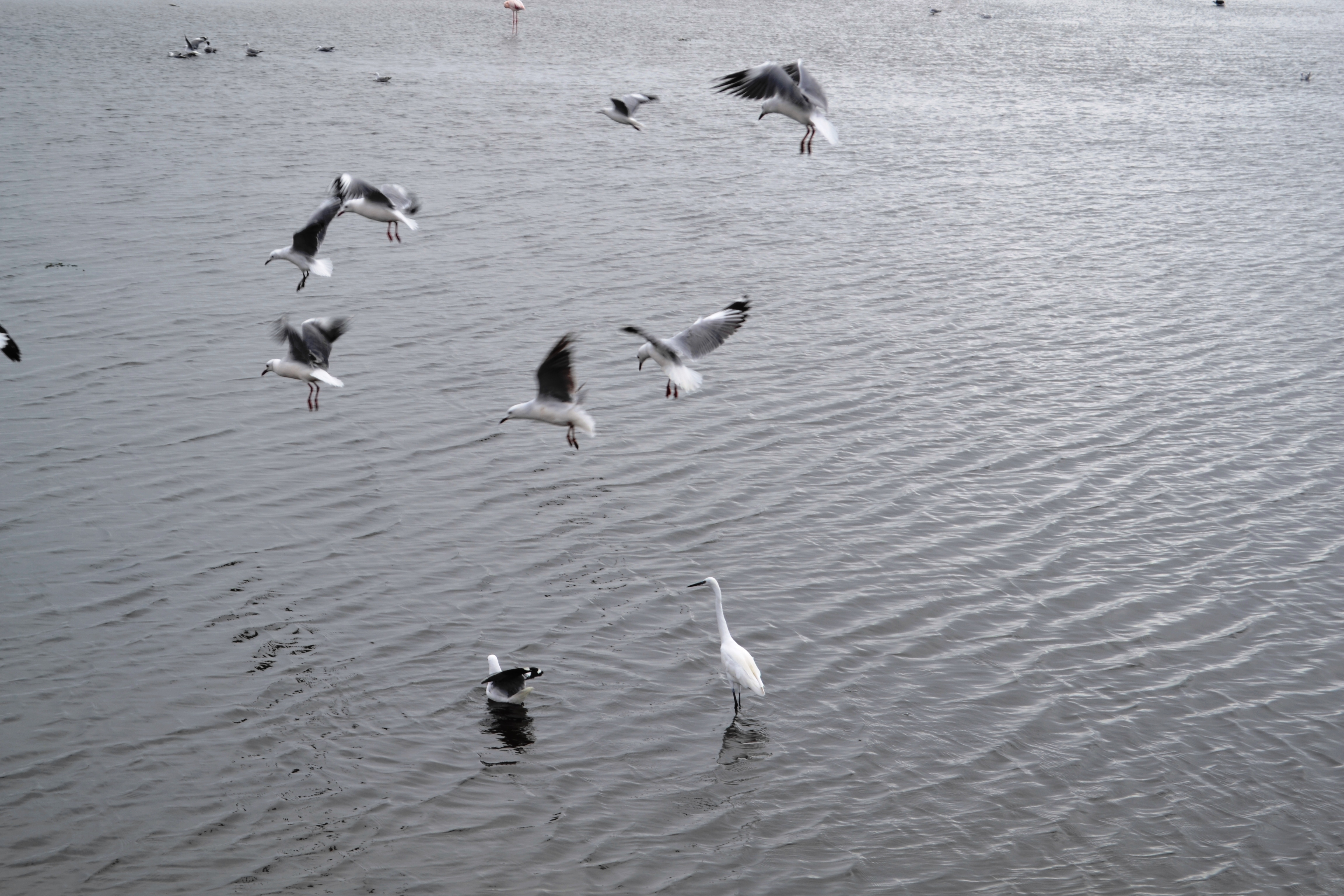
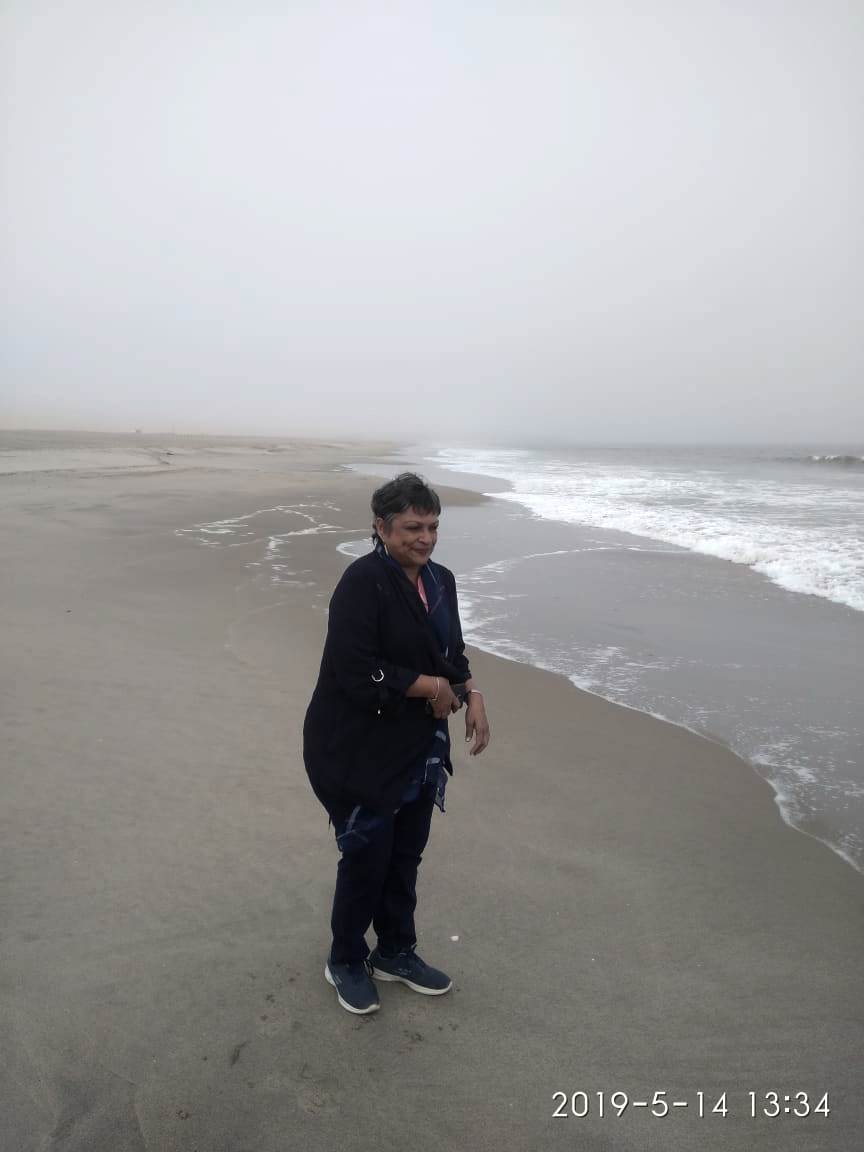
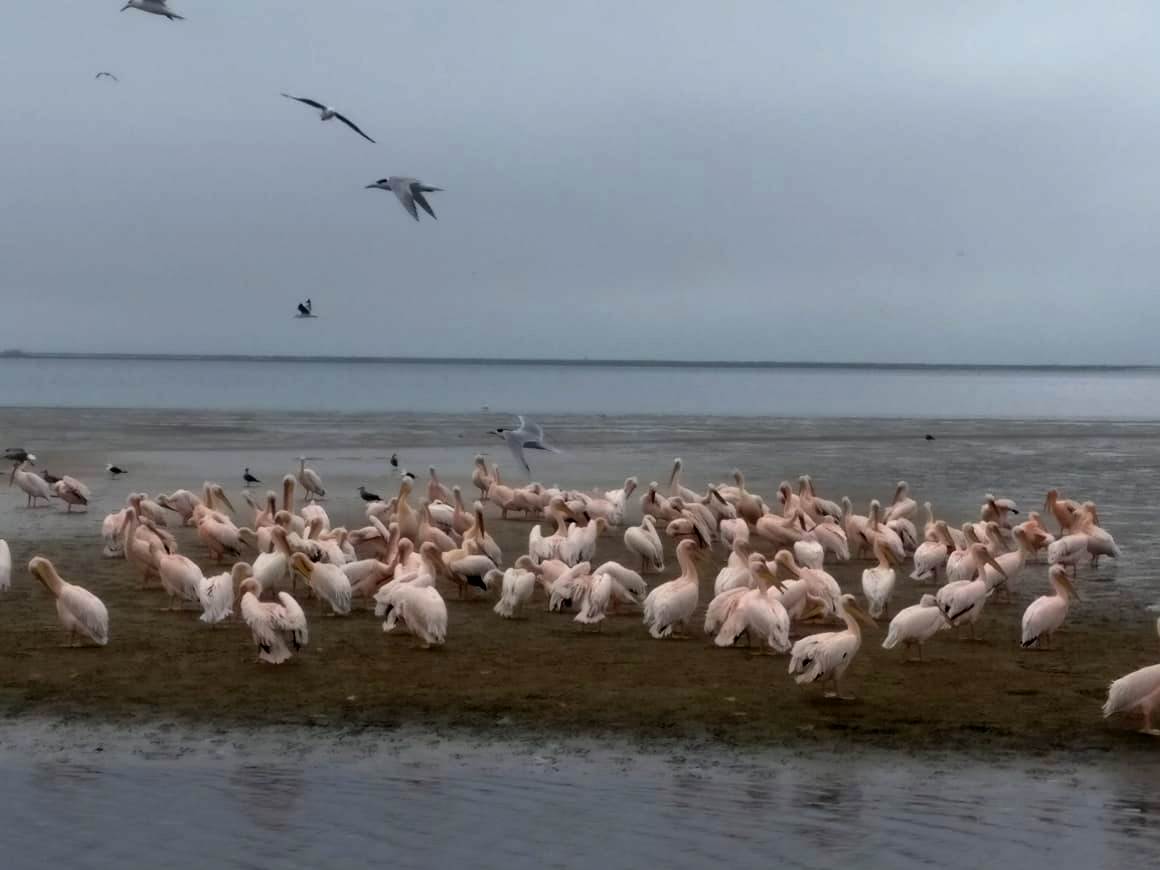
We undertook a 320 km journey from Sesriem to Walvis Bay located on the Western sea board of Namibia. The town is extraordinarily clean with a population of 65,000 residents. The most unique aspect of this area is the meeting of two giants – South Atlantic Ocean and the mighty Namib Desert. One gets to see the wonderful sight of the desert melting into the ocean. The town is also home to hundreds of Flamingos, Pelicans and Damara Terns. Dolphins, Whales and Seals are plenty in this area
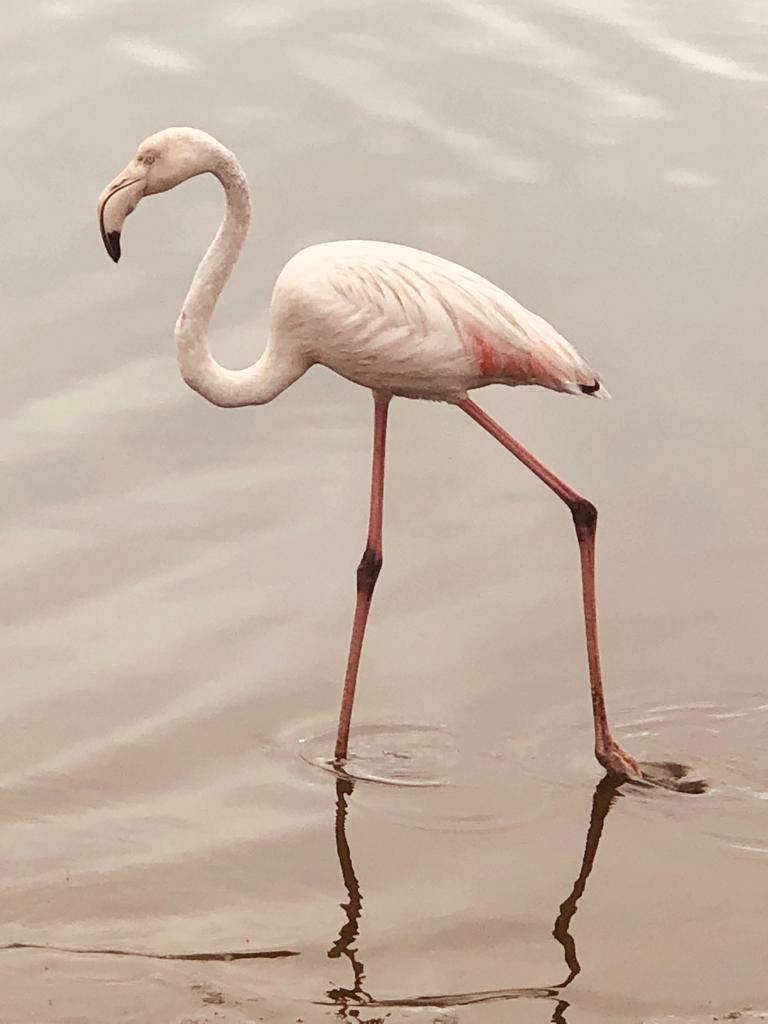
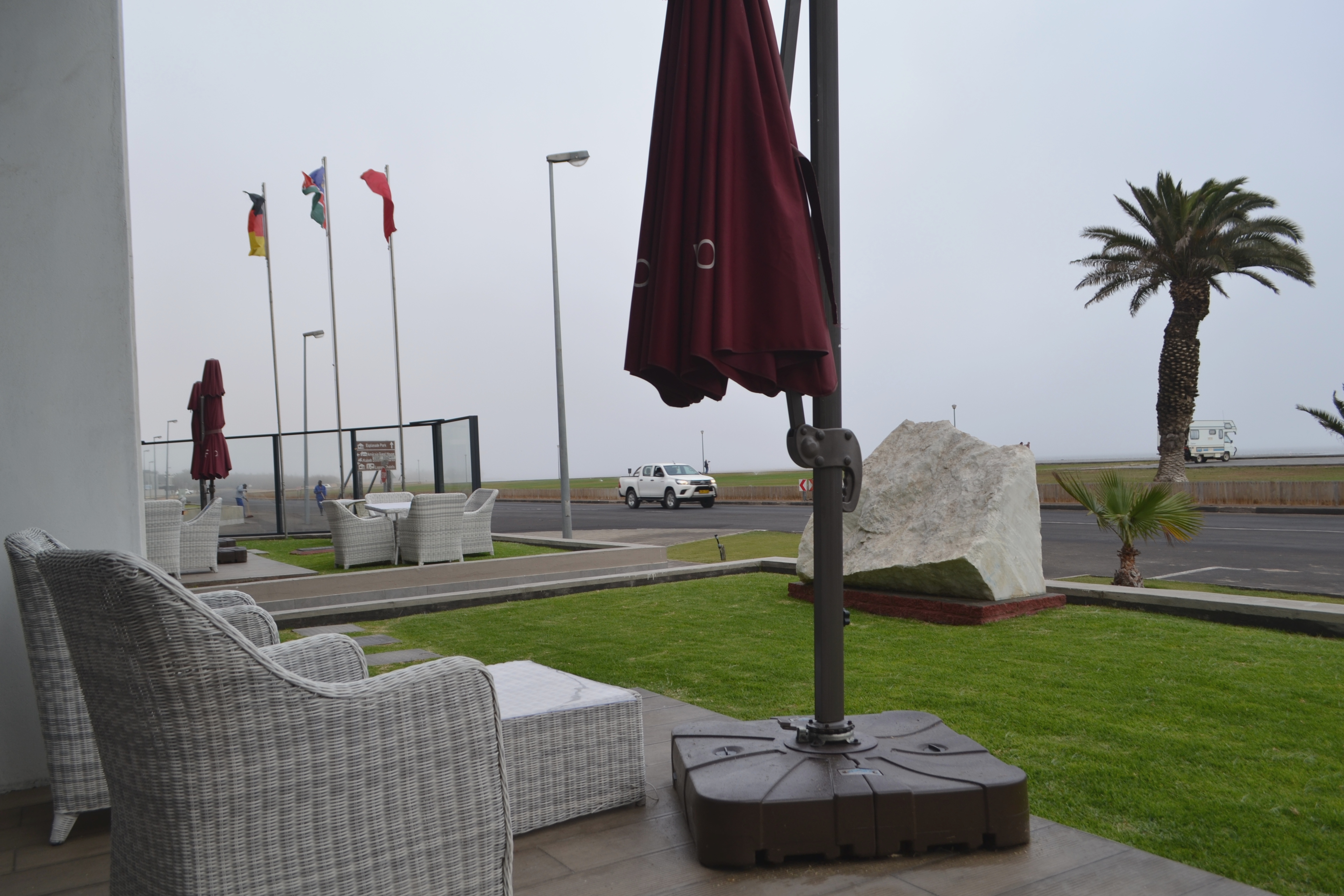
We stayed at ’Flaming Boutique Hotel” located across the bay, providing a mesmerizing view of Flamingos and other birds. Sitting in the open lounge or from the room balcony and watching the birds at close quarters is a very delightful experience. I for one have never seen so many of them in one place. We spent the entire afternoon sipping beer and gazing into the ocean
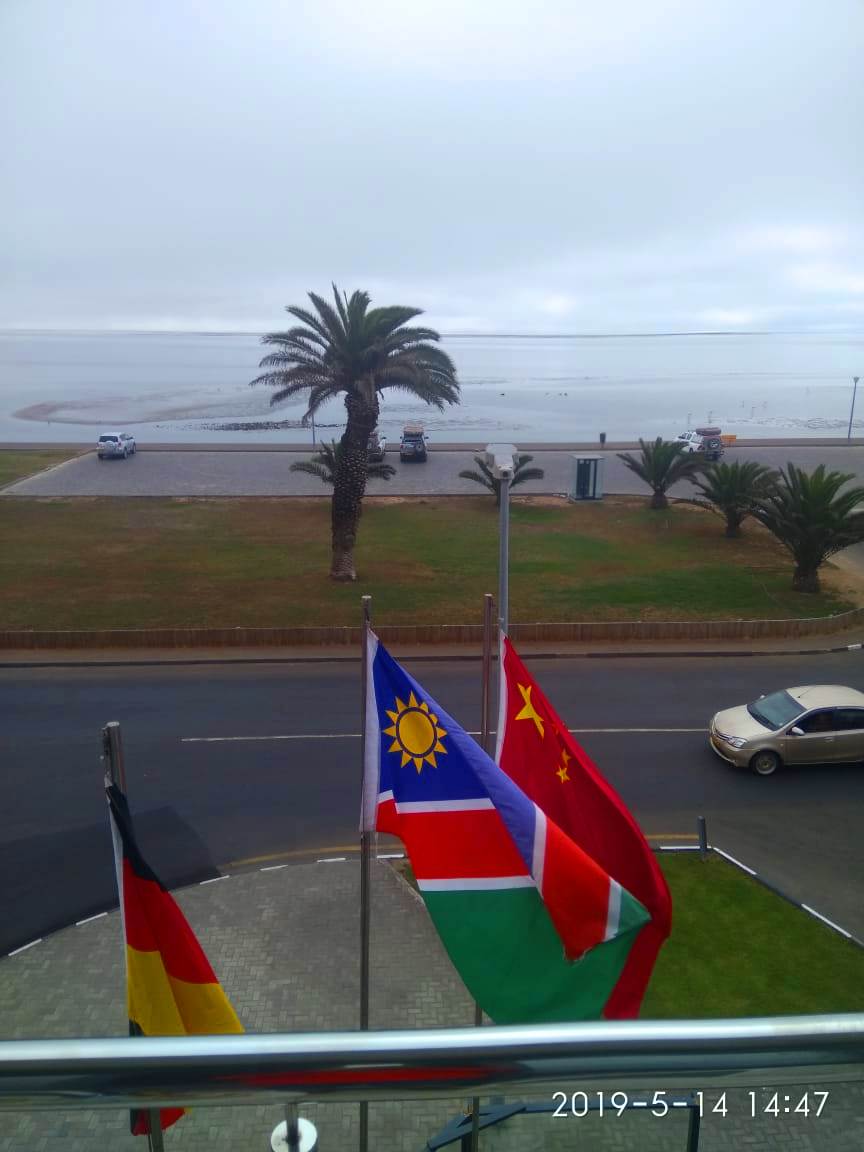
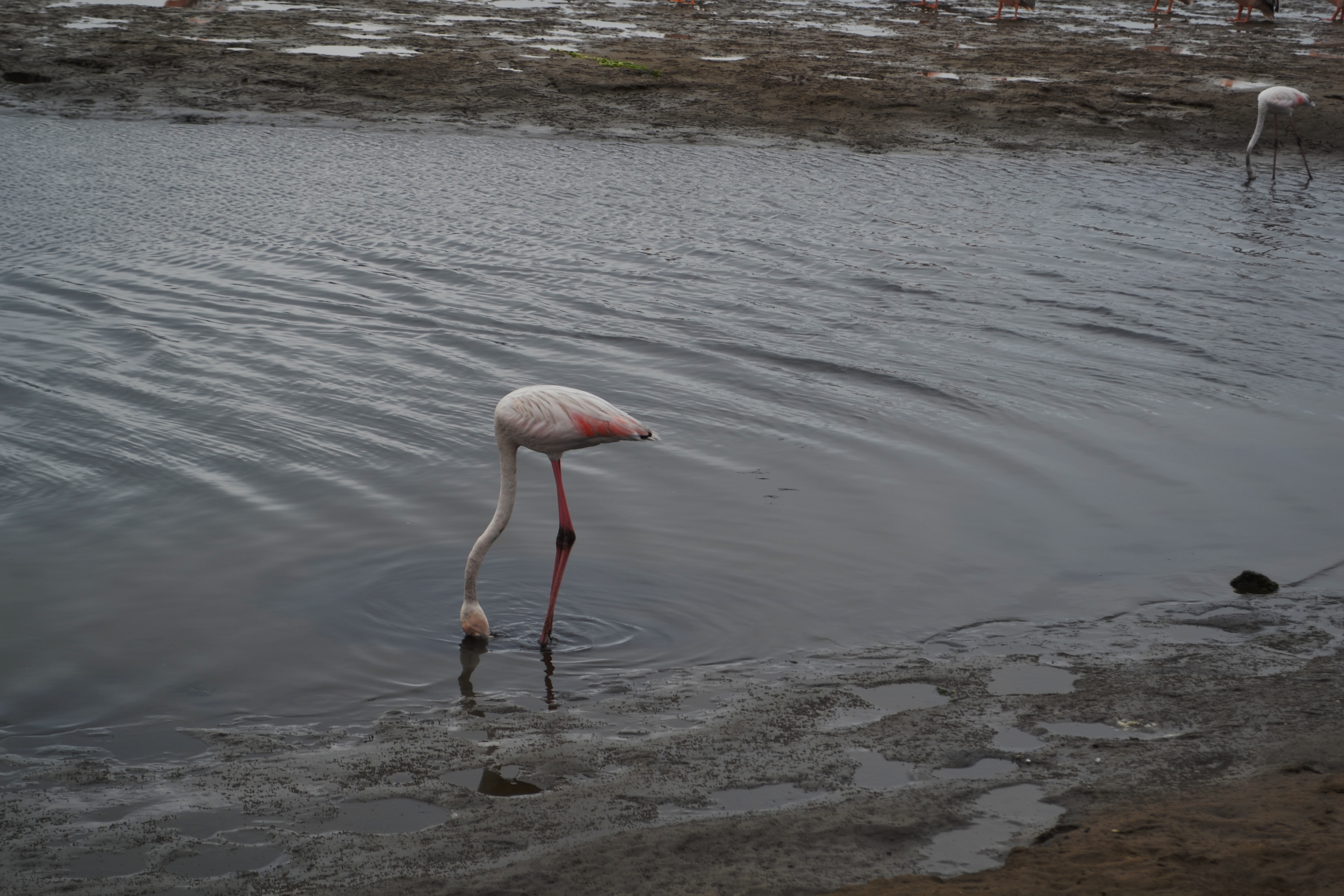
We intentionally broke the journey at Walvis Bay and recoup a bit prior to taking a very arduous journey to Damaraland – our next destination.
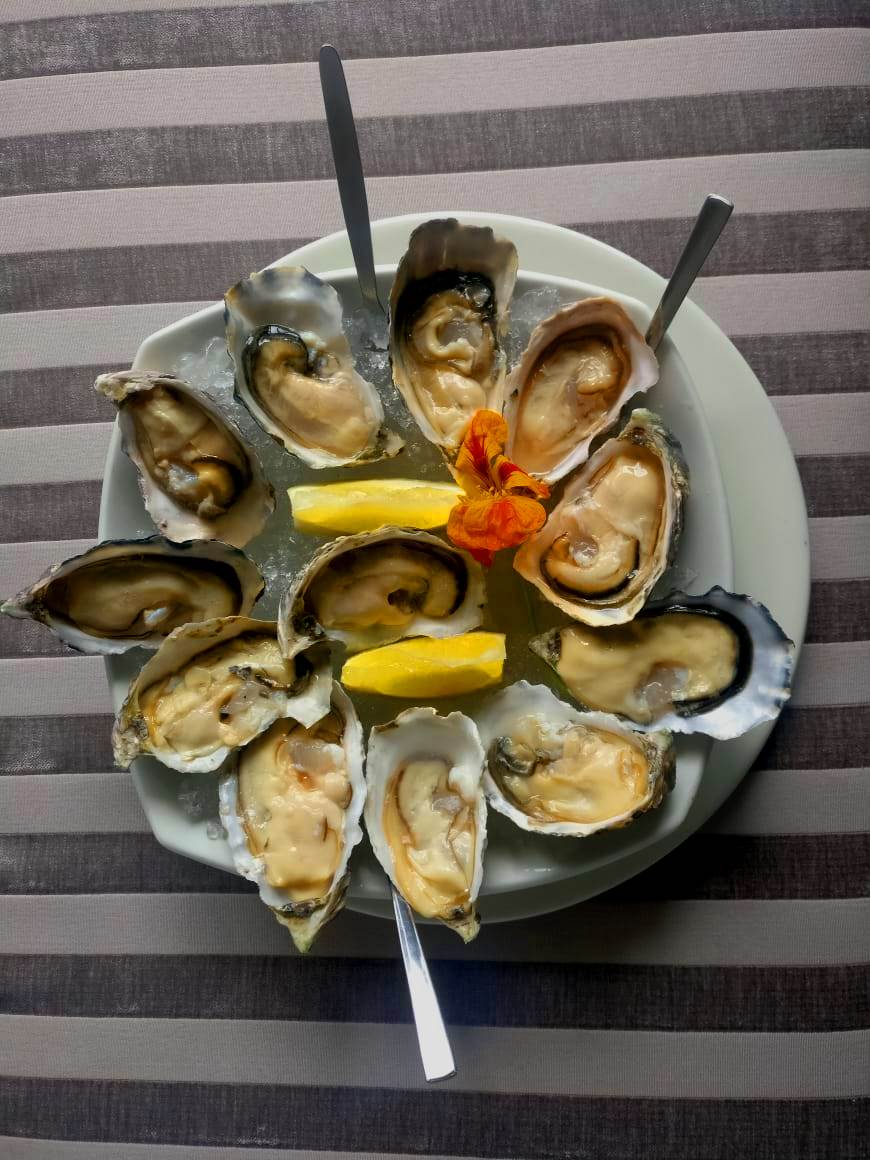
Namibian Oysters are known the world over and they tag it ‘Worlds Best”. The fresh, local oysters are best eaten raw, with lemon, pepper or a few drops of Tabasco to truly appreciate their subtle marine flavour. While a classic French oyster takes three years to grow, Namibian oysters can be harvested after just eight months! The cold water of Walvis Bay contains more oxygen and plankton, allowing for super speedy growth. Zenith and self Oyestered the whole time and ended up in a shell.We did not venture out into the sea as it was raining and heavily overcast. We cancelled a boat ride for Whale and Dolphin watching. In any case we had a eye full when we were in Matara in Sri Lanka.
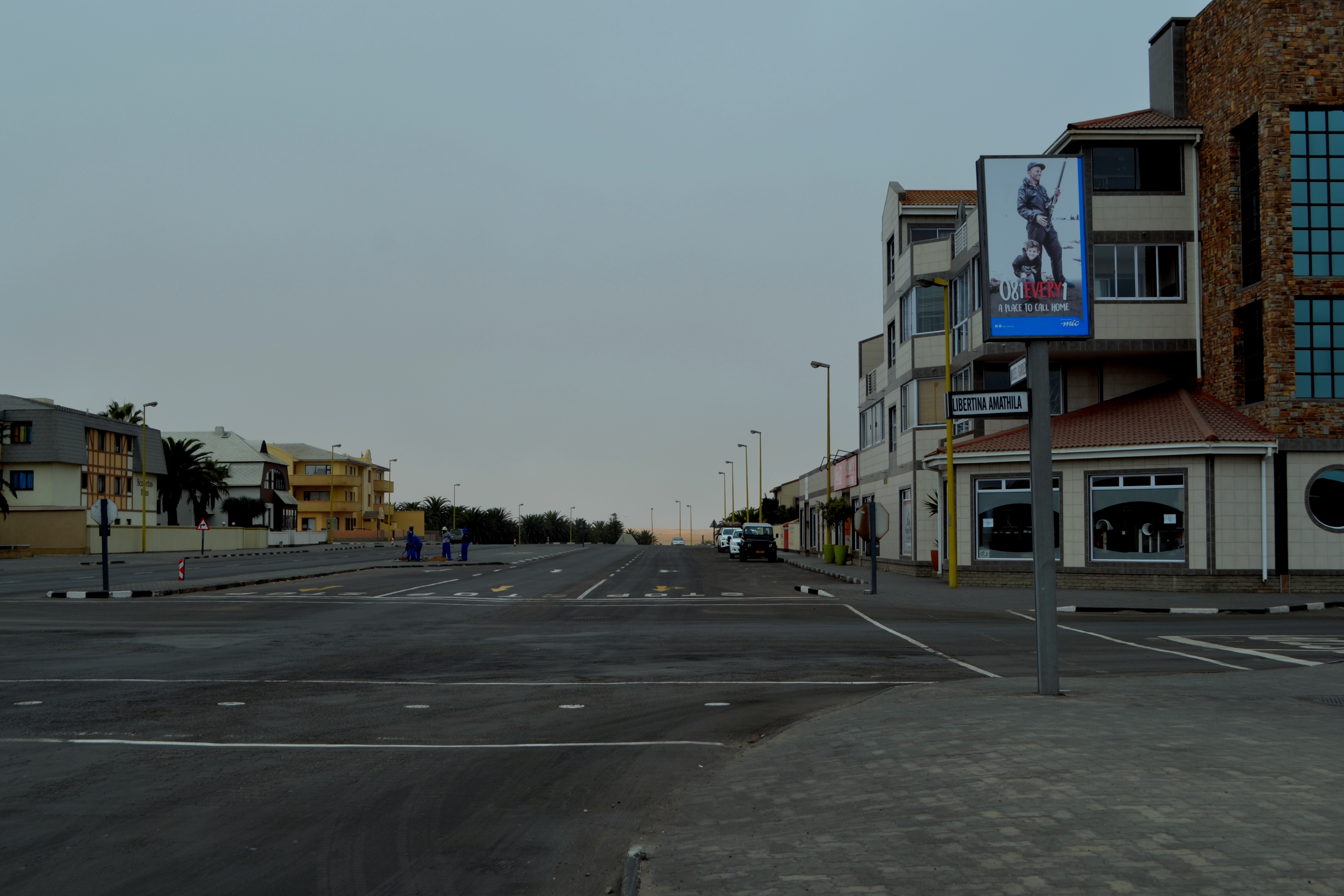
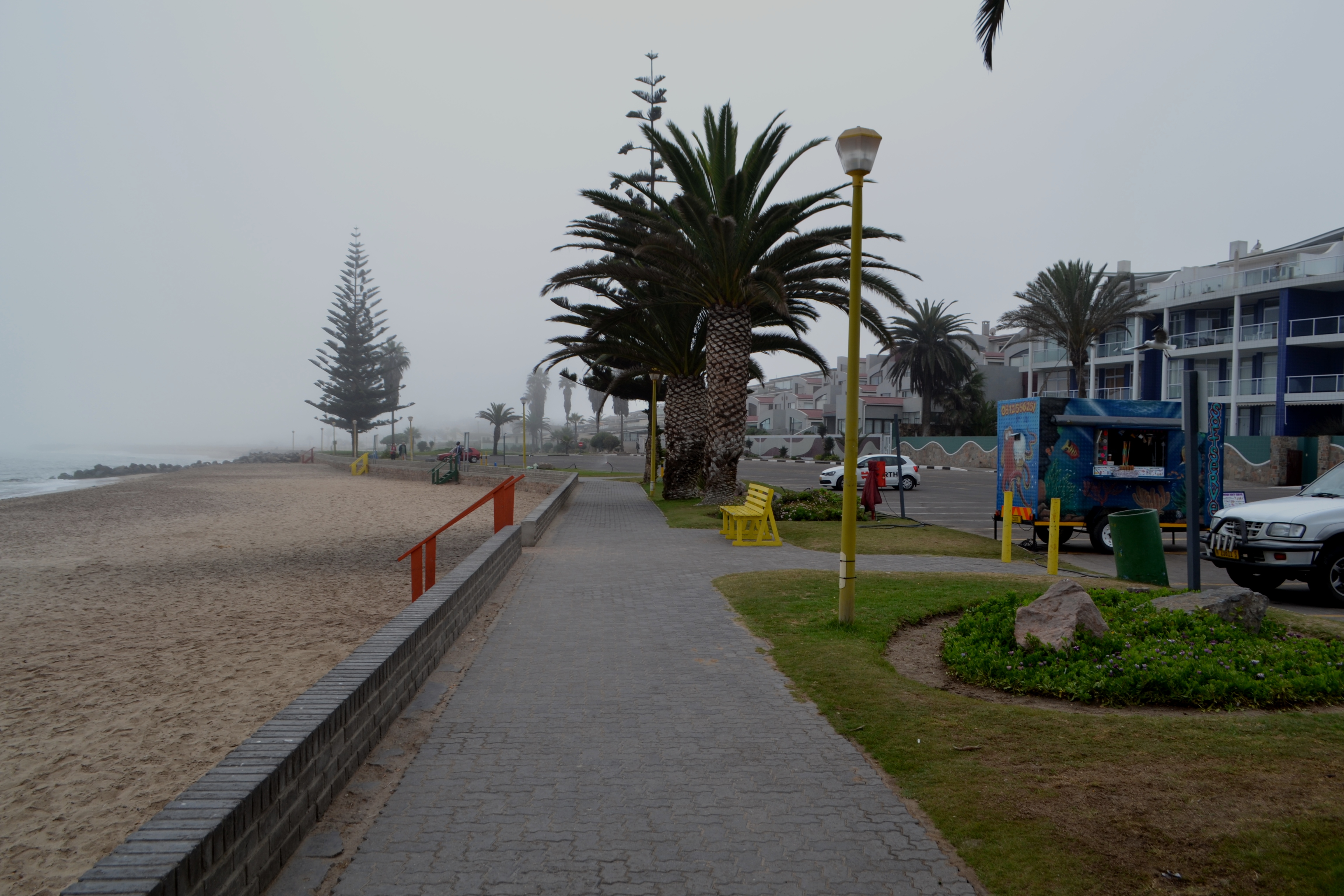
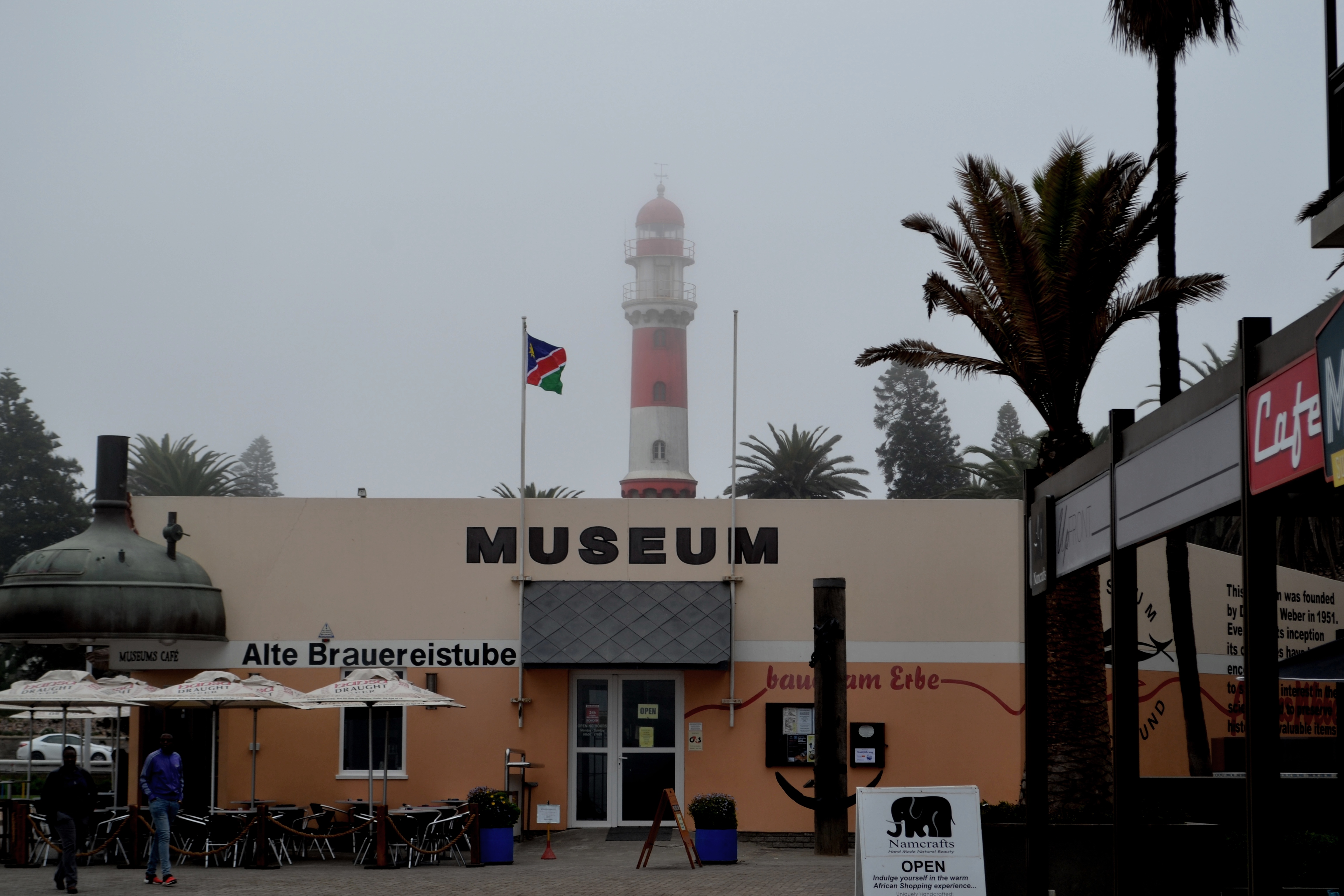
Next morning we drove along the coast to Swakopmund a very pretty German legacy town, enjoying the beauty of sea and sand. The city is very colorful and extremely clean.
We returned early to catch the lovely sight of the Flamingos for the last time. This time around we walked up to the breakwater to watch these majestic birds in close quarters.
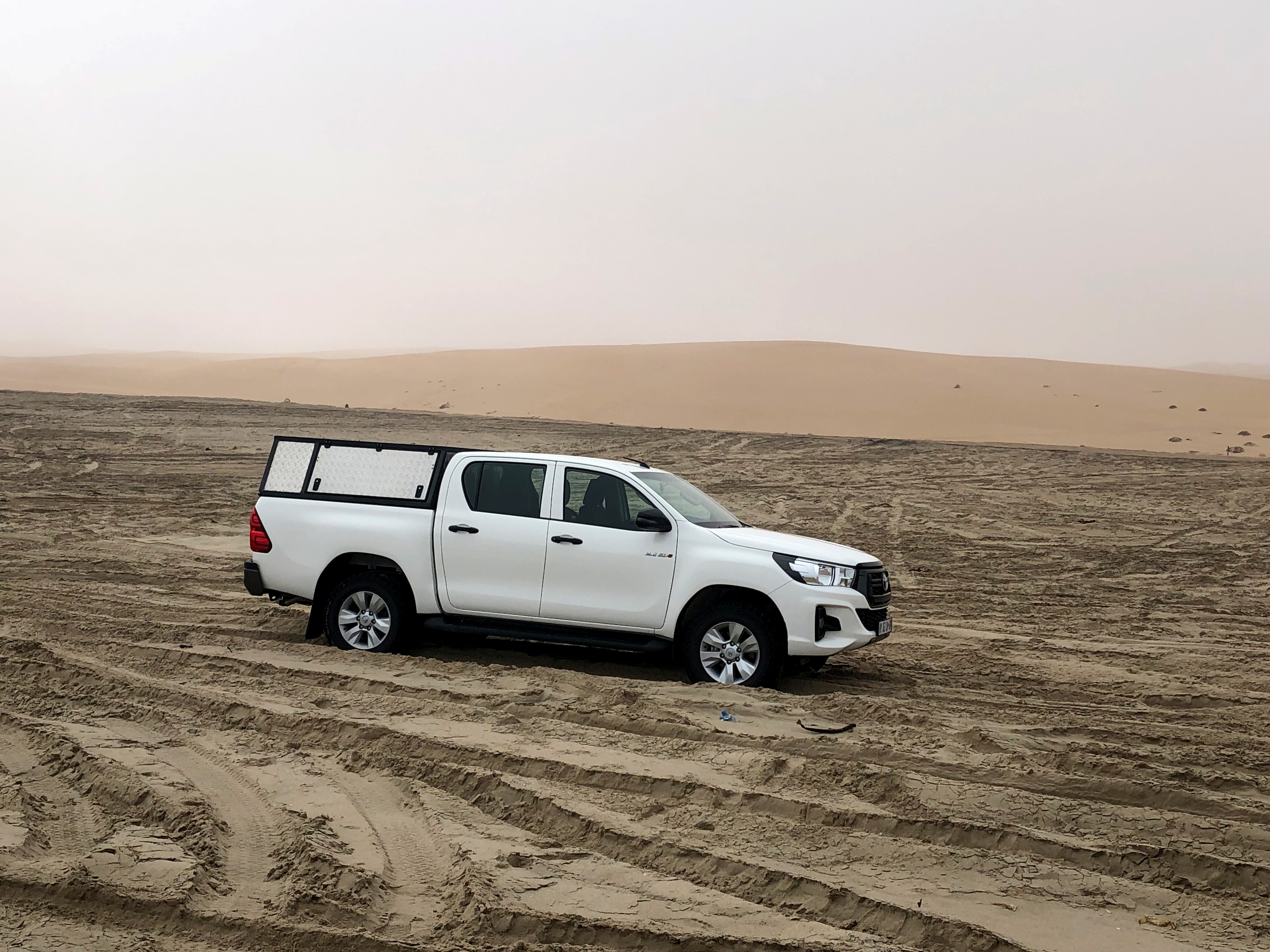
While traversing the desert the tank should always be full. Every opportunity should be used to top up. One must take wind shield insurance. Frequently small stones hit the glass, leaving a dent. Always carry enough water and some food for emergency. Never forget to inform the hotel about your destination and also your next hotel about your travel route and ETA. More often than not, one has to drive through the desert without any mode of communication with the outside world for very long stretches. On a positive note – you will immensely enjoy your drive, as there is no traffic and the roads are straight. You may have to turn once or twice in a 300 km journey. Please watch out for the animals crossing the roads – especially warthogs, antelopes and fowl.
Enjoy.
 Captain's Corner