Safari in Kenya

As a cadet in the Indian Navy I was fortunate to visit Kenya in 1968. The visit was a part of our naval training and also a goodwill mission. We set sail on a long voyage from Mumbai to Mombasa covering a distance of 2452 nm. The voyage took us almost 13 days on board INS Krishna a WW II Black Swan-class corvette. It was in the month of August and the monsoon was raging in the Indian Ocean. The sea was terrifyingly rough and making our life on the ship totally unbearable. All of us were novices. Sailing for the first time on a ship is a very daunting task. Constant rolling and pitching of the ship induces vomiting, laziness and total aversion to food. Living in cramped spaces, incessant rains and muggy weather add to overall gloomy atmosphere. We continue to work in these conditions, keeping watch on the bridge, carrying out sea drills, seamanship exercises and so on. At the end of the voyage we were totally baptised by the sea and we emerged as ‘Sea Dogs” a term used to describe an experienced sailor.

After 57 years I revisited Kenya for a safari holiday along with my dear wife and our long time travel mates, Sushama and Jenith. We chose to fly from Mumbai to Nairobi on Indigo. In their desire to maintain profitability, a lot of the creature comforts have been over looked. The seats are uncomfortable to say the least, the food (which costs extra) is insipid, cold and totally unappetising to say the least.

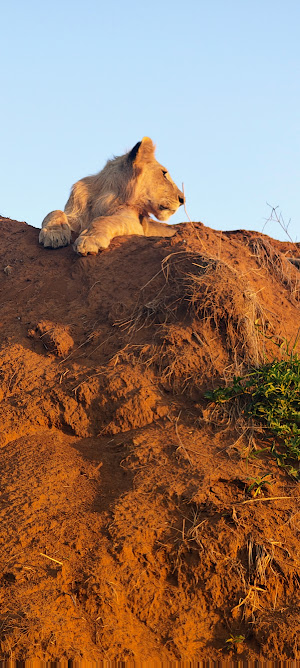
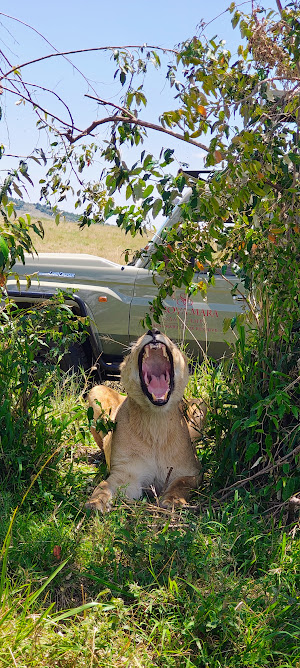
We spent a total of 8 days in Kenya and visited the National Parks at Amboseli, Naivasha, Nakuru and finally Masai Mara. The safaris were extremely rewarding and we were able to watch the ‘Big Five” (Lion, Elephant, Rhino, Leopard and the Buffalo) at close proximity and for extended periods. I heard the term ‘Ugly Five’ for the first time. These animals include      the Warthog, Spotted HyenaMarabou StorkVulture, and Wildebeest. We spotted a number of them. I also understand there is the ‘Rare Five’ which includes the Reticulated Giraffe, Grévy’s Zebra, Somali Ostrich, Gerenuk, and Beisa Oryx only to be found in the Samburu National Reserve.
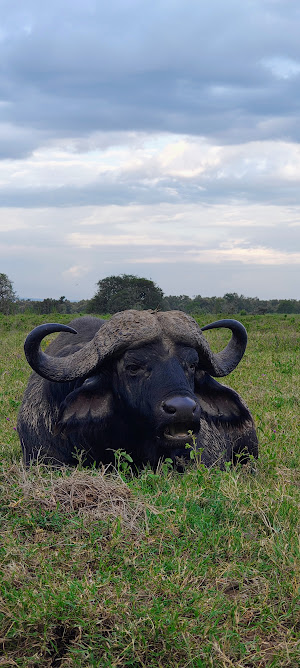
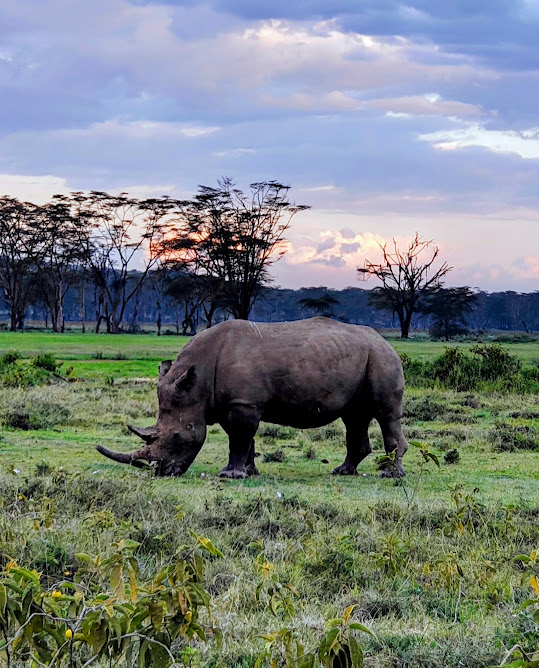
I have always maintained that watching God’s creation is way better than seeing human construction. I prefer the wilderness, mountains, rivers, oceans, safaris and animals, to a city’s architecture with its imposing buildings, memorials, theatres, exhibitions and its roads.

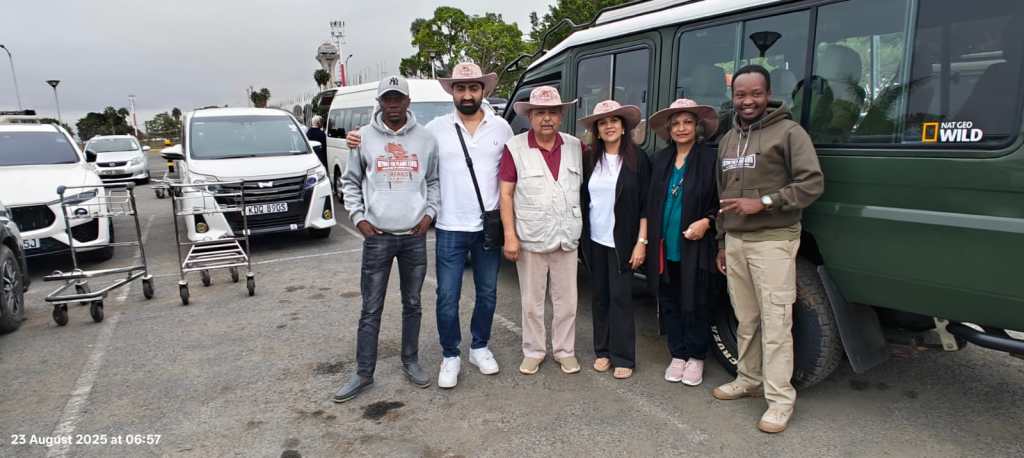
We chose a company called ‘Beyond the Plains Kenya Safari’ for all our travel arrangements. Julius was kind enough to chalk out a nice programme for us. We were picked up at the Jomo Kenyatta International Airport in Nairobi by our driver cum guide Mr Sam, who was pretty knowledgeable. We travelled in a 7 seater Toyota Land Cruiser with a pop-up roof. The journey was comfortable and Sam turned out to be a safe and responsible driver. He also had a lot of anecdotes and tidbits to narrate and keep us engrossed during the long drives. We travelled almost 1000 kms on the highways from Nairobi to all the different game parks and back. In addition we were clocking about 150 kms daily during the actual safari inside the parks.  The routine is demanding and at times tiring.
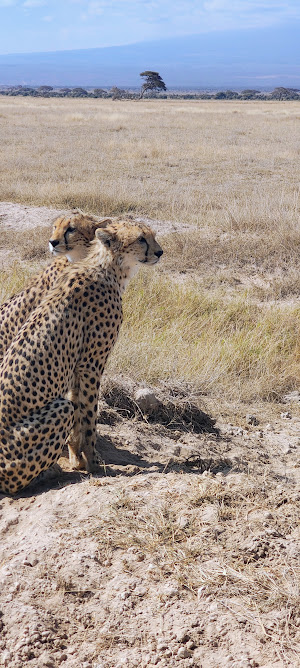
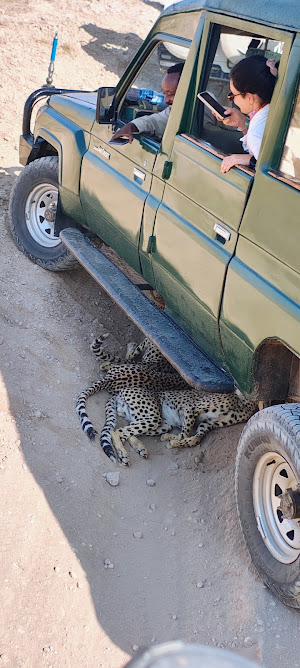
On our second day in Amboseli National Park, we were singularly lucky to sight a family of 6 cheetahs, a mother with her 5 cubs. As luck would have it, the entire family came and took shelter from the sun under our vehicle. They stayed underneath the vehicle for over an hour. Rules do not permit the driver to start the car or make any attempt to move the vehicle. The mother stayed at a distance whilst keeping a sharp eye on her cubs. This was a very rare sighting by any measure. This prompted Sushama an avid animal lover and activist to write, “Seeing such a large litter of cheetahs, especially in a location where cheetah sightings are rare, is considered a remarkable event. The survival of five cubs up to this stage demonstrates exceptional skill and effort from the mother cheetah.” Much to the envy of fellow safari vehicles, our vehicle was surrounded by all six of them, making us immobile for almost an hour and a half. It was a phenomenally lucky and a once in a lifetime encounter. In the evening, we came across a Canadian lady who talked about the sighting and said that there was a safari vehicle which was unbelievably selfish and did not move to allow others a chance to see the magnificent animals. Sheepishly, we confessed that it was our vehicle and that we couldn’t move an inch as the cheetahs were beneath our vehicle. 
For anyone planning to visit Amboseli, it is much better to stay inside the park and avoid long drives to the camp and back. There are practically no asphalted roads either to the entry gates or in the park itself. Our safari would start at 7 am and end by 6 pm. We would carry lots of water and a packed lunch. Invariably we ended up distributing the leftover food packets to the local Masai children. Some of the accommodation is spread over a very large area making it difficult for senior citizens like us to walk from the dining area to the room. It’s better to select rooms in advance which are close to the dining area.

Kenyan highways, which have been constructed by the Chinese, are in excellent condition. A large number of infrastructure projects have been undertaken by the Chinese. We also saw   the site of the Konza Smart City, just over 60 km south of Nairobi. It has been designed as a “city-from-scratch” to bring research universities, industry and government together. The Chinese telecom giant Huawei has funded the project.

The drive from Amboseli to Lake Naivasha is very picturesque and interesting. Lake Naivasha is famous for its strong population of hippos and flamingos. There are over 1,500 hippos in the area, and you are almost guaranteed to see one. The lake is a birder’s paradise as it is home to over 400 bird species.
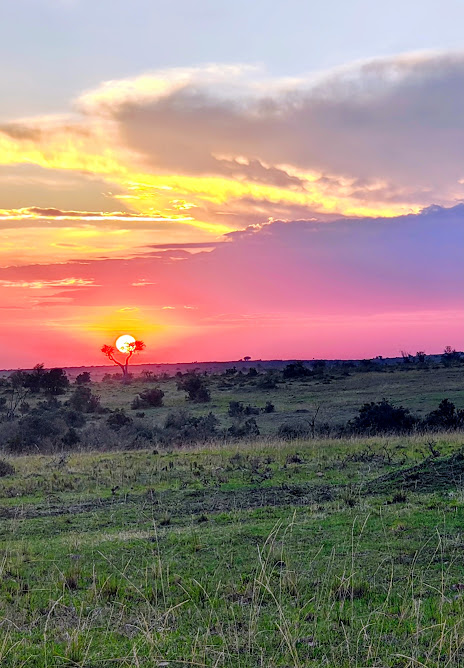
On the way we stopped at an elevated view point to watch the famous ’Great Rift Valley” the cradle of all civilisation. The is a vast geological system stretching approximately 6,400 km from the Mozambique to the Red Sea through Eastern Africa. This continental fault system is a result of tectonic plates pulling apart, creating a series of deep trenches, valleys, and volcanoes. Lake Naivasha is at the highest elevation of the Kenyan Rift Valley at 1,884 metres (6,181 ft.). The lake has a normal surface area of 139 square kilometres (54 sq. mi) Surprisingly Lake Naivasha is a fresh water lake fed by two rivers and underwater springs. 

We spent two days enjoying the water front, delectable food, boat rides and feeding birds. Watching an African Fish Eagle swoop down with great precision and nab the fish from the water is a sight to watch. We took a trip to Crescent Island where we went on a walking safari to watch zebra, wildebeest, giraffe and impalas in a predator free park.  Spotting rhinos and a variety of aquatic birds such as reed cormorants and great white pelicans was very exhilarating.
We spent some time talking to the local tribal guides and workers in the park. I found them extremely aware of national politics. Interestingly they knew a lot about India, which they consider as a good friend. In 2017, Kenya’s government officially recognized Asians of Indian descent as the 44th tribe of the East African Nation. There is a sizable and growing number of Indian tourists who visit Kenya on holiday each year. Consequently all the resorts cater to the Indian palate. It’s common to find parathas, bhendi sabzi, alu mutter, dahi and other Indian dishes in the buffet.

We also visited a Masai village and thoroughly enjoyed a long interaction with them, watched how they make fire (using two sticks and some cow dung) and visited the chief’s house. We were shown the famous Masai jumping known as ‘Adamu’. The jumping demonstrates their strength and according to tradition, they do it to attract their future bride. The higher the jump, the more attractive the Masai warrior is to a female Masai. The head of the village spoke impeccable English, talking to us at length about their daily life, house, children and much more.
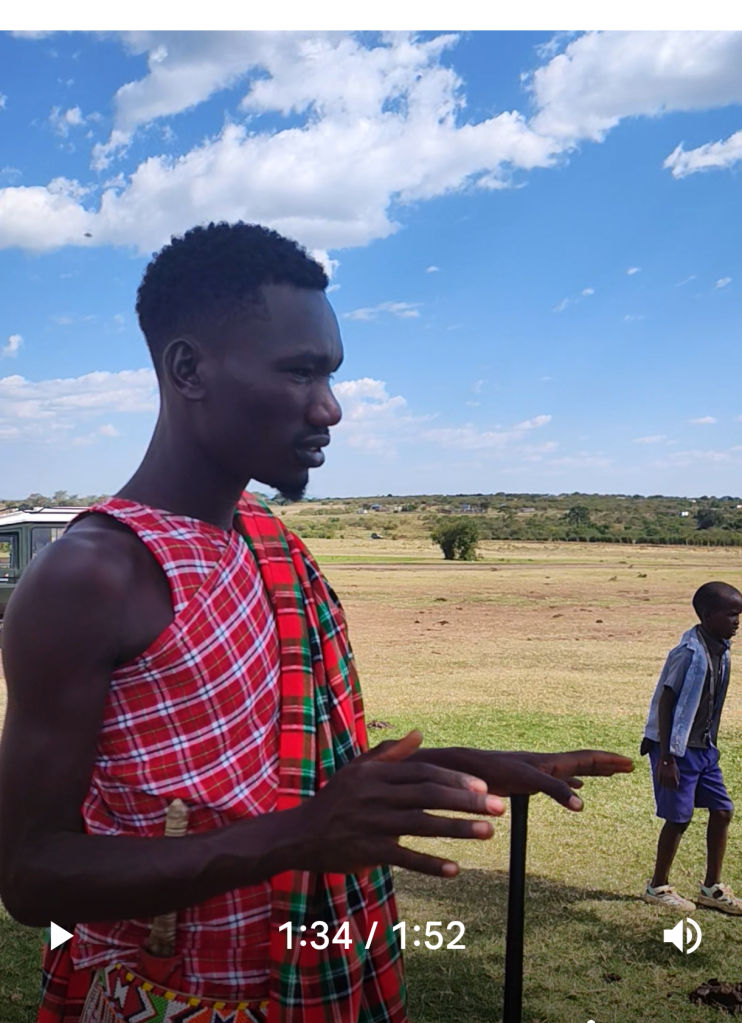
Their diet is mainly derived from the cows they worship and own. They live on cow’s milk, blood and its meat. They are probably one of the few remaining links to a world long gone by. The Masai traditionally remove one lower front tooth (incisor) for several reasons. Its part of an initiation ceremony and it helps in feeding a child in the event that a disease locks the jaw. The chief also said it used to help in identifying a Masai warrior when they were in hand to hand combat with the enemy.

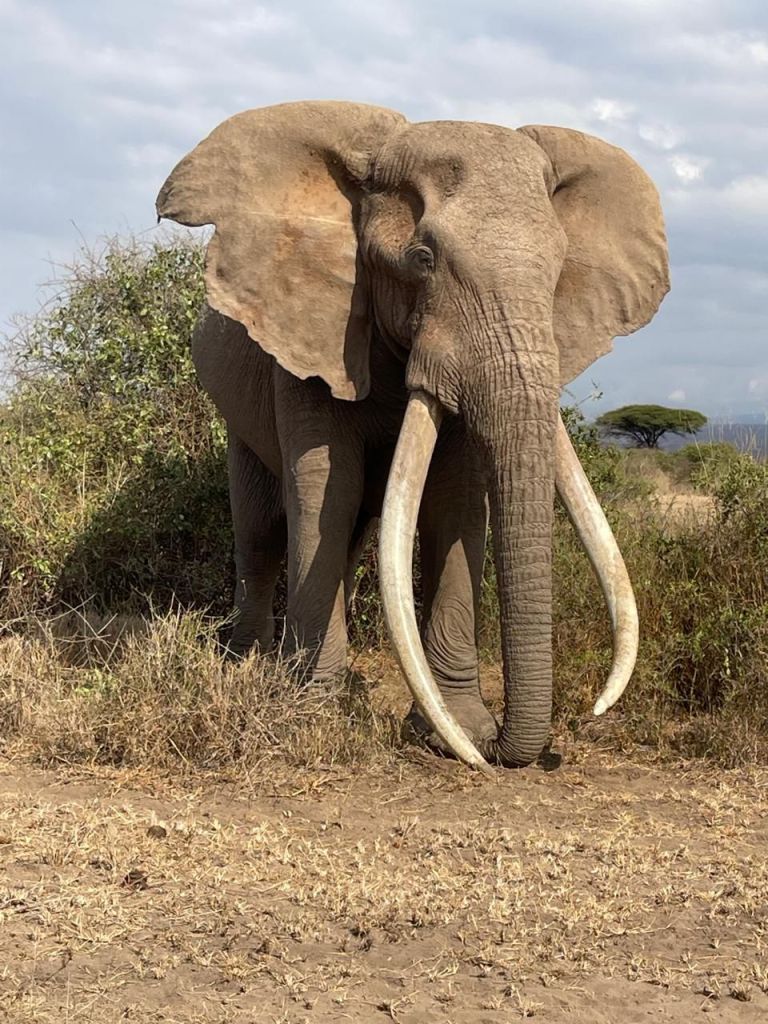
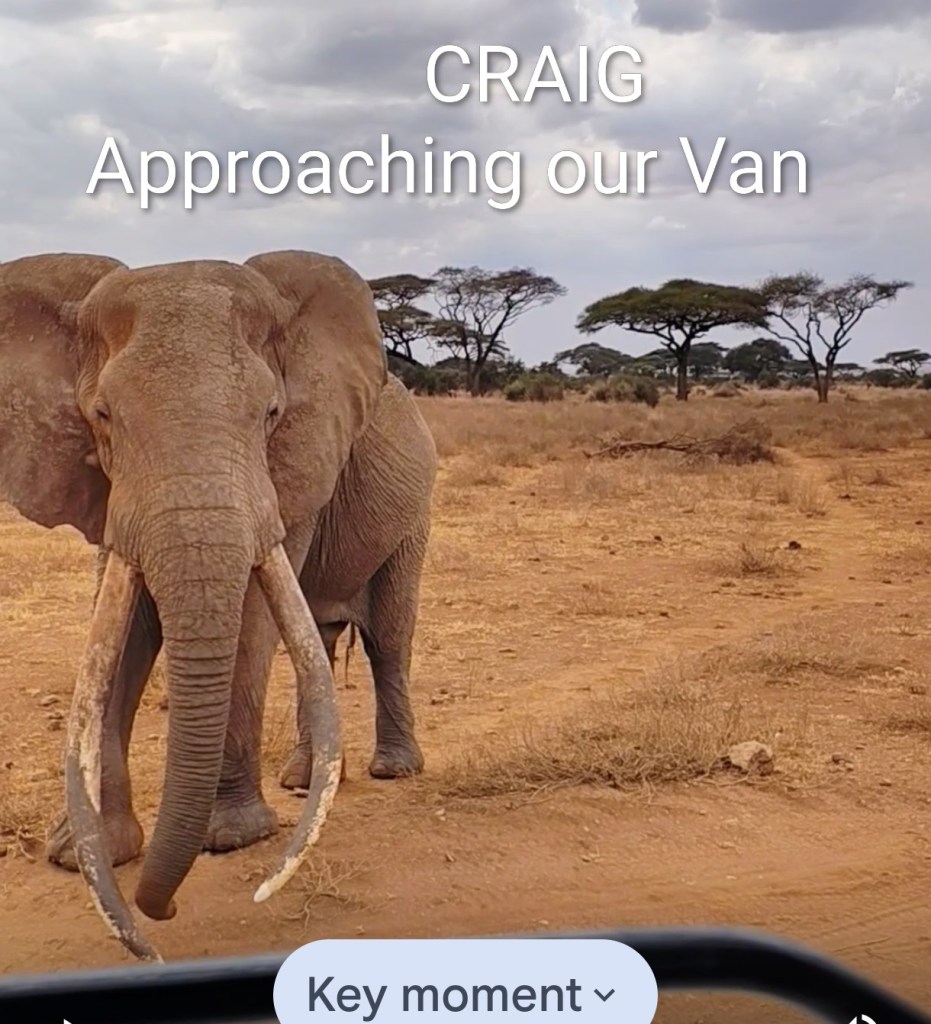
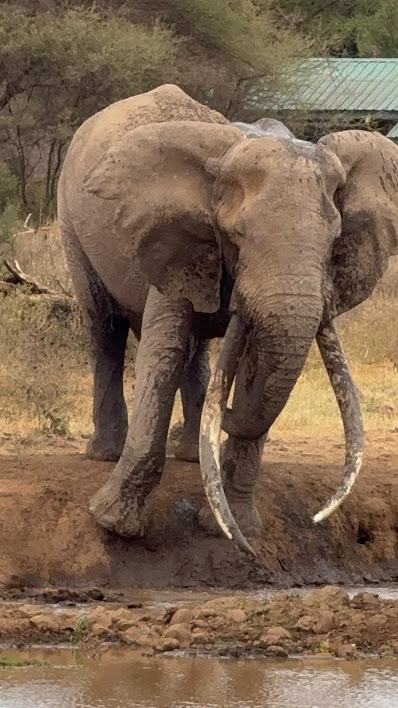
We were extremely lucky to sight ‘Craig’ the Elephant Legend. Craig is arguably one of the most famous elephants in the world. He was born around 1972, making him approximately 53 years old as of 2025. John, a Masai forest ranger, was able to track him and take us to the watering hole where Craig was quenching his thirst. He is one of the last remaining Super Tuskers of Amboseli National Park. A majestic animal, his tusks are so long, they almost touch the ground. Spotting Craig is often described as a profound experience, reminding viewers of nature’s raw majesty. 
All the national parks are located at an elevation of 4000 ft. to 5000 ft. Mornings are cool and generally comfortable. As the day progresses it becomes hot. It is good to wear clothes in layers and be able to add or remove a layer to suit the weather. Nights are very cold requiring a good outer layer. Neck pillows are extremely essential during the long and rough safari rides. A face mask is a must to protect yourself from the never ending clouds of fine dust which envelopes every particle of your being when the vehicle hits the mud roads.

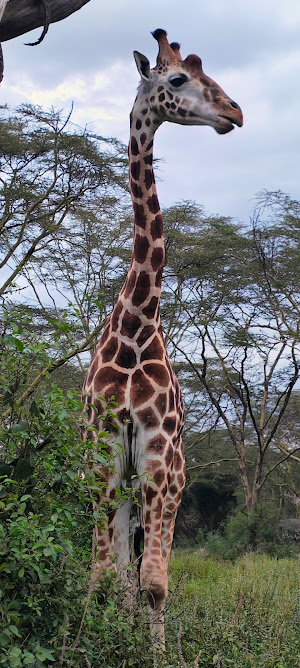
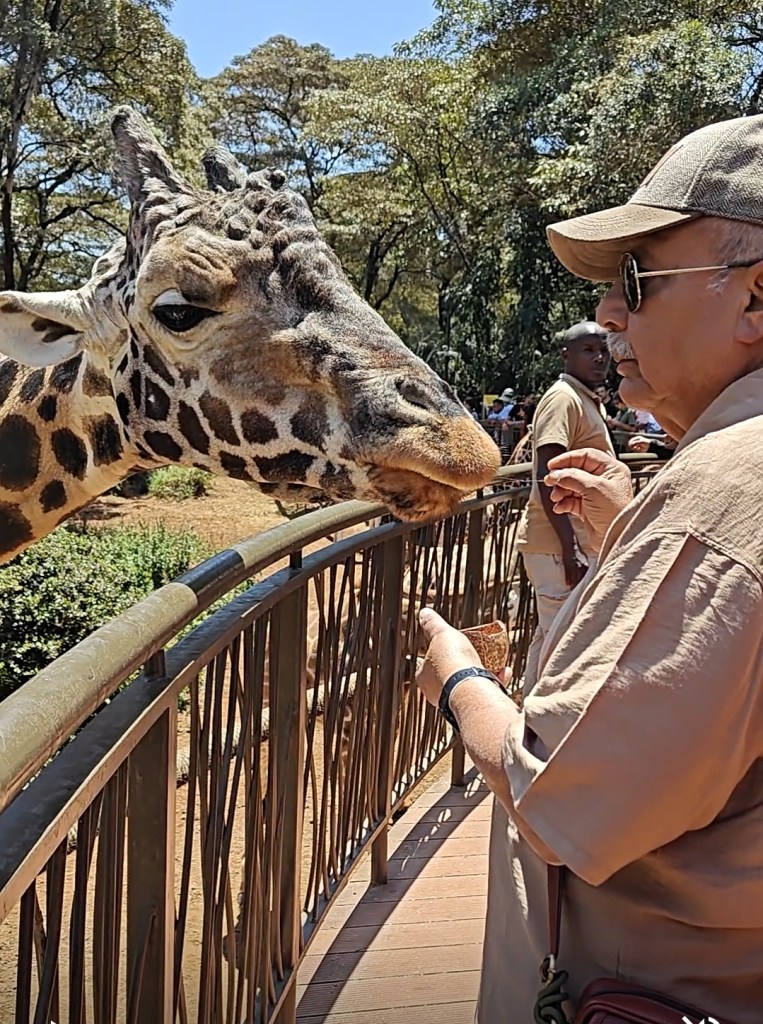
We ended our safari adventure by visiting the Giraffe Park in Nairobi, which permits us to have a close encounter with these ‘sentinels of the savannah’. It was a very exhilarating experience seeing them at such close quarters and getting a chance to feed them.
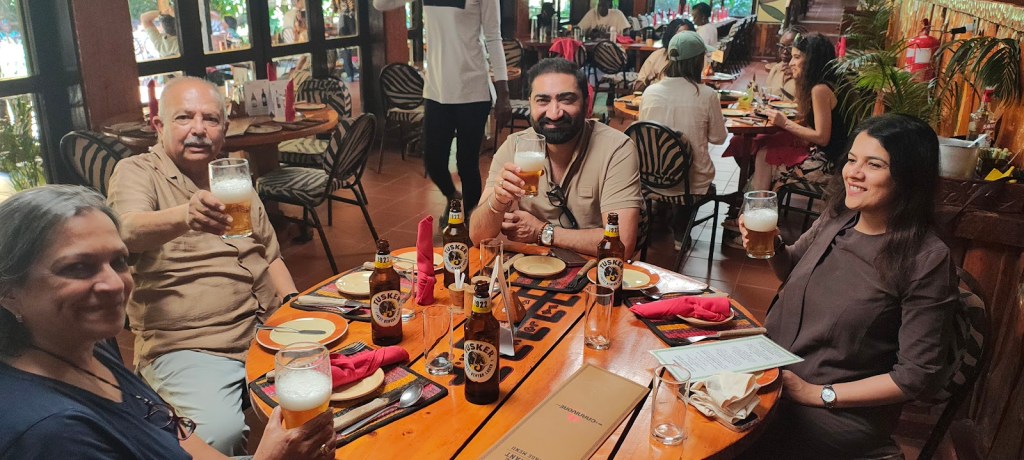
Our trip ended with a visit to the iconic restaurant ‘Carnivore’. It is popularly referred to as the ‘Feast of the Beast’ and ‘all-you-can-eat meat’. Each table is perfectly laid out for a meaty meal with different forks, knives, plates etc. In front of each plate rests a white flag. As long as the flag is up, the waiter continues to serve dish after dish without a pause. The service stops only when the flag is grounded. A variety of sauces are kept on the table and the waiter explains at length which sauce is recommended to go with which meat. The menu has a large variety of choices from charcoal grilled chicken, fish, beef, lamb and pork to turkey, crocodile, ostrich and ox balls making it an unforgettable dining experience for meat eaters.
Kenya fulfilled a long-standing desire to see animals as they were meant to be and we enjoyed every minute of our amazing visit.

As I write this, I receive some really sad news. That wonderful, majestic elephant, Craig, the pride of Amboseli has passed away at the ripe old age of 54. Somehow it seems as if someone we got to know well has died, though we just spent an hour or two watching him at the watering hole, lifting his huge head to gaze at us tolerantly from time to time and going back to quenching his thirst- a lone giant in the wilderness
Flip Side of PK Gopalkrishna

Purshottam Kallupatti Gopalkrishna is a very adorable and at times an enigmatic character. Over a period of time, people around him who were unable to remember or pronounce his long name, had shortened it to ‘P K’. The name suited him. If I remember correctly my last encounter with PK was during the dreaded Covid days.

(https://wordpress.com/post/samundarbaba.travel.blog/4974)

In the meantime, both of PK’s sons decided to emigrate permanently to the US of A. PK and his good lady now spend considerable time with their children and grandchildren. This has resulted in less ‘India’ time and decreased our frequency of interaction, both at home and during evening walks. Whenever we meet, I find a slightly modified PK. He is now into following US politics and more comfortable talking about Trump and Harris. He has become slow with age, unhurried in his movements and sometimes exhibits a feeling of disappointment which is otherwise well disguised.

PK has never been the forthcoming type, volunteering unsolicited information. He is careful with his words and chooses his time and place to unburden. However, within a close knit group, he is very open and eager to share his thoughts. He once mentioned to me that sharing information is therapeutic.   

When probed further he came out with the truth. He did not like going to his children’s place for extended periods of time. In his own house in Bangalore, he was the undisputed king of his domain. Free as a bird, he ruled his province according to his whims and fancy. Bangalore boasted of an equitable climate throughout the year which enabled him to dress lightly and go on long walks   in the colony along with his cronies. He would spend a lot of his time sitting under the tree and engaging in harmless discussions with his mates. Being a foodie, he would often indulge in eating out in the many restaurants that had come up in his neighbourhood. These activities had given PK a sense of belongingness, familiarity and wellbeing. In particular, PK made it a ritual to join other tipplers at his club to quench his thirst on a weekly basis. All this was denied to him in the ‘Land of Opportunity’. A misnomer indeed.

From his deportment I concluded that good old PK was very eager to unburden himself with some more precious information. PK liked the idea of travelling, mingling with his military course mates, indulging in easy banter and reminiscence about the ‘good old days’. PK often said ‘travel broadens one’s horizon’. His military buddies were planning a Course Get Together (CGT) in the Orange County resort tucked away in the lush green hills in the Kodagu district of Karnataka.

With a certain amount of hesitancy, PK informed us that travelling posed a very big problem. He said there were two issues. The gist of it was that over the years, PK had been afflicted with ‘throat snoring’ – the loudest form of snoring that there is! This serious affliction was very irritating and disturbing to the LOH. Over the years they had reached a compromise and decided to sleep in separate bedrooms. This strategy had brought untold happiness into their household. However, when one travels, one is forced to stay in a hotel, which means sharing the room with the jack hammer. This one aspect of travel was unacceptable to the LOH in spite of being a good sport and an avid traveller.

Now to convince the LOH to undertake a holiday was a perilous task for PK.

Secondly, PK was jinxed when it came to holiday travel. This aspect also weighed very heavily on the LOH’s psyche. To fully comprehend PK’s plight it is important to become acquainted with some of his travel-related misadventures.

Many moons ago he and the LOH had travelled to Jakarta, Indonesia for a CGT. PK was eagerly looking forward to a ten-day holiday with his forty close childhood buddies. On arrival at the Jakarta Soekarno-Hatta International Airport, PK joined a long queue to complete his immigration formalities. There after he proceeded to the duty free shop enclosure to buy some ‘elixir’ for the trip. At the cash counter he was greeted by a vivacious young lady with an unusually pretty countenance. He was momentarily discomposed. Having completed his payment, the party travelled in a bus to their Hotel. On arrival, he went to complete the check-in formalities. The person at the desk asked PK for his passport. He frantically searched all his pockets and bags but could not find his passport. Panic was writ all over his face. The hotel staff were very helpful and assured PK that his document would be retrieved from the Duty Free shop and in the meantime he could move into his room. PK entered his room crestfallen along with a very embarrassed LOH.

They rested for a while and matters looked normal. At the appointed time, PK decided to join the others in the lobby for the first part of their trip. He tried to open the door from the inside but it would not. Both of them tried opening it several times in vain. Even repeatedly shouting ‘Open Sesame” did not yield any result. By then, the reception staff were making frantic calls to the room to enquire about the delay. The hotel engineering staff were summoned to resolve the issue as others in the pack waited in the lobby. On making no progress, the staff broke open the door and salvaged PK and the LOH. Red in the face, they reached the lobby to join the others for a ‘Jakarta by Night’ tour. All were accounted for and ready for the sightseeing tour.

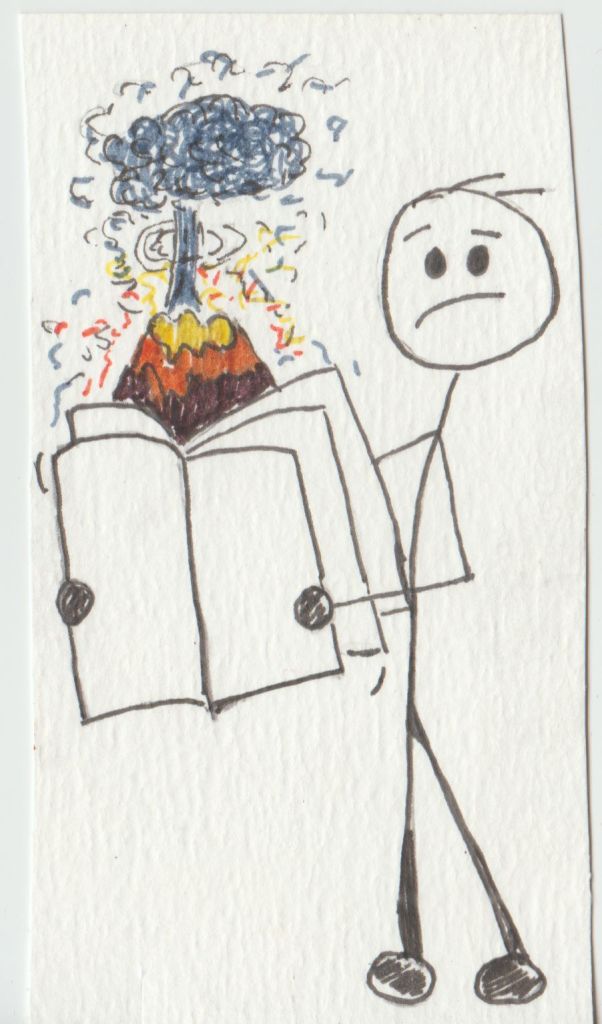
Unknown to PK and the gang a catastrophic event had just struck Bali, Indonesia. The day was 27 November 2017. The volcano Mount Agung in Bali had erupted. As a precautionary measure, the government of Indonesia ordered all tourists to return to their countries post haste.

The tour manager collected the gang in one corner and spilled the bad news.

There ended PK’s Bali adventure.

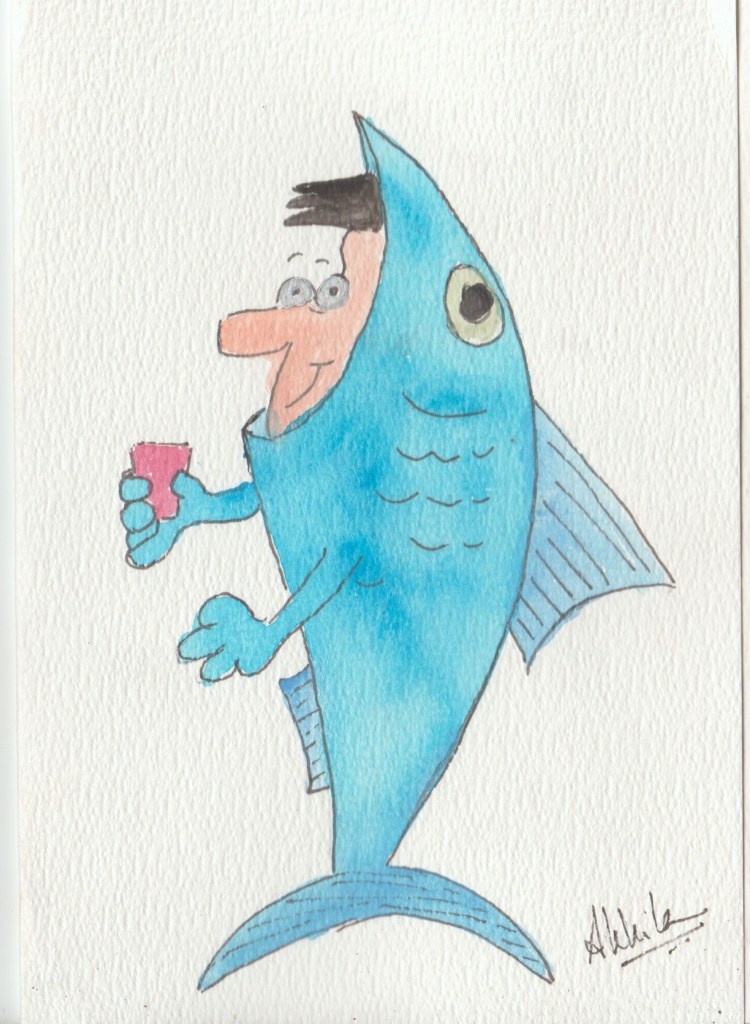
Some years ago, PK and the LOH had gone to Goa to attend a similar CGT. This time around PK had decided to enjoy the outing to the hilt. Goa suited PK. It reflected his buoyant and bubbly temperament. He soon settled down to absorb the sun and sand along with some chilled beer. More than anything else PK adored sea food. Well, late into the afternoon, PK turned his attention to food and ordered Goa’s most popular fish ’Mackerel Recheado’ a spicy, tangy, shallow fried fish that is a traditional Goan dish. Having been deprived of this hot favourite of his for a very long time, PK started demolishing the fish and wolfed it down in record-breaking time. All of a sudden PK started to choke and started making strange sounds. Fortunately his close buddy Doresamy immediately realised PK was choking and went into action.

PK had to be taken to the nearest doctor to remove the fish bone from his throat. So ended PK’s tryst with Goa.

Not long ago PK and the LOH decided to visit their children in the US. Preparations were made in advance, many WhatsApp messages were exchanged and curry powder, masalas and papadams were purchased and packed. There was an air of celebratory anticipation in the house. The flight to Paris continued along the expected lines.PK had his dinner and went to sleep. In the second leg of their passage, breakfast was served which PK ate with total relish. Soon after PK felt uncomfortable and complained to the LOH about a nagging pain in the lower part of his chest. As the condition worsened, the LOH reported the matter to the airhostess who in turn informed the pilot. An announcement was made seeking help from any doctor on board. A paramedic volunteered to examine PK. Nothing conclusive emerged from the examination and the paramedic strongly recommended a medical intervention immediately on landing in Paris.

The French medical response was at its best. Within minutes of landing PK was evacuated and taken to the hospital. A series of tests were conducted and PK was cleared with a discharge slip declaring that it had been a ‘case of severe indigestion’.

The LOH ended up paying a huge sum towards the emergency medical expenses.

Now you may appreciate why PK is apprehensive about the forthcoming get together and their participation in it.

Magical Mauritius

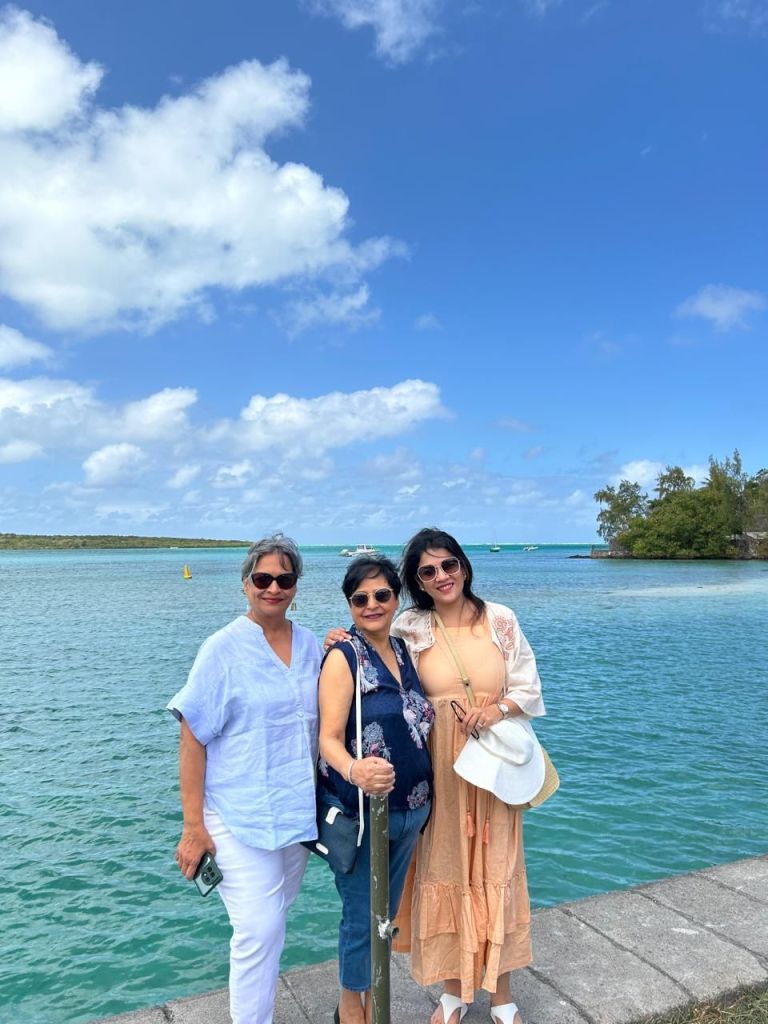
The republic of Mauritius is a very small island country located in the
Indian Ocean. Due to its proximity to Africa, it is generally
considered an African country. It is around 4000 kms from the Indian
coast line. It is 65 kms long and 45 kms wide. It’s about the same size
as Namma Bengaluru. That’s where the comparison ends. Its
population is around 1.2 million compared to 14 million in Bangalore.
Why did we decide to visit this remote Island?
Mauritius is renowned for its incredibly beautiful beaches with
powder-soft white sands, brilliant turquoise waters, and lush tropical
scenery.


We visited the Island in October when the temperature was between
20 to 27 deg C with a moderate easterly wind and clear skies.
In spite of all its wonderful beaches, lagoons and water sports, it’s not
at all touristy. The extreme hustle and bustle one finds in places that
are tourist attractions, is totally absent. The tourist population is
spread over a large number of pristine beaches located all along the
coast line. A few tourists minding their own business, non-interfering
locals, an absence of hawkers and shanty restaurants fills you with a
sense of privacy and lets you immerse yourself in the bounties of
nature.
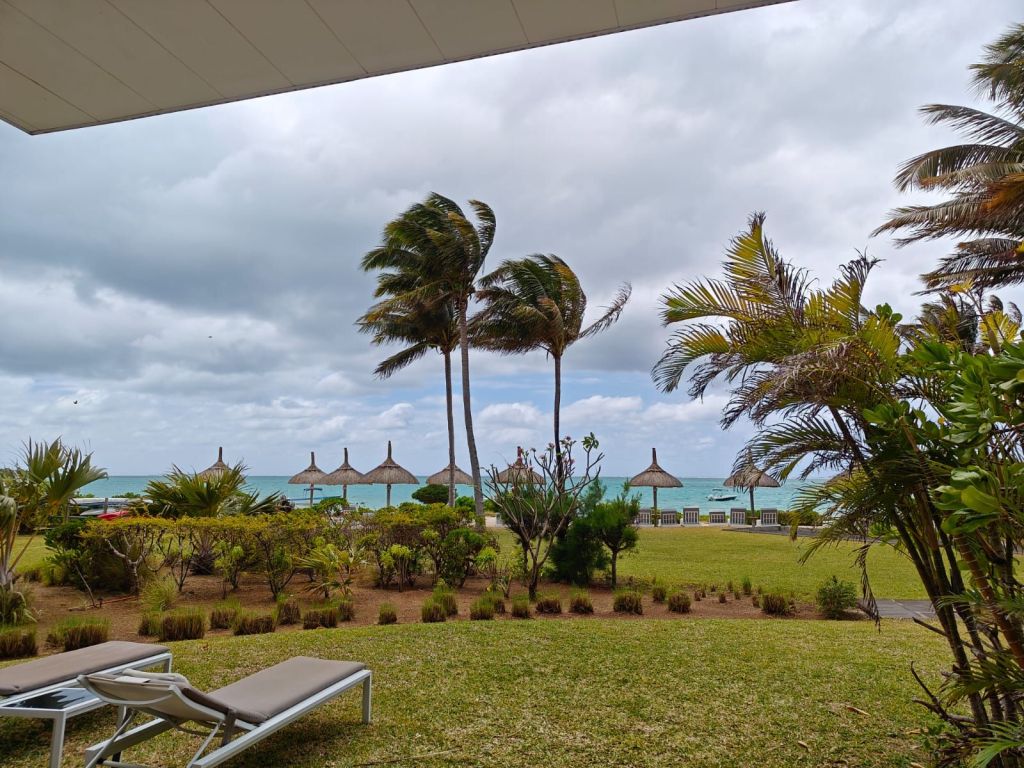
After carefully researching the properties available on Airbnb, we
selected ‘Paradise Beachfront Holiday Apartment’ on Point D’ Esny
beach. A beautifully appointed ground floor apartment with an
attached beach that was practically private to all intents and purposes.

Jenith and Sushama our long time travel companions joined us on this
outing. After a long break, Rita Das also came along with us.

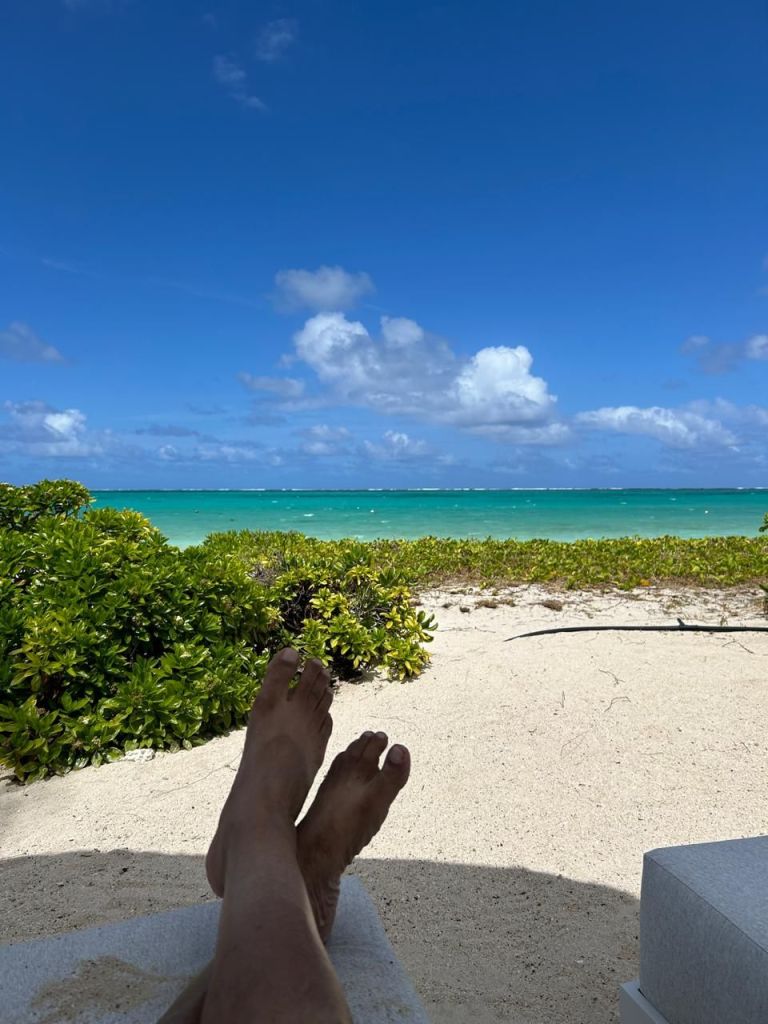
We spent most of our time on the beach. Lazing on the beach under a
clear blue sky and hearing the constant rustle of the sea waves
certainly invokes a primordial feeling. There is something blissful and
special when one is surrounded by nature. The atmosphere heralds
tranquillity and peace. An ultimate destination for rest and reflection.
Chilled beer, gin and tonic, cocktails and Laphroaig go a long way in
elevating your mood. Mauritius duty free rates are better than India.

Sea food is found in plenty. A satisfying lunch with octopus, fish,
pork, calamari, prawns and pizza accompanied by a chilled ‘Phoenix’
beer set us back by INR 5000 for five people. Lobsters are easily
available and have to be ordered in advance. Their cuisine is multicultural
reflecting their ethnicity. There is a certain similarity to Goa
in the slightly laid back approach to life. The people are helpful,
generous and pretty chatty. We went around looking for some raw
rice on the Sunday that we were there. We couldn’t find any, as most
places were shut, but the owner of a small store selling soft drinks,
gave us some from his own home with no charge. That tided us over
till the next day.

A majority of its population consists of people of Indian origin and
the rest are descendants from Africa, China, Dutch, France, Britain
and Arabs. I was truly impressed with the bonhomie that prevails
among all the different and diverse communities. All of them speak
Creole, followed by a small percentage speaking Bhojpuri, French
and English. Sega, Seggae and Reggae remain the most popular form
of music in Mauritius. It is a complete performance art, involving
music, story-telling and traditional dance. In fact, one night, our
Airbnb neighbours invited us over and we had a blast singing and
listening to a couple of Mauritian singers rapping and singing local
popular songs the entire evening.

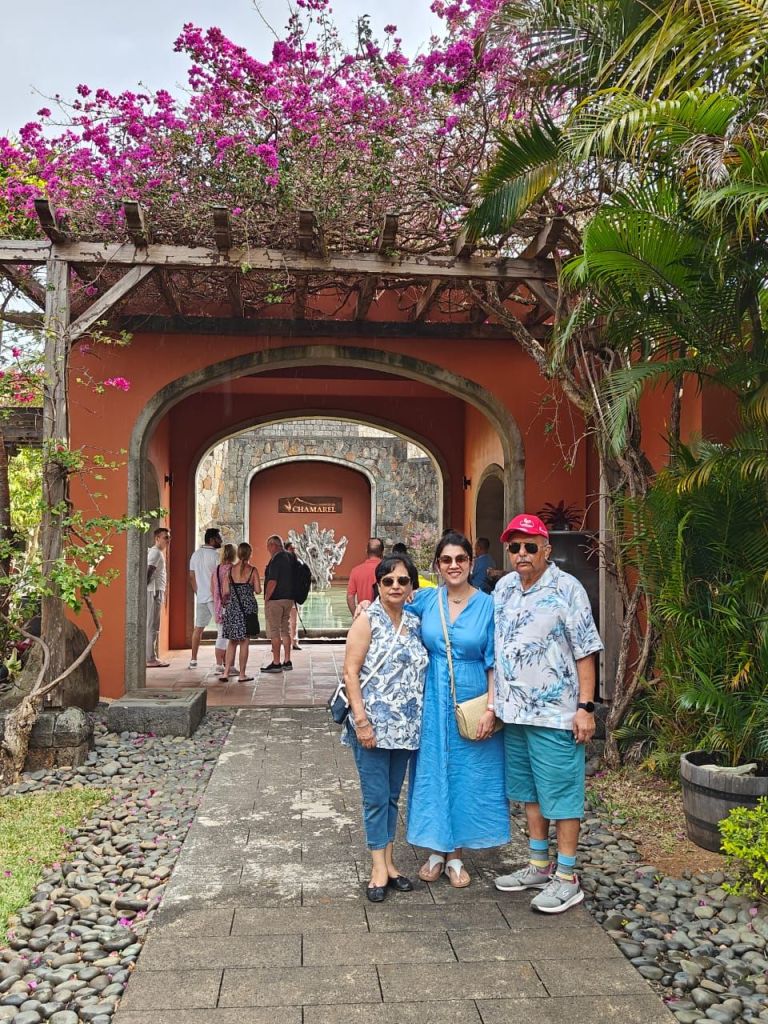
Sugarcane is widely grown in Mauritius. We visited a famous
brewery – The Rhumerie de Chamarel and indulged in a long rum
tasting session. One gets to taste almost 8-10 varieties of rum that is
made there. A happy hour indeed! Most rum around the world is
made from molasses. However, in Mauritius, the rum is derived from
sugarcane juice, giving it an exceptionally mature and smooth taste.
They also produce a variety of infused rums with botanicals like
vanilla, cocoa, coffee, cinnamon and orange. I am now the proud
owner of a bottle of Chamarel Premium Gold Rum. The same day we
visited a Shiva Parivar temple, a beautiful, clean temple next to a
Ganga Talab (so named as the waters of the Ganges have been
brought and added to this wonderfully pristine lake).

The country has a great network of roads. They are in excellent
condition and have very good signage. We hired a self-drive SUV on
arrival which came in very handy during our stay. We travelled
extensively covering the length and breadth of the island. Except for
Port Louis, the capital city, traffic elsewhere is low to moderate. Port
Louis is a very new and modern city bubbling with activity. I found
the rest of the island extremely easy going and laid back. As I
mentioned earlier, it reminded me a lot of our own Goa – Susegad.
We flew Emirates from Bangalore to Mauritius via Dubai. It’s a long
and tiresome flight. The other option was via Mumbai which is
equally bad. Come November there are likely to be direct flights from
Bengaluru. It’s Visa on entry for Indians. Dollars and the local
Mauritian Rupee are preferred.
They have kept their surroundings extremely clean. We never saw any
garbage dump or unattended waste during our drives to the cities and
in the country side.
Good roads and high standards of cleanliness speaks volumes about
their culture. The tax payer’s money has been ploughed back,
ordinary citizens are responsible and in control of their surroundings.
Their beaches are pristine and totally free of any form of rubbish. One
can walk miles without coming across any sign of pollution. In a
recent report released by IQ Air, only seven countries worldwide
managed to meet the stringent air quality guidelines set by the World
Health Organization (WHO). Among them stands Mauritius.

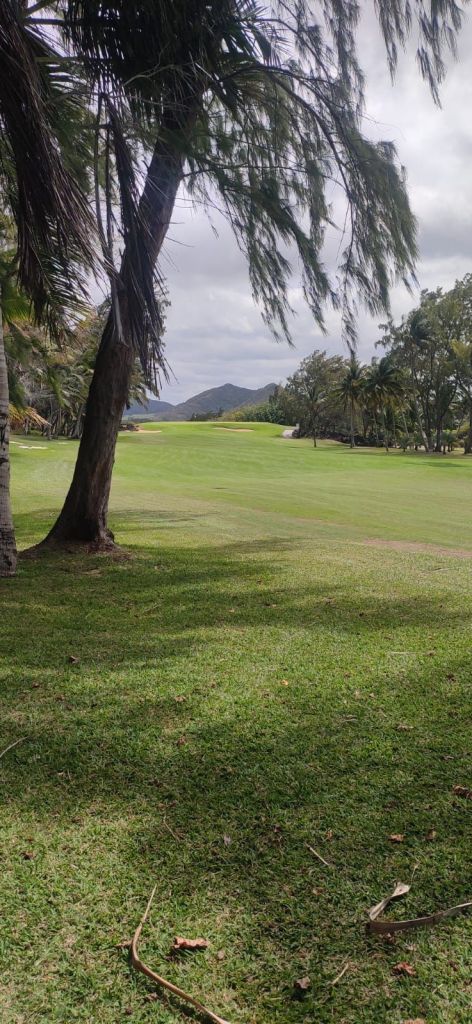
‘Ile Aux Cerfs’, an island
golf course

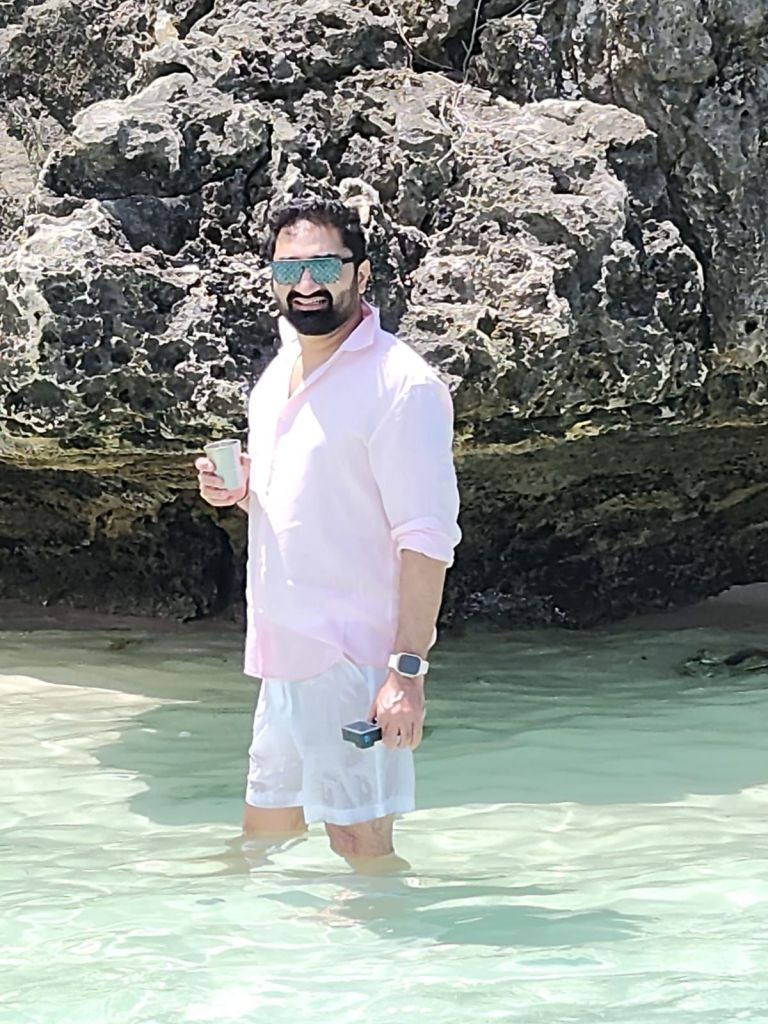
Every variety of water sport is available. Snorkeling and Scuba
diving, Sea, kite and wind surfing, para gliding and much more. One
day we went island hopping in their super-fast boat. It was a very
thrilling experience, even for someone who has spent all his life at sea.
Beer, music and the sheer thrill of the wind in your face makes this
day long trip very invigorating. We were thrilled to spot dolphins and
visit the site of an old shipwreck. To make the ride more interesting,
chilled beer and other beverages are served. I liked their “Jungle
Juice” a delectable cocktail of rum and orange juice the best. The trip
ends with an elaborate barbeque lunch on ‘Ile Aux Cerfs’, an island
golf course. The trip included a visit to an island with an old
dilapidated but charming lighthouse.


The highlight of the trip was a ride in a Blue Safari Submarine for 40
minutes to a depth of 35 meters. A memorable thrilling and unique
experience. My submarine friends tell me that 35 meters is a very
respectable diving depth.


Looking back, our trip to Mauritius was very easy going and laid back.
We returned to India relaxed.

Foreign Returned Gentry

For many Indians, going abroad was always the big, almost unattainable dream, especially during the early sixties and seventies. It signified success in life and created a halo around the person who actually managed to ‘cross the seven seas’. That person was immediately placed on a higher rung in the social ladder. A corollary to this was ‘foreign returned’. There were different kinds of ‘foreign returned’ people. Even here, as everywhere, there was a pecking order.

Persons who studied, worked and settled abroad were the crème de la crème. This lot commanded the most respect, closely followed by the people who studied abroad but decided to return to India to work.

The third variety were the lot who went to foreign countries to visit relatives or as tourists. In spite of their short stay they often sported a pronounced accent and enjoyed many privileges of the ‘Foreign Returned Club.’   

Our family also had a good measure of ‘foreign returned’ persons. Their visits to India or return from their foreign jaunts, as the case may be, evoked a lot of interest. Their return followed a set itinerary. The first variety generally brought along a Nikon or a Canon camera and indulged in non-stop photography. The local population was subjected to endless posing for group photographs and candid shots. As a rule, the returnees would bring gifts to be distributed to their less fortunate kith and kin. The gifts were mainly chocolates. A selected few received colourful shirts, chewing gum, Camay soap, cigarette packs such as 555 or Rothmans. In turn, we invited them for a meal or two and the equation would thus be balanced.

A friend of ours used to recall an incident concerning her father’s return from a foreign jaunt. Residing in a small town, her father knew all and sundry and they eagerly looked forward to receiving gifts. Unable to bring such large quantities of gifts due to customs restrictions, this man devised an ingenious method to solve this tricky situation. On arrival, he went to a popular local shop which stocked smuggled foreign goods and ordered Mars chocolates, Parker pens, scarves and other such items, to be gift wrapped and presented. A novel idea indeed.

A relative of ours went a step further in this game. Ratna was very fond of sweets and had indulged in a lot of chocolate eating while touring the US of A. In the process, she had diligently collected all the different wrappers. On her return she proudly showed all the wrappers to her near and dear ones, proclaiming that they were simply the best. The next best thing to eating is seeing, I suppose!

Our neighbour of South Indian Tamil extraction, Tirunelveli Balamurali Krishnan did what so many before him had done. He decided to pursue higher education in the US of A. He returned to Bangalore after a lapse of two years but with a post graduate degree in ‘Applied Mathematics’.

On his return,there were two or three minor but noticeable changes . My mother ‘Lalitamma’ became ‘Ant teee’ pronounced with a distinct nasal twang! I was addressed as ‘Hey Kid!’ and of course he took a ‘baaaa-th’ and would say that it was too ‘hat’ to go outside.

If rumours were to be believed, ‘Krish’ had started eating his South Indian fare with a fork and knife.

Even as a child Meena had set her eyes on the US of A. Her life goal was to emigrate to the promised land at any cost. Due to many unforeseen reasons her dream was a long time coming. During her interminably long wait, she decided to do the next best thing. She worked hard and developed an American accent. Her imitation was flawless and her speech was truly American- she had become a non-Yankee Yank. She finally managed to reach the shores of ‘Uncle Sam’ where needless to say, she fit right in!

These foreign returned types were always on a tight schedule whilst on holiday. Due to shortage of time they were not in a position to catch up with every Ramu, Madhu and Meena. Instead they hosted a potluck party and invited all their close friends and relatives. My mother used to spend hours preparing her allotted dish and would reach the party scene tired and drained after a long innings in the galley. Being a very good cook she used to be given the most difficult dish to prepare. Some got away with the ubiquitous chips and other such sundry items.

Like all teenagers I used to be permanently hungry and was always on the lookout for stuff to fill my stomach. I clearly remember attending a pot luck organized by one of our relatives in honour of their dear son’s visit to Bangalore. All the guests arrived with their share of the potluck and deposited them on the dining table. It was a truly appetizing sight. So many different dishes prepared with love and affection by different cooks and waiting to be devoured. I, for one, could not take my eyes off of it.

TRUE STATE OF THE GUESTS

However, events did not unfold as expected. The chief host made an announcement requesting all those present to regroup in the next room to watch a ‘Slide Show’. The next hour was spent in watching various aspects of my foreign-returned relative’s life in the US of A. Photos included his apartment, his bedroom, bathroom, his neighbour’s dog, all his college friends, his college, a random nearby park and much more of the same. The relative explained in excruciating detail, the significance of each photo, with great enthusiasm while the rest sat waiting for his monologue to come to an end so that they could attack the food.

As if this boring and torturous experience was not enough, ’Curious Krishna’ would repeatedly interrupt him, seeking clarifications and additional information. We’ve all met such guys who know exactly how to prolong the agony for everyone else! This whole episode was extremely frustrating especially on an empty stomach.

As a cadet in August 1968, I sailed on board the Indian Naval Ship  Krishna to Kenya, Tanzania, Madagascar and Seychelles. This was a part of our sea training. Not to be left out in the who-has-gone-abroad race, my father proclaimed to all his kith and kin, that his son was on a ‘diplomatic mission’ to foster international friendship and goodwill.

Finally I had also joined the ‘Foreign Returned’ club.

Things are different today. There are 35.4 million Non-Resident Indians (NRIs) and Persons of Indian Origin (PIO) living outside of India. The Indian diaspora is the largest in the world, with people living in many countries. Foreign travel has become very easy. Hordes of Indians travel all over the world as tourists. There were 27 Million Indians who travelled abroad last year alone, as tourists.

Much to the dismay of old timers, potluck has taken a back seat. FB, X and other social media platforms have taken over as the favourite medium to inform the public about their “foreign returned” status. Anyway, unless your trip has been to Antarctica or Timbuctoo, no one’s really interested.

Cheers until you return from your next exotic foreign trip!

Hidden Jewel Of Asia – Uzbekistan

The day before we embarked on our journey to Uzbekistan ,I went to collect a document from my hospital. I was desperately trying to get it over with, as I had lots of last minute errands to run. The doctor in the office asked me why I was in such a tearing hurry. I told her ‘I am leaving for Uzbekistan tomorrow. Surprised, the doctor asked, ‘Where is Uzbekistan? I have never heard of such a place!’ This is the extent to which the country of Uzbekistan is hidden. Normally, travel means going to America, Europe, Wild Africa and the Exotic Far East. A country,  somewhere in Central Asia, is unlikely to attract the attention of a normal tourist.

Google will provide you with all the usual information such as its size, weight, length, breadth,  age, history and much more. I leave it to you to browse the net and  fill in the details.

In our stay of 10 days, we visited Khiva, Bukhara, Samarkand and Tashkent. Four of us  – self, wife, daughter and son – in – law – travelled extensively by car from one place to another. I love travelling by car for many reasons. Firstly, it is very private and comfortable. You can stop where and when you want. It’s door to door, no check in ,waiting in airports, railway stations, lugging suitcases etc. We are not unnecessarily time bound. You can talk endlessly with the local driver, watch the country side unfolding as you travel and so on.

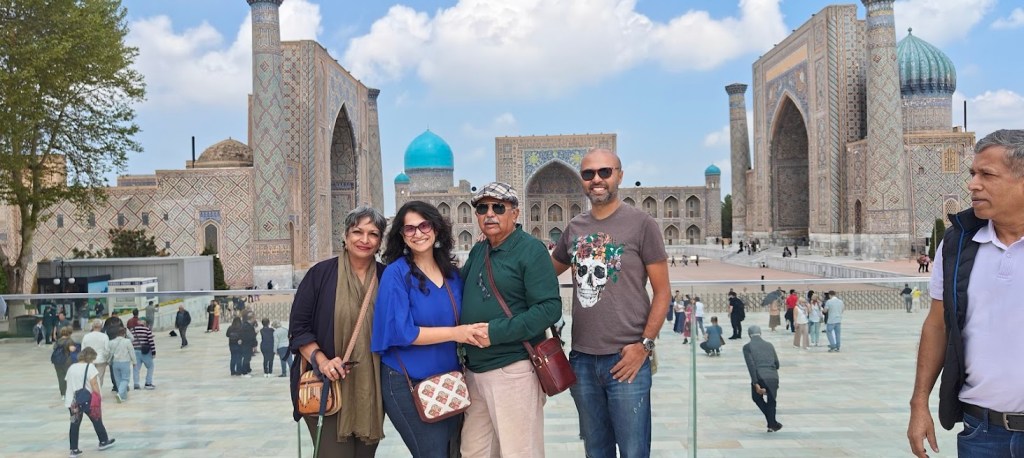
The Family

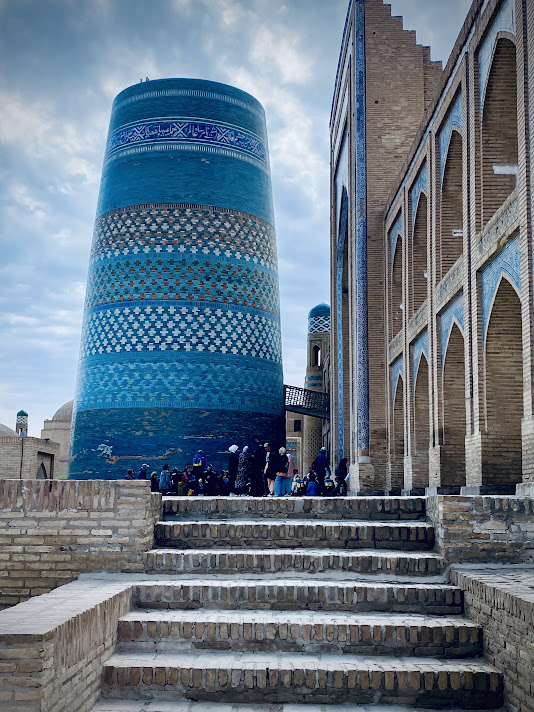
Khiva was first a sea, many aeons ago and then a desert with many lakes. As a result many of the lakes are salty. The soil is not suitable for plants but we saw a large number of flowering plants everywhere. We were told that the soils has to be washed and cleaned before anything can be gown. So, they plant fully grown flowering plants and change them when they wither away. Most of the madrasas which are beautifully tiled in hues of blue and green, have been turned into hotels. We were fortunate to have stayed inside the citadel area. Walking around this charming citadel, you get to see amazing sights; a huge kiln where a variety of bread is being baked, (we ate one hot off the oven and it was mouth wateringly delicious), shops selling long Ikat kaftans, traditional puppets and wonderful glazed blue pottery.  

Ichan Kala Khiva

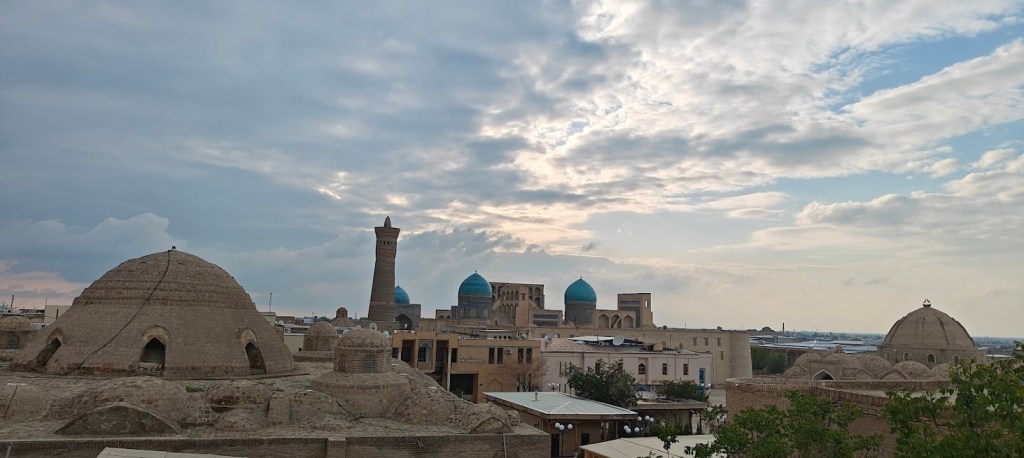
In Bukhara, we saw Job’s mausoleum, a unique structure. Here, interesting bit of trivia, Job is called Ayub. A miniature artist  painted flawless miniatures as he sat selling his work, and the intricately carved knives reminded one of the mystique of these ancient places along the old silk route.


Bukhara Old City View

In Samarkhand,our favourite place was the Shikhar Zinda, which also has the fabulously carved gates of Jannat; a peaceful place filled with a holy, almost spiritual aura.

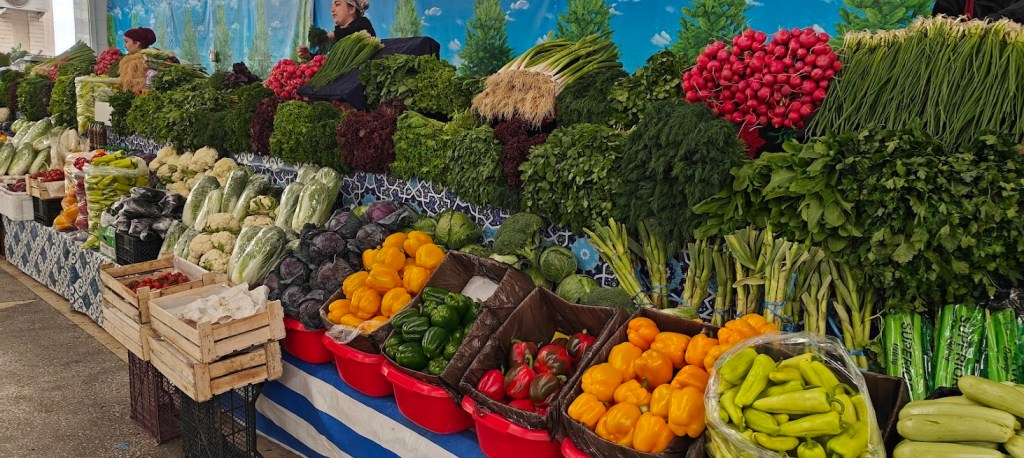
Variety of fresh vegetables
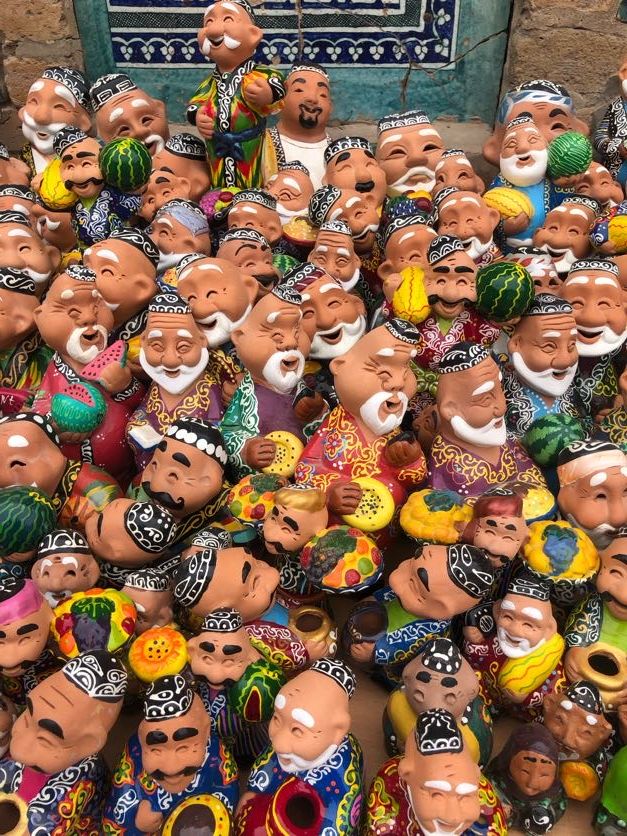
Puppets – Popular Handicraft

Babur, founder of the “Moghul Empire” was born on 14 February 1483 in the city of Andijan, Fergana Valley, contemporary Uzbekistan. Located 350 Km East of Tashkent.

The people speak Uzbek, Russian and Tajik. English is very rare and one has to use Google translator frequently. Be prepared. My Russian which I picked up 45 years back was quite rusty. When I tried speaking, it often caused laughter and great amusement  but it came in handy and helped to break  the ice.

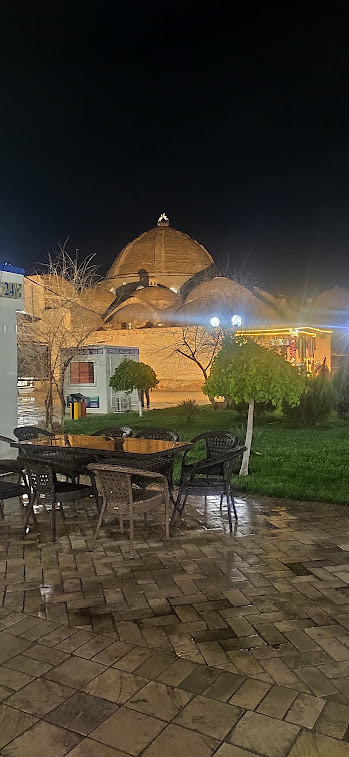
Bukhara by Night

The most striking feature of  Uzbekistan is their cleanliness. Starting with Khiva which is a one horse town to Samarkand and Tashkent, their towns and cities are extremely clean and well maintained. I did not find a single cigarette butt or any kind of litter on their roads, market places, restaurants and parks The towns are beautifully well laid out with broad roads, walkways, with long avenues of tall trees, innumerable parks and gardens. The city landscape is dotted with stately buildings from the Soviet era to modern post independence structures. The overall image is one of meticulous town planning, with care taken to maintain absolute cleanliness. It was a pleasure seeing an Asian country (both its urban and rural areas) surpass any Western one. It is very rare to find policemen on their streets.

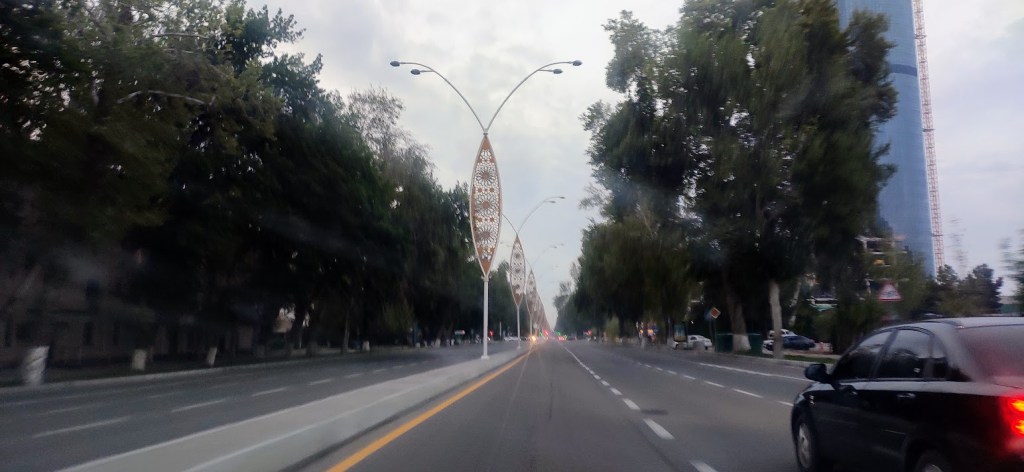
Tashkent Main Road

Dustbins have been placed everywhere in the city,prompting the public to drop the litter in them.This idea ,I am told was introduced a decade ago and it has benefited everyone.The result is visible. All their drains are well maintained and clean. It was a pleasure to see a well laid out and absolutely clean drainage system.

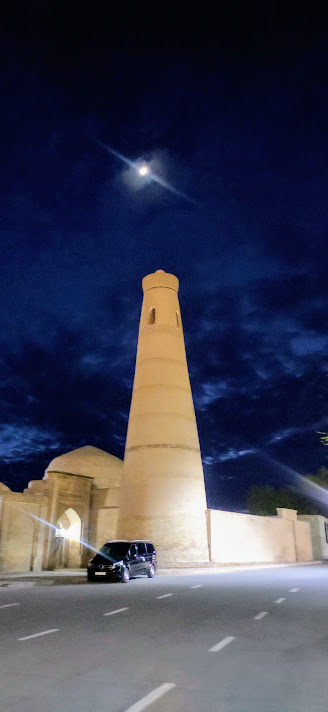
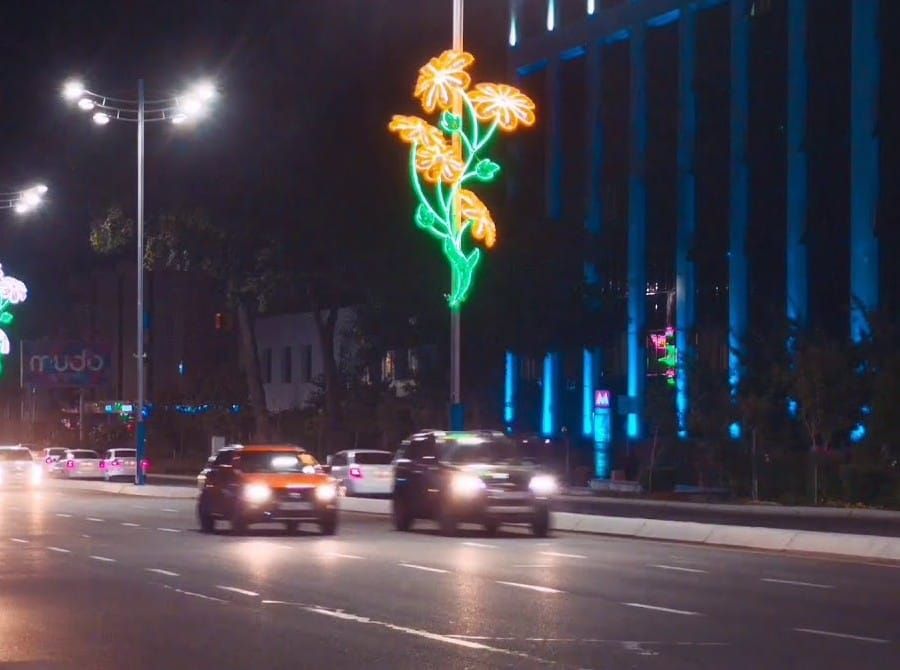
Important city landmarks are lit up every night and this makes for an amazing sky line . There are also decorative lights all along the main roads that add to the beauty of the city at night, especially in Tashkent.

City Lit Up

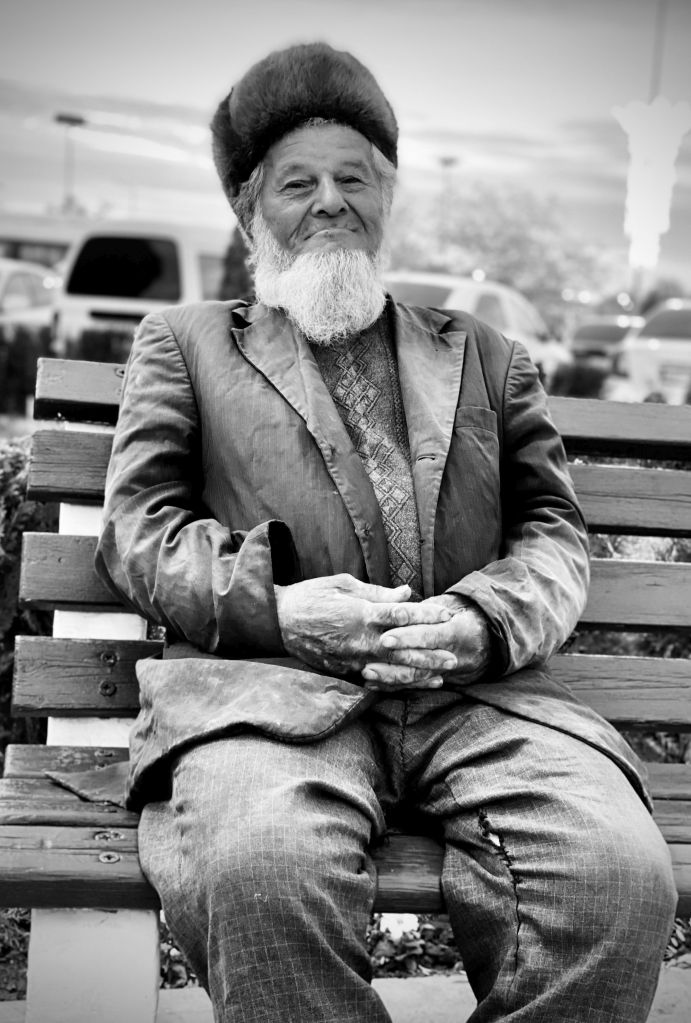
I did not see any beggars during our stay. The existence of a joint family system ensures that all the members of the family are looked after. Social responsibility extends to housing, feeding and clothing the less fortunate,the infirm and the aged. There are no stray animals to be seen anywhere.

A happy old man

The Uzbeks are an extremely proud and honest people. They refuse any tips if they feel they have not earned it. I found them very polite and helpful in their interactions.

Their remarkable cuisine, of course, deserves a mention. Kebabs, Plov (Pulav), Achichuk (Tomato Onion Salad), Samsa (Samosa) , Manty (Dumplings), Lagman (Meat Curry) ,Shivit Oshi (Green Noodles) are just some dishes of their cuisine that are worth trying. They also have a variety of the most delicious breads that I have ever tasted!Their restaurants offer fine dining in every sense of the word. The cost is extremely reasonable. Alcohol is easily available and is inexpensive when compared to Bangalore. You must try their Cognac.

Uzbekistan is reputed to be the most peaceful country among all the Stans.

GM’s Chevrolet cars dominate the streets. 94% of their cars sold in 2022 were Chevrolets. It’s very rare that one sees two or three wheelers on their streets. Taxi apps such as Yandex provide very good service. It’s faster and cheaper than our Uber.

Bollywood and their heroes and heroines are hot currency. Raj Kapoor, Amitabh Bachchan, Rishi Kapoor and the Khans are very popular and so is Mithun Chakraborty! Uzbeks have a special corner for Indians as they love Bollywood movies.

Our routine was very simple; we would go on  a guided tour till 2pm and  thereafter unwind in one of their good joints over chilled beer,salads and delectable Uzbek fare. After a refreshing siesta we were ready once again to explore the culinary scene. There are a number of good restaurants to choose from. It helps to do a bit of research and select. The weather in mid April was just right – not too cold or too hot, with just anip in the air in the mornings and late evenings.

It is very simple to obtain an  e Visa on line. The procedure is smooth. It is issued on line and sent by email after a week or so. Uzbek airways provides good connectivity from Delhi and internally.

At the end of 10 days we had seen all that had to be seen,thoroughly enjoyed Uzbek hospitality and returned home with very happy experiences.

We were very fortunate to engage ‘Advantour.Com’ – tour operators specializing in Central Asia Silk Road travel for all our logistics and travel arrangements. Special thanks to Shavkat Khodjaev, Alyona Kovalyova, Farrukh Khalmurzaev, Marat Askarov for coordinating our travel.

They did a wonderful job and met all our requirements. Talkative Kamal drove us from Khiva to Bukhara and to Samarkand. He spoke non stop in Uzbek. It was totally one sided. Daler took us from Samarkand to Tashkent. He spoke in broken English and was able to communicate well with us.

We were provided three pleasant and knowledgeable English speaking guides. Mrs Saida in Khiva, Mrs Mahsuma in Bukhara and  Mrs Valentina in Samarkand. All of them were a storehouse of information, stories and anecdotes. All in all, they made our city tours extremely interesting and kept us engaged throughout the time we were with them.

Gandikota is Crying Out for Attention – Our Visit 26 Jan 2024

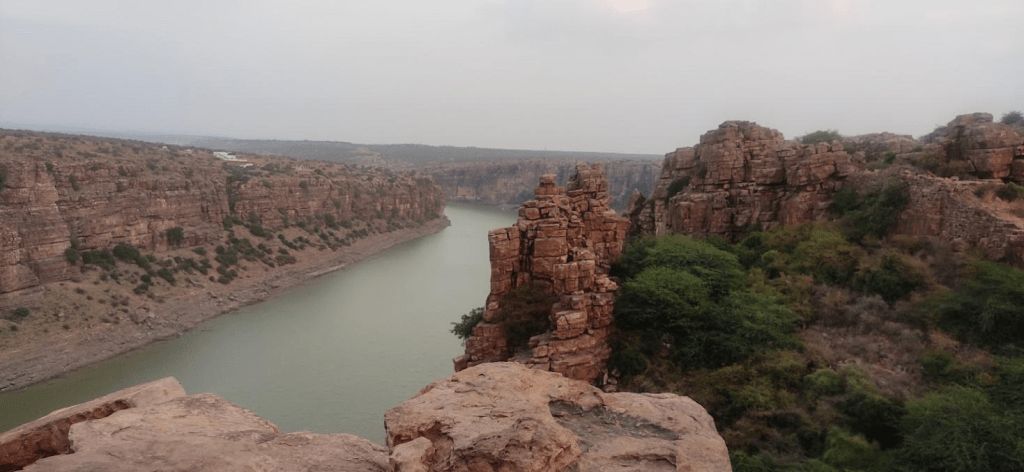
Gandikota is a small village with a historical fort on the right bank of the Pennar river, 15 kms. from Jammalamadugu  in the Kadapa district of Andhra Pradesh, India. The history of this place dates back to 1100 CE. Over time the area has become famous for the deep gorge formed by the river Pennar. The beauty of the gorge has often been compared to the Grand Canyon in Colorado, USA. In addition to a historical fort built during the latter half of the 13th Century AD, there are ancient temples, a masjid, a jail, a step well and a granary.

Gandikota as a tourist destination, provides the enthusiastic traveller with spectacular views of the gorge, natural beauty, ancient history, and temple architecture.

A lot has been written in the social media glorifying the attractions of Gandikota with eye catching photographs and mesmerizing videos  drawing the attention of potential tourists to the place.

All this does not reflect the depressing picture on ground. Once you get there, you find Gandikota crying out hoarsely for attention. This wonderful place has been reduced to a dumping yard for garbage. Neither the concerned State nor Central Government agencies seem to be taking any interest in its cleanliness, upkeep and maintenance. There appears to be a deep sense of apathy and neglect towards this heritage which is of national importance. Terrible approach roads, no meaningful signage or informative boards about the history of the area to help the tourist, third rate eating places and a complete absence of clean public toilets and waste bins, are some of the serious issues which stand out.

In this blame game, we tourists are also responsible for this mess. We litter the place without any hesitation. The ‘Litter Gang’ should be fined and punished if need be.

We proudly talk of Bharat reaching USD 3 Trillion economy, India on its way to becoming a ‘Vishwa Guru’, and so on. In tandem we must develop a method to invest in our heritage assets and bring them up to international tourist standards.

It’s a wakeup call for the Government of India, Andhra Pradesh and their various archaeological and tourism organizations to restore Gandikota to a position of pre-eminence.

I do hope someone is listening.

Travails of Sreenivasa Rao

If I recall correctly, it was early seventies when Sreeni and Sukanya moved into their own house in Jayanagar, post their retirement from a government job. Prior to that Sreeni had pitched his tent in many cities across India. They now looked forward to spending their golden years in their own house and that too in ‘Namma Bengaluru”.

Allow me to deviate a bit. The organized development of Bengaluru started after the “Bubonic Plague” of 1898 devastated the old city. Several colonies with a proper sanitation system were built in Frazer Town, Chamrajpet, Basavanagudi and Malleshwaram. Subsequently, the City Improvement Trust Board or CITB (BDA now) was established in 1945. During the next twenty years it developed over 65 extensions, distributed over 60,000 sites and undertook 160 improvement schemes. Among many well laid out extensions of that period, Jayanagar was the largest extension. Unlike today, the CITB not only allotted sites, but also handed over fully built houses. The entire colony was built in a typically urban grid formation.  All the houses were similar to each other in looks and dimension. Sreeni was the proud owner of just such a dwelling.

Both their children had taken the ‘Quit India’ movement very seriously and had migrated to the USA in the late sixties, albeit twenty five years after Mahatma Gandhi gave the clarion call.

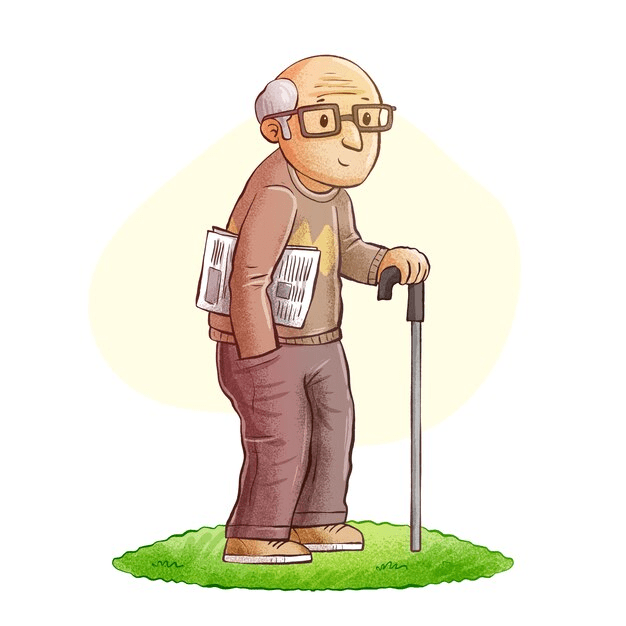
Sreeni knew my father well and had kept in touch all along. After his return to Bengaluru, they renewed their acquaintance and started meeting frequently. My father noticed that Sreeni had become a bit absent minded, prone to forgetting little things, restless and at times insecure. My father narrated quite a few harmless anecdotes involving Sreeni to us.

 Image by pikisuperstar on Freepik

On a daily basis, after a very satisfying breakfast, Sreeni used to wander off towards the Jayanagar 4th Block market square. He would sit on a stone bench and while away his time watching the vehicular traffic and the general public. He was joined by a few friends of similar disposition. If his mood demanded it, he would buy a packet of peanuts and slowly relish it. Normally this outing was very peaceful and invigorating. However, on this fateful day, their august gathering argued very heatedly over a political issue. This acrimonious debate left Sreeni totally exhausted, irritated and disoriented. In this state of mind, Sreeni returned home.

On entering his house, he saw that his neighbour Sampath and his wife Savitri were already seated. He also sat down and exchanged the usual pleasantries with them – how are you, what a pleasant surprise, welcome home, can I get you some water, coffee etc. His neighbours were at a loss to understand the narrative which was unfolding in front of them. They were totally perplexed. Once the troubled and agitated Sreeni calmed down and things became clear, he realized his grave mistake; after the bitter argument in the market square, Sreeni had glided back in the general direction of his house and entered his neighbour’s house, thinking it was his. Blame the BDA for constructing identical looking row houses!

Due to a very serious old age-related issue, his dear wife Sukanya was advised bed rest for an extended duration. She was the ‘early to bed’ kind. On the other hand, Sreeni was a night owl. Over the years he had developed the habit of disappearing into the night for a little stroll to puff away at his favourite Charminar cigarette. This habit irritated his wife no end, especially when she was ordered bed rest. She wanted him constantly next to her. She devised an ingenious method to keep him close to her. She would tie his ‘dhoti’ (a traditional Indian man’s night dress) to the end of her sari ‘pallu’ (loose end) and make a knot. She would fall asleep holding the knot, safe in the assurance that Sreeni was still there at the other side of the knot. This creative imprisonment was totally unacceptable to Sreeni. Not to be left behind, he came up with a brilliant stratagem to outwit his immediate opponent. Whenever he felt the urge to smoke, Sreeni would quietly undo his dhoti and slip out of bed, leaving his wife holding the knot.      

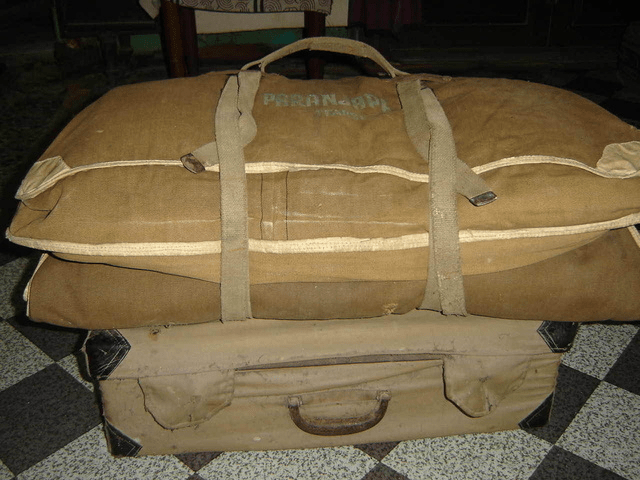
Sreeni and Sukanya decided to travel by train to Davanagere to attend his niece’s wedding. This involved an overnight train journey. Davanagere was known as the Manchester of Karnataka. During the 1960s, it was famous for its textile production. On the appointed day, Sreeni got ready for travel and all their belongings were neatly stored in large bag called a ‘holdall’, a must-have possession in the bygone days. It is of course, extinct today. A fore runner of Samsonite, American Tourister and Aristocrat, the holdall could literally hold all, meaning a light mattress, blanket, pillow, clothes, towel etc.

Hold All  (top view)

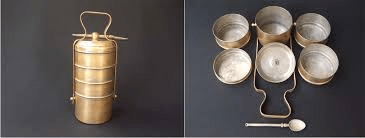
Another popular travel ‘must have’ was the ubiquitous ‘tiffin carrier’

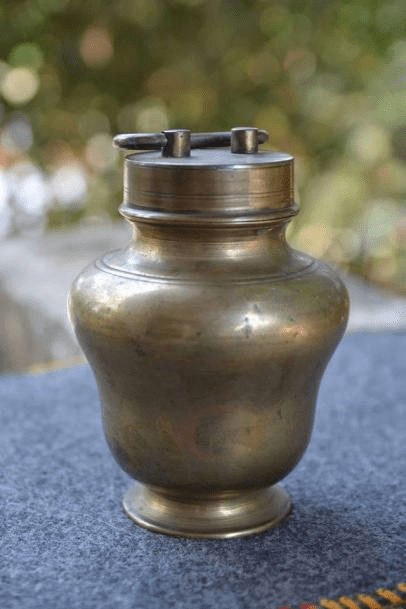
Yet another travel essential was a brass water jug called a ‘Rail chombu’ for carrying water on train journeys.

Sreeni insisted on reaching the railway station early, buying the tickets and settling down in a vacant berth long before his other fellow travellers. On entering the station, Sreeni saw an empty train on the platform. He then went about the task of settling down with military-like efficiency. They occupied two berths and spread their ‘holdall’ and slept deeply. Early the next morning, Sreeni got up from his deep slumber to find that the train had not moved an inch!

I still wonder, did good old Sreeni reach Davanagere on time.