
As a cadet in the Indian Navy I was fortunate to visit Kenya in 1968. The visit was a part of our naval training and also a goodwill mission. We set sail on a long voyage from Mumbai to Mombasa covering a distance of 2452 nm. The voyage took us almost 13 days on board INS Krishna a WW II Black Swan-class corvette. It was in the month of August and the monsoon was raging in the Indian Ocean. The sea was terrifyingly rough and making our life on the ship totally unbearable. All of us were novices. Sailing for the first time on a ship is a very daunting task. Constant rolling and pitching of the ship induces vomiting, laziness and total aversion to food. Living in cramped spaces, incessant rains and muggy weather add to overall gloomy atmosphere. We continue to work in these conditions, keeping watch on the bridge, carrying out sea drills, seamanship exercises and so on. At the end of the voyage we were totally baptised by the sea and we emerged as ‘Sea Dogs” a term used to describe an experienced sailor.
After 57 years I revisited Kenya for a safari holiday along with my dear wife and our long time travel mates, Sushama and Jenith. We chose to fly from Mumbai to Nairobi on Indigo. In their desire to maintain profitability, a lot of the creature comforts have been over looked. The seats are uncomfortable to say the least, the food (which costs extra) is insipid, cold and totally unappetising to say the least.
We spent a total of 8 days in Kenya and visited the National Parks at Amboseli, Naivasha, Nakuru and finally Masai Mara. The safaris were extremely rewarding and we were able to watch the ‘Big Five” (Lion, Elephant, Rhino, Leopard and the Buffalo) at close proximity and for extended periods. I heard the term ‘Ugly Five’ for the first time. These animals include the Warthog, Spotted Hyena, Marabou Stork, Vulture, and Wildebeest. We spotted a number of them. I also understand there is the ‘Rare Five’ which includes the Reticulated Giraffe, Grévy’s Zebra, Somali Ostrich, Gerenuk, and Beisa Oryx only to be found in the Samburu National Reserve.
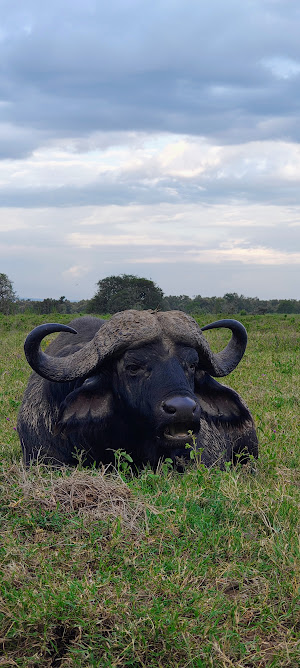
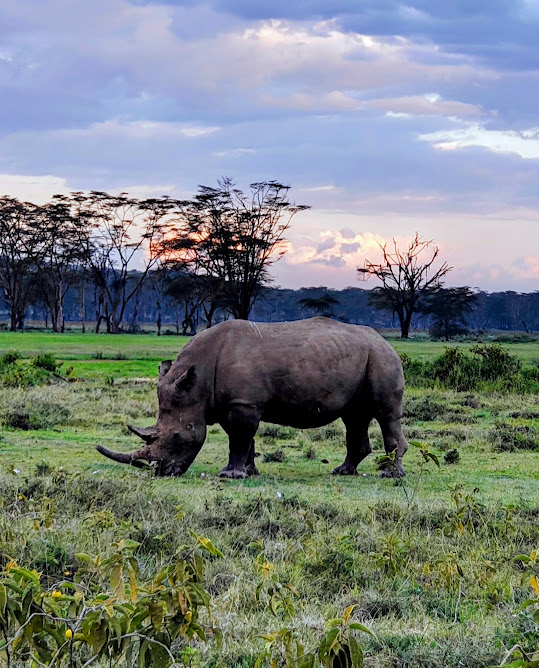
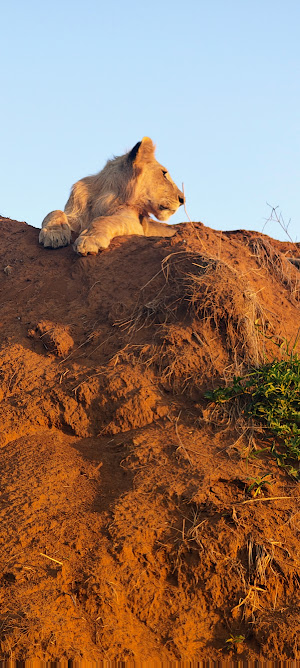
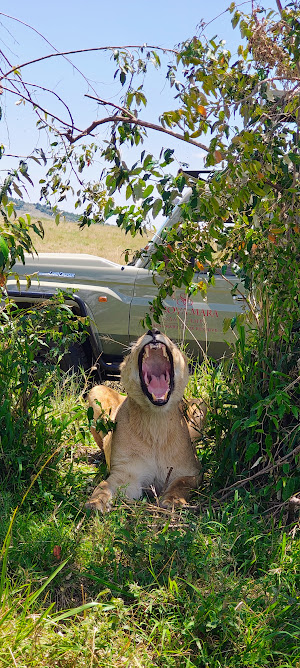
I have always maintained that watching God’s creation is way better than seeing human construction. I prefer the wilderness, mountains, rivers, oceans, safaris and animals, to a city’s architecture with its imposing buildings, memorials, theatres, exhibitions and its roads.
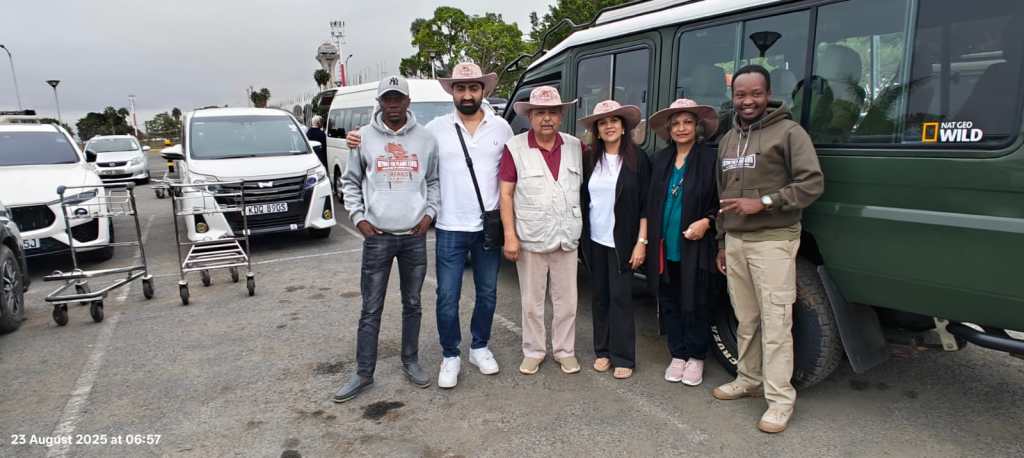
We chose a company called ‘Beyond the Plains Kenya Safari’ for all our travel arrangements. Julius was kind enough to chalk out a nice programme for us. We were picked up at the Jomo Kenyatta International Airport in Nairobi by our driver cum guide Mr Sam, who was pretty knowledgeable. We travelled in a 7 seater Toyota Land Cruiser with a pop-up roof. The journey was comfortable and Sam turned out to be a safe and responsible driver. He also had a lot of anecdotes and tidbits to narrate and keep us engrossed during the long drives. We travelled almost 1000 kms on the highways from Nairobi to all the different game parks and back. In addition we were clocking about 150 kms daily during the actual safari inside the parks. The routine is demanding and at times tiring.
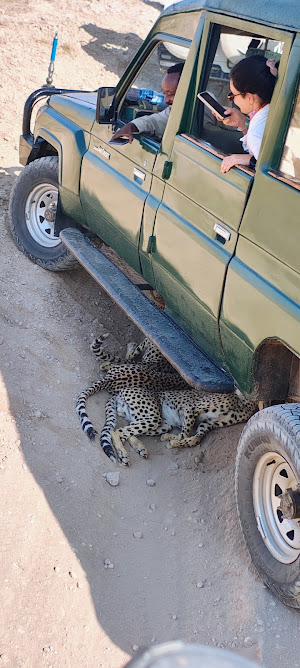
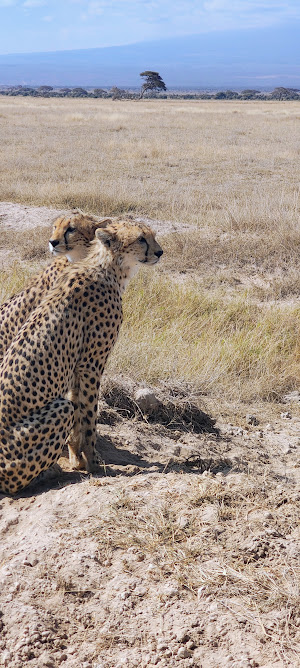
On our second day in Amboseli National Park, we were singularly lucky to sight a family of 6 cheetahs, a mother with her 5 cubs. As luck would have it, the entire family came and took shelter from the sun under our vehicle. They stayed underneath the vehicle for over an hour. Rules do not permit the driver to start the car or make any attempt to move the vehicle. The mother stayed at a distance whilst keeping a sharp eye on her cubs. This was a very rare sighting by any measure. This prompted Sushama an avid animal lover and activist to write, “Seeing such a large litter of cheetahs, especially in a location where cheetah sightings are rare, is considered a remarkable event. The survival of five cubs up to this stage demonstrates exceptional skill and effort from the mother cheetah.” Much to the envy of fellow safari vehicles, our vehicle was surrounded by all six of them, making us immobile for almost an hour and a half. It was a phenomenally lucky and a once in a lifetime encounter. In the evening, we came across a Canadian lady who talked about the sighting and said that there was a safari vehicle which was unbelievably selfish and did not move to allow others a chance to see the magnificent animals. Sheepishly, we confessed that it was our vehicle and that we couldn’t move an inch as the cheetahs were beneath our vehicle.
For anyone planning to visit Amboseli, it is much better to stay inside the park and avoid long drives to the camp and back. There are practically no asphalted roads either to the entry gates or in the park itself. Our safari would start at 7 am and end by 6 pm. We would carry lots of water and a packed lunch. Invariably we ended up distributing the leftover food packets to the local Masai children. Some of the accommodation is spread over a very large area making it difficult for senior citizens like us to walk from the dining area to the room. It’s better to select rooms in advance which are close to the dining area.
Kenyan highways, which have been constructed by the Chinese, are in excellent condition. A large number of infrastructure projects have been undertaken by the Chinese. We also saw the site of the Konza Smart City, just over 60 km south of Nairobi. It has been designed as a “city-from-scratch” to bring research universities, industry and government together. The Chinese telecom giant Huawei has funded the project.
The drive from Amboseli to Lake Naivasha is very picturesque and interesting. Lake Naivasha is famous for its strong population of hippos and flamingos. There are over 1,500 hippos in the area, and you are almost guaranteed to see one. The lake is a birder’s paradise as it is home to over 400 bird species.
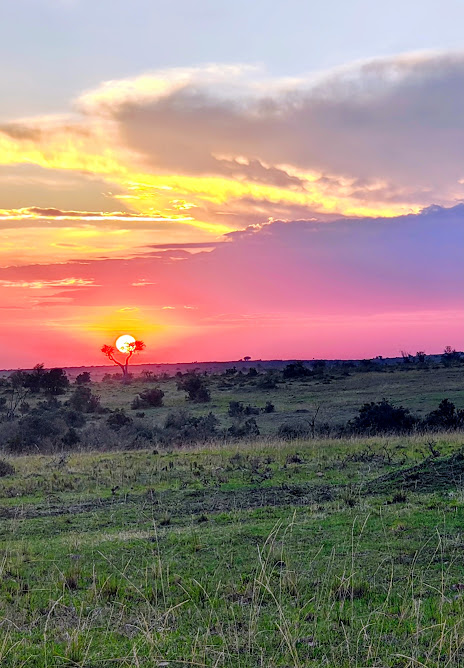
On the way we stopped at an elevated view point to watch the famous ’Great Rift Valley” the cradle of all civilisation. The is a vast geological system stretching approximately 6,400 km from the Mozambique to the Red Sea through Eastern Africa. This continental fault system is a result of tectonic plates pulling apart, creating a series of deep trenches, valleys, and volcanoes. Lake Naivasha is at the highest elevation of the Kenyan Rift Valley at 1,884 metres (6,181 ft.). The lake has a normal surface area of 139 square kilometres (54 sq. mi) Surprisingly Lake Naivasha is a fresh water lake fed by two rivers and underwater springs.
We spent two days enjoying the water front, delectable food, boat rides and feeding birds. Watching an African Fish Eagle swoop down with great precision and nab the fish from the water is a sight to watch. We took a trip to Crescent Island where we went on a walking safari to watch zebra, wildebeest, giraffe and impalas in a predator free park. Spotting rhinos and a variety of aquatic birds such as reed cormorants and great white pelicans was very exhilarating.
We spent some time talking to the local tribal guides and workers in the park. I found them extremely aware of national politics. Interestingly they knew a lot about India, which they consider as a good friend. In 2017, Kenya’s government officially recognized Asians of Indian descent as the 44th tribe of the East African Nation. There is a sizable and growing number of Indian tourists who visit Kenya on holiday each year. Consequently all the resorts cater to the Indian palate. It’s common to find parathas, bhendi sabzi, alu mutter, dahi and other Indian dishes in the buffet.
We also visited a Masai village and thoroughly enjoyed a long interaction with them, watched how they make fire (using two sticks and some cow dung) and visited the chief’s house. We were shown the famous Masai jumping known as ‘Adamu’. The jumping demonstrates their strength and according to tradition, they do it to attract their future bride. The higher the jump, the more attractive the Masai warrior is to a female Masai. The head of the village spoke impeccable English, talking to us at length about their daily life, house, children and much more.
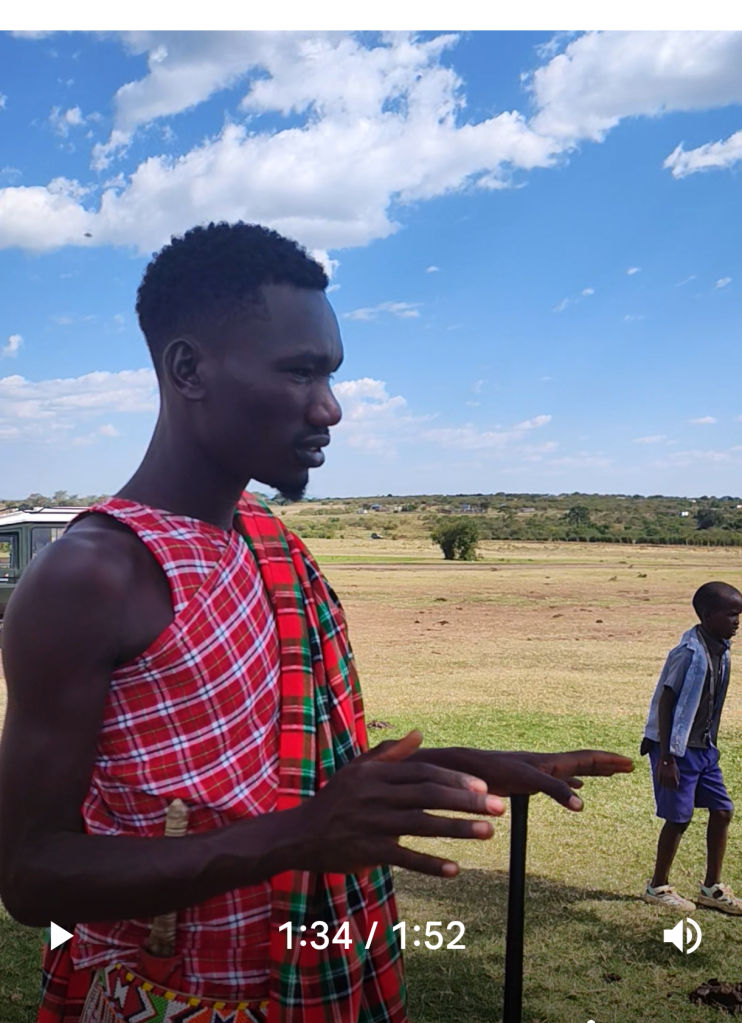
Their diet is mainly derived from the cows they worship and own. They live on cow’s milk, blood and its meat. They are probably one of the few remaining links to a world long gone by. The Masai traditionally remove one lower front tooth (incisor) for several reasons. Its part of an initiation ceremony and it helps in feeding a child in the event that a disease locks the jaw. The chief also said it used to help in identifying a Masai warrior when they were in hand to hand combat with the enemy.
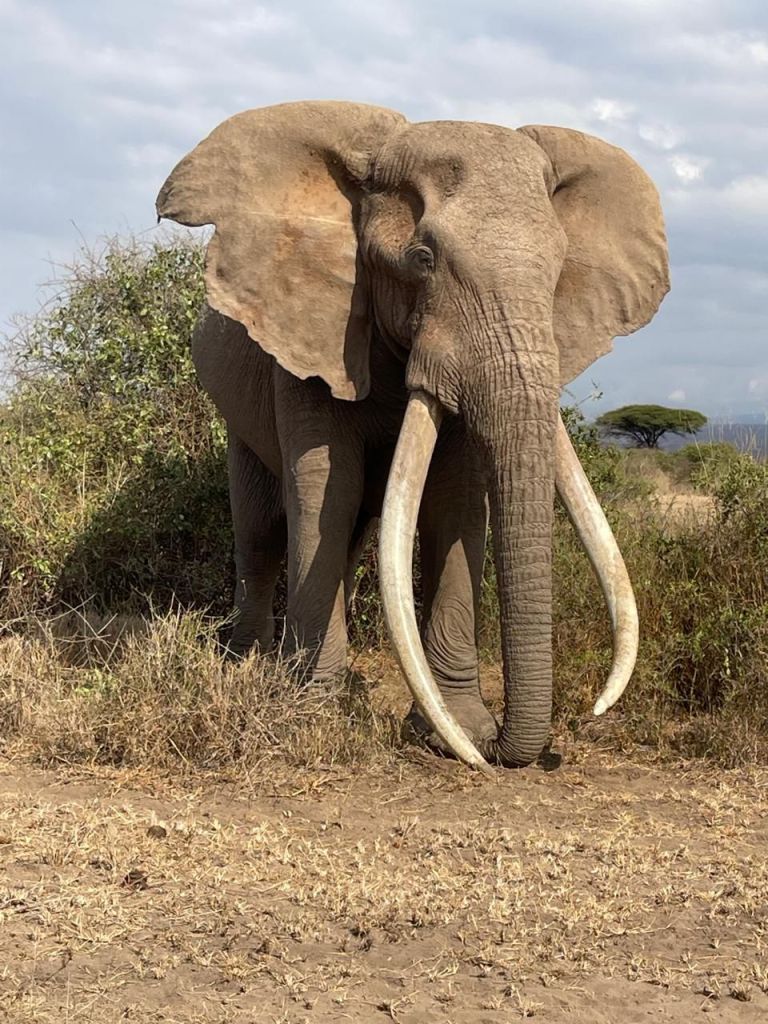
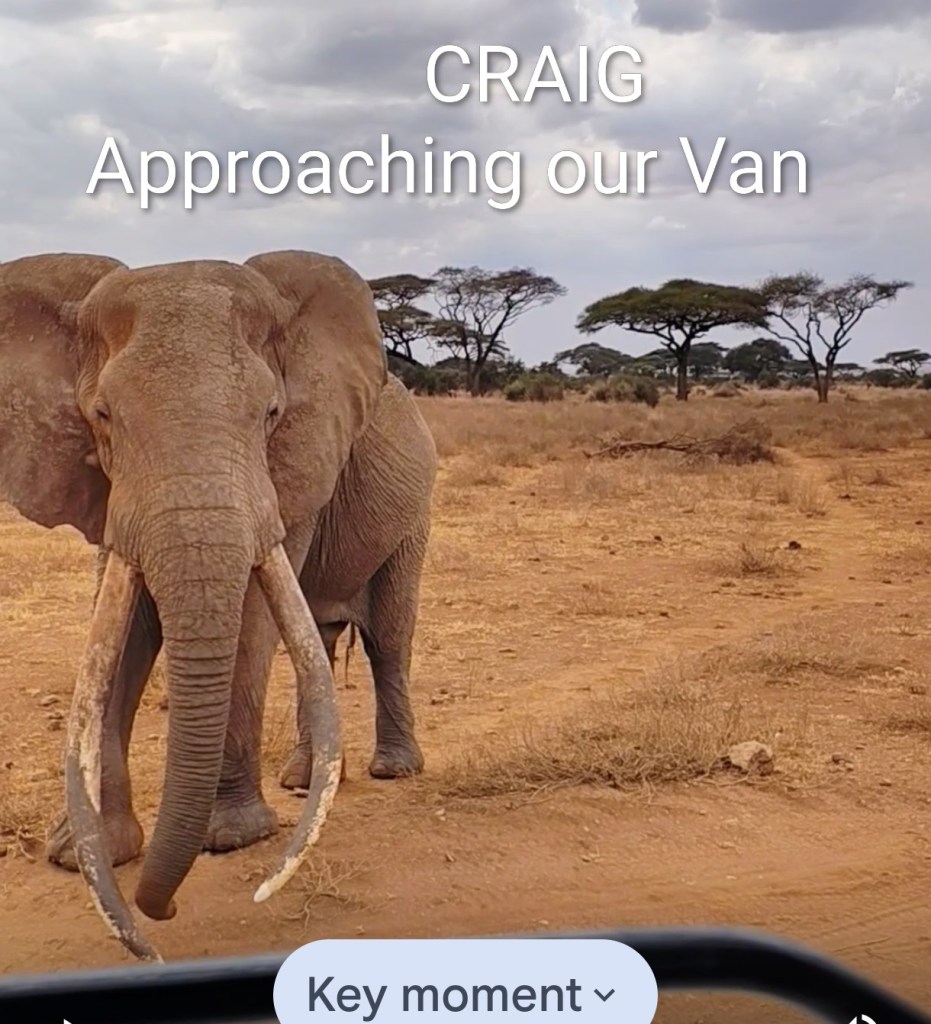
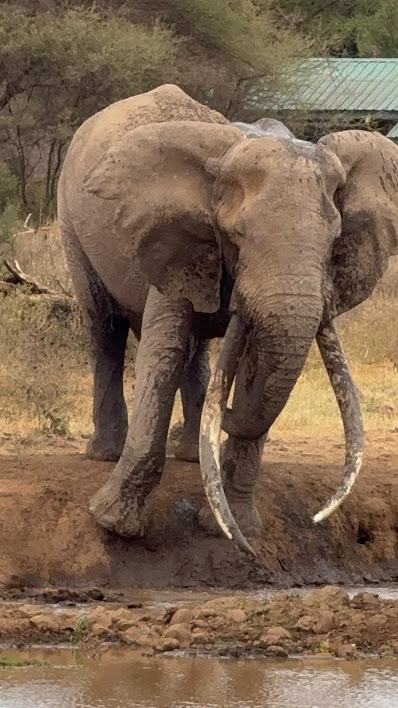
We were extremely lucky to sight ‘Craig’ the Elephant Legend. Craig is arguably one of the most famous elephants in the world. He was born around 1972, making him approximately 53 years old as of 2025. John, a Masai forest ranger, was able to track him and take us to the watering hole where Craig was quenching his thirst. He is one of the last remaining Super Tuskers of Amboseli National Park. A majestic animal, his tusks are so long, they almost touch the ground. Spotting Craig is often described as a profound experience, reminding viewers of nature’s raw majesty.
All the national parks are located at an elevation of 4000 ft. to 5000 ft. Mornings are cool and generally comfortable. As the day progresses it becomes hot. It is good to wear clothes in layers and be able to add or remove a layer to suit the weather. Nights are very cold requiring a good outer layer. Neck pillows are extremely essential during the long and rough safari rides. A face mask is a must to protect yourself from the never ending clouds of fine dust which envelopes every particle of your being when the vehicle hits the mud roads.
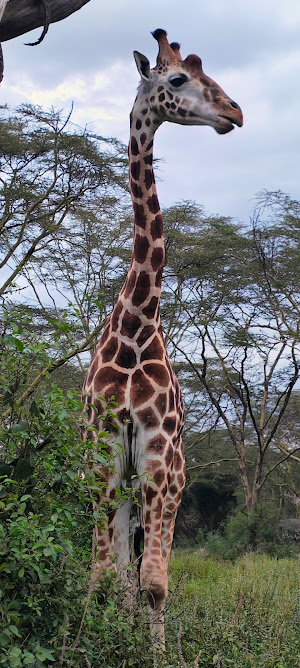
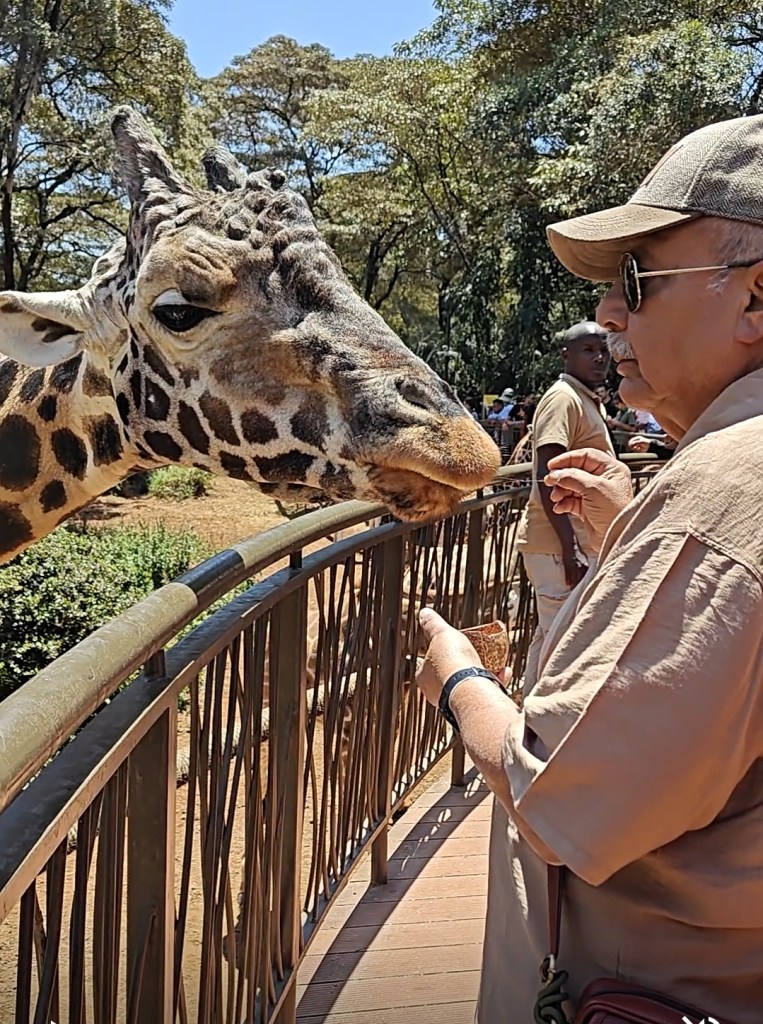
We ended our safari adventure by visiting the Giraffe Park in Nairobi, which permits us to have a close encounter with these ‘sentinels of the savannah’. It was a very exhilarating experience seeing them at such close quarters and getting a chance to feed them.
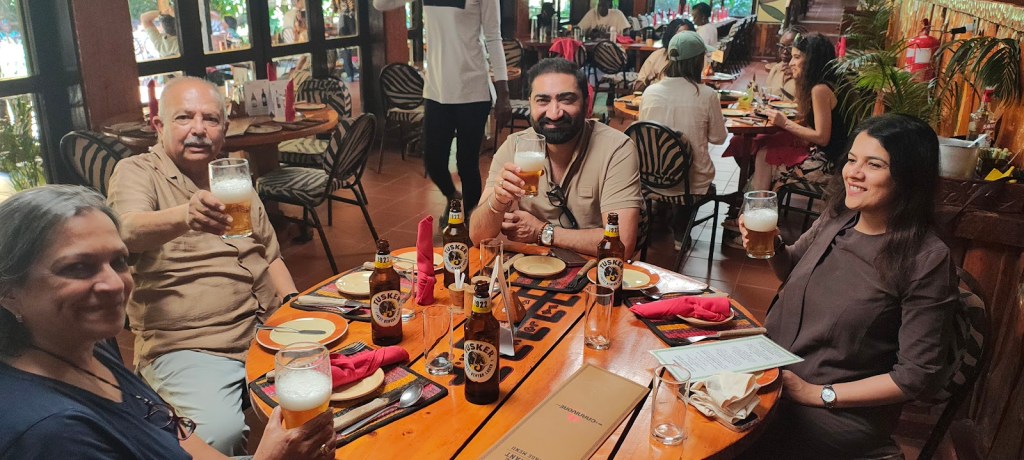
Our trip ended with a visit to the iconic restaurant ‘Carnivore’. It is popularly referred to as the ‘Feast of the Beast’ and ‘all-you-can-eat meat’. Each table is perfectly laid out for a meaty meal with different forks, knives, plates etc. In front of each plate rests a white flag. As long as the flag is up, the waiter continues to serve dish after dish without a pause. The service stops only when the flag is grounded. A variety of sauces are kept on the table and the waiter explains at length which sauce is recommended to go with which meat. The menu has a large variety of choices from charcoal grilled chicken, fish, beef, lamb and pork to turkey, crocodile, ostrich and ox balls making it an unforgettable dining experience for meat eaters.
Kenya fulfilled a long-standing desire to see animals as they were meant to be and we enjoyed every minute of our amazing visit.
As I write this, I receive some really sad news. That wonderful, majestic elephant, Craig, the pride of Amboseli has passed away at the ripe old age of 54. Somehow it seems as if someone we got to know well has died, though we just spent an hour or two watching him at the watering hole, lifting his huge head to gaze at us tolerantly from time to time and going back to quenching his thirst- a lone giant in the wilderness
 Captain's Corner