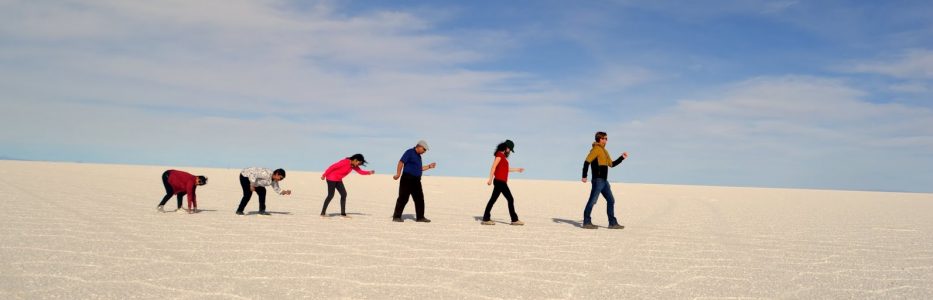

03 May 2012 – Nuwara Elyia to Yala
There are a number of interesting features about Sri Lanka which I noticed during our short stay. The number of beggars is very miniscule – one could get away by saying there are no beggars. I saw one in Nuwara Eliya and that’s about all. The country has rolled back to peace time double quick – you do not find either policemen or the army on the streets patrolling – one finds the usual traffic and beat cops, as in any other part of the world. Only on May 1st did we find some bandobust because of Labour Day. Our guide told us that the Army has been kept busy in nation building activities – literally into civil building construction. The literacy level is very high – 90%. The government runs free schools for all and the population is very happy with the arrangement.
The Maruti 800, Alto, Swift and Nano are colourfully painted as taxis and are very popular in the island along with the Indian auto. Autos in bright red, yellow, black, green and blue ply on the road.
Their highways warn you of an ‘Earth Slip’ instead of a ‘Land Slide’.The Jungle Fowl is the national bird and the Blue Water Lily is the national flower. Na is their national tree and the elephant their national animal
A can of light beer is 40 SLR. Every city has a memorial in honour of their dead soldiers. The army is revered by the common man.The Sri Lankan New Year is on 13 and 14 April every year.
Sri Lankan food has a slight resemblance to our own coastal food, especially that of Kerala. We made it a point to eat some Sri Lankan food – similar to a thali – it is spicy and nice. What stands out is the quantity which is served. Over a period of time we learnt to order one plate and two of us would share. Curd is very popular – which came as pleasant news to both the parties – from Haryana and Mysore. Cow’s milk is used in tea and coffee and buffalo’s milk is used for making curd. All along the highway one finds curd being sold in earthenware pots. Mr Duminda made us eat ‘Mangosteen’– The fruit is sweet and tangy, juicy, and somewhat fibrous, with an inedible, deep reddish-purple colored rind when ripe and ’Durian’ which is a fruit with a unique odour, and formidable thorn-covered husk. The smell evokes reactions from deep appreciation to intense disgust.


Figure 1 – Mangosteen’ and Durian
After a bit of fruit tasting we finally reached the Seetha Amman temple. The Seetha Amman Temple is located approximately 1 km from Hakgala Botanical Garden Garden, 16 Km from Nuwara Eliya. The temple is located in the village “Seetha Eliya”. This place is believed to be the place where Sita was held captive by the king Ravana of the epic,
Ramayana.

Figure 2 – Sita Amman Temple


Figure 3 – Sanctum Sanctorum with deities of Rama, Sita and Hanuman


Figure 4 – Another view of the temple


Figure 5 – Images on the temple


Figure 6 – After the pooja


Figure 7 — Impression of Hanuman’s feet in the rock


Figure 8 – Our very own Rama and Sita


Figure 9 – Cliff resembling ‘Ravana’s head’
The road to Yala is excellent and we passed through two lovely hill stations Ella and Banderavella. The landscape, with lush green hills, makes the drive very pleasant. We stopped for a short while at the ‘Ravana Ella’ water falls and thereafter chased down a hot and tasty Sri Lankan meal with some chilled beer.

Figure 10 – According to legend, it is said that Ravana (who was the king of Sri Lanka at the time) had kidnapped princess Sita, and had hidden her in the caves behind this waterfall, now simply known as the Ravana Ella Cave


Figure 11 – At the falls with Naveen


Figure 12 – With the restaurant staff


Figure 13 – Mihisara Lake at Yala


Figure 14 – Lotuses practically cover an entire section of the lake
03 May 2012 – At the ‘Chaya Wild Hotel’
Chaya Wild, located within the Yala National Park, blends beautifully with the surroundings. Aptly named wild – the Jungle Chalets offer the tourists a feel of the wilderness through the safe confines of the room. The chalets are inconspicuous and merge beautifully with the forest. The hotel itself is extremely eco friendly and the inside of each chalet is constructed in such a manner as to showcase simplicity and at the same time maintaining elegance and comfort. The hotel has a very nice observation post, which offers a panoramic view of the forest area.
Chaya Wild shares its border with the mighty Indian Ocean. The sea, beach, a nearby lake and the forest join each other seamlessly, making the hotel stay very interesting. The residents have multiple options to explore Mother Nature. The beaches are pristine with not a single soul as far as the eye can see.
The area adjacent to the swimming pool is divine. The constant roar and hum of the sea, the rustle of dry leaves, the sound of the wind through the trees, makes the place a true paradise. One can hear various birds in constant melodious conversation with each other. The atmosphere is sheer bliss.
The weather in the shade is very comfortable – the proximity of the sea and the ensuing sea and land breezes keep the area cool.
The entire hotel area is full of wild life – langur monkeys, wild boars, bison and if one is lucky wild elephants pass in front of the chalets – as if to ask us what we humans are up to on their land. The animals appear to have a daily routine and a set route to follow each day. We saw hordes of monkeys and wild boar at the door step going about their business – the residents can move about without any hindrance from these animals. The playful monkeys are a sight to watch.
The stay in Chaya gave all of us a different kind of experience and we were able to savor it to the fullest as time slows down in such places- a far cry from the hustle and bustle of city life.

Figure 15 – By the pool

Figure 16 – Jai all pleased with the hotel


Figure 17 – So are Navin and Kats


Figure 18 – A different view


Figure 19 – Lots of trees surrounding the pool


Figure 20 – As the sun begins to set

Figure 21 – Simple yet beautiful and cozy


Figure 22 – A very well appointed bathroom


Figure 23 – Our Chalet


Figure 24 -Loitering wild boar


Figure 24 A – Evening Conference

Figure 25 – The night has just started

Figure 26 – God knows what they are doing


Figure 27 – From a distance


Figure 28 – My turn to pose


Figure 29 – Spot the bison


Figure 30 – Spot the Lizard


Figure 30 A – Hello Good morning

Figure 31 – View from the canopy


Figure 32 – Walk on the beach


Figure 33 – The family on the sands of time


Figure 34 – Sea thrashing the rocks


Figure 35 – Who has a bigger paunch


Figure 36 – Previous night’s elephant walk down the beach


Figure 37 – Jai ready for breakfast at the ‘Machan’


Figure 38 – The observation post


Figure 39 – The mighty sea and the forest


Figure 40 – The scene is complete with the lake


Figure 41 – With my very dear friend

Figure 42 – All happy
04 May 2012 – Safari to Yala National Park
Yala National Park is the most visited and second largest national park in Sri Lanka. Actually it consists of five blocks, two of which are now open to the public. It is situated in the southeast region of the country, and lies in Southern Province and Uva Province. The park covers 979 square kilometres (378 sq mi). The park is best known for its variety of wild animals.
Yala lay in the direct path of the 2004 Indian Ocean Tsunami, which impacted Sri Lanka 90 minutes after its generation. The tsunami caused severe but localised damage to the park, with around 250 people being killed.
Yala is one of the 70 Important Bird Areas (IBAs) in Sri Lanka. Of 215 bird species of the park, six are endemic to Sri Lanka. They are Sri Lankan grey Hornbill, Sri Lankan Jungle Fowl, Wood Pigeon, Crimson – fronted Barbet, Black Capped Bull Bull and Grown capped Babber. Including the Sri Lankan Elephant, 44 species of mammals are residents of Yala National Park, and it has one of the highest leopard densities in the world. 25 individual leopards are estimated to roam in Block I. The elephant herd of Yala contains 300–350 animals. The Sri Lankan Sloth Bear, Sri Lankan Leopard, Sri Lankan Elephant, Wild water Buffalo are threatened species that Yala is harbouring.
We went on a safari and were lucky to sight many wild animals except for the famed cheetah.

Figure 43 – Commencing Safari


Figure 44 – Giant Monitor crossing in front of us

Figure 45 – Yet another monitor


Figure 46 – A stork feeding


Figure 47 – Any dentist around


Figure 48 – Catching up on sleep


Figure 49 – Very strange to find both the prey and the predator


Figure 50 – Ready for a bite


Figure 51 – Wild elephants bathing


Figure 53 – A close up of a young bull elephant


Figure 54 – Another loner


Figure 55 – Jungle Fowl – The National bird


Figure 56 – Painted stork


Figure 57 – Pea hens


Figure 58 – The forest landscape


Figure 59 – Plenty of water bodies

Figure 60 – Lotus in abundance

Figure 61 – Darkness begins to envelope the forest
 Captain's Corner