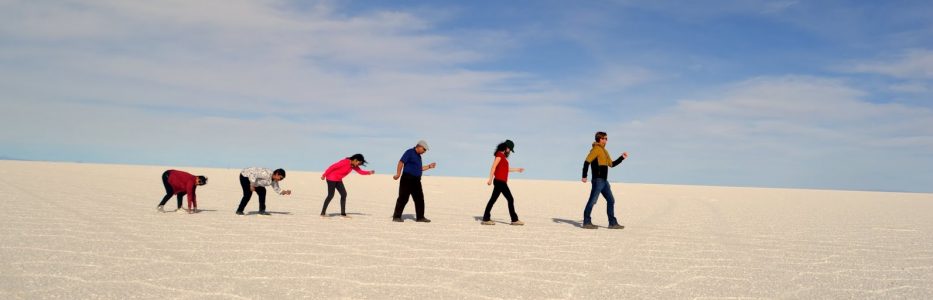

Back to blogging after a long time ……..
After a very relaxing stay in Lake Titicaca we drove back to La Paz and spent a delightful evening at the hotel. Very early next morning we took a flight to Uyuni, located 410 Km South of La Paz. Uyuni is a small town situated in the middle of nowhere which acts as a staging post for tourists visiting the salt flats. Tourism is the main source of income.
We booked with the ‘Red Planet Expeditions’ for our three days tour of the salt flats. Salar de Uyuni is part of the Altiplano of Bolivia. The Altiplano is a high plateau, which was formed during uplift of the Andes Mountains. The plateau includes fresh and saltwater lakes as well as salt flats and is surrounded by mountains with no drainage outlets.
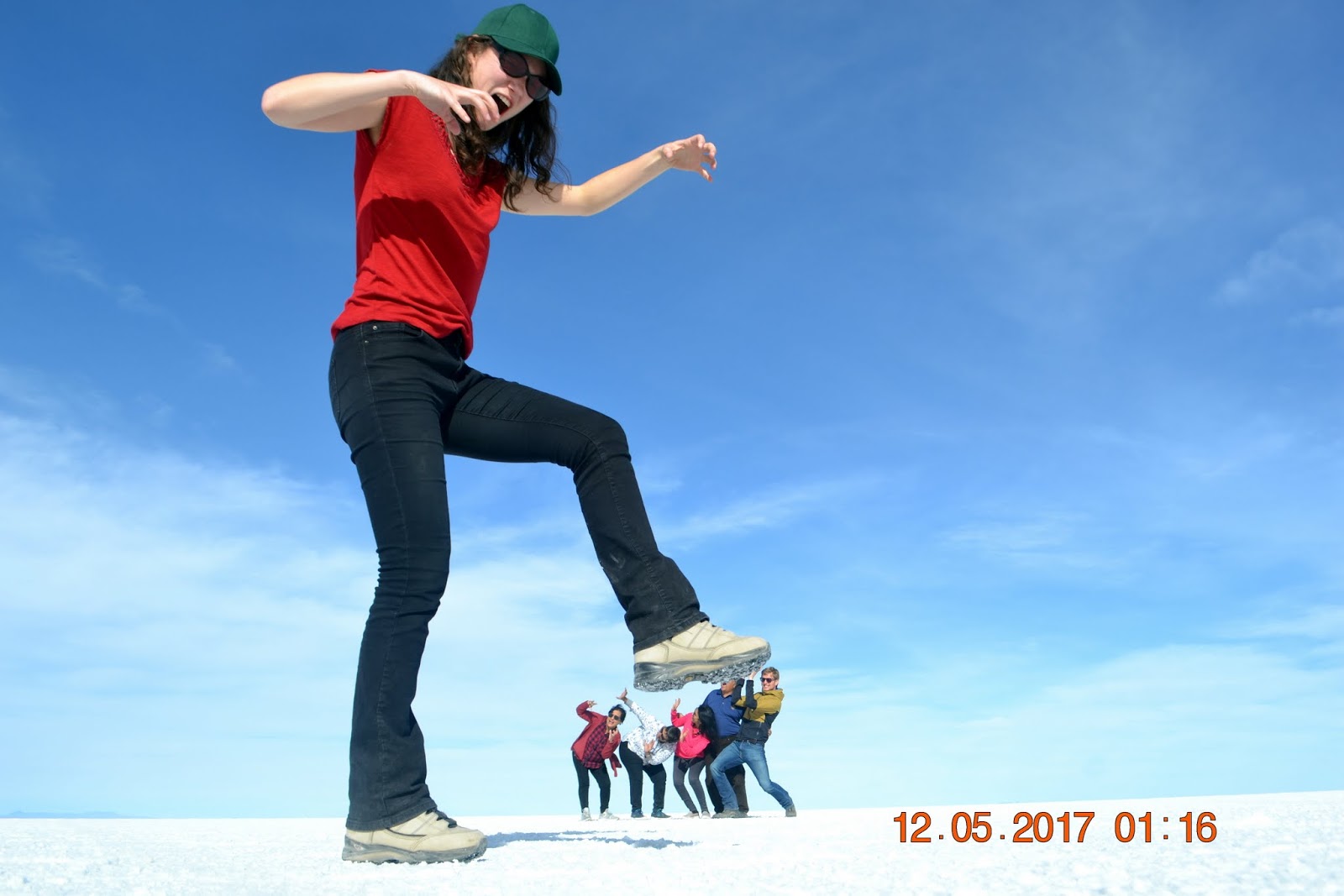
Figure <!–[if supportFields]> SEQ Figure \* ARABIC <![endif]–>1<!–[if supportFields]><![endif]–> – Fascinating trip
Visiting salt flat was a major item in our must do list. Friends who had visited the Salt flats had cautioned us about the extreme conditions under which we have to travel. Uyuni is located at a height of 12,000 ft and the tour reaches a height of 16,600 ft. In addition to the omnipresent altitude sickness we had to face sub zero temperature and extremely strong wind. Due to its desolate and remote location, the Red Planet had warned us in advance about our extremely basic accommodation and food.
Four of us and two youngsters from Netherlands travelled together in a Toyota land cruiser. After an extensive briefing we departed Uyuni. The salt flats are one endless sea of salt covering a mind blogging 10,582 square kilometers. It is covered by a few meters of salt crust, which has an extraordinary flatness with the average elevation variations within one meter over the entire area of the Salar. The crust serves as a source of salt and covers a pool of brine, which is exceptionally rich in Lithium. It contains 50 to 70% of the world’s known lithium reserves. The Salar is virtually devoid of any wildlife or vegetation. The only vegetation that can be seen is the giant cacti reaching up to 40 feet. On a still day, the thin layer of water covering the salt forms a giant mirror reflecting the sky.
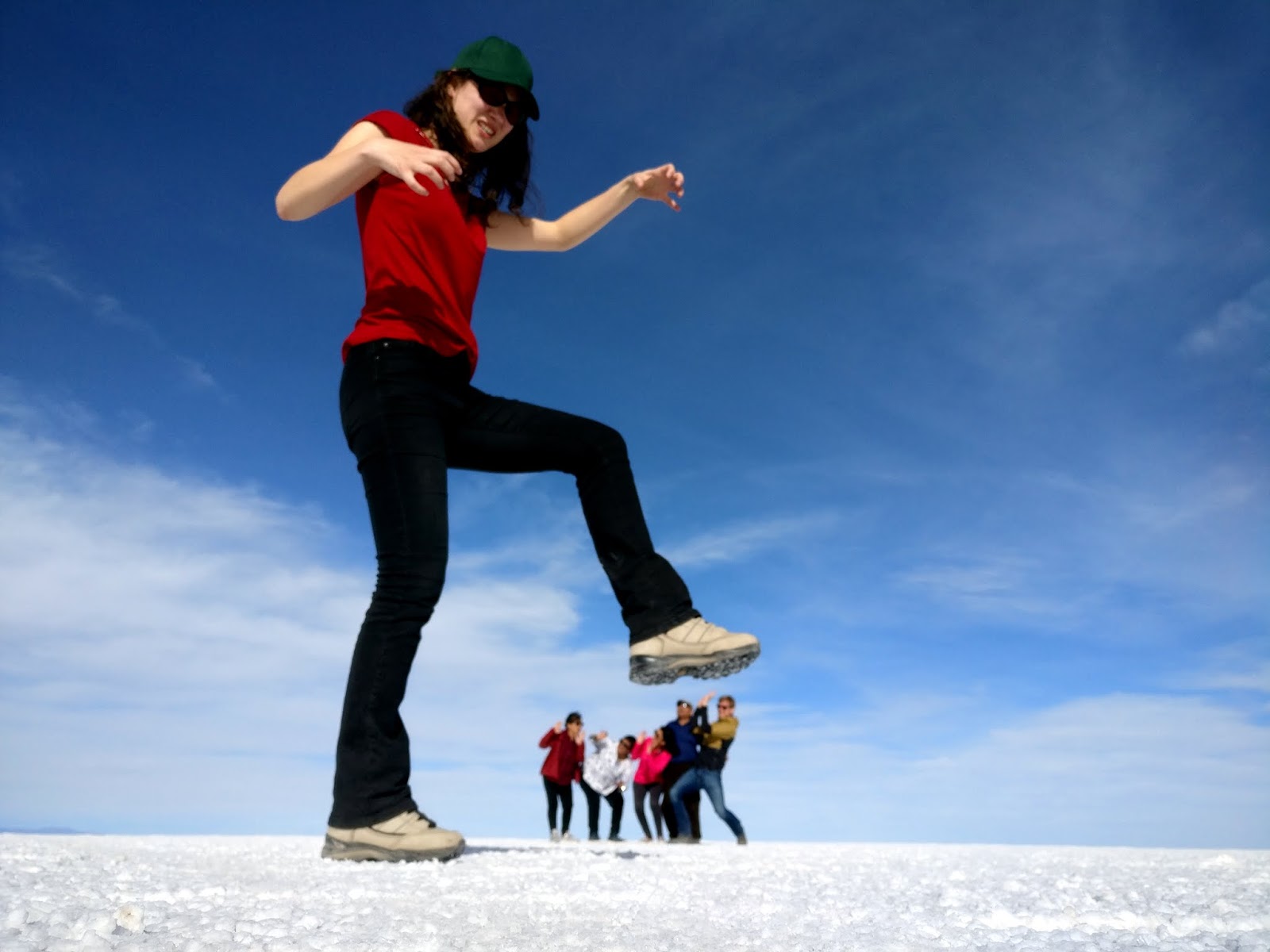
Travelling endlessly from one attraction to another was an integral part of our visit. In all we covered 1400Km of salt flats in three days. We stayed in houses entirely built with salt bricks, including the dining tables, chairs and beds. We chewed lots of coca leaves to overcome high altitude sickness, drank endless amount of water and ate very frugally throughout our stay. Sleeping was yet another big issue. In spite of four layers of clothing, blanket and a sleeping bag, nights were unbearable. The mirror like flat surface gave us unlimited opportunity for trick photography. The temperature varied from +5 to – 4 deg C. The strong wind tears into your body. One must always park your car facing the wind or risk your door being blown away with the wind as one tries to get out of the car. I endured a bit of gum bleeding at 16,600 ft on top of an extinct volcano. We were able to frequently sight the local animal life – James Flamingo, Culpeo. Llama and Alpaca. Incidentally James Bond film “Quantum of Solace” was extensively filmed in the Salt Flats.
The most fascinating aspect of our trip was the images of snow capped mountains, hills in various hues of colours entrapped between clear blue skies and the salt flats. Watching sunset and gazing at the star filled night sky also kept us busy.
In spite of all the hardship, visit to the salt flats was a rare and memorable experience.
Day 1
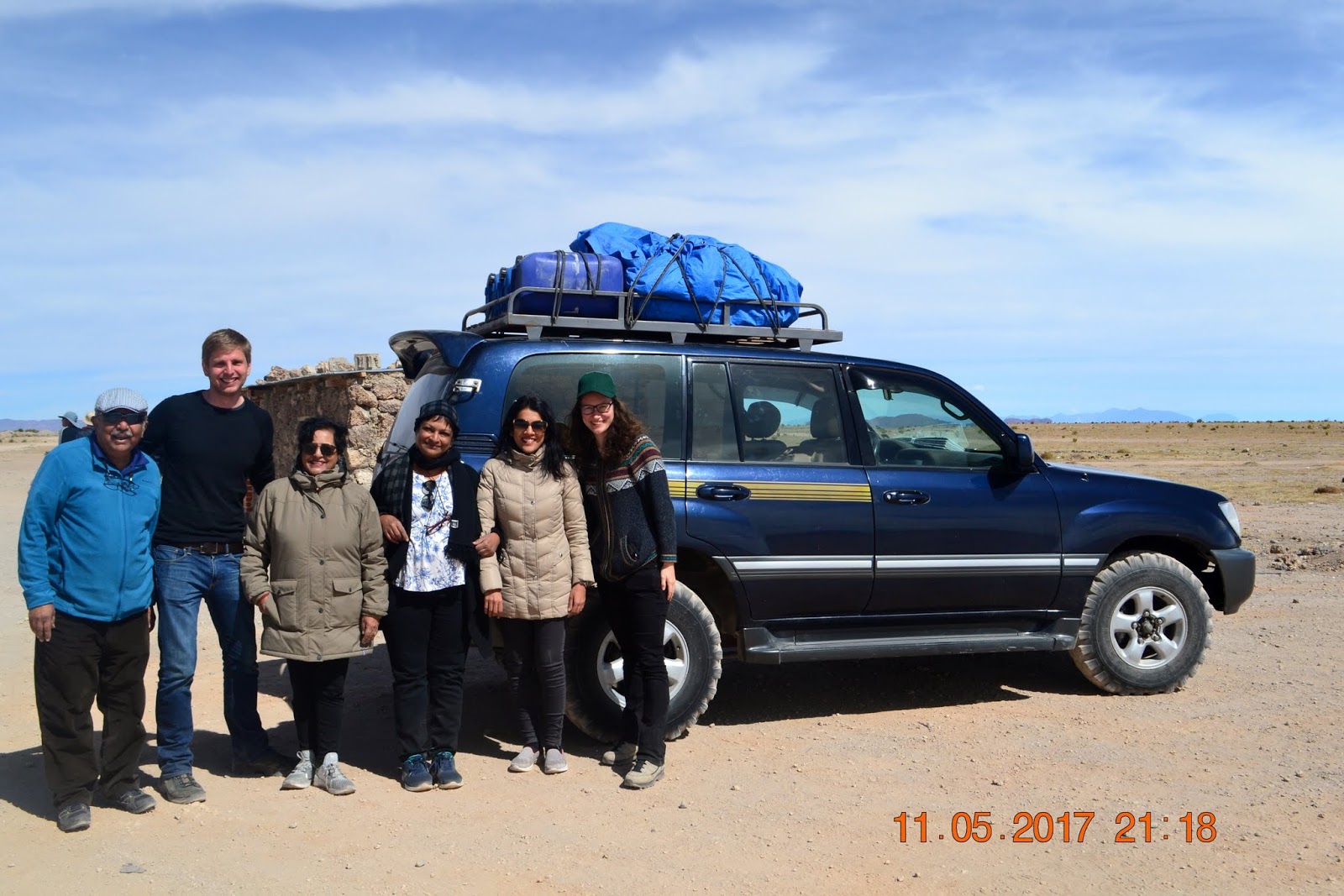
Figure <!–[if supportFields]> SEQ Figure \* ARABIC <![endif]–>2<!–[if supportFields]><![endif]–> The companions
“Great Train Graveyard”
Uyuni has long been known as an important transportation hub in South America and it connects several major cities. In the early 19th century, big plans were made to build an even bigger network of trains out of Uyuni, but the project was abandoned because of a combination of technical difficulties and tension with neighboring countries. The trains and other equipment were left to rust and fade out of memory.
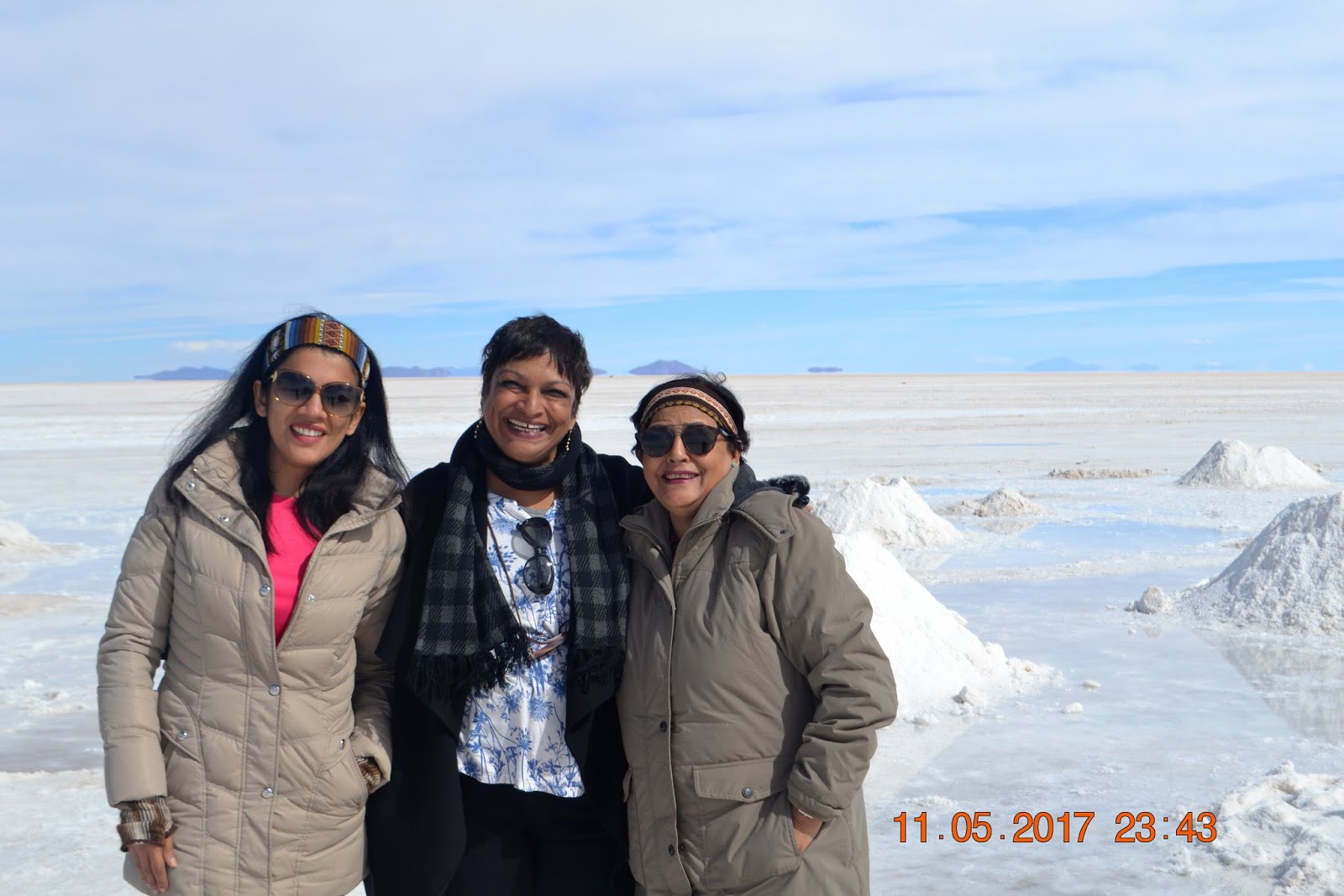
Figure <!–[if supportFields]> SEQ Figure \* ARABIC <![endif]–>3<!–[if supportFields]><![endif]–> At the graveyard
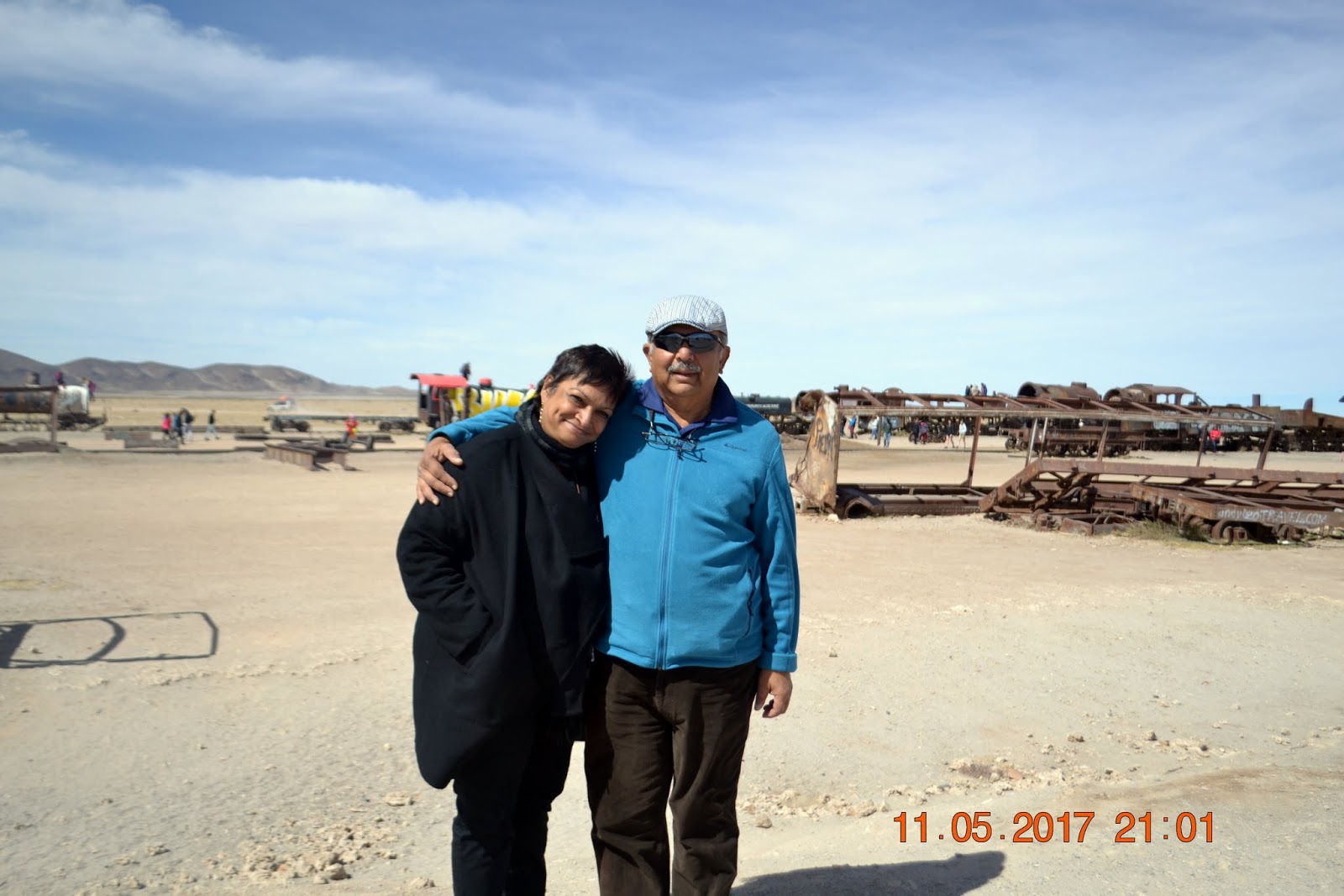
Figure <!–[if supportFields]> SEQ Figure \* ARABIC <![endif]–>4<!–[if supportFields]><![endif]–> Getting Cozy
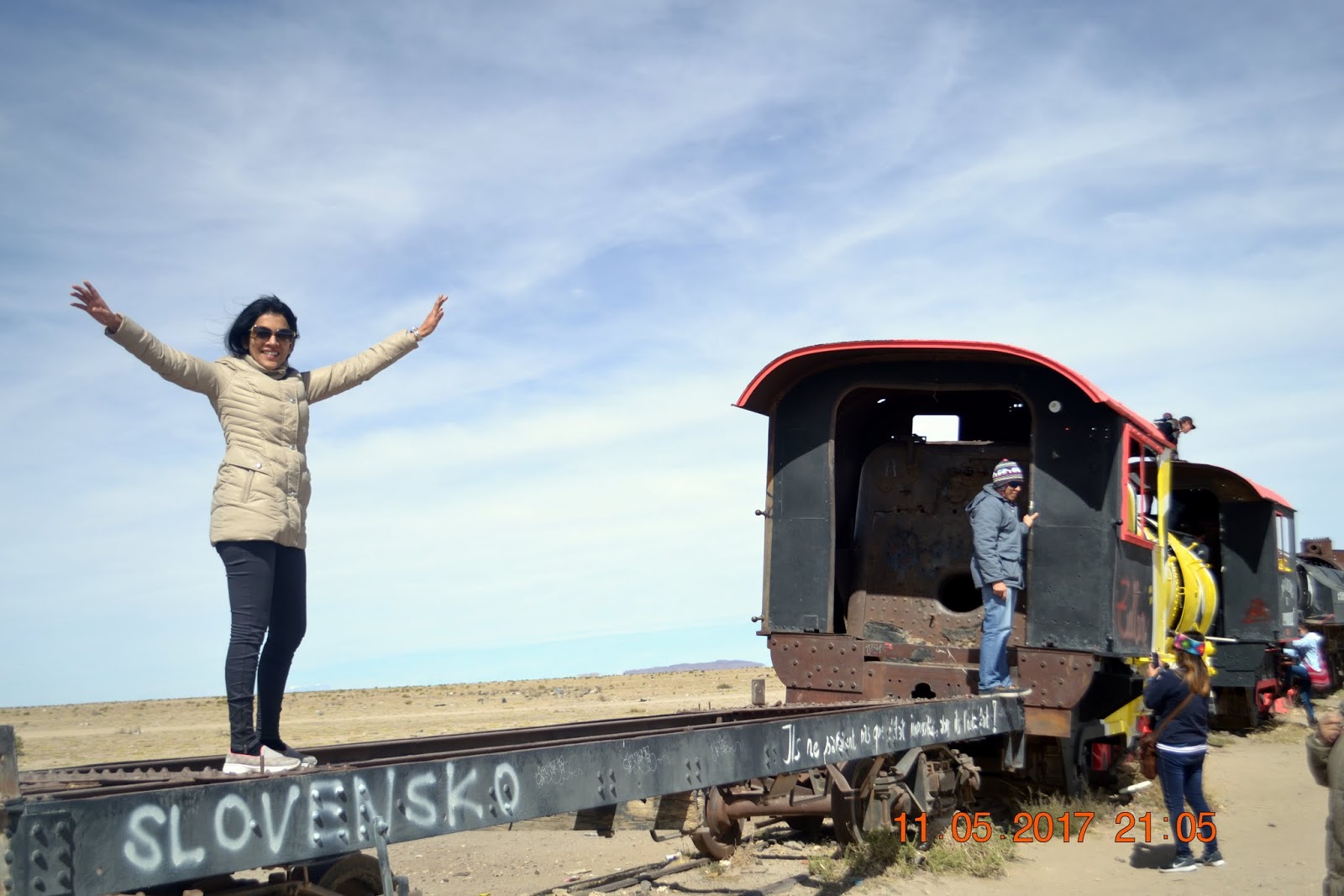
Figure <!–[if supportFields]> SEQ Figure \* ARABIC <![endif]–>5<!–[if supportFields]><![endif]–> Sushama all excited
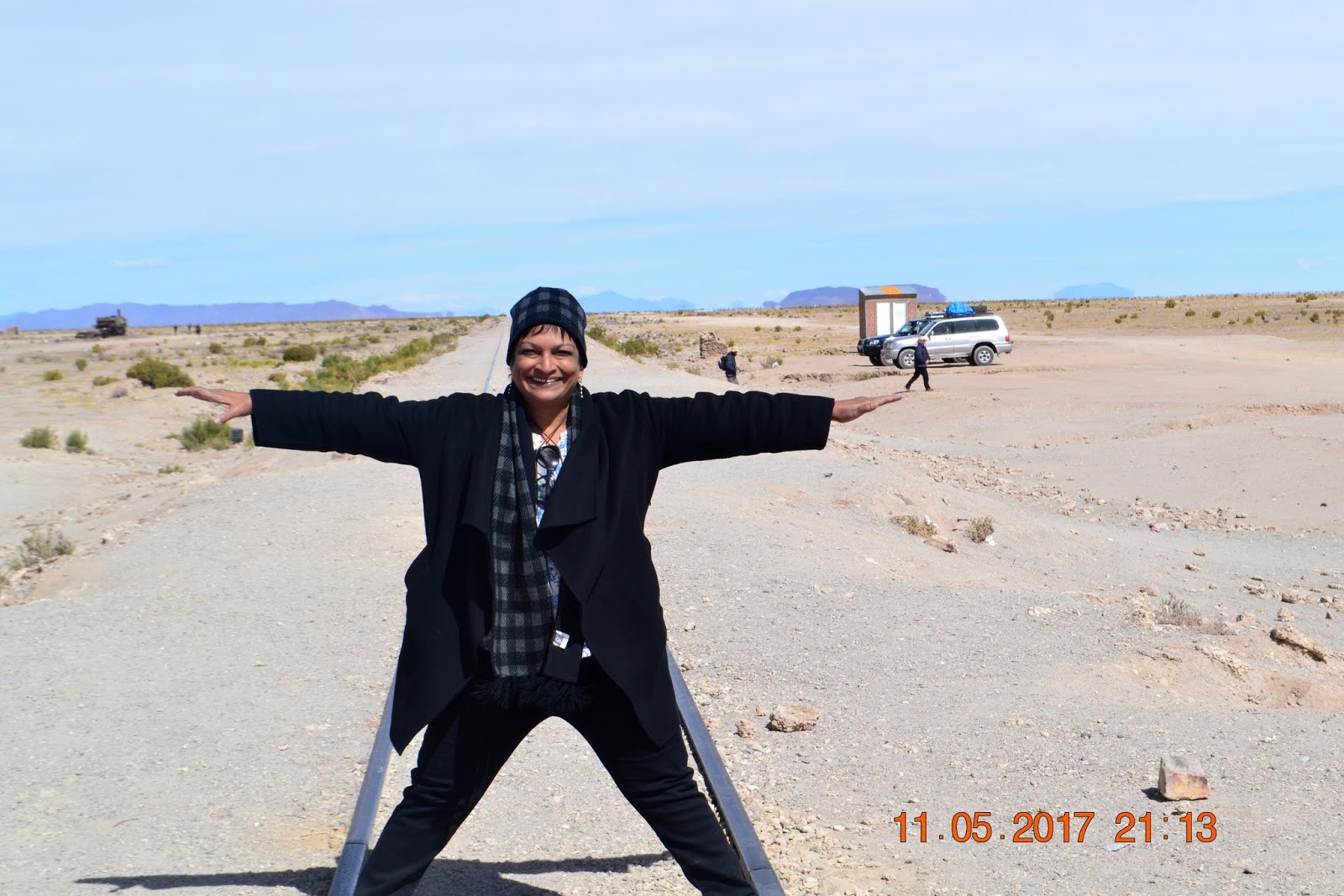
Figure <!–[if supportFields]> SEQ Figure \* ARABIC <![endif]–>6<!–[if supportFields]><![endif]–> – Rail tracks to nowhere
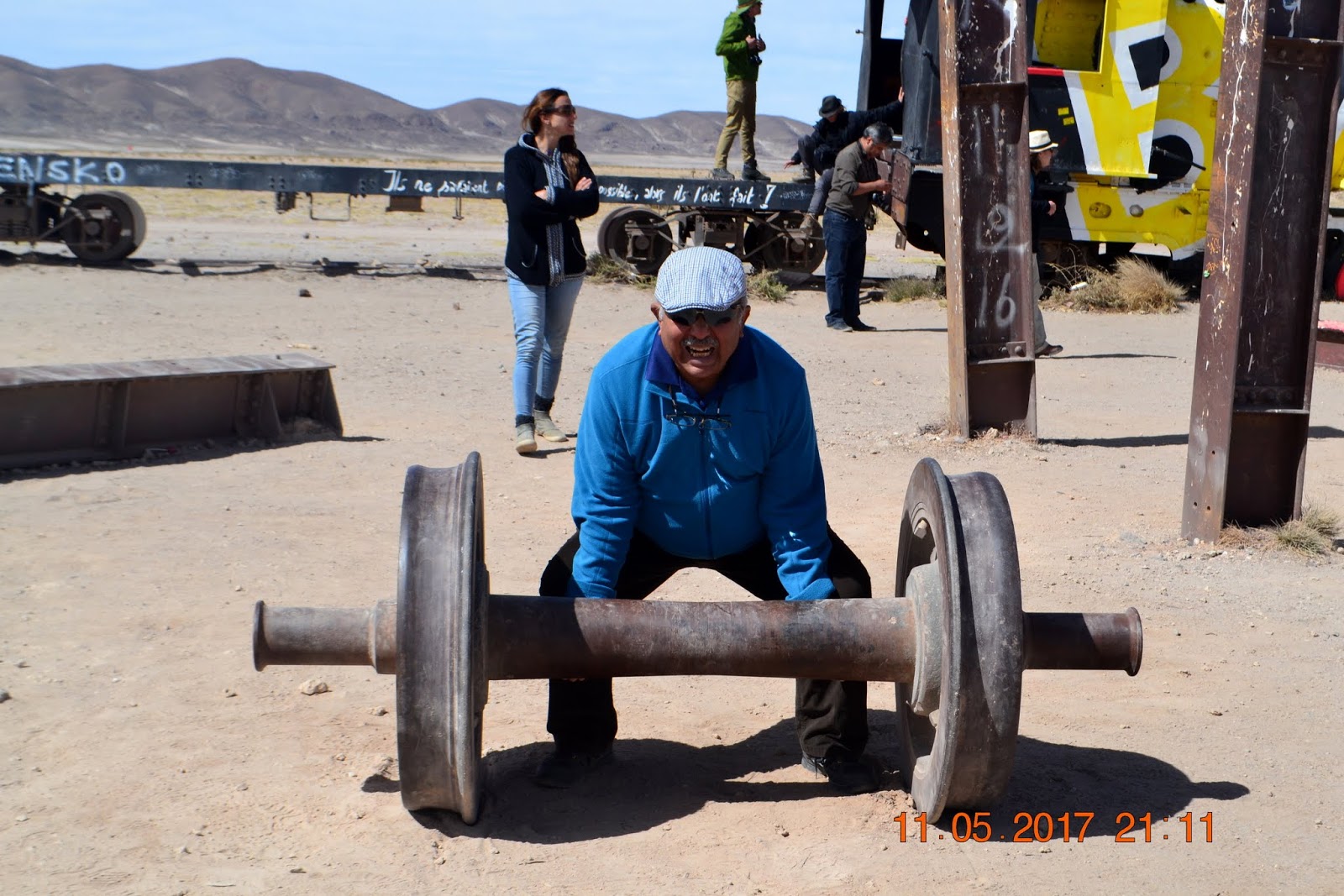
Figure <!–[if supportFields]> SEQ Figure \* ARABIC <![endif]–>7<!–[if supportFields]><![endif]–> – Futile attempt
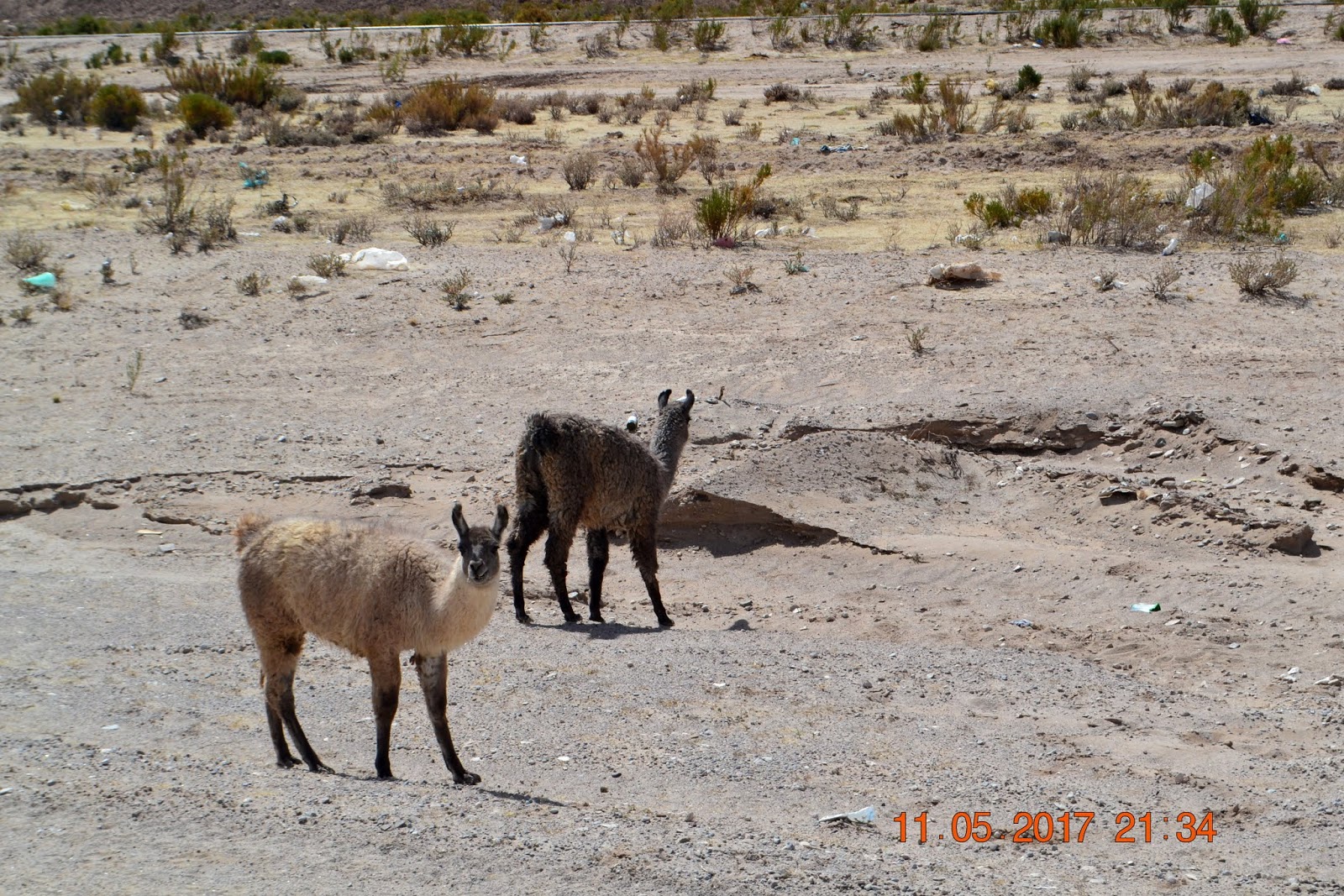
Figure <!–[if supportFields]> SEQ Figure \* ARABIC <![endif]–>8<!–[if supportFields]><![endif]–> – Alpacas grazing
Colchani to witness how the salt is processed.
Colchani is a tiny, one street town situated on the edge of the Tunupa Salt Flat, 80 km (50 miles) northwest of Uyuni. The only salt-making facilities using salt from the Salar de Uyuni are located in Colchani – a cooperative joint-owned by all salt workers. There is an estimated 10 billion tonnes of salt contained in the Salar de Uyuni, with around 25,000 tonnes excavated and processed at Colchani annually.
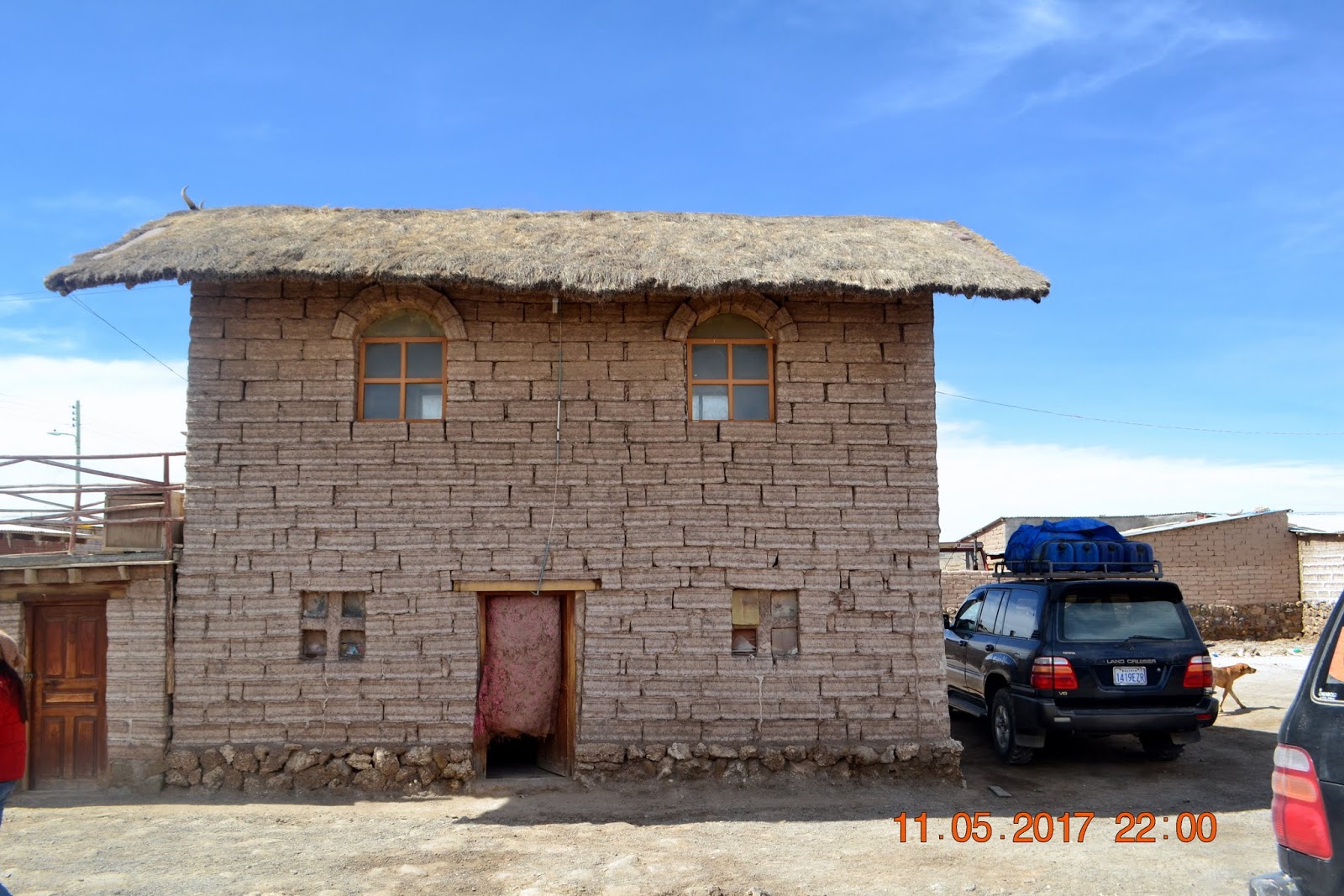
Figure <!–[if supportFields]> SEQ Figure \* ARABIC <![endif]–>9<!–[if supportFields]><![endif]–> – A typical salt house
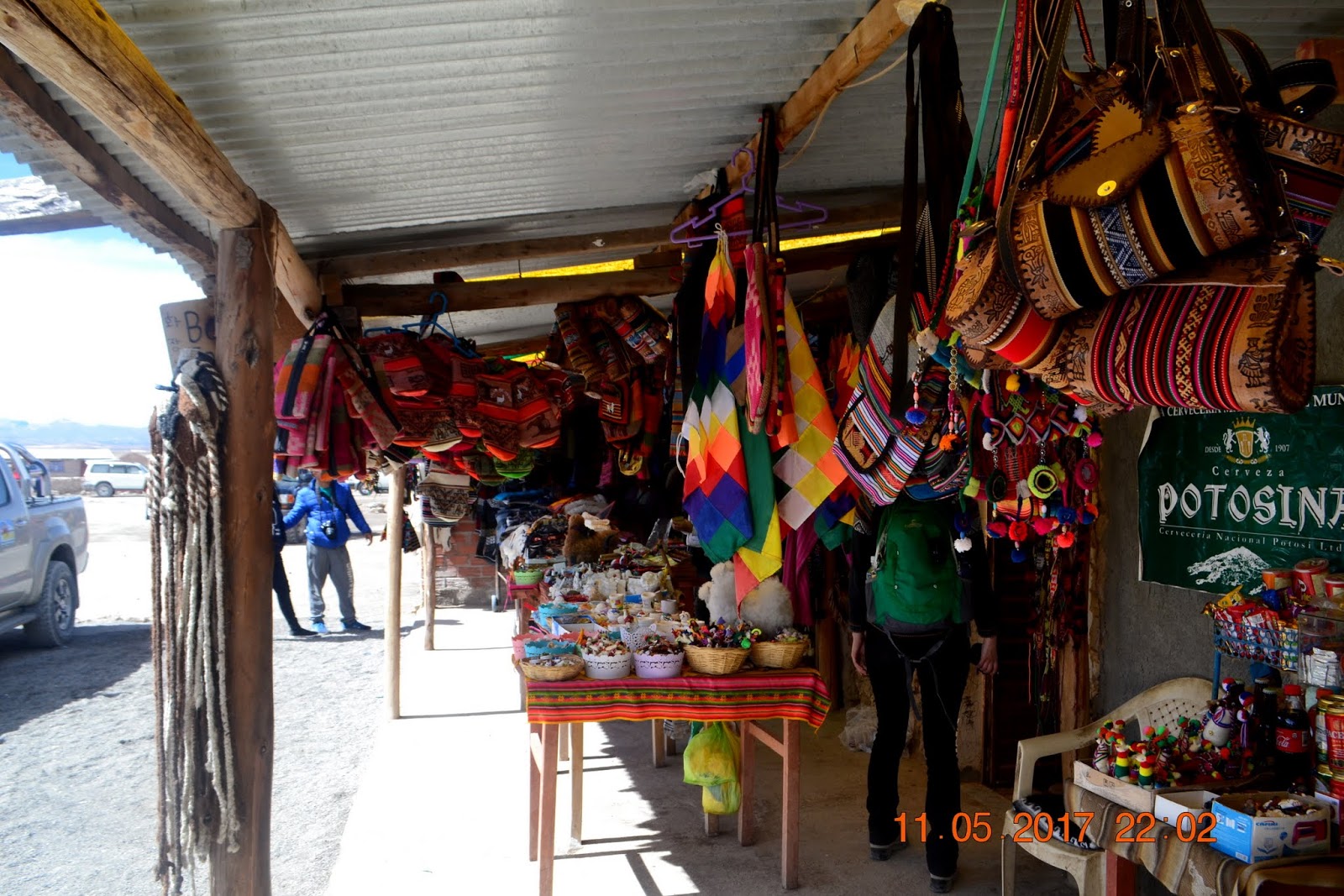
Figure <!–[if supportFields]> SEQ Figure \* ARABIC <![endif]–>10<!–[if supportFields]><![endif]–> – Colorful market place
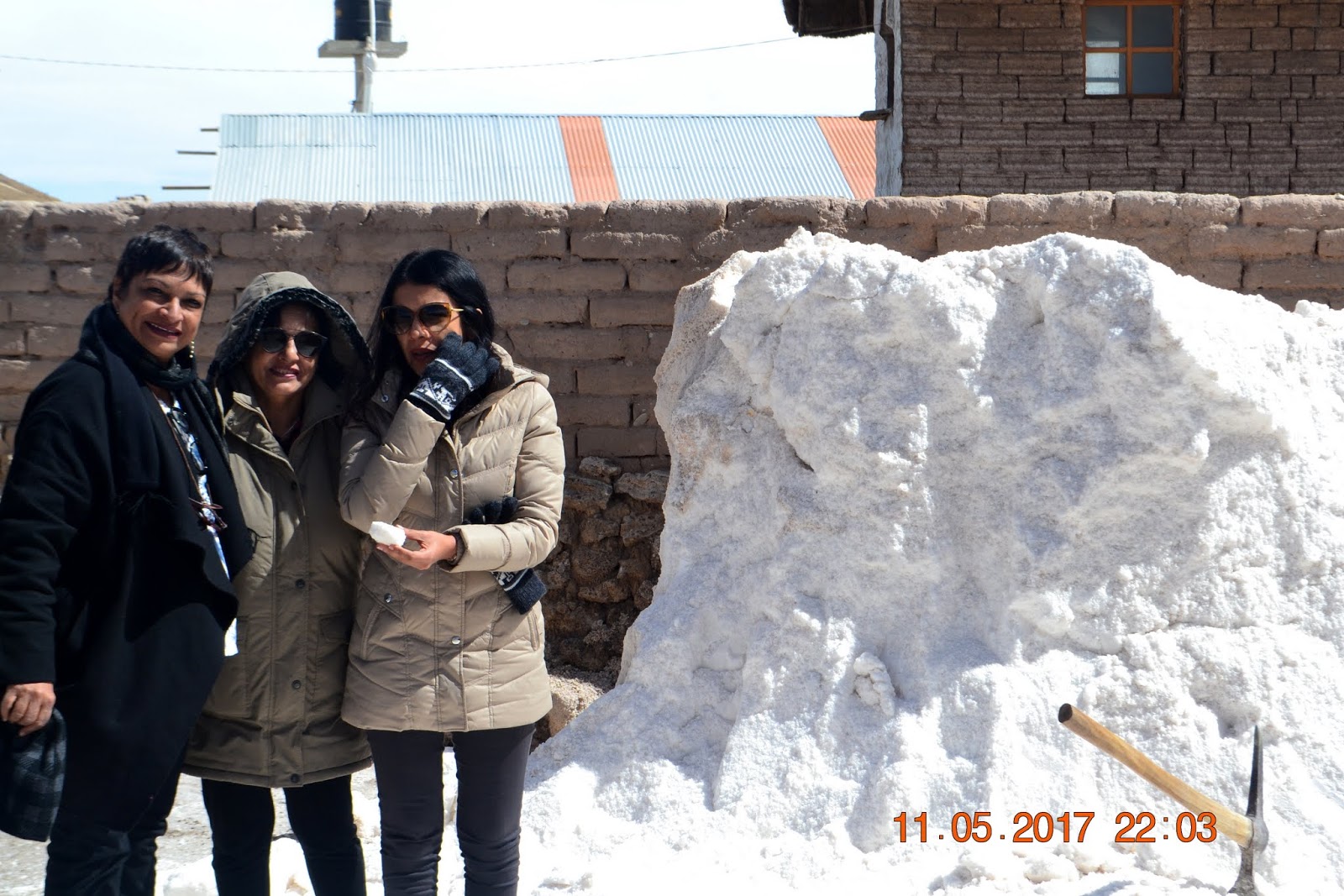
Figure <!–[if supportFields]> SEQ Figure \* ARABIC <![endif]–>11<!–[if supportFields]><![endif]–> – At the factory
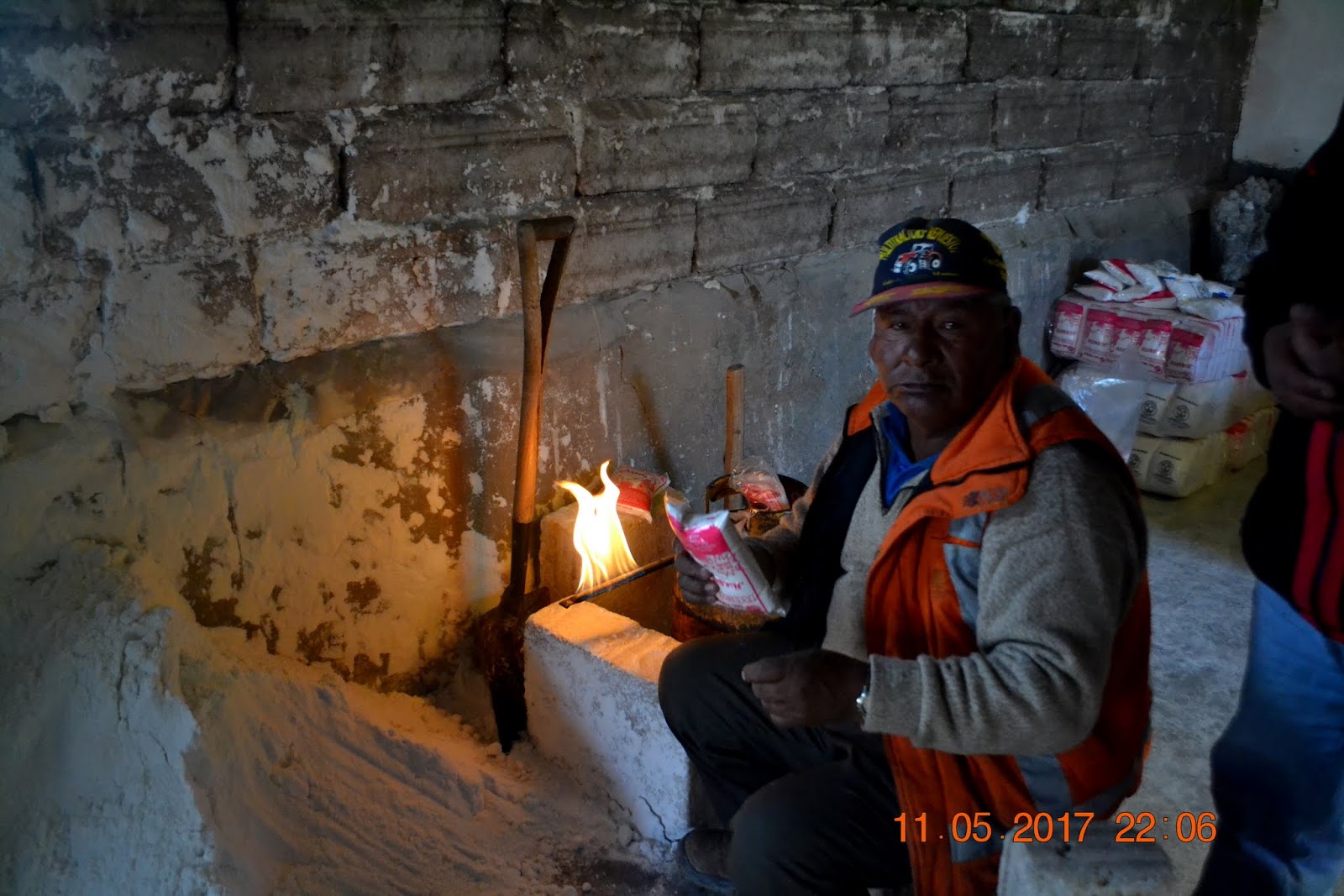
Figure <!–[if supportFields]> SEQ Figure \* ARABIC <![endif]–>12<!–[if supportFields]><![endif]–> – Mine owner busy with his work
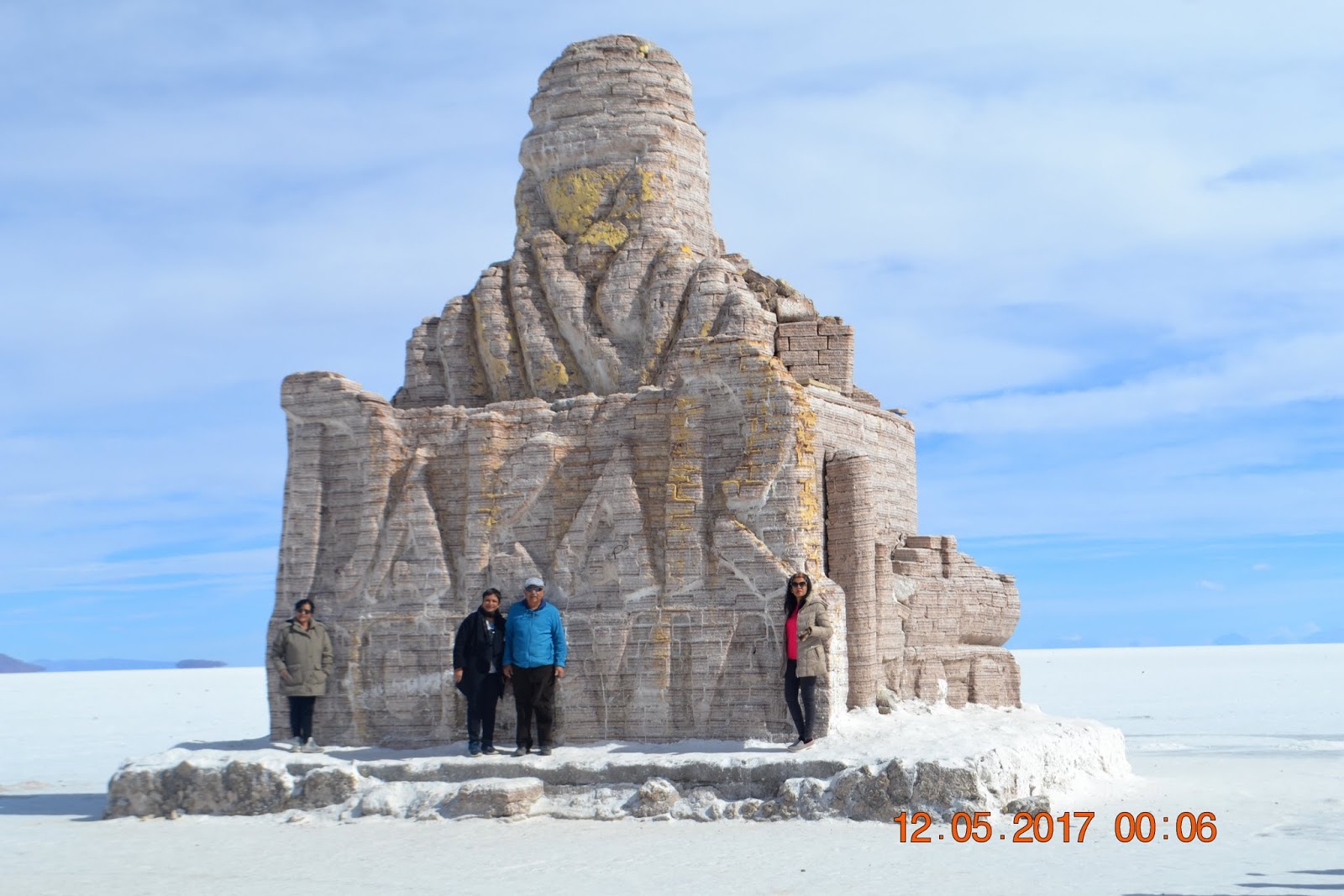
Figure <!–[if supportFields]> SEQ Figure \* ARABIC <![endif]–>13<!–[if supportFields]><![endif]–> – A salt monument
Playa Blanca salt hotel
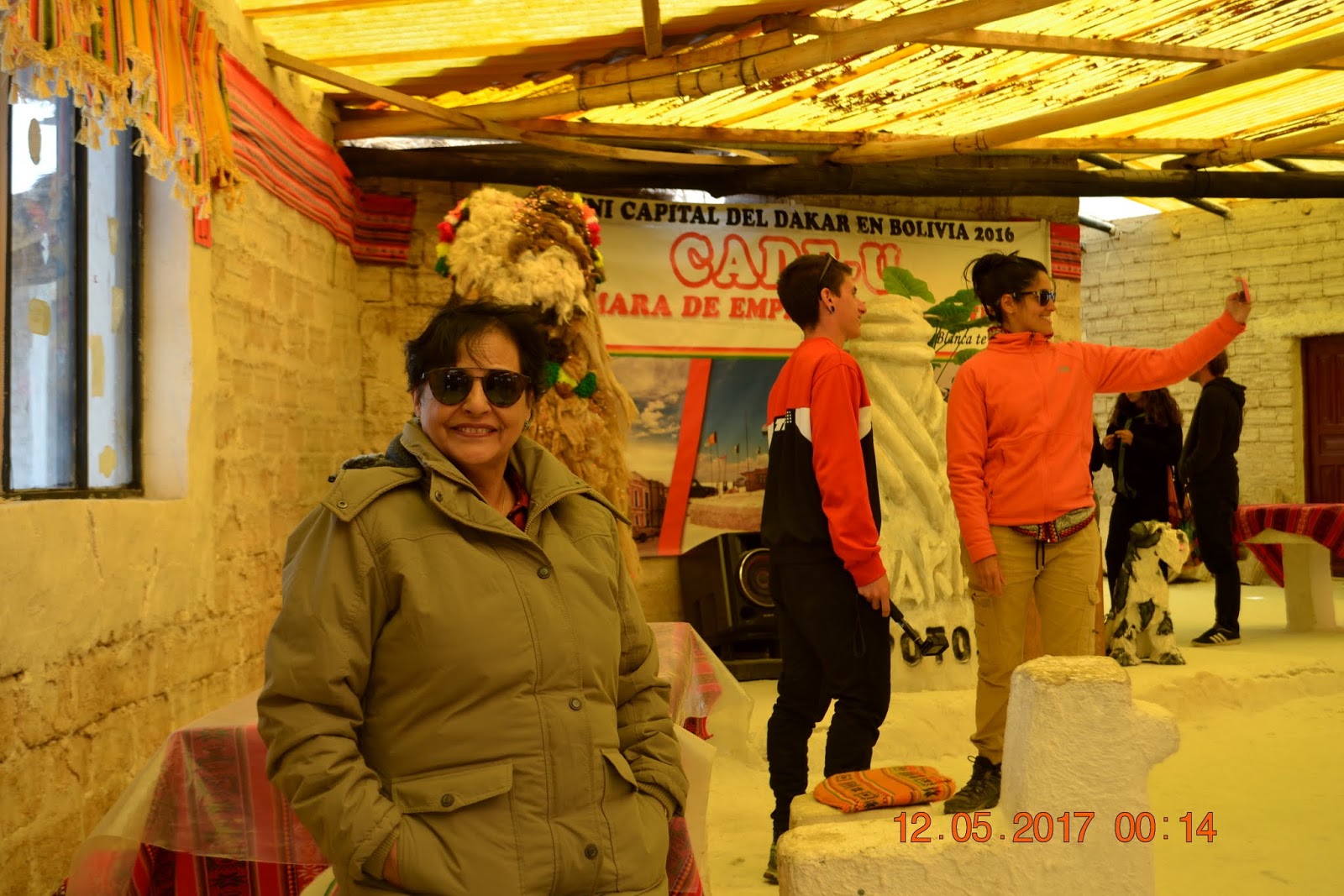
Figure <!–[if supportFields]> SEQ Figure \* ARABIC <![endif]–>14<!–[if supportFields]><![endif]–> – Posing after a good lunch
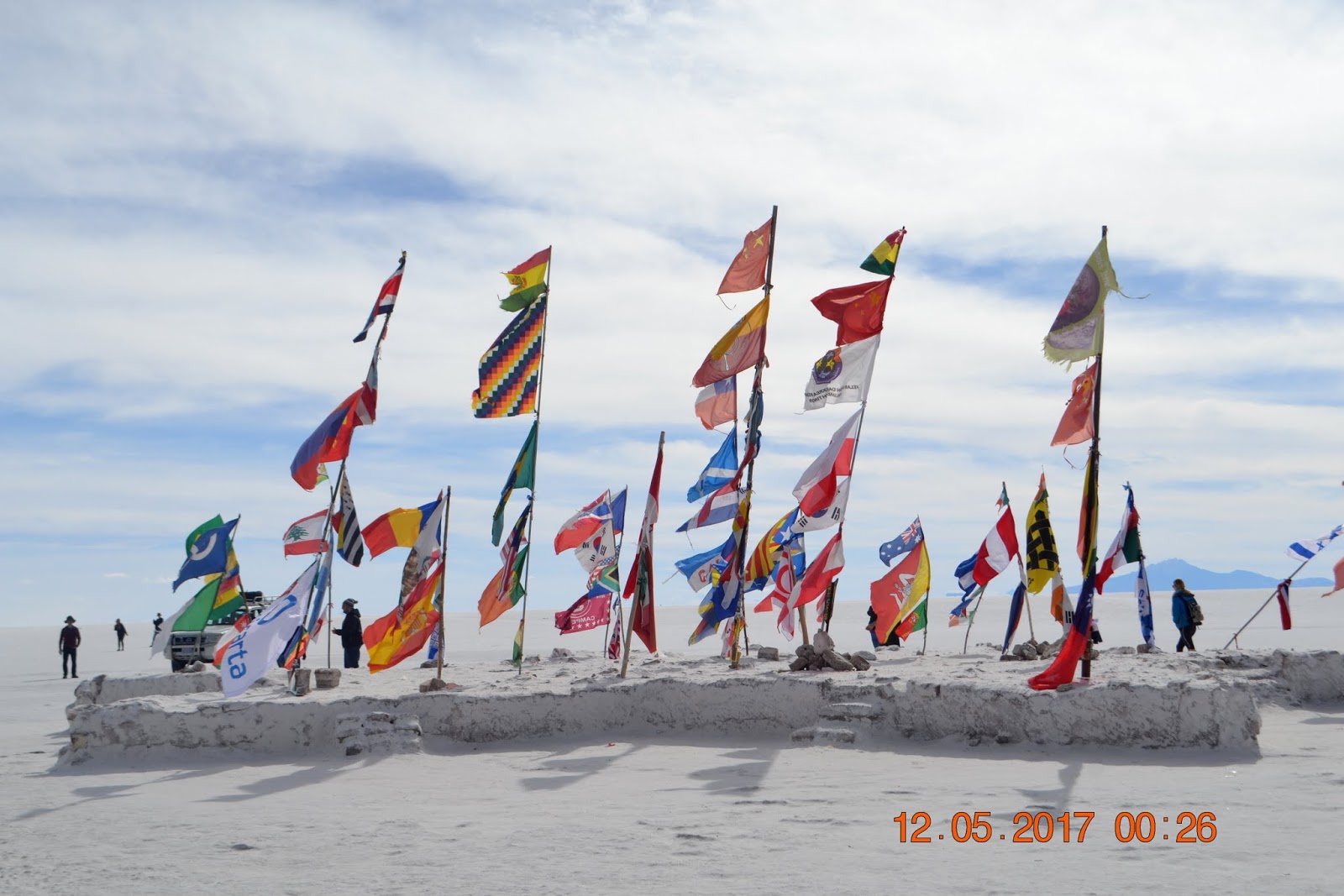
Figure <!–[if supportFields]> SEQ Figure \* ARABIC <![endif]–>15<!–[if supportFields]><![endif]–> – Flags on display outside the hotel
At the Salt Flats and crazy photography
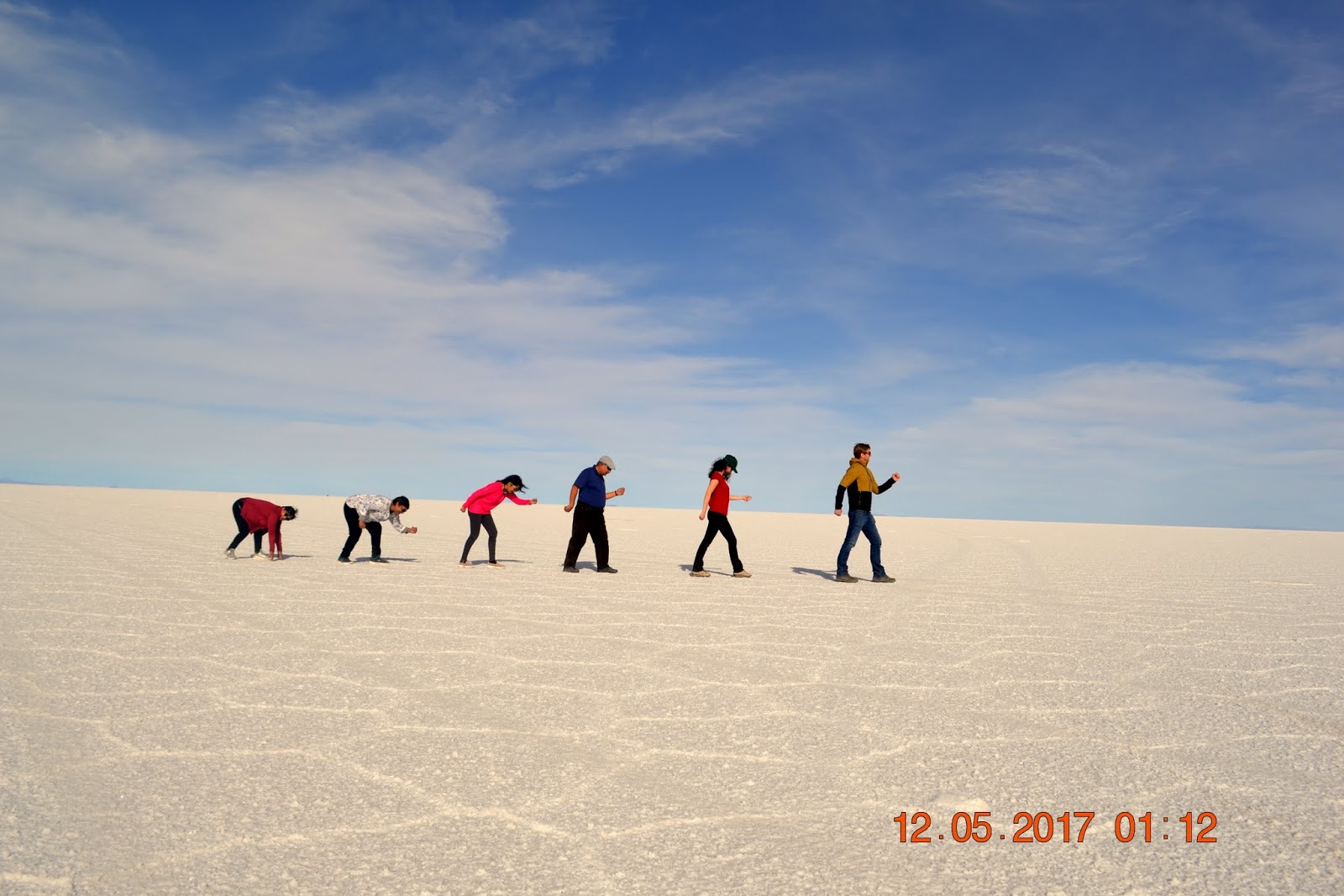
Figure <!–[if supportFields]> SEQ Figure \* ARABIC <![endif]–>16<!–[if supportFields]><![endif]–> – Evolution of humans
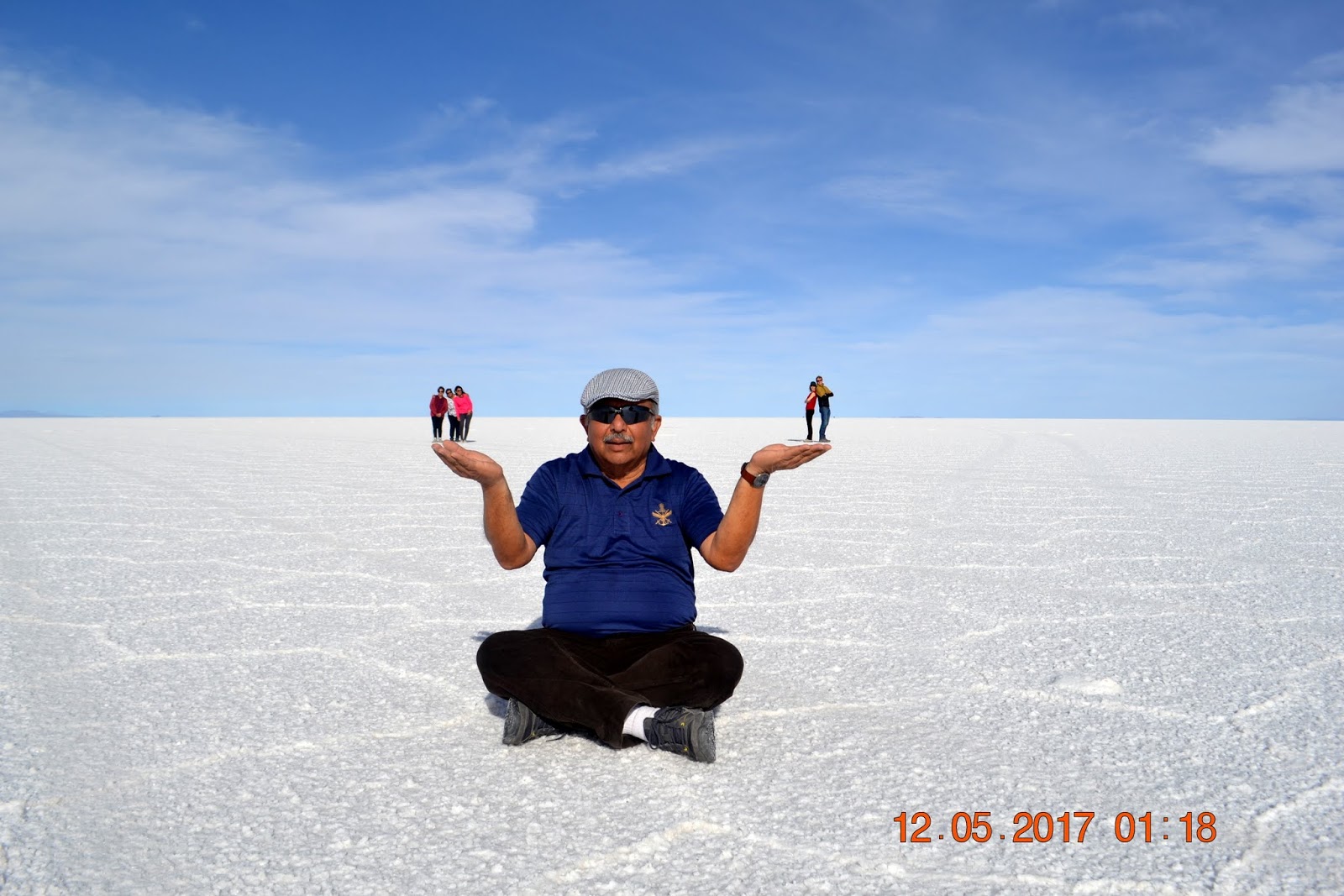
Figure <!–[if supportFields]> SEQ Figure \* ARABIC <![endif]–>17<!–[if supportFields]><![endif]–> – Carrying my travel companions
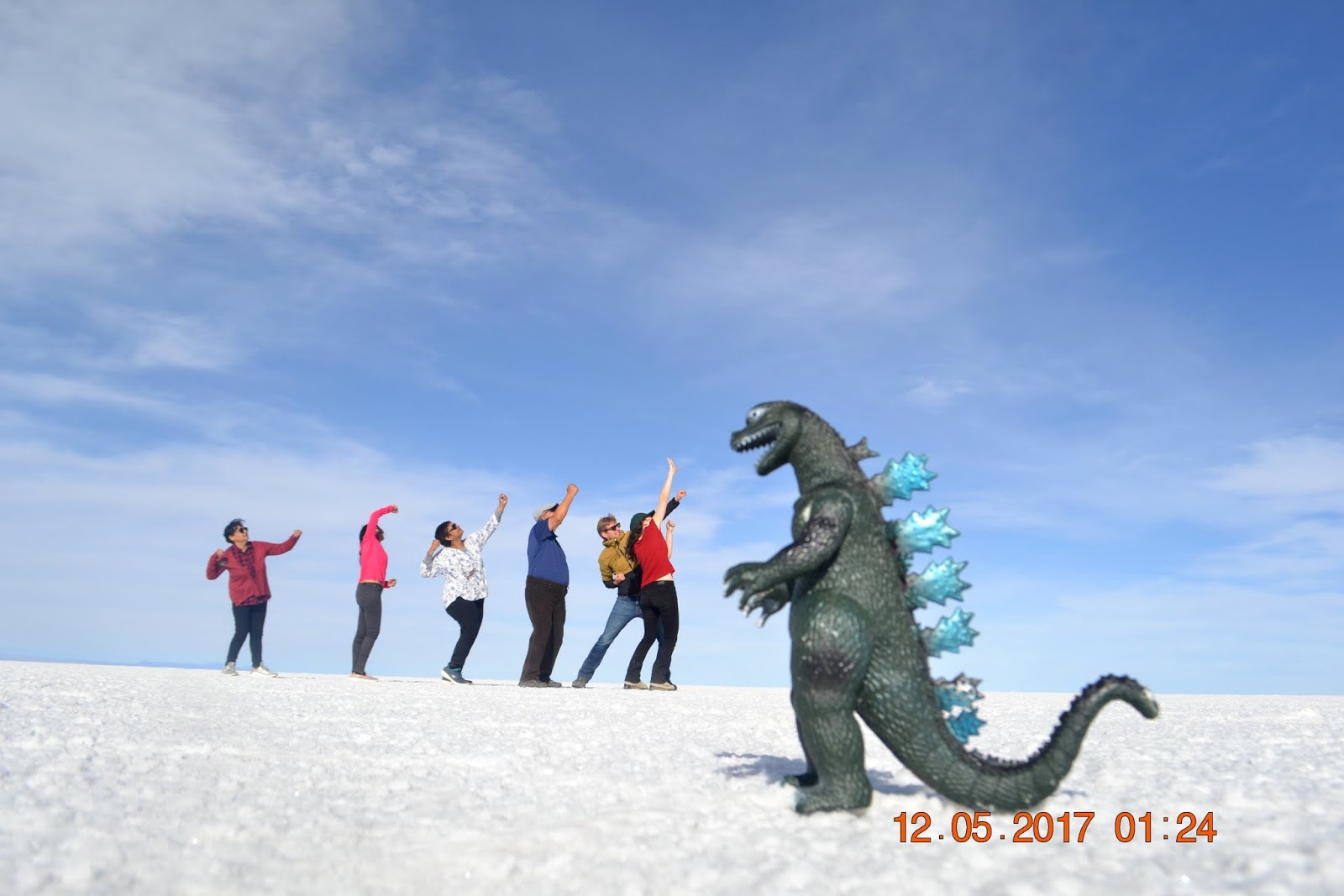
Figure <!–[if supportFields]> SEQ Figure \* ARABIC <![endif]–>18<!–[if supportFields]><![endif]–> – Jurassic experience
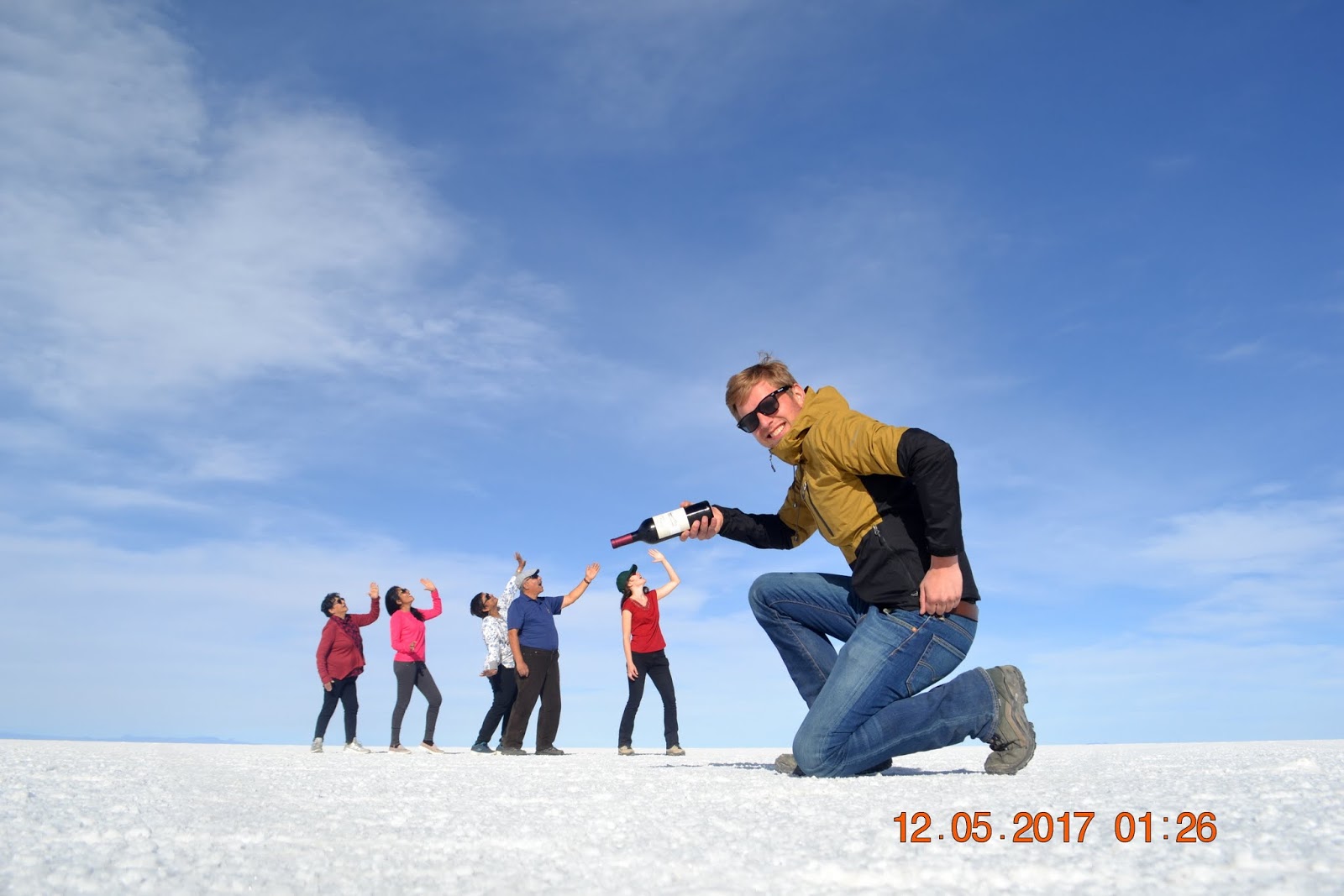
Figure <!–[if supportFields]> SEQ Figure \* ARABIC <![endif]–>19<!–[if supportFields]><![endif]–> – Wine break
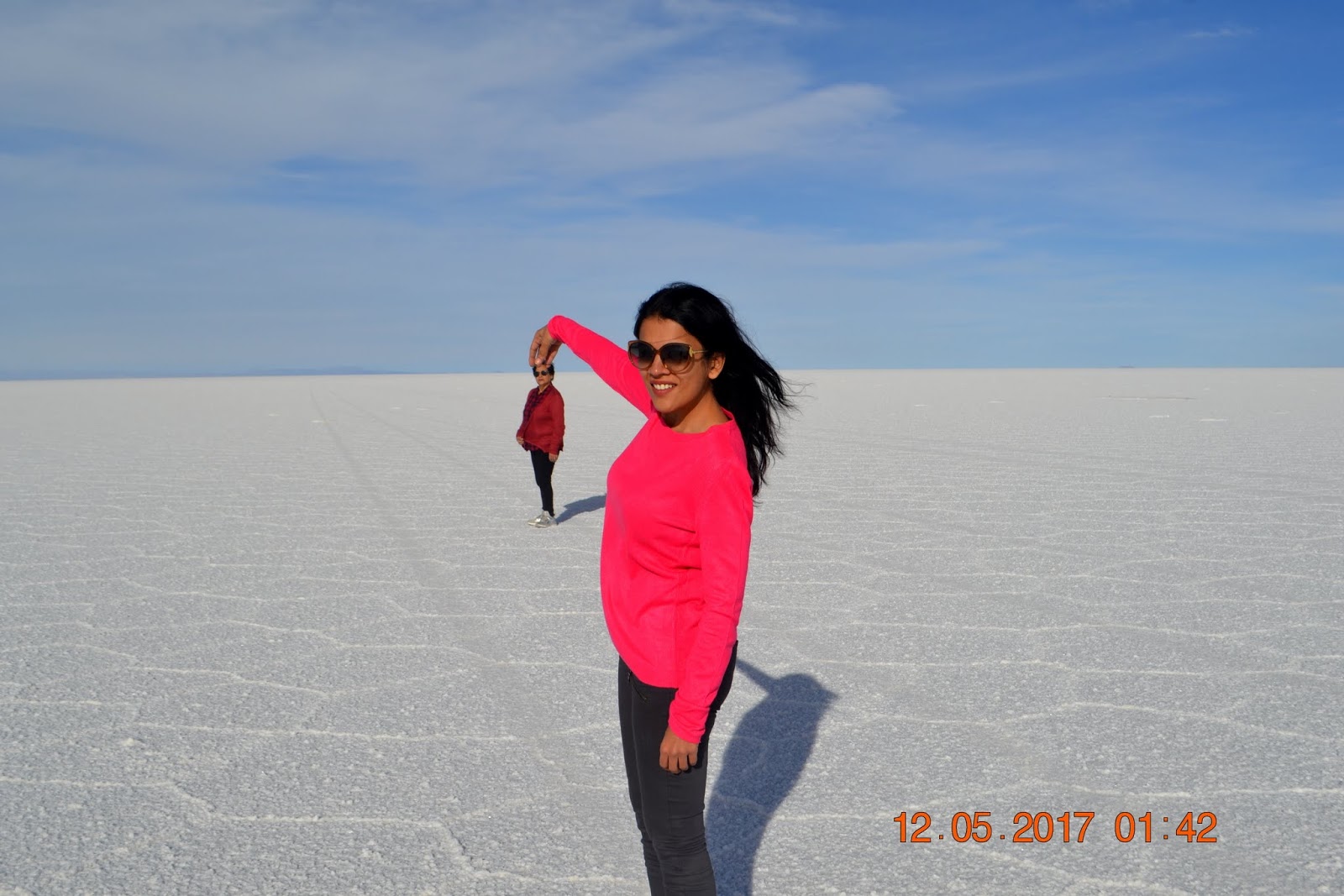
Figure <!–[if supportFields]> SEQ Figure \* ARABIC <![endif]–>20<!–[if supportFields]><![endif]–> – Lifting Rita
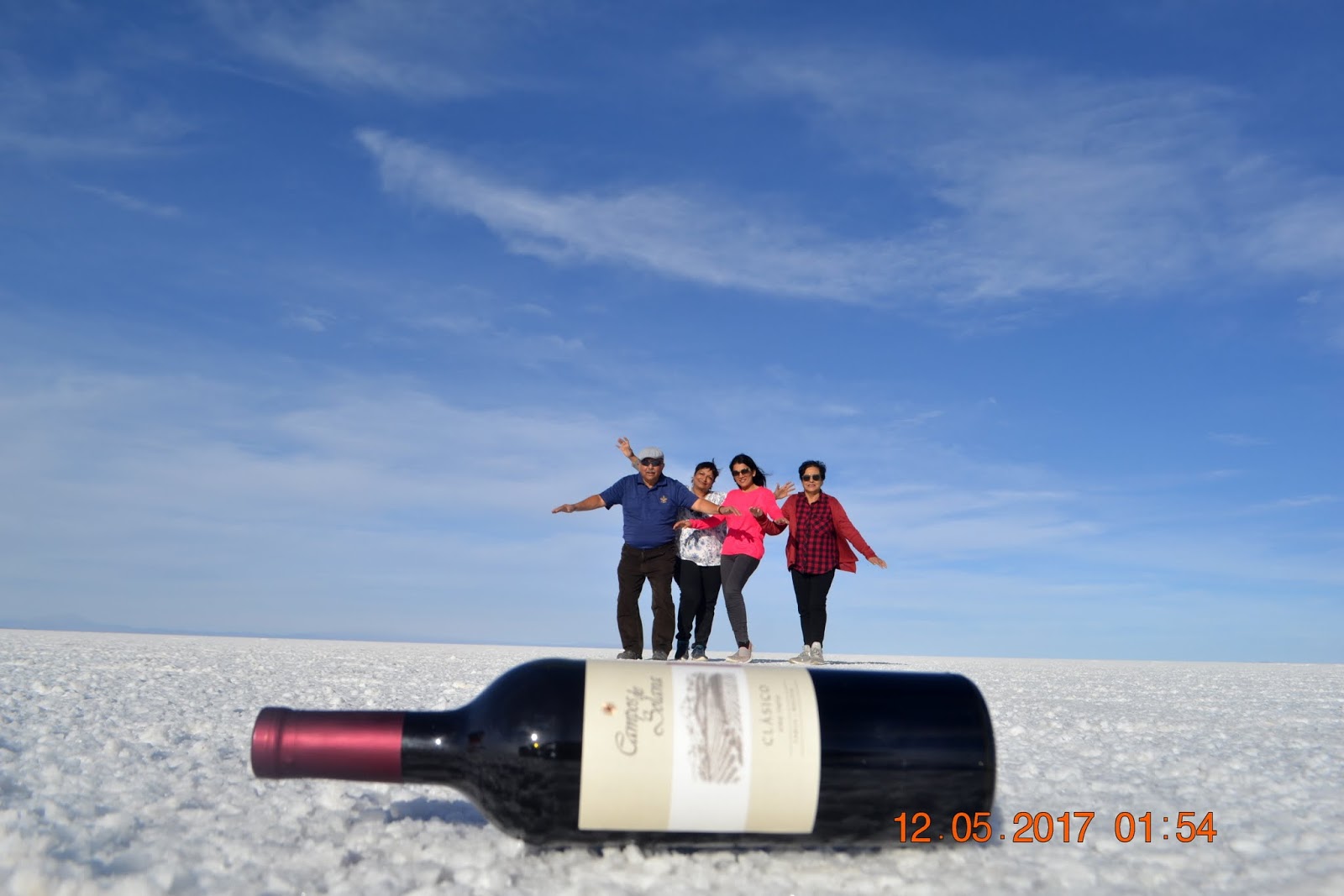
Figure <!–[if supportFields]> SEQ Figure \* ARABIC <![endif]–>21<!–[if supportFields]><![endif]–> – It can’t get any better – a roll on the bottle
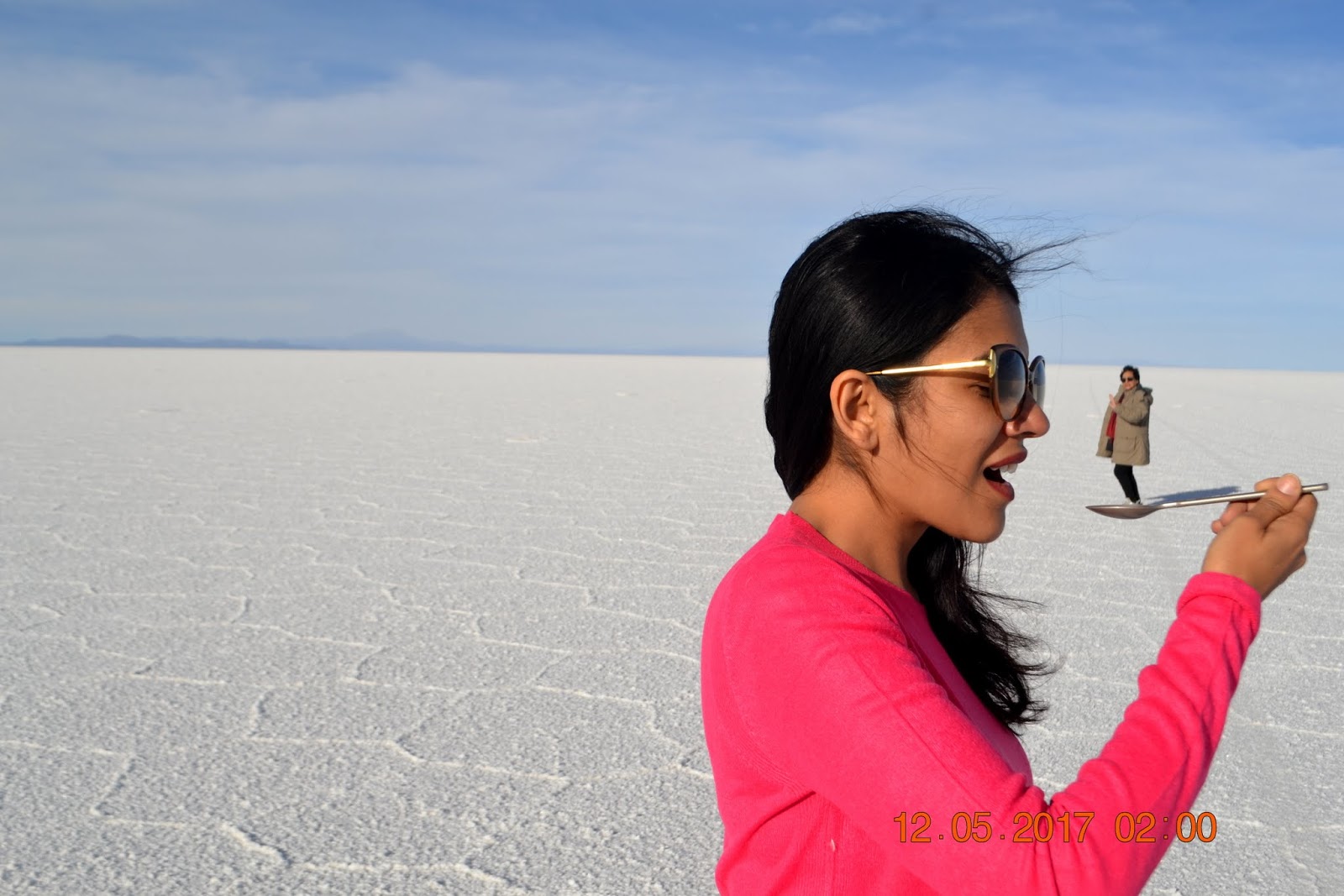
Figure <!–[if supportFields]> SEQ Figure \* ARABIC <![endif]–>22<!–[if supportFields]><![endif]–> – A spoonful of lunch
Trichocereus cactus
For most Salar de Uyuni tours, the main destination is the spectacular Isla Incahuasi, otherwise known as Inkawasi, in the heart of the Salar 80km west of Colchani. This hilly outpost is covered in Trichocereus cactus and surrounded by a flat white sea of hexagonal salt tiles.
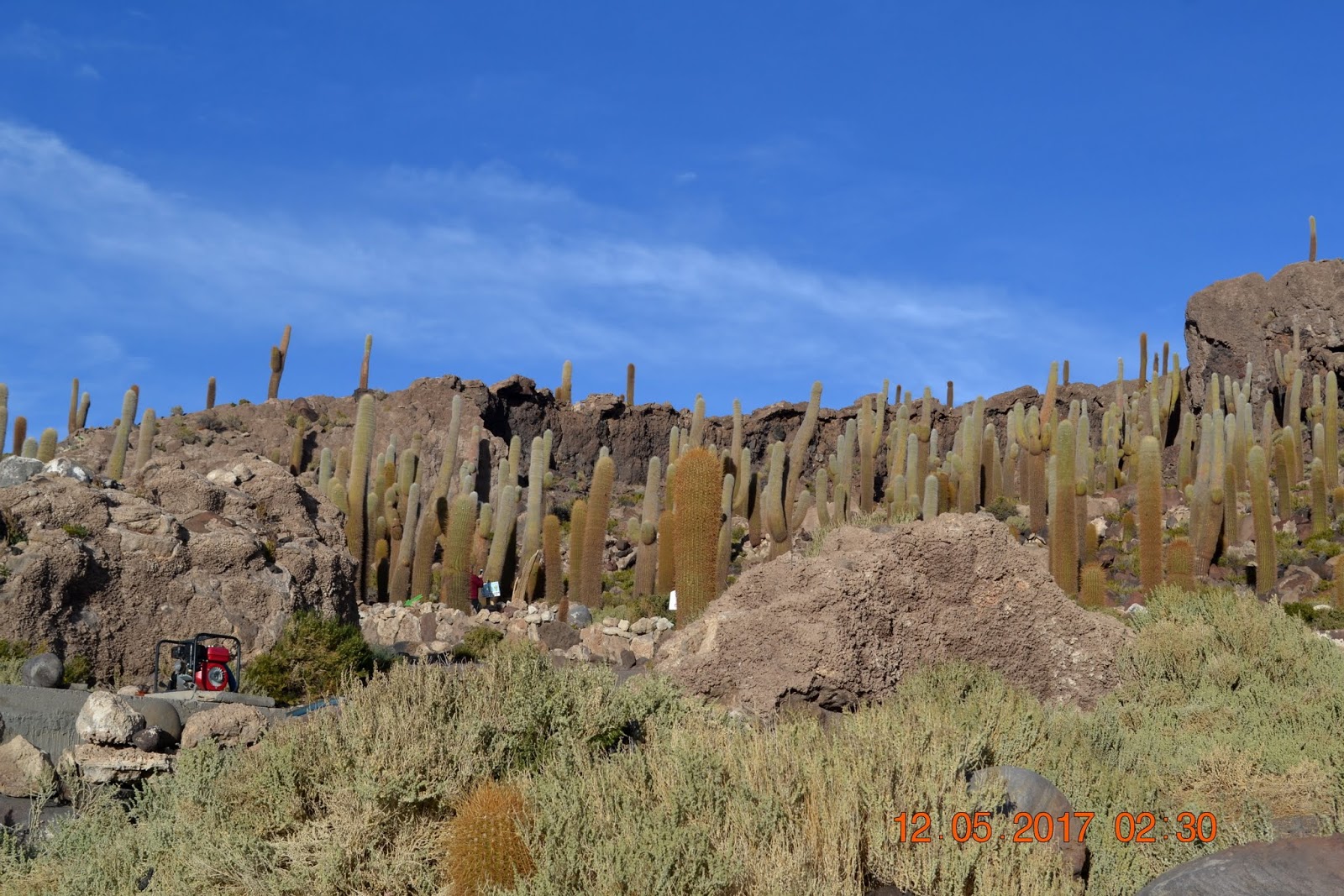
Figure <!–[if supportFields]> SEQ Figure \* ARABIC <![endif]–>23<!–[if supportFields]><![endif]–> – Amazing growth of cacti
Night view
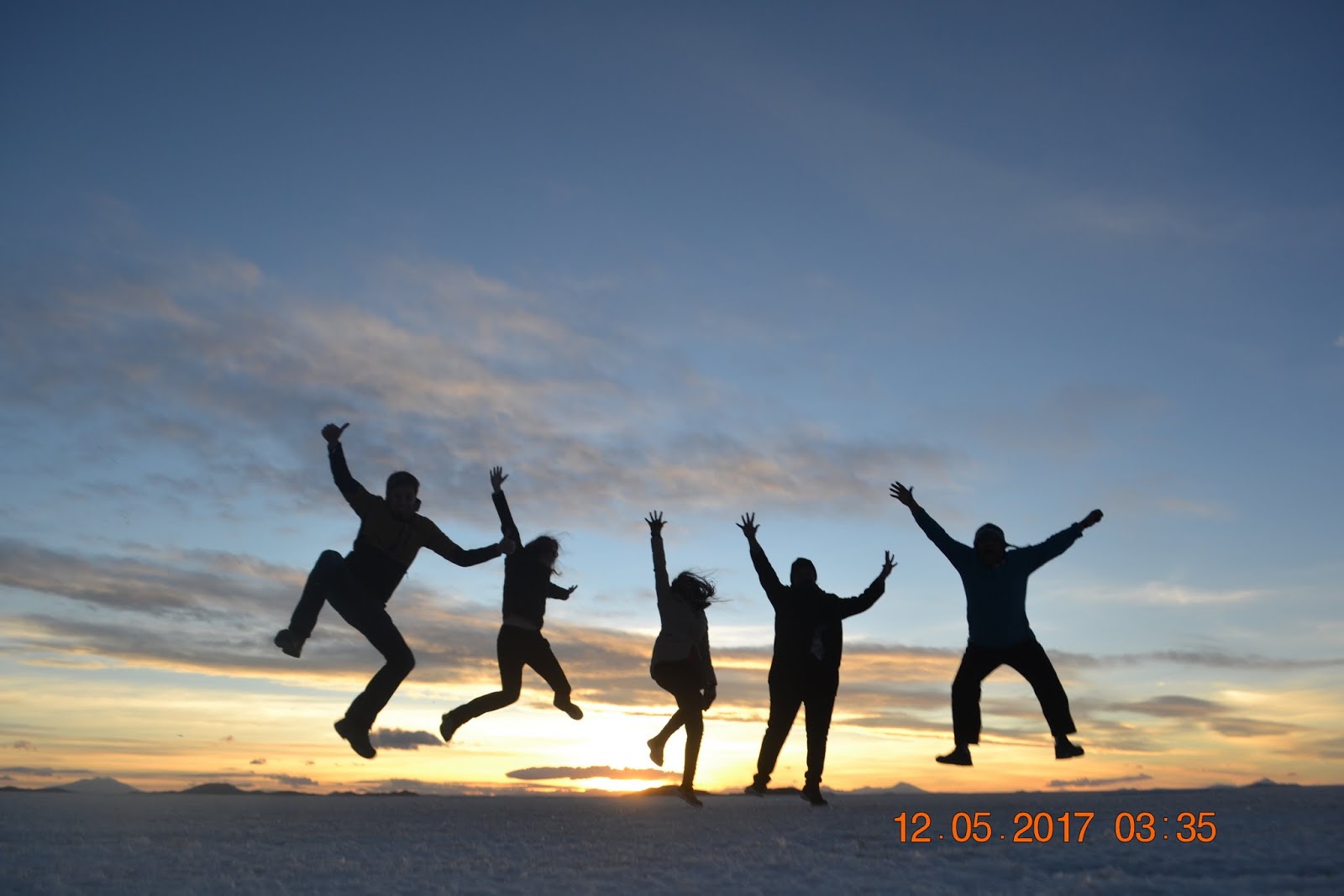
Figure <!–[if supportFields]> SEQ Figure \* ARABIC <![endif]–>24<!–[if supportFields]><![endif]–> – Jumping with joy
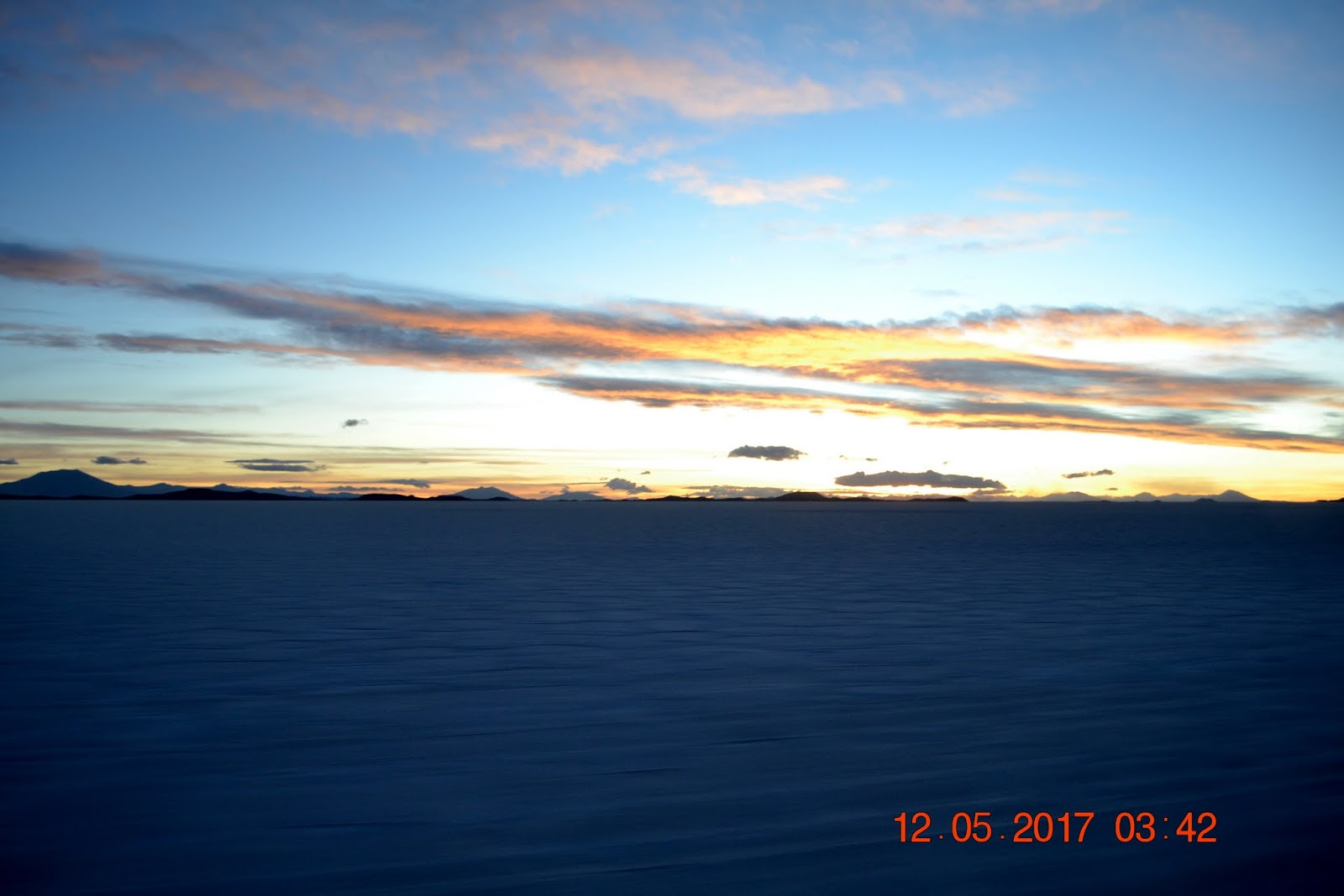
Figure <!–[if supportFields]> SEQ Figure \* ARABIC <![endif]–>25<!–[if supportFields]><![endif]–> – Chances of confusing the plains with sea
Day 2
Chiguana desert- We visited Sol de Mañana
This desert is surrounded for many volcanoes…like dormant ones, extinct ones . We visited Sol de Mañana, meaning Morning Sun in Spanish, which is a geothermal field in south-western Bolivia. It stands at a height of 16,600ft. The short stay was punctuated for me when I started to bleed in the gums. The guide had to rush me down to lower altitude to stop the bleeding.
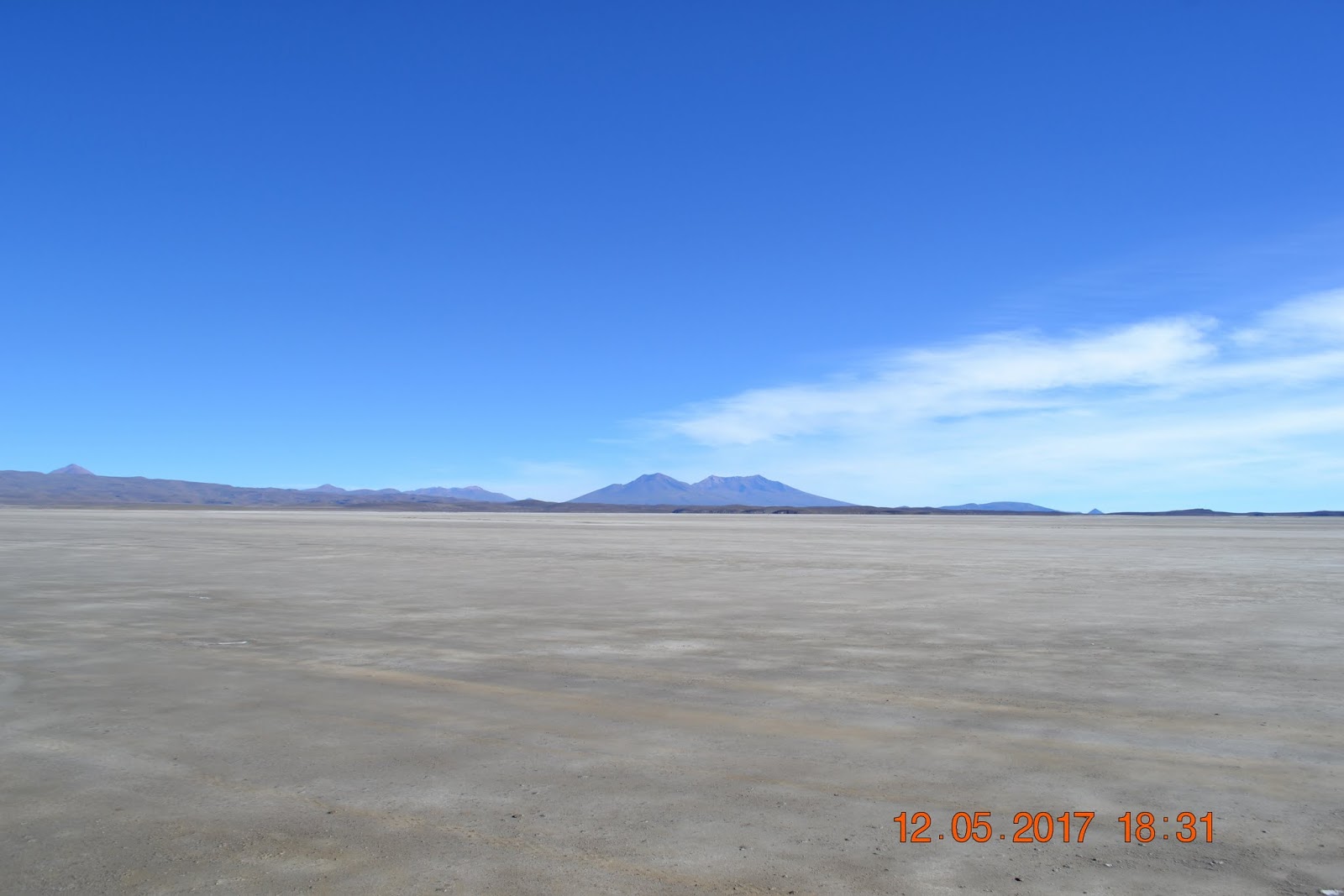
Figure <!–[if supportFields]> SEQ Figure \* ARABIC <![endif]–>26<!–[if supportFields]><![endif]–> – At a distance
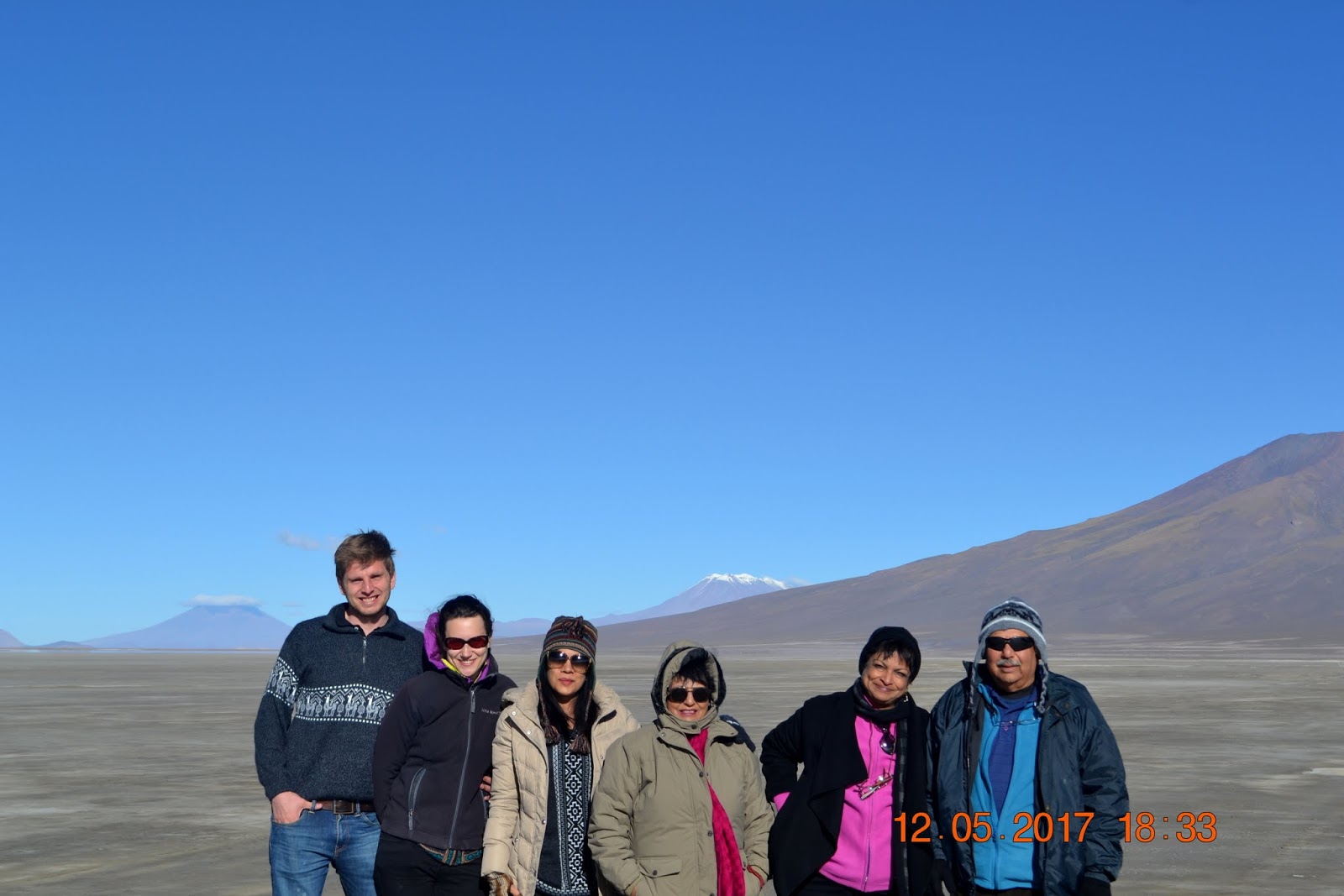
Figure <!–[if supportFields]> SEQ Figure \* ARABIC <![endif]–>27<!–[if supportFields]><![endif]–> – Photo op
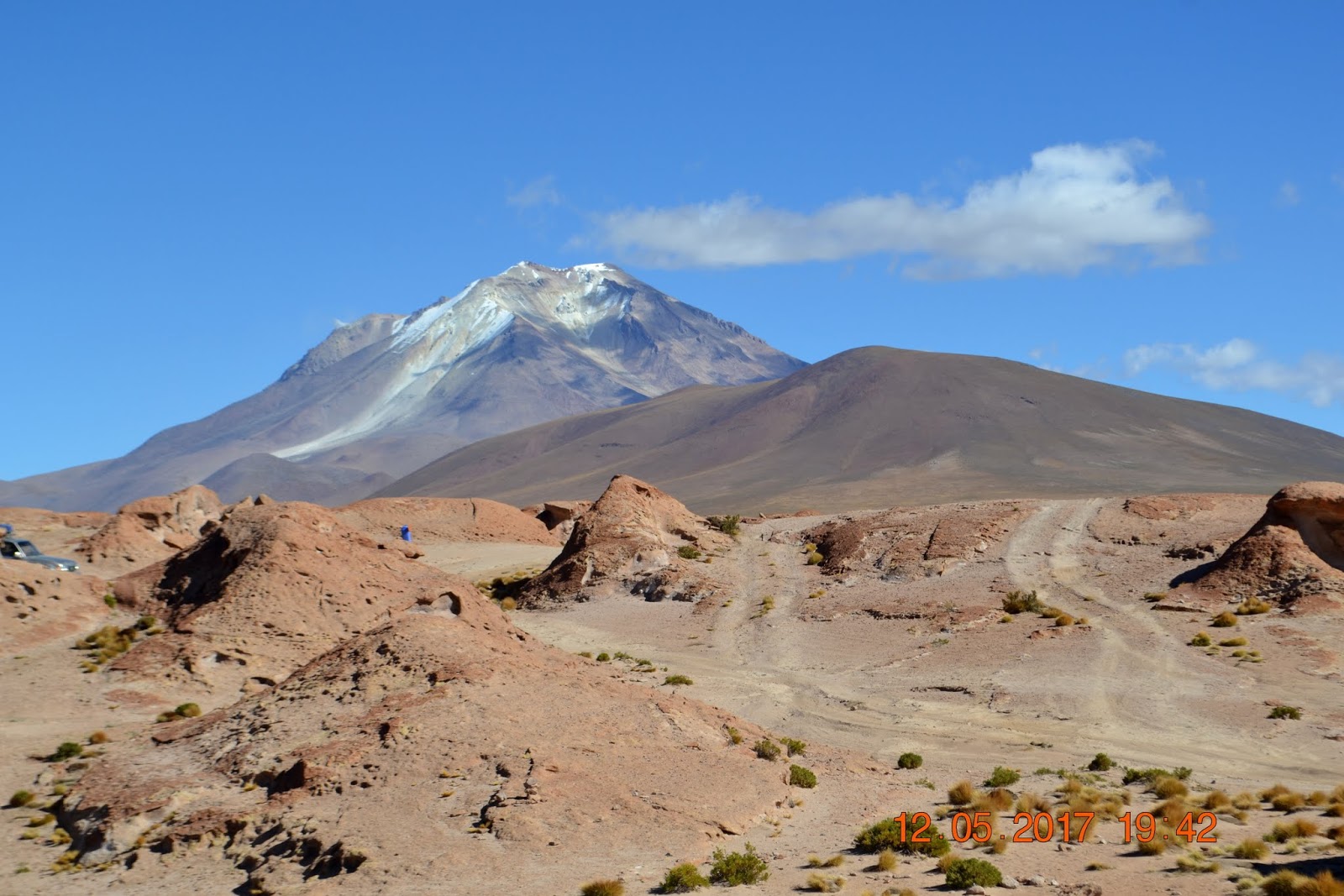
Figure <!–[if supportFields]> SEQ Figure \* ARABIC <![endif]–>28<!–[if supportFields]><![endif]–> – The geyser point
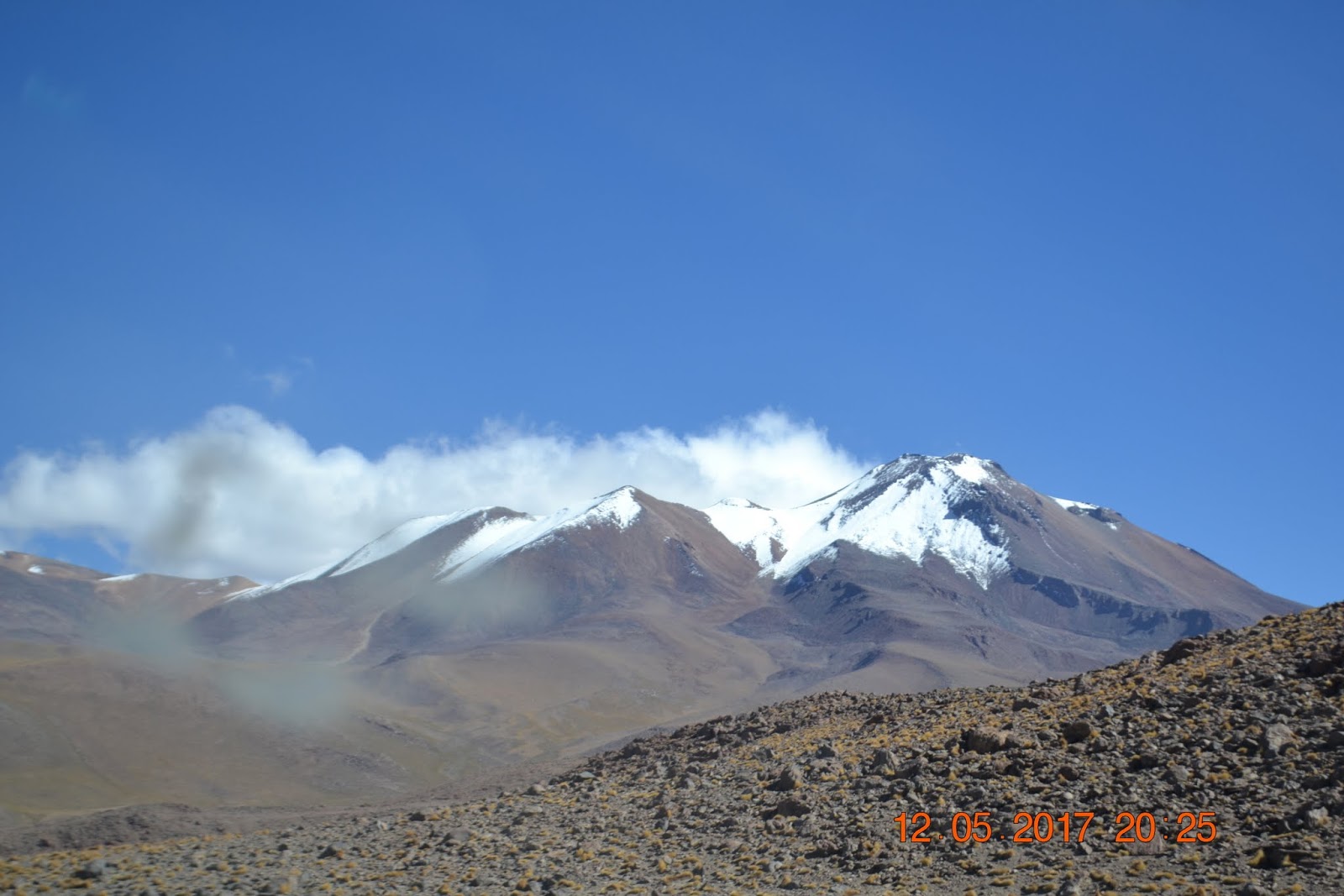
Figure <!–[if supportFields]> SEQ Figure \* ARABIC <![endif]–>29<!–[if supportFields]><![endif]–> – Incredible sights of the Andes
Andean lagoons
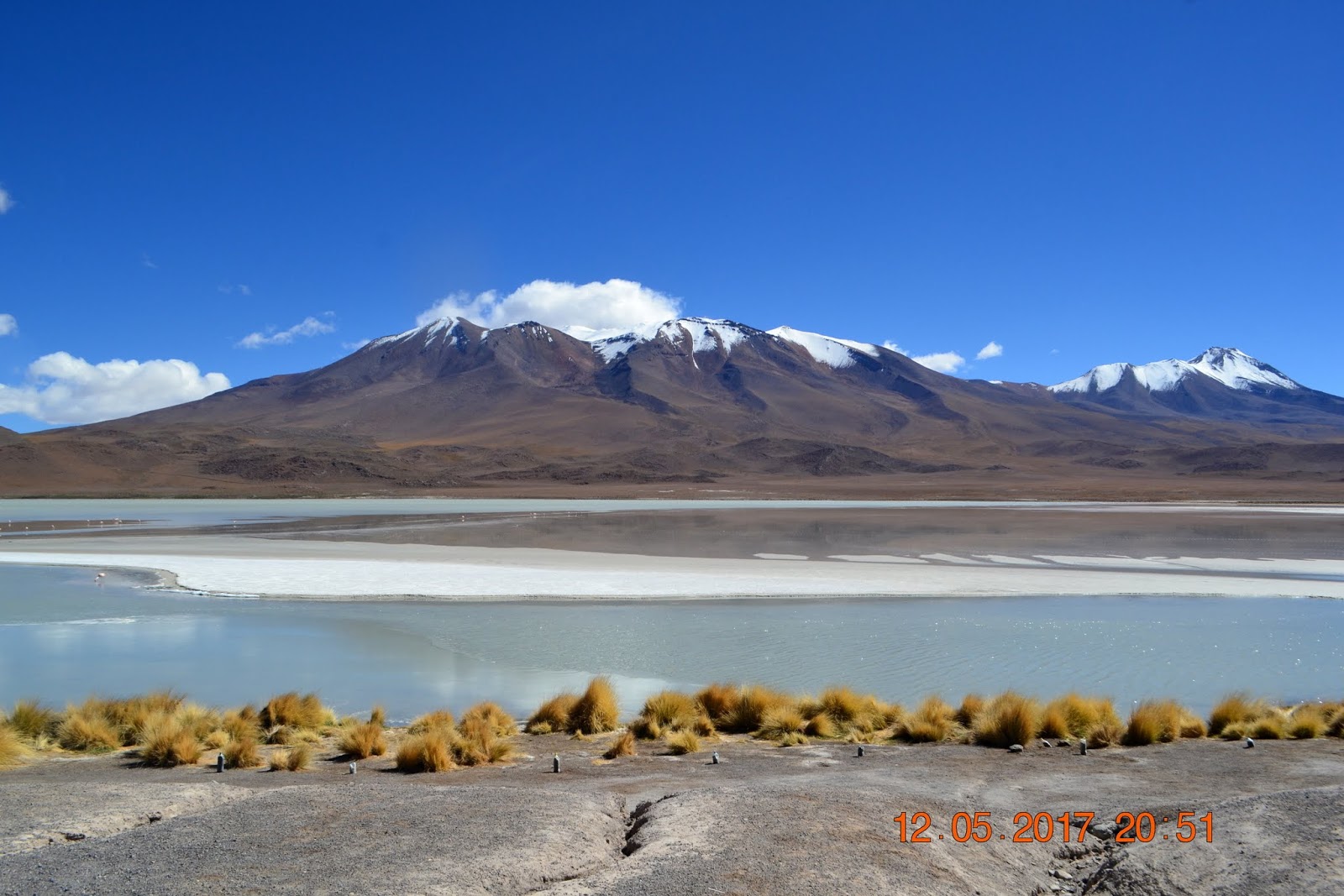
Flamingos gather here by the hundreds to drink the mineral rich water
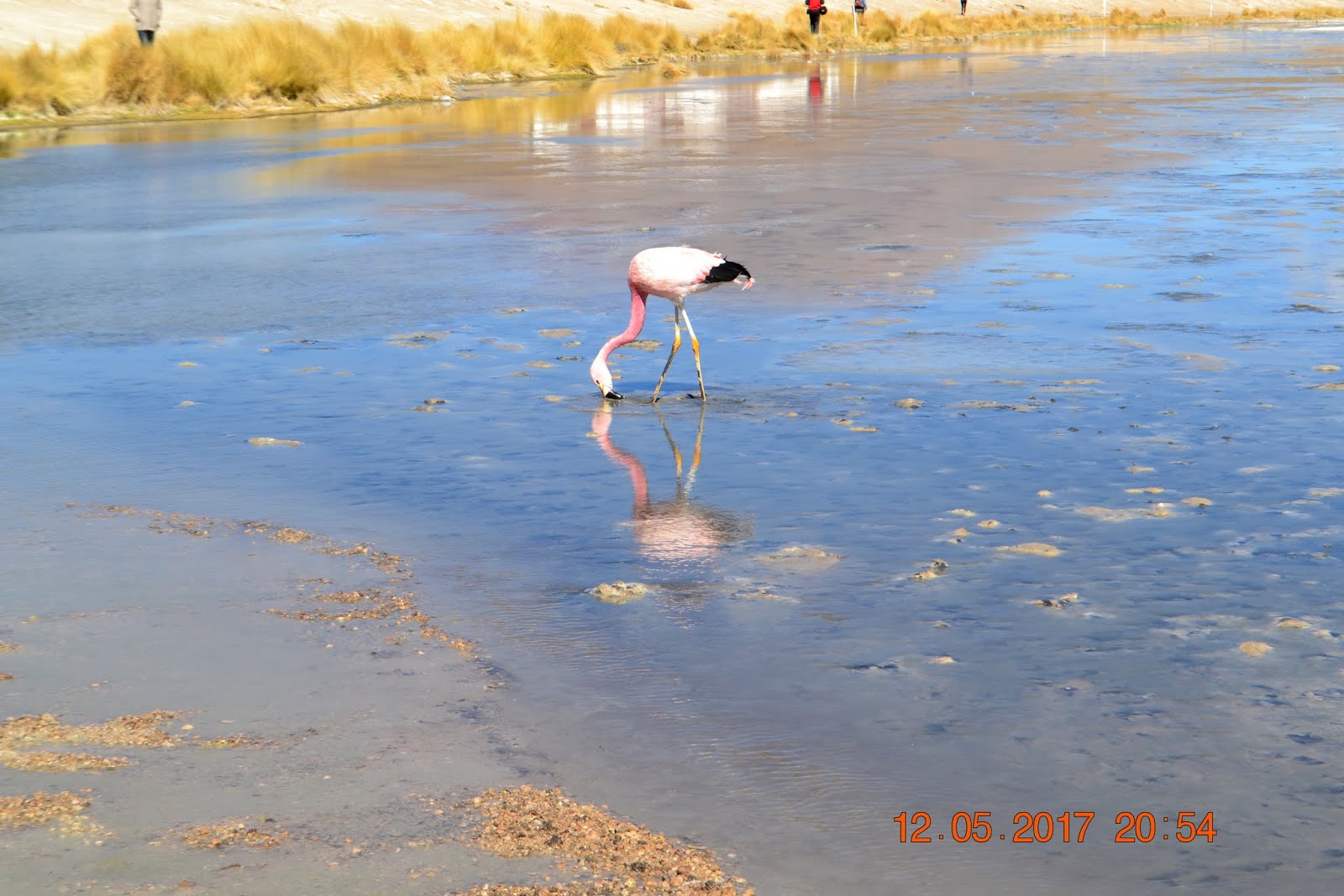
Figure <!–[if supportFields]> SEQ Figure \* ARABIC <![endif]–>30<!–[if supportFields]><![endif]–> – A lovely sight
Lunch at the Echo Hotel
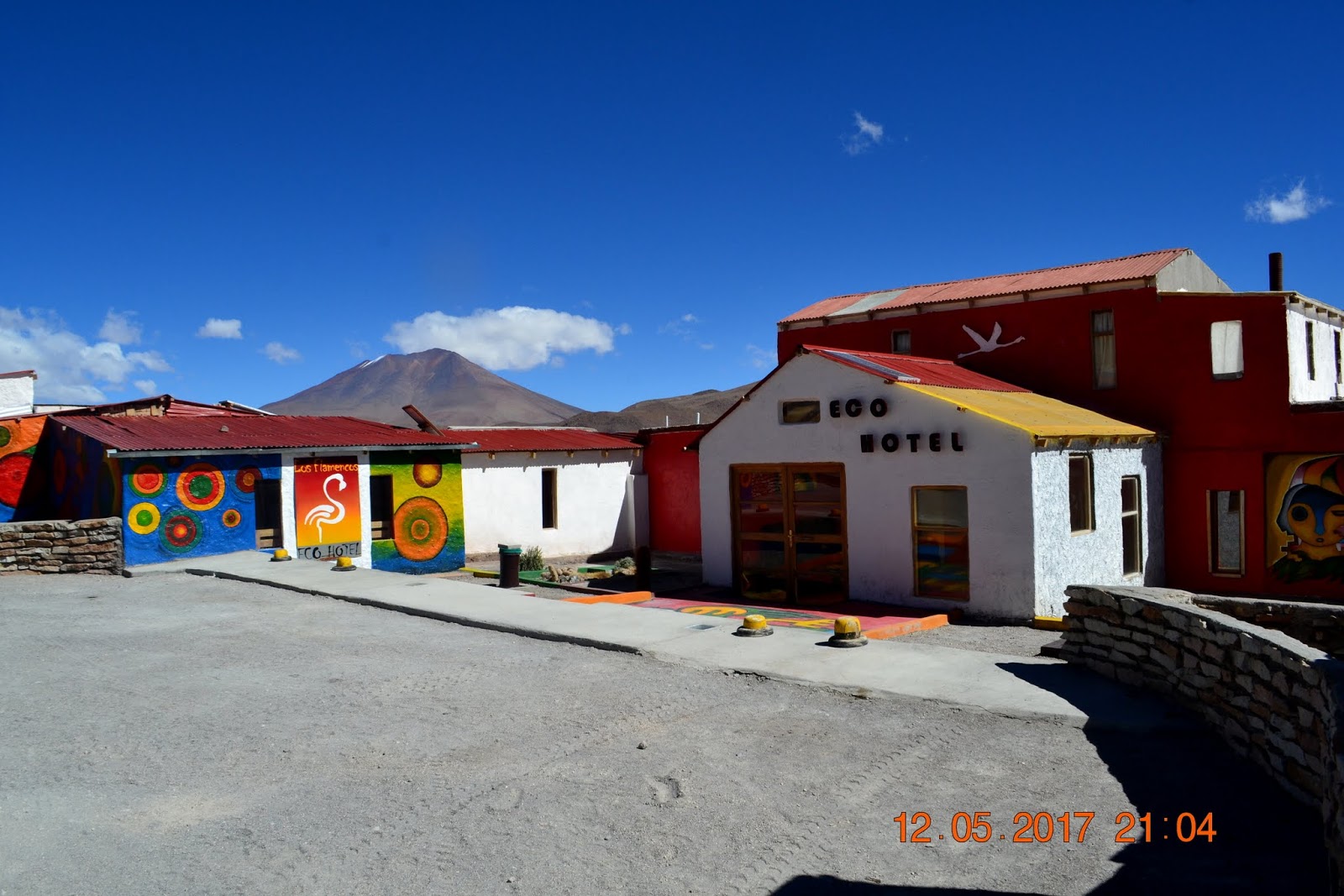
Figure <!–[if supportFields]> SEQ Figure \* ARABIC <![endif]–>31<!–[if supportFields]><![endif]–> – Very colorful to contrast the desert
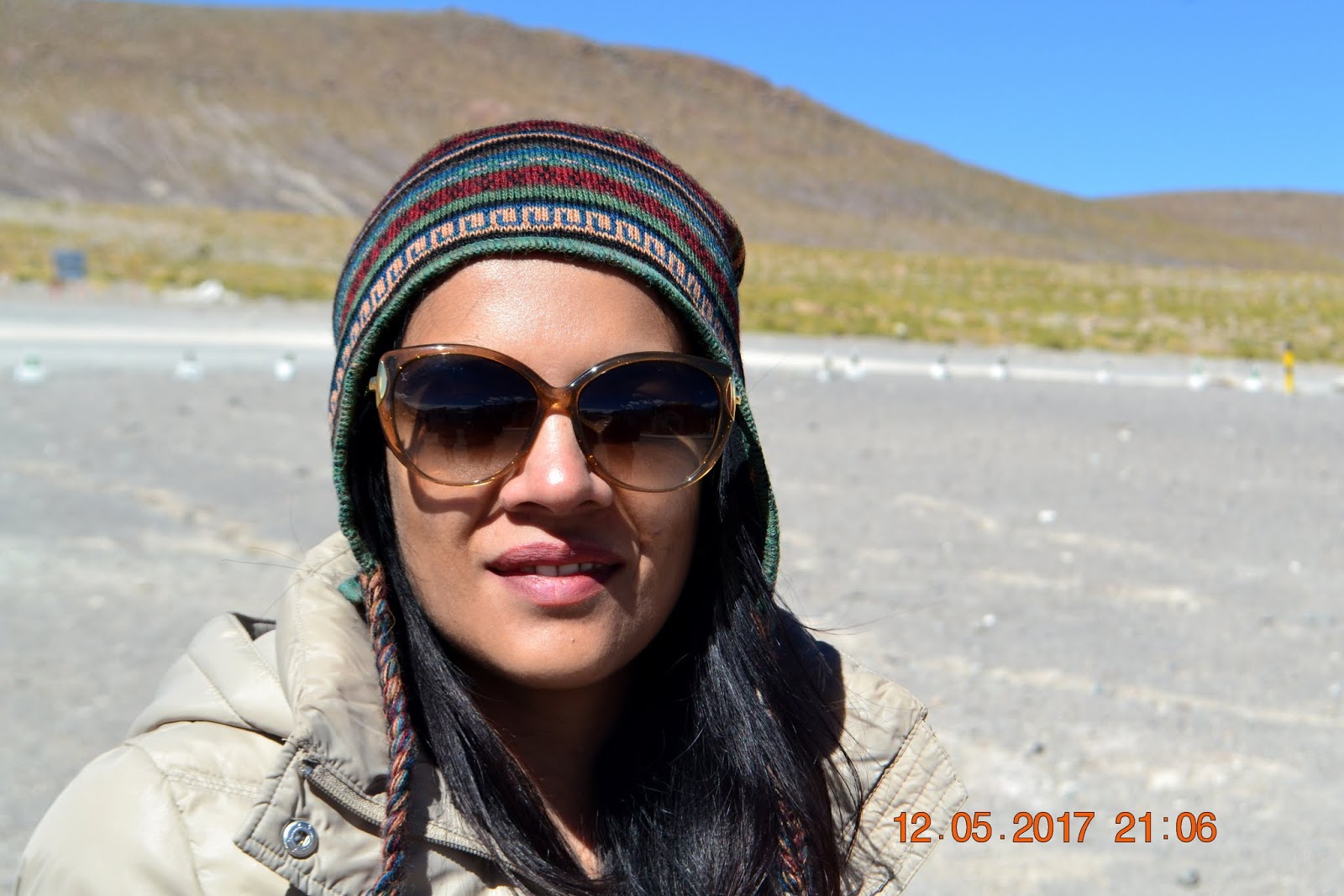
Figure <!–[if supportFields]> SEQ Figure \* ARABIC <![endif]–>32<!–[if supportFields]><![endif]–> – Beautiful Bolivian Lady
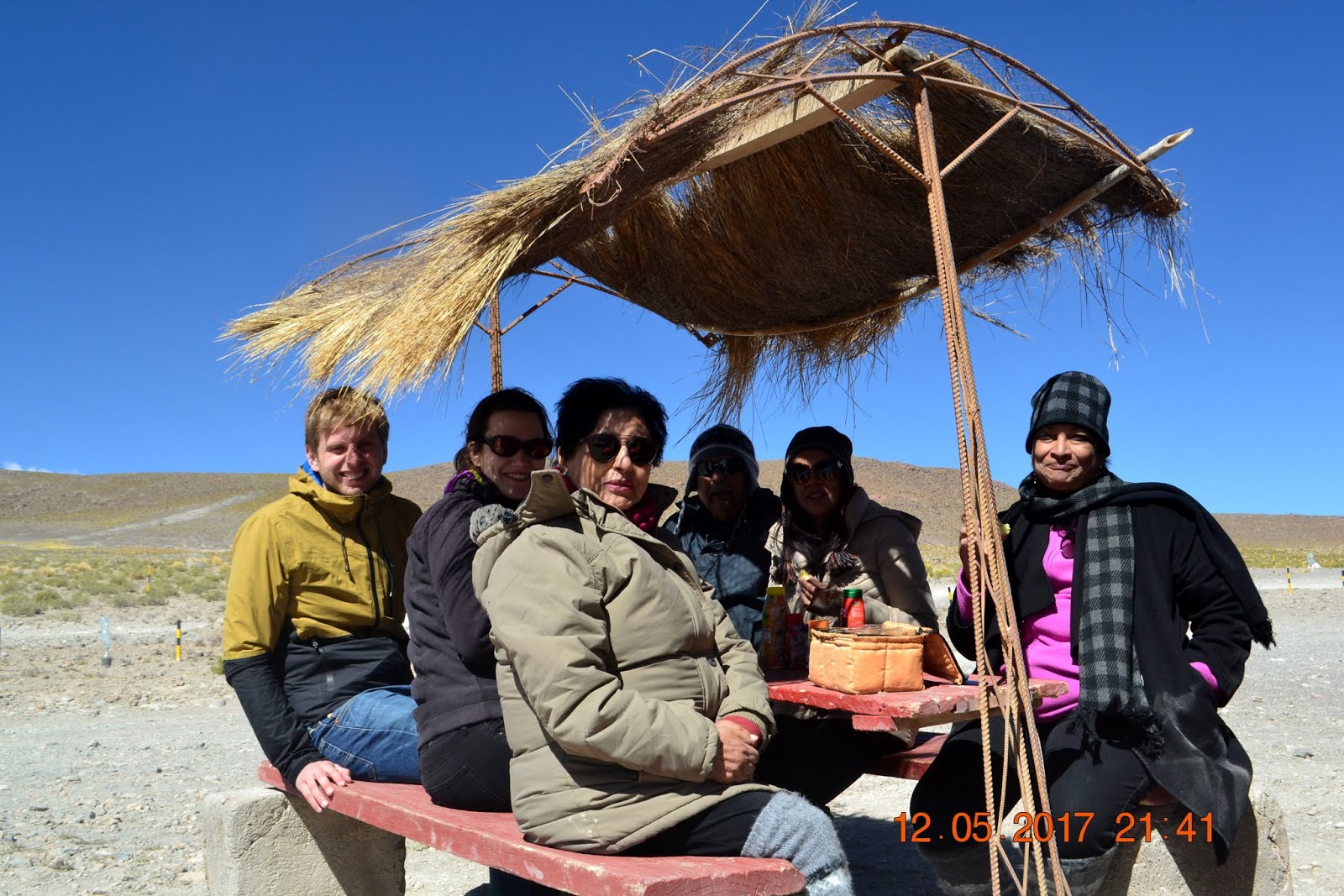
Figure <!–[if supportFields]> SEQ Figure \* ARABIC <![endif]–>33<!–[if supportFields]><![endif]–> – Very basic and frugal lunch
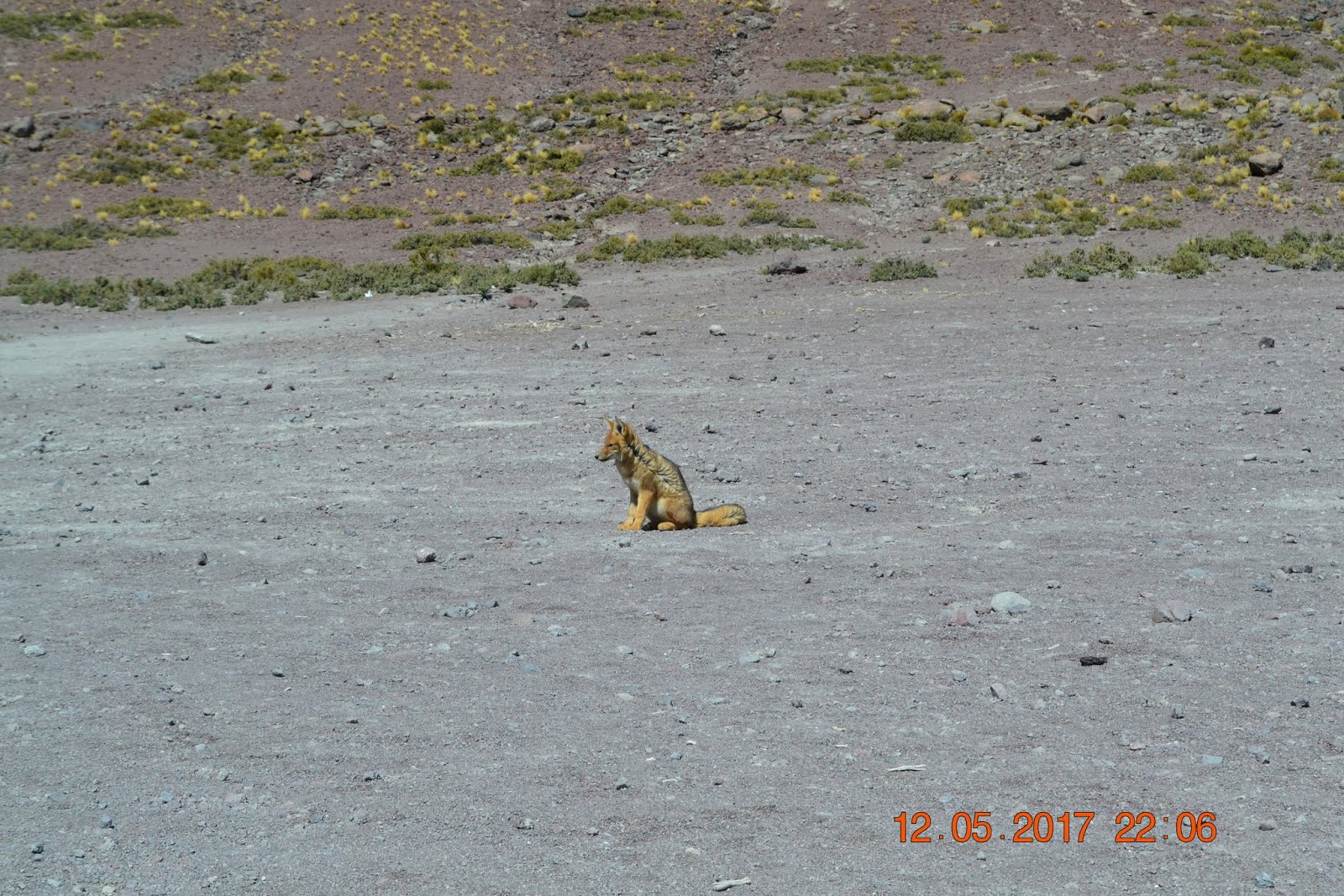
Figure <!–[if supportFields]> SEQ Figure \* ARABIC <![endif]–>34<!–[if supportFields]><![endif]–> – A lonely Culpeo
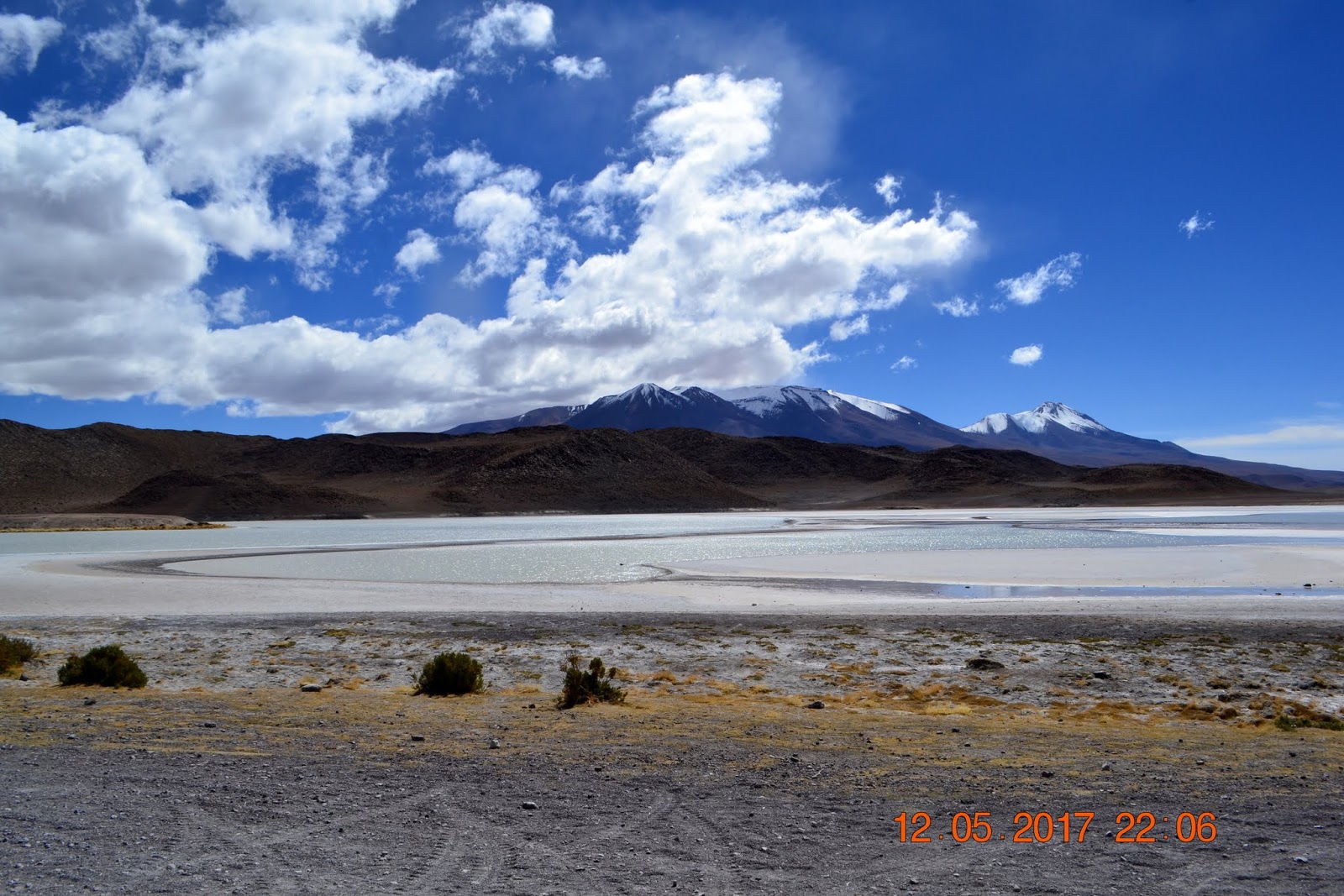
Figure <!–[if supportFields]> SEQ Figure \* ARABIC <![endif]–>35<!–[if supportFields]><![endif]–> – Captivating beauty
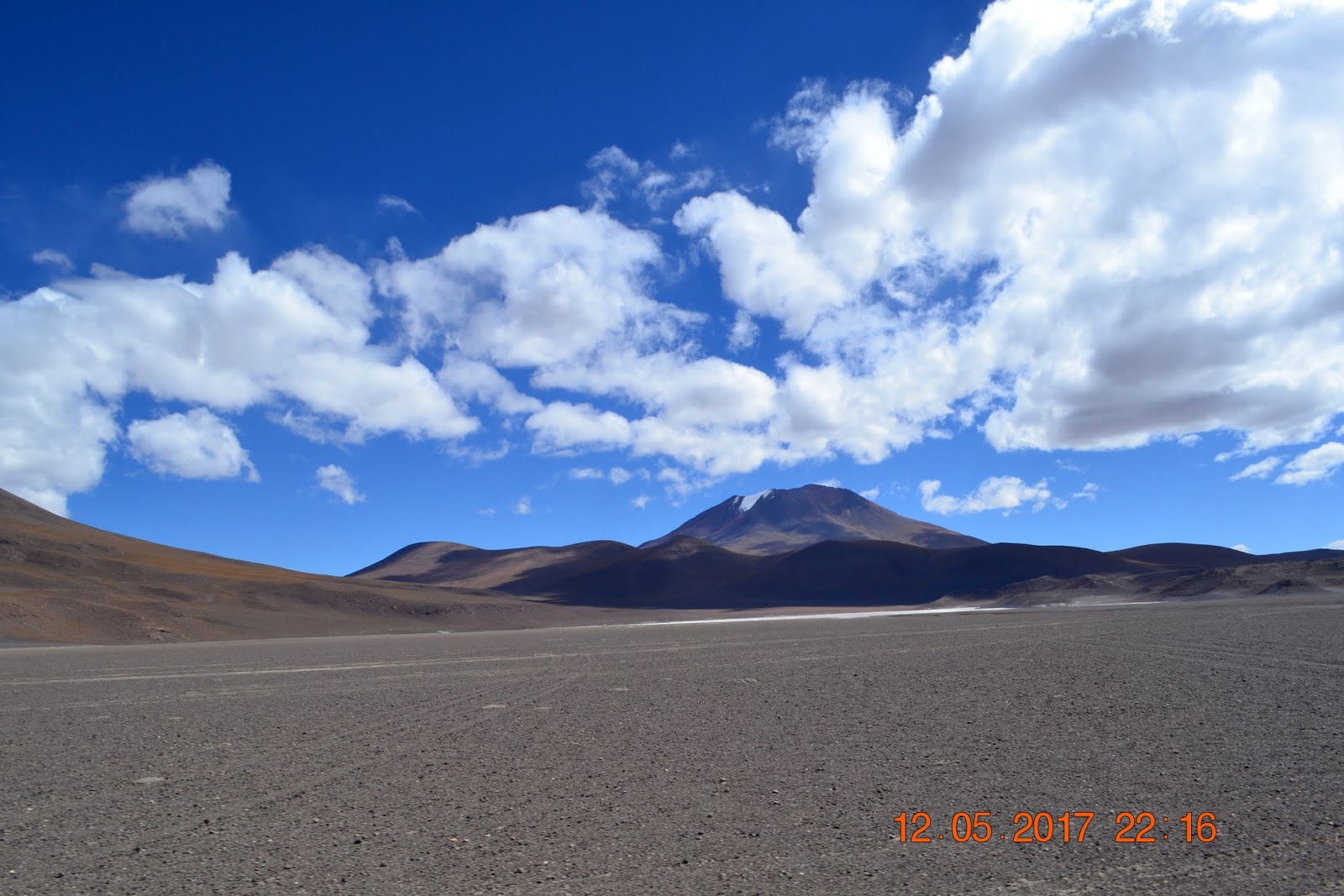
Figure <!–[if supportFields]> SEQ Figure \* ARABIC <![endif]–>36<!–[if supportFields]><![endif]–> – Unforgettable sights
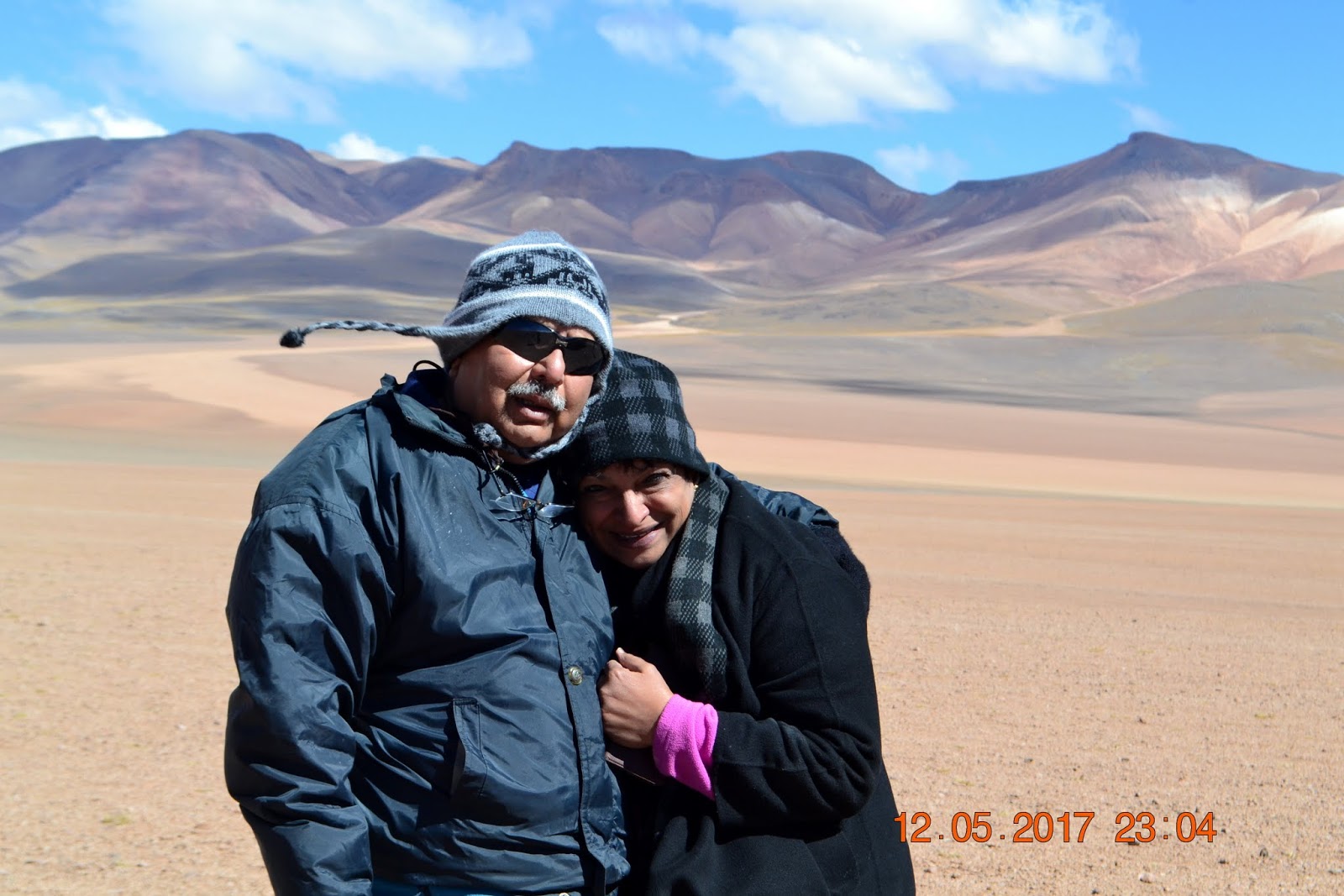
Figure <!–[if supportFields]> SEQ Figure \* ARABIC <![endif]–>37<!–[if supportFields]><![endif]–> – Sharing a quiet moment
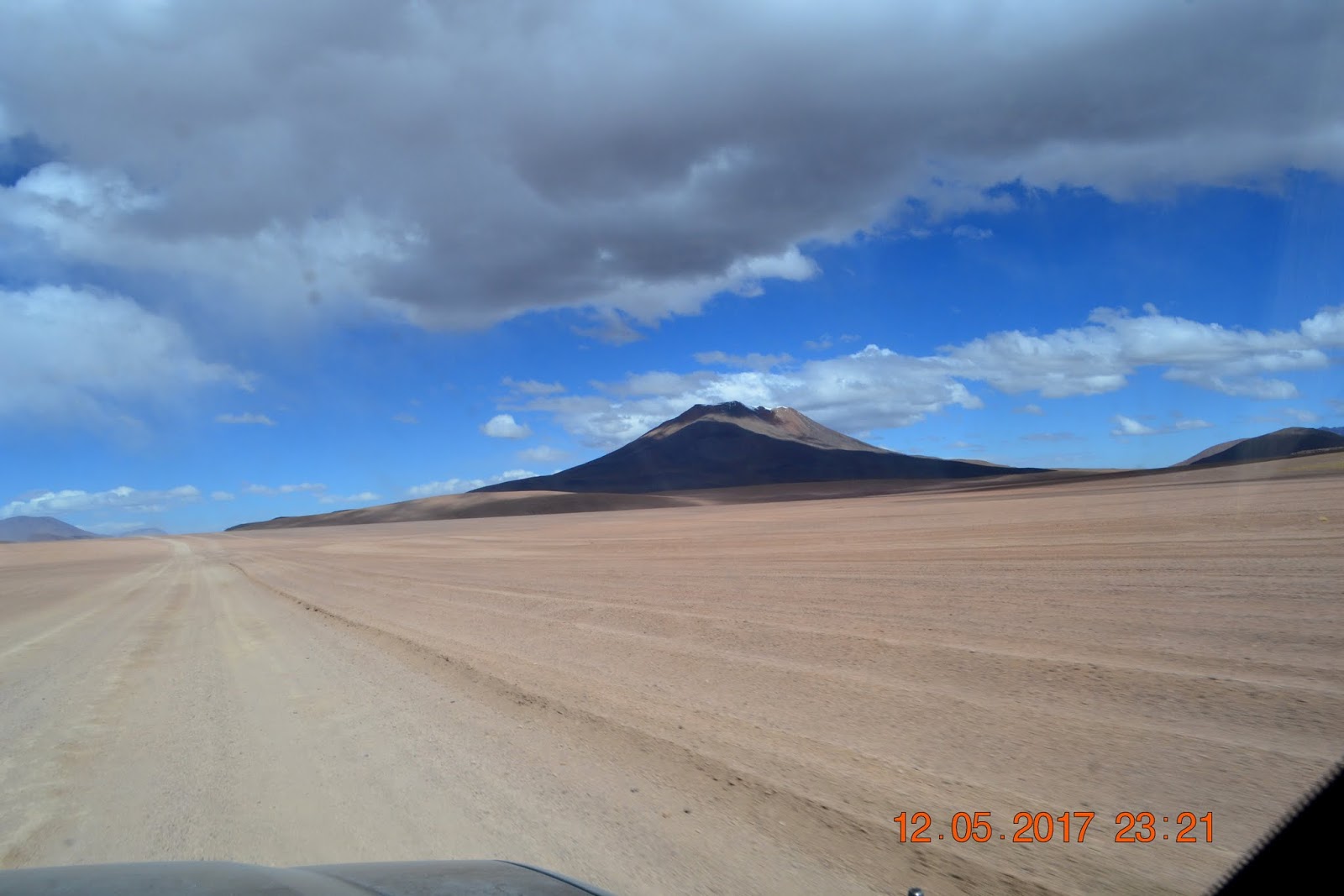
Figure <!–[if supportFields]> SEQ Figure \* ARABIC <![endif]–>38<!–[if supportFields]><![endif]–> – A memorable trip. drive back









 Captain's Corner