

One fine morning in end June, India was woken up from a deep slumber. The news papers carried the sinister headlines,” Tomato are more expensive than petrol. Rs 200 for one Kg of Tomato. Another daily said” Tomato crisis hits India as rain ravages crops and prices rise 400%.A popular TV screamed “The nation wants to know why Tomato prices have gone up? All other news took a back seat.
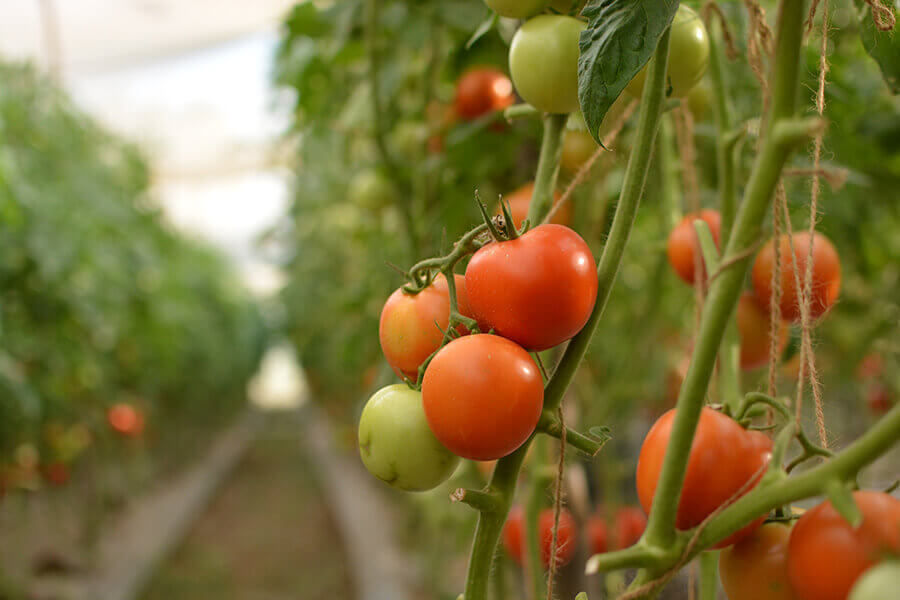
The front page hitherto reserved for statements from ministers, politicians and other such important government spokespersons were unceremoniously relegated to the inner pages. Even the all mighty “MacDonald” was badly hit. In all the branches of McDonald’s across the north, east, west and south of India, signs were put up to state that tomatoes would no longer be put in burgers and other dishes, due to a lack of availability.
A calamity of the greatest order had hit all Indians.
The government spokesperson said “There are a number of factors responsible for this sudden rise – including the monsoons, inadequate production, extreme heat and problems with transportation. In no time it led to some tongue in cheek humour of the best kind – ‘India is the master of Rocketry’- thanks to both the success of the Chandrayaan 3 moon landing and the sky rocketing of tomato prices. Western observers were quick with their salty comments, “Despite the country’s vastness and the diversity of its challenges, how does India manage to send a two-tonne payload to the moon across 3.85 lakh km while simultaneously struggling to reliably supply tomatoes from Dewas to Darbhanga, that are merely 1300 km apart?”
“Tomato Talk” soon became the most popular form of social interaction. Soon ‘Tomato Jokes’ started appearing.
‘Not only onion but tomato can also bring tears to your eyes …’
‘I have been getting several marriage proposals ever since word got out that I am a wholesale tomato seller.’
‘Instructions from the Central Government to all restaurants: People ordering Tomato Soup need to produce their PAN card …’
To save the Indian Public from this grave predicament, my over patriotic neighbour wanted to request the Spanish government to cancel the ‘La Tomatina’ festival scheduled for 30 August 2023 and divert 150,000 kg of tomatoes to India. He proclaimed this would be a truly humanitarian gesture. ‘Send Tomatoes, Save India’ was his battle cry.’
In the midst of all this gloom, I got a call from my dear cousin once removed. Older to me, Padmini said, ‘Pabbi, what will happen to us?’ Not getting the thread of her talk, I hesitated to reply. Normally no one starts a conversation with a question and her Q was very philosophical. Without waiting for a reply she continued, ‘Things will never be the same again…it’s hard to imagine how life has changed so suddenly! I am unable to cope with all these challenges… its unfair on the elderly. By which time I was getting deeply worried about my ancient relative. As of last week, dear Pads had been as fit as a fiddle and in total command of all her faculties in spite of her advanced age. I was at a total loss to understand her present demeanor. Alarmed and confused, I finally managed to interject and said, ‘Old bird, for heaven’s sake be more lucid and spell forth the reasons for your anxiety!’ Finally she declared, ‘As it is life is difficult, but to manage daily cooking without tomatoes is asking for too much.’
I strongly rebuked her for exaggerating the situation and went on to remind her that Tomato was not native to India. Vasco Da Gama and his shipmates introduced the tomato to India in the 16th Century. Indian cuisine was highly advanced well before the arrival of the ubiquitous tomato.
I said, “Pads, ‘dig out your grandmother’s recipe book and see if there is any mention of tomatoes.” A quick examination of South Indian Vegetarian cooking, which I am very familiar with, will reveal a variety of dishes which does not contain tomatoes. One starts the day with the Southern Triumvirate – idli dosa and vada, accompanied by coconut chutney and sambhar. The later gets its tangy sourness from tamarind juice. During lunch and dinner, Palya or Sabzi cooked from a long list of vegetables is served along with rice and roti. A variety of dals follow suit. The culinary accent being on the vegetables. Delectable curries made out of curd (‘kadi’, ‘more kolambu’, ‘majjige huli’) are devoid of tomatoes. The same goes for the popular ‘ rasam’ or ‘saru’. Tanginess is provided by tamarind or lime. Many Indian dishes use amchoor (dry mango powder) as a souring agent. Kokum and curd is also extensively used to bring a bit a sourness to the dish.
I, for one, was unable to understand the hue and cry associated with the lack of tomatoes. If Marie Antoinette were to be alive today she would certainly have said, ‘Let them have tamarind! ’
During the next family get together, I found Pads in a corner quietly tucking away into her favourite dishes. On closer examination I found her deportment extremely vibrant. She had been restored to her original charming self. To borrow a phrase from Earnest Hemingway, ‘She was very pretty with a face as fresh as a newly minted coin ….’
The reason for her turn-around was easy to find. A glance at the newspaper revealed all.
‘The prices of tomatoes that had touched nearly ₹200 per kg in July have crashed to below ₹10 per kg in the Bangalore wholesale markets as of 6 September’.
Thus ended the reign of ‘King Tomato’. In a matter of 90 days, the tomato had affected scores of Indians, both rich and poor alike. On the positive side, many farmers became rich overnight, thanks to this ‘Love Apple’.
Cheers and Good bye until the next price rise.
Here Today Gone Tomato
 Captain's Corner