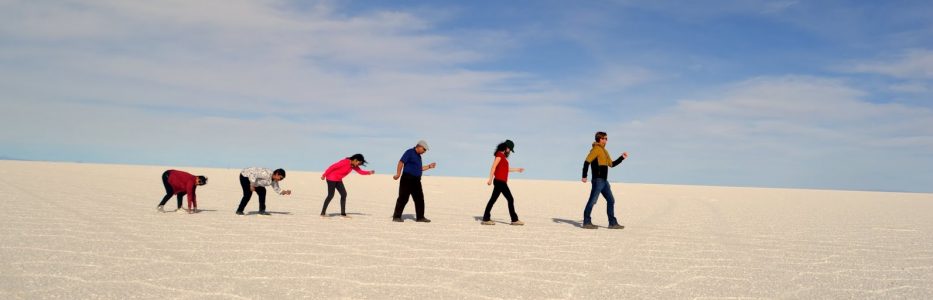

We bid good bye to Portugal and Lisbon and headed towards Salamanca. The city lies about 220 KM Northwest of Madrid on the river Tormes. It is small town and is the most important University City in Spain. The university was founded in 1218 and is the oldest university in Spain. The weather was extremely cold and we were under dressed.The city is full of life with many youngsters making it their home for studies.
We were kept occupied with a short documentary on ‘History of Cork’ and ‘Olive Oil’. The film showed us how the oil is made from the very beginning – a very interesting and educative film. Plucking the olives to processing is done in 24 hrs. Extra virgin oil is untouched; the acid content is low and hence good for cooking. More the acid, lower the quality. The oil is stored either in a colored glass bottle or in a tin container to keep the sunlight away. Good olive oil when rubbed in your hand emanates an earthy smell of the country. Grading the oil is through a series of sipping, tasting and rolling on the tongue – probably like wine and tea.
We later on stopped in a village by the name of ‘Avilla’ city of ‘Stones and Saints’ where we were treated to ‘Churros’ (Spanish doughnut) a traditional Spanish Dessert developed centuries ago by shepherds. Up high in the mountains, fresh baked goods were impossible to come by, so the ingenious, nomadic folk of the hills came up with a delicious cake-like, cylindrical, daily staple which they could easily cook in a pan over an open fire. This was the birth of Churros. They are normally eaten for breakfast dipped in hot chocolate. The weather was perfect for Churros and everyone thoroughly enjoyed the Spanish delicacy.
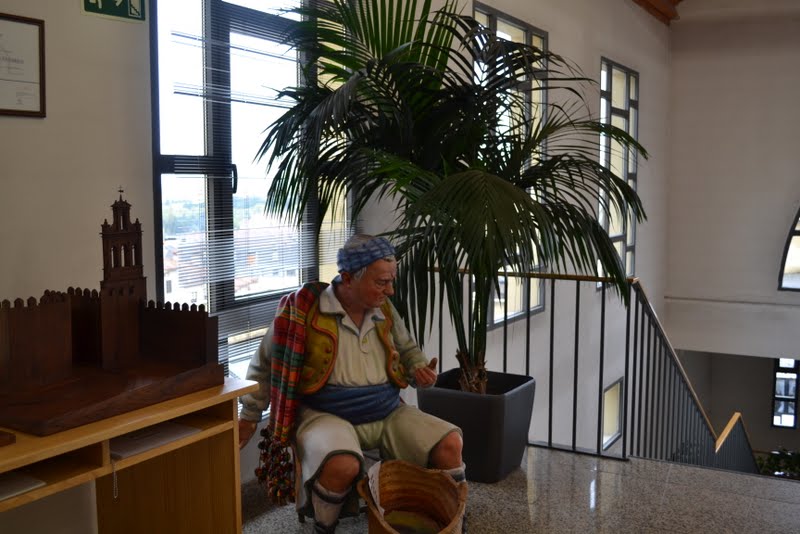
Figure <!–[if supportFields]> SEQ Figure \* ARABIC <![endif]–>1<!–[if supportFields]><![endif]–> – A very interesting statuette on the way to the restaurant
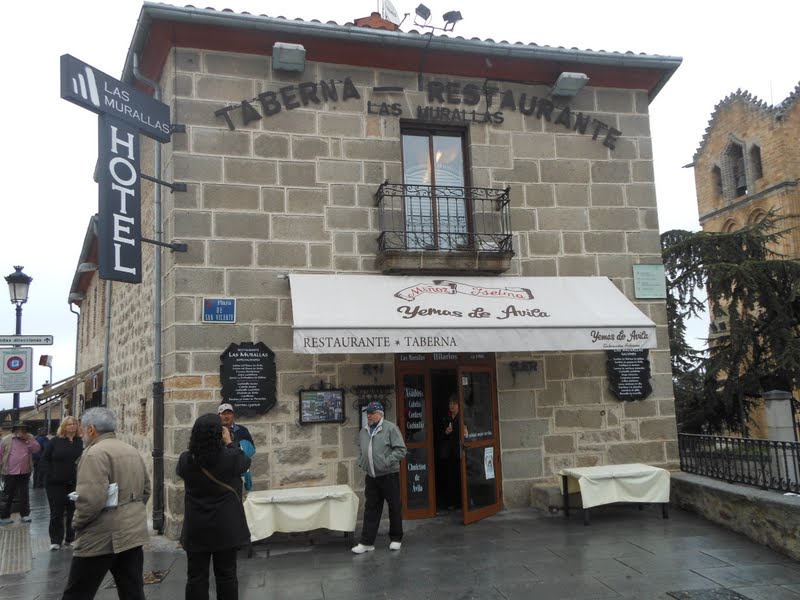
Figure <!–[if supportFields]> SEQ Figure \* ARABIC <![endif]–>2<!–[if supportFields]><![endif]–> – Taberna for Churros
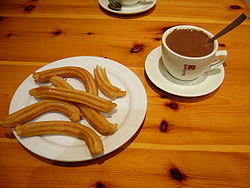
Figure <!–[if supportFields]> SEQ Figure \* ARABIC <![endif]–>3<!–[if supportFields]><![endif]–> – Death by Churros served with hot chocolate sauce
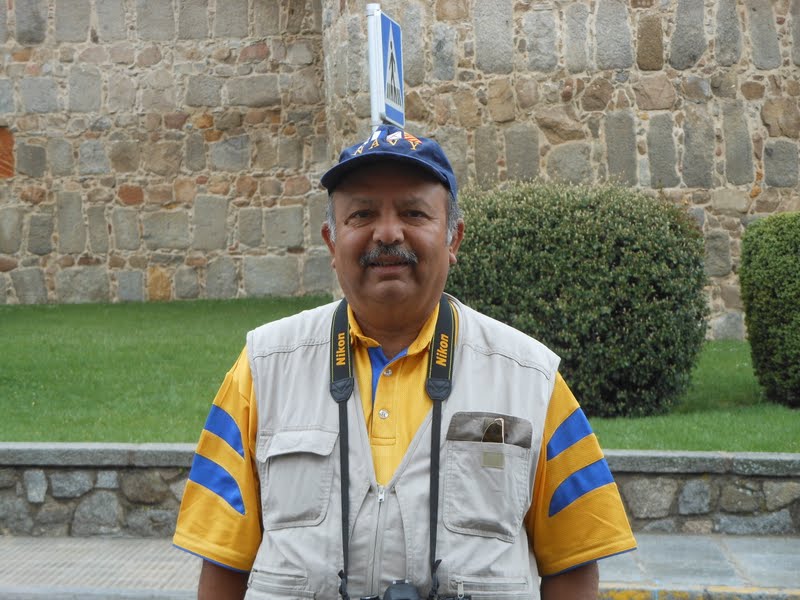
Figure <!–[if supportFields]> SEQ Figure \* ARABIC <![endif]–>4<!–[if supportFields]><![endif]–> – After Churros
A lady from our group fell down on the road while getting down from the bus. Ms Collen had to be hospitalized for emergency care in a nearby hospital. She joined us a day later and out of danger.
We then visited Fatima. It is said that, Six times, from the May 13 to Oct 13, 1917, the Virgin Mary appeared to three shepherd children in the diocese of Leiria. A new church is under construction, however just as beautiful, an older church was constructed here in 1928, and millions of pilgrims visit each year. Fatima is one of the most visited holy places for Catholics from around the world.
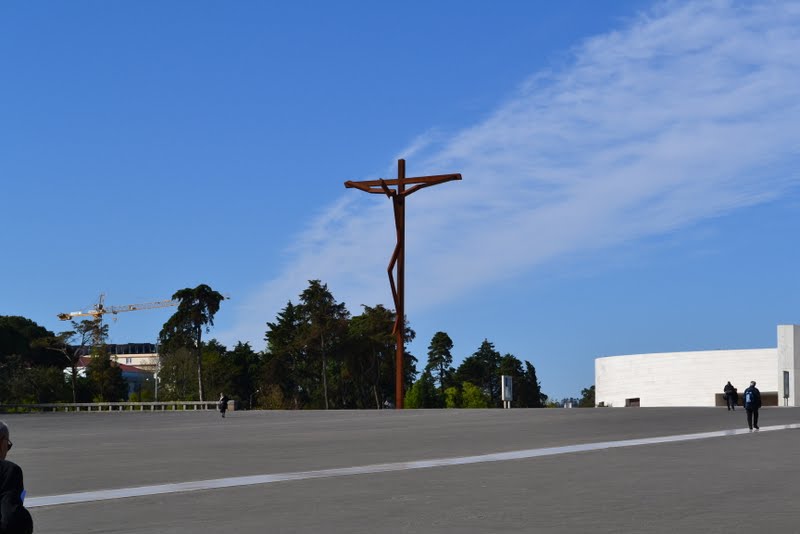
Figure <!–[if supportFields]> SEQ Figure \* ARABIC <![endif]–>5<!–[if supportFields]><![endif]–> – A superb piece of architecture at Fatima
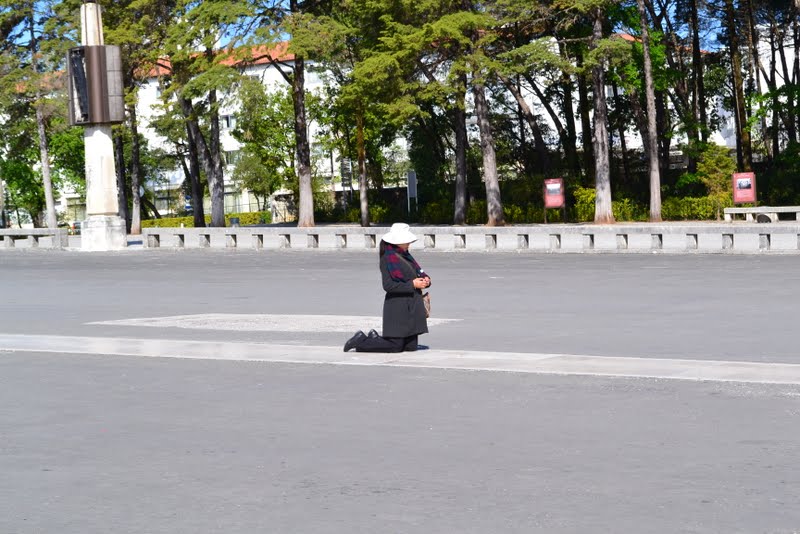
Figure <!–[if supportFields]> SEQ Figure \* ARABIC <![endif]–>6<!–[if supportFields]><![endif]–> – A staunch devotee walking on her knees in prayer – Fatima
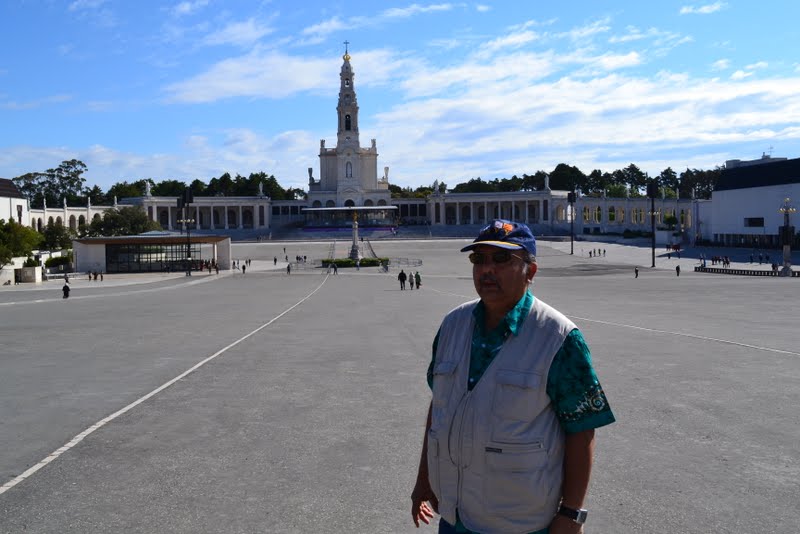
Figure <!–[if supportFields]> SEQ Figure \* ARABIC <![endif]–>7<!–[if supportFields]><![endif]–> – View of the church
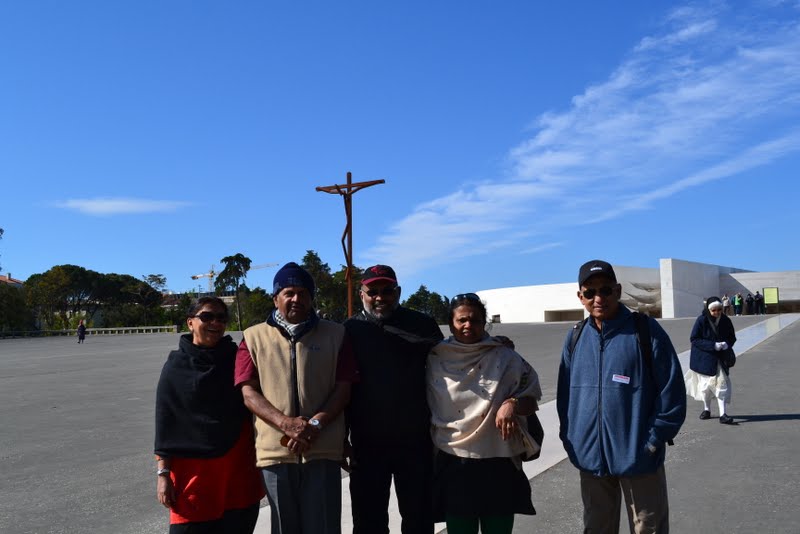
Figure <!–[if supportFields]> SEQ Figure \* ARABIC <![endif]–>8<!–[if supportFields]><![endif]–> – Photo op
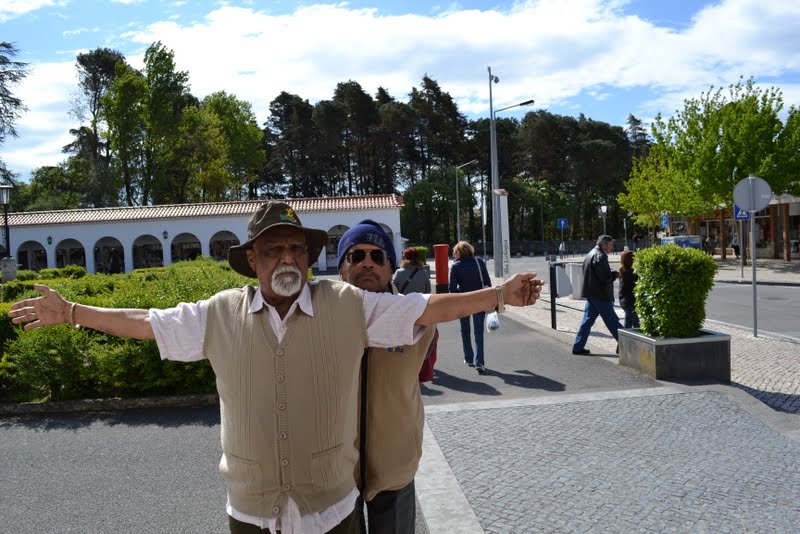
Figure <!–[if supportFields]> SEQ Figure \* ARABIC <![endif]–>9<!–[if supportFields]><![endif]–> – Kats posing as the savior
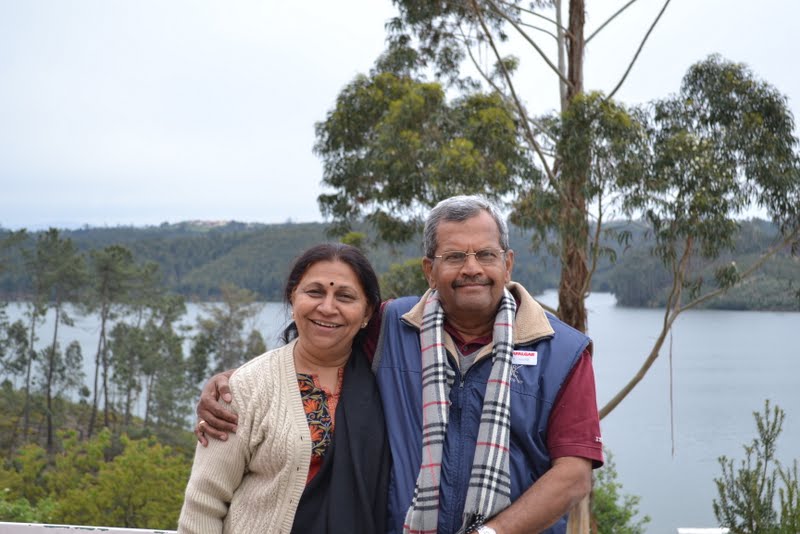
Figure 10 – During the technical halt – a very satisfied couple
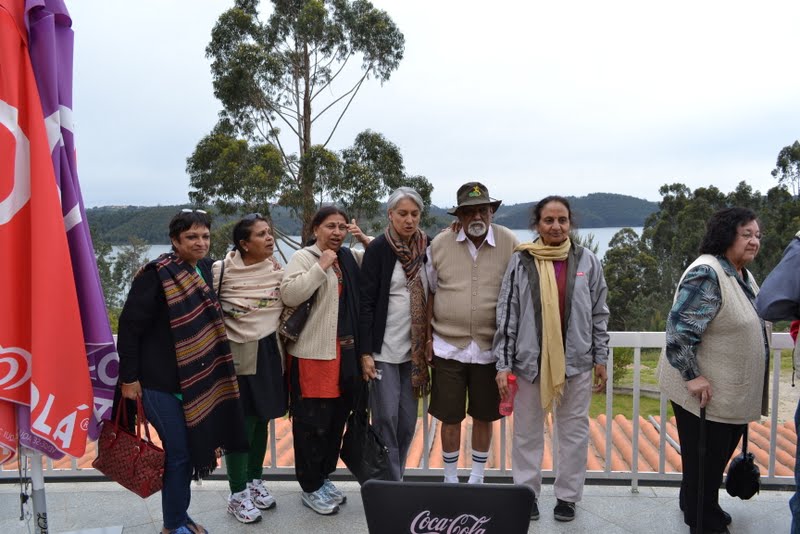
Figure <!–[if supportFields]> SEQ Figure \* ARABIC <![endif]–>11<!–[if supportFields]><![endif]–> – The group
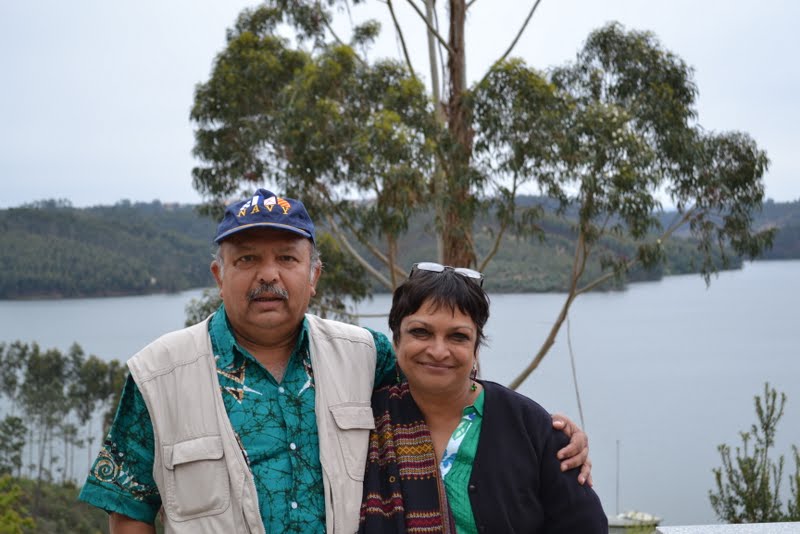
Figure <!–[if supportFields]> SEQ Figure \* ARABIC <![endif]–>12<!–[if supportFields]><![endif]–> – Jai and Self
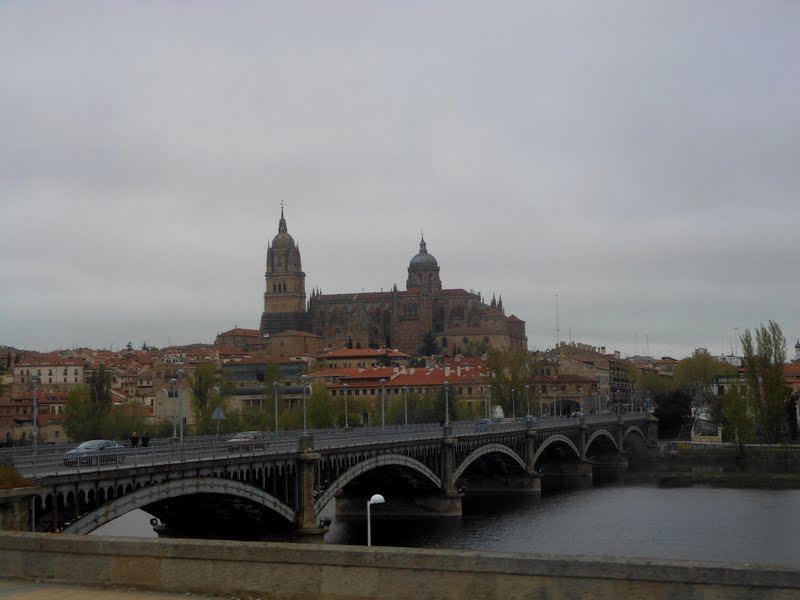
Figure <!–[if supportFields]> SEQ Figure \* ARABIC <![endif]–>13<!–[if supportFields]><![endif]–> – Roman Bridge of Salamanca.
Of its arches, fifteen are Roman of the 1st century BC. It stands on 26 semicircular arches and robust pillars. It forms part of the ‘Plata’ Roman road that linked Merida with Astorga. Nearby is the Mudéjar Romanesque church of Santiago.
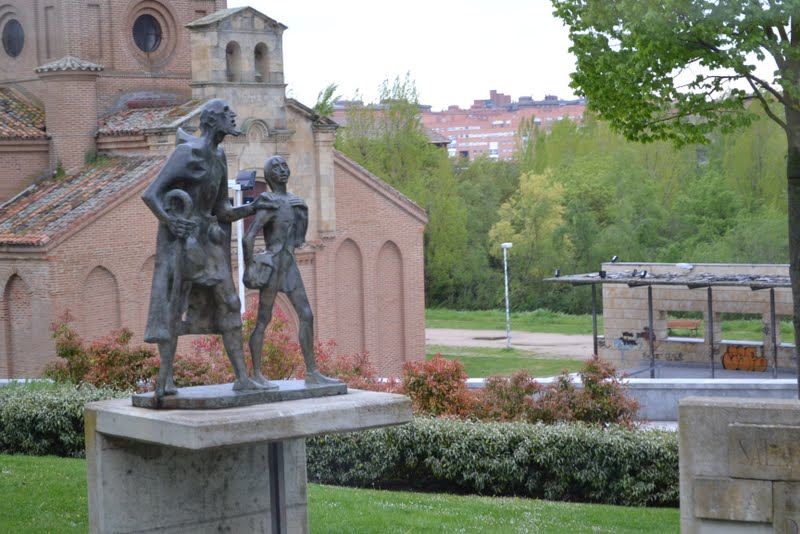
Figure <!–[if supportFields]> SEQ Figure \* ARABIC <![endif]–>14<!–[if supportFields]><![endif]–> – Architecture in the city – The statue is of a famous novel written about the adventures of a boy in Salamanca named Lazarus, who has the job of guiding a blind man.
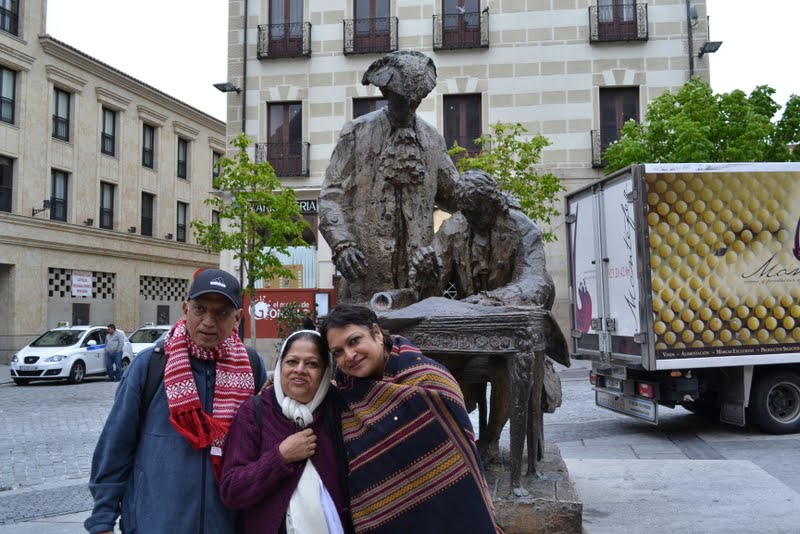
Figure 15 – Statue nr La Clerecía – With Dore, Lalitamma and Jai –
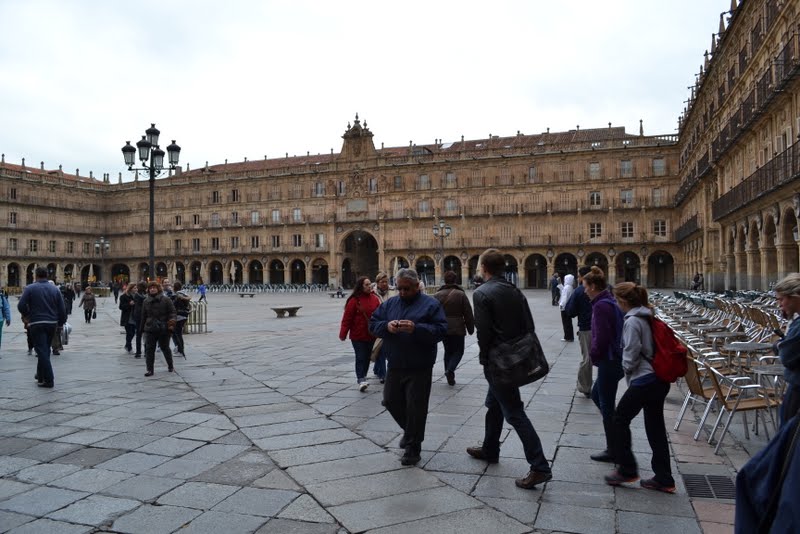
Figure <!–[if supportFields]> SEQ Figure \* ARABIC <![endif]–>16<!–[if supportFields]><![endif]–> – Plaza Mayor
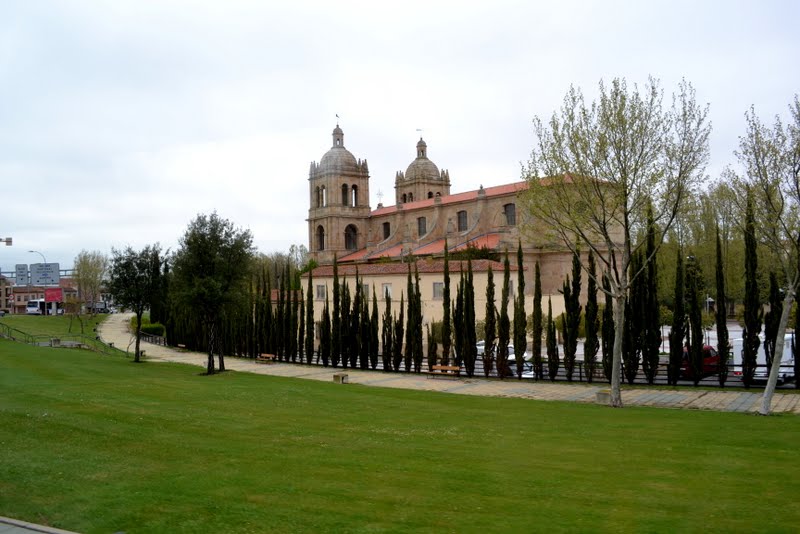
Figure <!–[if supportFields]> SEQ Figure \* ARABIC <![endif]–>17<!–[if supportFields]><![endif]–> – A view of the cathedral
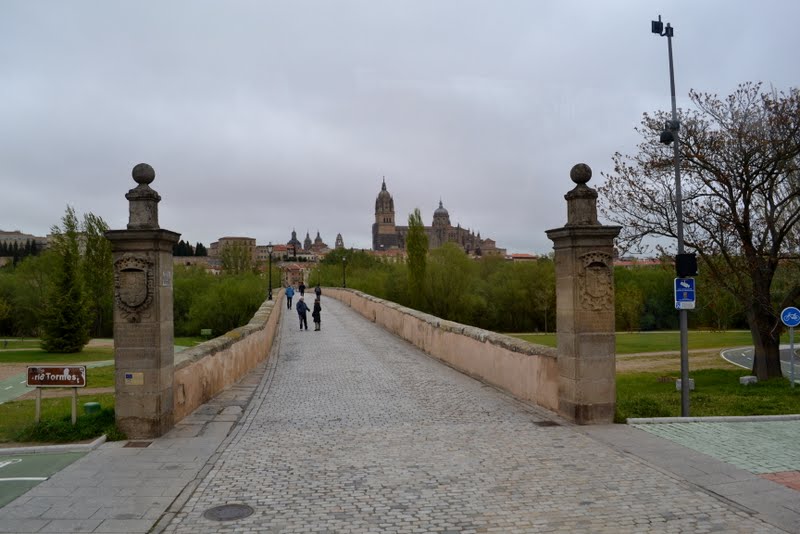
Figure <!–[if supportFields]> SEQ Figure \* ARABIC <![endif]–>18<!–[if supportFields]><![endif]–> – A road from the Roman times
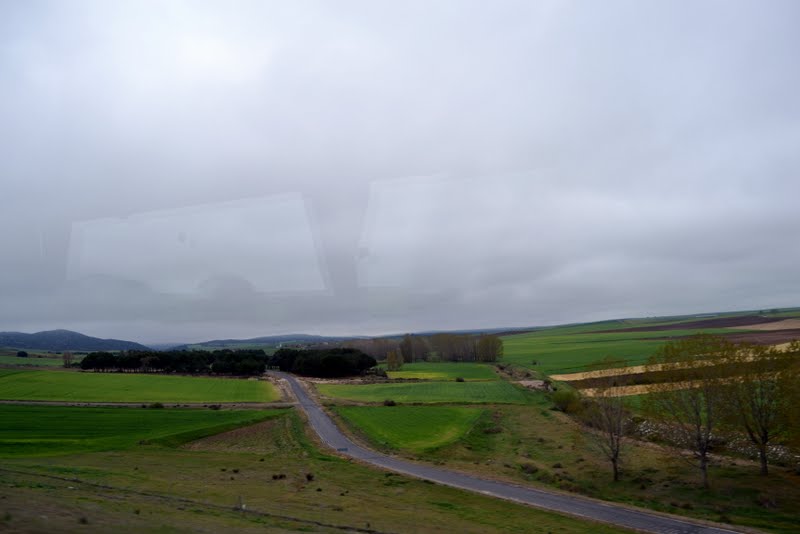
Figure 19 – Fascinating landscape outside of Salamanca
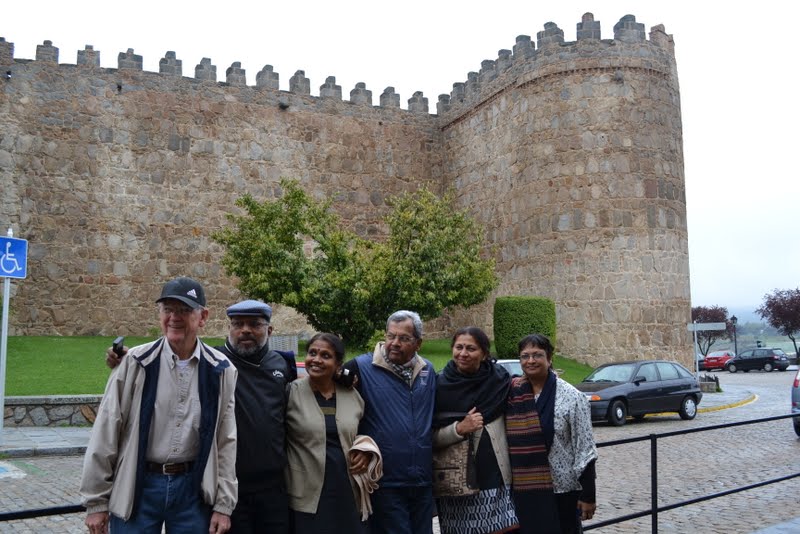
Figure <!–[if supportFields]> SEQ Figure \* ARABIC <![endif]–>20<!–[if supportFields]><![endif]–> – Walls of Avilla – With Bob who celebrated his 52nd wedding anniversary in Salamanca.
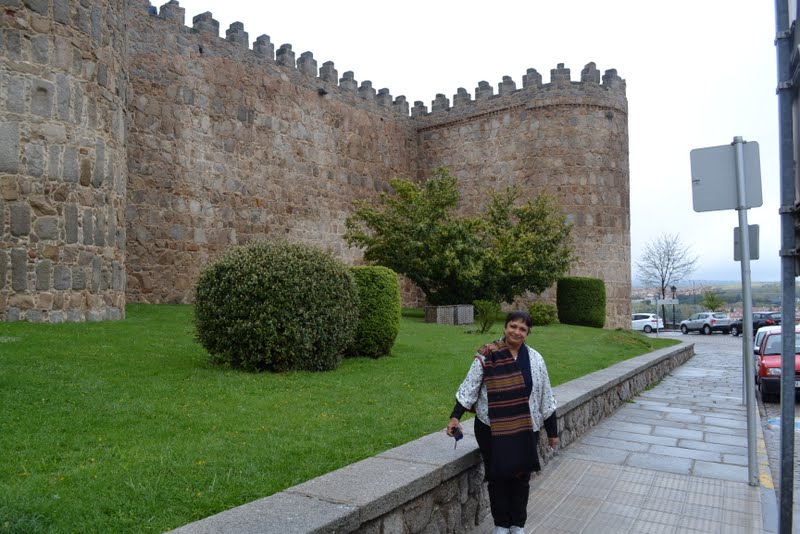
Figure <!–[if supportFields]> SEQ Figure \* ARABIC <![endif]–>21<!–[if supportFields]><![endif]–> Walls of Avilla – Jai absorbing the nature
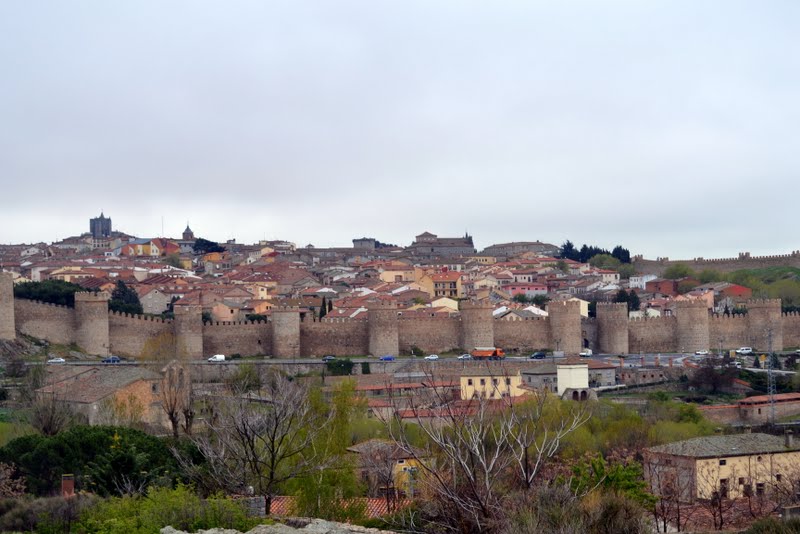
Figure <!–[if supportFields]> SEQ Figure \* ARABIC <![endif]–>22<!–[if supportFields]><![endif]–> – Avilla from a hill top
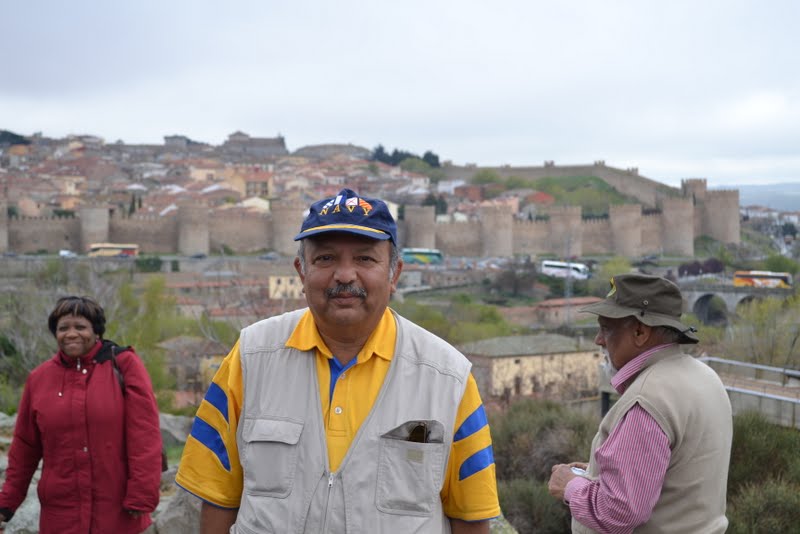
Figure <!–[if supportFields]> SEQ Figure \* ARABIC <![endif]–>23<!–[if supportFields]><![endif]–> – Rare photo op
 Captain's Corner