
The thin population of Spain is very evident throughout the country, but it becomes even more evident as one drives along the coast. The roads from Malaga to La Linea look deserted except for a few trucks and cars. It is really strange, especially to an Indian to see highways devoid of traffic, people and animals. Spain has one of the lowest populations for a western European country of its geographical size. Iy also has one of the slowest population growth rates in Europe. Latest population growth figures for Spain shows that for every woman in Spain 1.24 children are being born. This is approximately half the population growth rate of other western European countries.
The vast majority of the population of Spain is indigenous Spanish people. Only recently has immigration risen in Spain helping to boost population figures in Spain Today nearly 3 million of the total population of Spain is recent immigrants to Spain coming mainly from Africa and the former Spanish colonies. There is one significant segment of the population of Spain who, while being ethnically distinct from the rest of the population, has long established roots in Spain. The Gypsies of Spain make up approximately 1% of the population of Spain and live mainly in Andalusia. This segment of the population of Spain is originally from India and migrated to Spain in the 15th century. The Gypsies of Spain are known to the outside world primarily for the Flamenco muisic which is so popular both in Spain and abroad.
As we approach La Linea the Rock of Gibraltar gradually becomes visible and the geographical significance of the location starts to sink in. A great view of two continents, two countries, two oceans and one British colony captures your total attention. Spain, Morocco, Mediterranean, Atlantic, Gibraltar, Africa and Europe are the part of the jig saw.
I had seen the Rock of Gibraltar while entering the Mediterranean on a Missile Corvette INS Hosdurg in March 1978. I was quite excited to return to see the spectacle from a different angle this time around.
The name Gibraltar is the Spanish derivation of the Arabic name Jabal Tāriq, meaning “mountain of Tariq. In 1704 Spain lost Gibraltar to Britain. Gibraltar’s territory covers 6.843 square kilometers and shares a 1.2-kilometre land border with La Linea Spain.
Franco entered into an understanding with Germany to recover Gibraltar, if the latter won WWII.
La Linea – The town derives its name firstly from the Línea or boundary line separating Spain from Gibraltar and secondly from the Immaculate Conception of Mary, the Mother of Jesus. Its people are called in Spanish Linenses. La Línea is a major supplier of fruit and vegetables to Gibraltar; other industries include the manufacture of cork, liquor, and fish paste. It also had an important military garrison with substantial fortifications and a port.
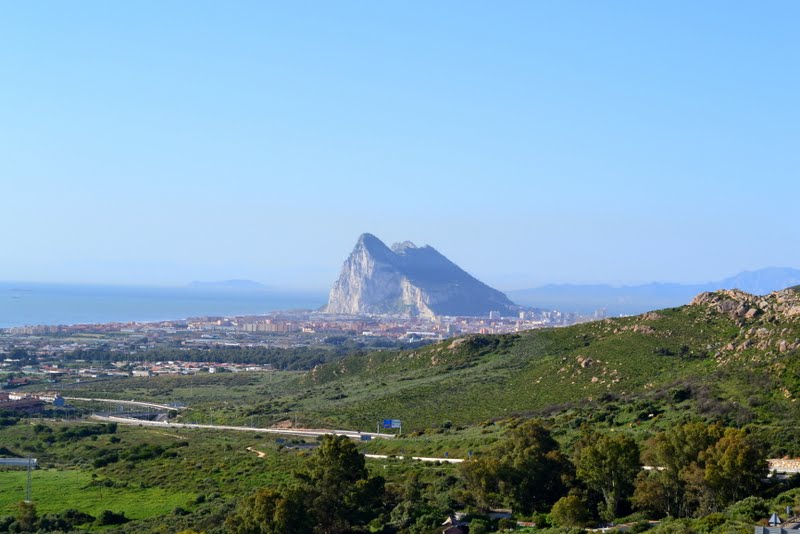
Figure <!–[if supportFields]> SEQ Figure \* ARABIC <![endif]–>1<!–[if supportFields]><![endif]–> – The first impression
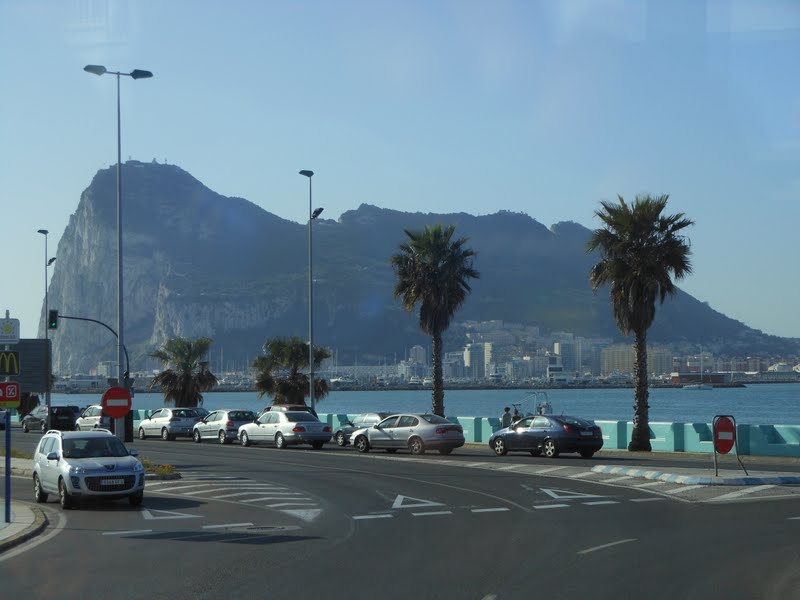
Figure <!–[if supportFields]> SEQ Figure \* ARABIC <![endif]–>2<!–[if supportFields]><![endif]–> – The extent of Rock of Gibraltar
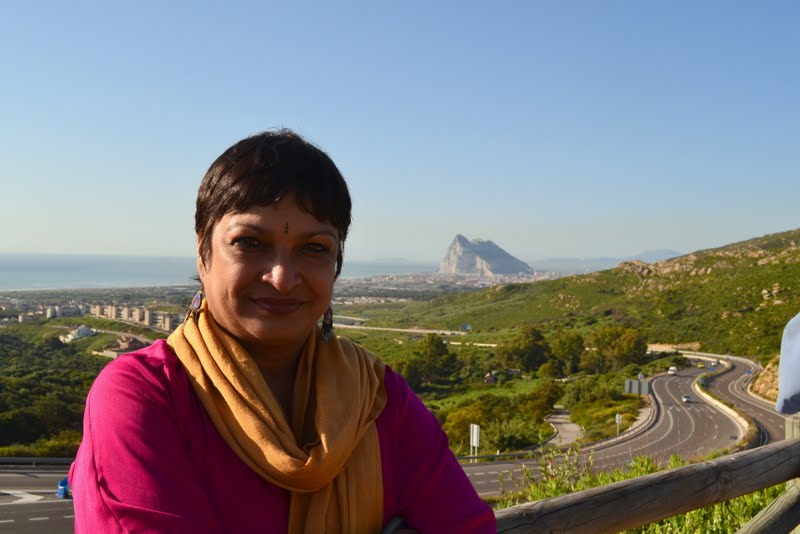
Figure <!–[if supportFields]> SEQ Figure \* ARABIC <![endif]–>3<!–[if supportFields]><![endif]–> – My Rock
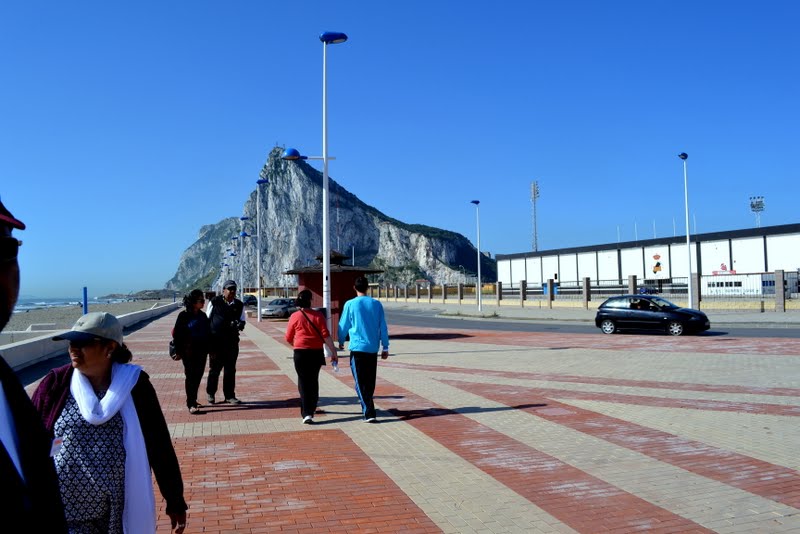
Figure <!–[if supportFields]> SEQ Figure \* ARABIC <![endif]–>4<!–[if supportFields]><![endif]–> – View from La Linea
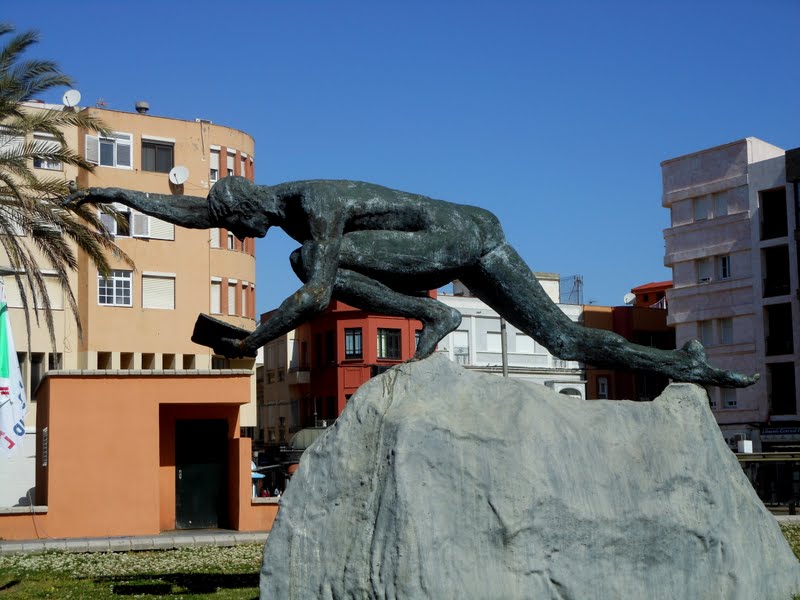
Figure <!–[if supportFields]> SEQ Figure \* ARABIC <![endif]–>5<!–[if supportFields]><![endif]–> – An interesting statue
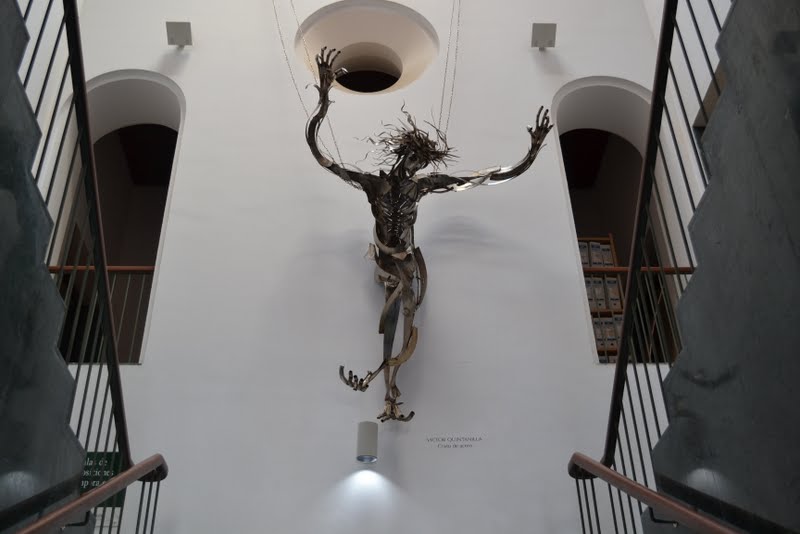
Figure <!–[if supportFields]> SEQ Figure \* ARABIC <![endif]–>6<!–[if supportFields]><![endif]–> – Modern art at the city museum
Seville
Thereafter we drove to Seville which is situated on the plains of the River Guadalquivir. Seville is approximately 2,200 years old. The passage of the various civilizations instrumental in its growth has left the city with a distinct personality, and a large and well-preserved historical centre. Although it has a strong medieval renaissance and baroque heritage, the city was greatly influenced by Arabic culture. Following the 1492 Christopher Columbous expedition to The new world – a ‘golden age of development’ commenced in Seville, due to its being the only port awarded the royal monopoly for trade with the growing Spanish colonies in the Americas and the influx of riches from them.
Seville hosted the 1992 World Expo. The city celebrates a number of festivals – two important ones being – ‘The Holy Week’ and the “April Fair’ a Flamenco festival. The festivals attract a very large crowd who come to enjoy the dancing and drinking.
We checked into ‘Gran Hotel Lar Seville’ which is centrally located and close to the city centre. The city itself is extremely pretty, dotted with a number of parks, statues, roundabouts and very imposing monuments. The city brings out the best of the old and the new age architecture. Once again the effort to retain the past comes out loud and clear.
Tidbit
In the earlier days the traffic lights at the pedestrian crossing in Seville had a stationary man on it – indicating walk or not. When a woman took over as the mayor she changed them to walking little men and women.
Figure <!–[if supportFields]> SEQ Figure \* ARABIC <![endif]–>7<!–[if supportFields]><![endif]–> – A very interesting monument
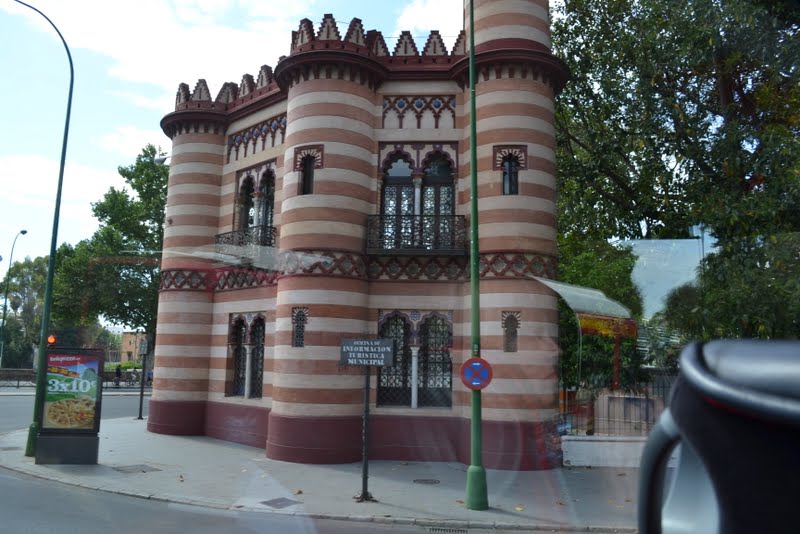
Figure <!–[if supportFields]> SEQ Figure \* ARABIC <![endif]–>8<!–[if supportFields]><![endif]–> – Many old buildings dot the city
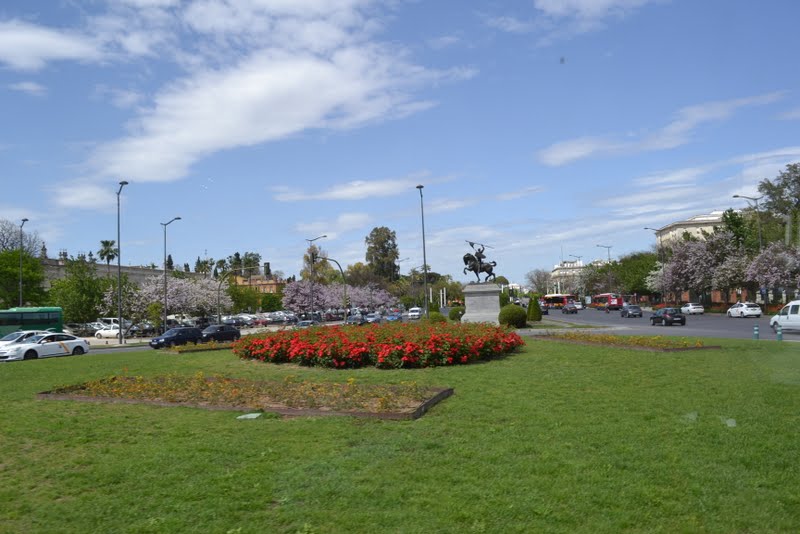
Figure <!–[if supportFields]> SEQ Figure \* ARABIC <![endif]–>9<!–[if supportFields]><![endif]–> – City full of parks and flowers
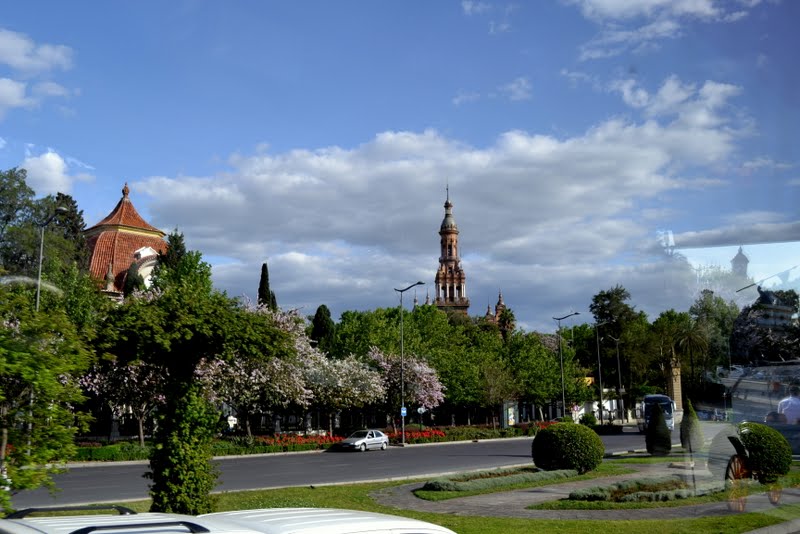
Figure <!–[if supportFields]> SEQ Figure \* ARABIC <![endif]–>10<!–[if supportFields]><![endif]–> – A very pretty sight
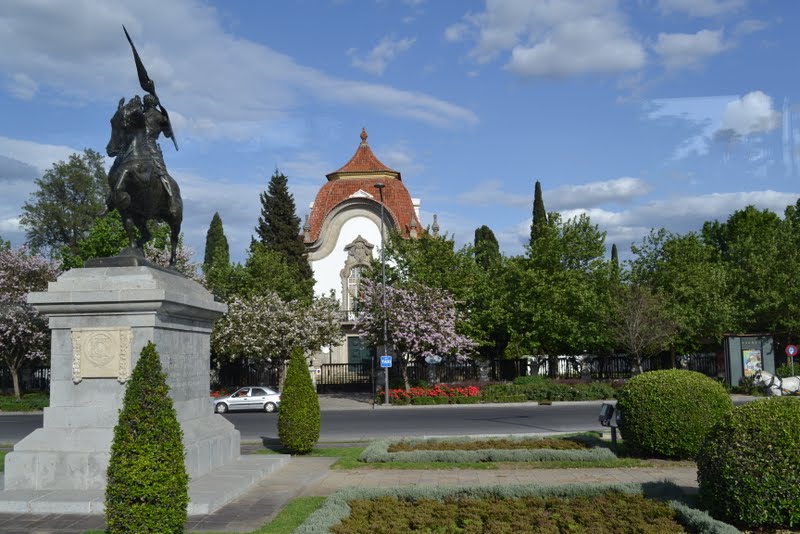
Figure <!–[if supportFields]> SEQ Figure \* ARABIC <![endif]–>11<!–[if supportFields]><![endif]–> – Some more monuments
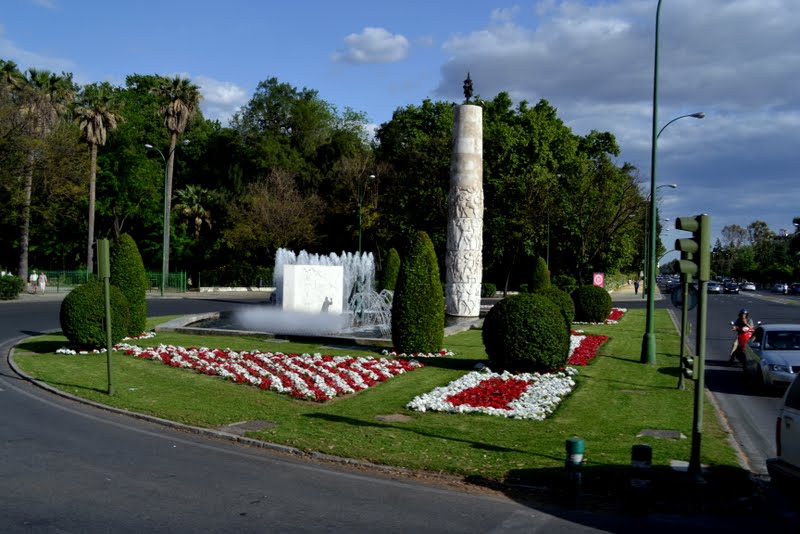
Figure <!–[if supportFields]> SEQ Figure \* ARABIC <![endif]–>12<!–[if supportFields]><![endif]–> – A fascinating roundabout
The evening was well spent attending a Flamenco dancing in a theatre ‘El Patio Sevillano’. Flamenco is a form of Spanish folk music and dance from the region of Andalusia in southern Spain. It includes cante, toque, baile and palmas. First mentioned in literature in 1774, the genre grew out of Andalusian and Romani music and dance styles.
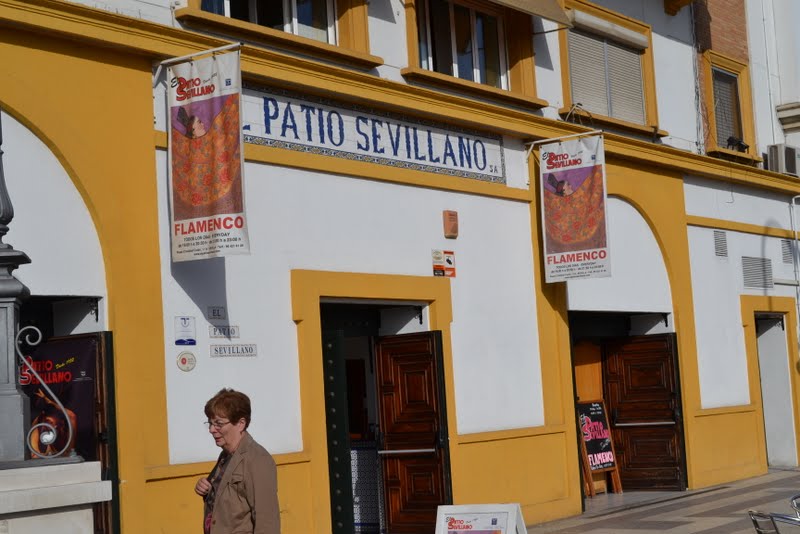
Figure <!–[if supportFields]> SEQ Figure \* ARABIC <![endif]–>13<!–[if supportFields]><![endif]–> – The Flamenco theatre ‘El Patio Sevillano’
]
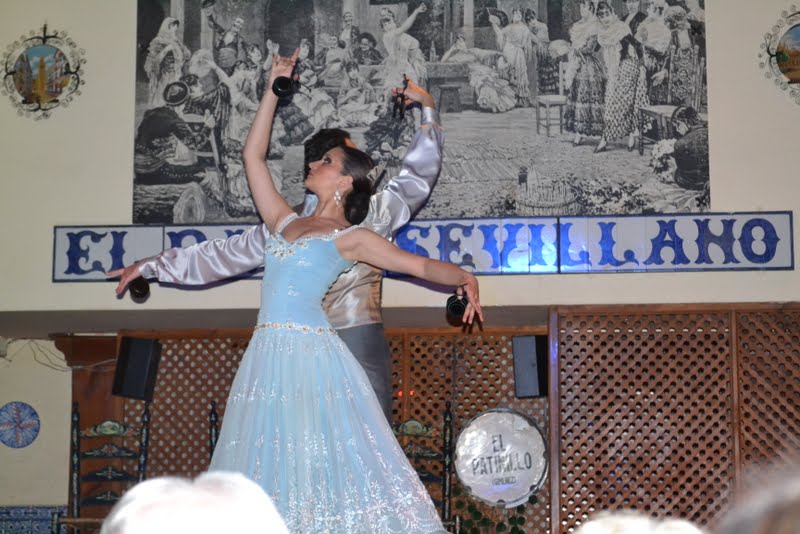
Figure <!–[if supportFields]> SEQ Figure \* ARABIC <![endif]–>14<!–[if supportFields]><![endif]–> – Artists performing
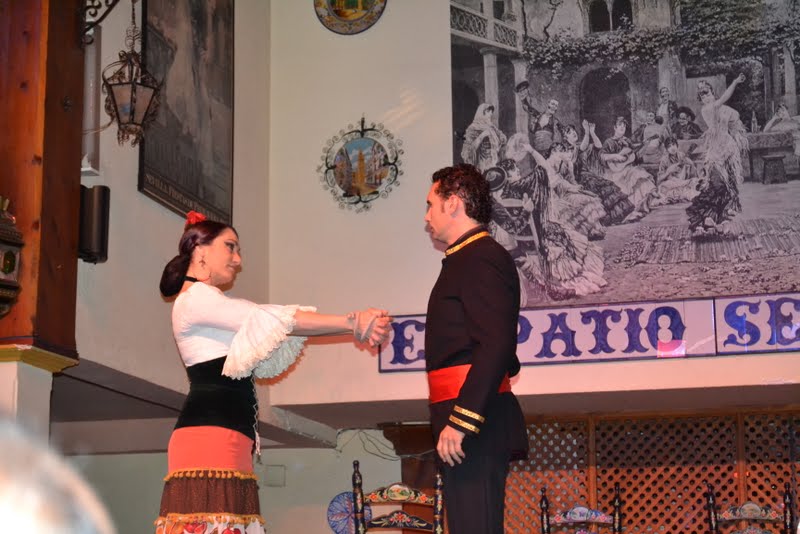
Figure <!–[if supportFields]> SEQ Figure \* ARABIC <![endif]–>15<!–[if supportFields]><![endif]–> – A scene from the performance
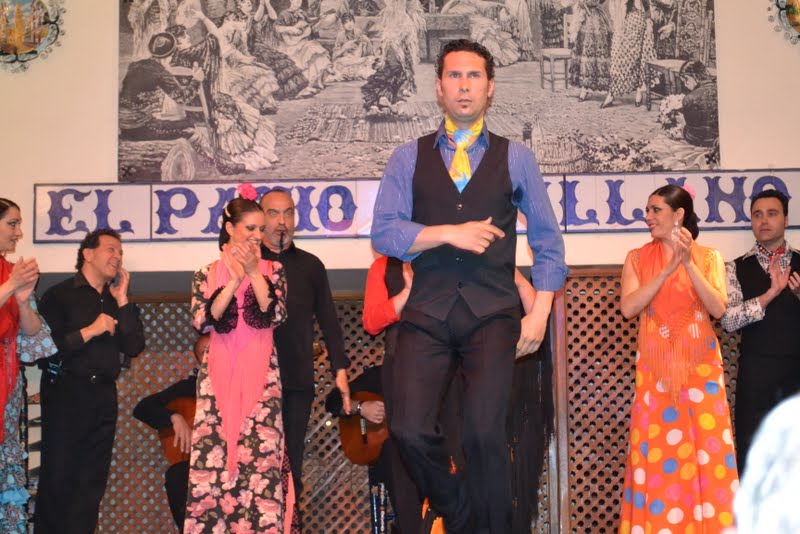
Figure <!–[if supportFields]> SEQ Figure \* ARABIC <![endif]–>16<!–[if supportFields]><![endif]–> – Each artist does a bit
Seville 26th April 2013
The next morning we visited ‘Plaza de España’. In 1929, Seville hosted the Ibero-American Exposition World’s Fair, located in the celebrated Maria Luisa park. The Plaza de España, designed by Anibal Gonzalez, was a principal building built on the Maria Luisa Park’s edge to showcase Spain’s industry and technology exhibits. Today the Plaza de España mainly consists of Government buildings.
The tour was conducted by an extremely witty guide – Auroa, who kept us in splits of laughter.
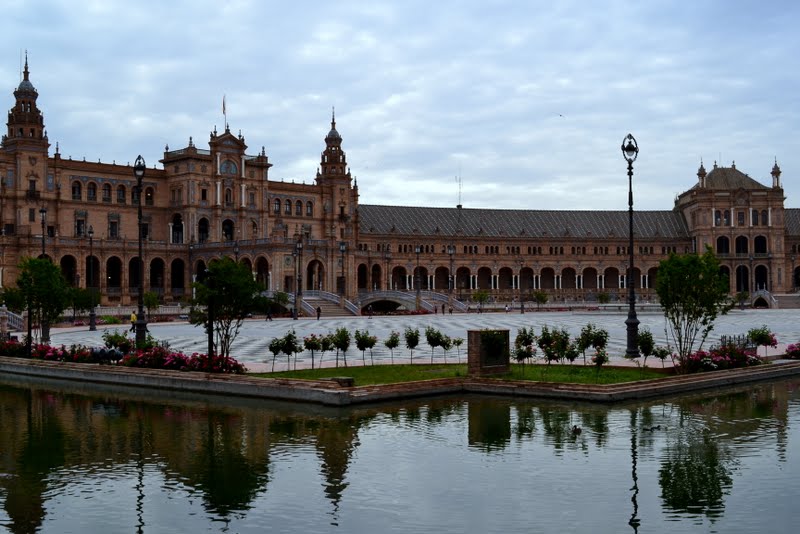
Figure <!–[if supportFields]> SEQ Figure \* ARABIC <![endif]–>17<!–[if supportFields]><![endif]–> – The Plaza de España
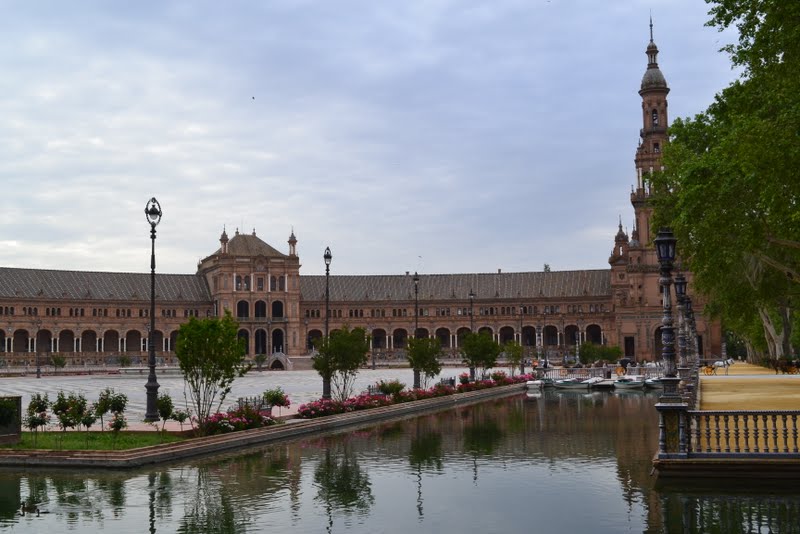
Figure <!–[if supportFields]> SEQ Figure \* ARABIC <![endif]–>18<!–[if supportFields]><![endif]–> – The Plaza de España
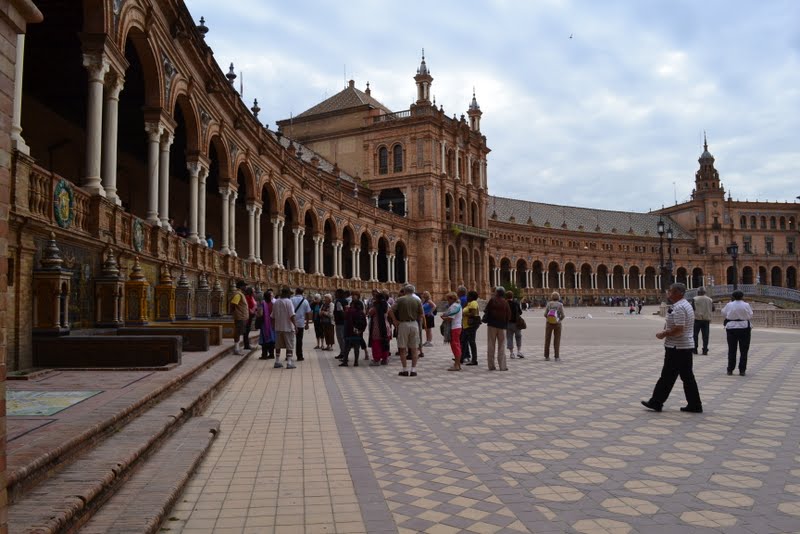
Figure <!–[if supportFields]> SEQ Figure \* ARABIC <![endif]–>19<!–[if supportFields]><![endif]–> – The Plaza de España
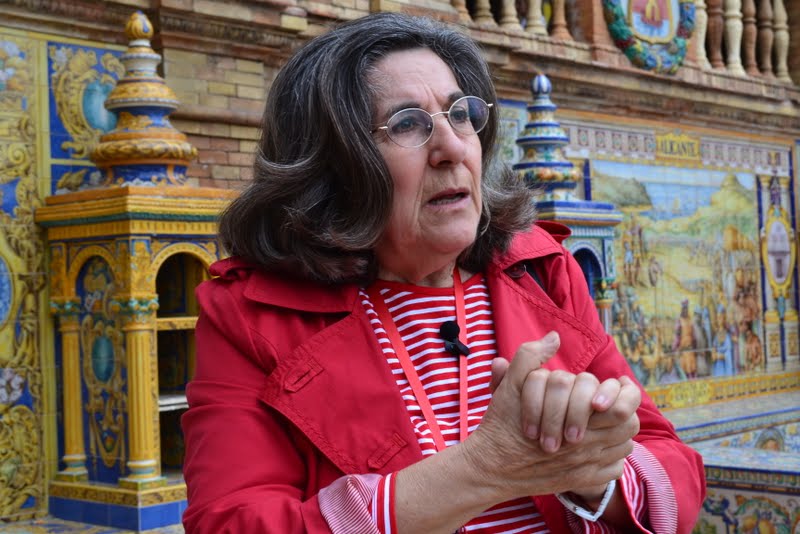
Figure <!–[if supportFields]> SEQ Figure \* ARABIC <![endif]–>20<!–[if supportFields]><![endif]–> – Aurora enthralling the crowd
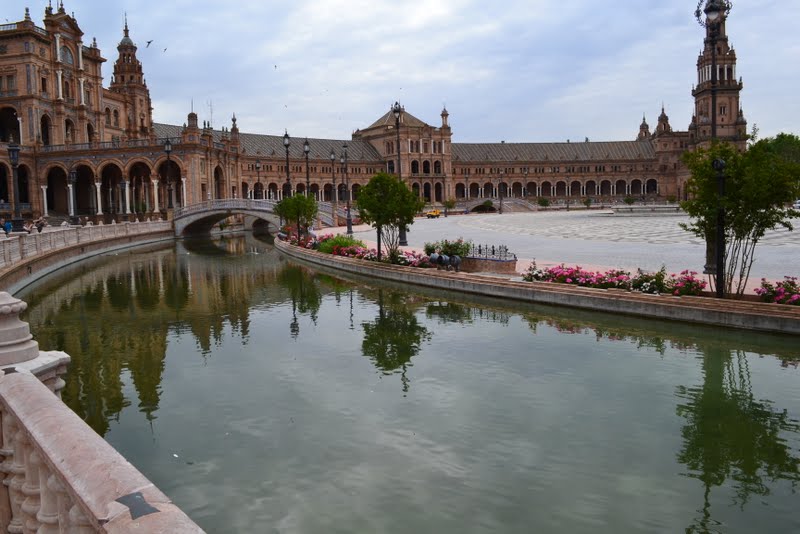
Figure <!–[if supportFields]> SEQ Figure \* ARABIC <![endif]–>21<!–[if supportFields]><![endif]–> – The Plaza de España
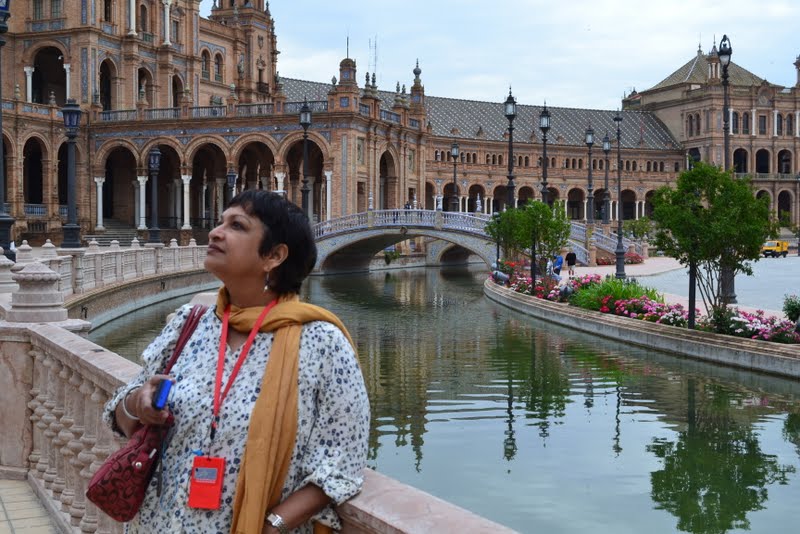
Figure <!–[if supportFields]> SEQ Figure \* ARABIC <![endif]–>22<!–[if supportFields]><![endif]–> – Jai admiring the beauty of the place
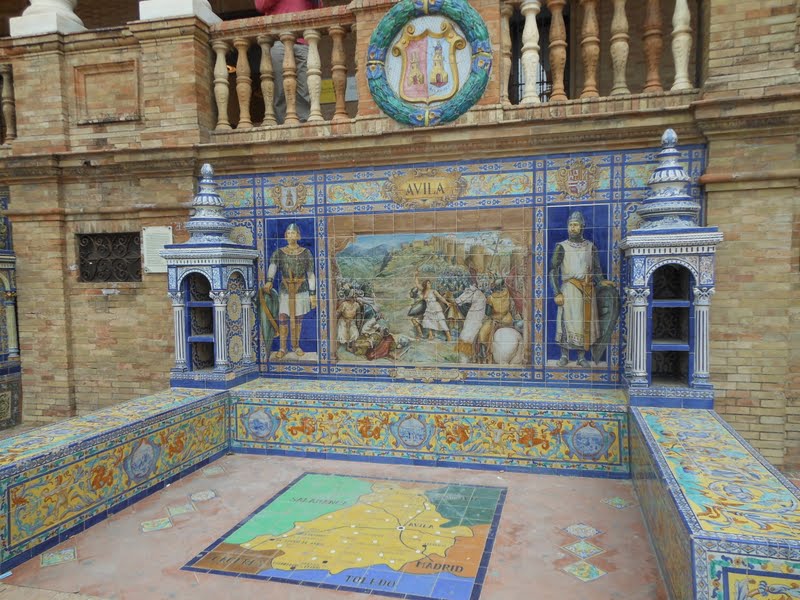
Figure <!–[if supportFields]> SEQ Figure \* ARABIC <![endif]–>23<!–[if supportFields]><![endif]–> – Inlay work. Depicting a lady who led the battle with her breast uncovered – the enemy soldiers were so busy getting distracted, she won the battle.
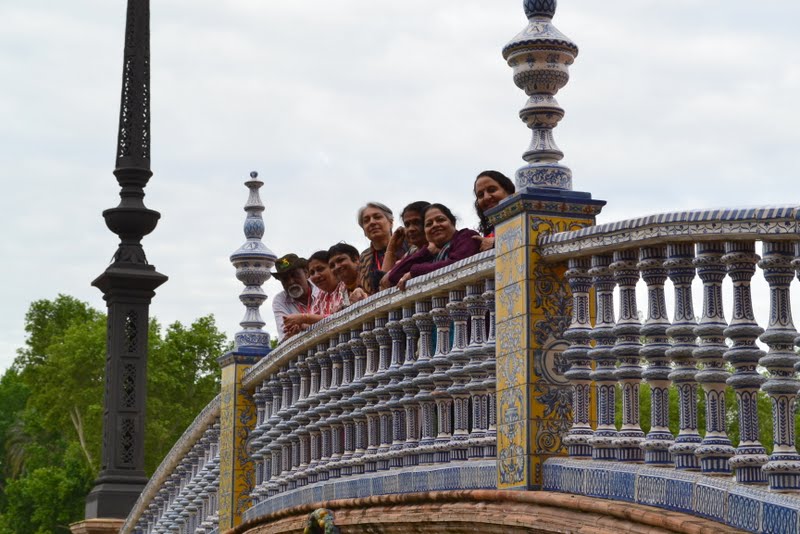
Figure <!–[if supportFields]> SEQ Figure \* ARABIC <![endif]–>24<!–[if supportFields]><![endif]–> – The gang on the bridge
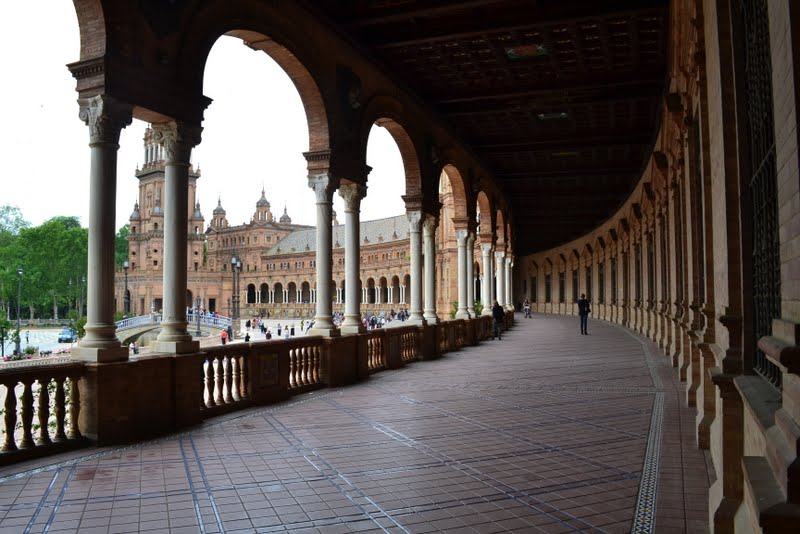
Figure <!–[if supportFields]> SEQ Figure \* ARABIC <![endif]–>25<!–[if supportFields]><![endif]–> – Corridors of power
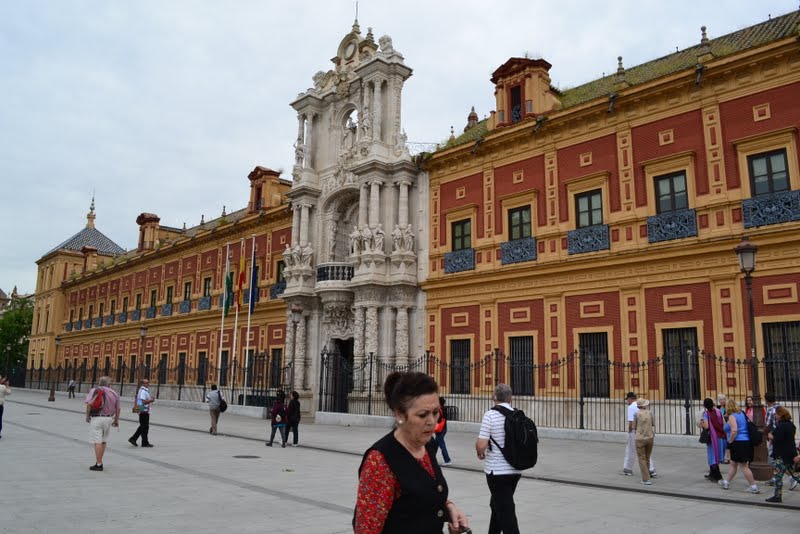
Figure <!–[if supportFields]> SEQ Figure \* ARABIC <![endif]–>26<!–[if supportFields]><![endif]–> – Palace of Saint Telmo – Historical heritage monument, Sevilla, Spain.
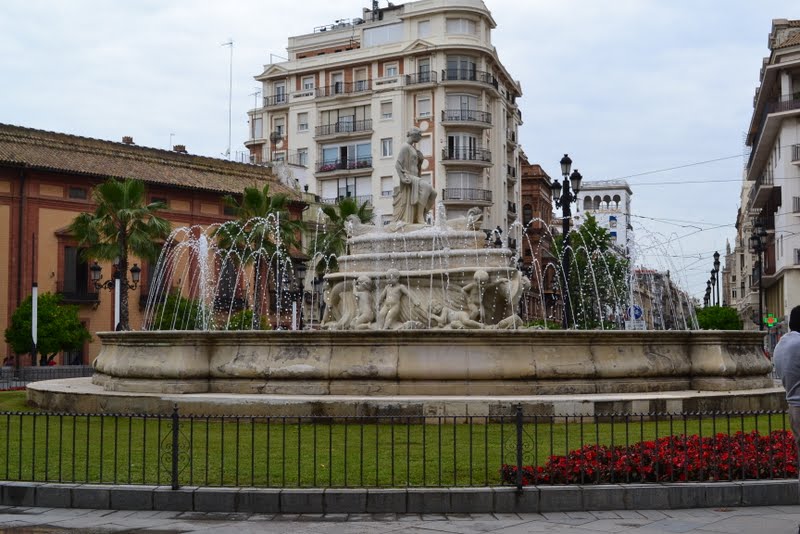
Figure <!–[if supportFields]> SEQ Figure \* ARABIC <![endif]–>27<!–[if supportFields]><![endif]–> – Full of parks and fountains
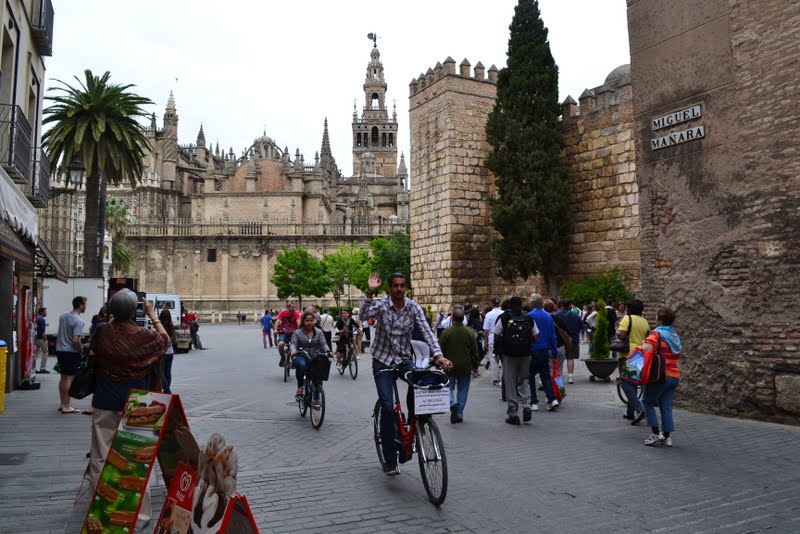
Figure <!–[if supportFields]> SEQ Figure \* ARABIC <![endif]–>28<!–[if supportFields]><![endif]–> – The cathedral and General Archive of Indies
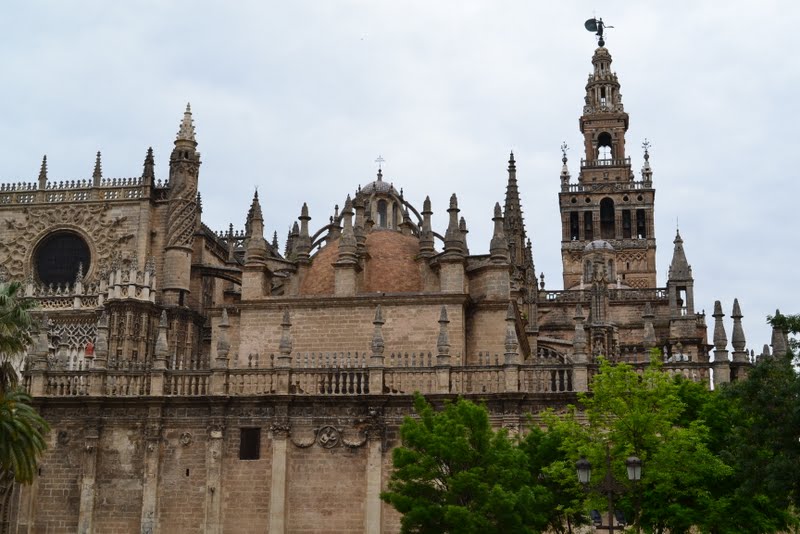
Figure <!–[if supportFields]> SEQ Figure \* ARABIC <![endif]–>29<!–[if supportFields]><![endif]–> – The cathedral and General Archive of Indies
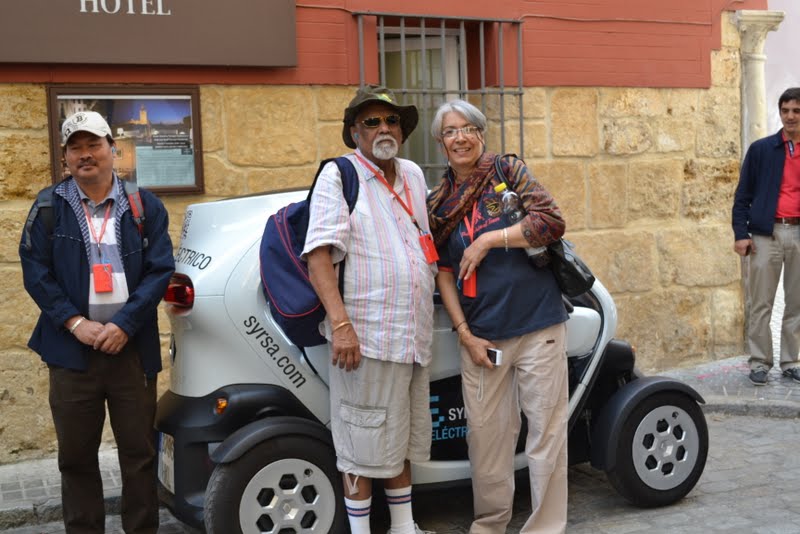
Figure <!–[if supportFields]> SEQ Figure \* ARABIC <![endif]–>30<!–[if supportFields]><![endif]–> – Kats and Navin enjoying the city tour
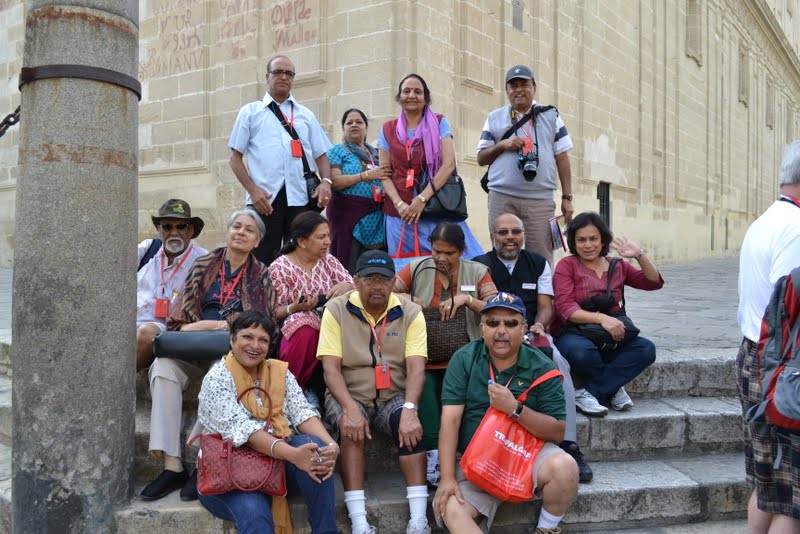
Figure <!–[if supportFields]> SEQ Figure \* ARABIC <![endif]–>31<!–[if supportFields]><![endif]–> – The gang in an exhilarated mood
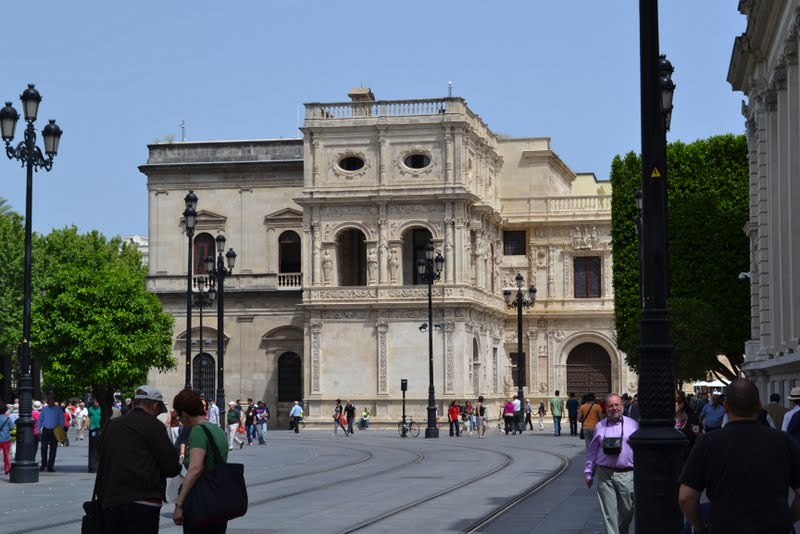
Figure <!–[if supportFields]> SEQ Figure \* ARABIC <![endif]–>32<!–[if supportFields]><![endif]–> – City centre near Plaza de Triunfo
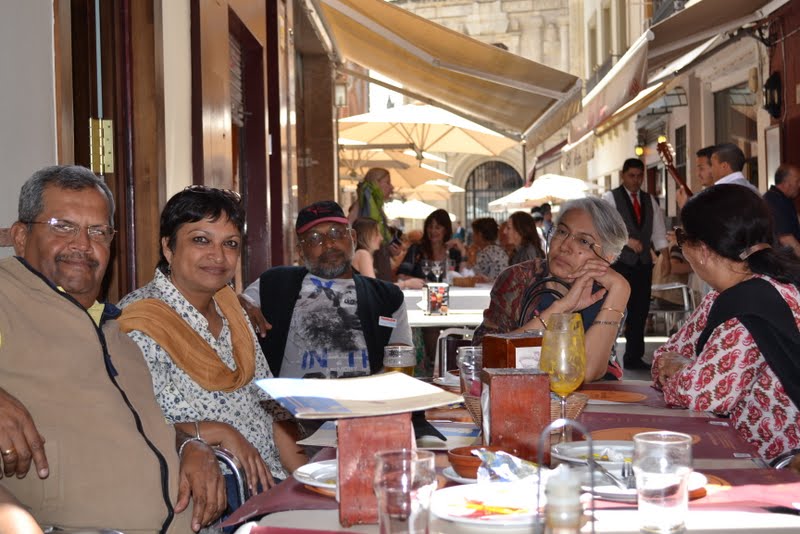
Figure <!–[if supportFields]> SEQ Figure \* ARABIC <![endif]–>33<!–[if supportFields]><![endif]–> – Rest and lunch
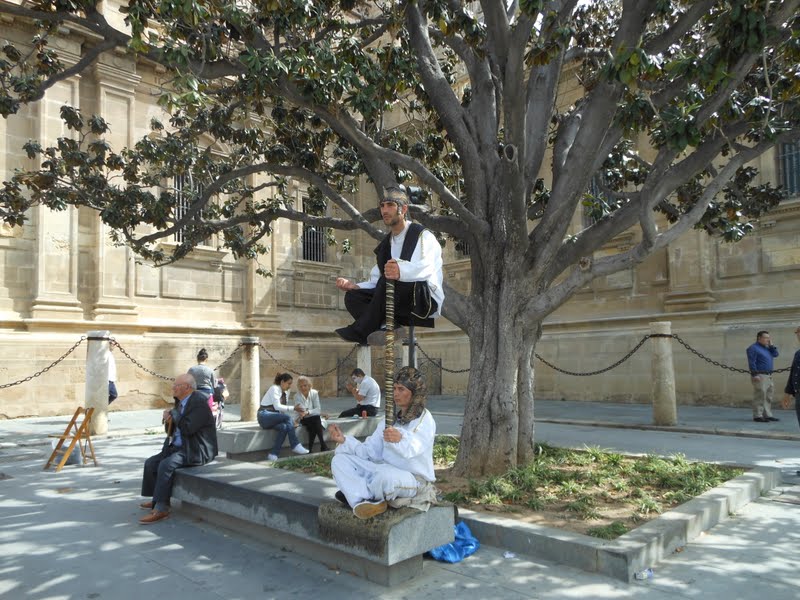
Figure <!–[if supportFields]> SEQ Figure \* ARABIC <![endif]–>34<!–[if supportFields]><![endif]–> – A fascinating balancing act
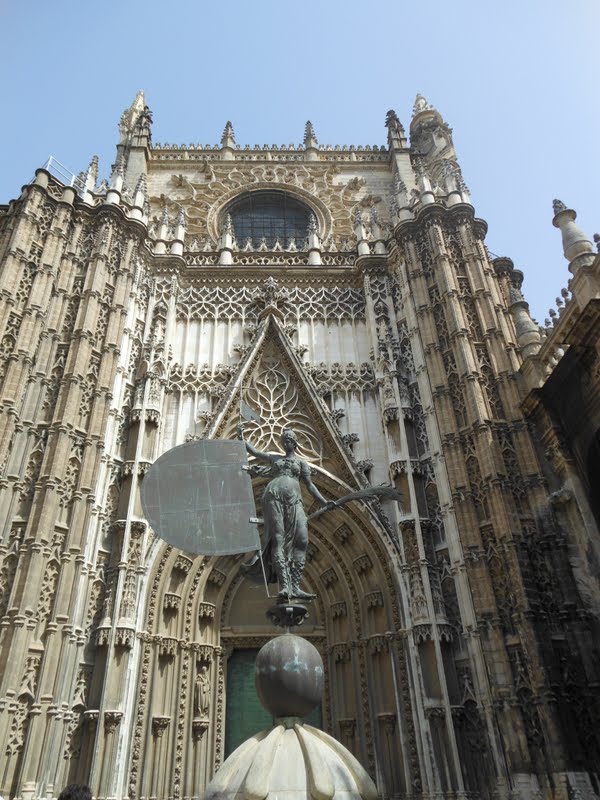
Figure <!–[if supportFields]> SEQ Figure \* ARABIC <![endif]–>35<!–[if supportFields]><![endif]–> – Seville cathedral
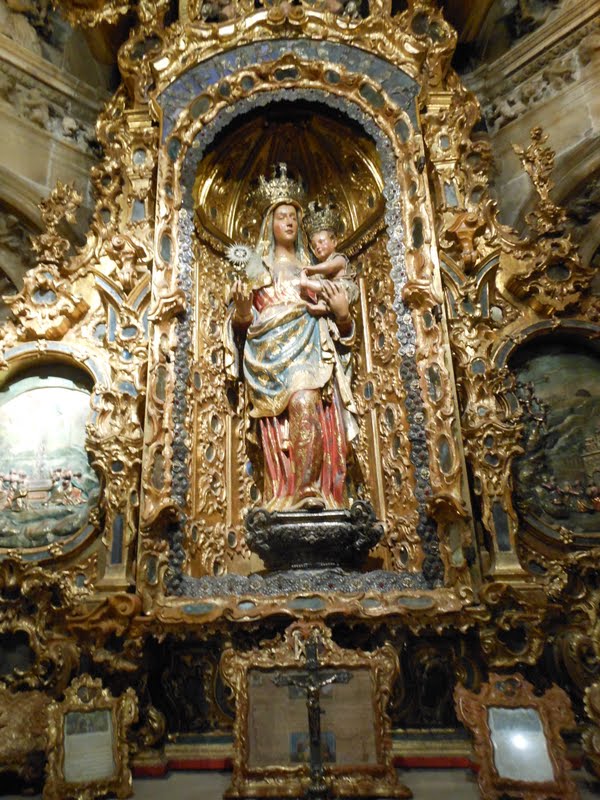
Figure <!–[if supportFields]> SEQ Figure \* ARABIC <![endif]–>36<!–[if supportFields]><![endif]–> – Infant Jesus
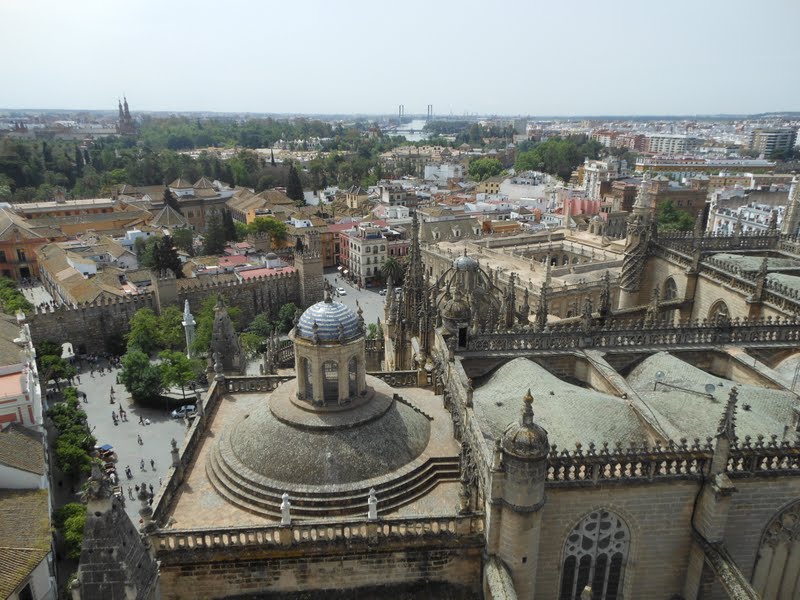
Figure <!–[if supportFields]> SEQ Figure \* ARABIC <![endif]–>37<!–[if supportFields]><![endif]–> – View from top
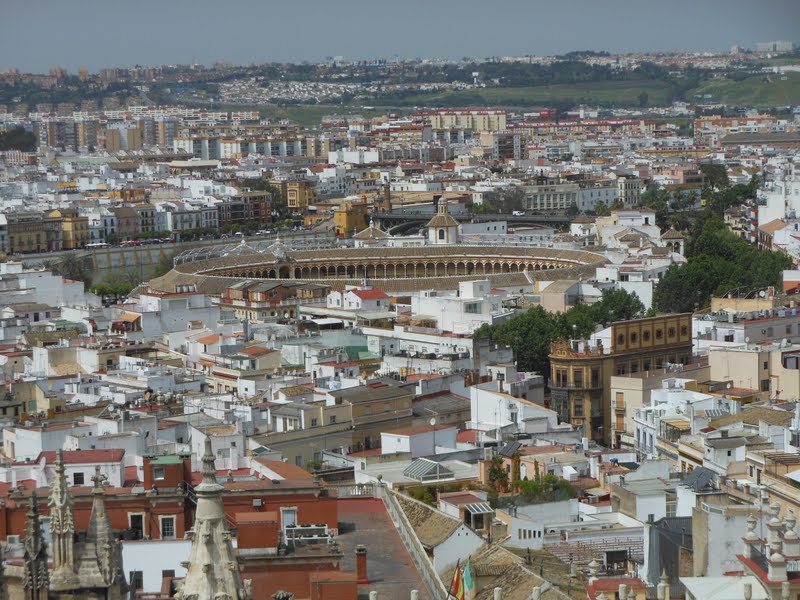
Figure <!–[if supportFields]> SEQ Figure \* ARABIC <![endif]–>38<!–[if supportFields]><![endif]–> – View of the city
 Captain's Corner