30 May 2012 – Kandy to Nuwara Eliya
Travel bazaar has a tie up with Luxe Asia from Sri Lanka, who looked after our visit within the country. Mr Duminda our tour driver and guide, works for Luxe Asia. It was our third day with Duminda. Initially we felt intimidated by his huge size, but in a very short span he struck a chord in all of us with his friendly and affable demeanor. The ingredients of a good trip are many – one of them being the attitude of the people with whom we come in contact. To be honest Duminda made the trip for us – extremely helpful and polite, he answered all our silly queries patiently and always with a smile. Besides he took the trouble to introduce us to Sri Lankan food and even got us to gingerly taste a variety of fruit that we hadn’t come across before in India. Most importantly, he drove the vehicle very carefully and never once did we feel concerned about our safety. People like him can create a very favorable impression of the country. Well done, Duminda!
The ordinary Sri Lankans with whom we interacted are extremely respectful and friendly. They view Indians in a very favorable light. Someone I met, went on to thank India for all the support and felt sorry for the death of Mr. Rajiv Gandhi. Throughout our stay we found our interaction with the Sri Lankans very pleasant- polite, friendly and warm – they go out of their way to welcome you and forever one hears ‘Ayubowan’ (may you live long and healthy) derived from the Sanskrit word ‘Ayushman bhava’ meaning the same.
No wonder the National Geographic Traveller Magazine in its press release had declared that “Sri Lanka is one of the six countries that a tourist should visit in the year 2012”
Having covered more than 800 Km on the island roads I can say with conviction that the roads are marked and maintained beautifully. I did not encounter a single ugly speed breaker with which we are so familiar. The absence of speed breakers makes travel all the smoother. In its place they have large yellow zig zag patterns and markings, warning the drivers to exercise caution. The traffic is very disciplined, however low in volume. All the riders wear helmets including children riding pillion. The presence of the Highway police is conspicuous.
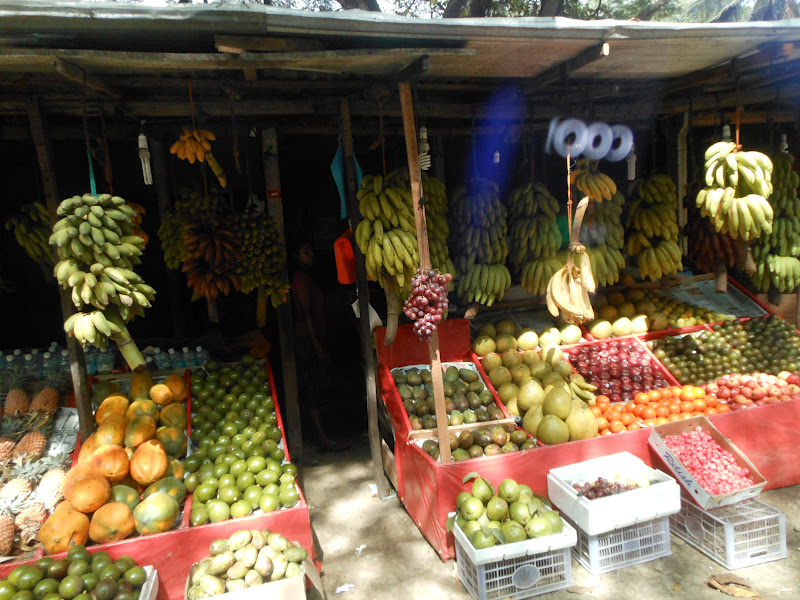
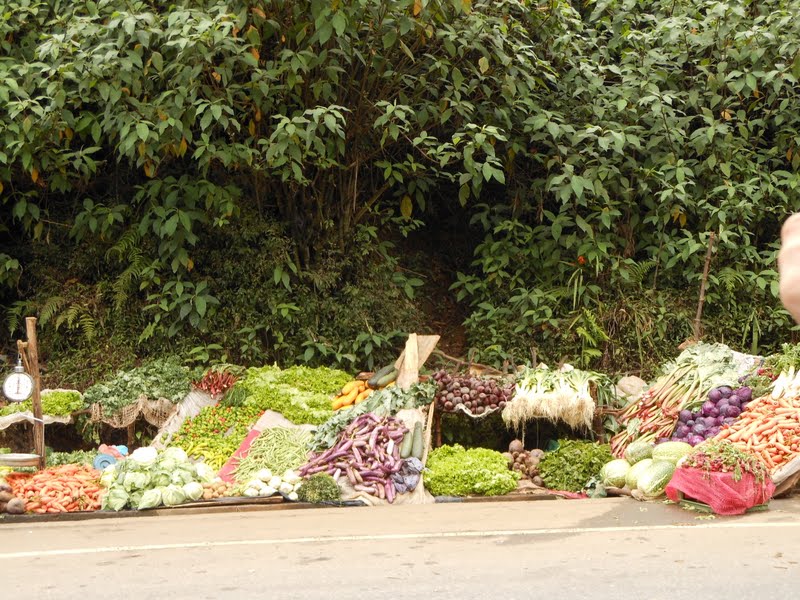
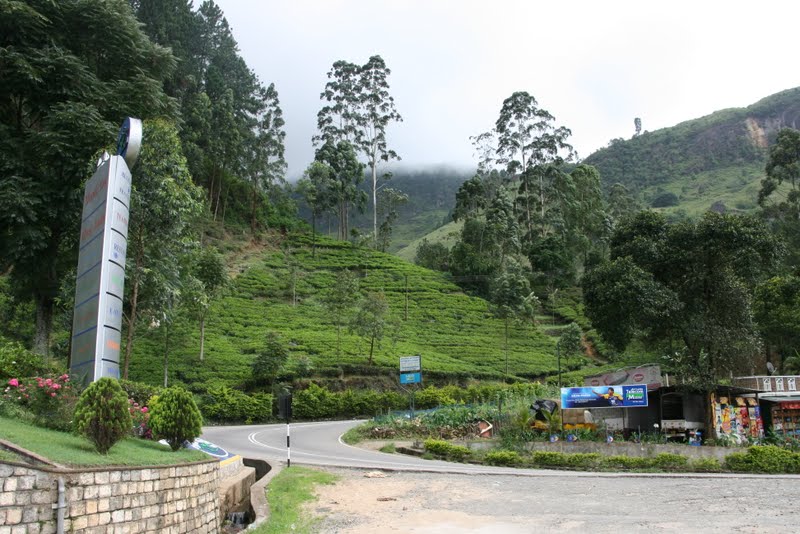
Our next place of visit was the hill station Nuwara Eliya. As we drove along from Kandy, the countryside changed very rapidly from a coastal landscape of cultivated fields of coconut plantations and paddy fields to hills and manicured tea estates. All along the way there were local vegetable and fruit shops displaying their wares.
Figure 1 – Vegetables and fruits on display
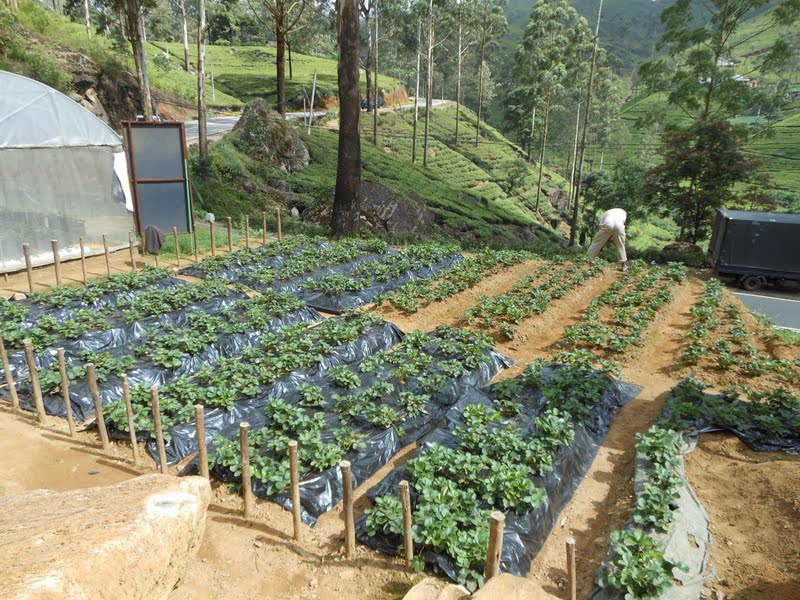
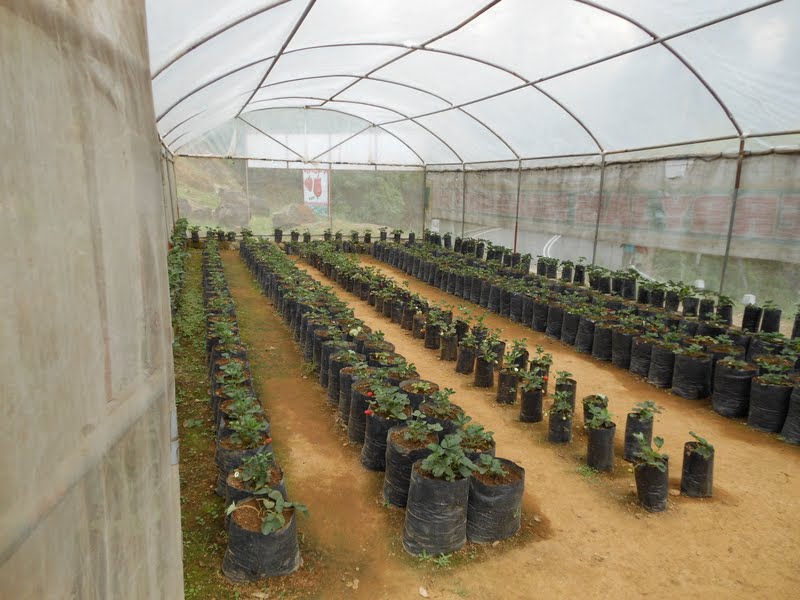
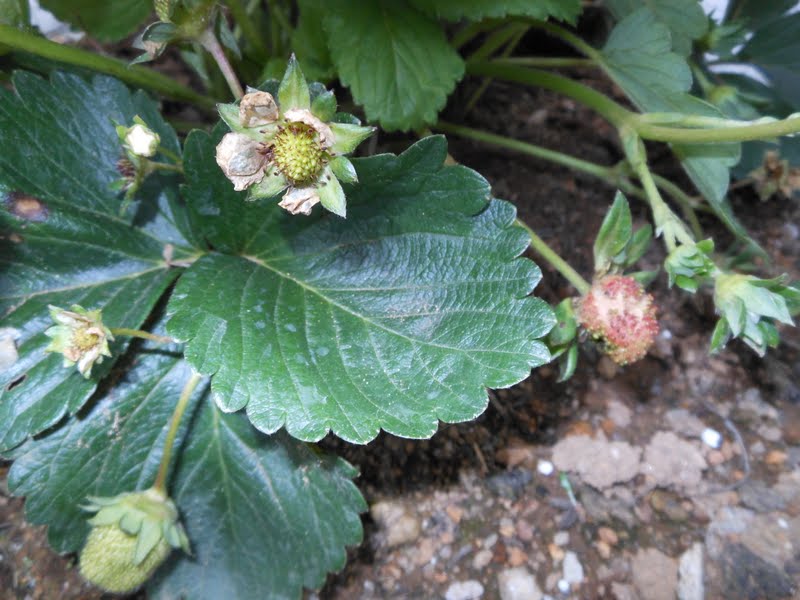
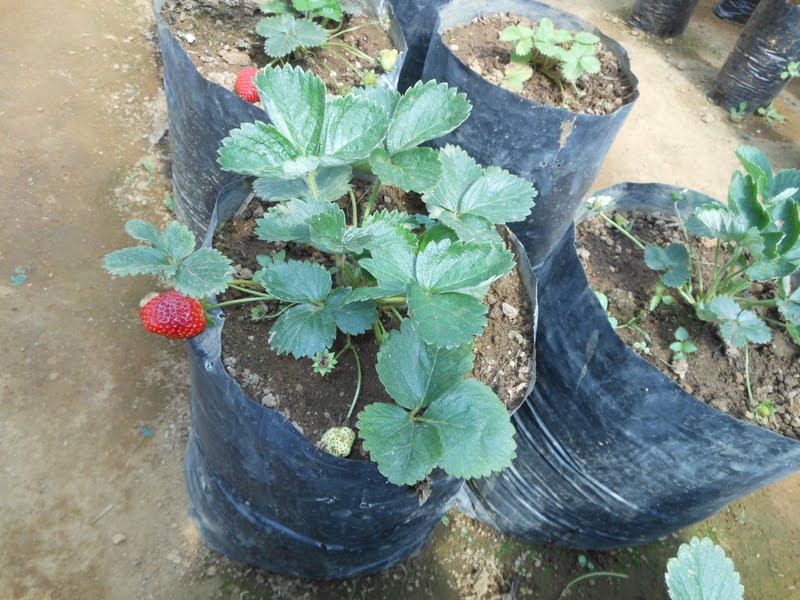
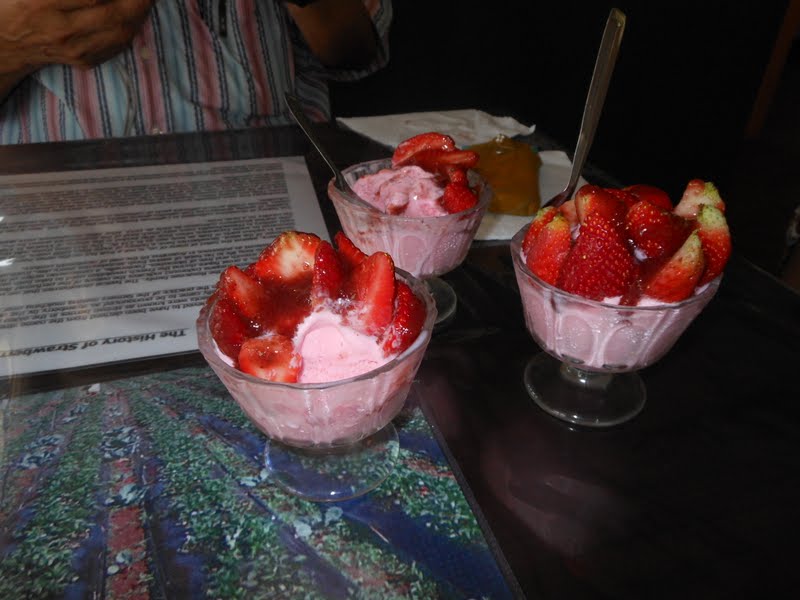
On the way we stopped at a strawberry farm for lunch. There we learnt that the strawberry is not a fruit but an enlarged receptacle of the flower of the plant. Whatever it may be, the huge helping of strawberries with ice-cream was absolutely delicious! J
Figure 2 – Strawberry farm
Figure 3 – Grown inside a hot house
Figure 4 – Strawberry flower
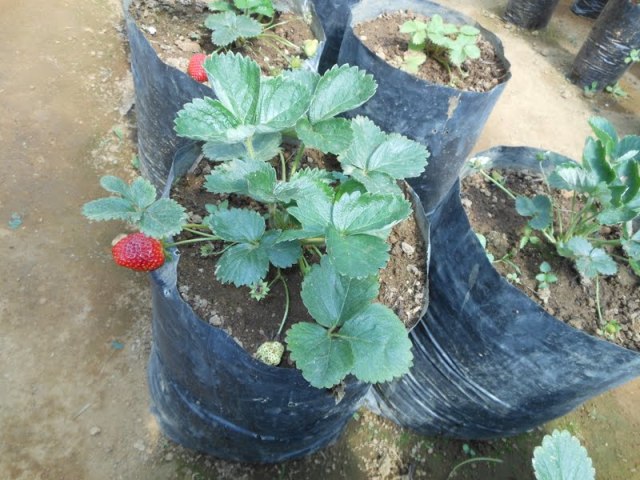
Figure 5 – Ripe Strawberry
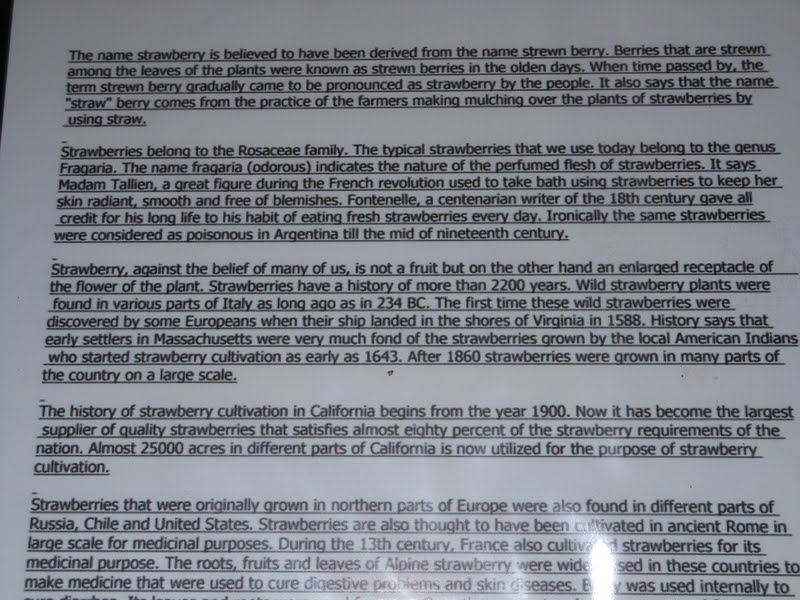
Figure 7 – Some Gyan on Strawberries
Figure 8 – All set to be sold – reminds me of Coonoor and Ooty
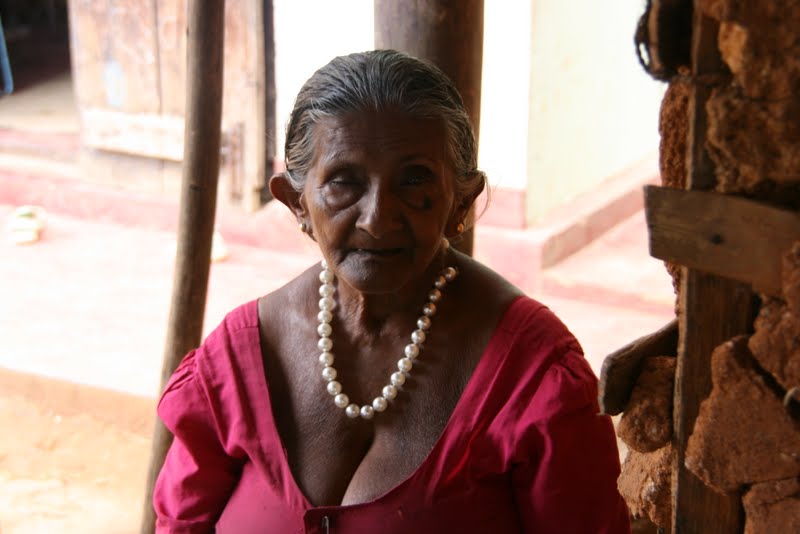
Figure 9 – A darling 82 year old Sri Lankan woman in the shop
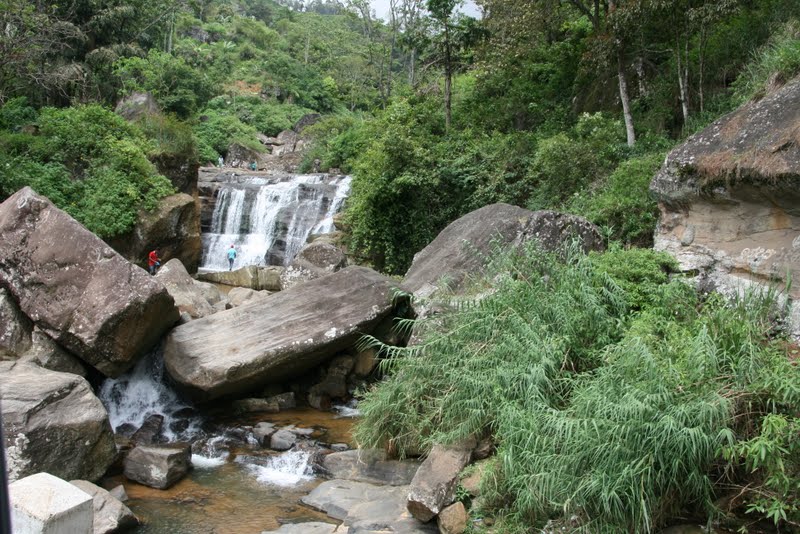
Figure 10 – Ramboda waterfalls – on the way
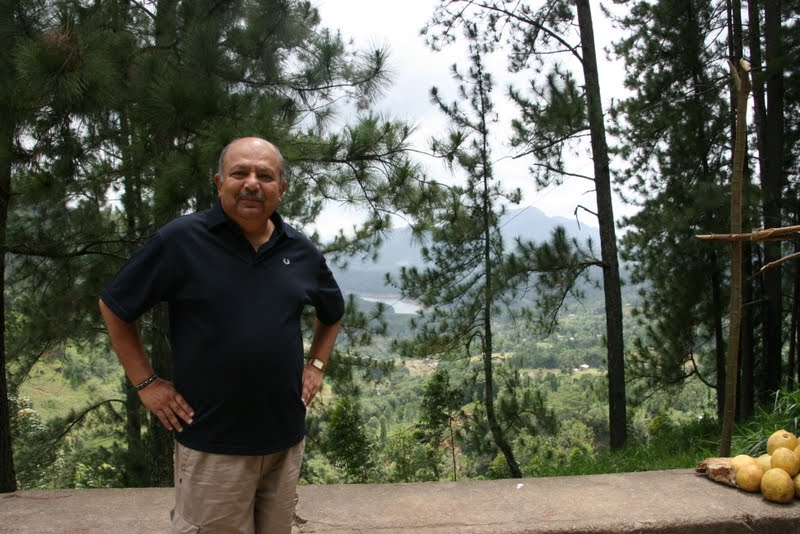
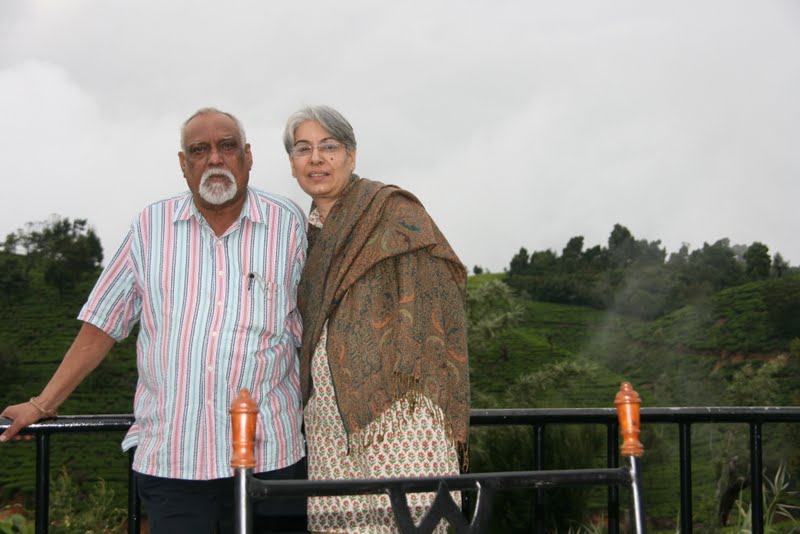
Figure 11 – Pleased with life
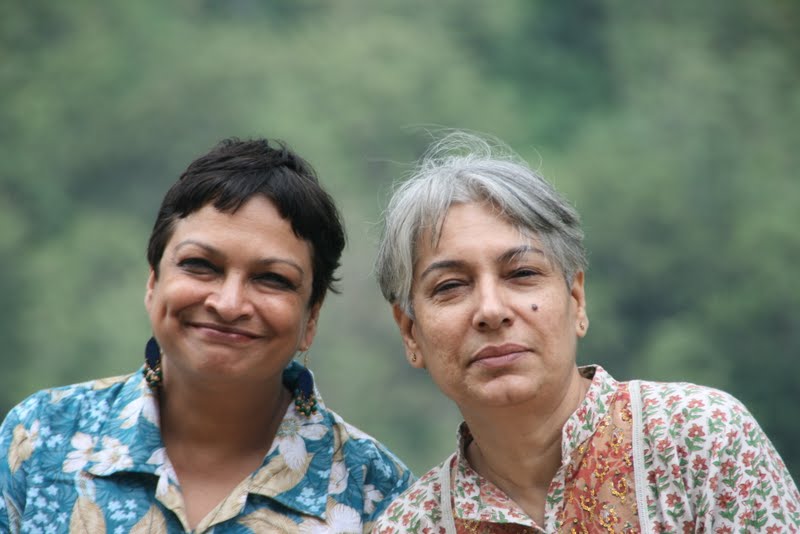
Figure 12 – Equally happy – Jai and Naveen
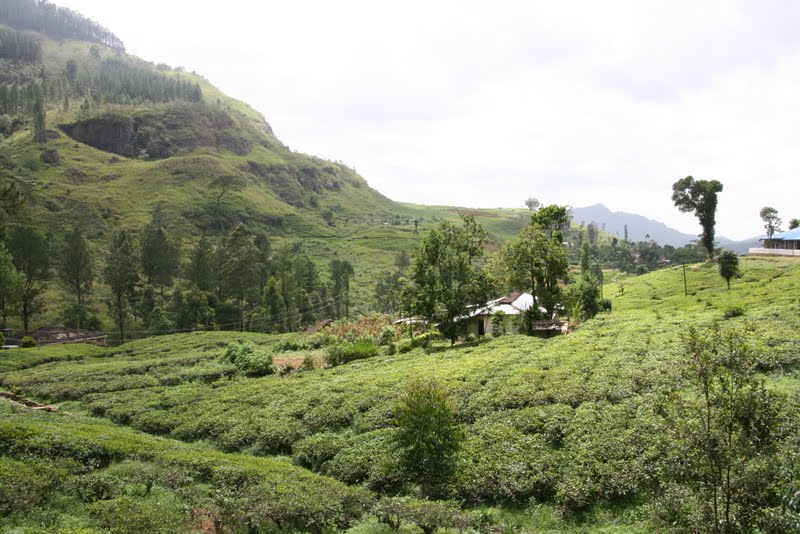
Figure 13 – A typical Tea Estate
Figure 14 – The rolling hills
Figure 15 – Kats and Duminda taking a break after a sip of tea
At Nuwara Eliya 30 May to 02 May
According to mythology, Nuwara Eliya figures as a setting in the famed Indian epic Ramayana, narrating the story of the Indian King Rama whose wife, Sita, was robbed by Ravana, King of Lanka. When Hanuman, King Rama’s monkey general came with his army to save Sita, King Ravana retaliated by setting fire to his long tail. It’s said that Hanuman then used his tail to burn down Ravana’s entire magnificent city that is believed to have stood where Nuwara Eliya is today. According to legend, the black soil that forms a top layer in Nuwara Eliya is made up of the ashes of what used to be the city of Ravana.
Historysays Nuwara Eliya was discovered by a hunting party led by Dr. John Davy in 1818. Sir Edward Barnes was the Governor from 1824-1831. He constructed roads and shelters in Nuwara-Eliya and made it a good place to live and so he is known as “the Father of Nuwara-Eliya”. Later on the city of Nuwara Eliya was developed by Samuel Baker, the discoverer of Lake Albert and the explorer of the Nile in 1846. Nuwara Eliya, called Little England then, was the prime sanctuary of British civil servants and planters in Ceylon.
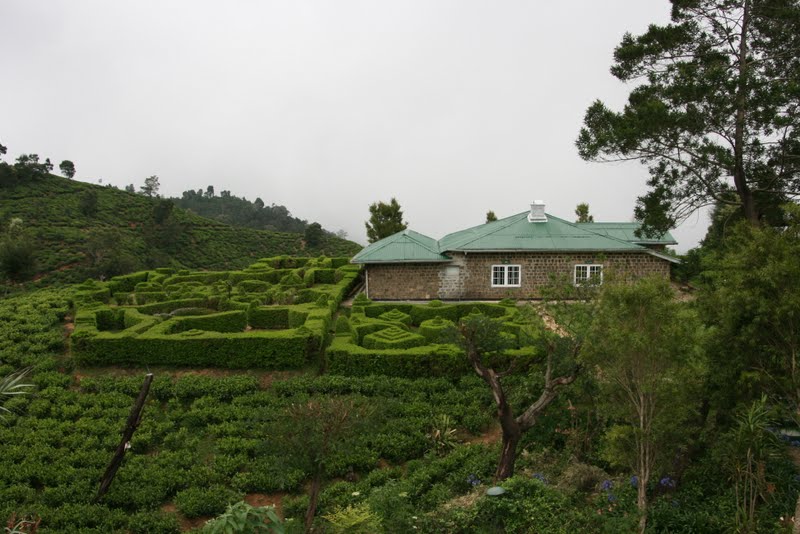
Our next halt was the theme hotel ‘Heritance Tea Factory’ 23 Km from NE (the word ‘heritance’ being a combination of heritage and inheritance). A bit of history about the place is very important to fully absorb the greatness of the hotel.
The origins of Hethersett
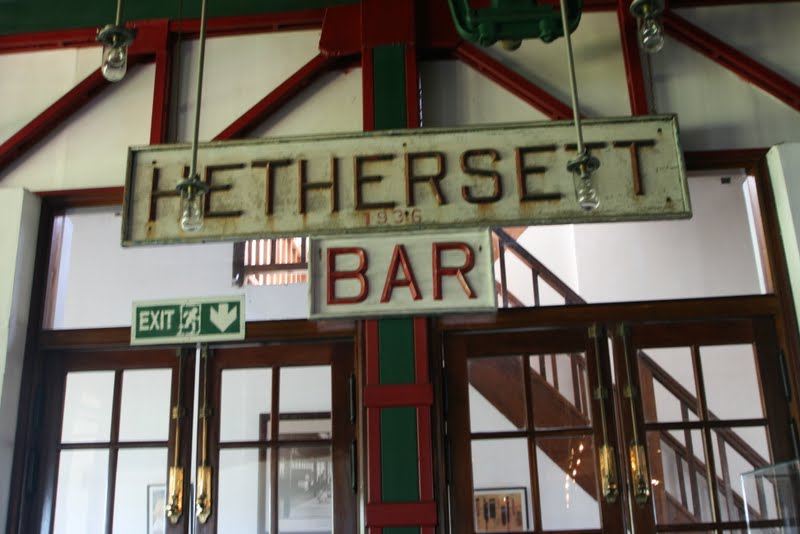
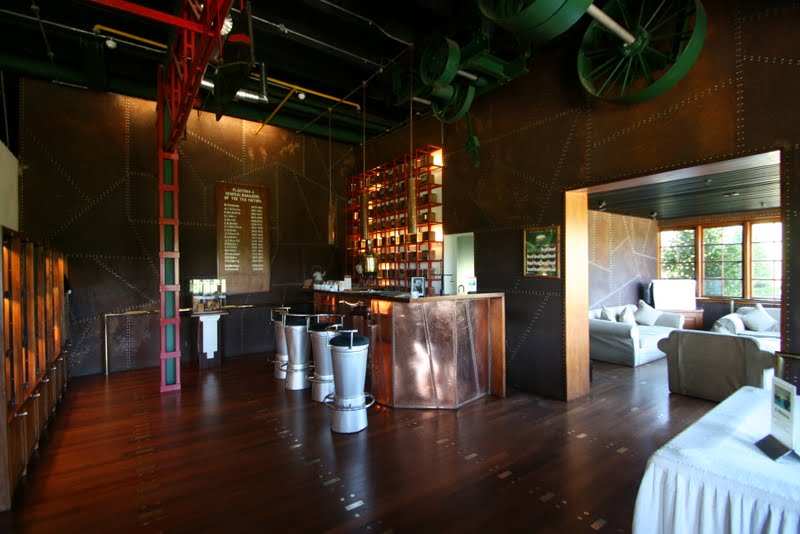
In 1867 a Scotsman, James Taylor, first introduced tea to Ceylon, as the island was then known. Within a decade, the plant had become a popular crop among colonial planters, covering over 5,000 acres. As the number of requests to open tea plantations grew, the government sold land to pioneer planters in the 1870s. Among the bidders was William Flowerdew, who named his plantation after his native village, Hethersett, in England, and built a tea factory to process his crop. In Tamil, the plantation is known as Pupanie, which means “flowers of frost” – a quaint way of describing the cold mist that occasionally descends on Hethersett. Mr Flowerdew had sold the plantation by 1881, and it then passed through the hands of different owners. In the Goatfell Bar you can see a list of all the planters, from William Flowerdew in 1879 to JME Waring until 1972, after which the factory closed down. But by 1968, the Hethersett factory had passed its heyday, and it was finally closed in 1973. It stood unused, standing tall among the surrounding tea bushes, a silent monument to the days of pure Ceylon tea.
In 1992, Mr G C Wickremasinghe, a Director of Aitken Spence and Company Limited, happened to observe the tea factory through the mist-covered hills. He had a vision of transforming the shell into a unique, luxury hotel.
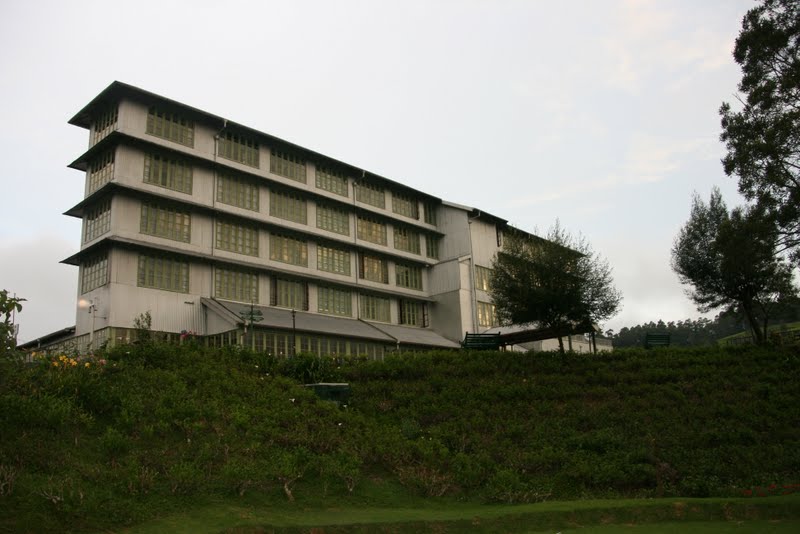
The idea was brought to fruition through the talent of architect Nihal Bodhinayake. No alterations or additions have been made to the exterior – the windows and woodwork are entirely original as designed by British engineers.
Heritance Tea Factory opened as a hotel in 1996.
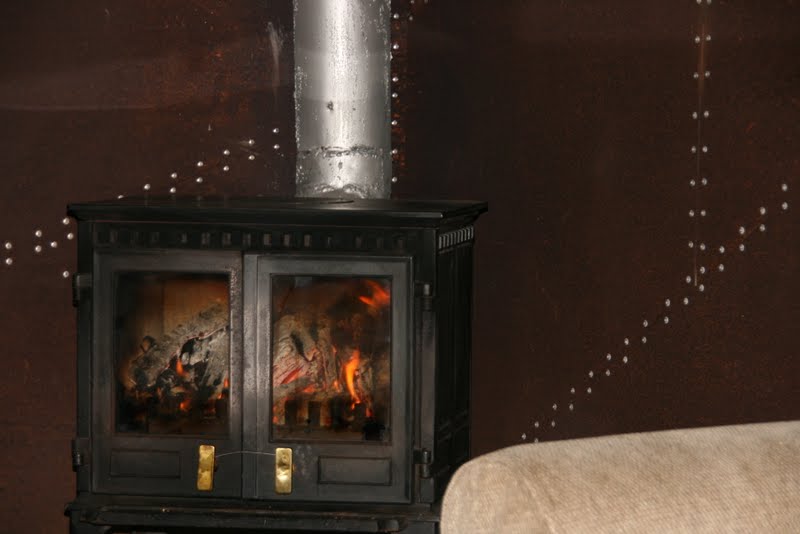
I firmly believe that Heritance Tea Factory is an experience by itself. The atmosphere takes you back in time when a day was made up of more than 24 hours, you woke up to the call of chirping birds nearby, hot tea in bed, a hot tub bath, breakfast with eggs, bacon, sausages, hash browns, fresh plantation coffee and a news paper in hand to complete the picture. The period furniture, fire place and glowing embers add to the warmth of the place. The overall ambiance and the hospitality are almost magical and mesmerizing.
The atmosphere is very welcoming; in a short time you feel at home and begin to blend with it. The staff is always there, appearing discretely from the shadows, to meet all your requirements – silent and willing. The atmosphere is somewhere between a 5 star hotel and a very well run club of British Heritage.
The silence in the area is overpowering, barking, chirping and other calls of wild animals can be heard very clearly at night. Time seems to tick slowly defying Albert Einstein’s theories. It takes you back to a time when life was less complicated and easy going, when there was time for poetry, painting and unbridled romance.
We did exactly what one would have done a hundred years back. Laid back and enjoyed the hospitality, took in lung fulls of fresh mountain air, went for long walks in the plantation, ate like pigs, drank like a (oooops) let us not bring it up again and slept like a bear in hibernation – we did read a lot. In short it was one big relaxation. To add to all this indulgence, the weather was great – between 16 * to 24* deg C. The hotel, located at a height of 6500 ft, has a commanding view of the surroundings.
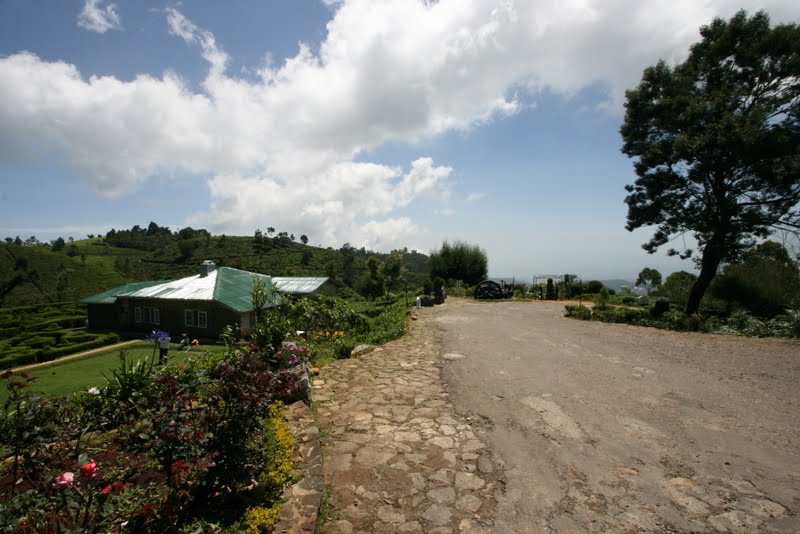
Figure 16 – Heritance Tea Factory
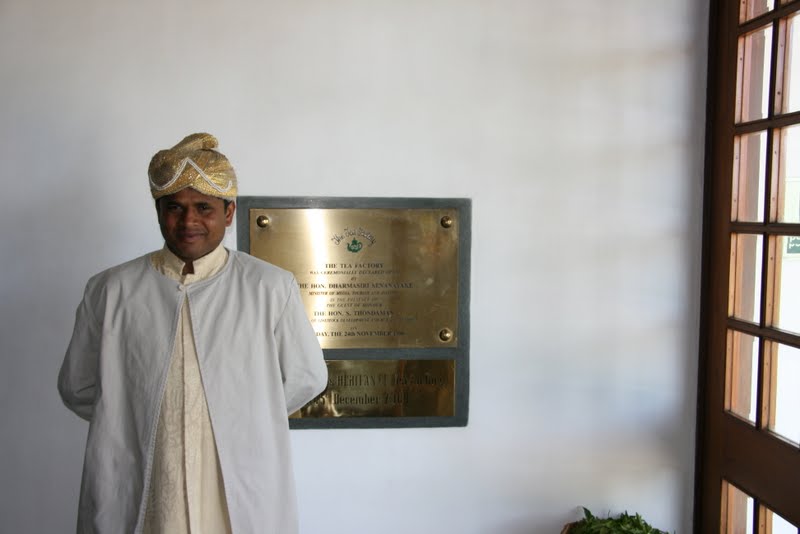
Figure 17 – The Ceremonial Reception
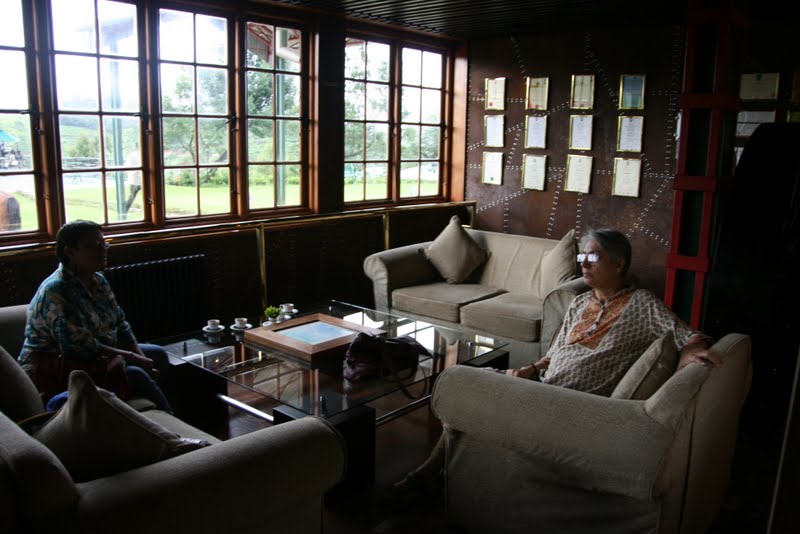
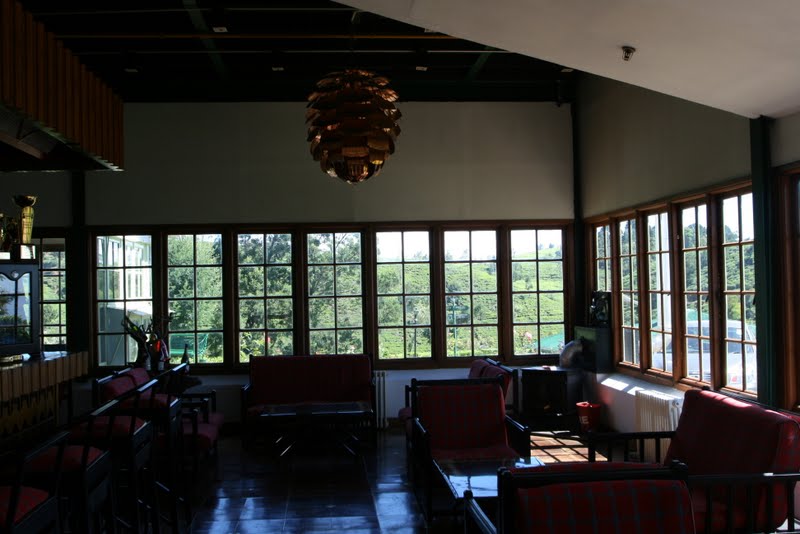
Figure 18 – The cozy tea room
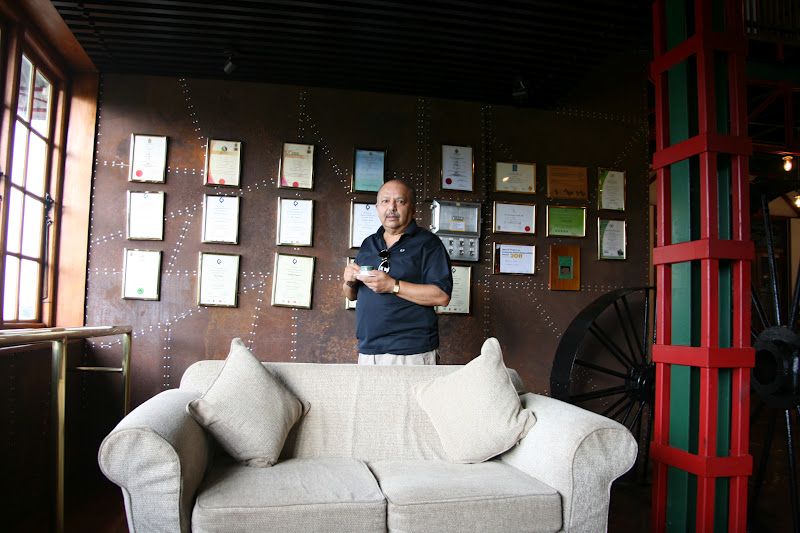
Figure 19 – Awards and Recognition
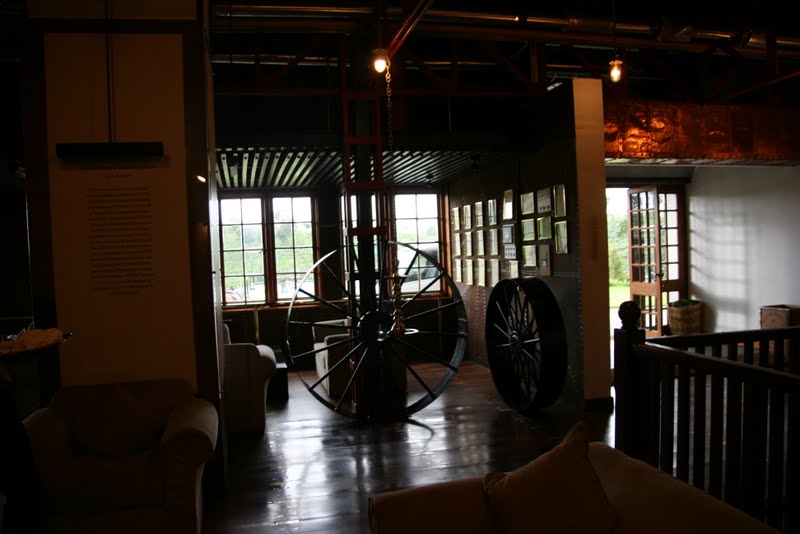
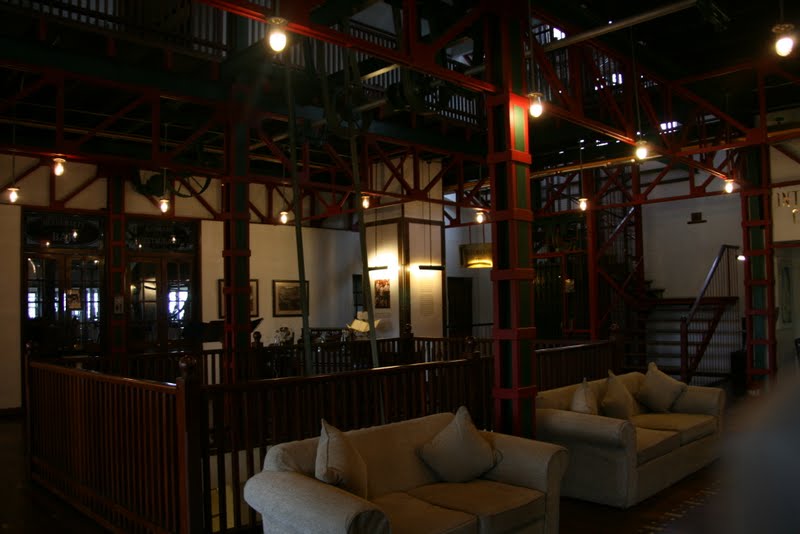
Figure 20 – The main lobby
Figure 21 – From another angle
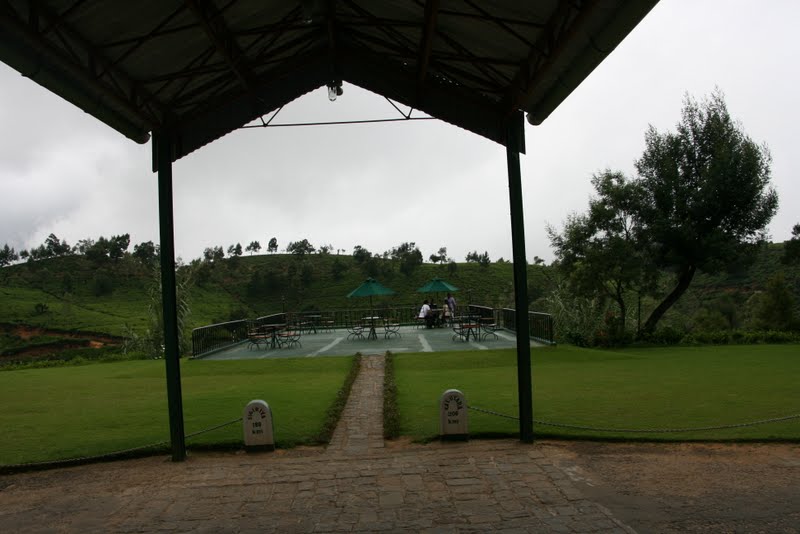
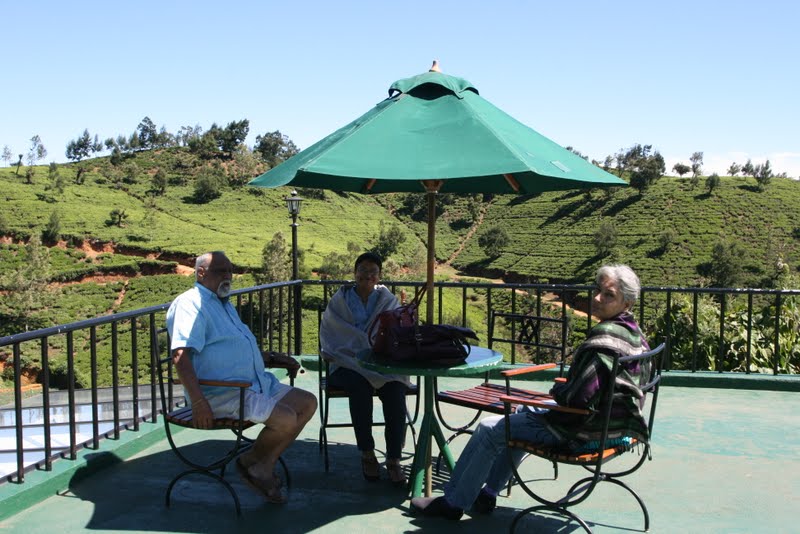
Figure 22 – Sit out from the main lobby
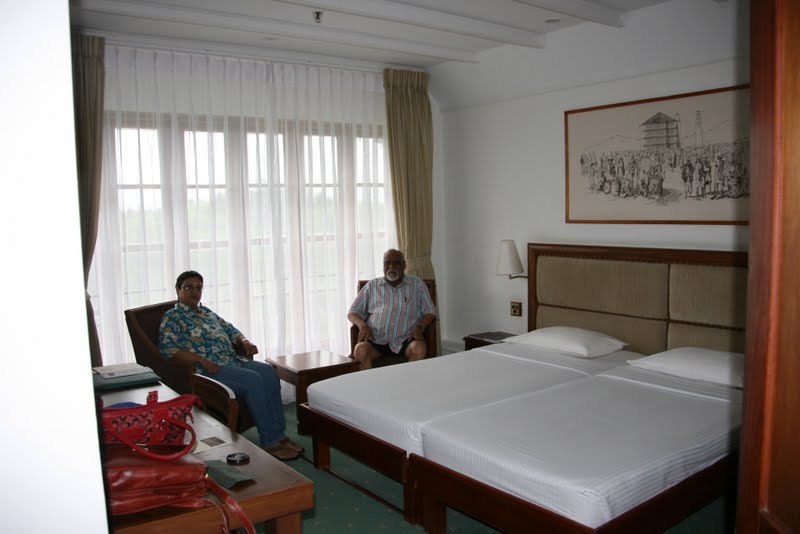
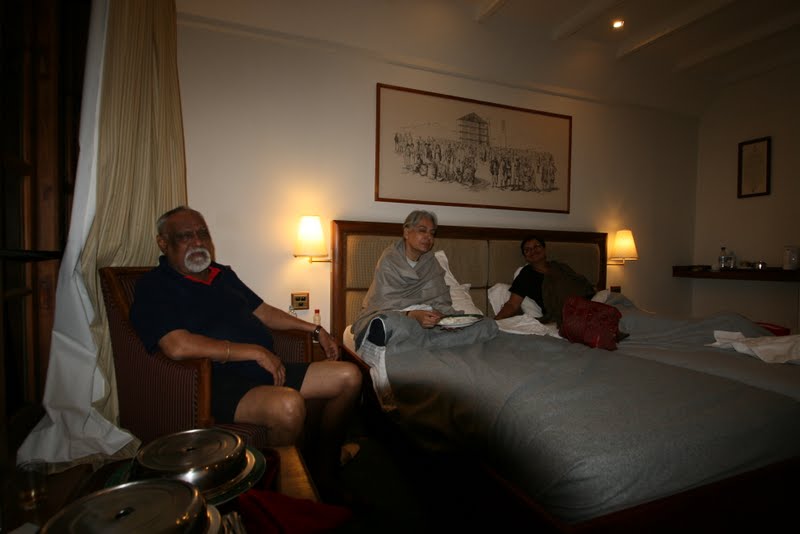
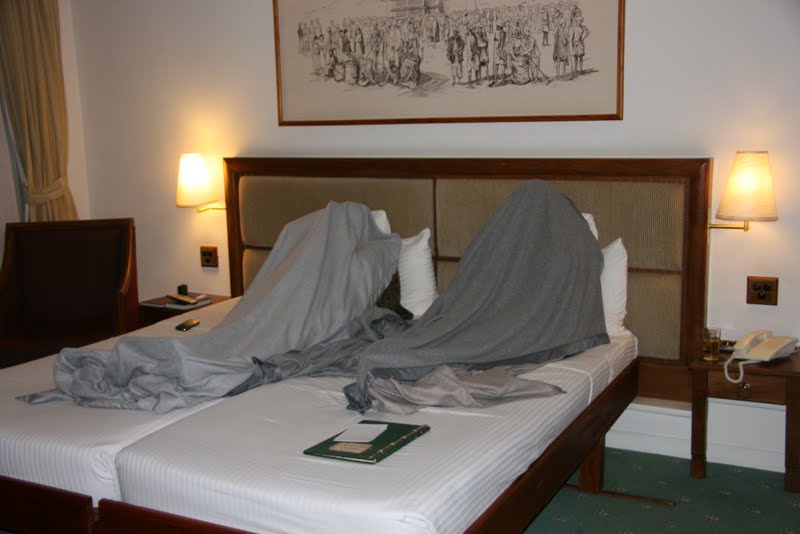
Figure 23 – A very comfortable room with a view
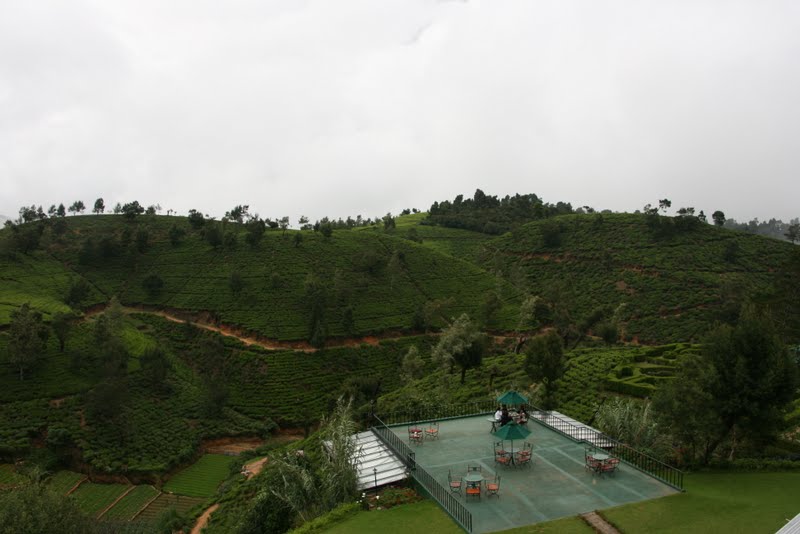
Figure 24 – View from the room
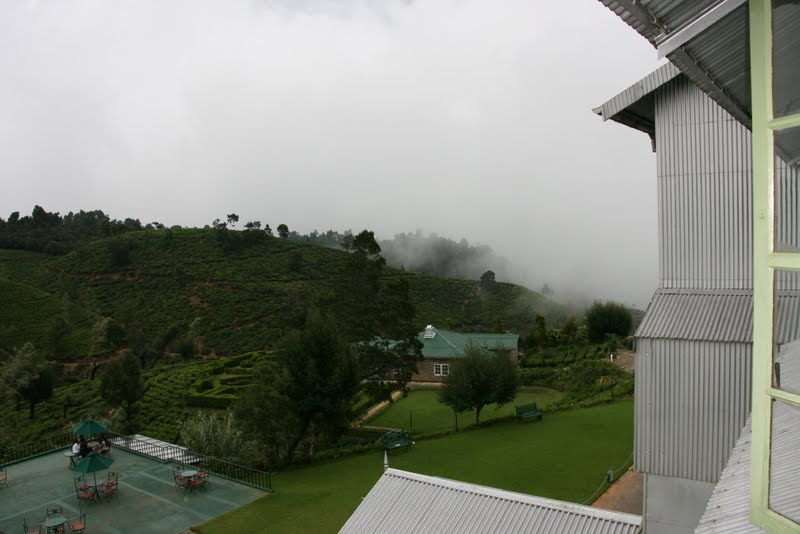
Figure 25 – Yet another view
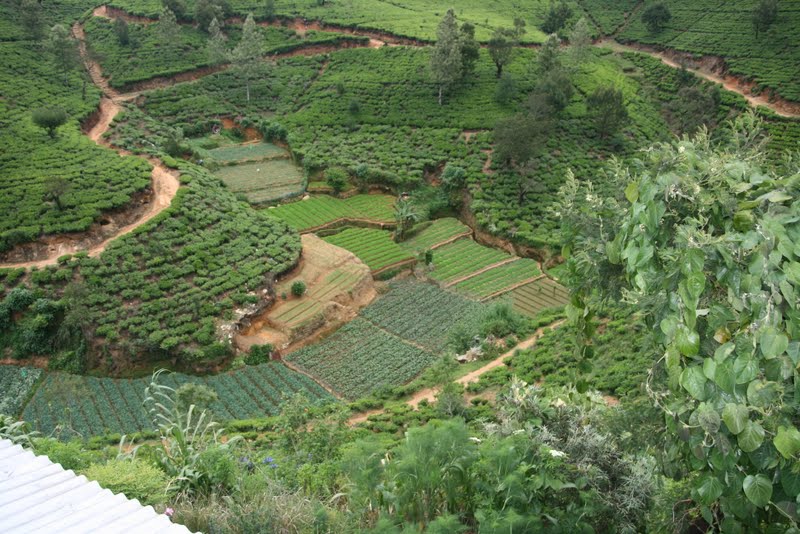
Figure 26 – Nearby plantation
Figure 27 – Mini tea factory
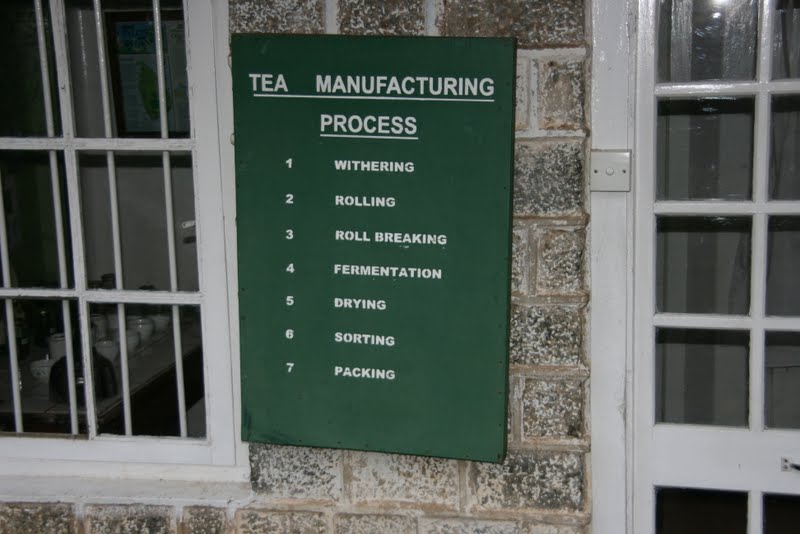
Figure 28 – The Art of Making Tea
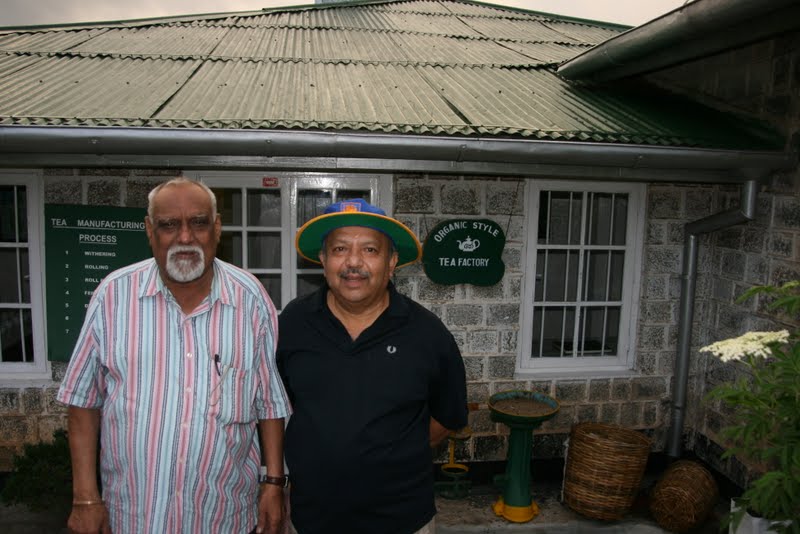
Figure 29 – Photo op with my silly hat
Figure 31 – Naveen pleased with Kats
Figure 32 – A very happy traveler
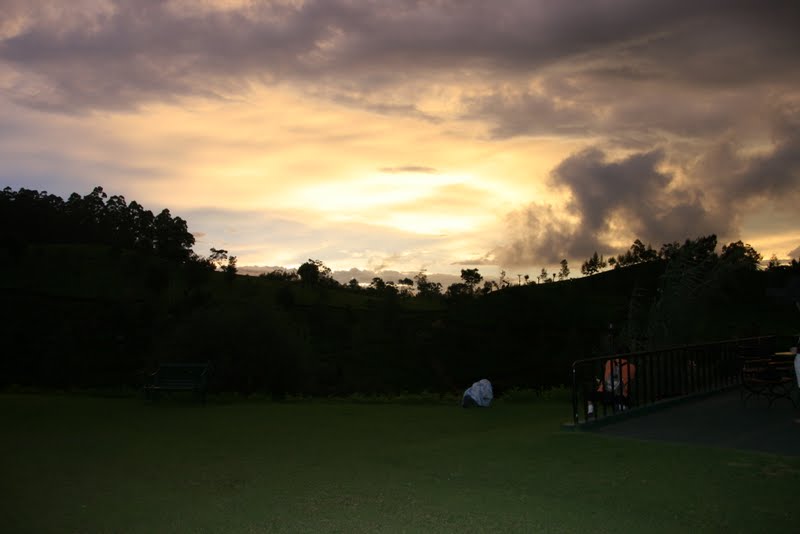
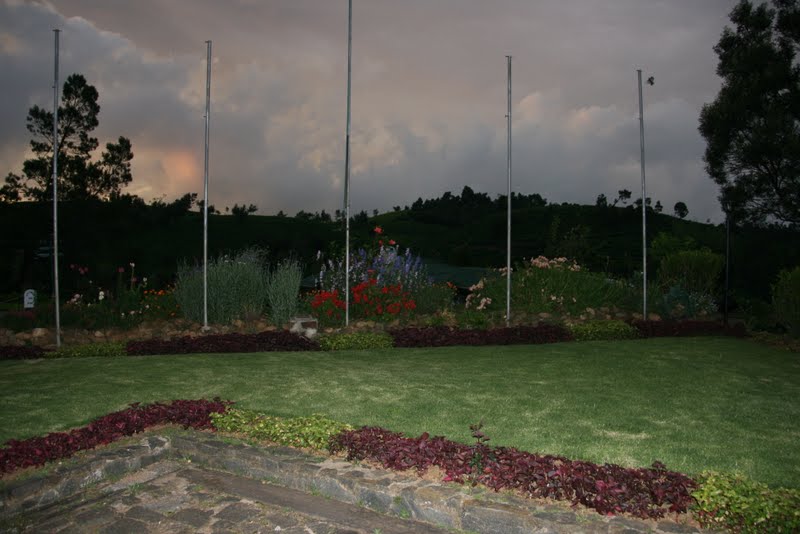
Figure 33 – Sun decides to go down
Figure 34 – Darkness envelopes the area
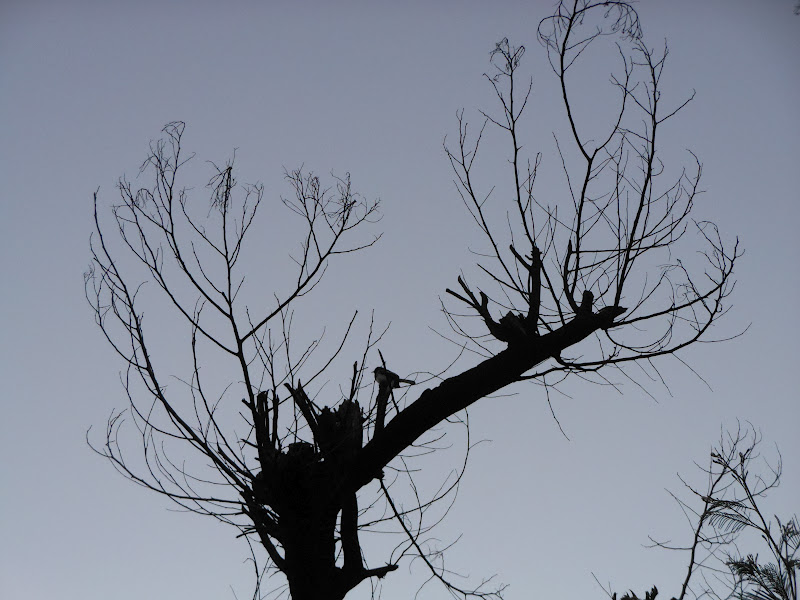
Figure 35 – Bird decides to rest for the night
Figure 36 – Finally the sun set – a grand finale
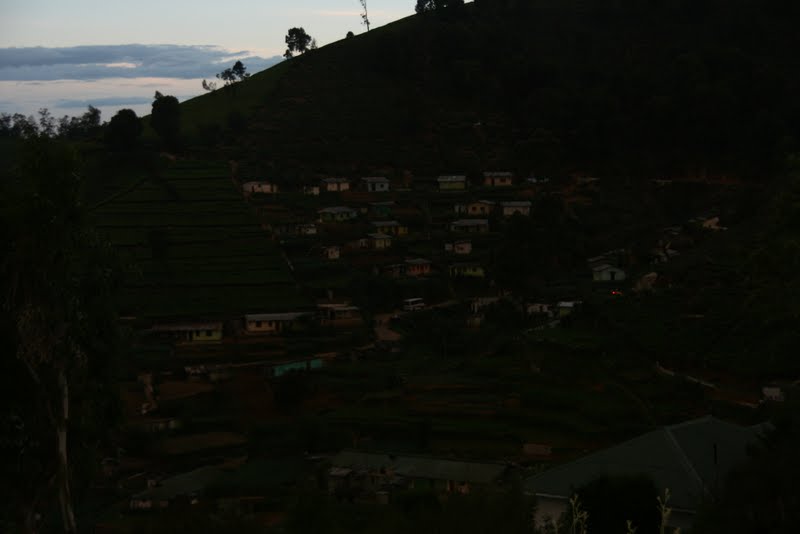
Figure 37 – The village below
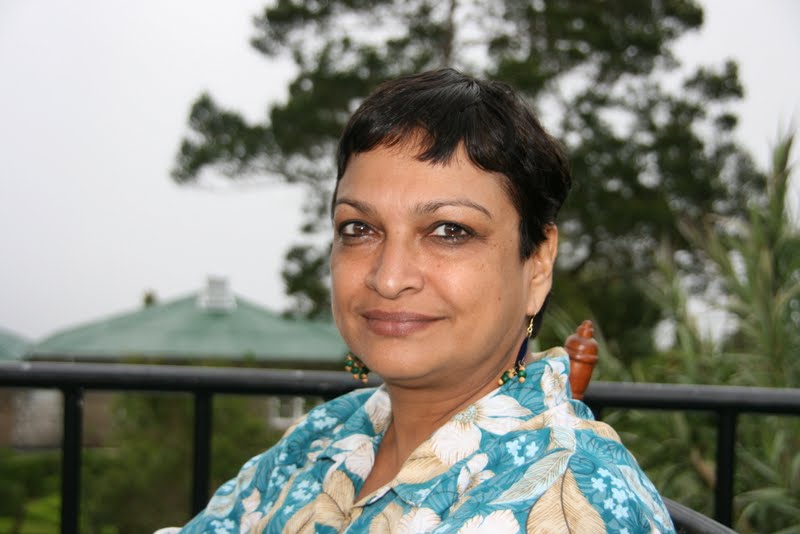
Figure 38 – Sheer warmth and ecstasy
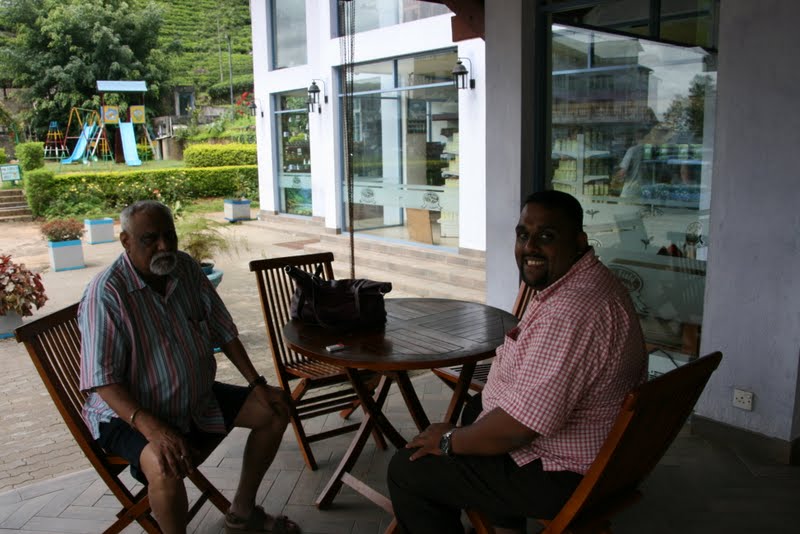
Figure 39 – Kats all set for the sundowner and the dinner has arrived
Figure 40 – Jai and Naveen warding of a Bumble Bee attack – had kept the window open – sorry
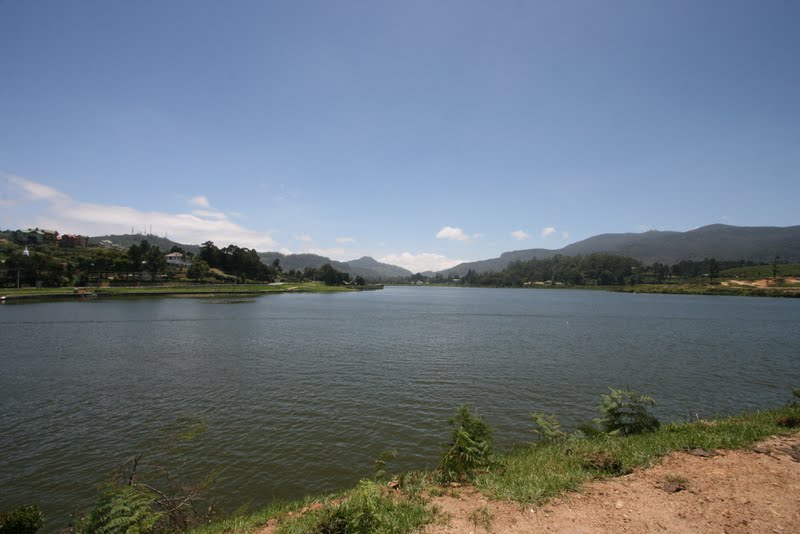
Figure 41 – Gregory’s lake – Nuwara Eliya
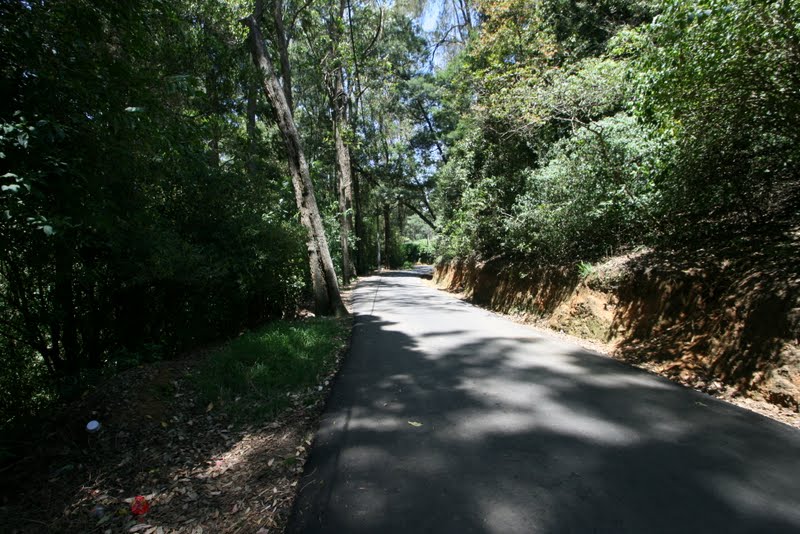
Figure 42 – Ride in the forest
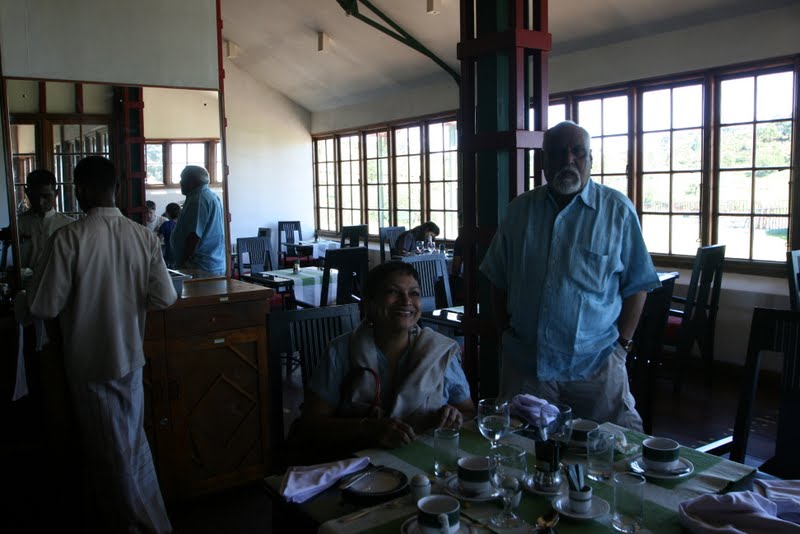
Figure 43 – Ready for breakfast
Figure 44 – Satisfied customers
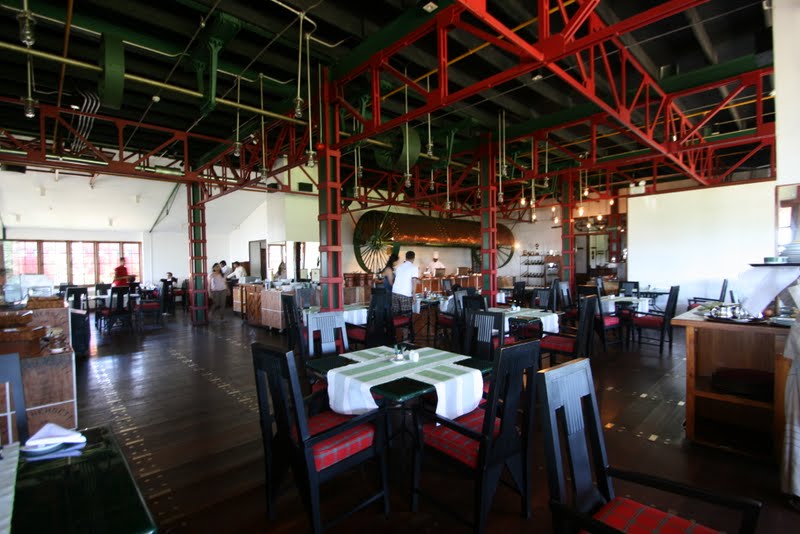
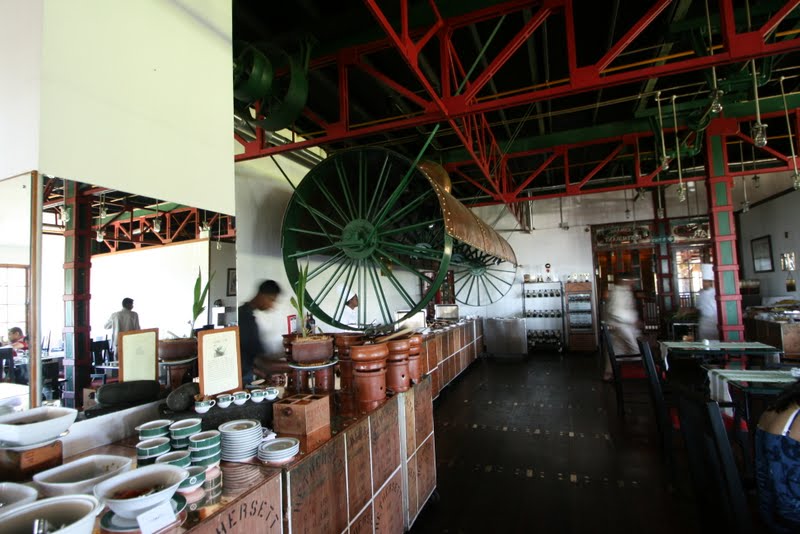
Figure 45 – Dining room was once the packing room. Notice the tea chests which makes up the table.
Figure 46 – Sanctum Sanctorum
Figure 47 – A very well appointed bar
Figure 48 – Goatfell Bar, which offers more than 20 different types of tea, tea mocktails, Hethersett Fog – a blend of tea, lime juice, angostura bitters and lemonade, topped with a slice of lime and tea leaves
Figure 49 – Enjoying the sun
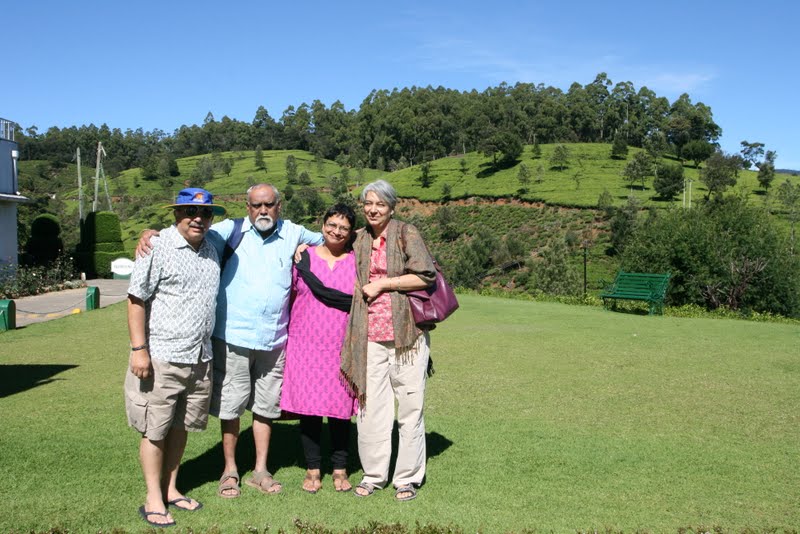
Figure 50 – A happy and contented lot – it shows!
Figure 51 – Ayubuwan till we meet again
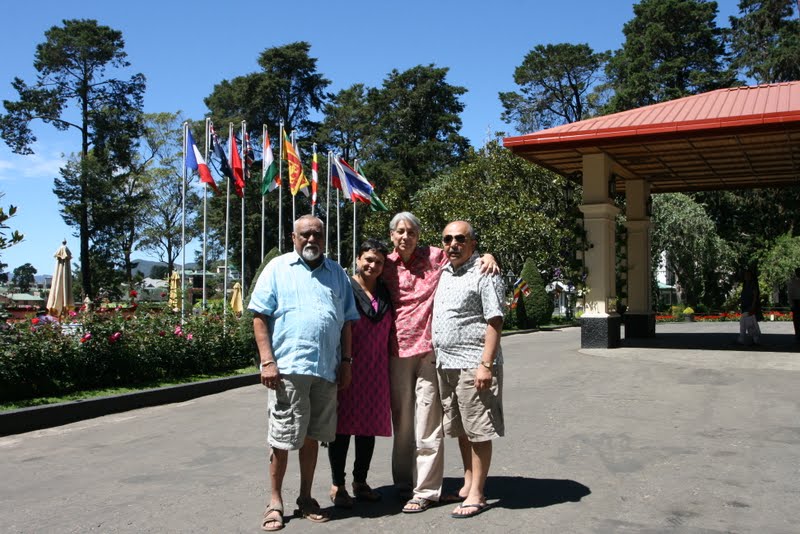
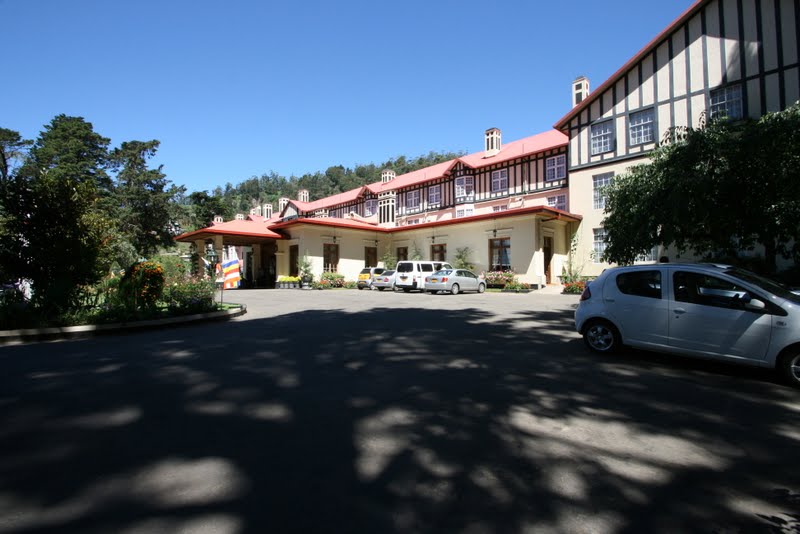
Figure 52 – Visit to the Grand Hotel – Nuwara Eliya
Figure 53 – The Grand Hotel -Has a heritage exceeding 120 years and was the residence of Sir Edward Barnes, Governor of Sri Lanka during the era from 1830 to 1850.

 Captain's Corner
It was a good experience to read the articles and contents on this site.http://www.deccansojourn.com
LikeLike
Dear Roopa,Thanks for your comments
LikeLike